Mt. Aso, Aso Shrine, and Kokuzō Shrine
Mountain worship at Aso in Kumamoto looks up to Mt. Aso as a sacred mountain and has been carried on around Aso Shrine and Kokuzō Shrine. Just as Mt. Fuji has Sengen Taisha and its family of Grand Priests, Mt. Aso has shrines that worship the mountain and a priestly family that has conducted their rites.
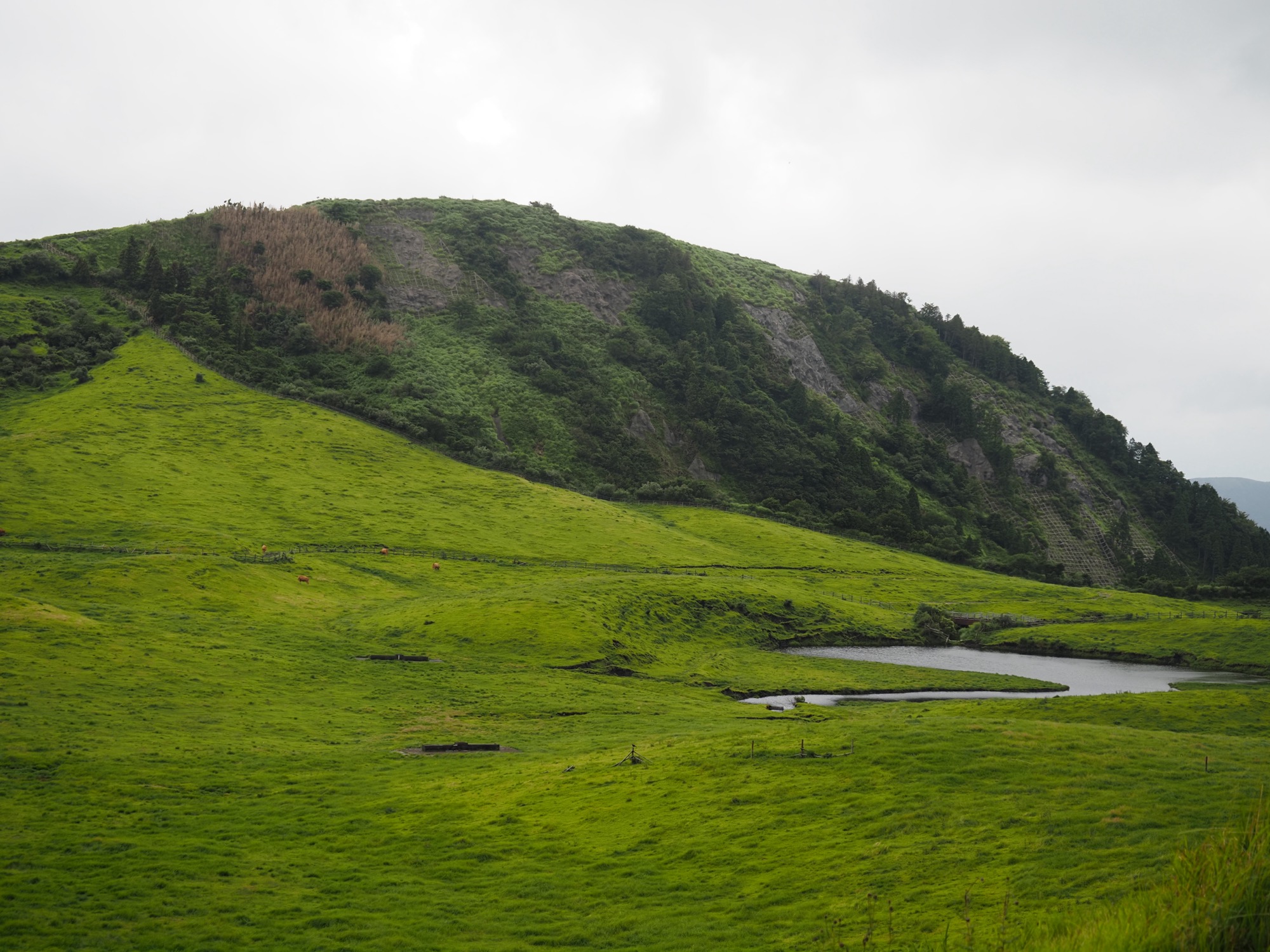
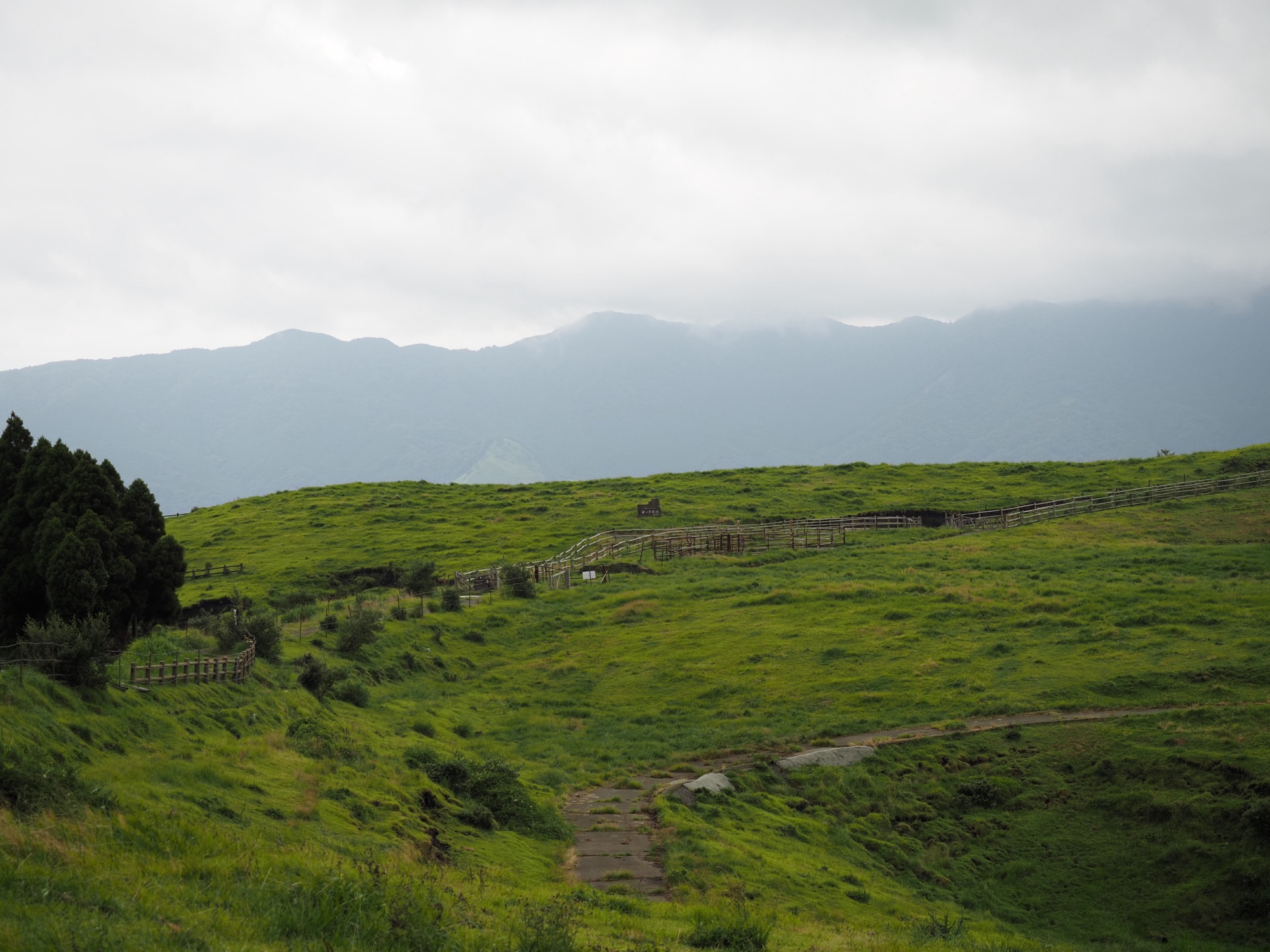
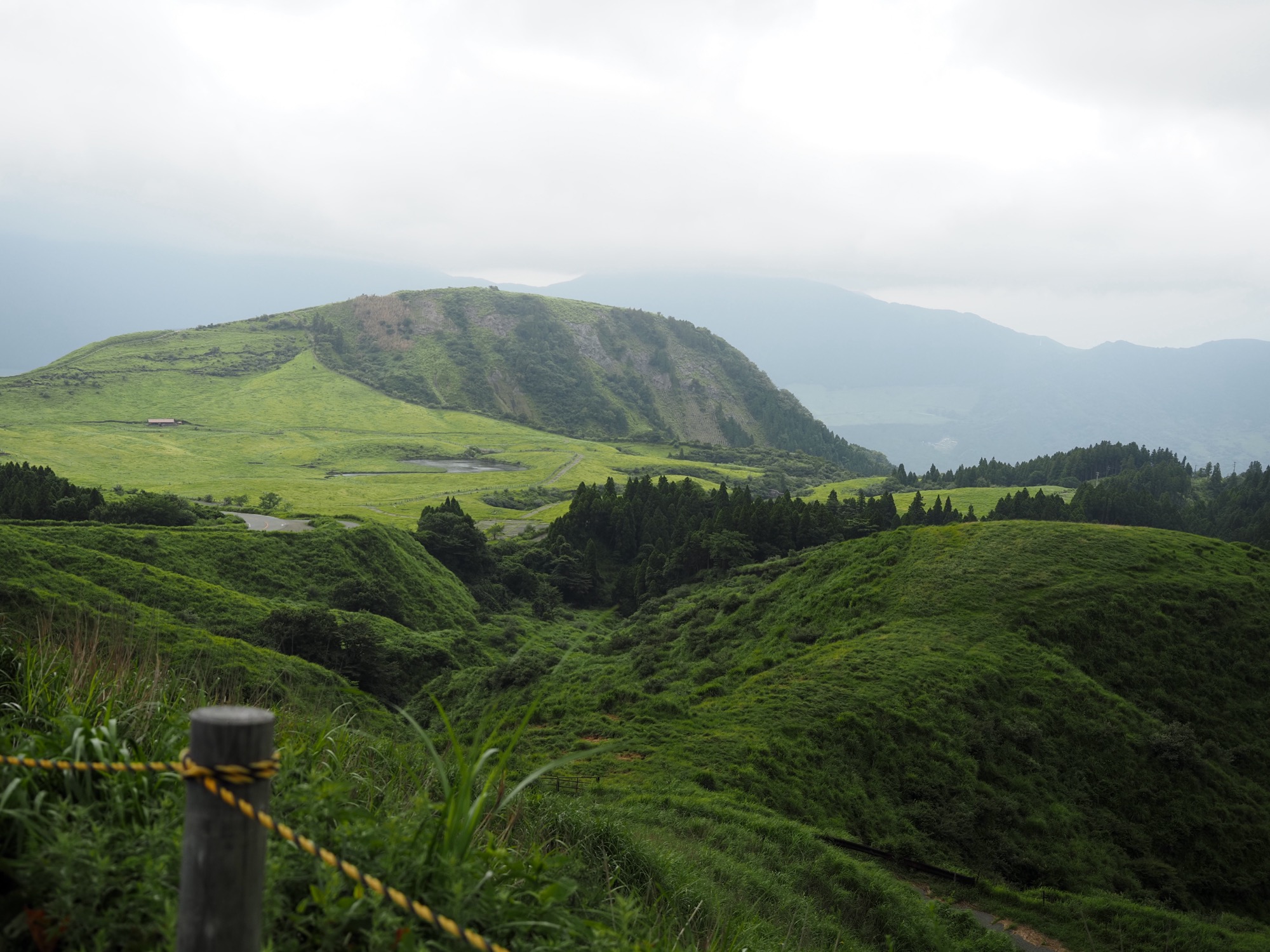
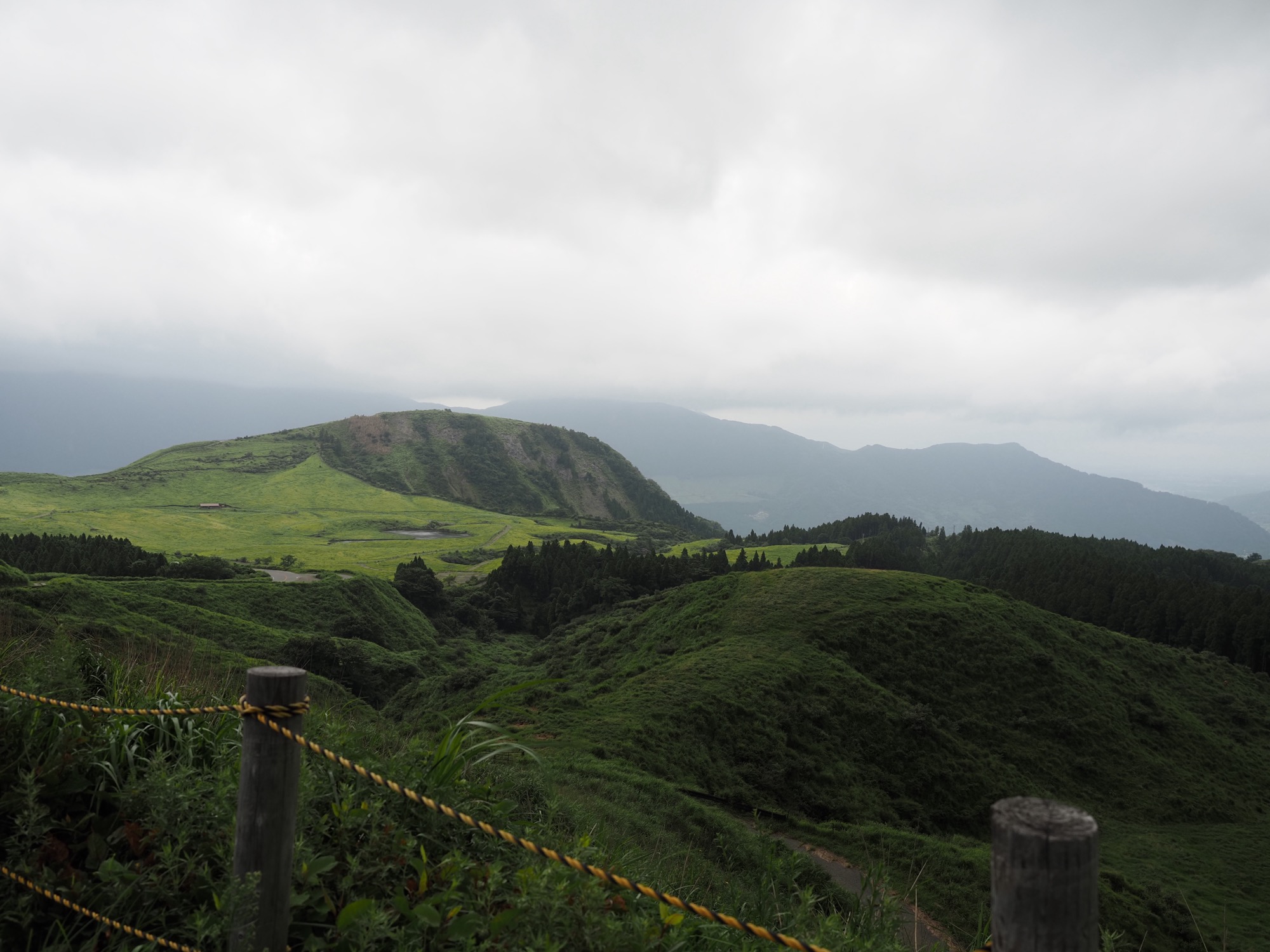
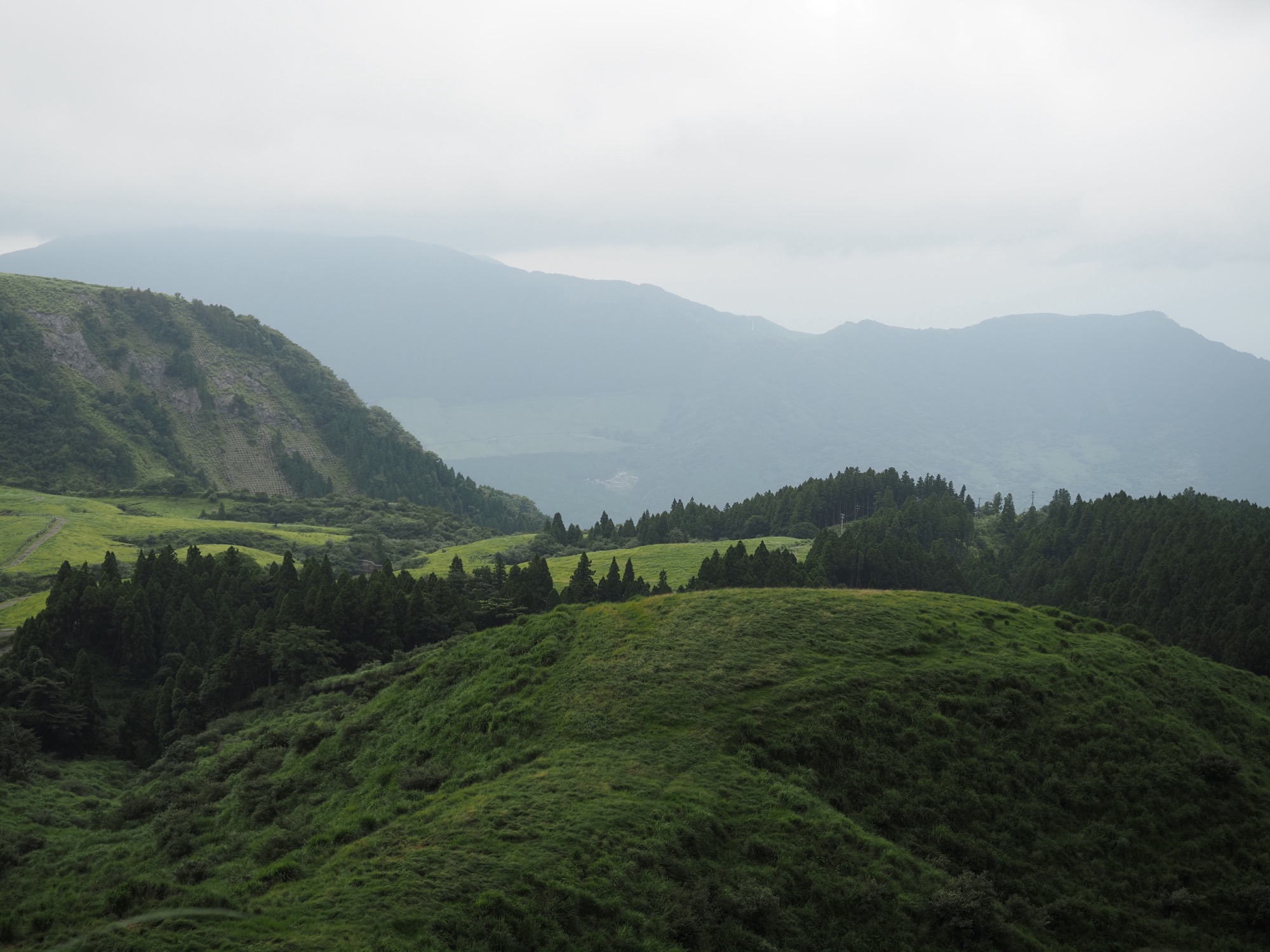
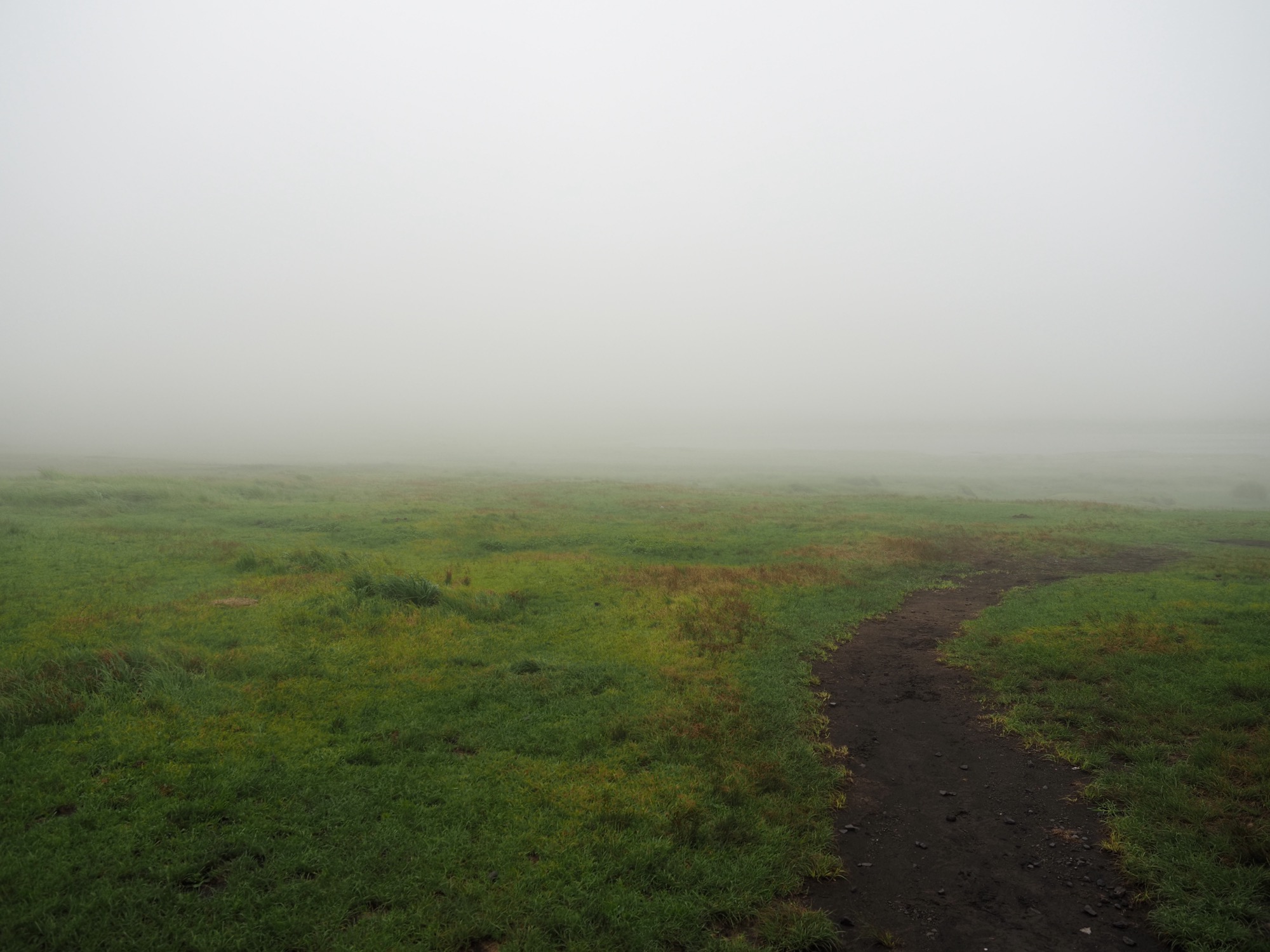
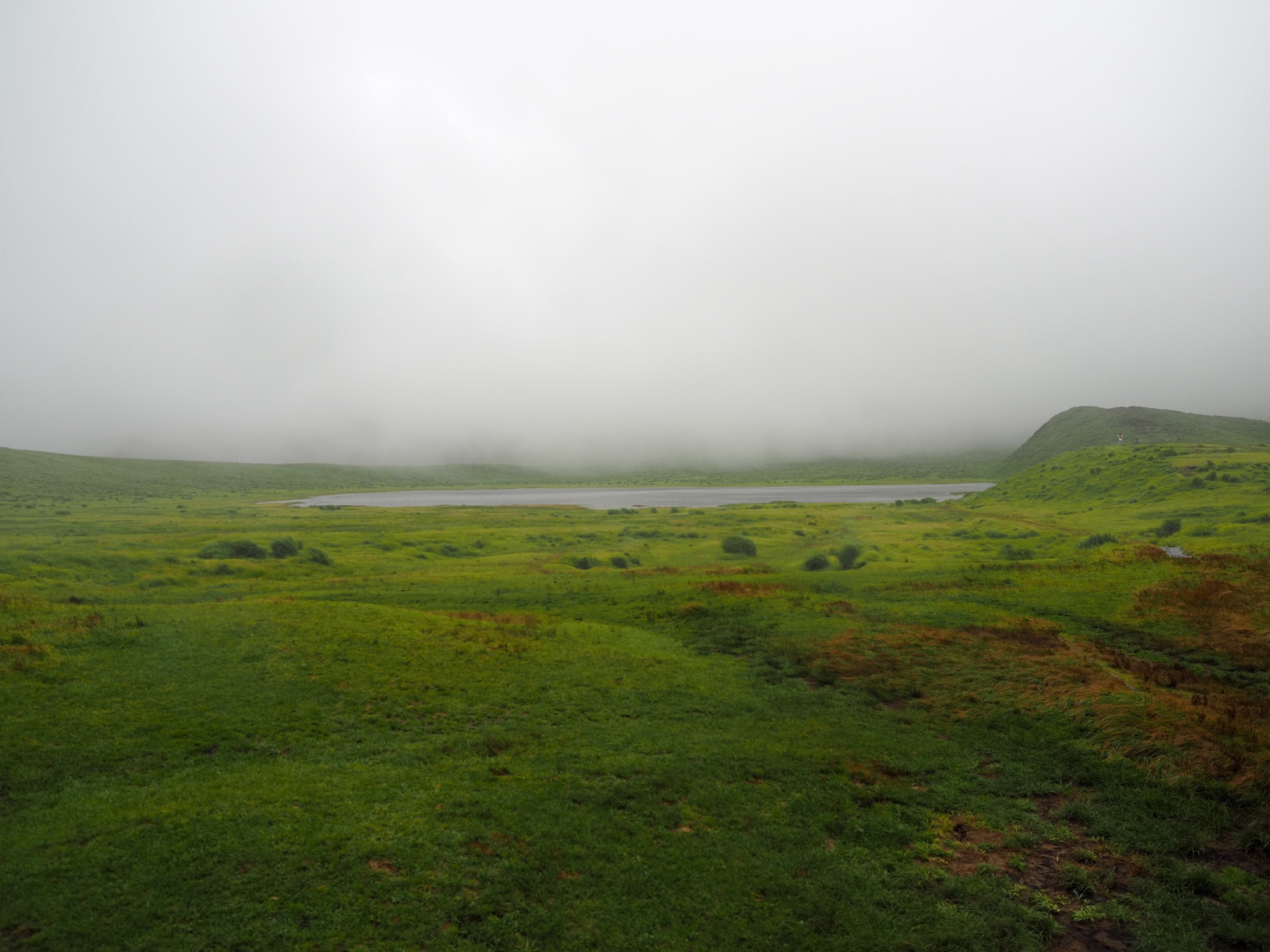
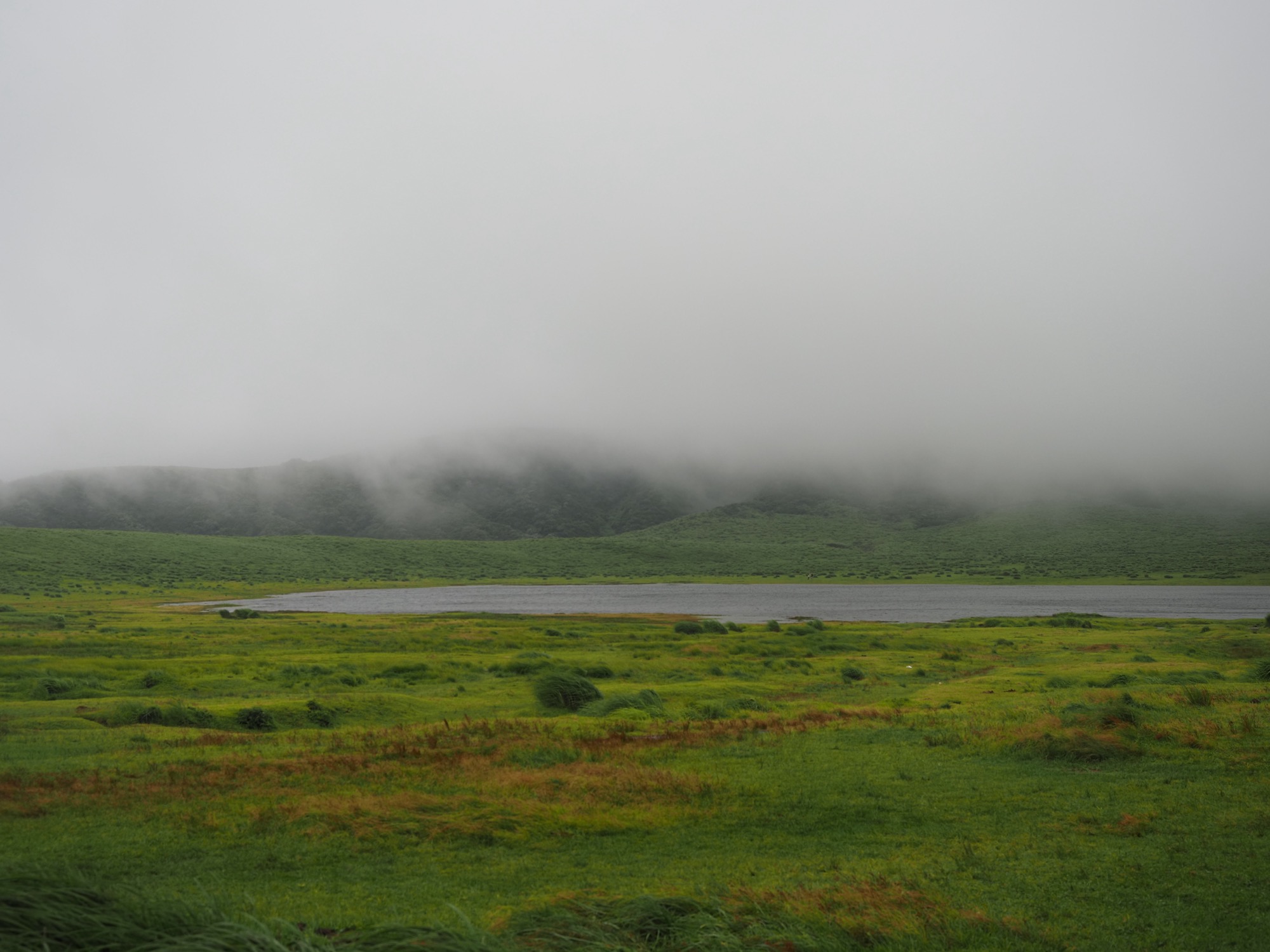
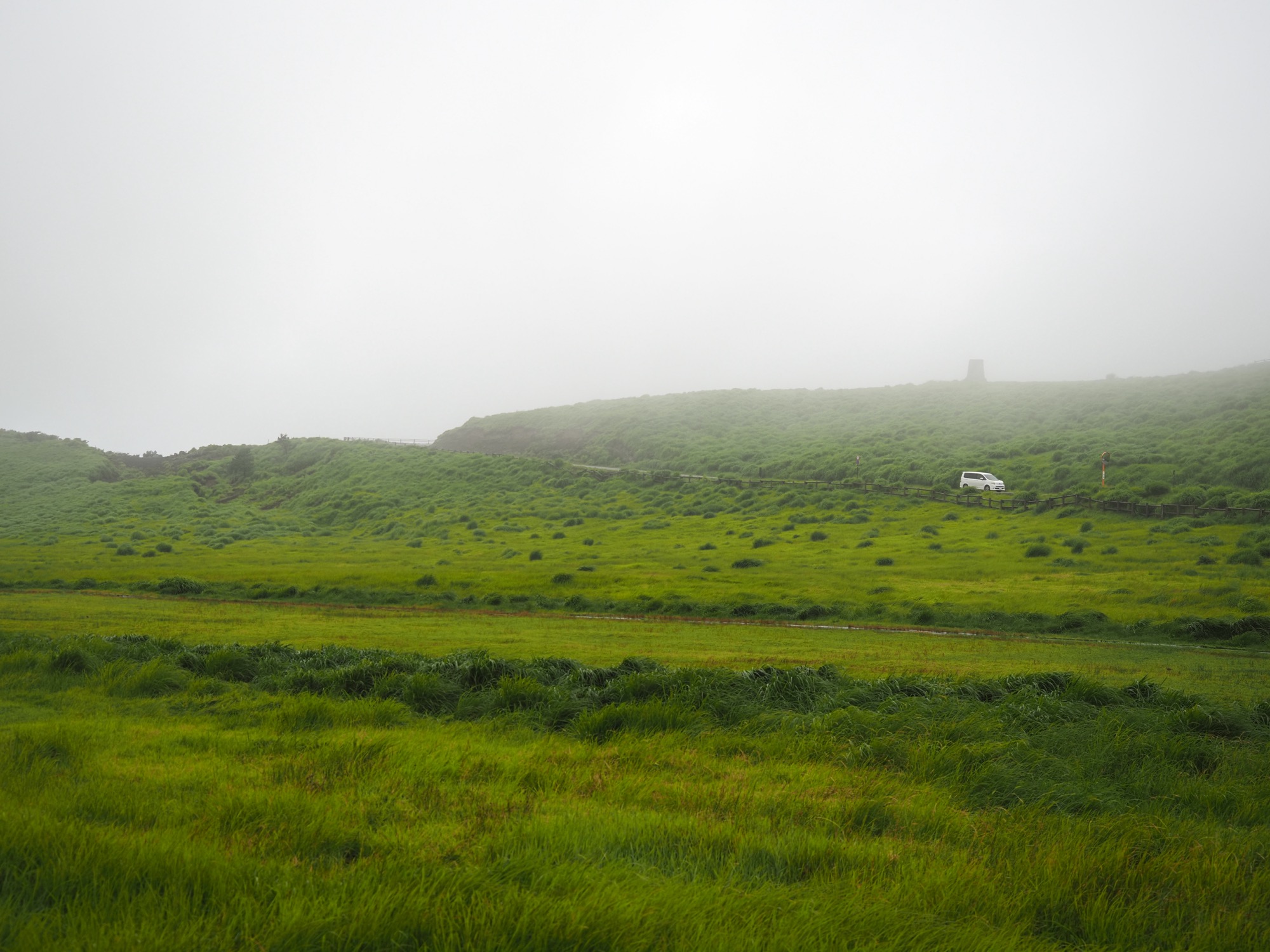
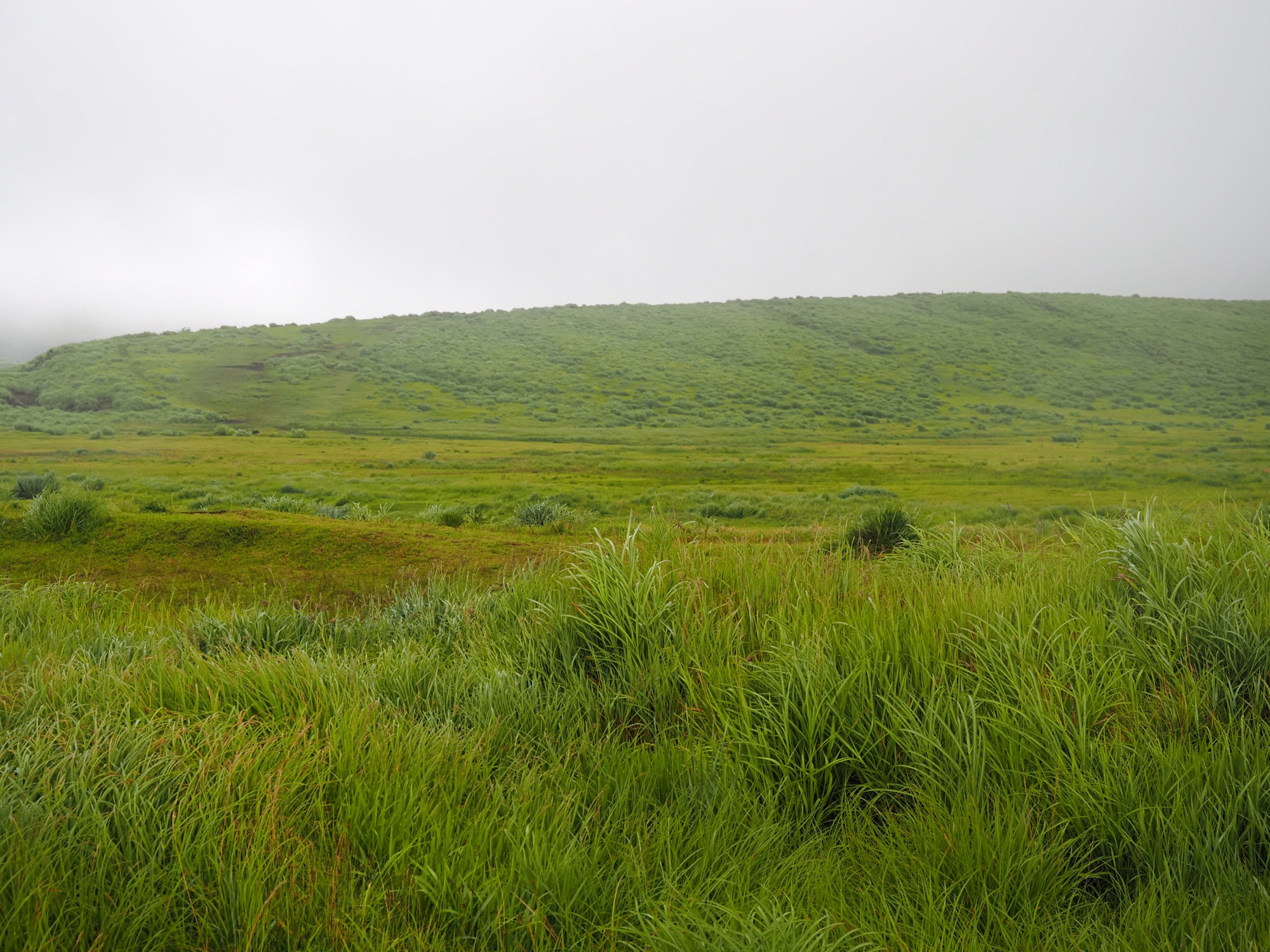
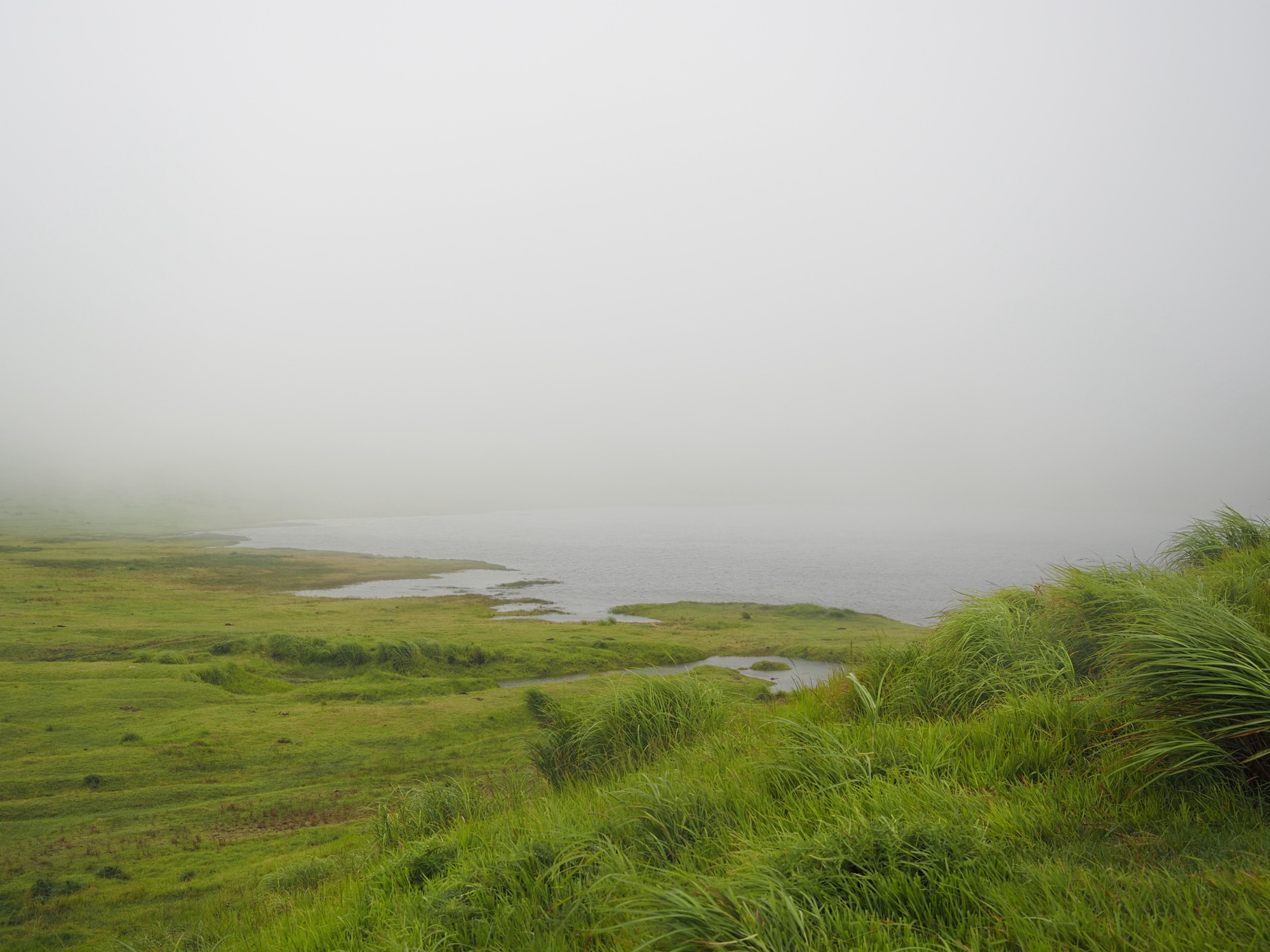
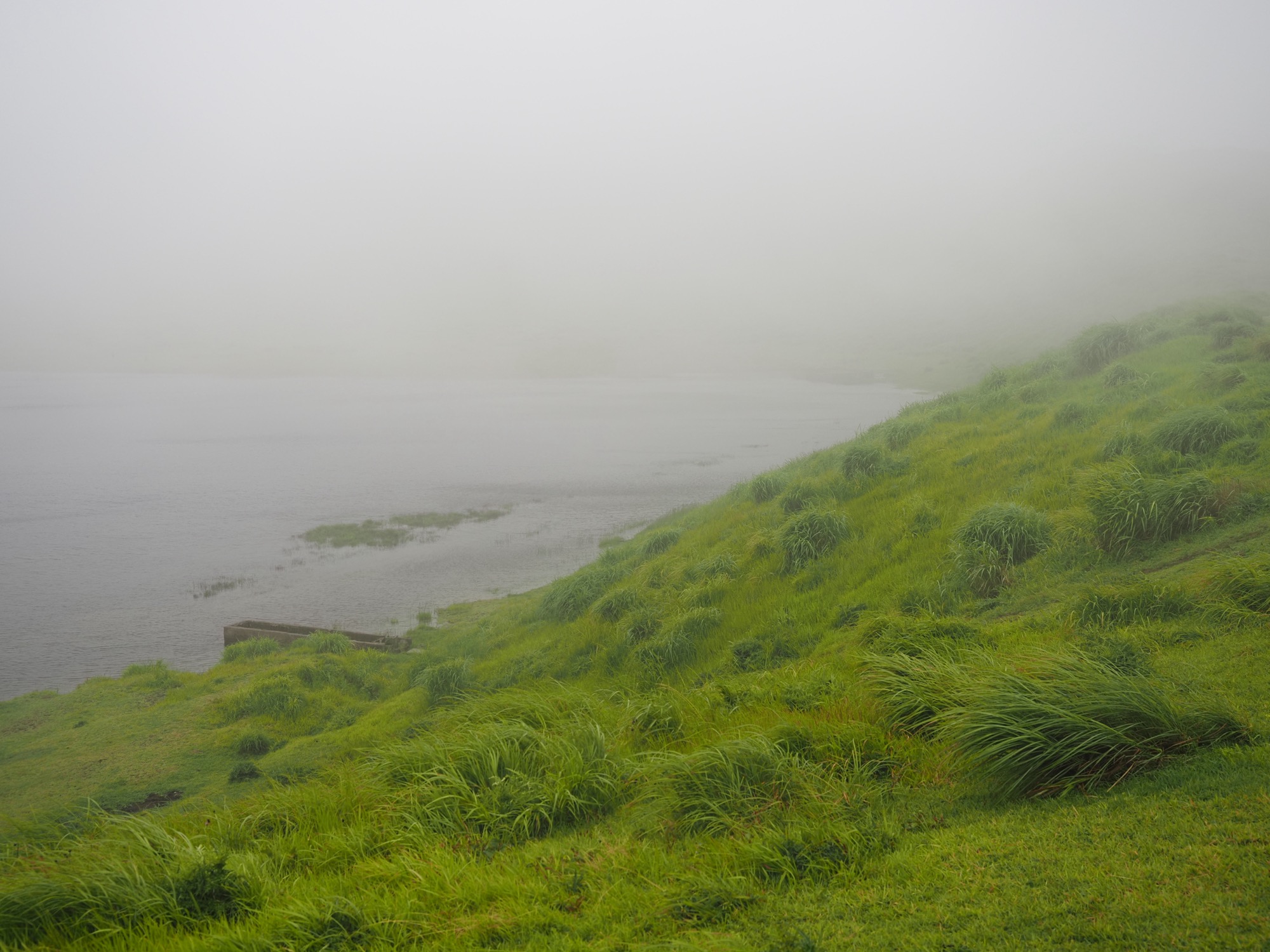
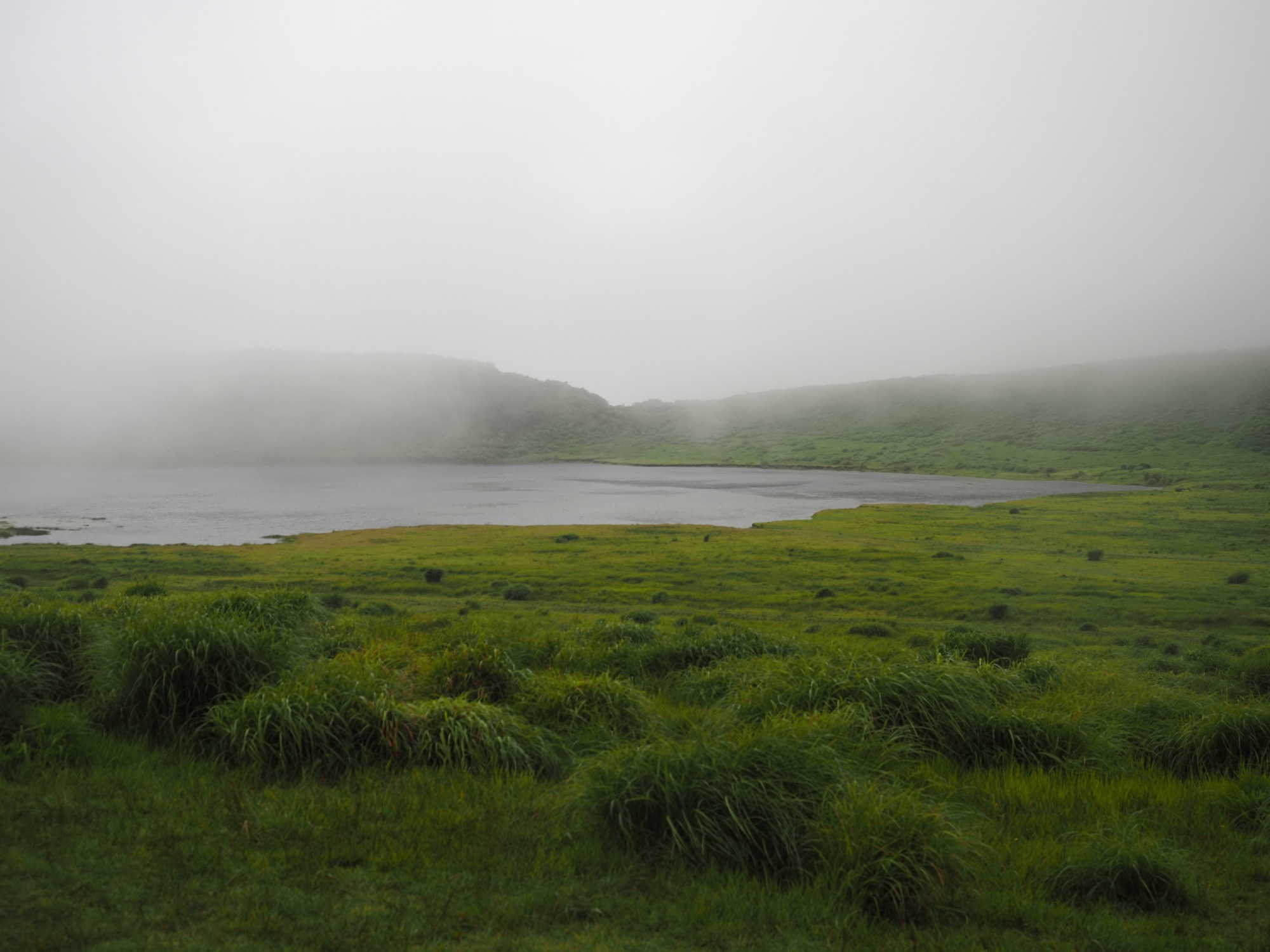
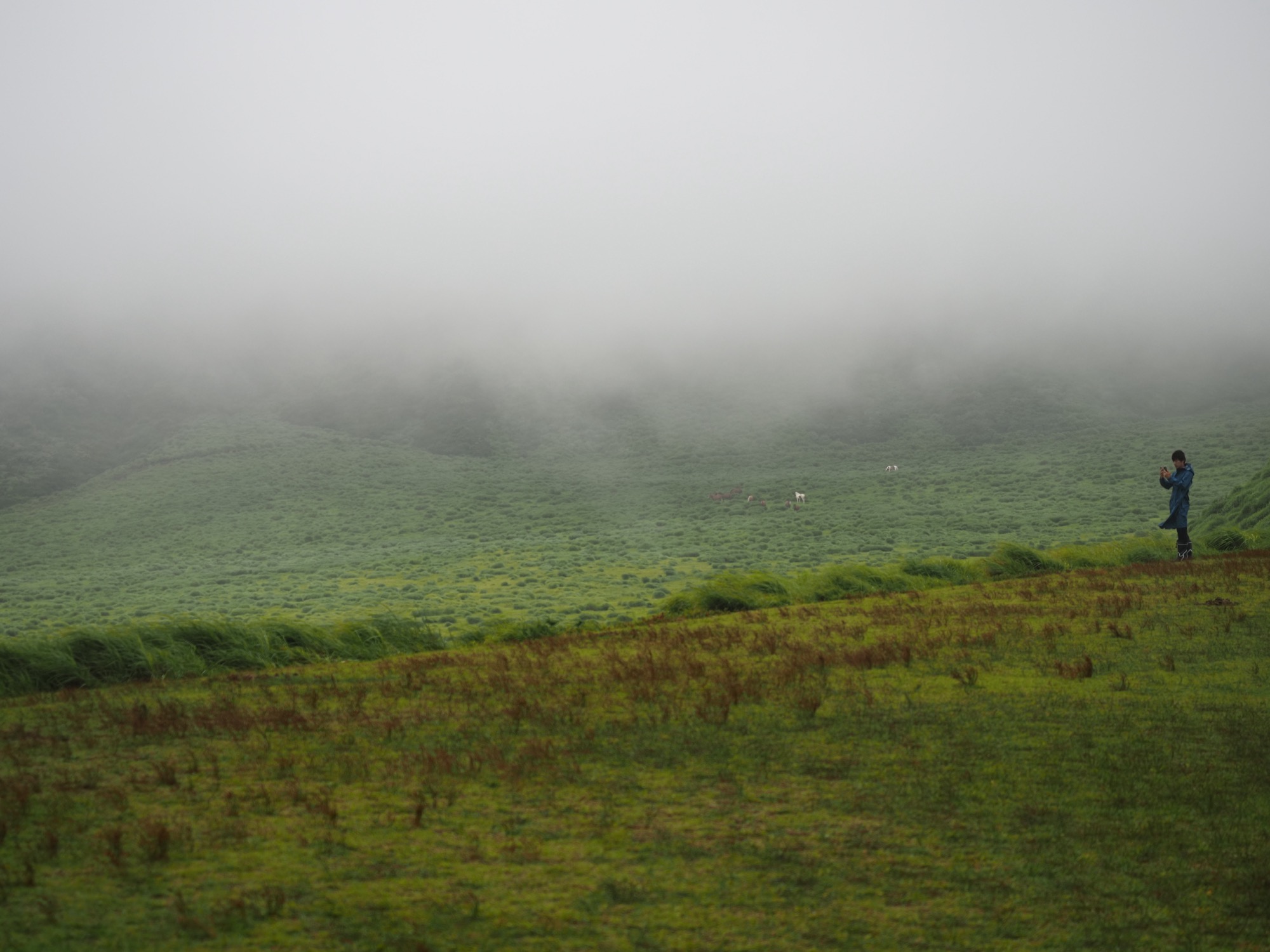
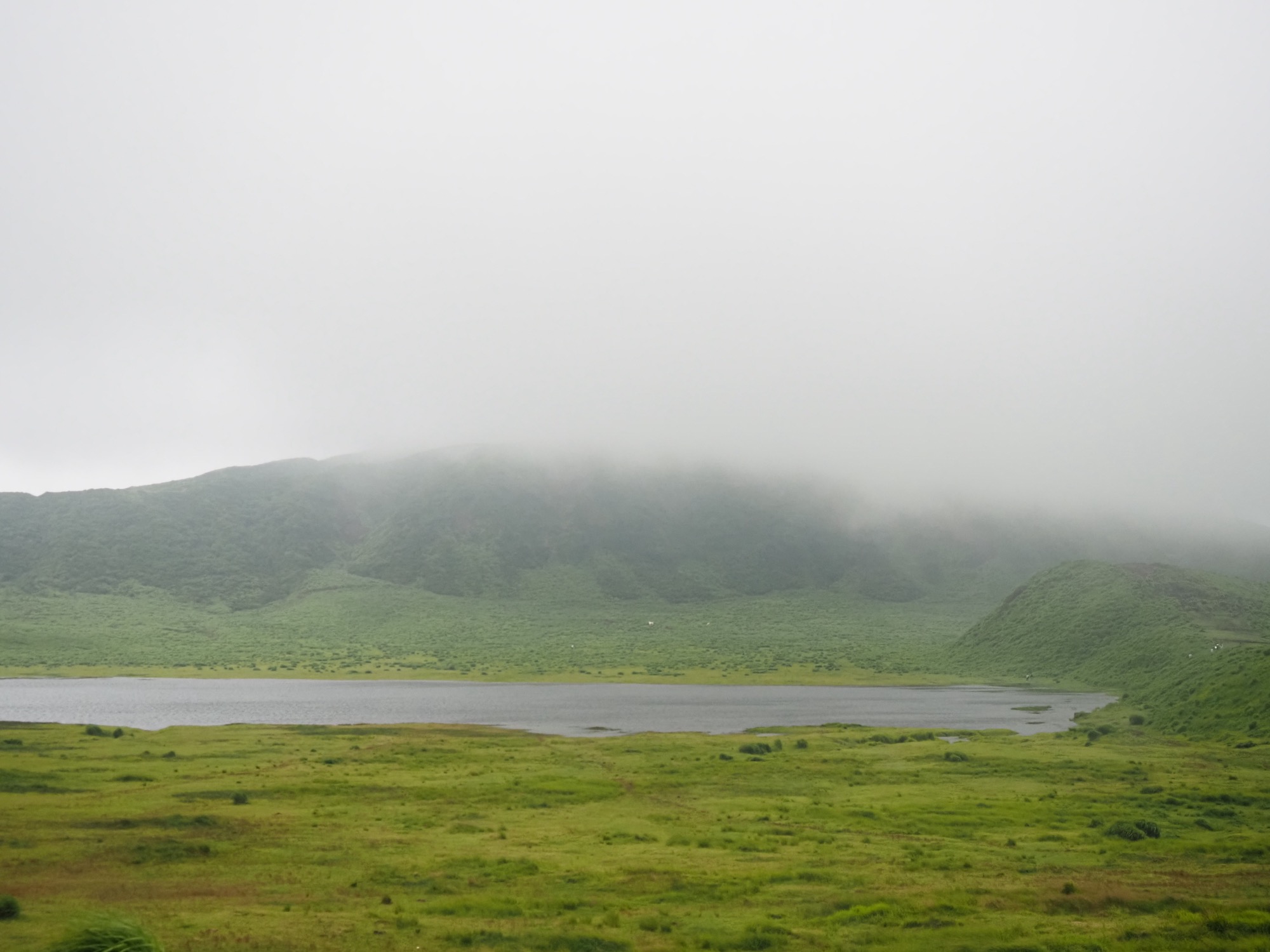
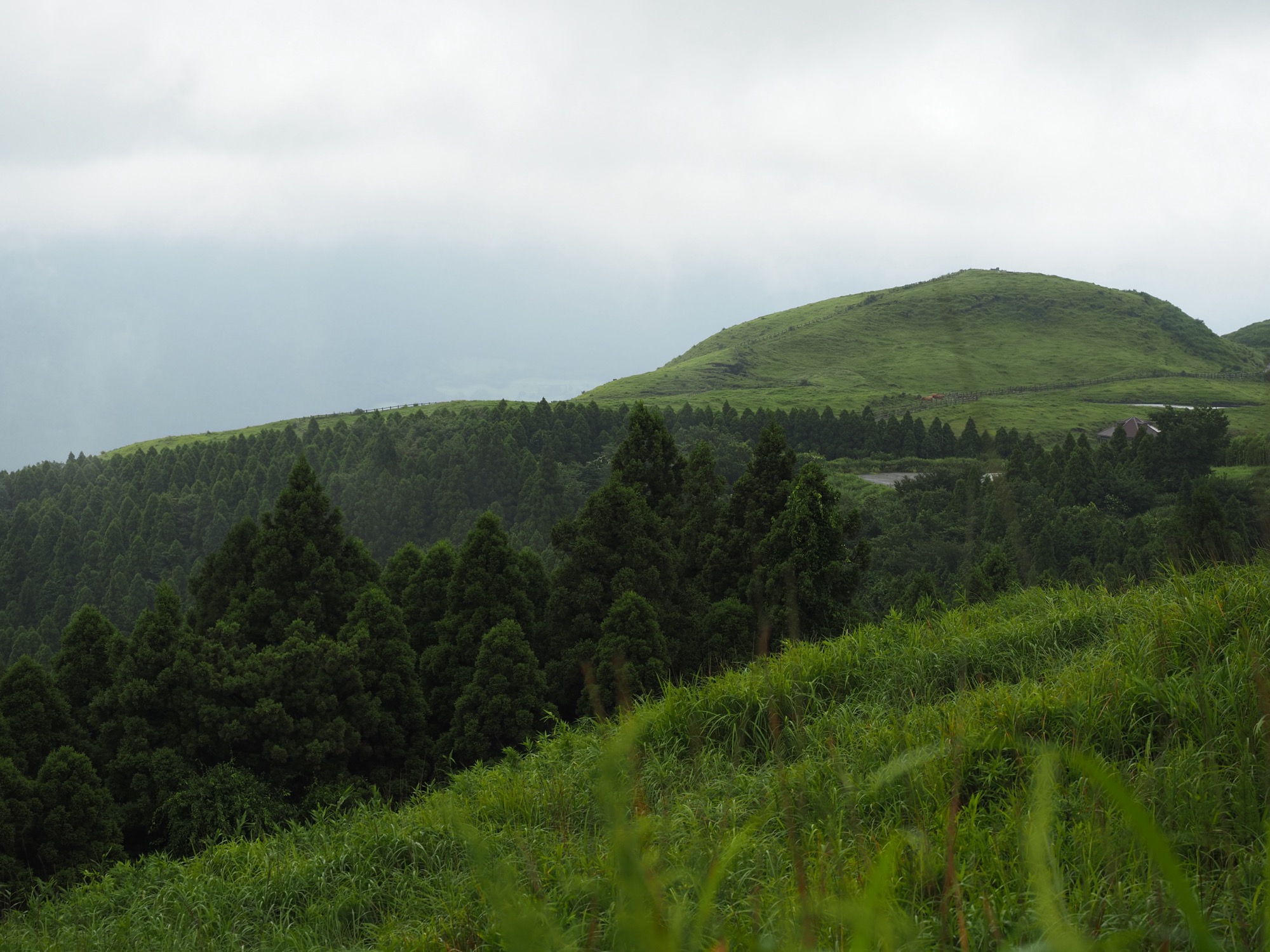
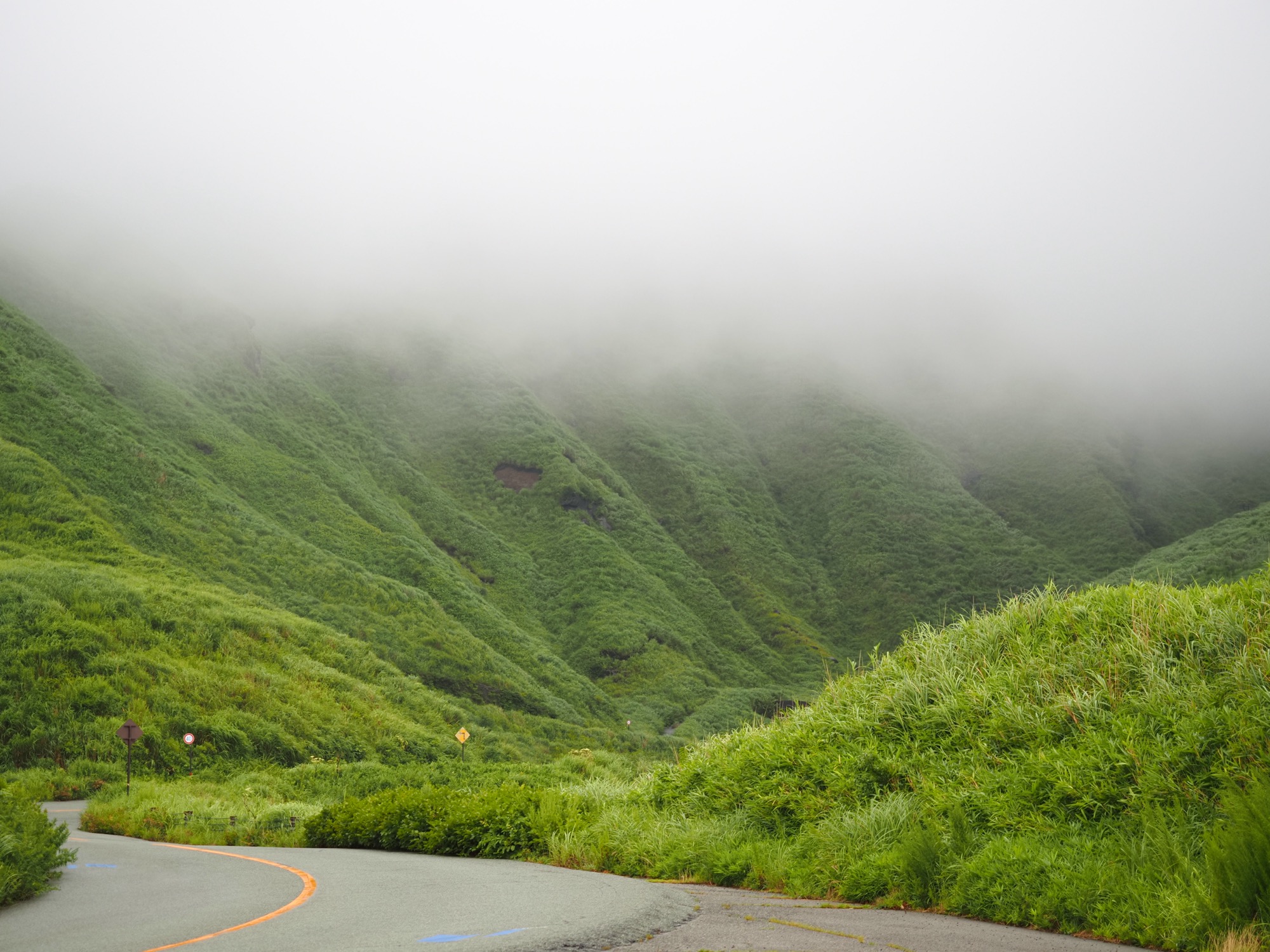
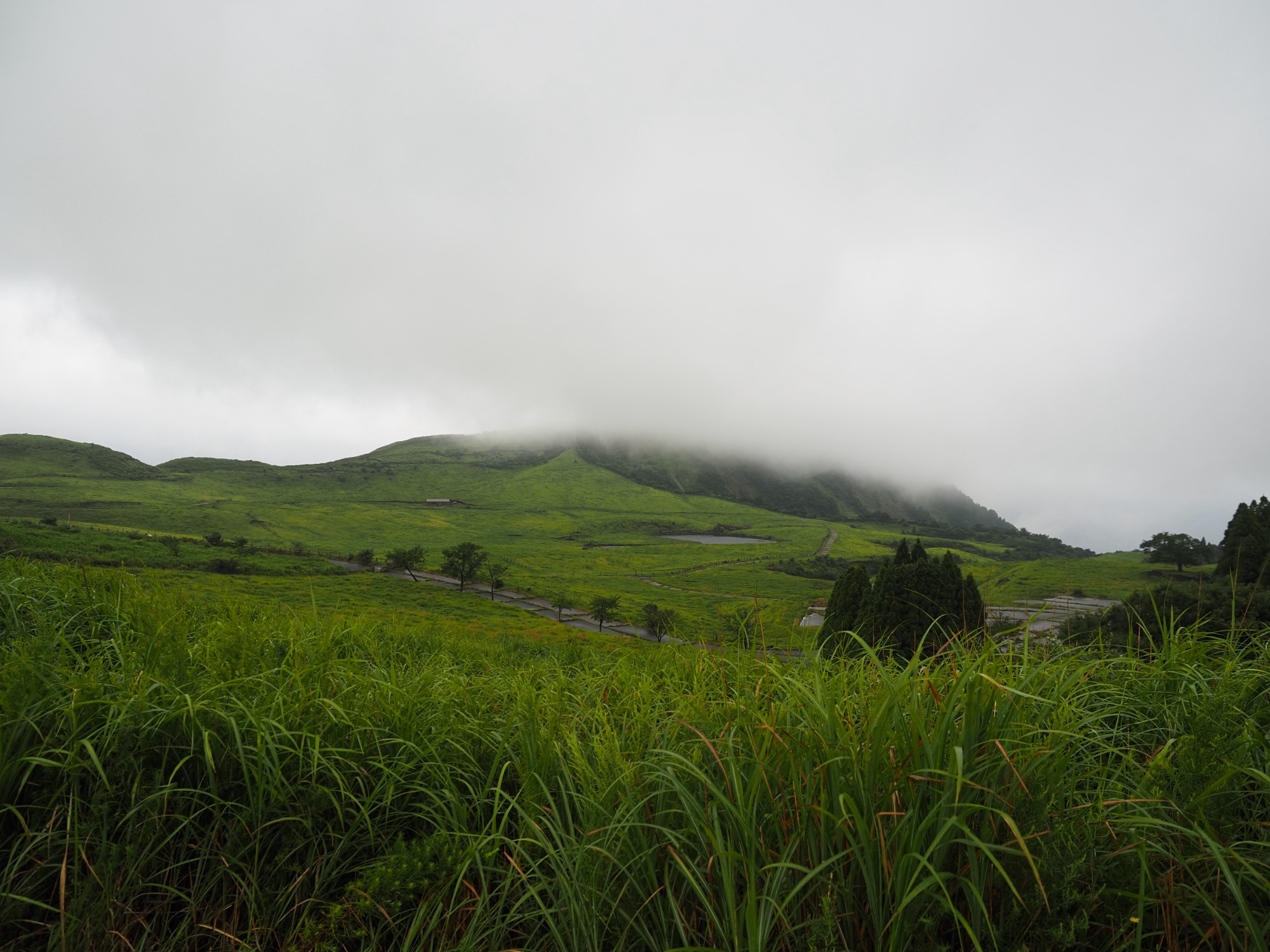
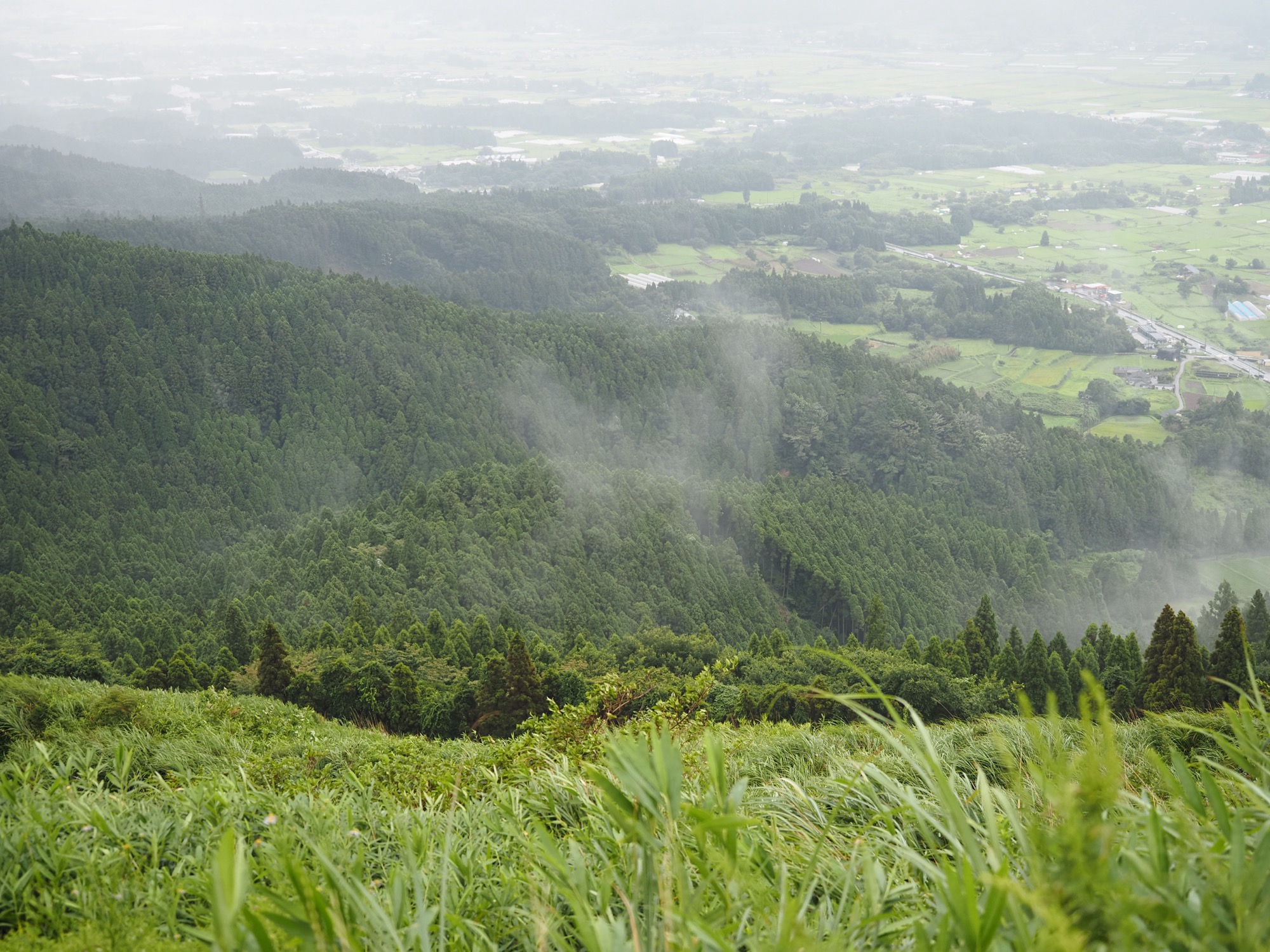
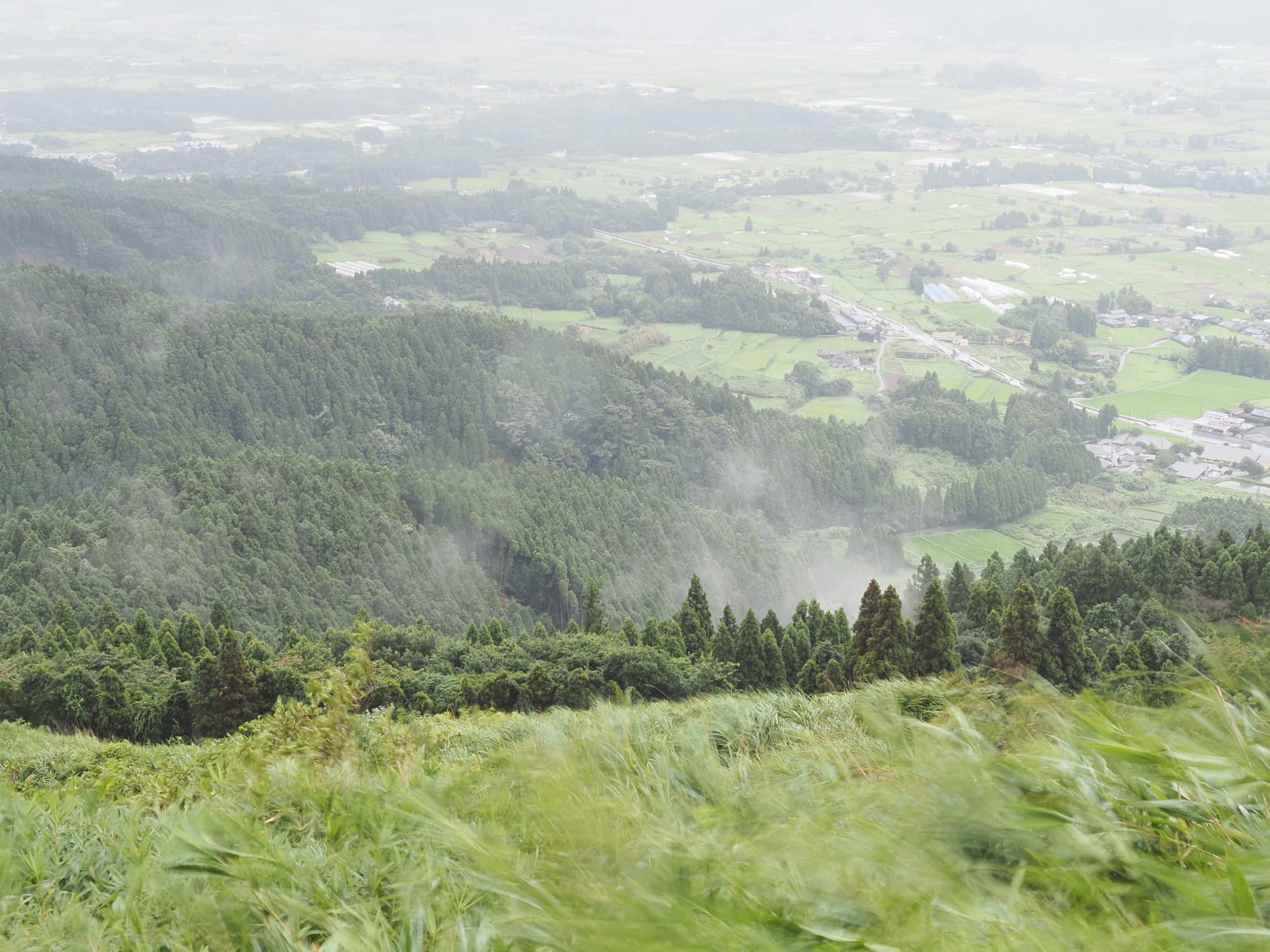
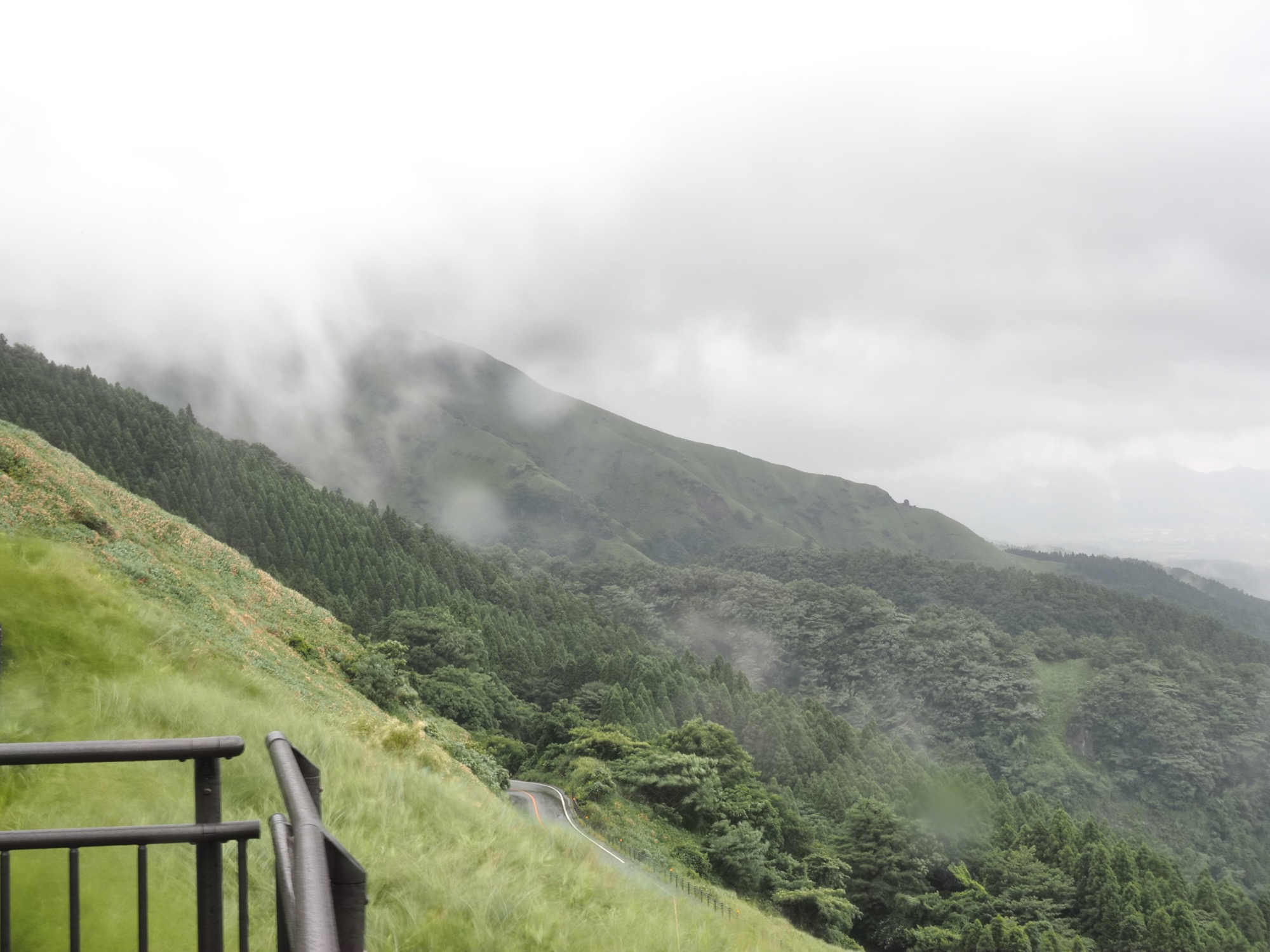
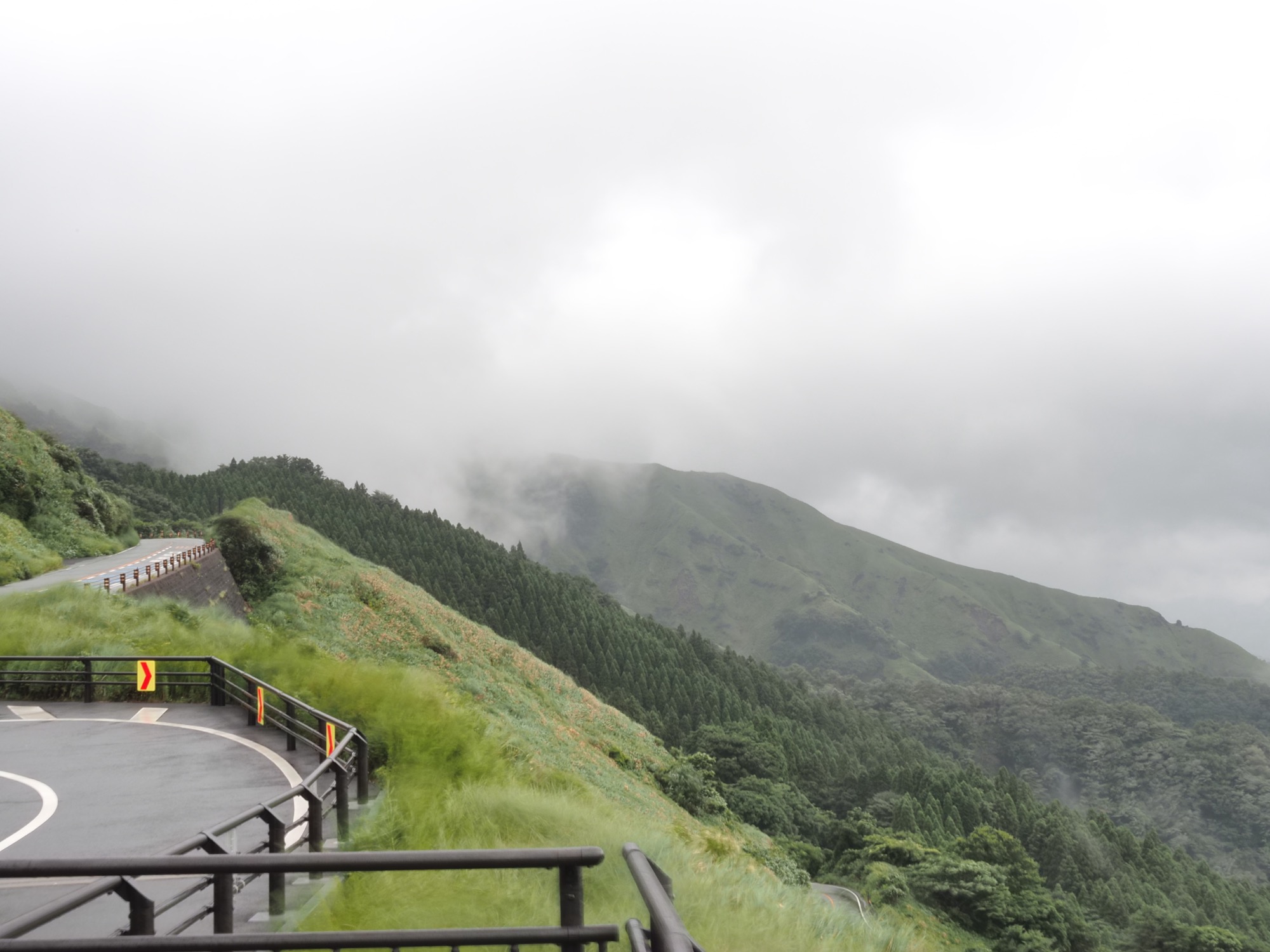
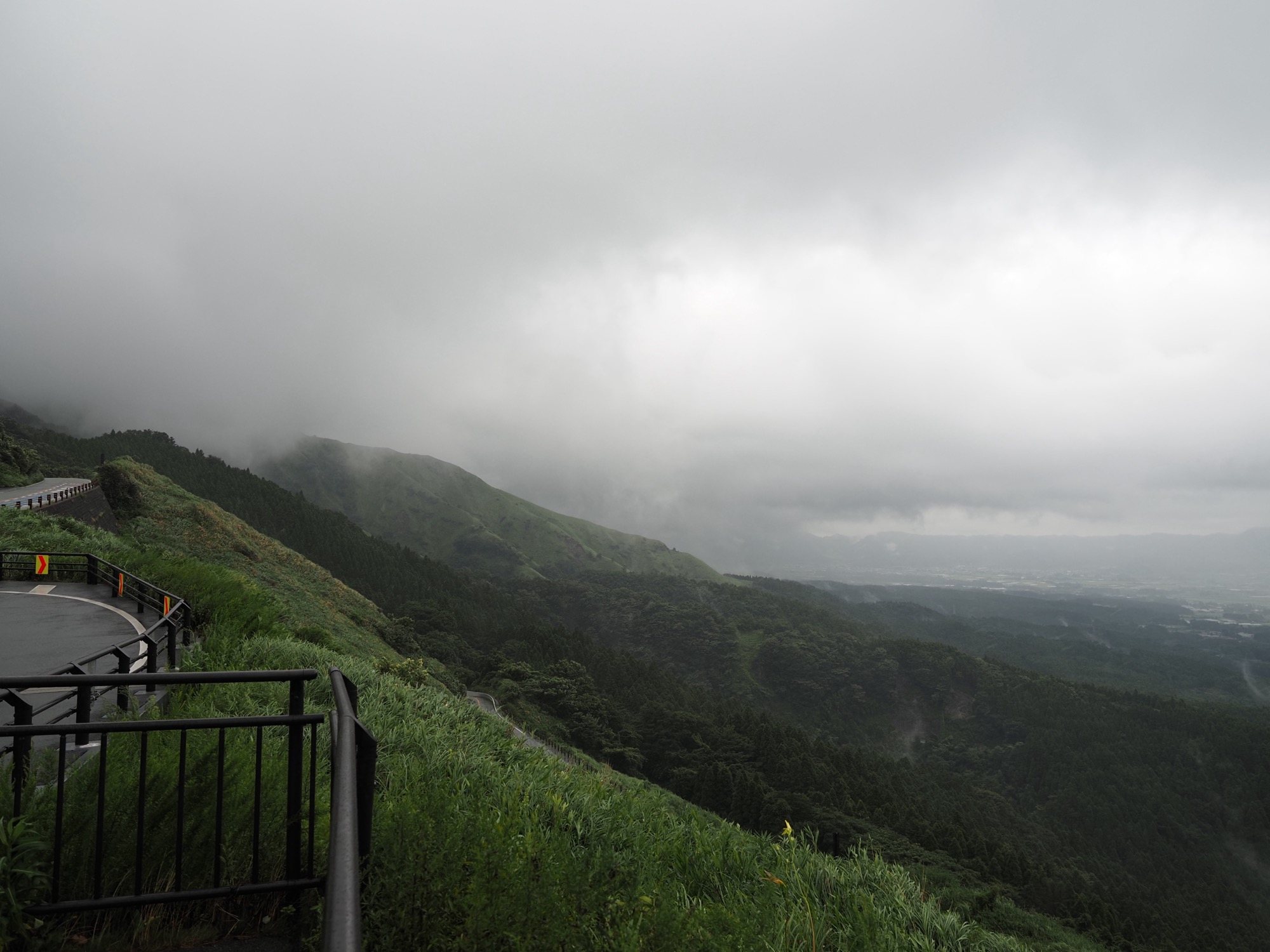
Mt. Aso is an active volcano that is still active today, and it holds a huge caldera in the centre of Kyushu, about 18 kilometres from east to west and 25 kilometres from north to south. Kusasenri-ga-hama is a grassland on the site of an old crater, spreading north of Eboshi-dake, one of the central cones. The photos, taken on the morning of 10 August, show the outer rim half wrapped in mist and Kusasenri-ga-hama, the shapes of mountains sinking into the clouds, and grasses swaying in the wind.
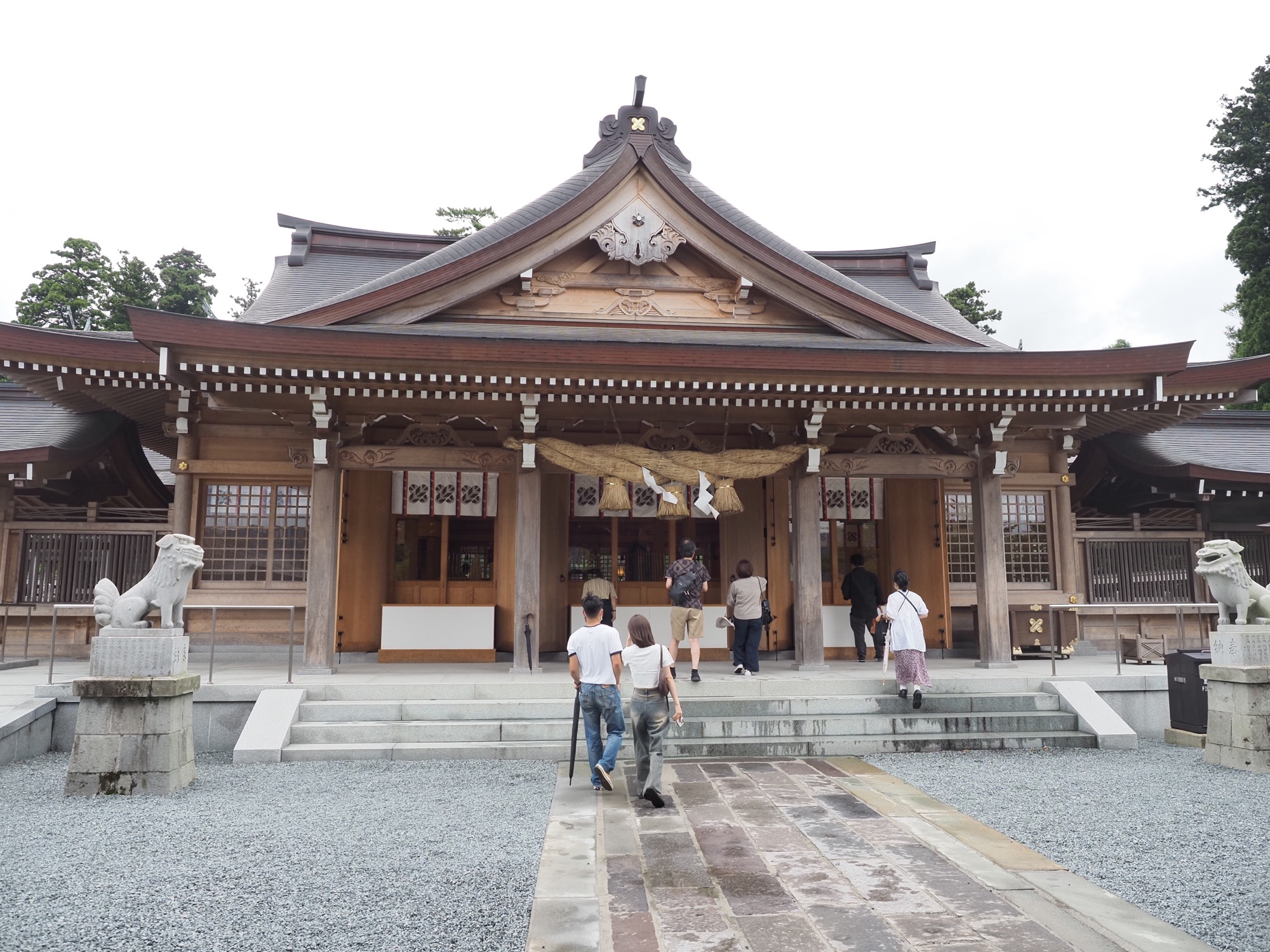
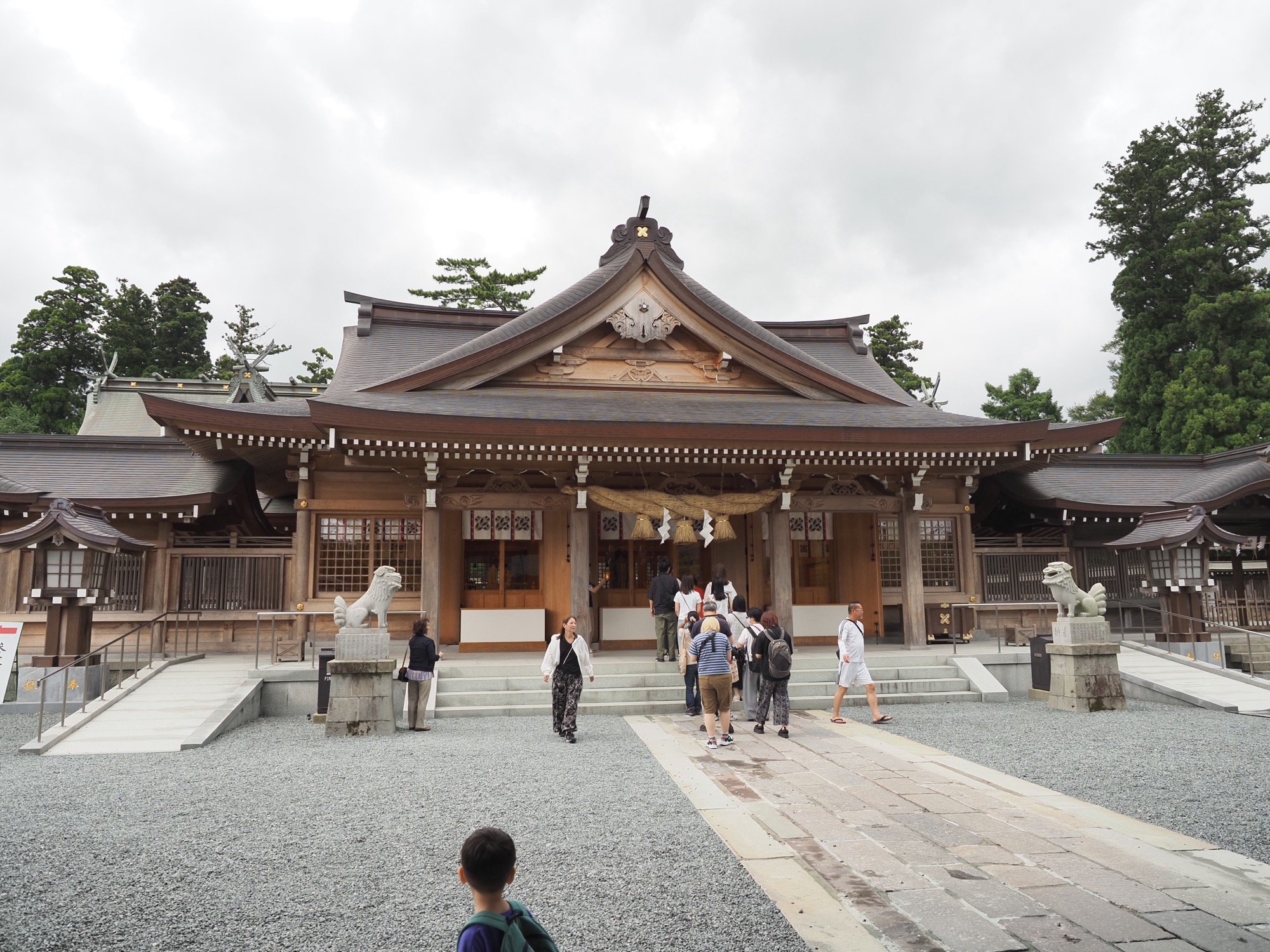
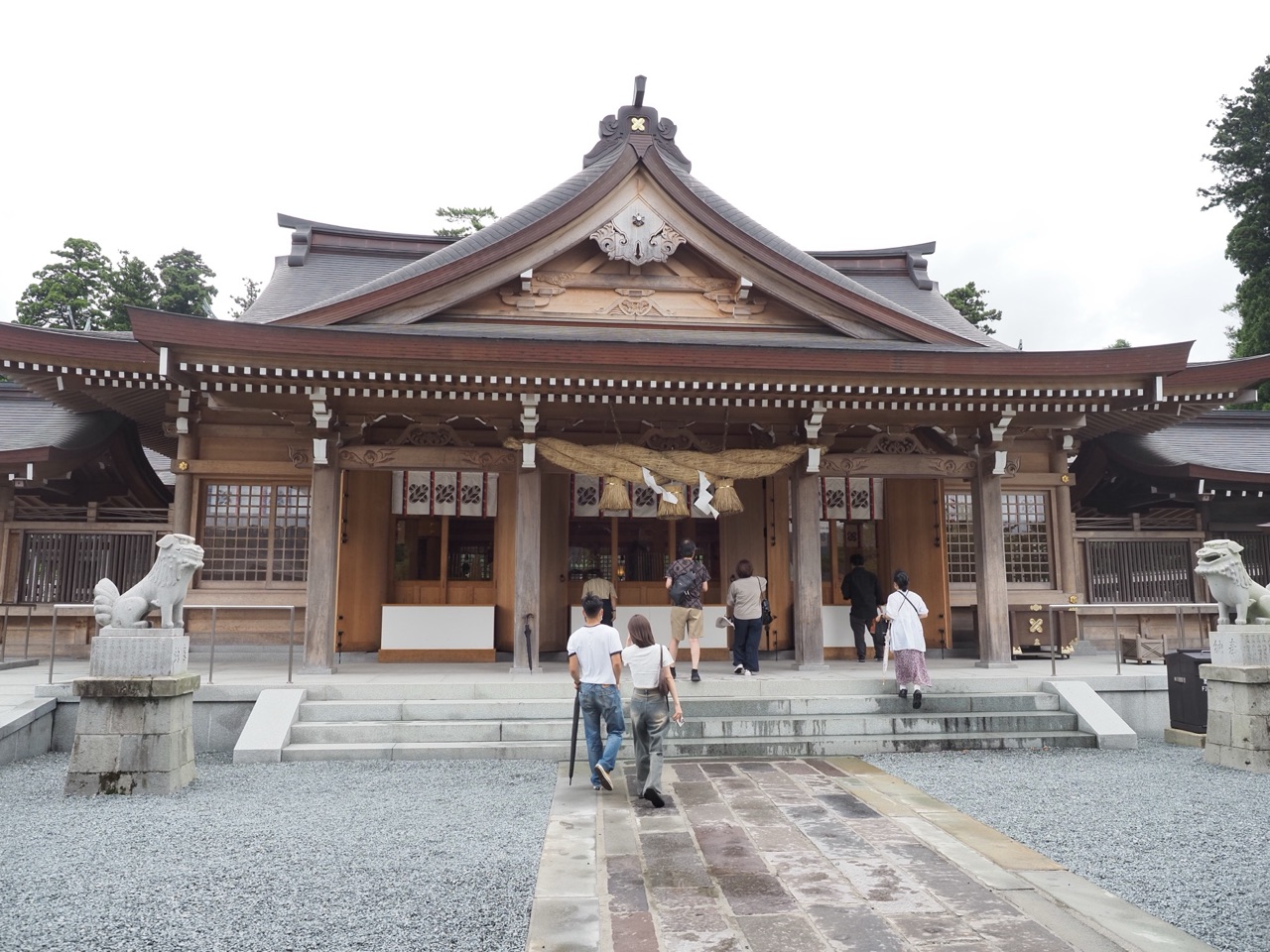
Aso Shrine is the ichinomiya of Higo Province and enshrines Takeiwatatsu and the other twelve deities of Aso. Takeiwatatsu is a grandson of Emperor Jinmu and is said to be the pioneering deity who kicked open the lake that once filled Aso and opened the land to farming. The Aso family of chief priests is said to descend from his son, Hayamikatama. In the Aso family, succession to the office of chief priest is said to have been based on the eldest son.
In the Sengoku period the Aso family were both grand priests and daimyo. In 1585 (Tenshō 13) the Shimazu invaded the Aso domain, and the Aso lost their domain as daimyo. After the Battle of Sekigahara, through the good offices of Katō Kiyomasa, lands were given to Aso Koreyoshi, who became grand priest of Aso Shrine, and the Aso family continued as a priestly family.
The Fuji family of Suruga, too, followed the Imagawa in the Sengoku period and fought the Takeda at Ōmiya Castle, and after giving up the castle in 1569 (Eiroku 12) they served the Takeda. In that grand priests held castles and fought, and remained a priestly family after the wars, the two families followed similar paths.
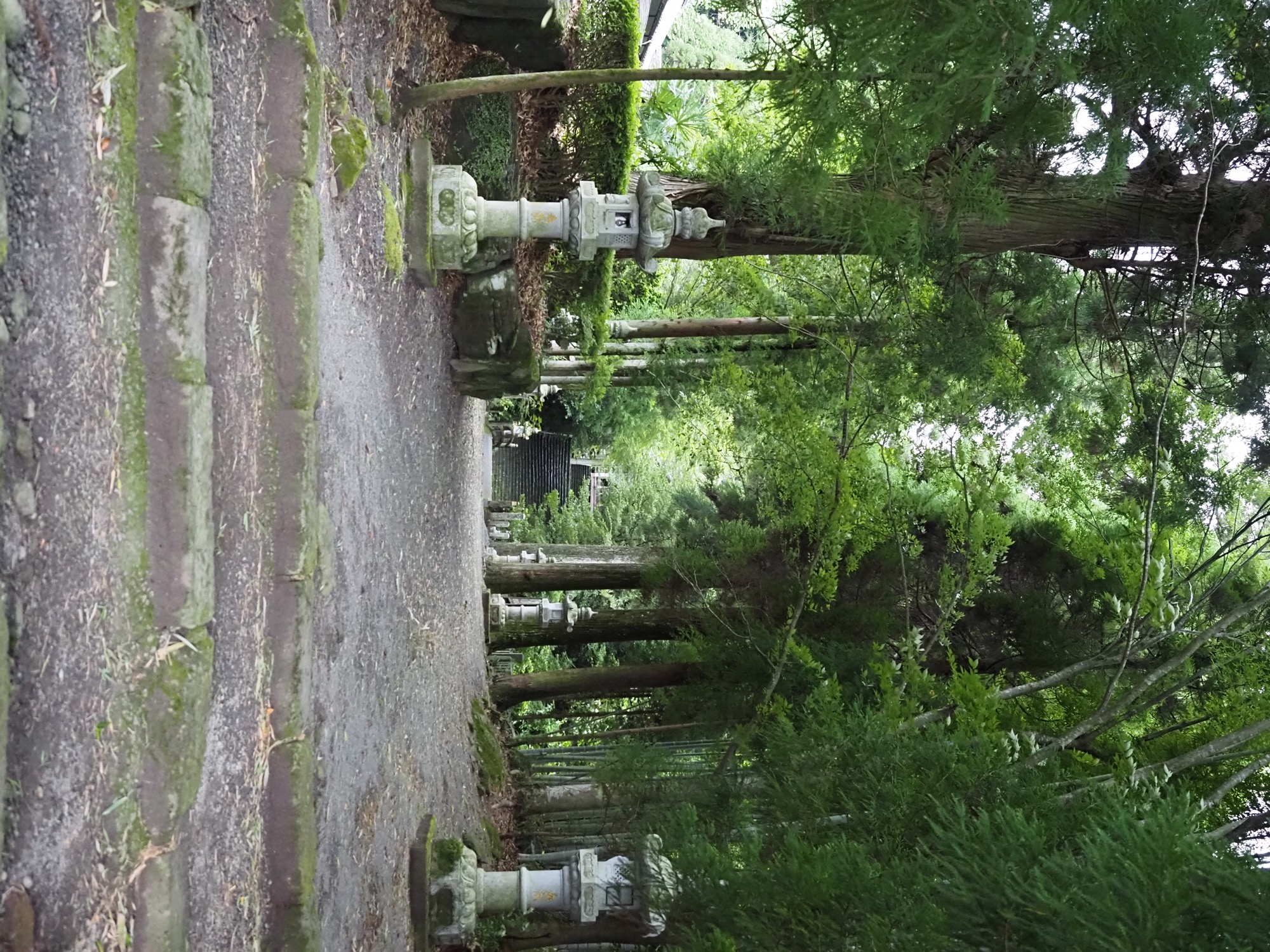
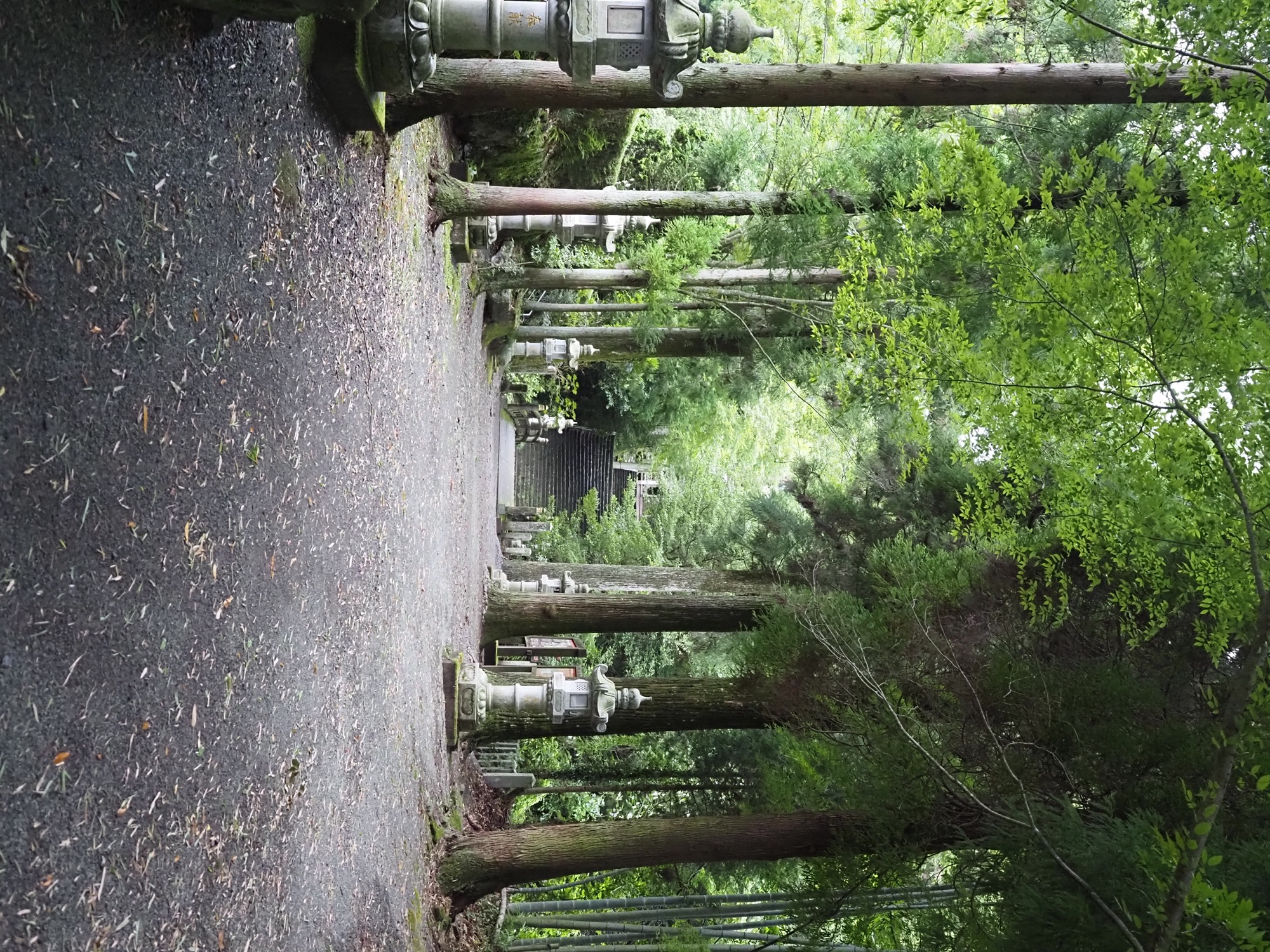
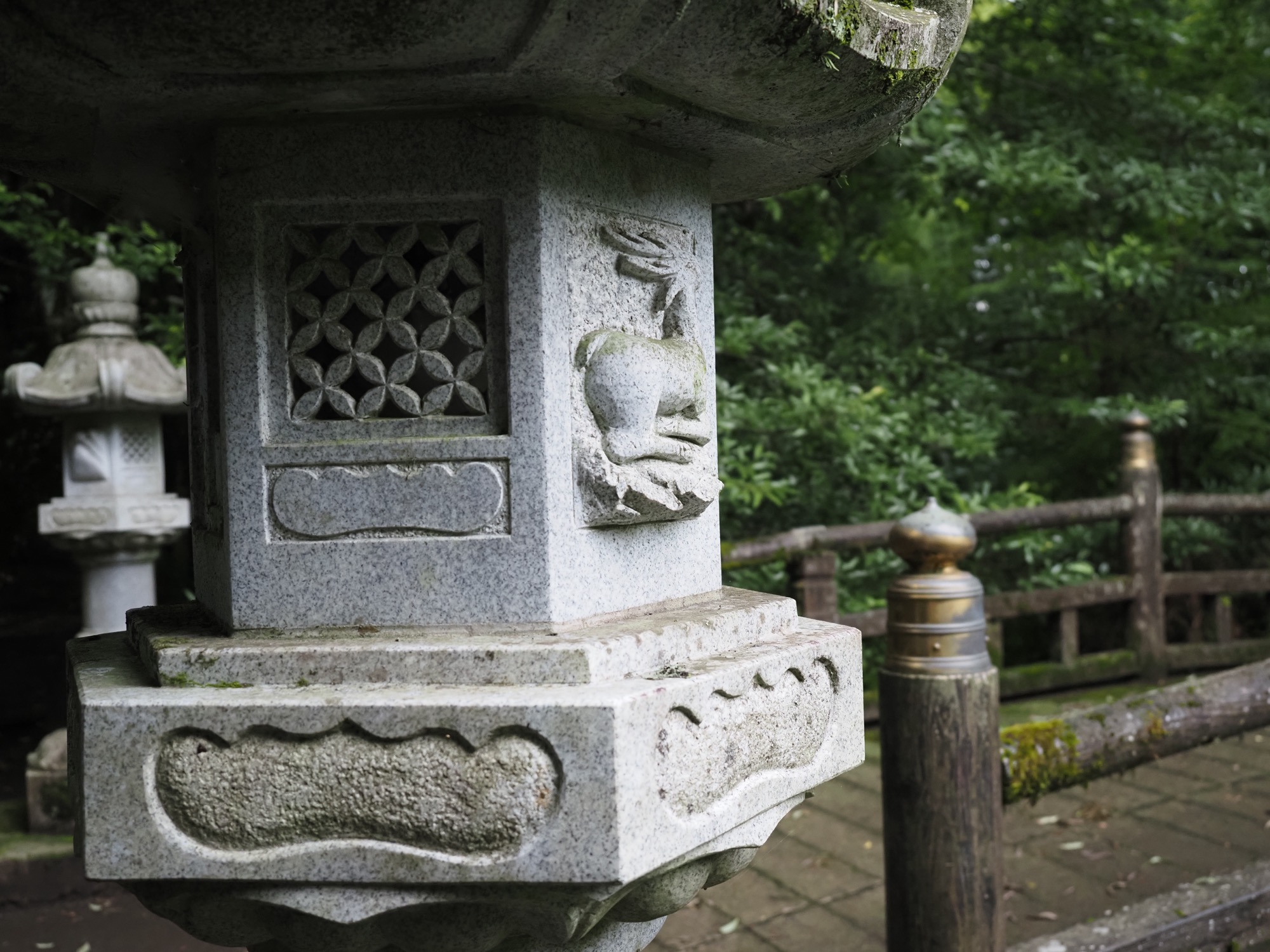
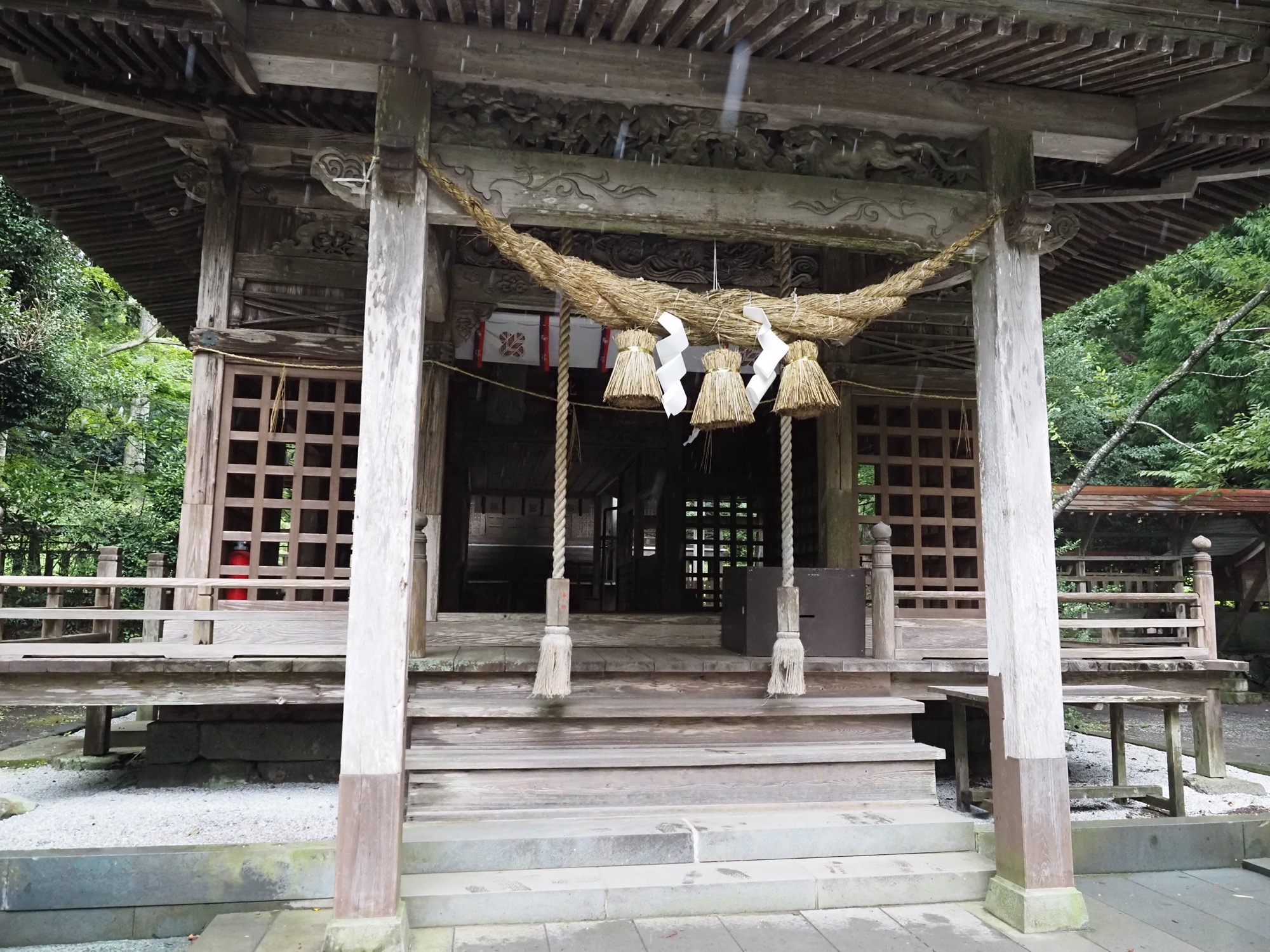
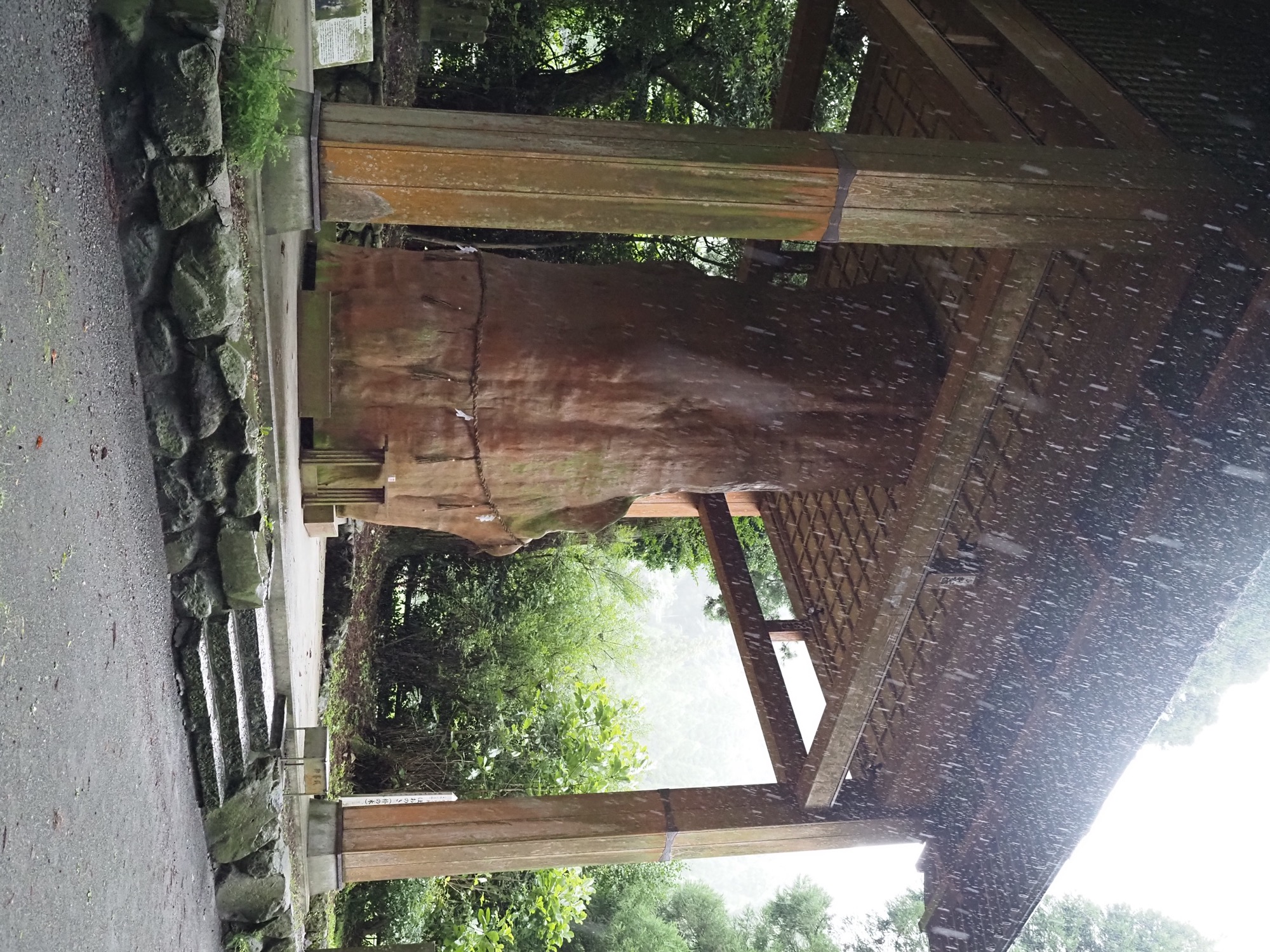
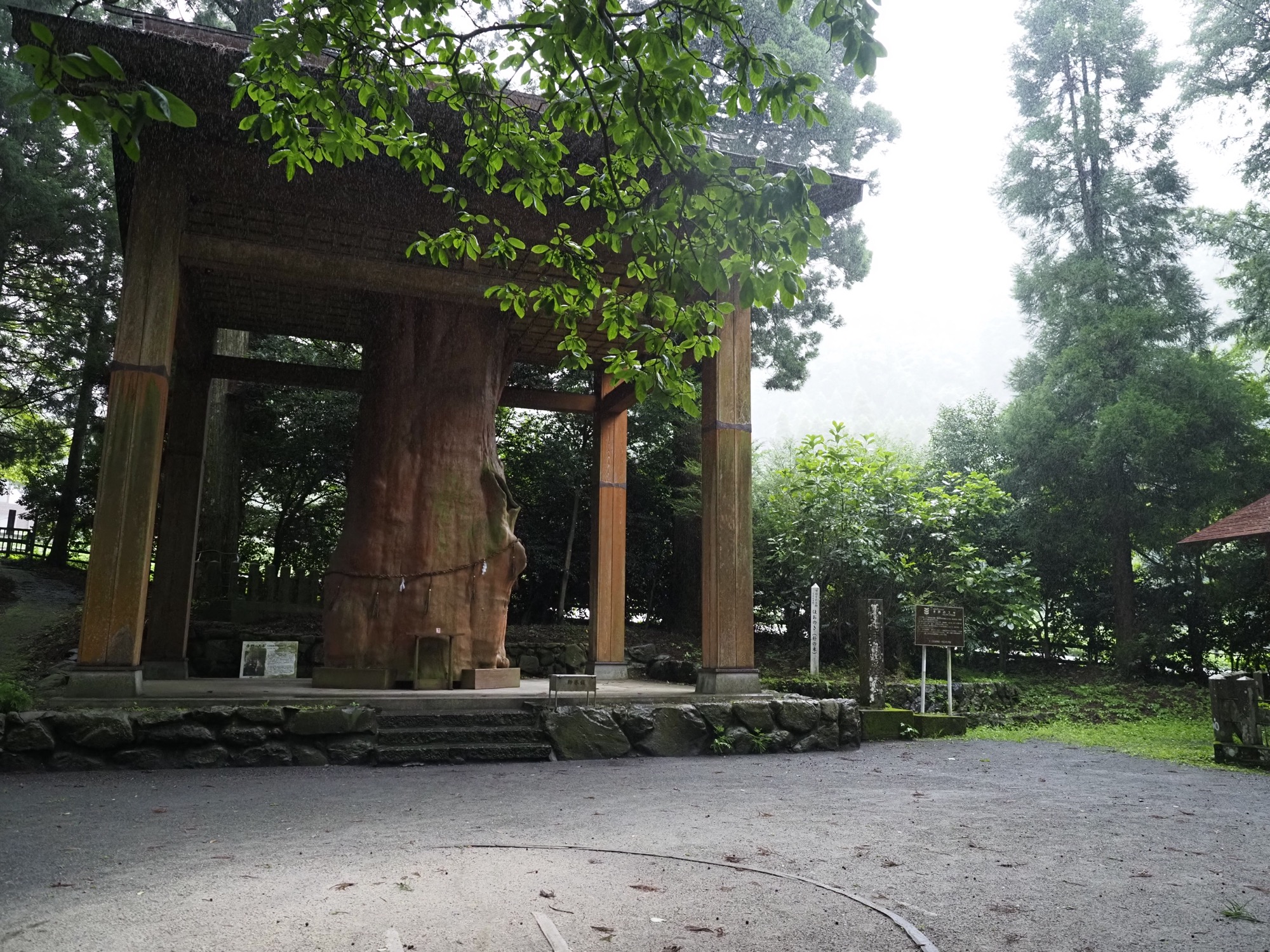
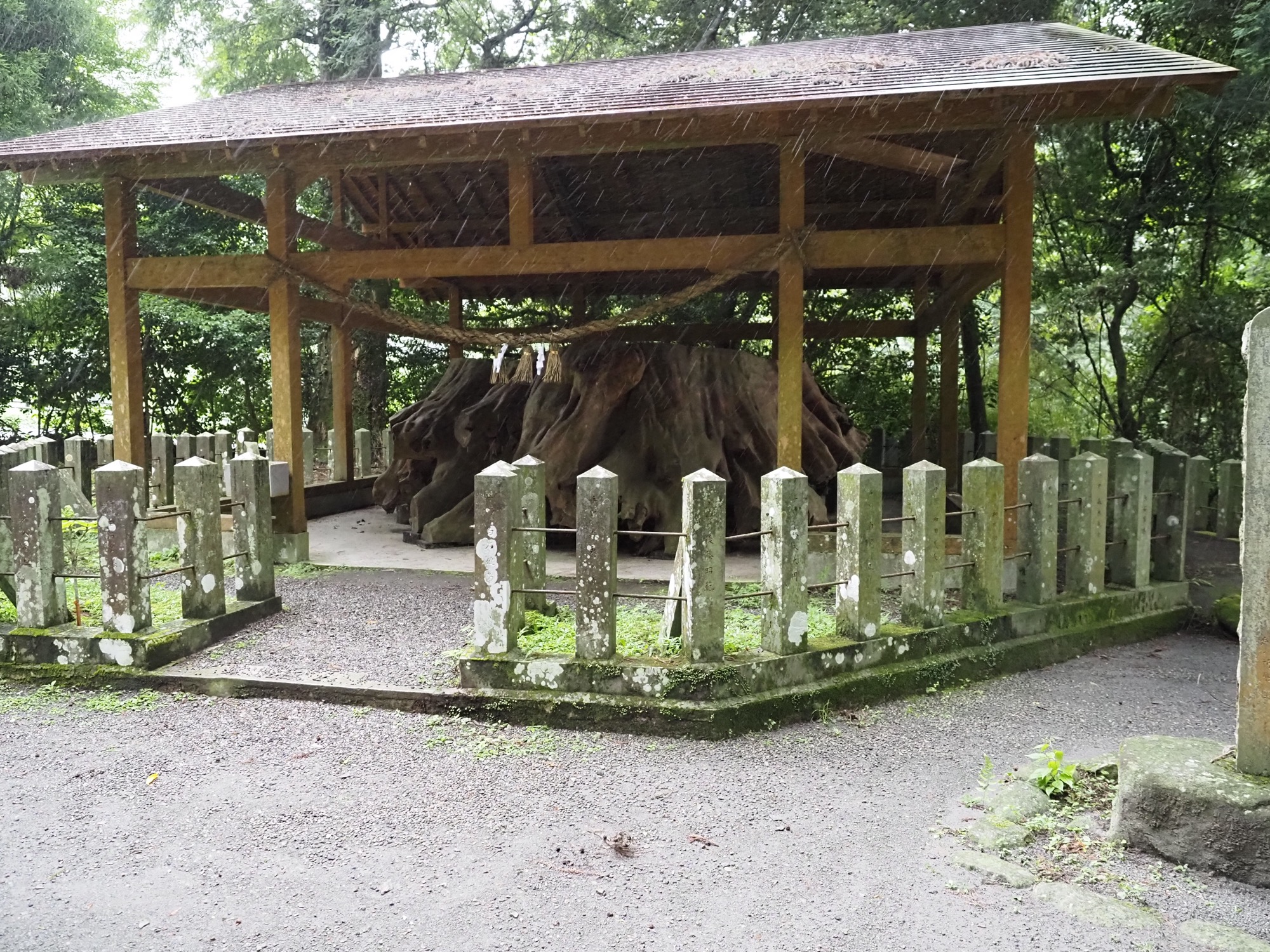
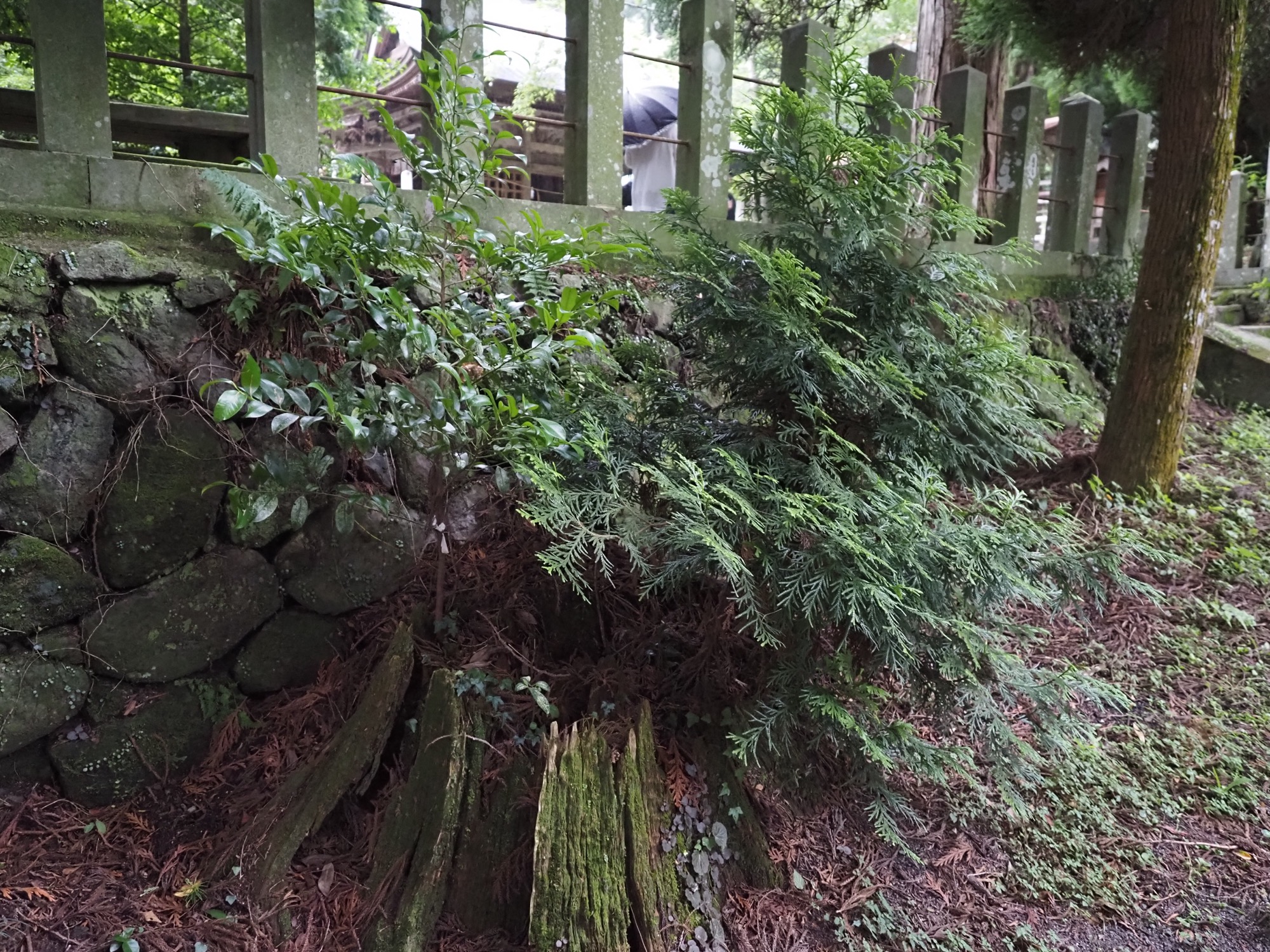
Kokuzō Shrine is also called Kitamiya, the northern shrine, because it lies north of Aso Shrine, and its main deity is Hayamikatama. A deep cedar-lined approach, rows of moss-covered stone lanterns, a plain wooden worship hall. In the precinct, the trunk of the great cedar known as the Teno cedar, broken by Typhoon 19 in 1991 (Heisei 3), is preserved under a roof.
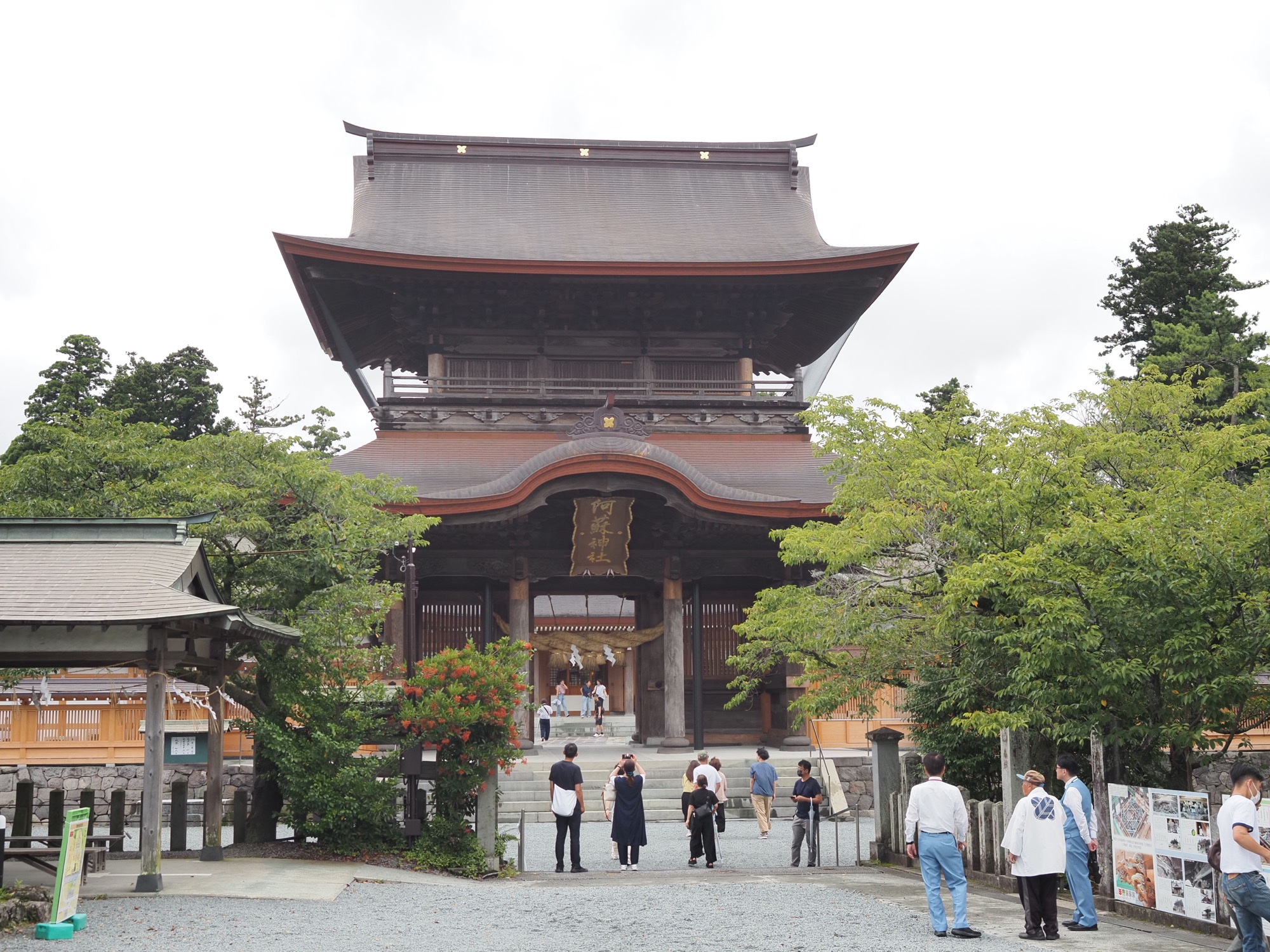
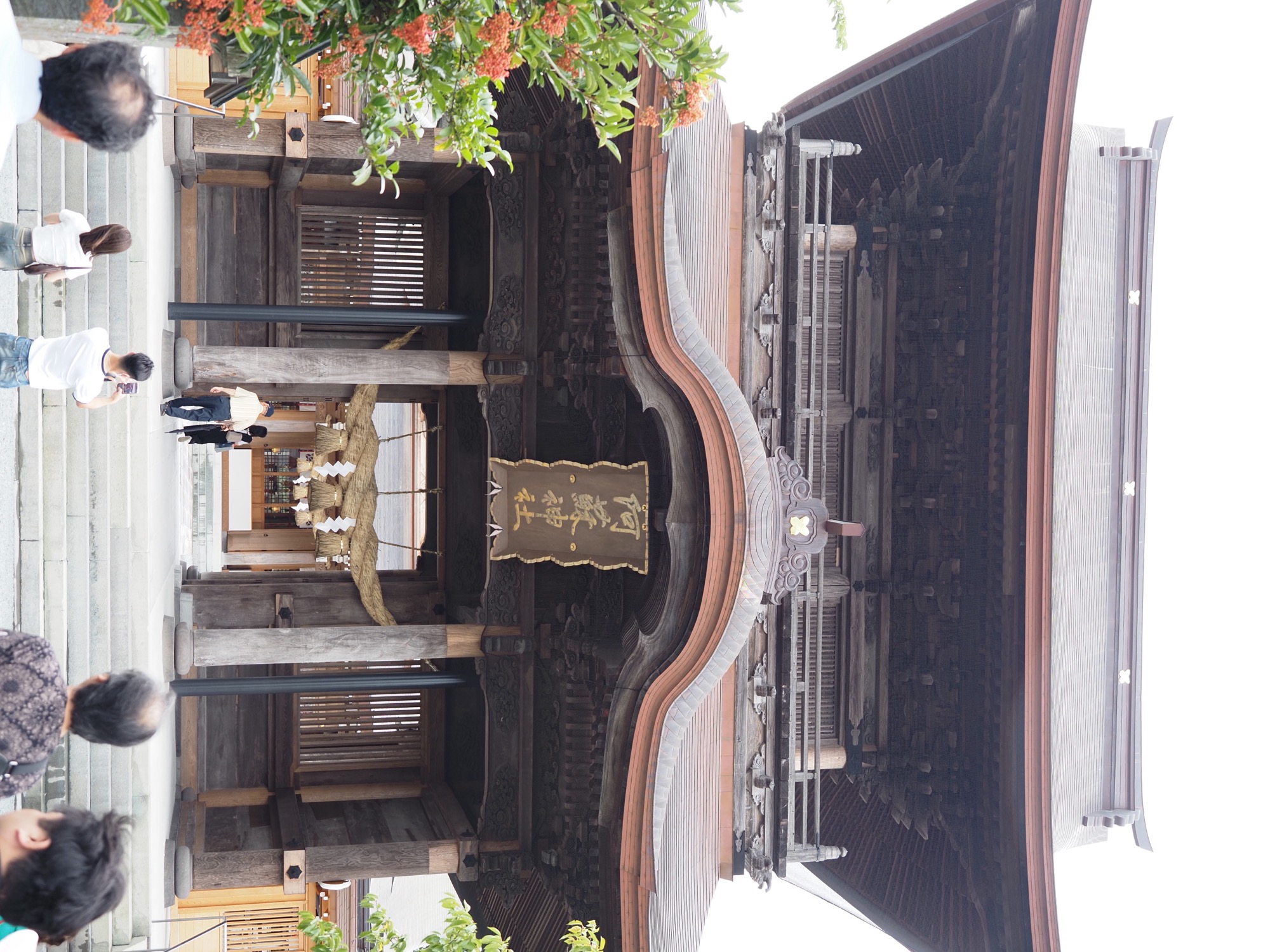
The gate of Aso Shrine is a two-storey gate counted as one of the three great gates of Japan. It collapsed together with the worship hall in the Kumamoto earthquake of 2016, and its repair was completed in December 2023. About seventy percent of the original timbers were used again in the repair.