Hie Shrine, Numazu
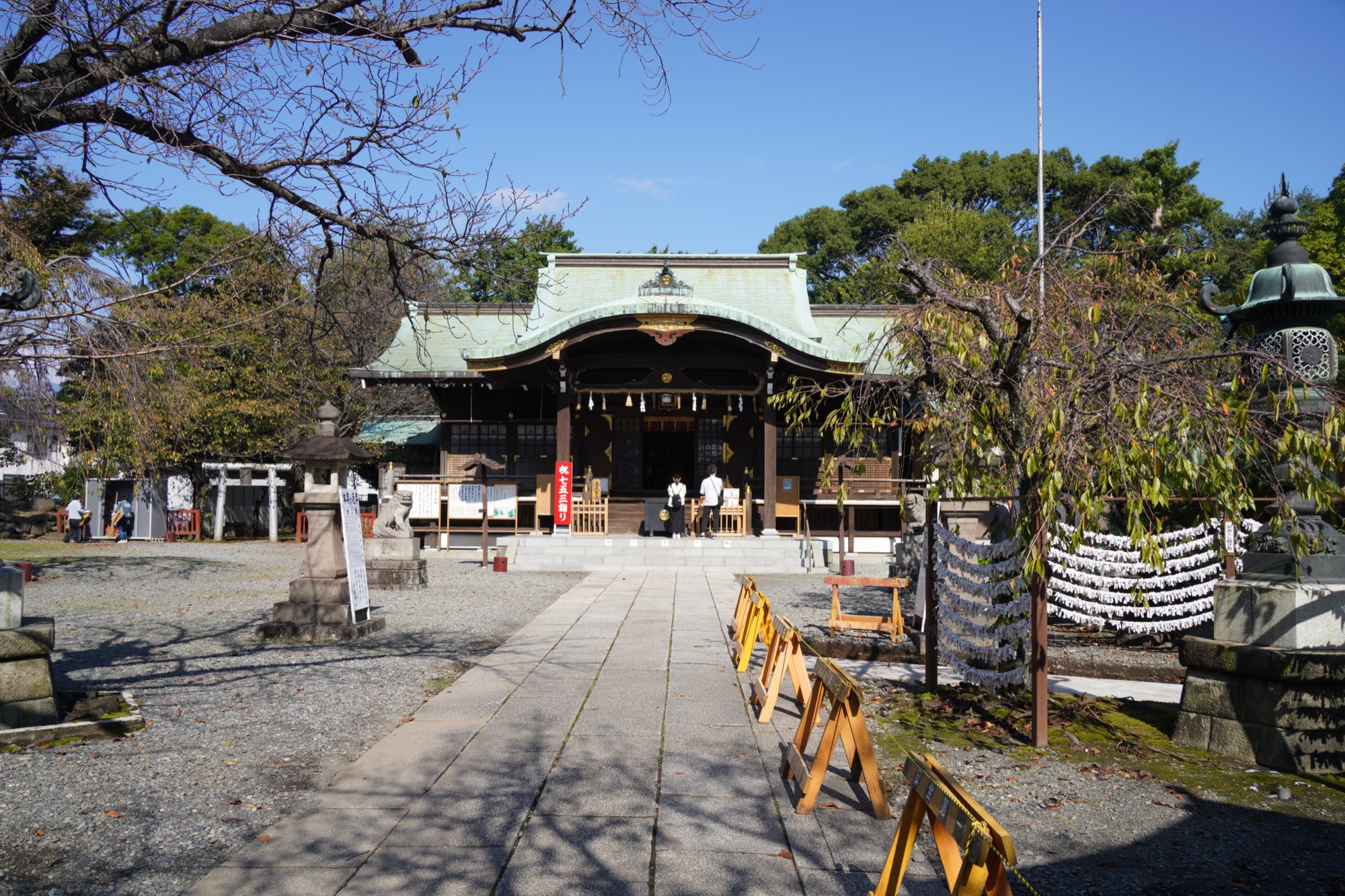
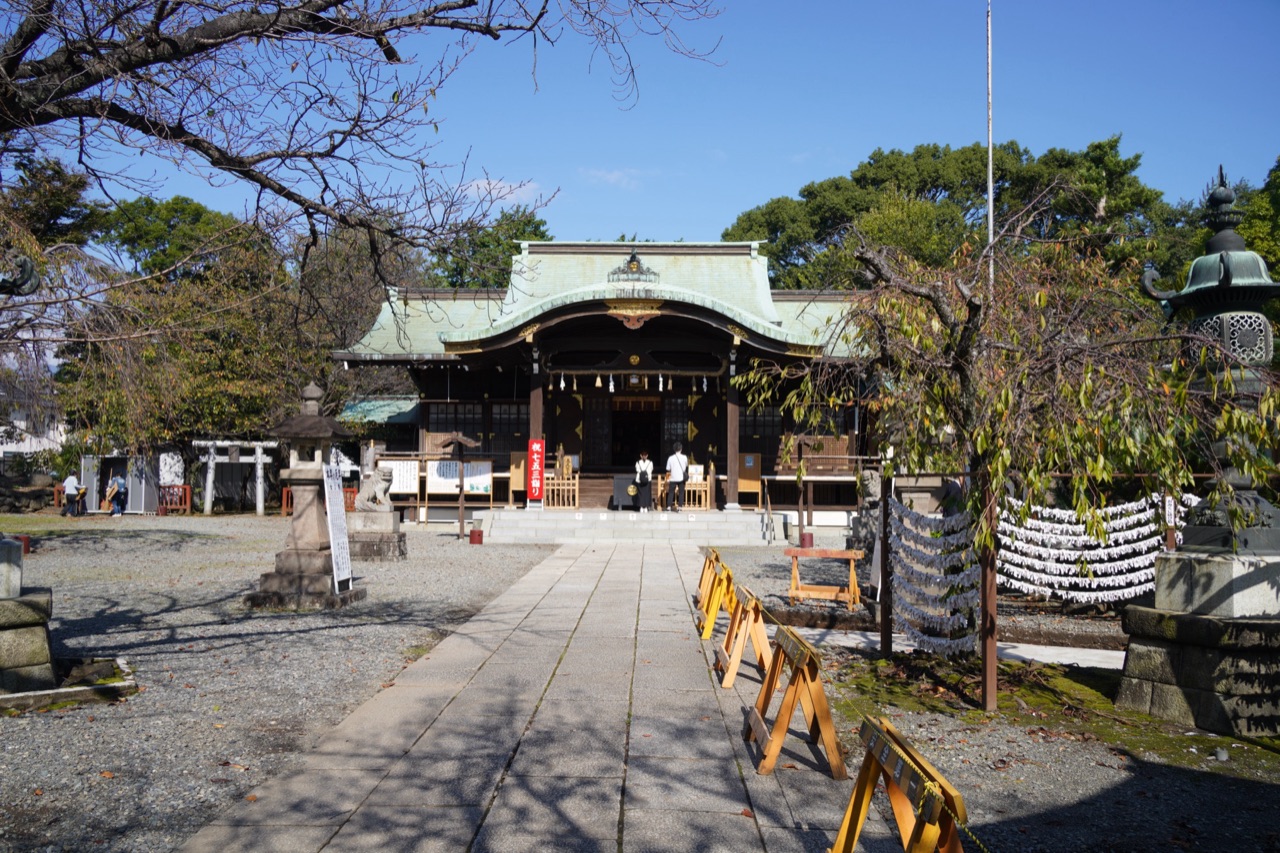
Hie Shrine stands in Numazu, Shizuoka. It appears in the Suruga Shiryō under the name Hiyoshi Sannō-sha. It is one of the shrines where yamabushi stopped to perform rites during the Fuji-mine shugyō, the practice that the shugen practitioners of Murayama (Fujinomiya) carried out every year.
According to the Suruga Shiryō, the three bettō lodges of Murayama (Daikyōbō, Chiseibō and Tsujinobō) and the practitioners under them took turns each year to enter the mountain for this practice. They left Murayama early in the morning of the twenty-second day of the seventh month and stayed at Omuro on the mountain, performing rites, until the second day of the eighth month. While they were on the mountain, laypeople were forbidden to climb. On the third day of the eighth month they went down from east of Mt. Hōei to the Suyama trail, performed rites for five days at the Asahi Kannon hall in Suyama village, practised on Mt. Ashitaka, and placed a talisman at the Asama shrine of Kanazawa village, where they stayed. On the tenth they entered Senpuku village and performed rites for four days at the Jūnisho Gongen, placing a talisman at the Mishima Myōjin as well in the meantime. On the fourteenth they placed a talisman at the Kumano Gongen of Ōhata village and stayed the night, and on the fifteenth they came out to Numazu and performed rites at the Hiyoshi Sannō-sha.
From there the group moved along the Tōkaidō to Yoshiwara post town, climbed the Fuji pilgrim road and performed rites to the Eight Great Kongō Dōji at the worship stone of Sugita village. That night they stayed in Kannari village, and on the sixteenth they returned to Murayama, completed the closing ceremonies at the lodge of their leader and dispersed. The record gives the length of the practice as twenty-six days.
The talismans placed along the way bore the name of a Buddha or a deity, with the religious names of the practitioners who had entered the mountain that year written beside it. For the Hiyoshi Sannō-sha in Numazu, the Suruga Shiryō records the practice as gongyō, the performance of rites.
At Murayama, Sannō was also assigned to one of the peaks of the summit of Mt. Fuji. The Fujisan Kaichō Gohōroku, issued by the three lodges of Murayama in the late Edo period, assigns the Sannō Daigongen (whose original Buddha is Miroku Bosatsu) to the fifth of the eight summit peaks known as the hachiyō, and a woodblock for talismans issued by Chiseibō also reads “Fifth peak, Hiyoshi Sannō Daigongen”. The names of the eight peaks, however, varied with the period and the trail.
In the Ōoka estate in Numazu there was a “lodging for pilgrims and merchants coming and going” in 1534 (Tenbun 3), run by Yamanaka Genzaburō. At the port of Yoshiwara, too, a ruling that Imagawa Yoshimoto gave to Yabe Magosaburō in 1554 (Tenbun 23) names the “Yoshiwara wholesale house for pilgrims and merchants”. From the case of Enoura in Kuchino (now part of Numazu), where ships from Ise called, Fujisan Rokushi holds that pilgrims who came by ship settled at such houses before setting out for Mt. Fuji.
In the Sengoku period Katsurayama Ujihiro issued a document, following the seal of Imagawa Ujiteru, that guaranteed the position of the shrine’s priest. The shrine holds an Important Cultural Property, the picture scroll Shihon chakushoku Sannō reigenki, in one scroll. Made of twelve sheets joined together, it begins with the story of the regent Fujiwara no Moromichi, who was punished by the deity of Hiyoshi Sannō.