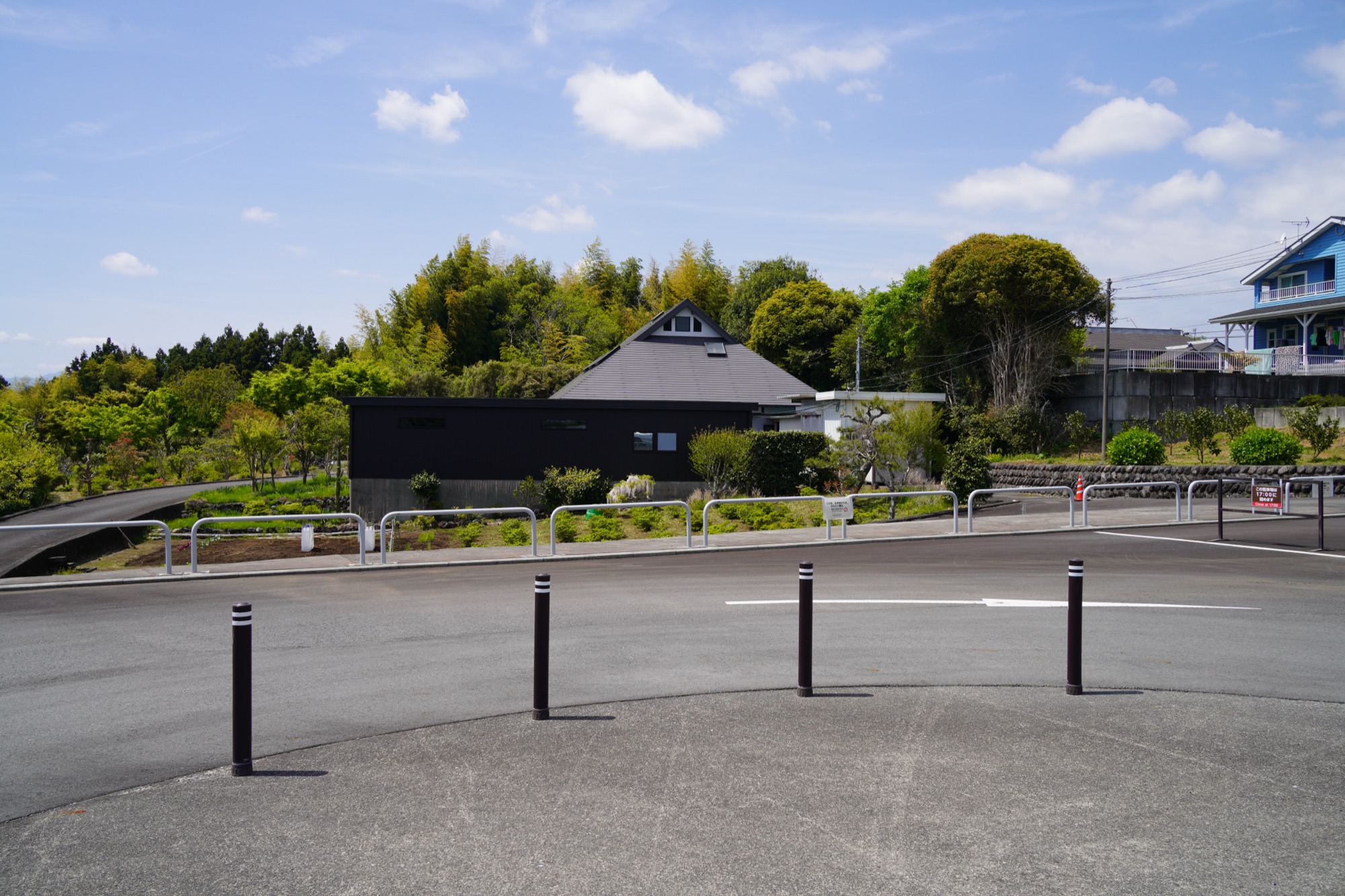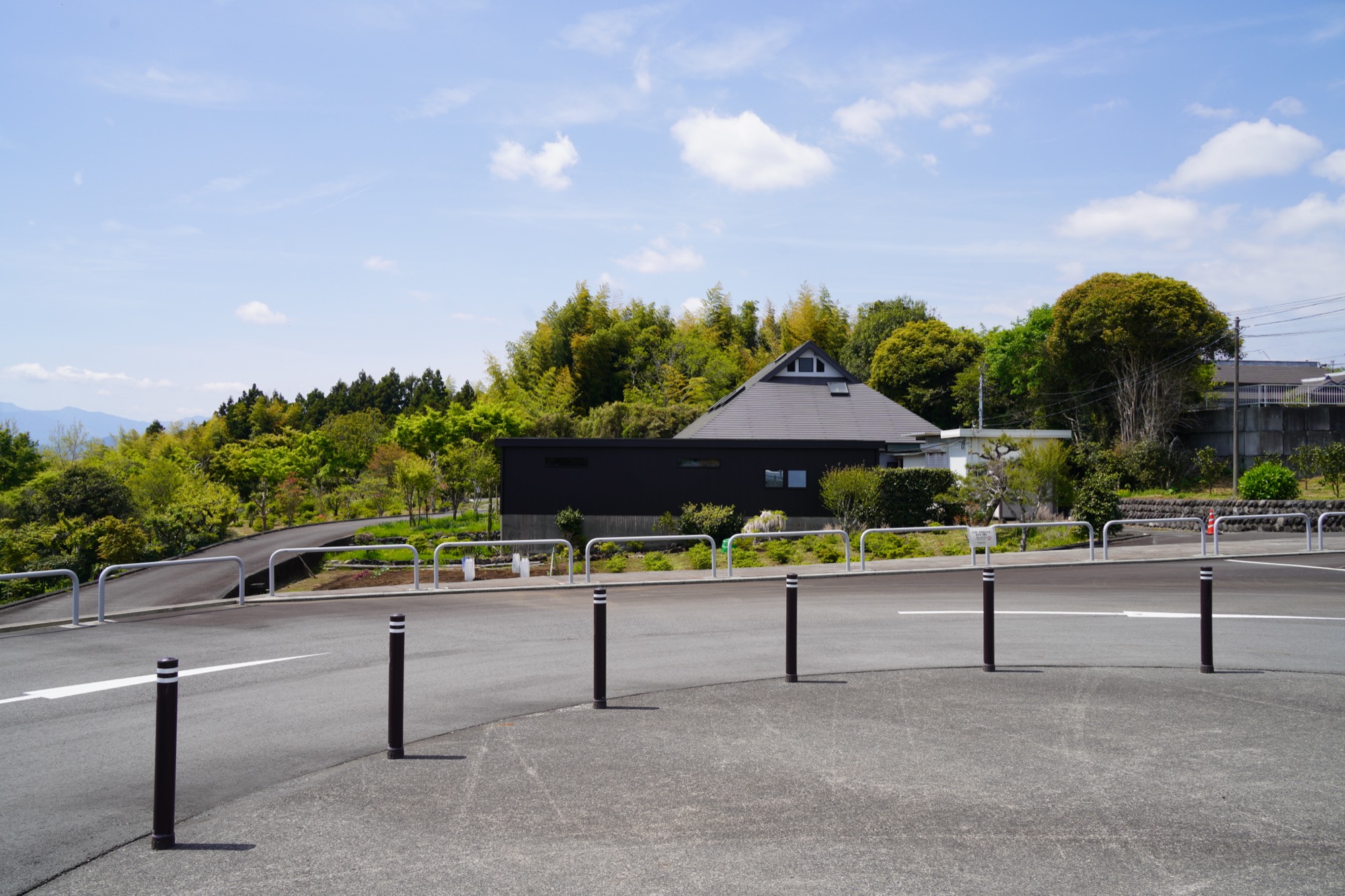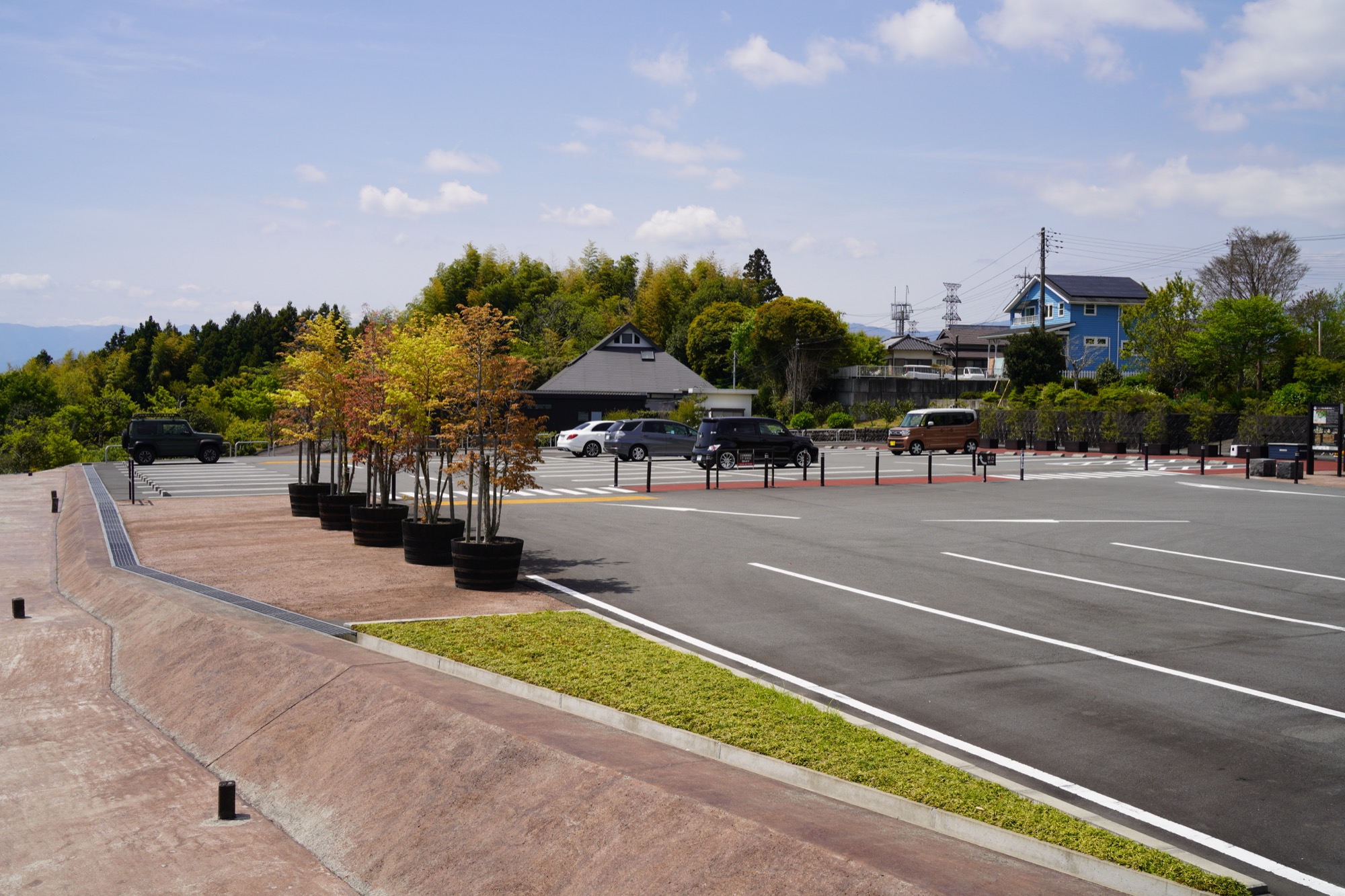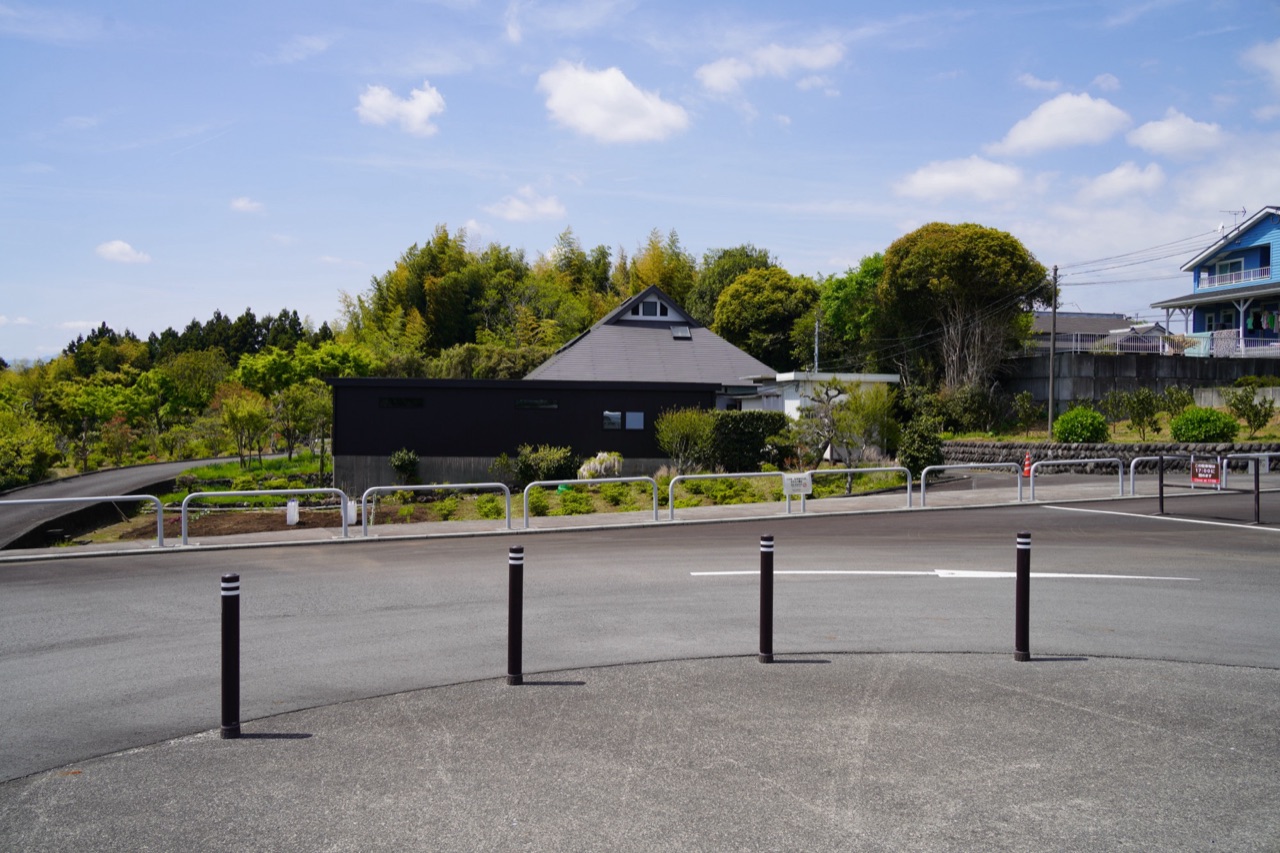
Chisaibō Temple Site
The former site of Ikenishibō, one of the three Murayama bō. Ikenishibō was a shugen temple said to descend from the Kitabatake clan, provincial governors of Ise; one record attributes its founding to the monk Zon’yo Shōnin in 1380 (Kōryaku 2). Among the three Murayama temples, it served as custodian of the Dainichidō (Honjidō), the central hall of the temple complex Kōbō-ji, conducting its rites and overseeing its care.
Its dannaba — the territories of its faithful — spread across Yamashiro, Iga, Tōtōmi, and Ise, through the Kinai and Tōkai regions, where its guides circulated, distributing amulets and urging the pilgrimage to Fuji. Pilgrims who came for the ascent lodged at Ikenishibō, received purification and prayers, and were led by yamabushi up the Murayama trail toward the summit. The system of tolls collected along the way — the yamayakusen and rokudōsen — sustained both the temple and Kōbō-ji itself.
When Shugendō was outlawed in the Meiji separation of Shinto and Buddhism, Ikenishibō too was dissolved. The family returned to lay life under the name Fuji, while a second son carried on the shugen lineage under the name Kitabatake — a line that continues to this day. A century and a half after the dissolution, little at the site speaks of its former life. Yet walking through the Murayama settlement, one senses in the lie of the land and the old stone walls that this was once a town of pilgrim lodgings that welcomed devotees from across the country.
Before kami and buddhas were sundered, to climb Fuji was itself both practice and prayer — and the site, holding that memory in its soil, remains at the foot of the mountain today.