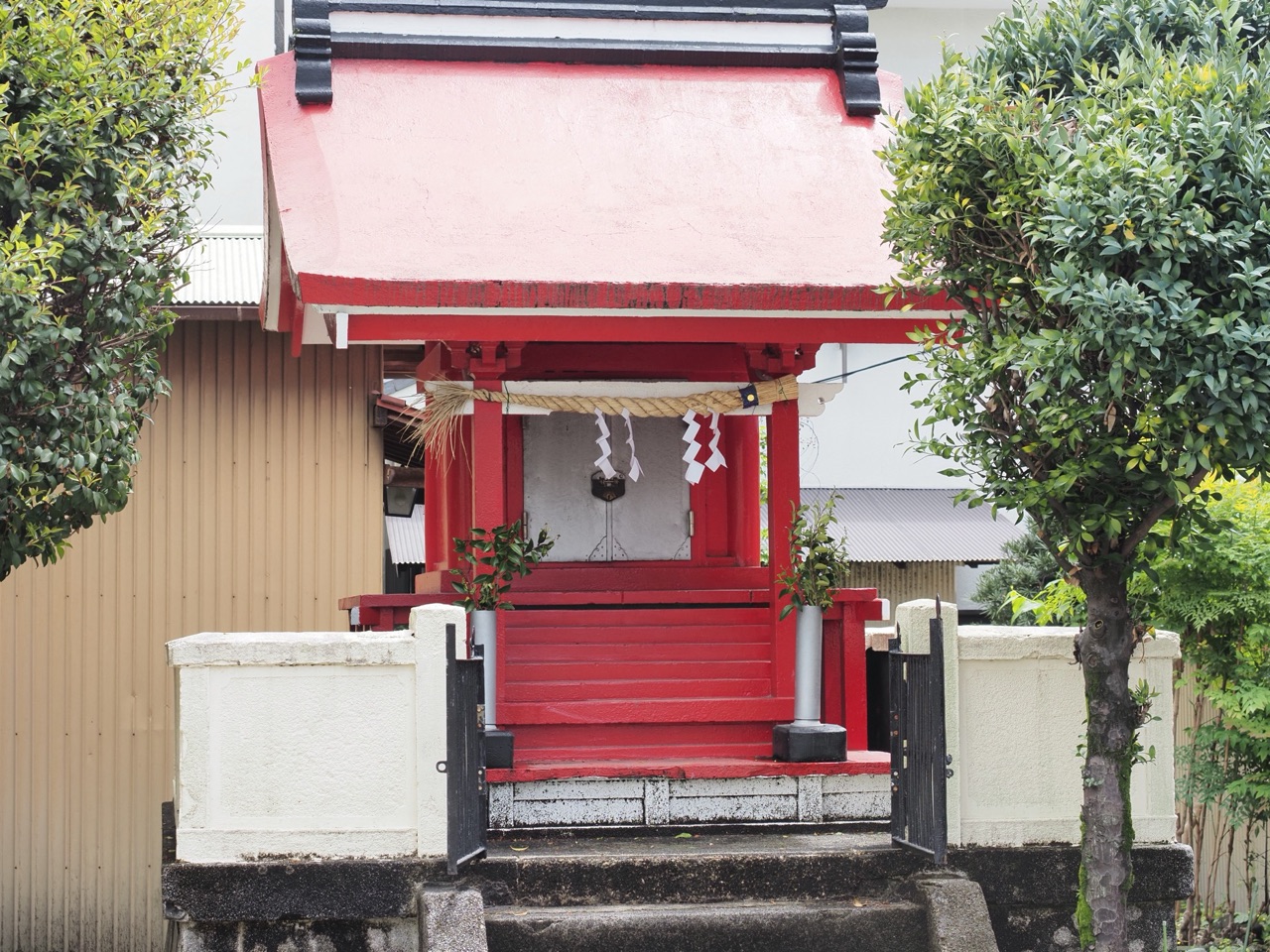
Matsuyama Shrine
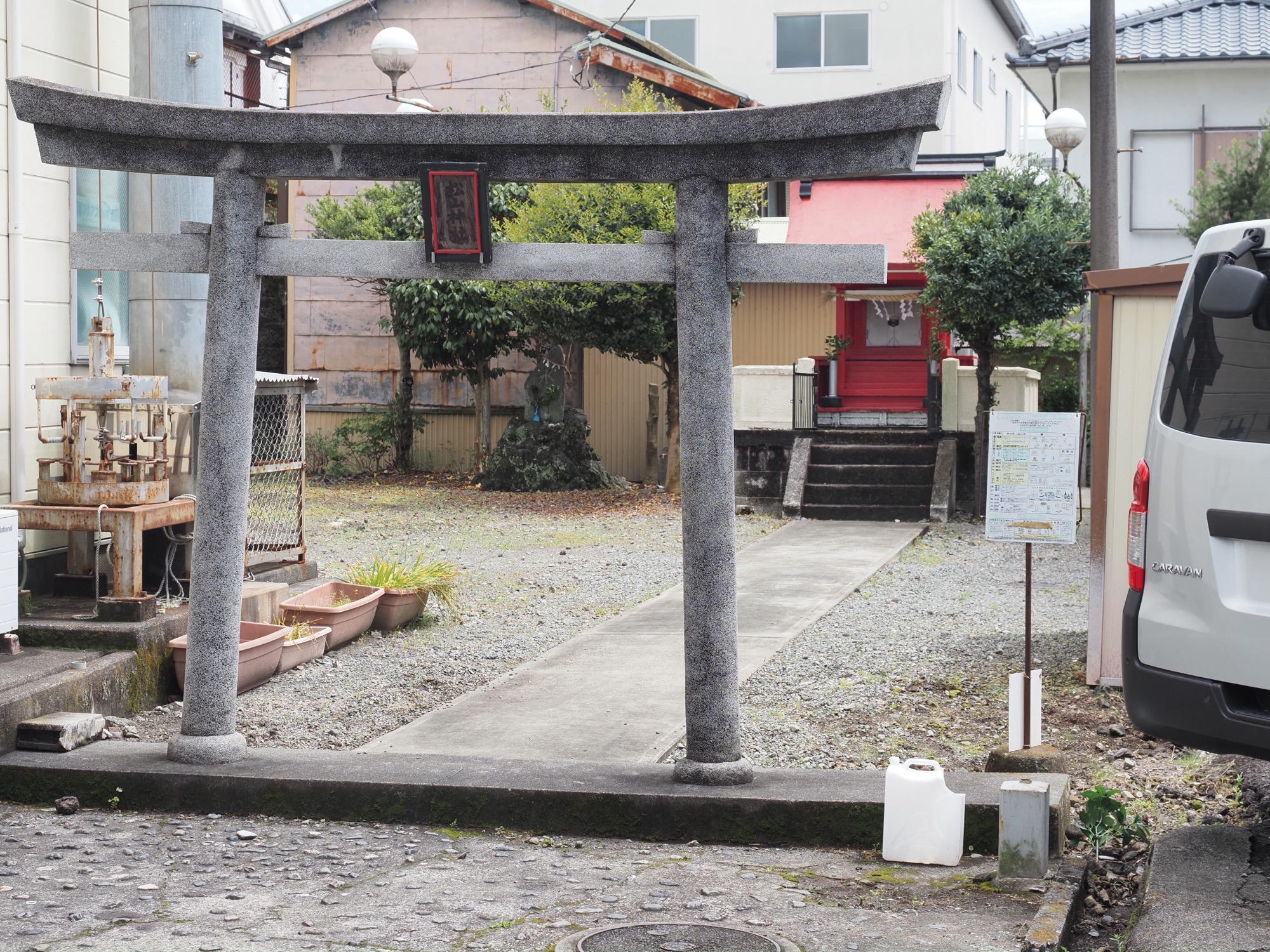
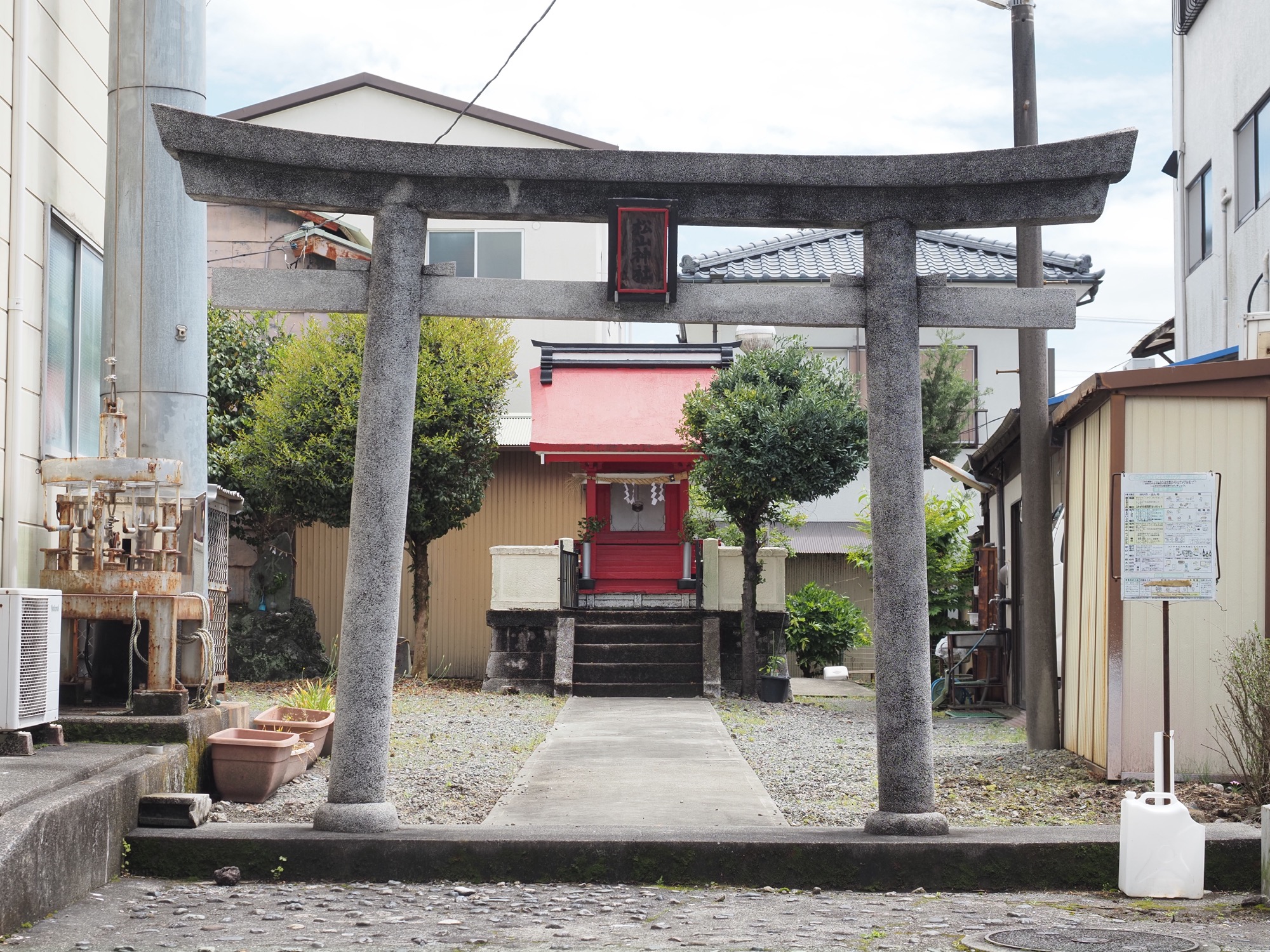
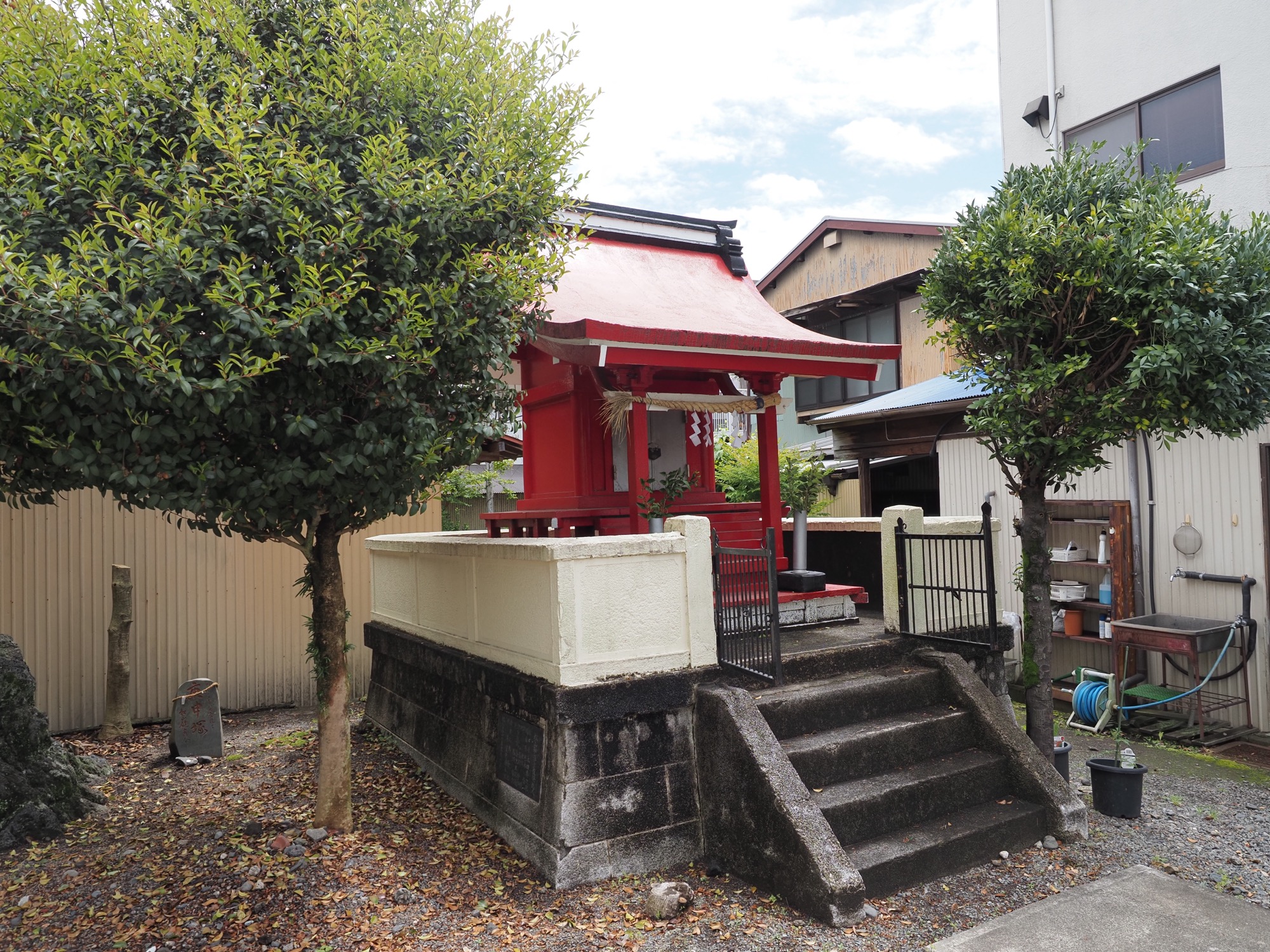
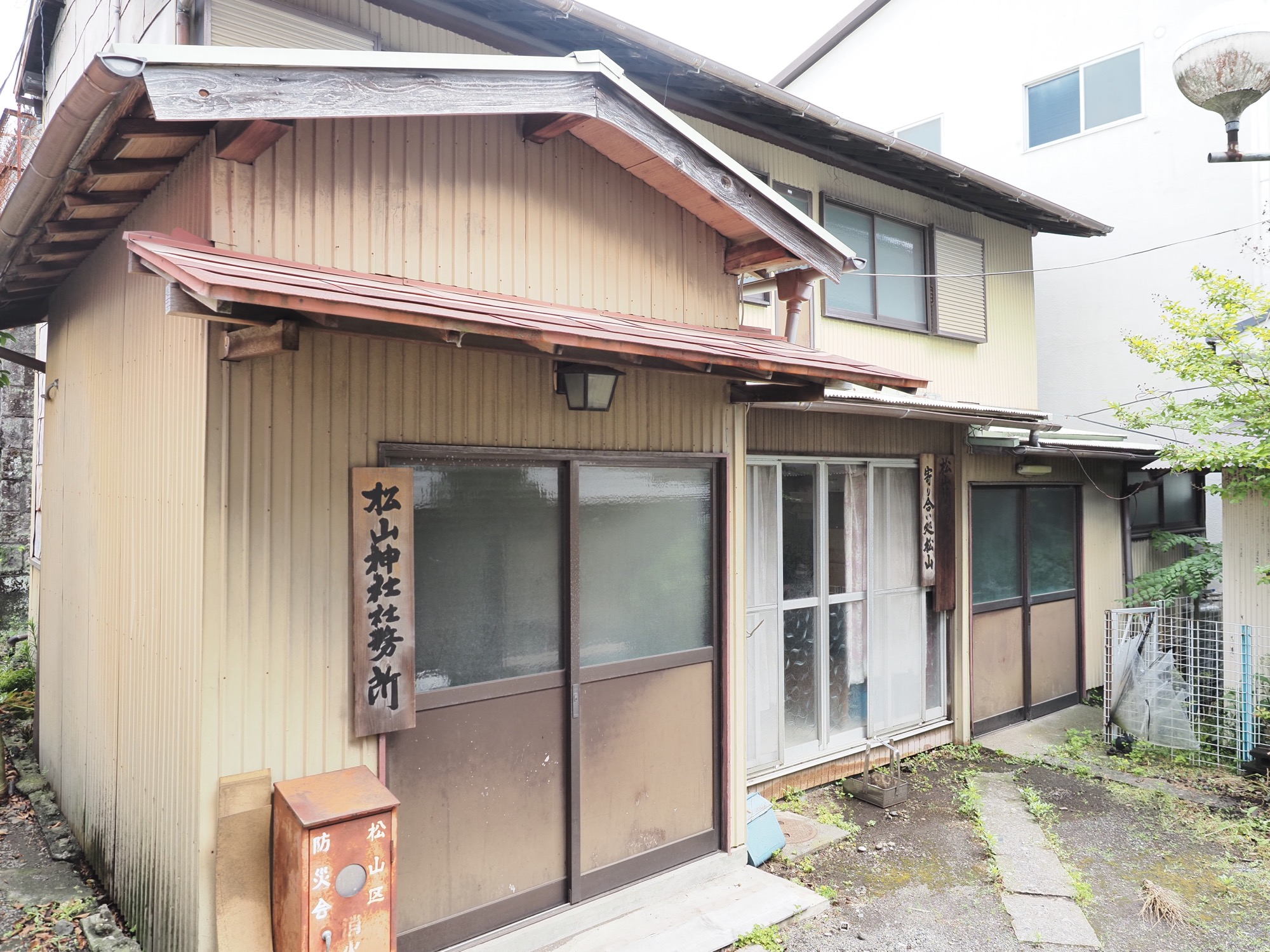
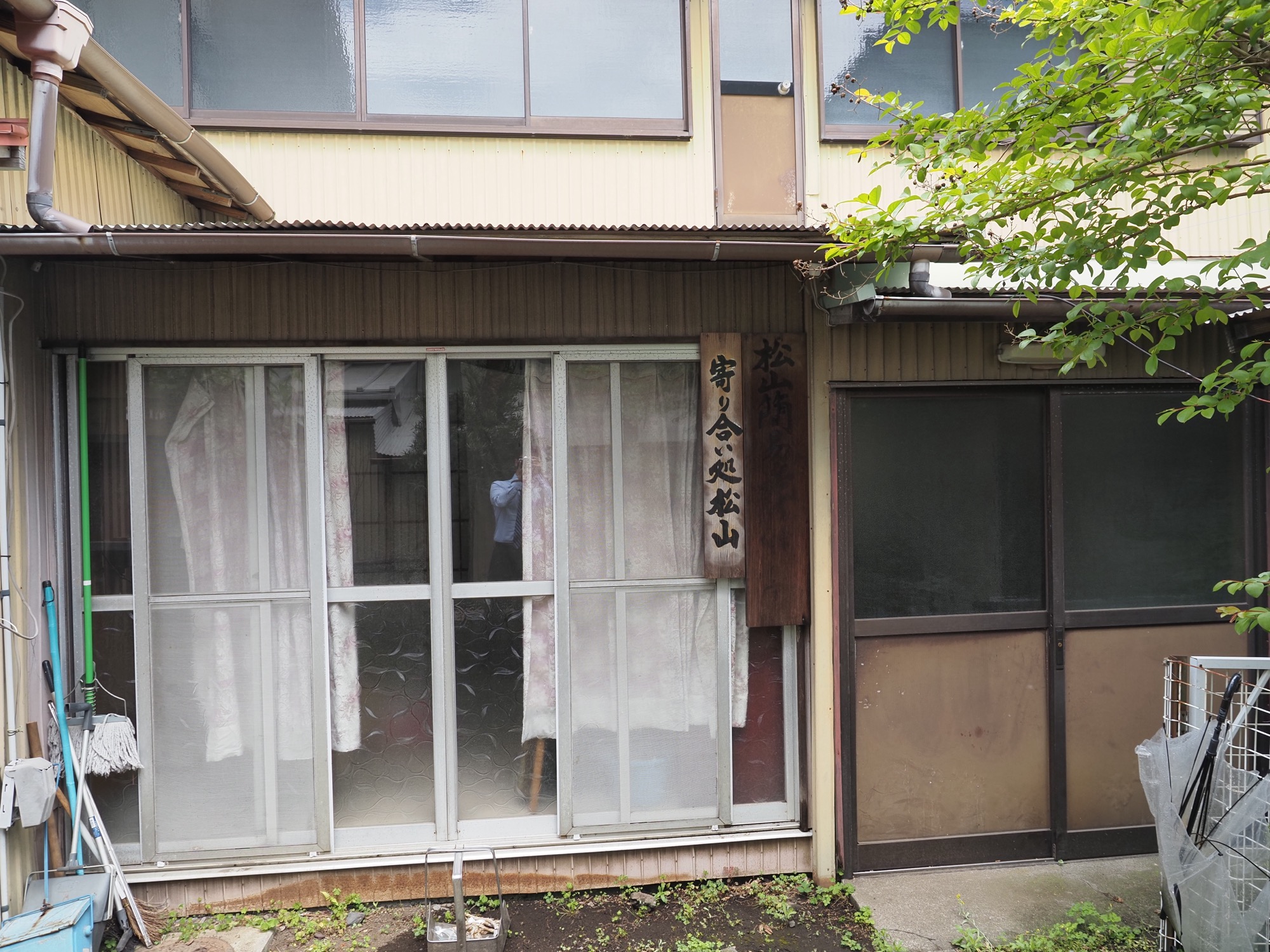
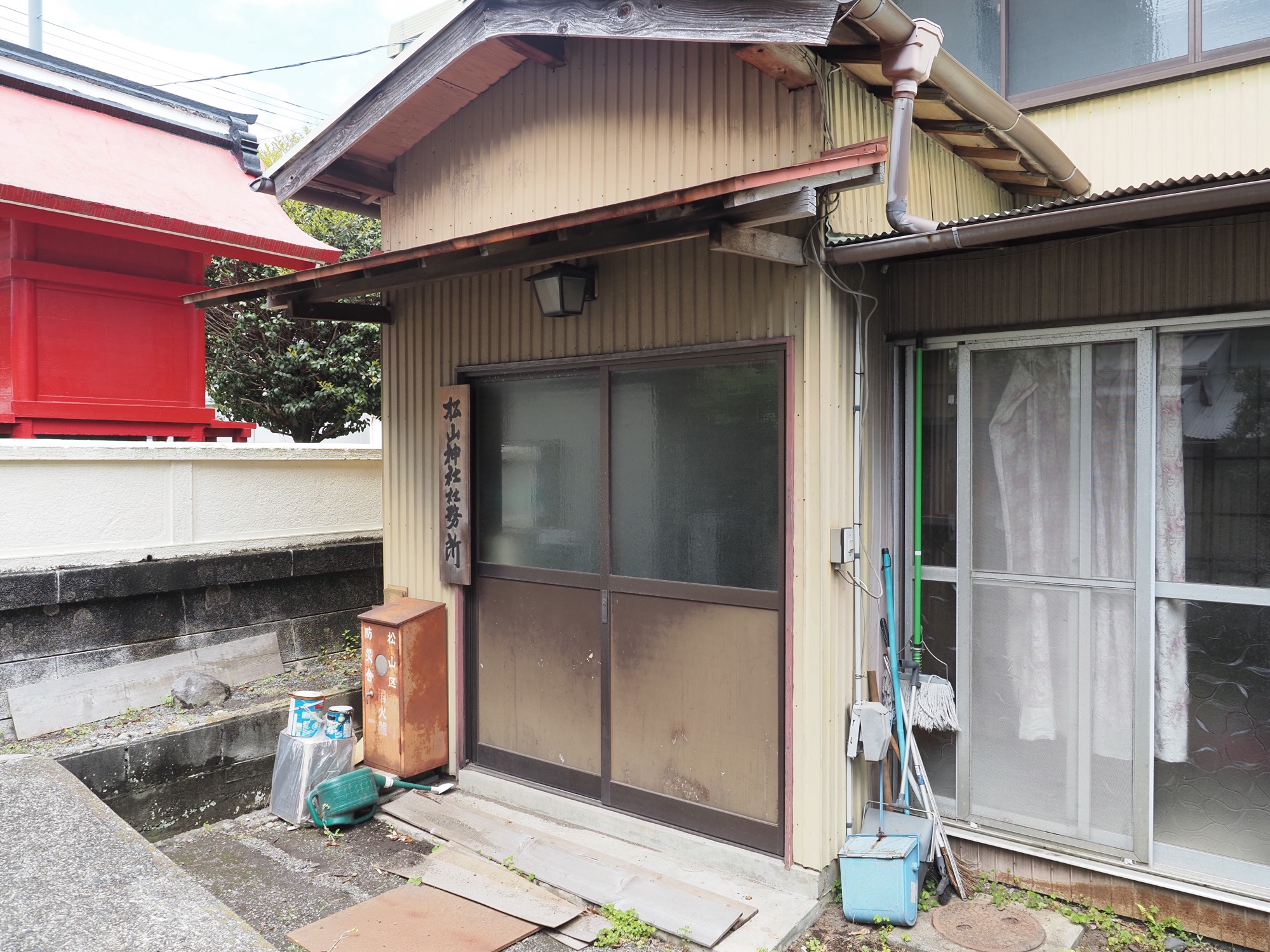
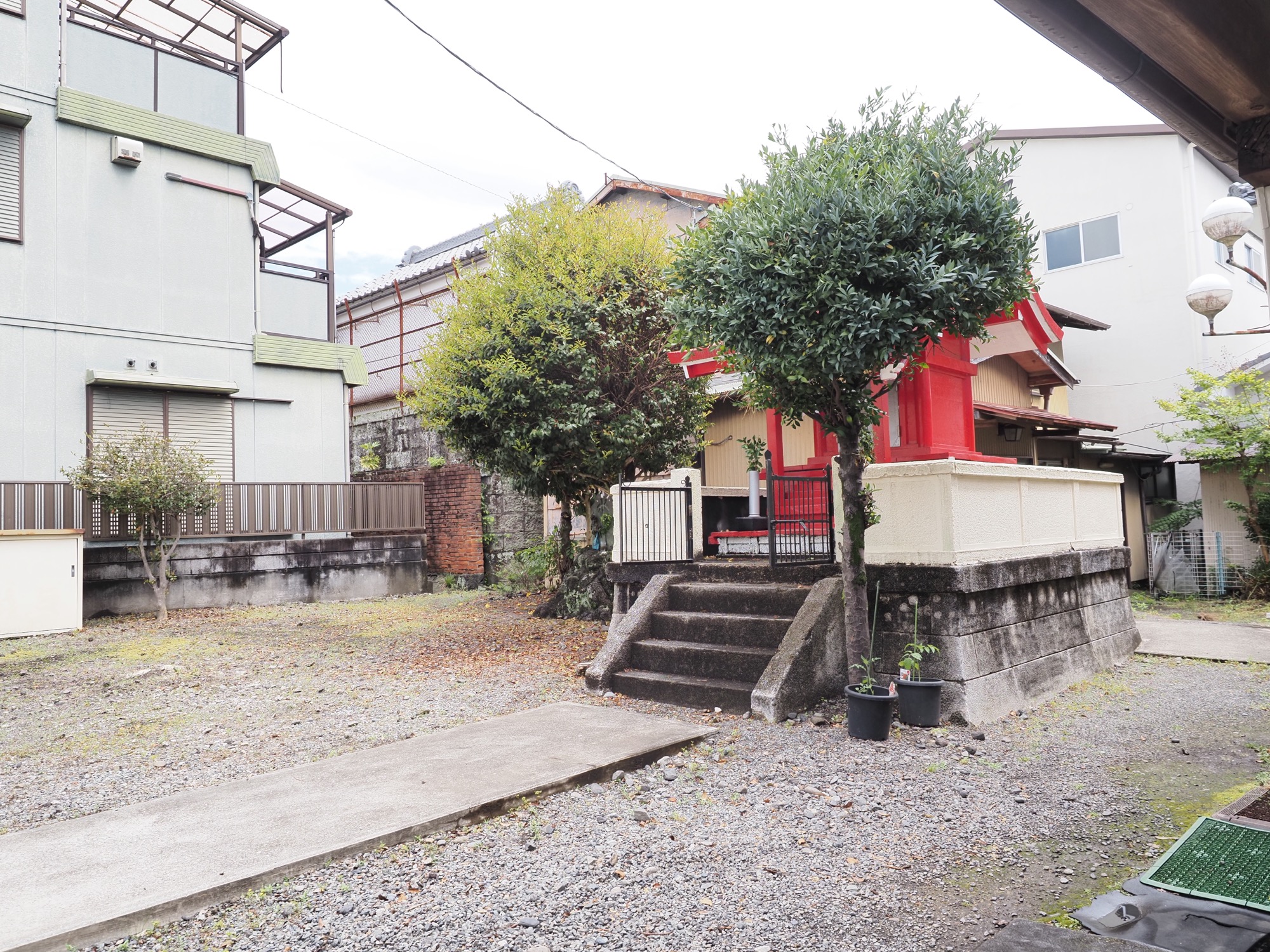
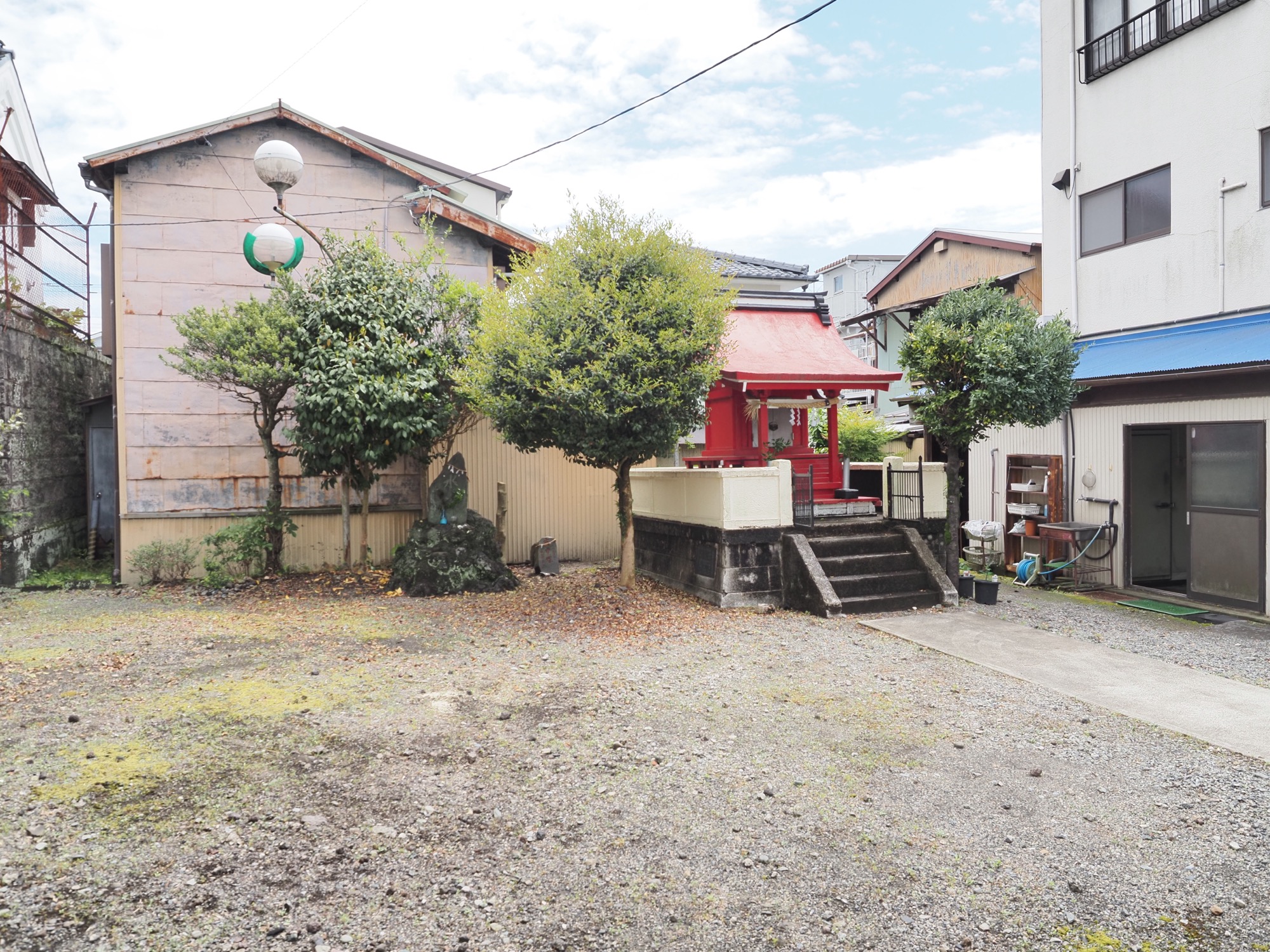
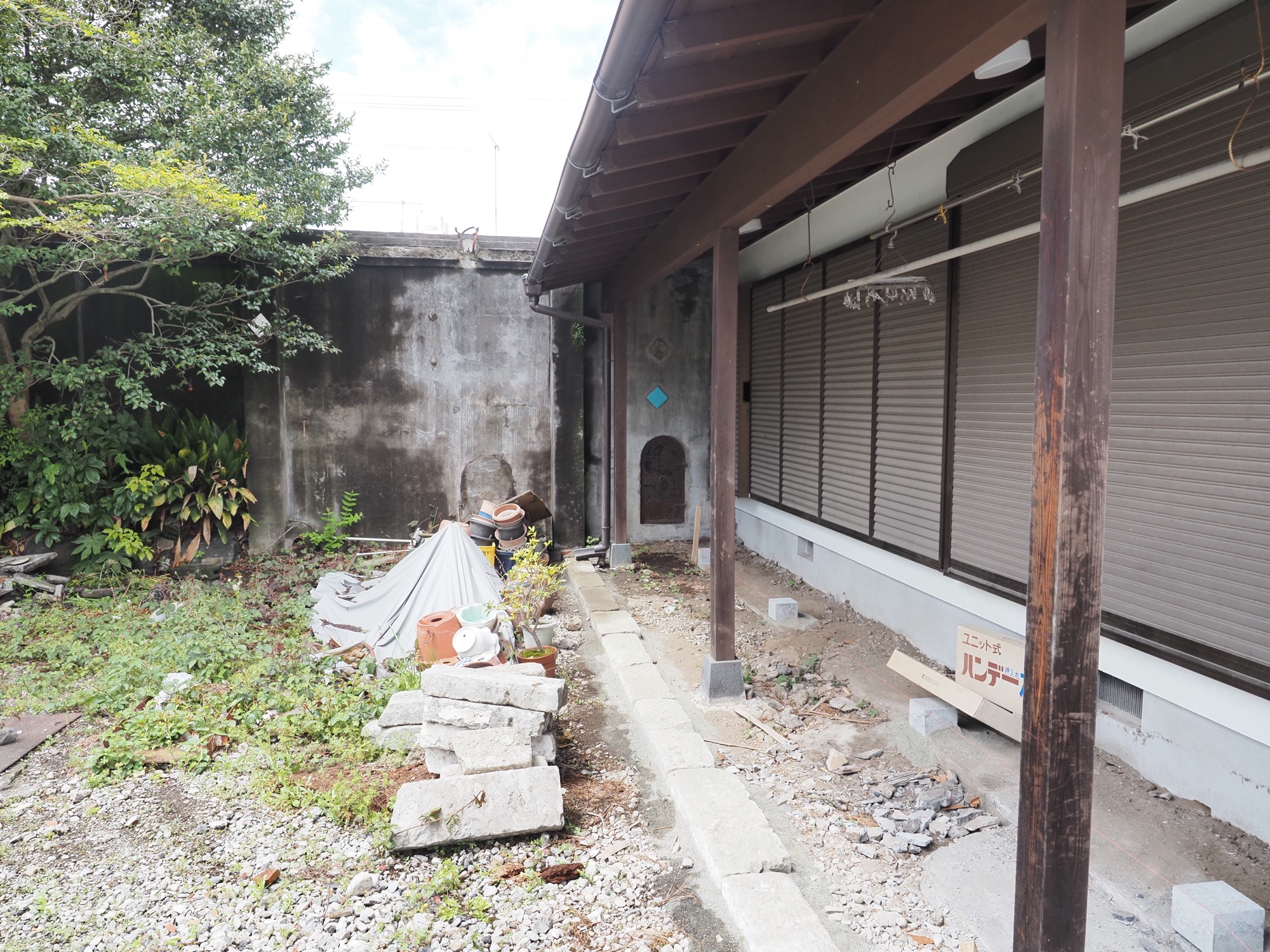
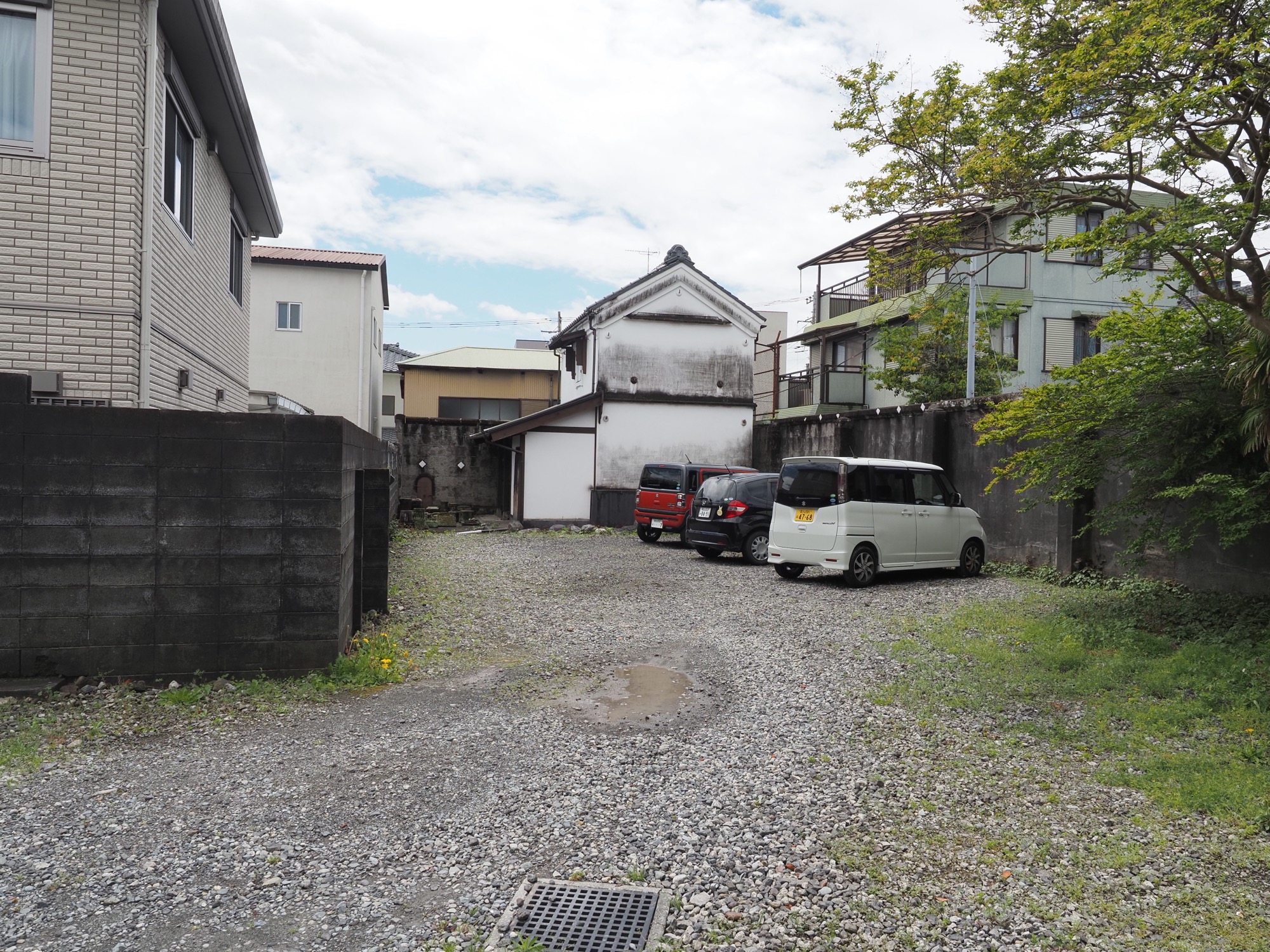
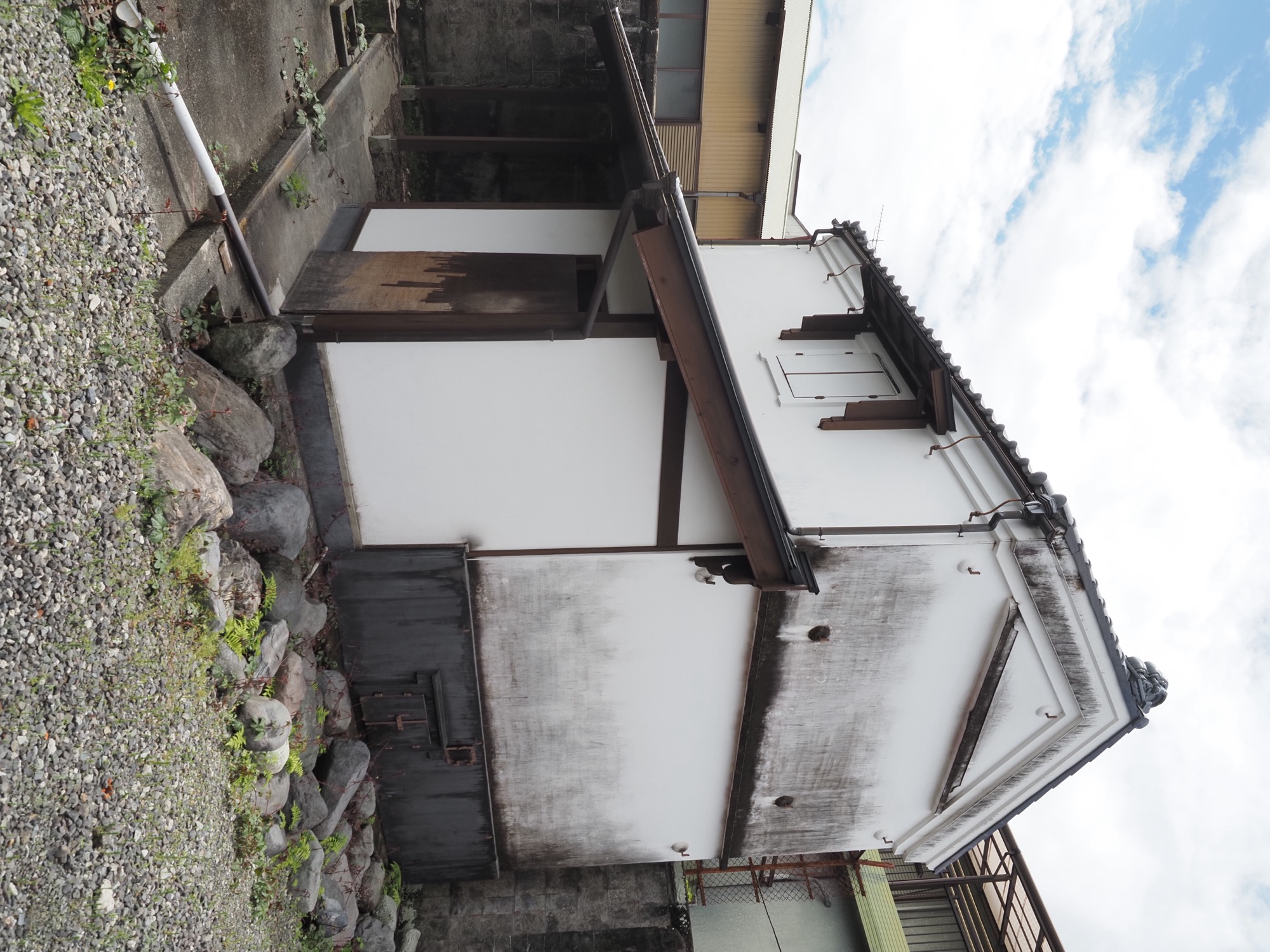
Matsuyama Shrine, in Motoshiro-chō in the old Ōmiya district of Fujinomiya, was venerated as the guardian shrine of Hōshaku-ji, the mortuary temple of the Fuji Ōmiyaji family.
Hōshaku-ji was founded in 1692 (Genroku 5) by Fuji Nobumoto, the thirty-fourth Ōmiyaji, who parted from Senshō-ji — the Sōtō Zen temple that had until then served as the family’s mortuary temple — and raised a new Shingon temple on the goten grounds adjoining his own residence, the Fuyōkan. Standing in a relation akin to a branch temple of Hōdōin, the bettō temple of Sengen Taisha, and with monks of the great shrine serving as its incumbents, it bore the character of a jingū-ji — a temple bound intimately to shrine ritual. From then on it managed the funerals and memorial tablets of the successive Ōmiyaji, remaining the centre of the Fuji family’s ancestral rites.
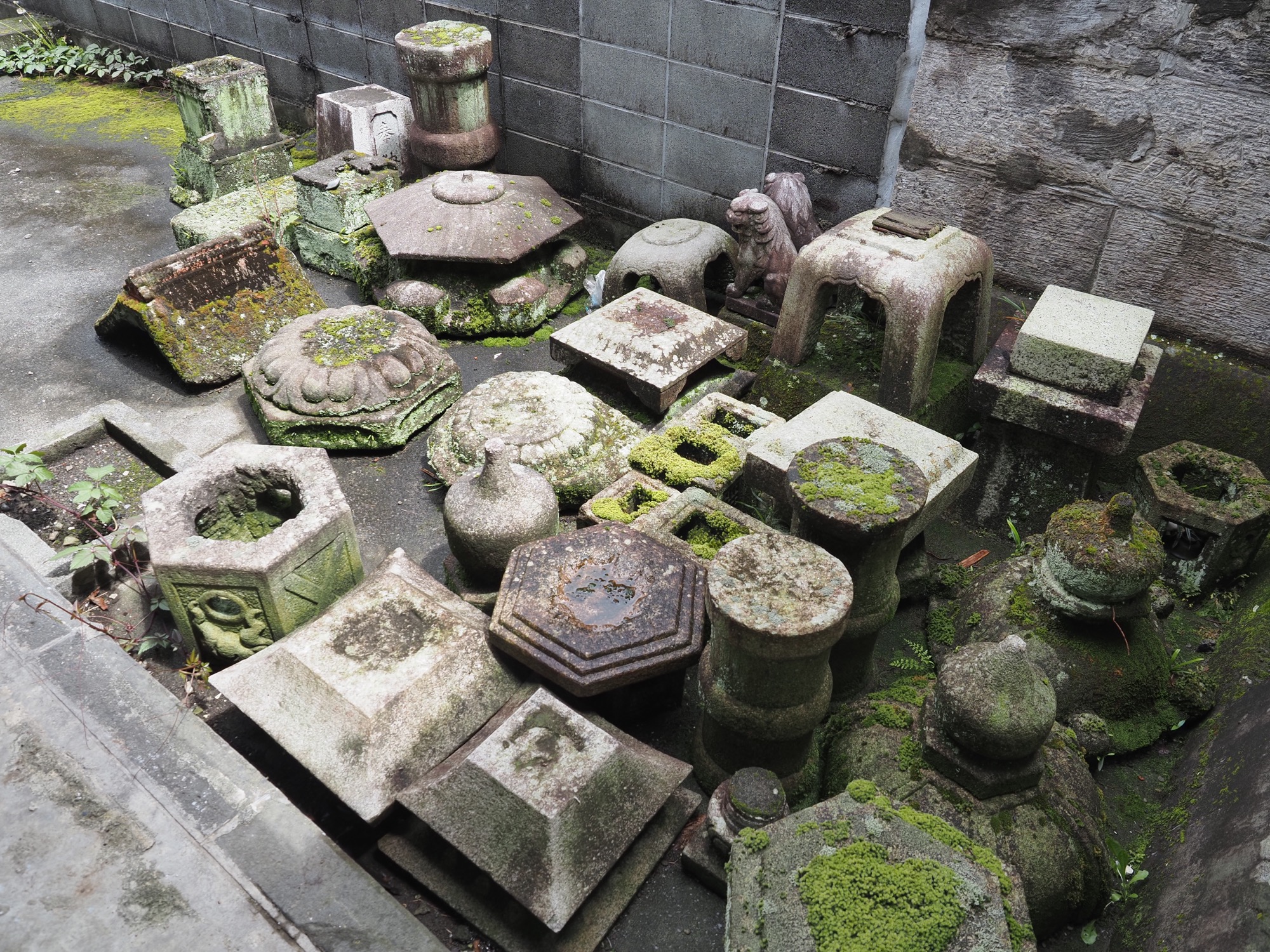
The Meiji separation of Shinto and Buddhism brought this temple, too, to a turning point. Its last incumbent, Kaiben, returned to lay life under the name Matsuyama Ikkaku and became a priest of Shinto funerary rites. Hōshaku-ji was abolished as a temple in 1887 (Meiji 20), its role passing to the Shinto-style burial ground — the okutsuki — and to Matsuyama Shrine, where the family’s spirits are venerated. That the present cemetery of the Fuji Ōmiyaji family lies near the old Hōshaku-ji site in Motoshiro-chō follows from this history.
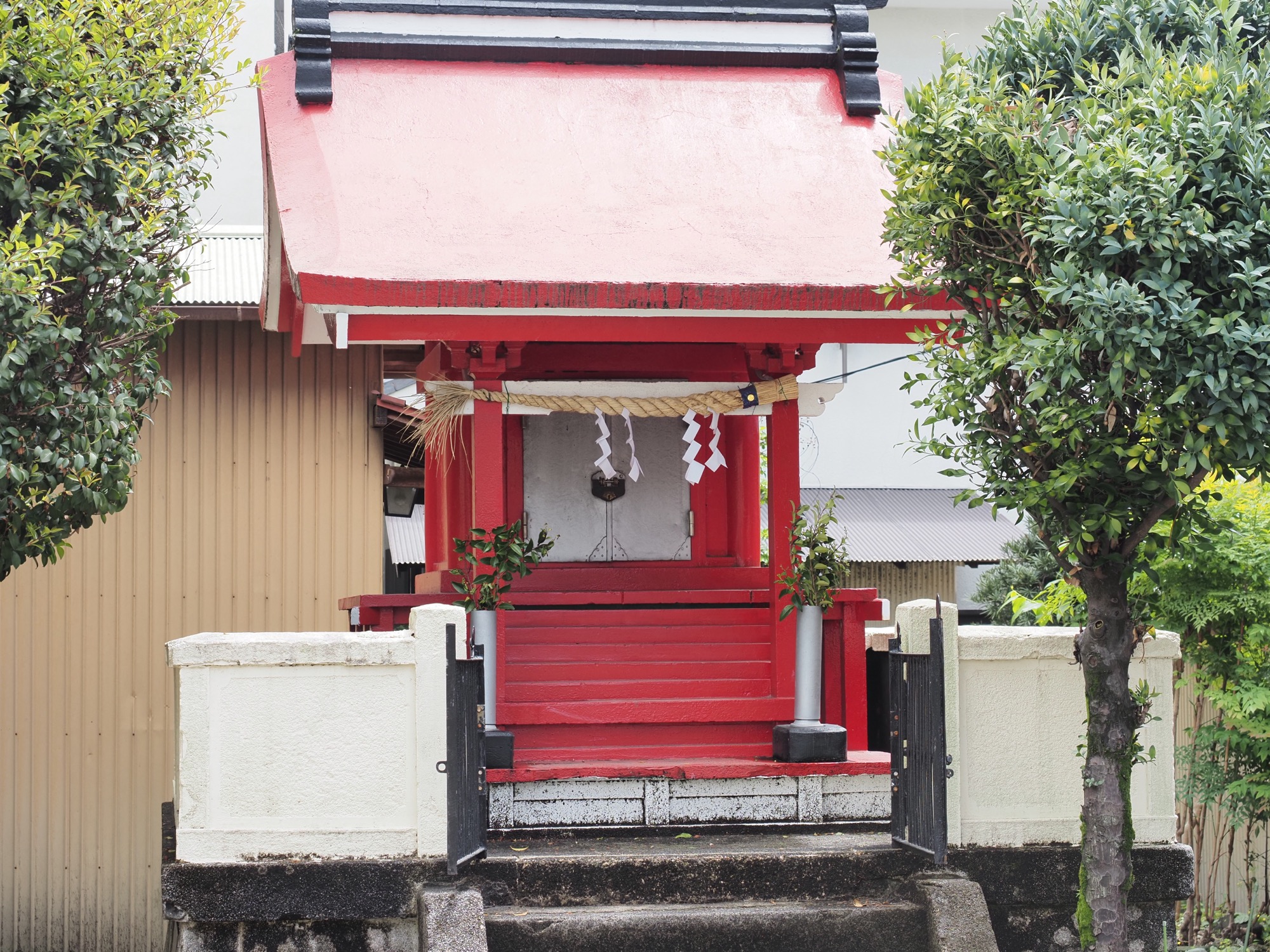
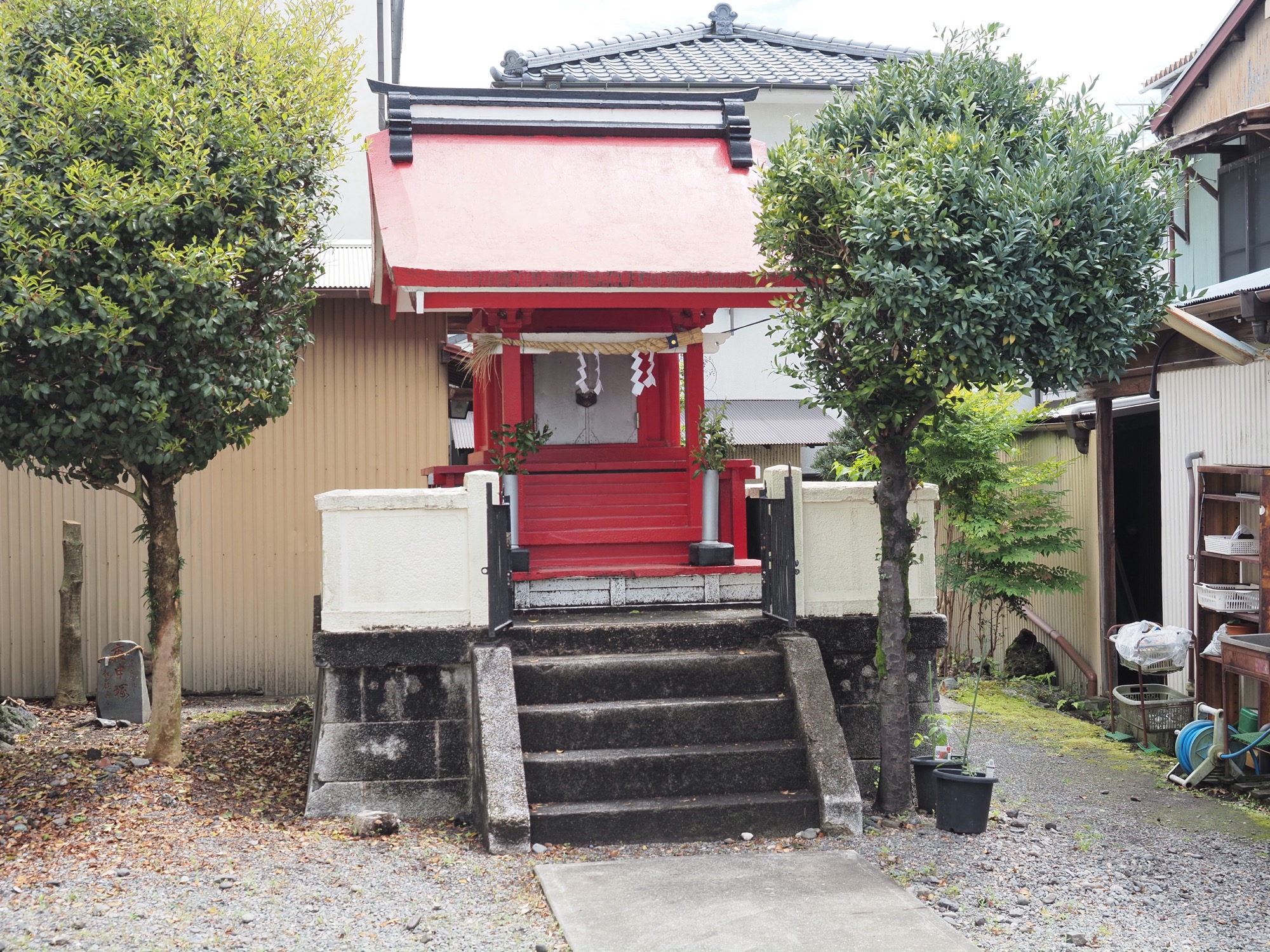
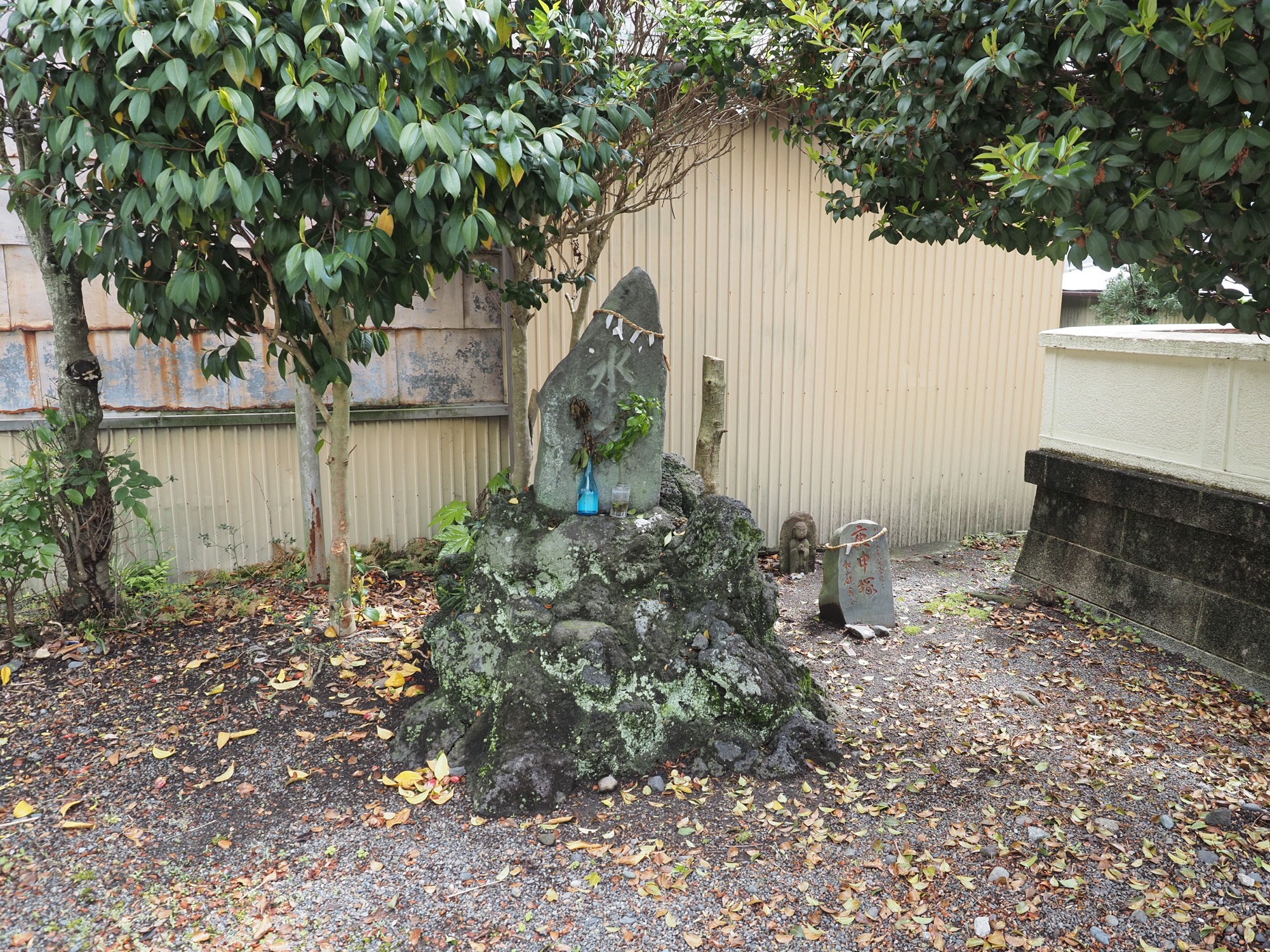
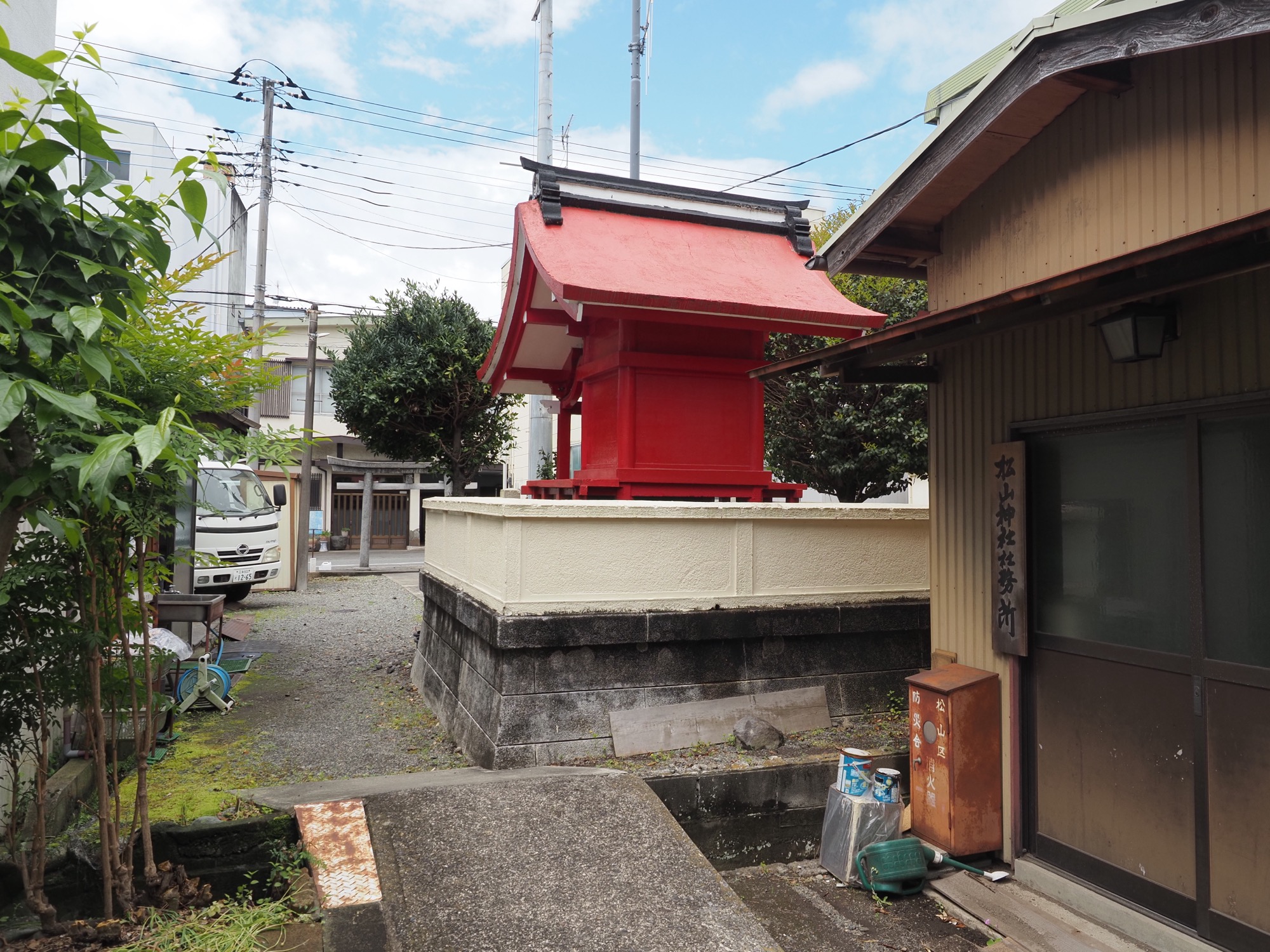
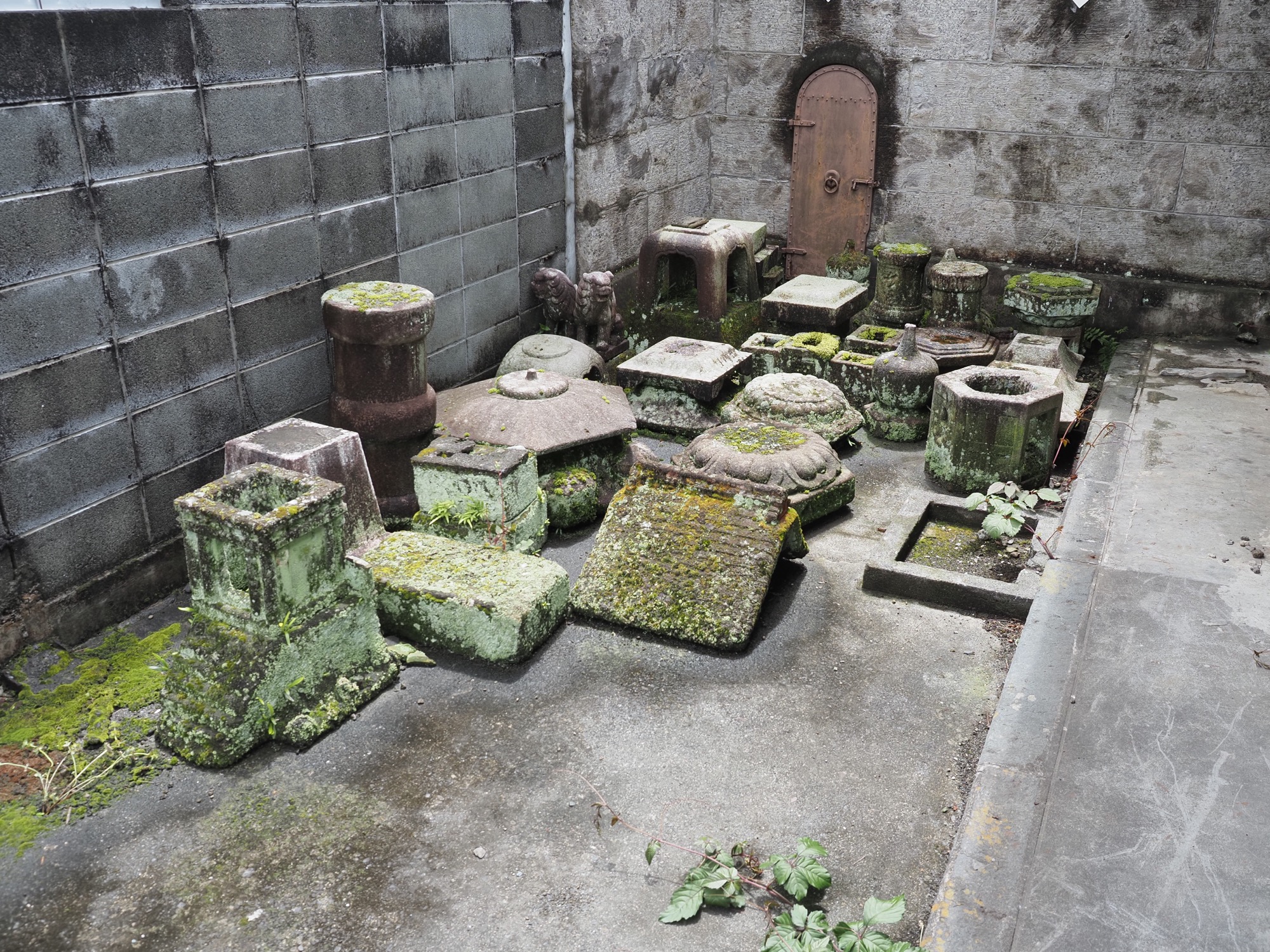
In the vermilion-lacquered sanctuary dwells the memory of the age when kami and buddhas were inseparable. Beside it still rests a water-deity stele — a block of lava carved with the single character for “water” — quietly transmitting the old stratum of Ōmiya’s faith: the prayer of water to quell the fire of Fuji. Through even the great loss of its mortuary temple, the veneration of the Fuji family’s ancestors has continued here in altered form.