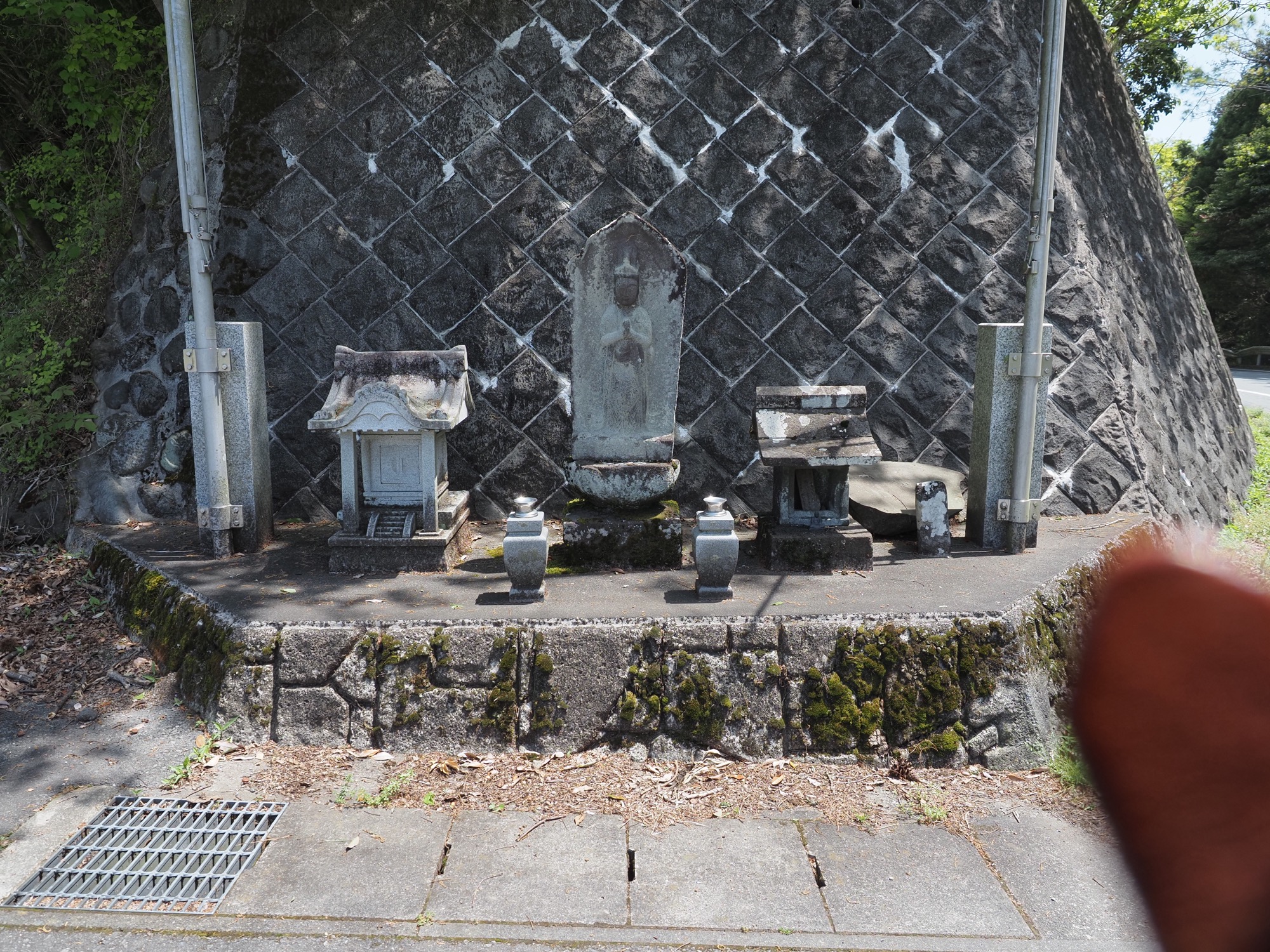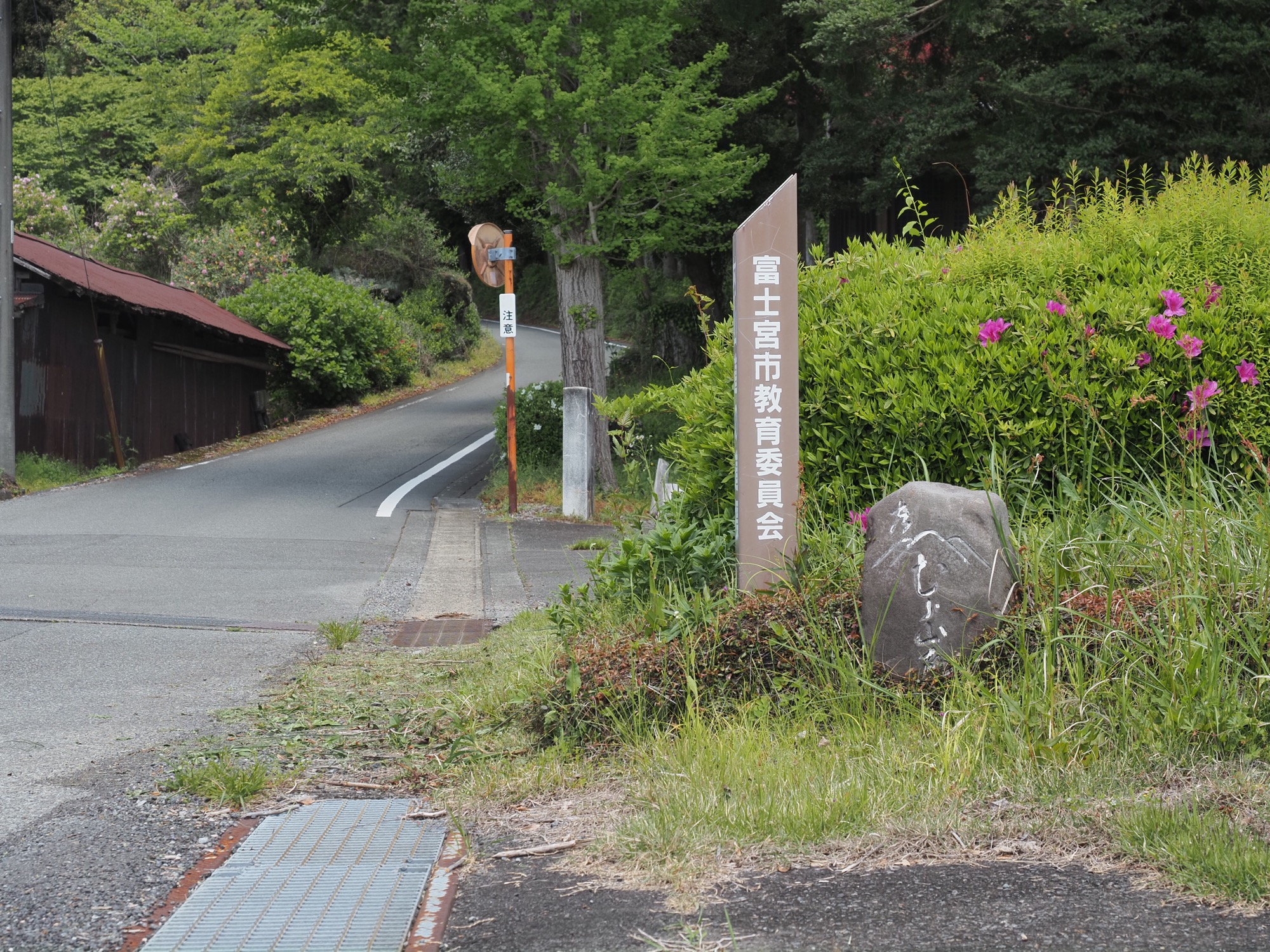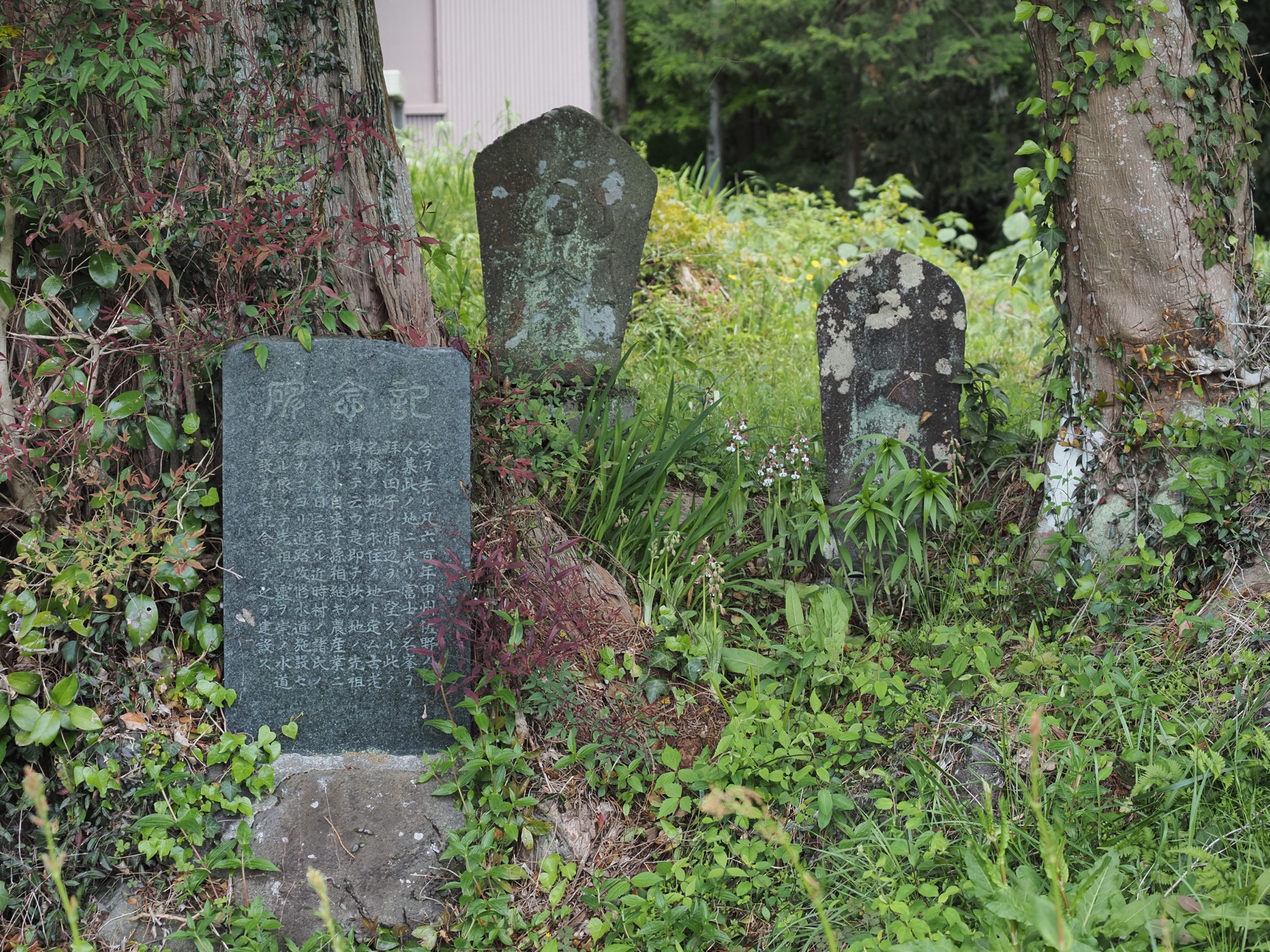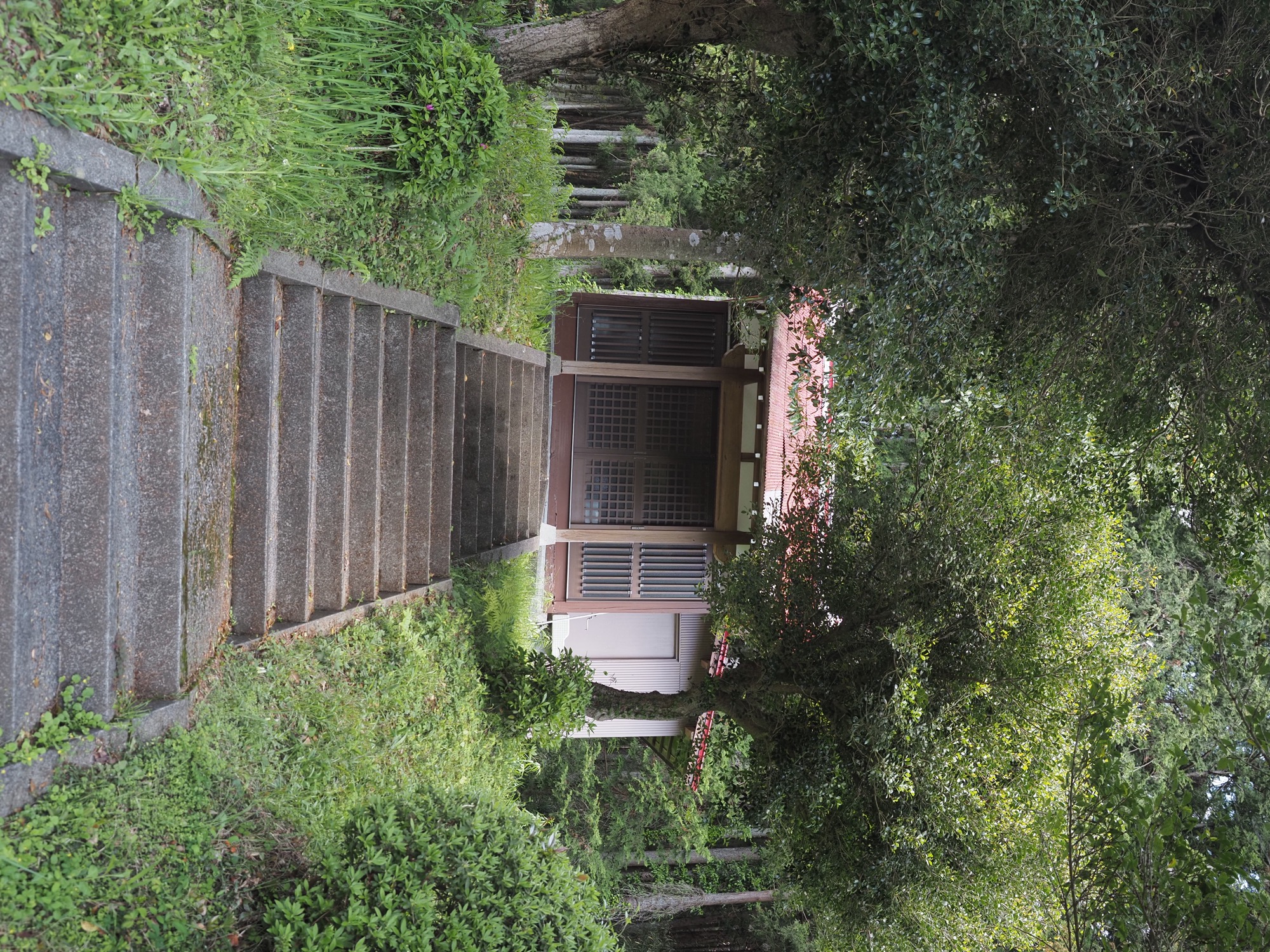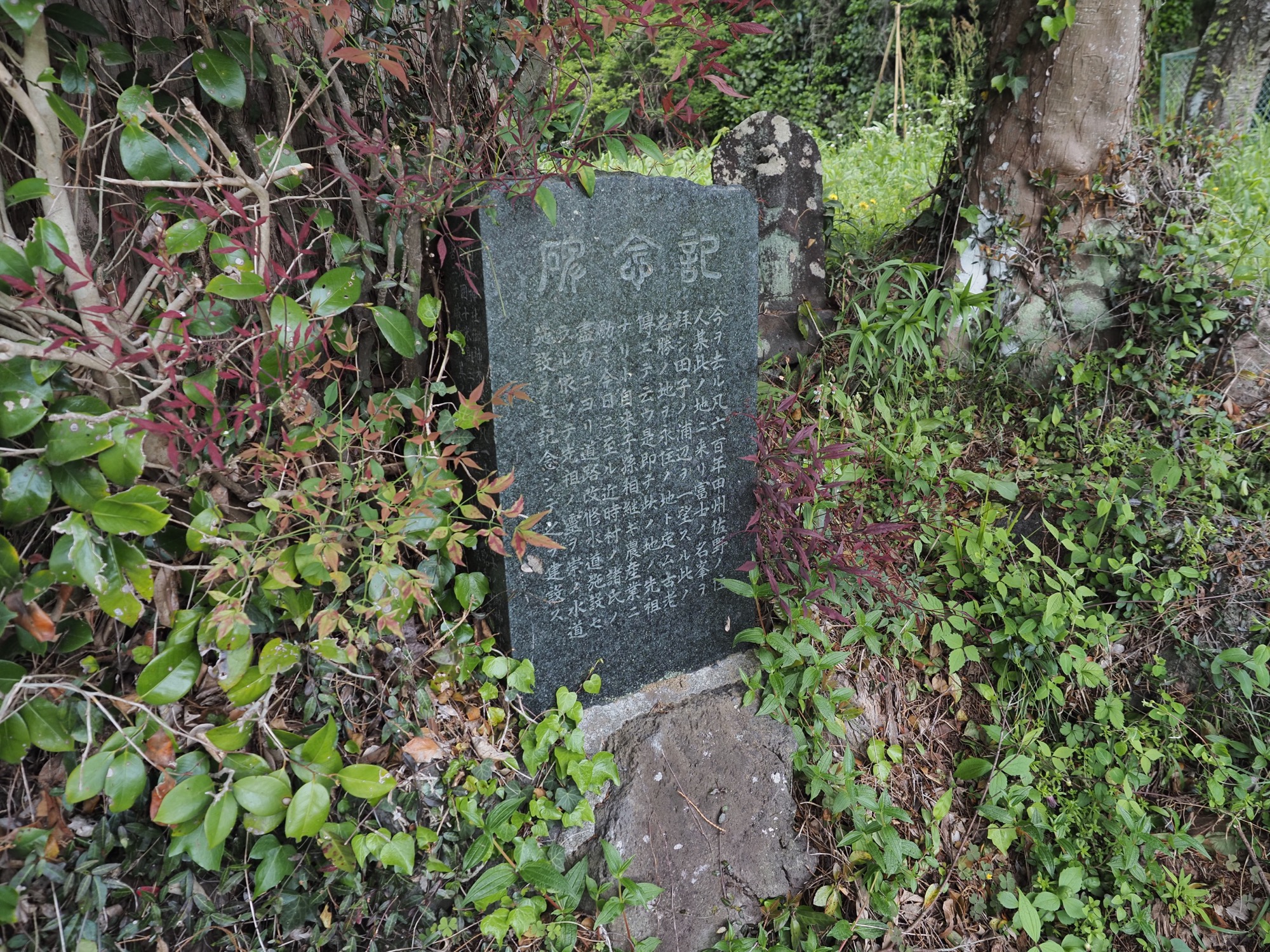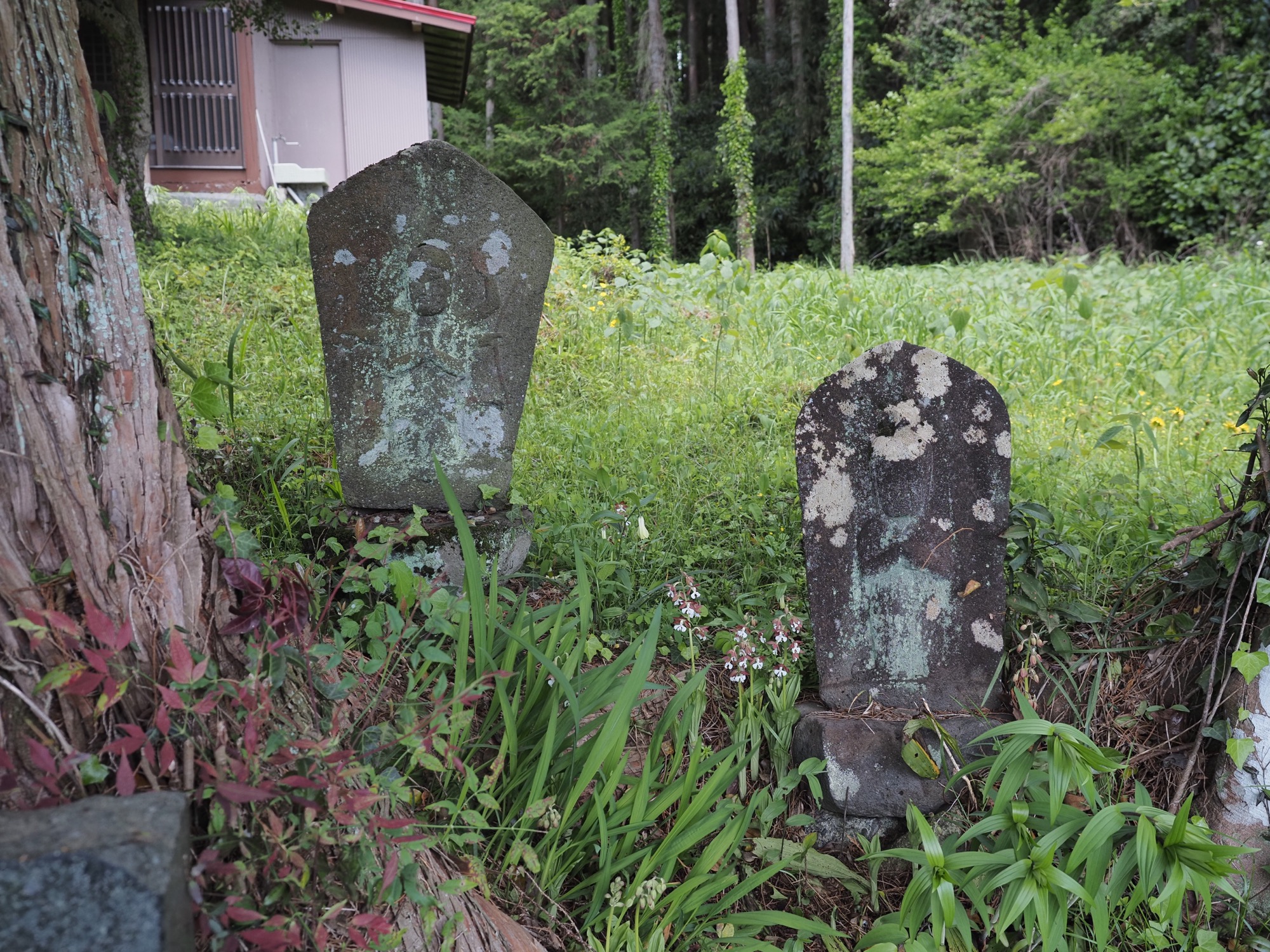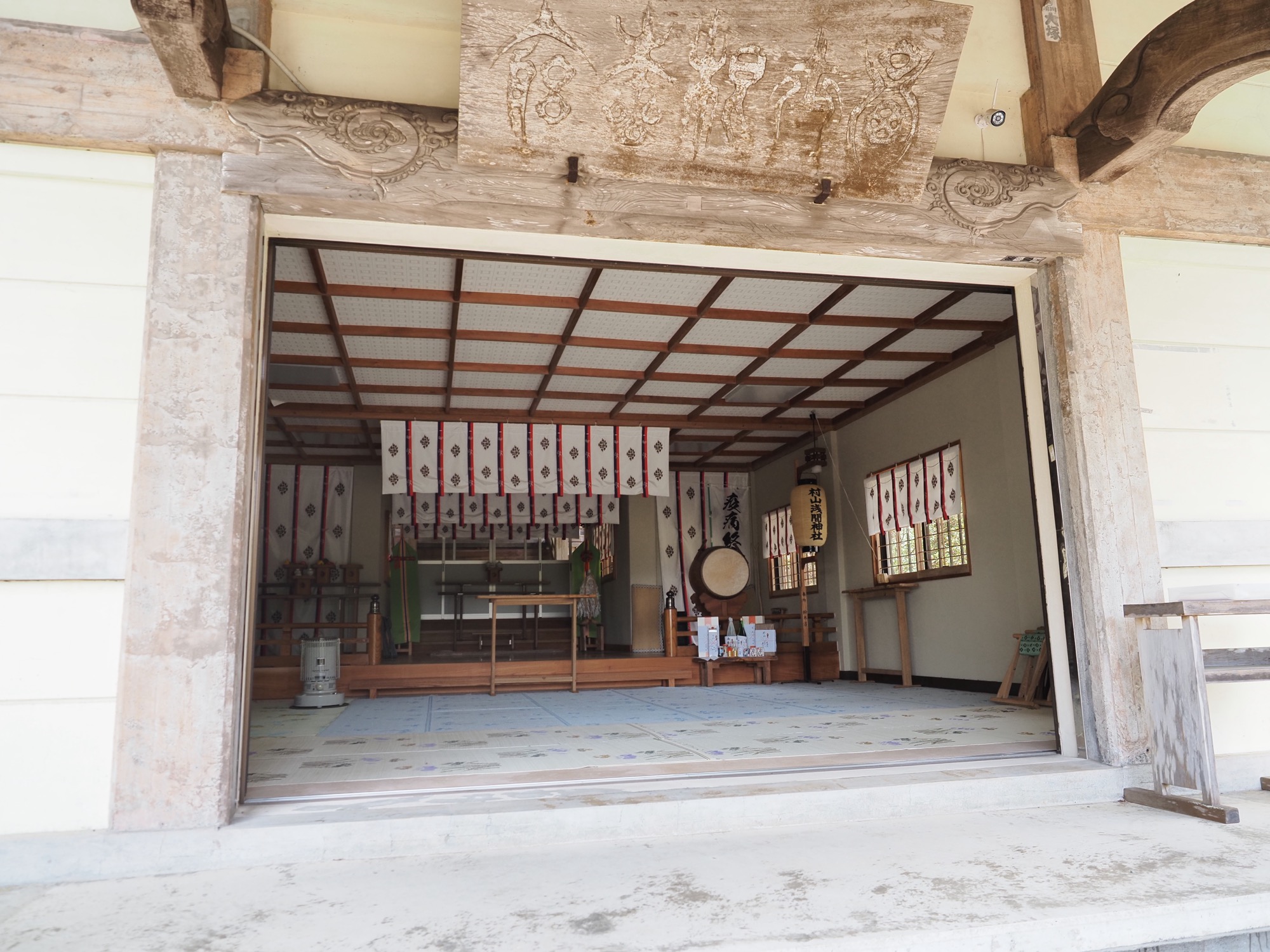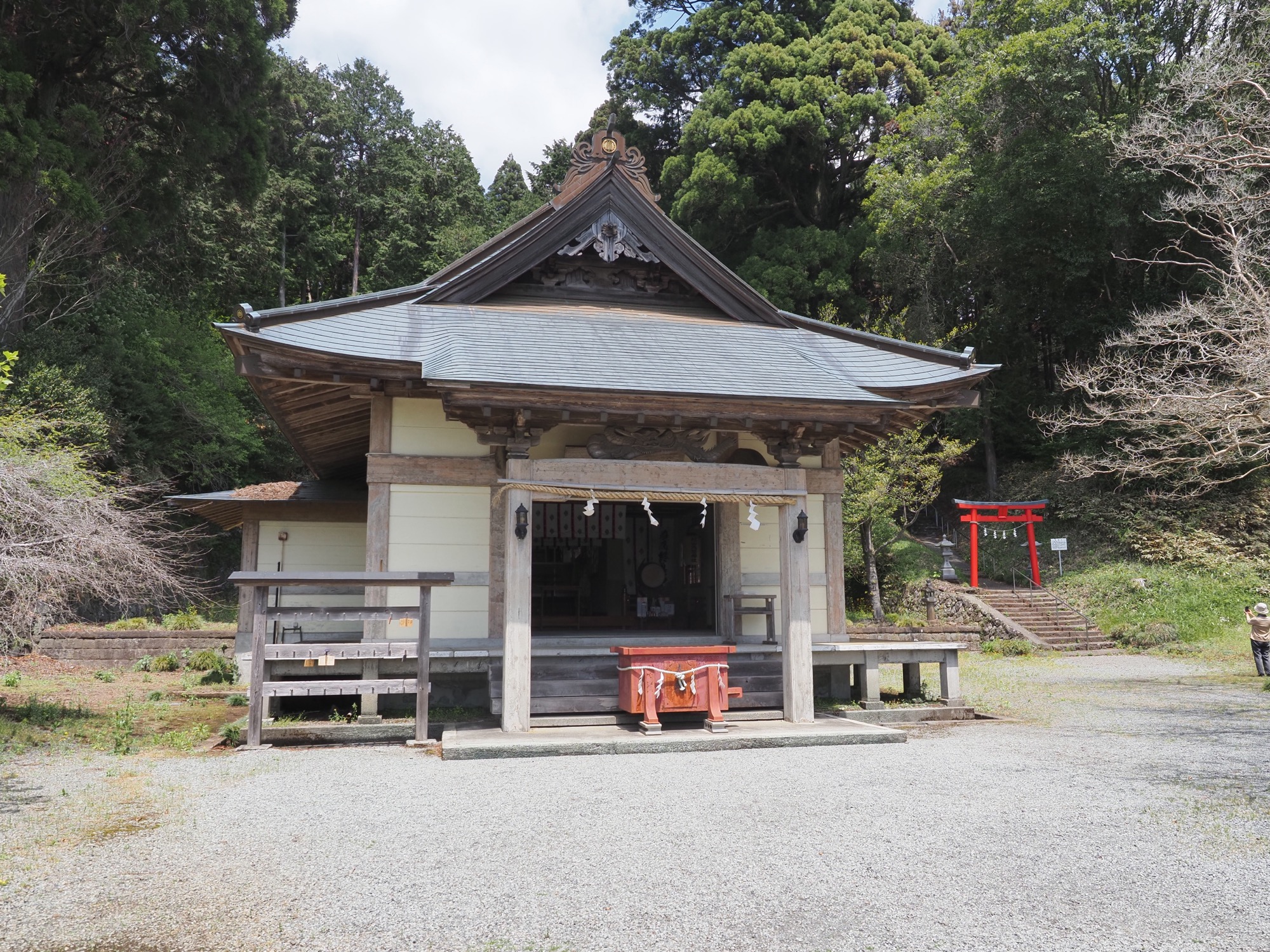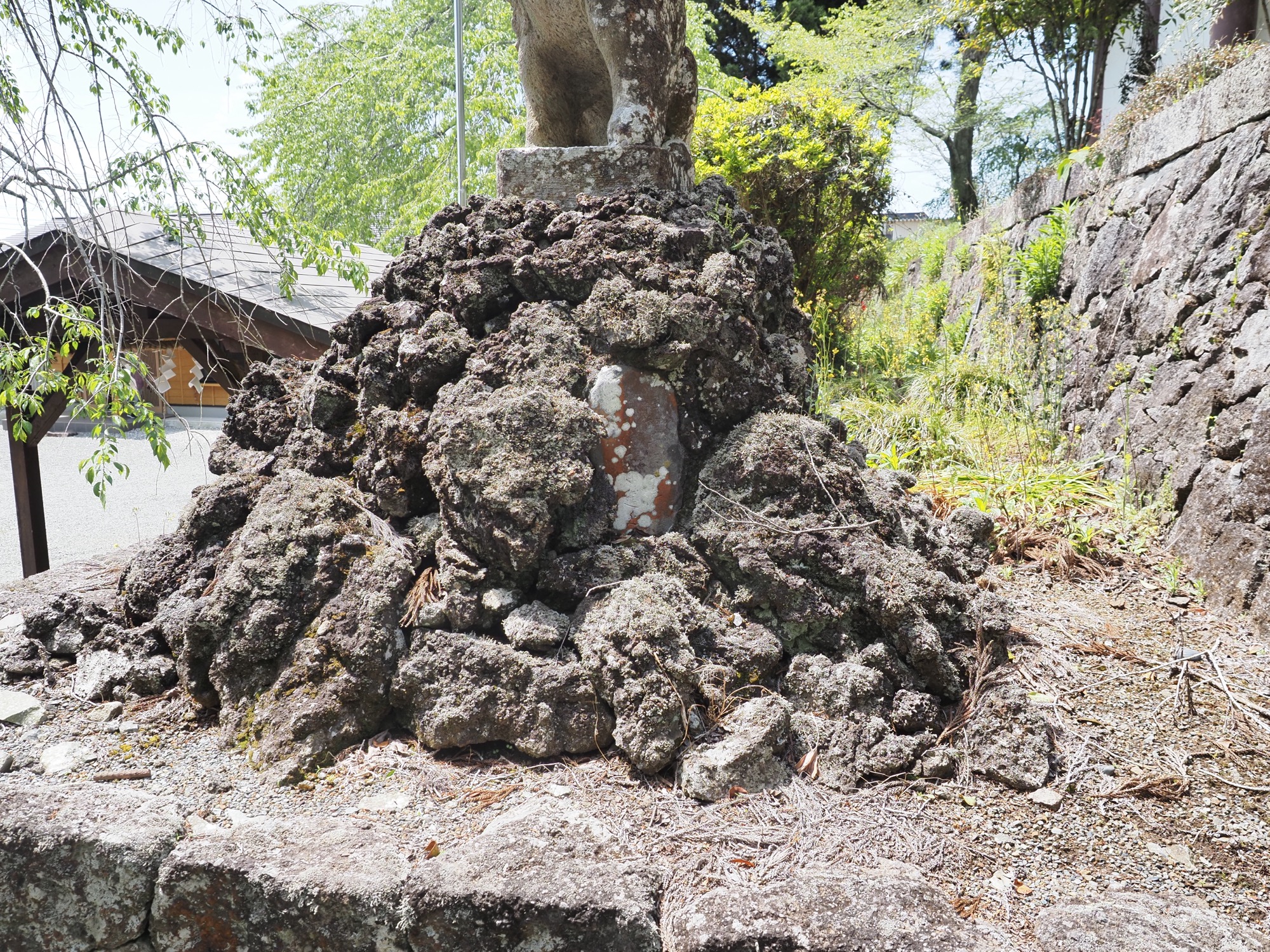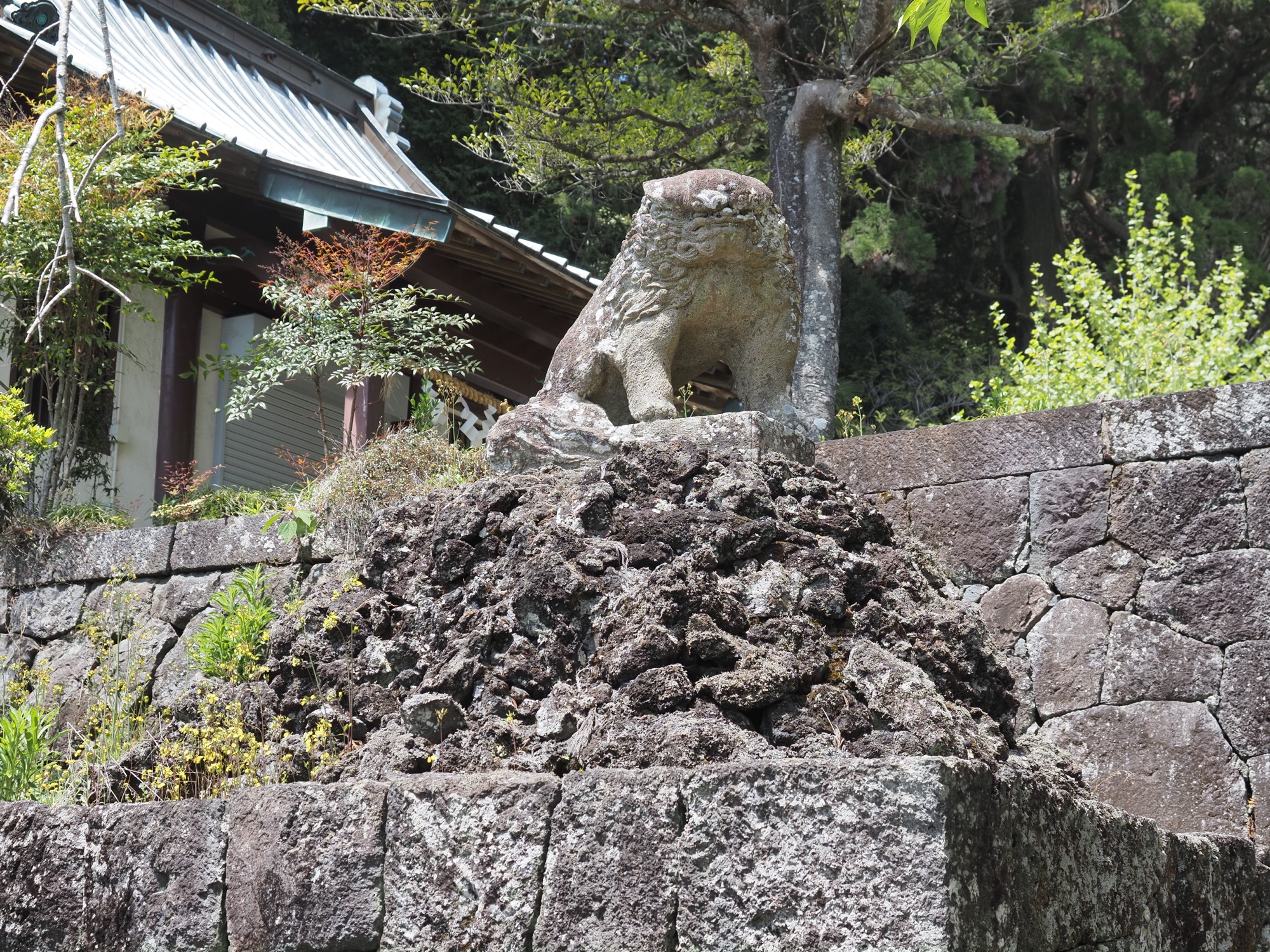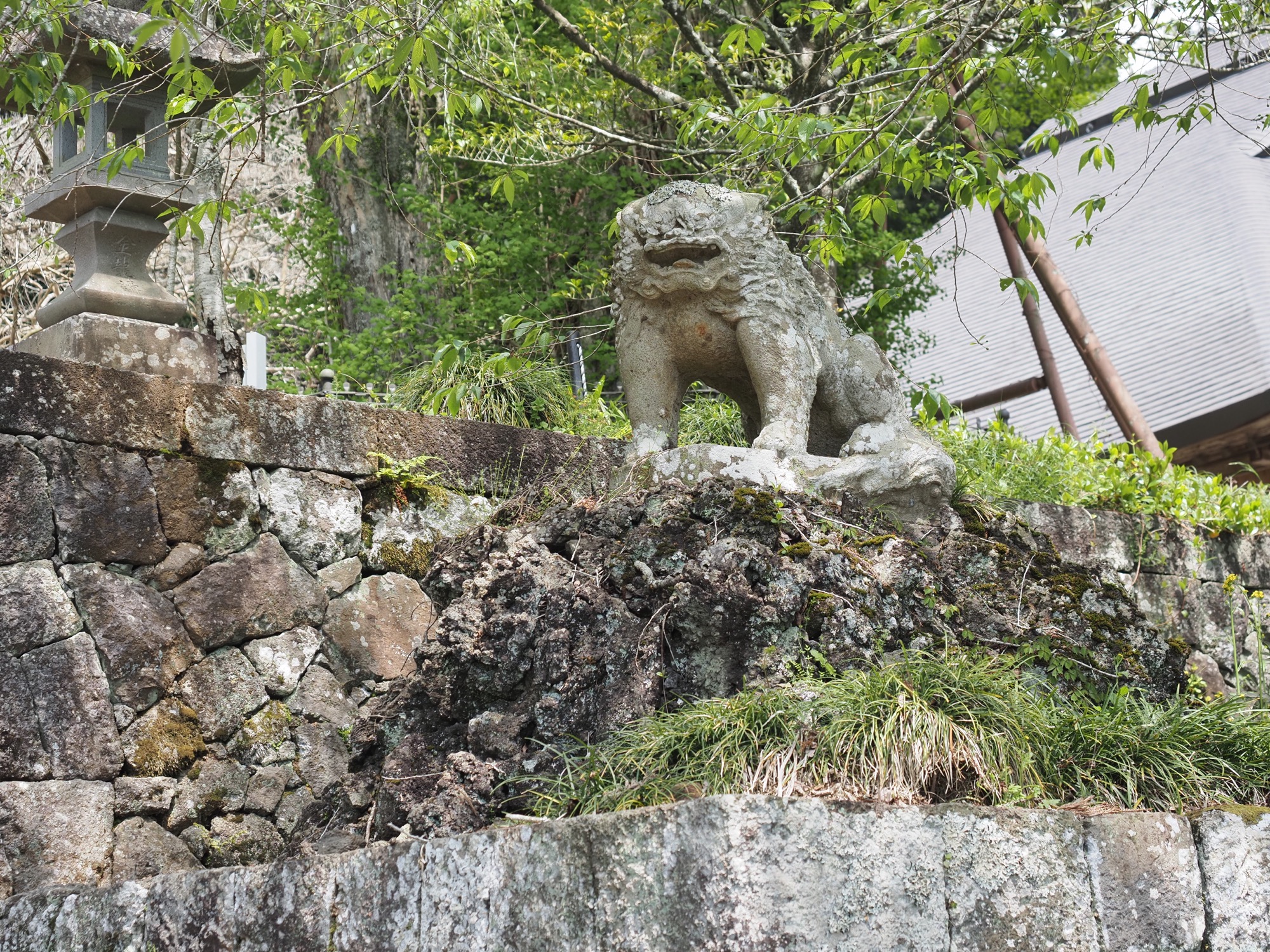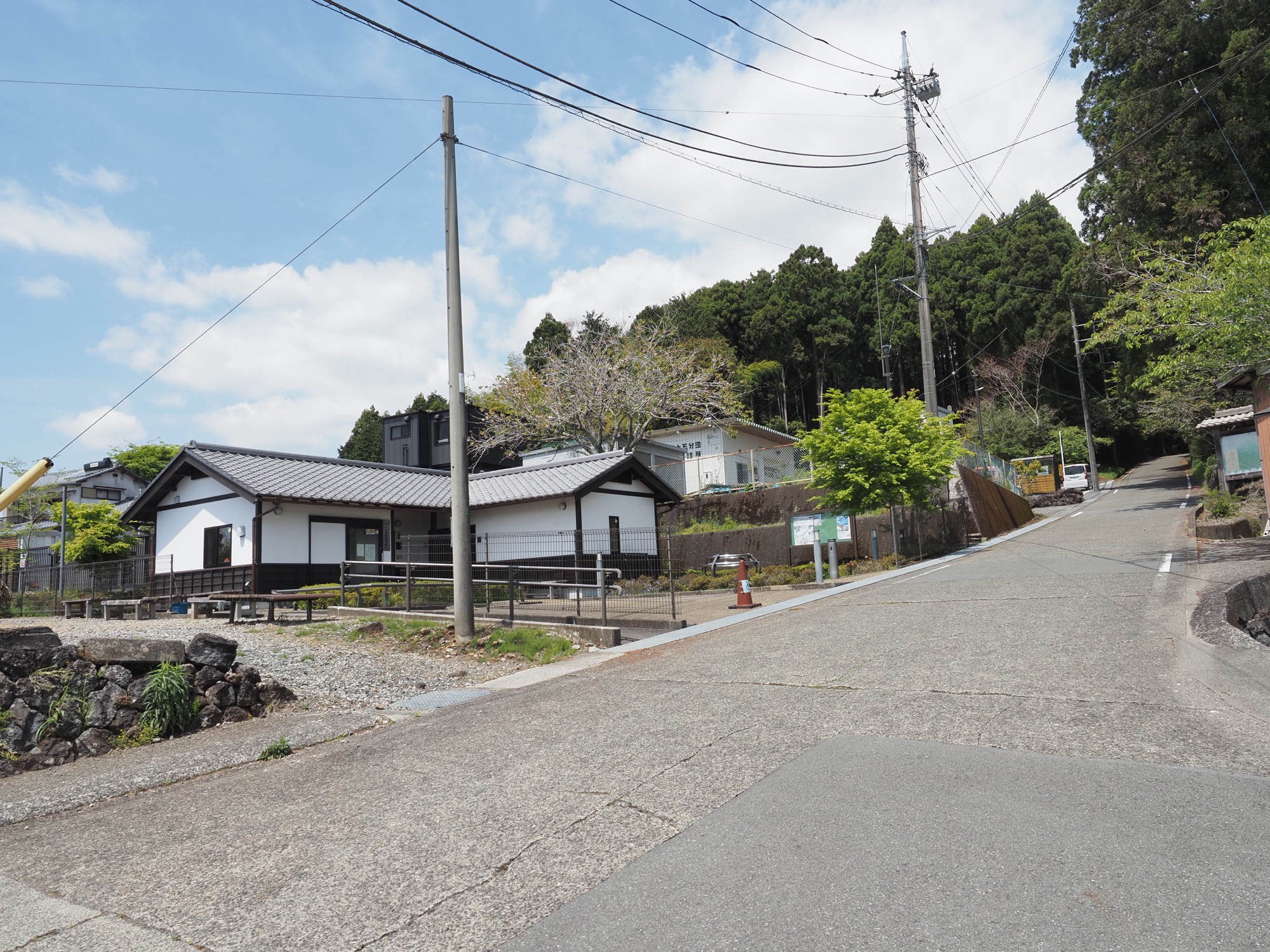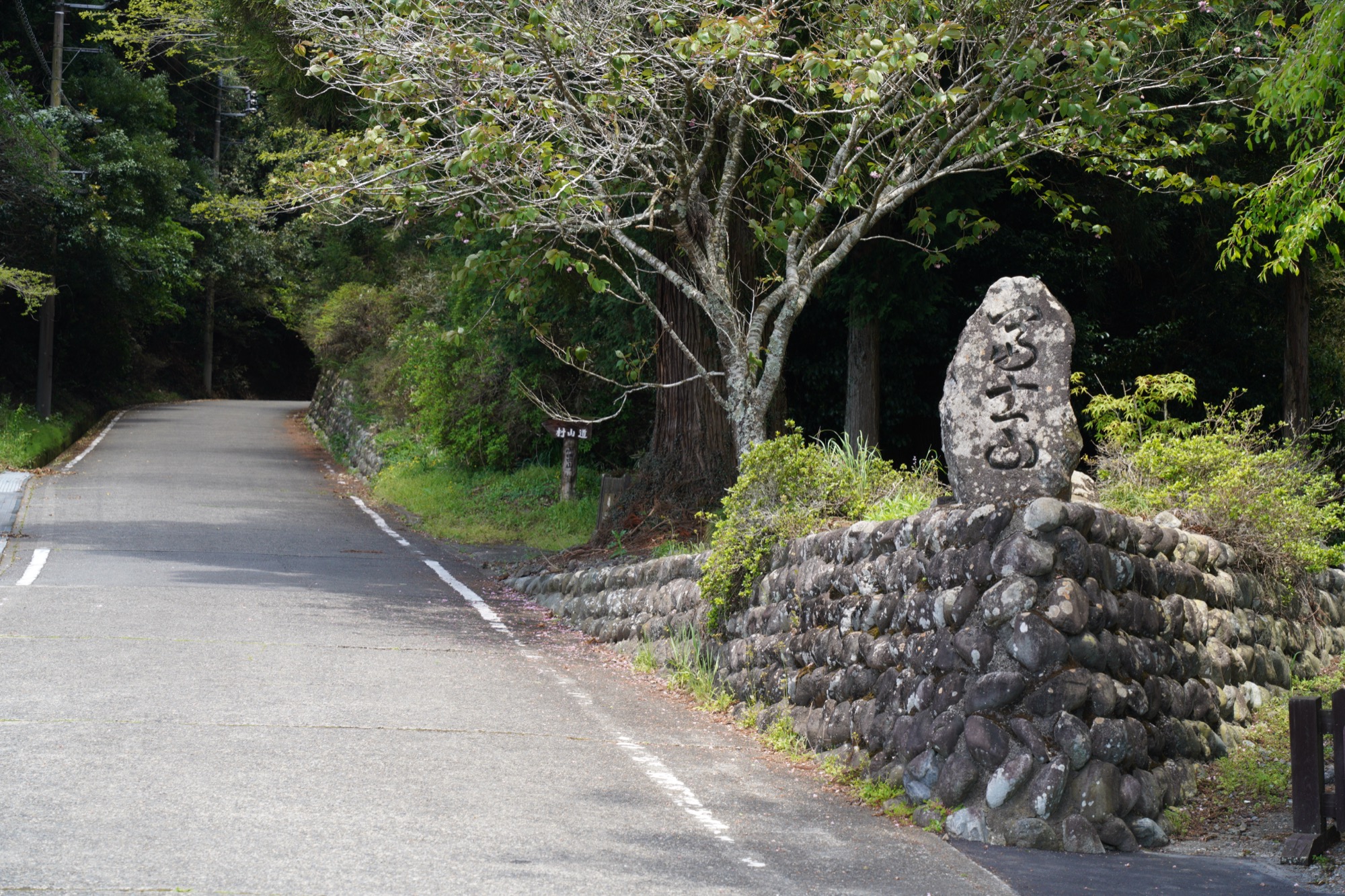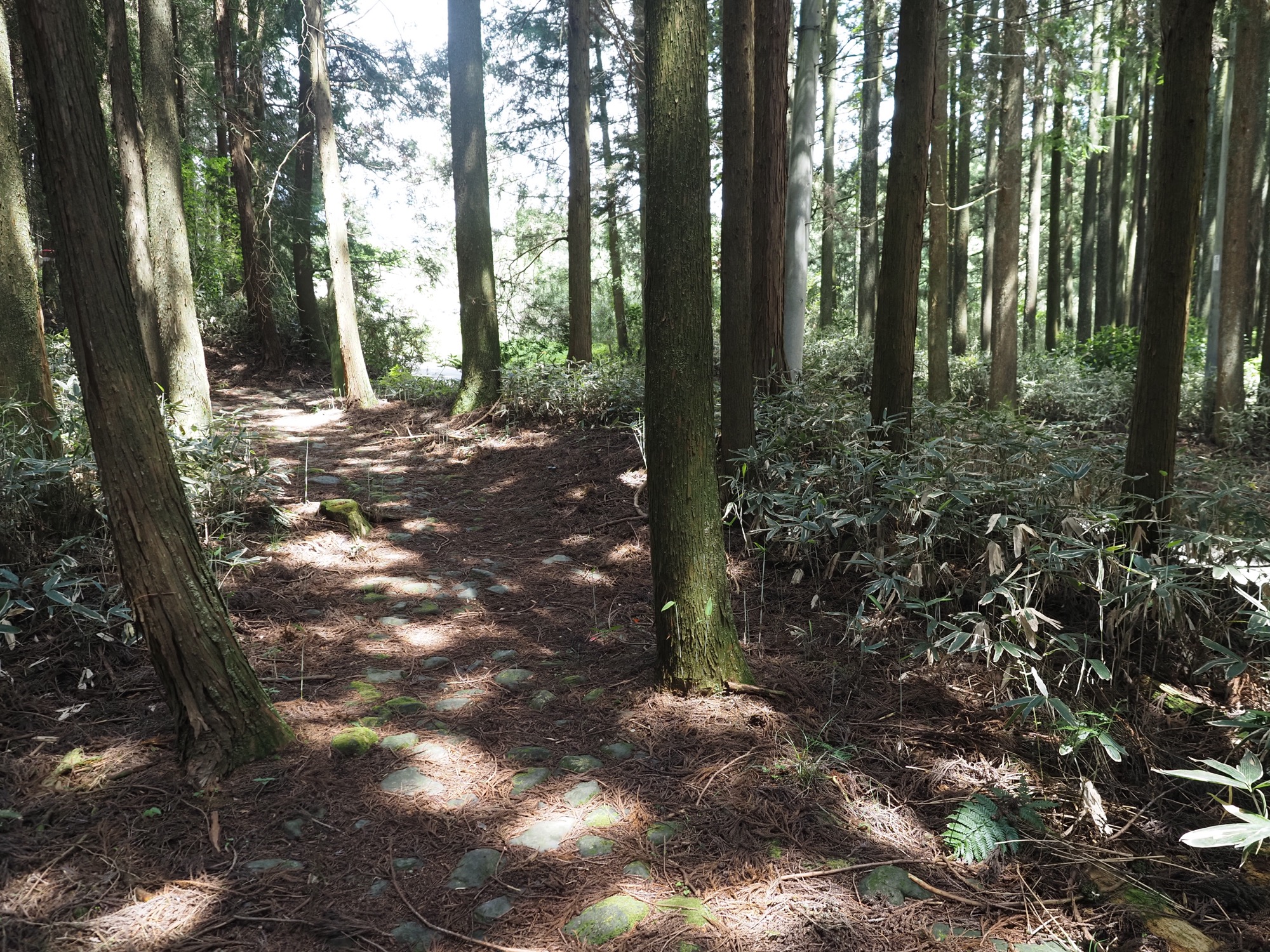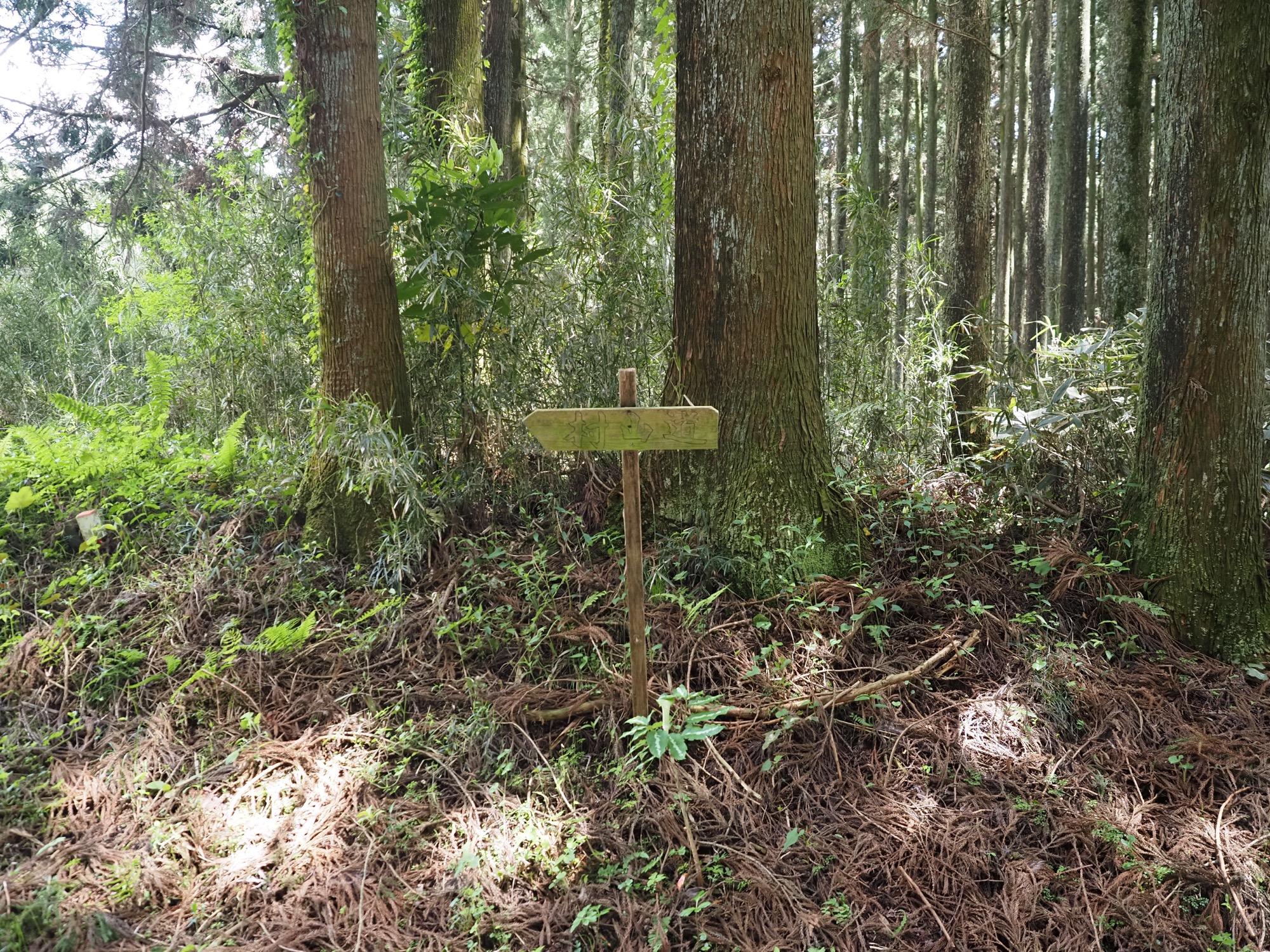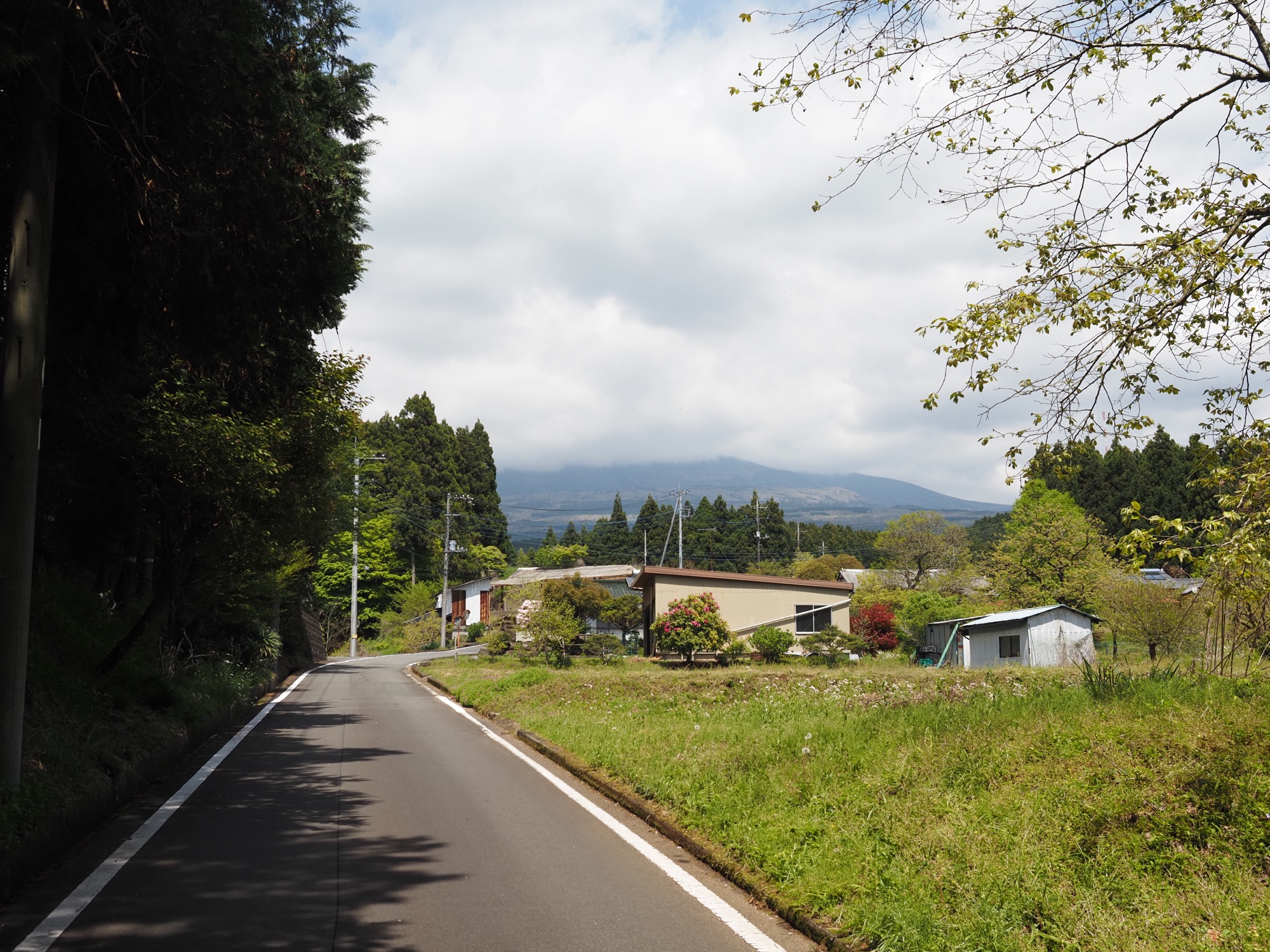
Murayama Sengen Shrine
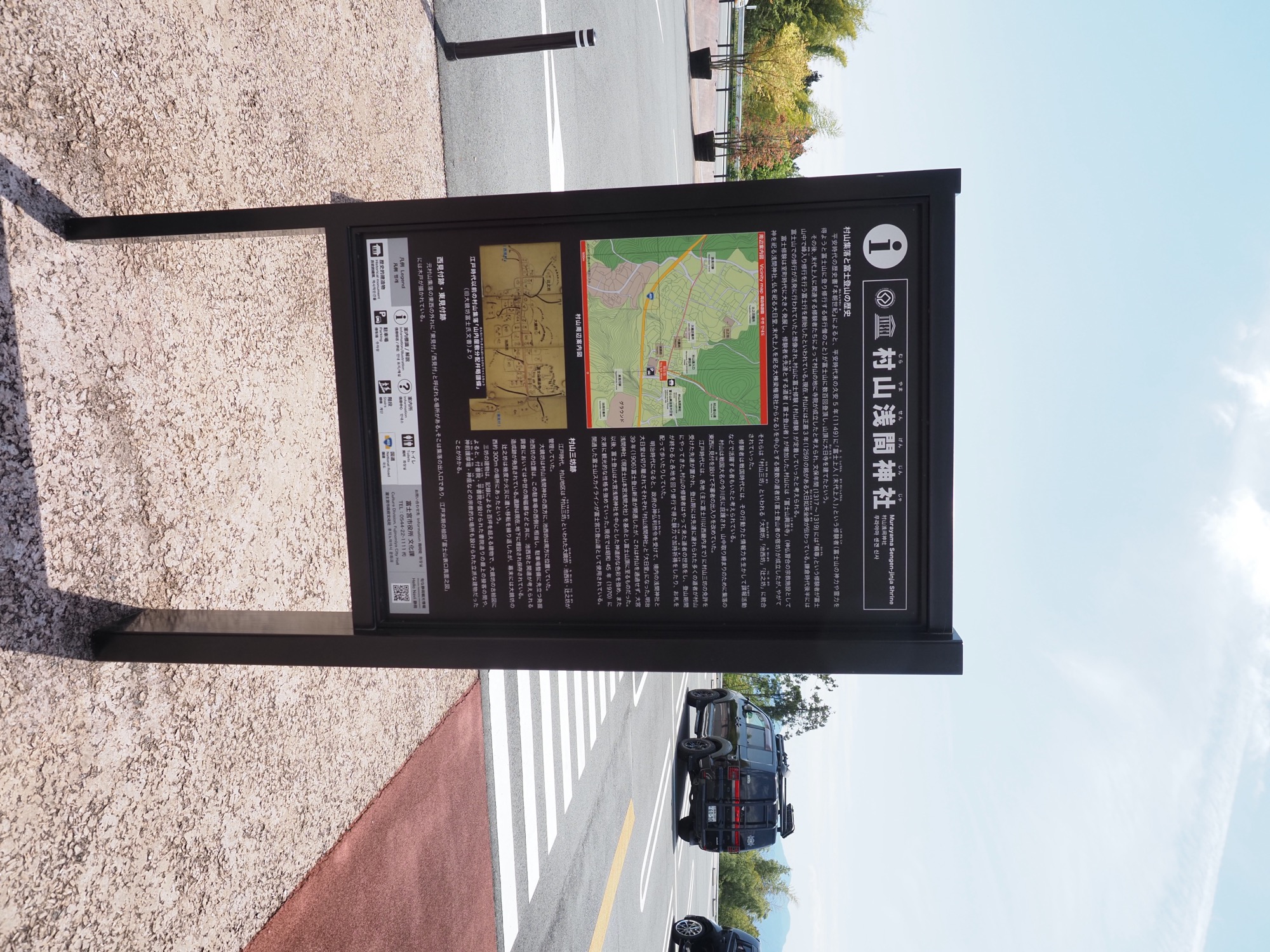
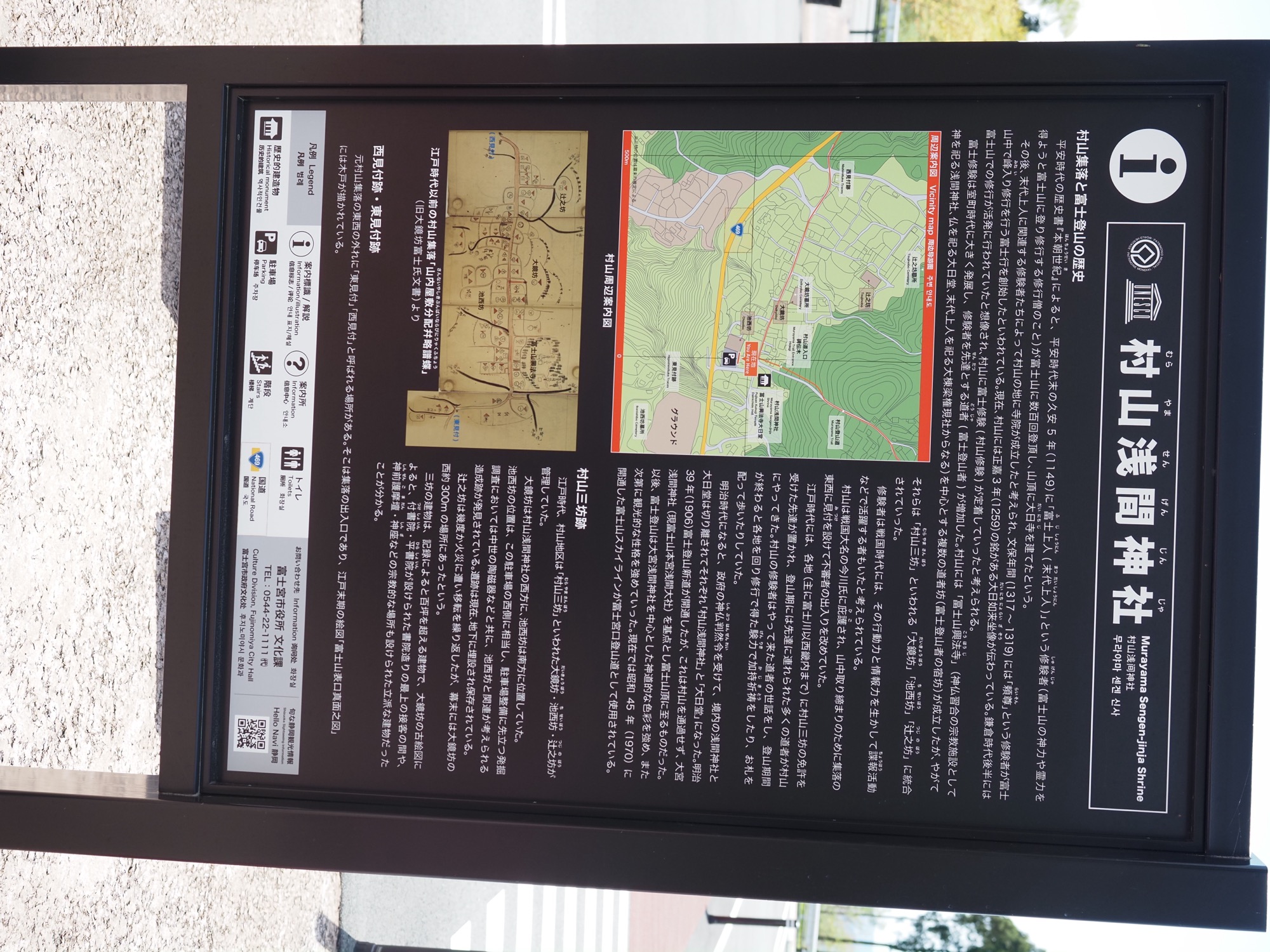
Murayama Sengen Shrine was the heart of Murayama Shugendō, the ascetic tradition that shaped religious mountaineering on Fuji. In the mid-twelfth century, the monk Matsudai Shōnin — said to have climbed the mountain several hundred times — founded the temple Kōbō-ji here as his base of practice. Matsudai also raised a temple on the summit, opening Fuji as a sacred site of Dainichi Nyorai; this place stood at the very turning point at which Fuji changed from a mountain to be worshipped from afar into a mountain to be climbed.
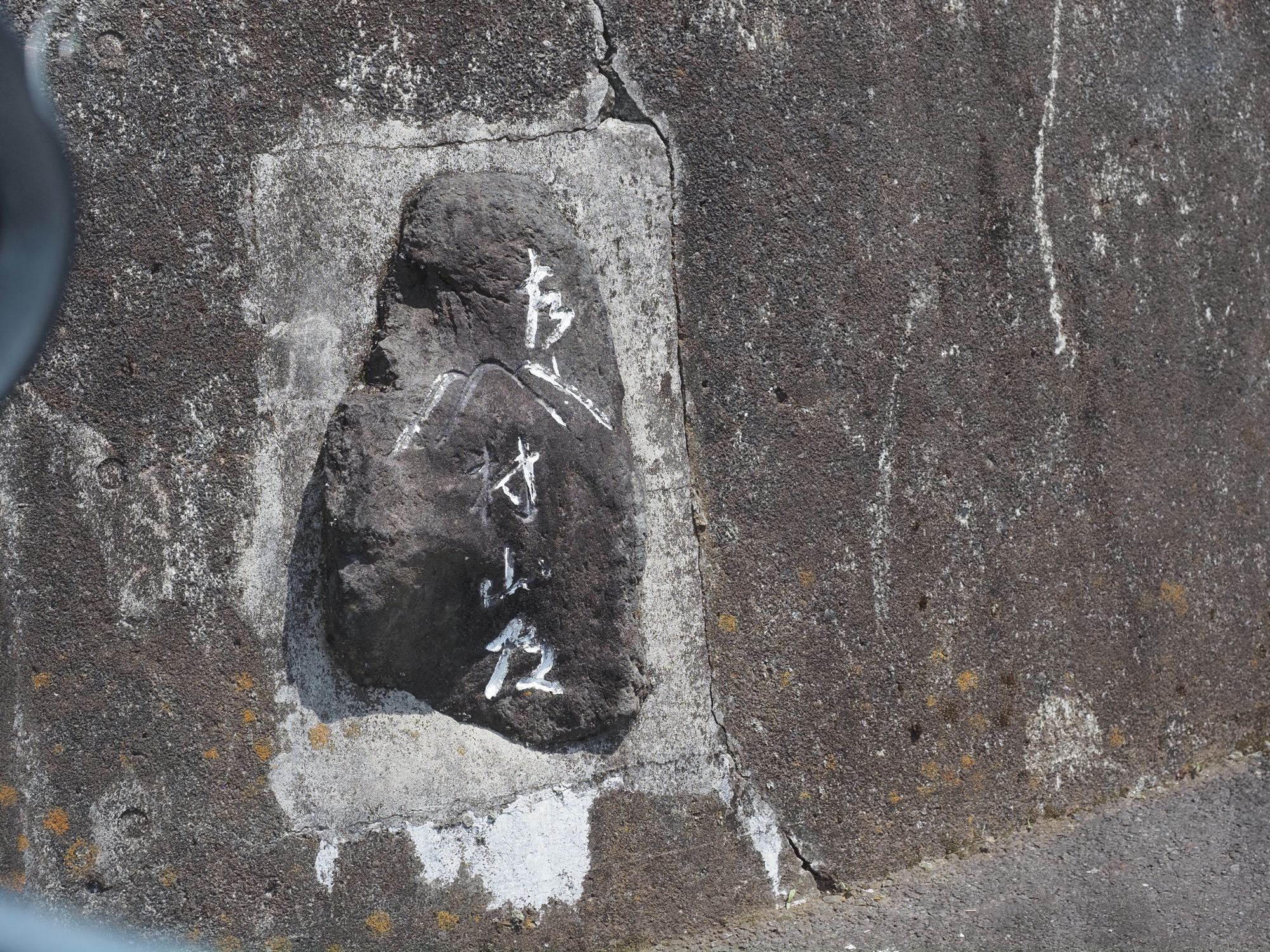
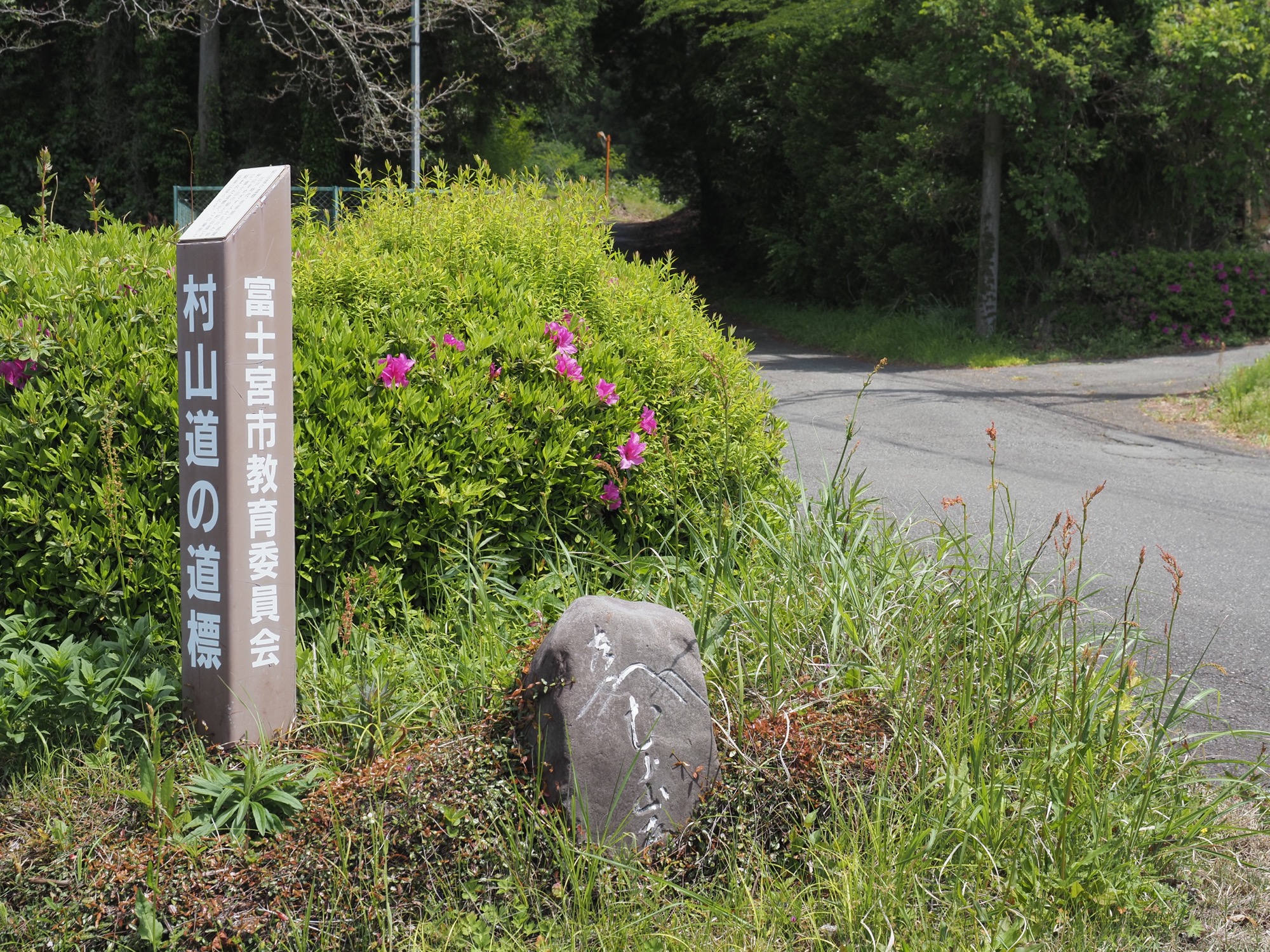
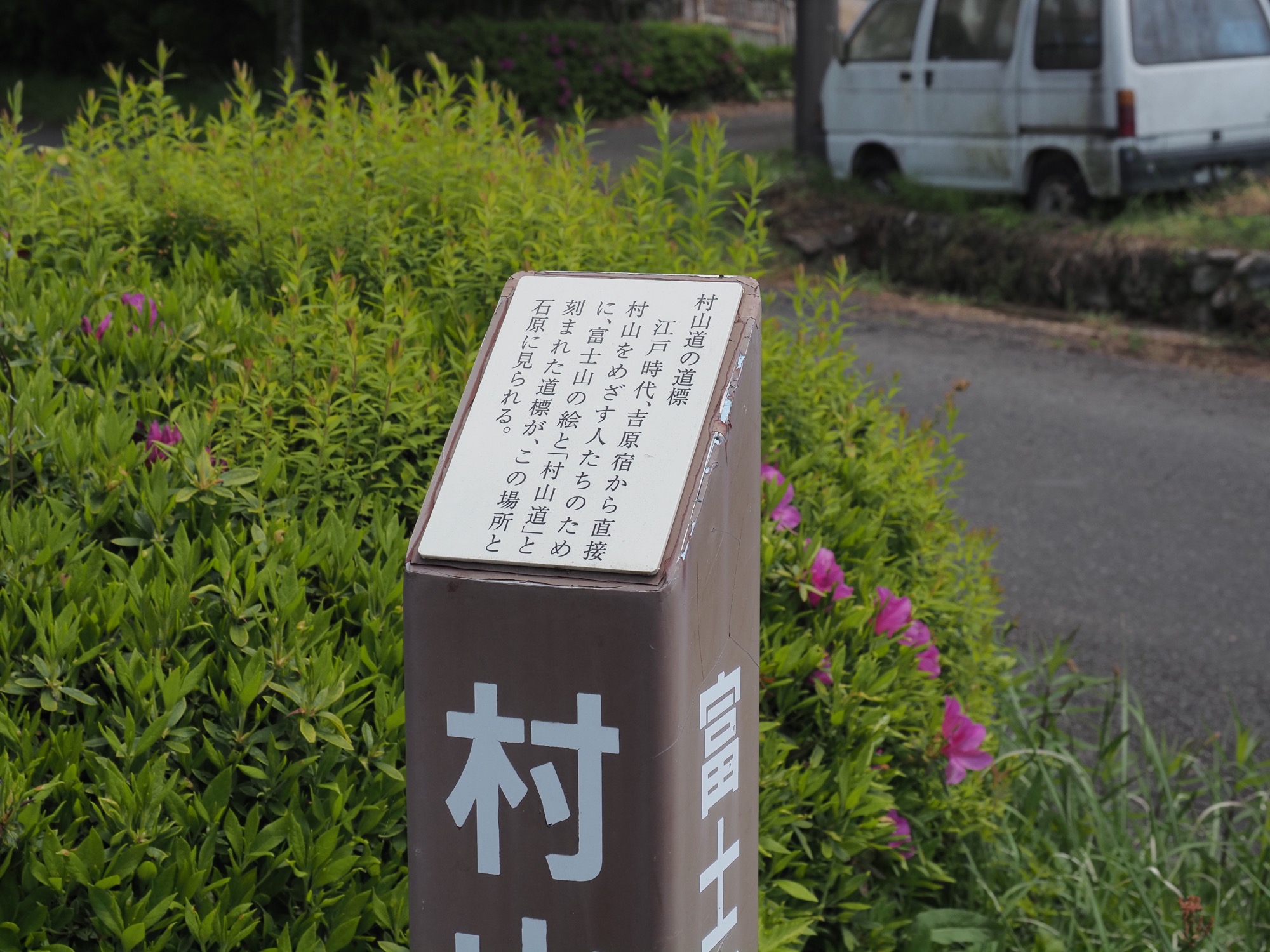
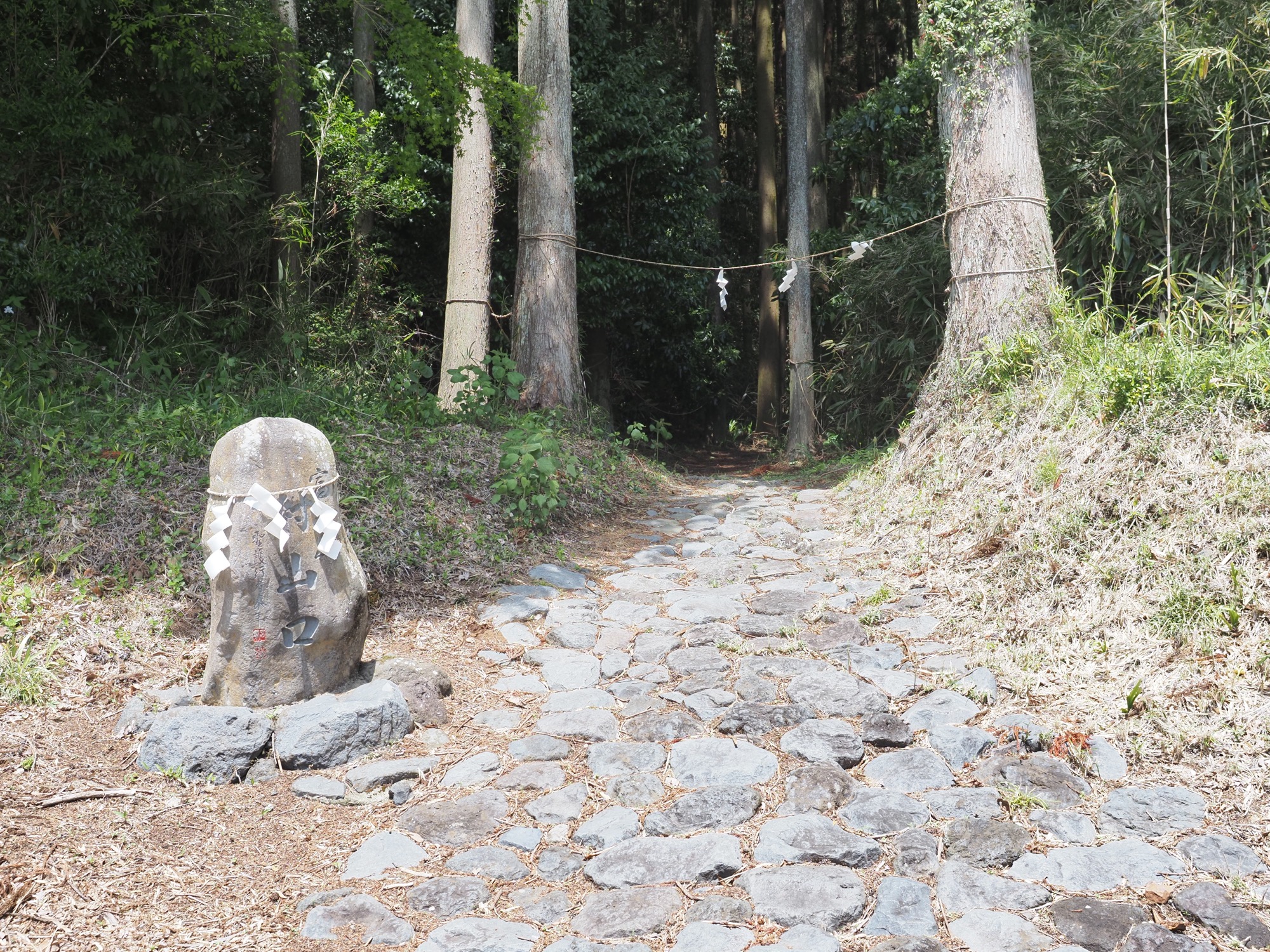
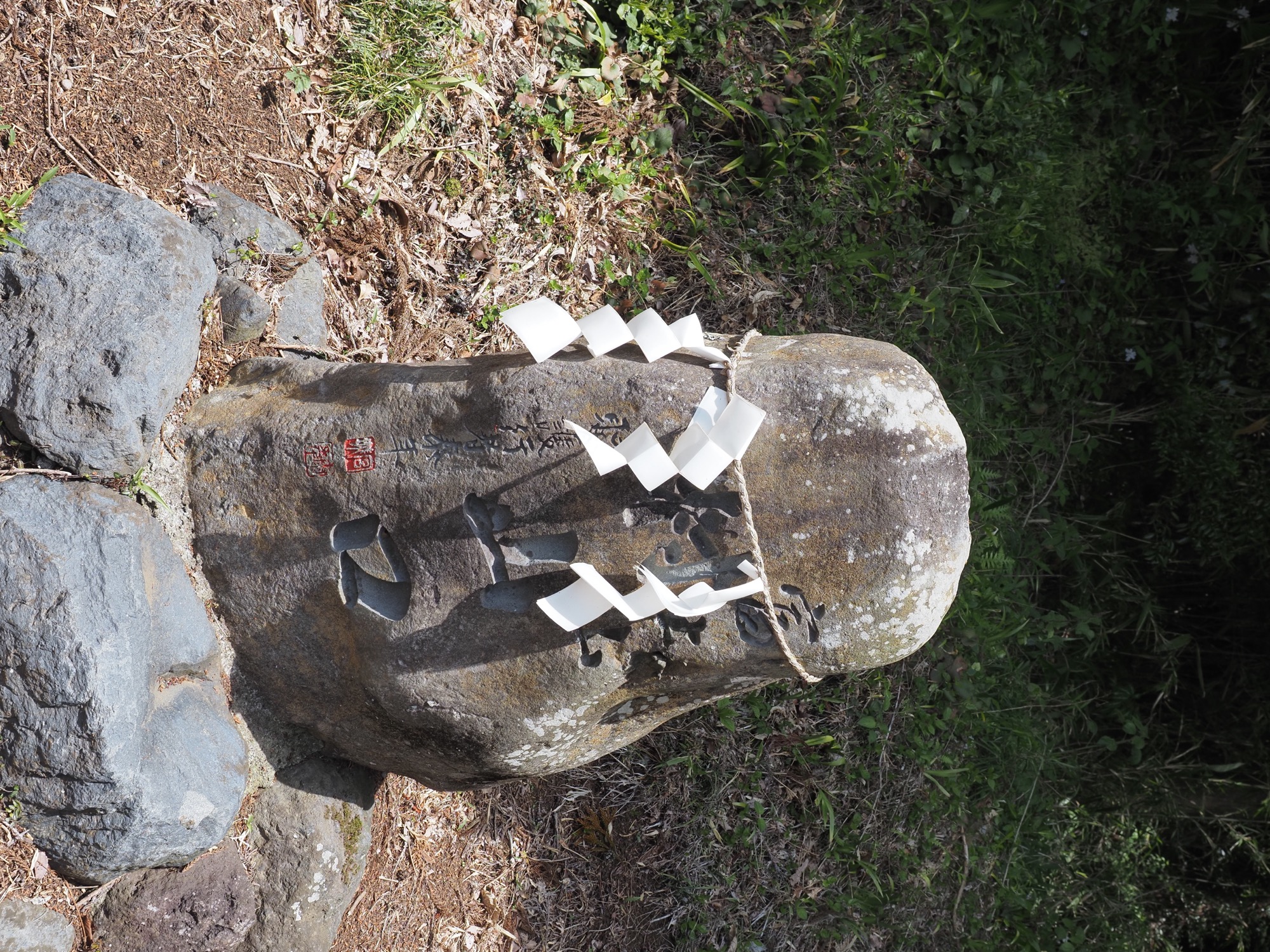
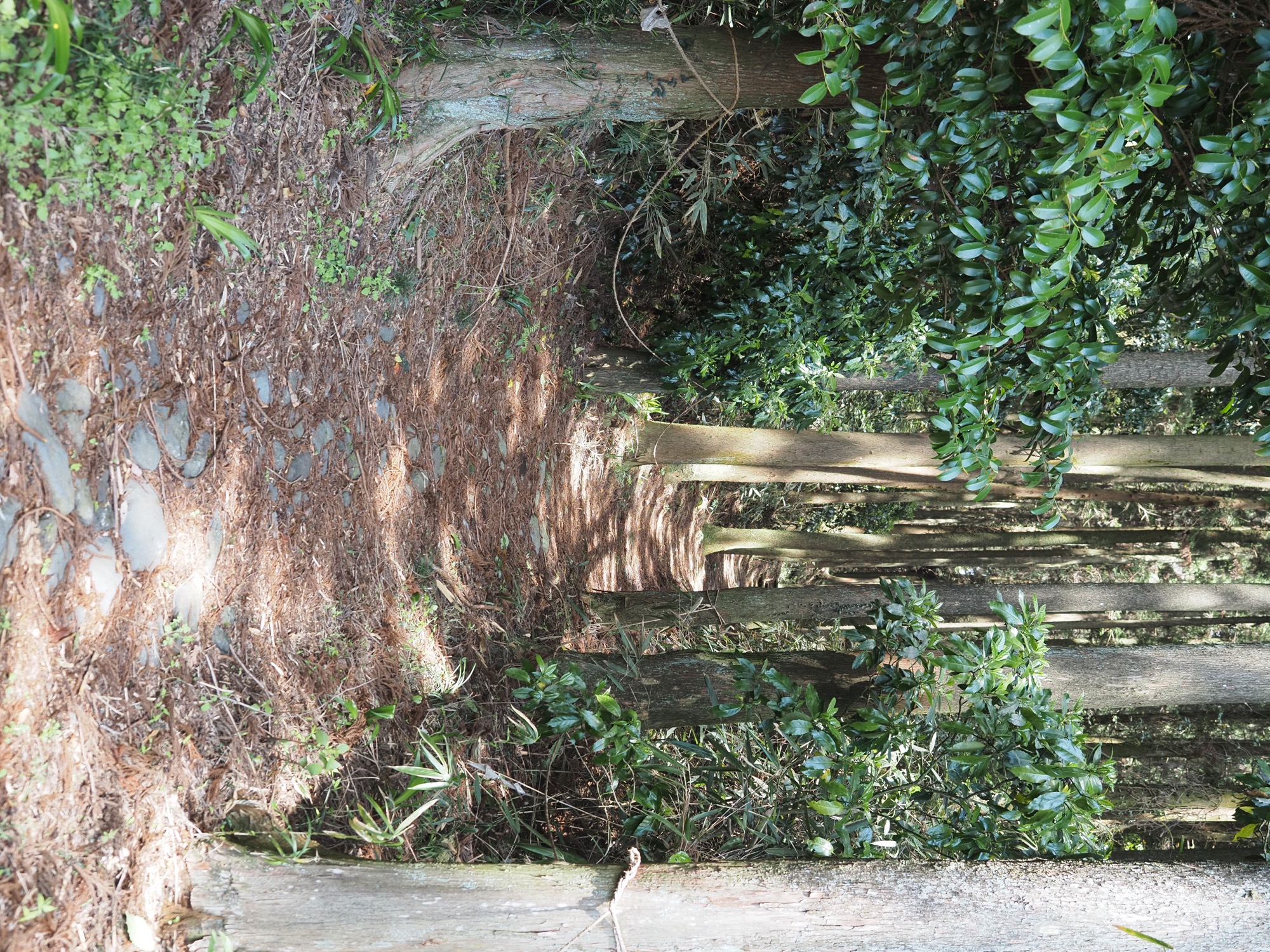
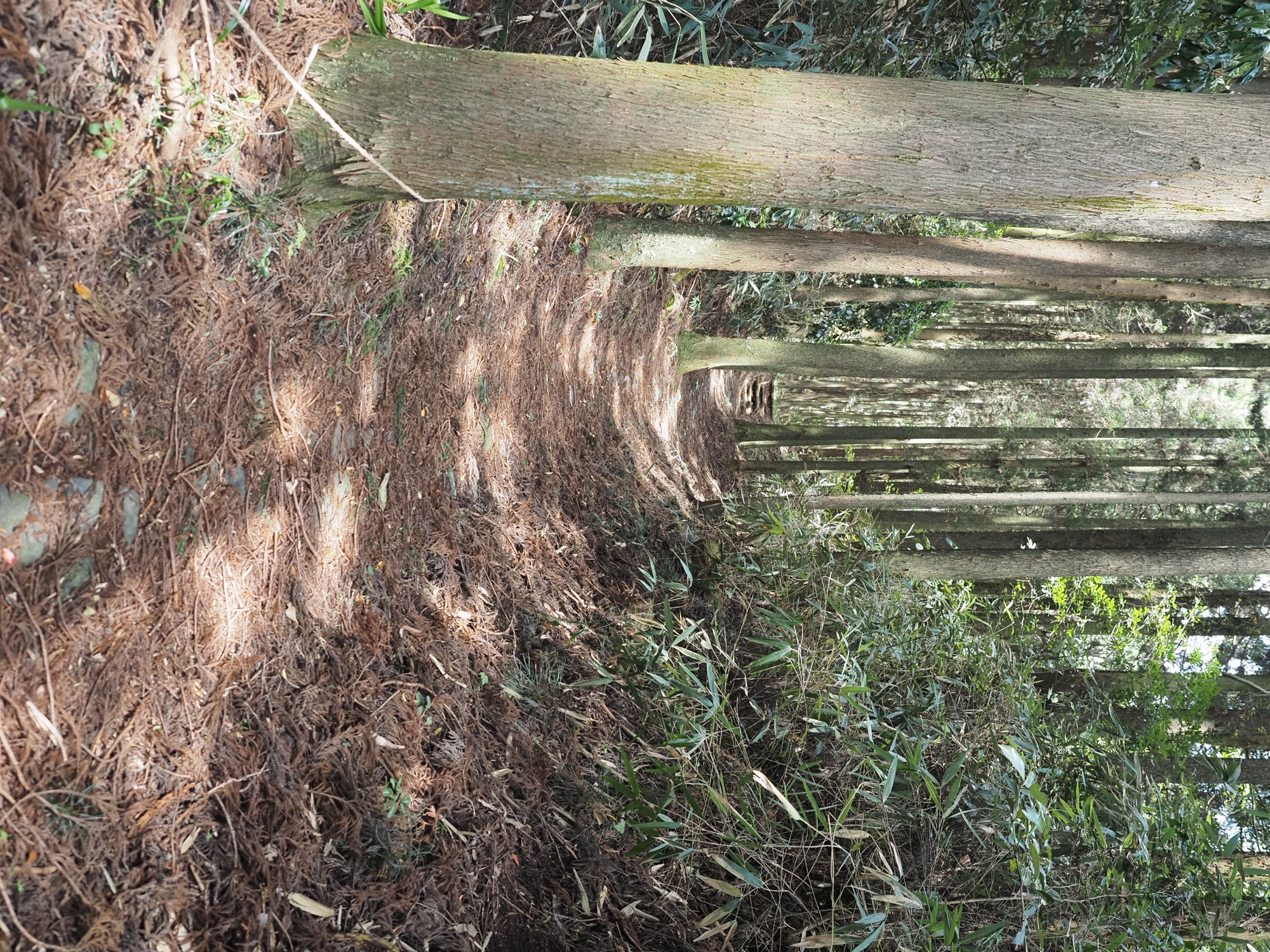
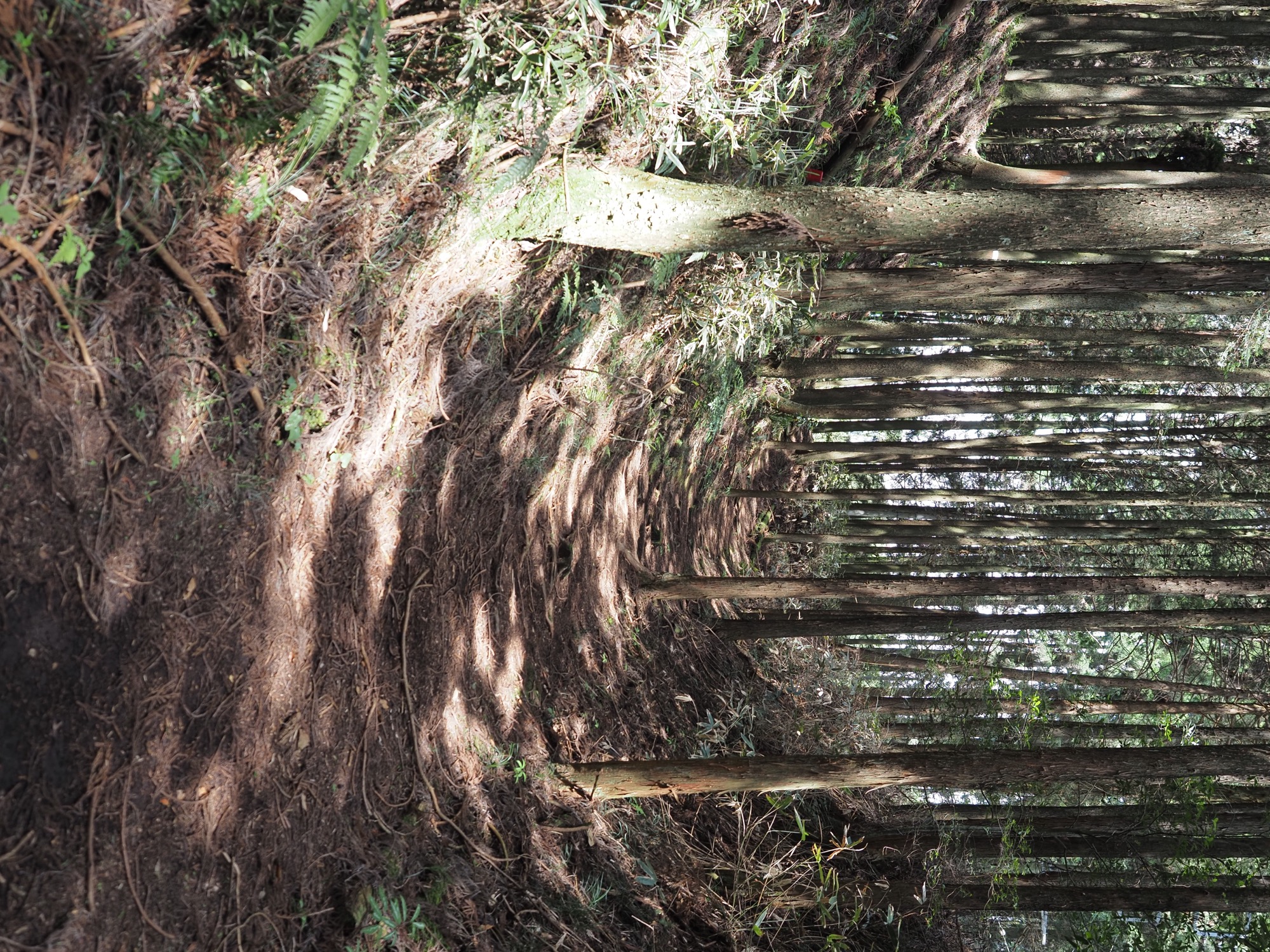
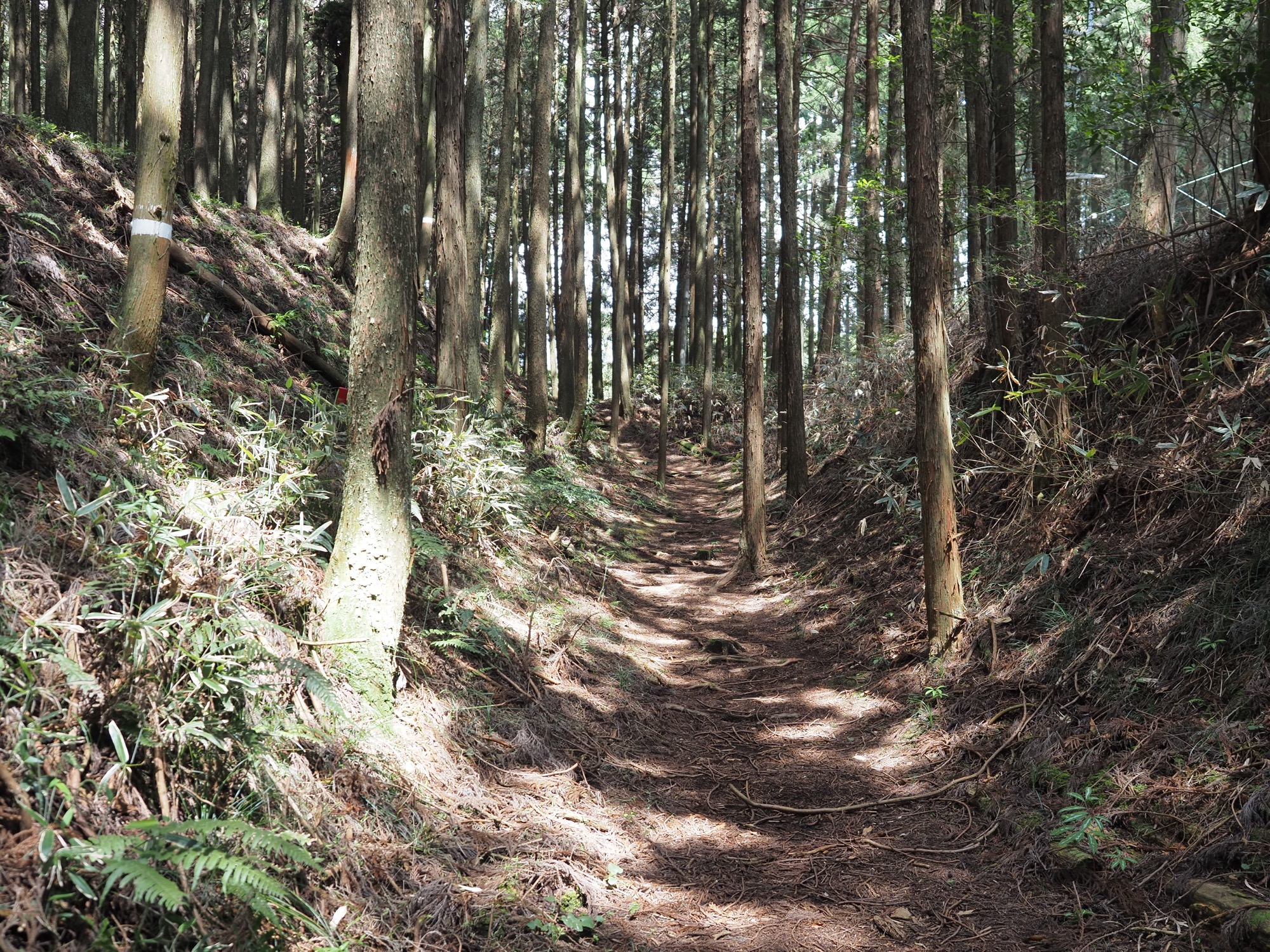
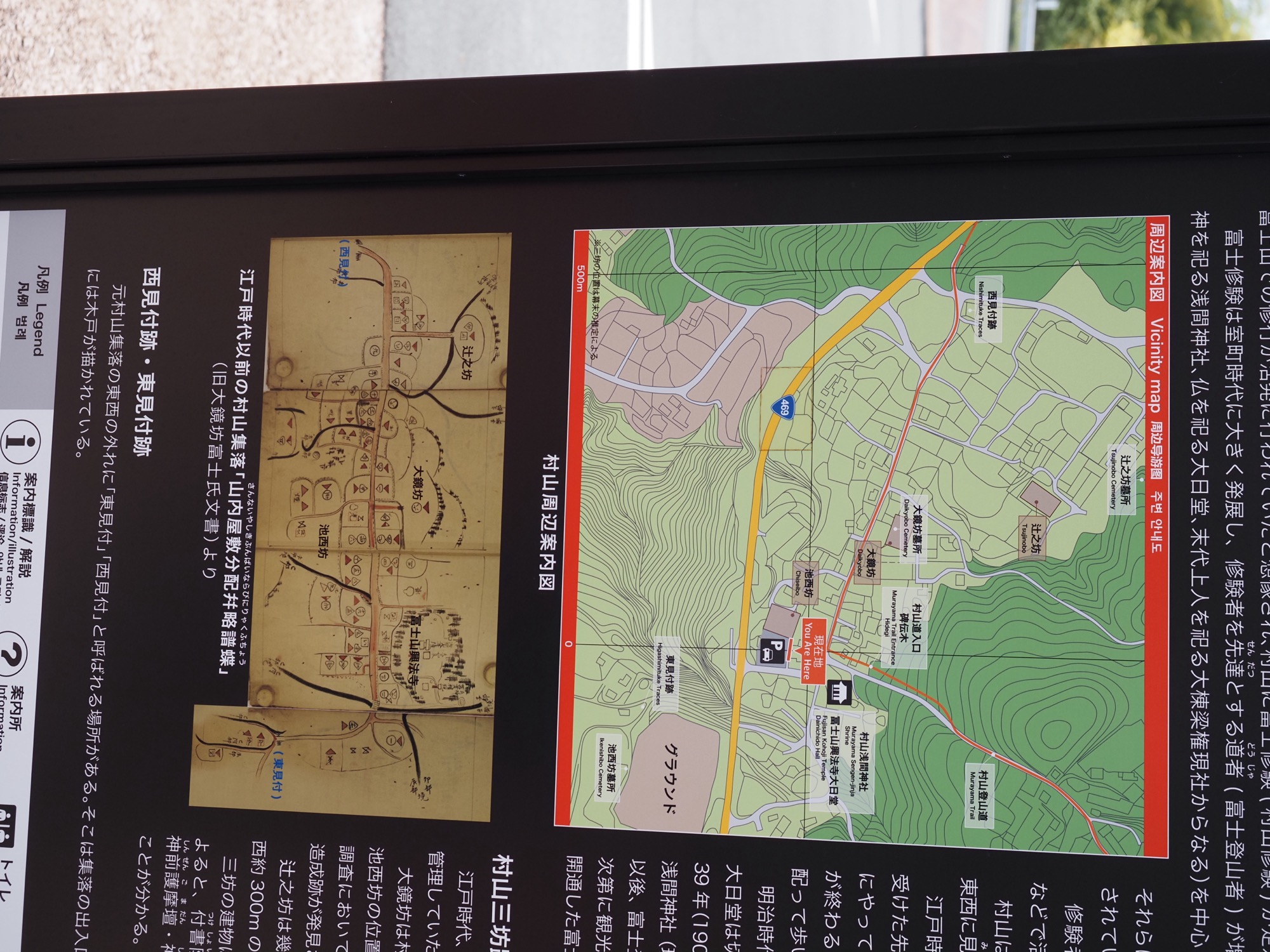
In the medieval period Kōbō-ji was administered by the three powerful Murayama bō — Daikyōbō, Ikenishibō, and Tsujinobō — and it was here that the practice of ascetics guiding lay pilgrims (dōsha) to the summit took definitive form. The Murayama-guchi trail, beginning at this spot and long known as the Omote-guchi or “front entrance,” developed as the ascetics’ route of practice. In the Edo period, pilgrims from the Kansai and Tōkai regions commonly chose this route; before setting out for the summit, they immersed themselves in the mizugori basin — a cold spring fed by Fuji’s own water — to ritually purify themselves. The community that served them comprised two distinct groups: the shuto, who solicited pilgrims and ran the lodges, and the mountain ascetics who served as guides on the ascent.
The Dainichidō, the central hall of Kōbō-ji, enshrines Dainichi Nyorai, the Buddhist counterpart (honji) of Sengen Daibosatsu. Its principal wooden seated image of Dainichi — rendered in Kongōkai (Vajradhātu) iconography — was found to contain an inscription naming “the former Daigūji, Lord of Noto Province, Tadatoki, and his son Chikatoki,” establishing a direct link between this hall and the Fuji Daigūji house of Fujisan Hongū Sengen Taisha. A second image bearing a dated inscription of 1259 (Shōka 3) also survives, testifying to the antiquity of devotion at this site. The mizugori purification basin where pilgrims bathed in cold spring water before the ascent remains in the precinct.
The Meiji decrees separating Shinto and Buddhism, combined with the explicit prohibition of Shugendō practice in 1872, dealt a decisive blow to Murayama, where kami and buddhas had been venerated as one. Kōbō-ji was dismantled, and the three Murayama bō were abolished. Those attached to the site left records of carrying sacred images down the mountain on their backs to protect them from destruction; the iron Kannon image from the summit’s Eastern Sai no Kawara — dated 1493 — was brought down to Murayama during this period and eventually transferred to Daikyō-ji (Shibamata Taishakuten) in Tokyo.
The critical turning point for the route itself came in 1906 (Meiji 39), when a new road from Ōmiya — the Kakesuba-ta trail, designed to be accessible to climbers of all ages — opened an alternative to the Murayama-guchi. Pilgrims from the Kansai region, who had long used the Murayama route as the natural “front entrance,” shifted to the new road. A trail and a tradition that had served the mountain for over seven centuries fell rapidly out of use.
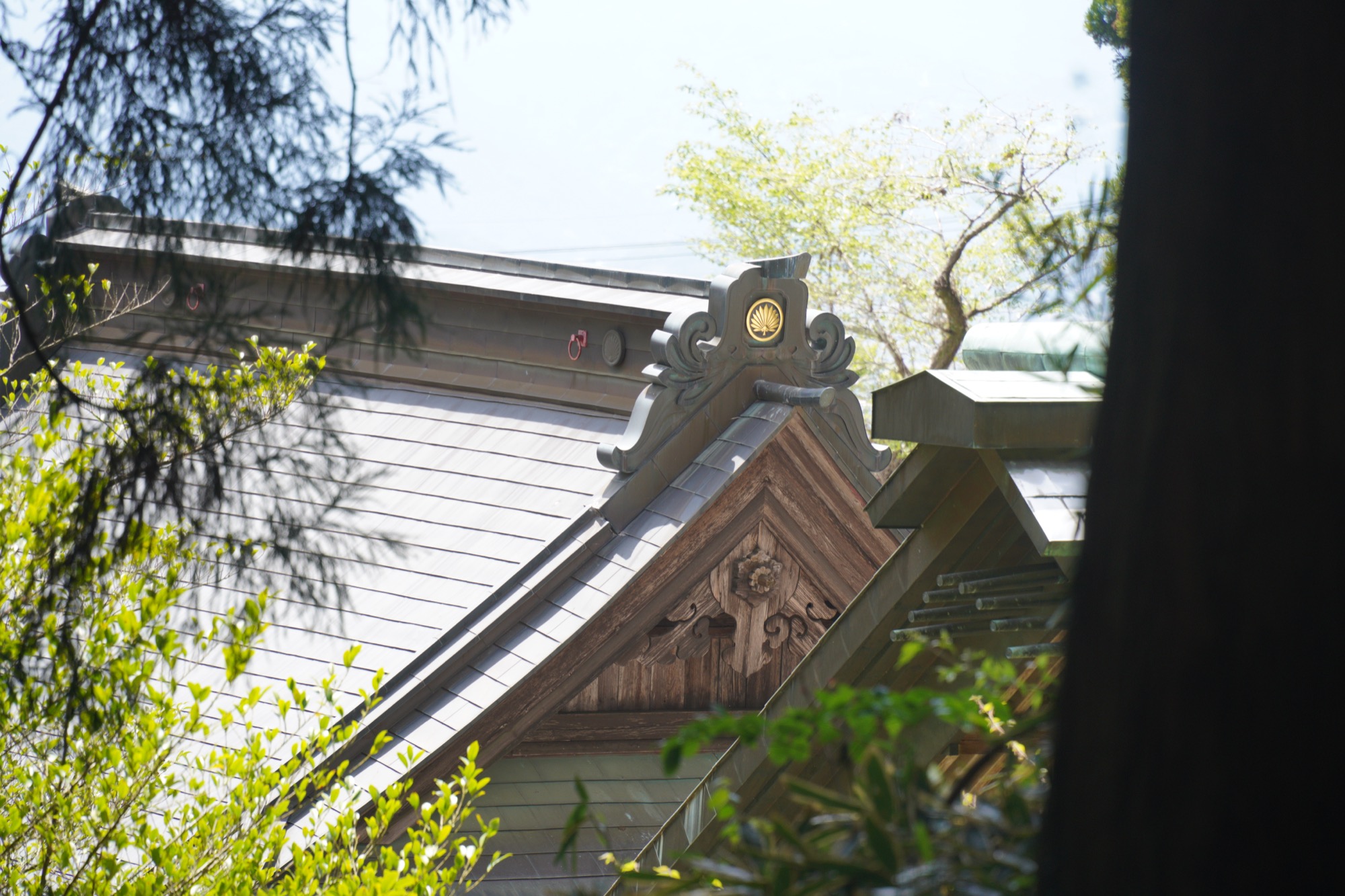
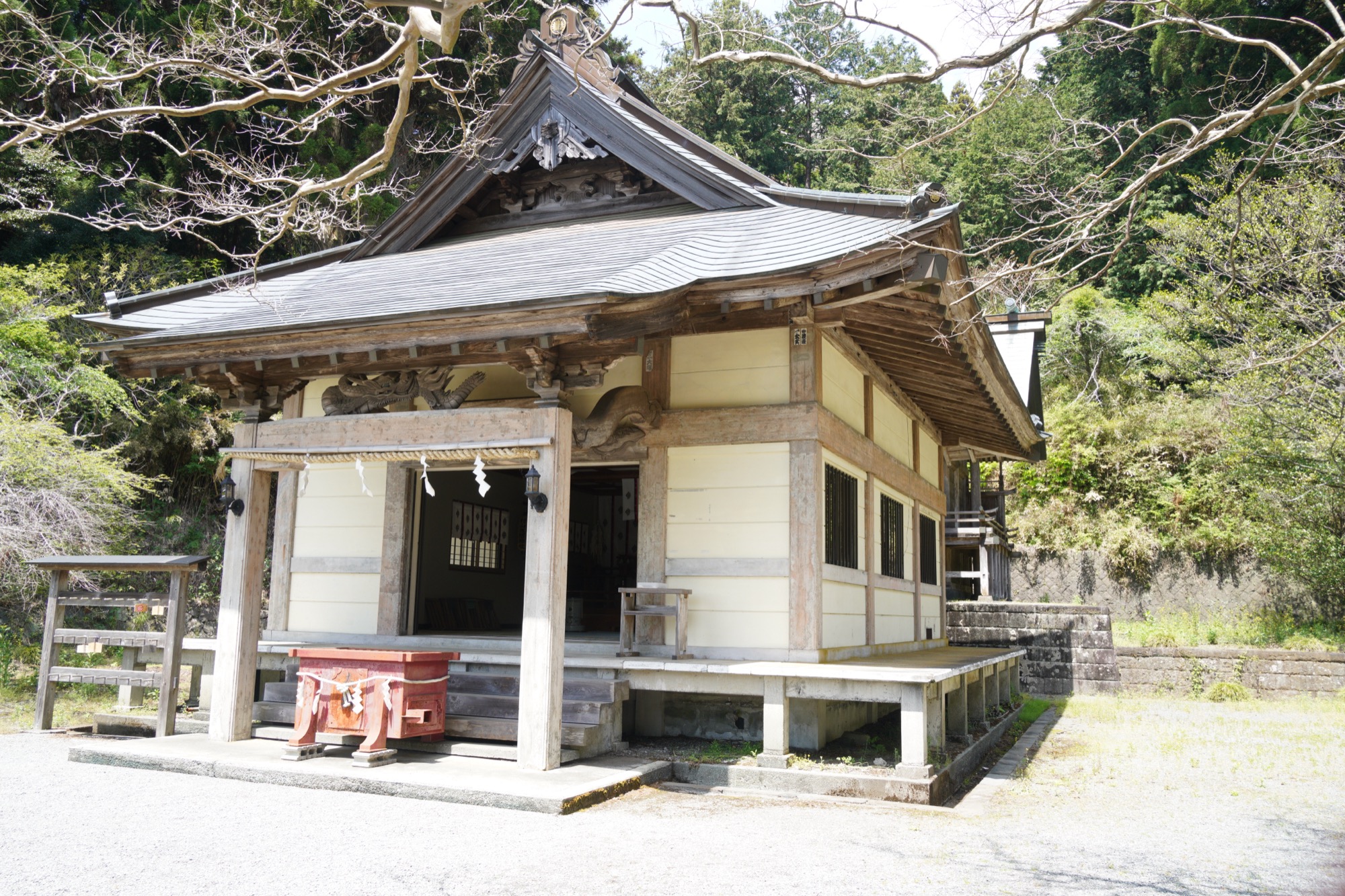
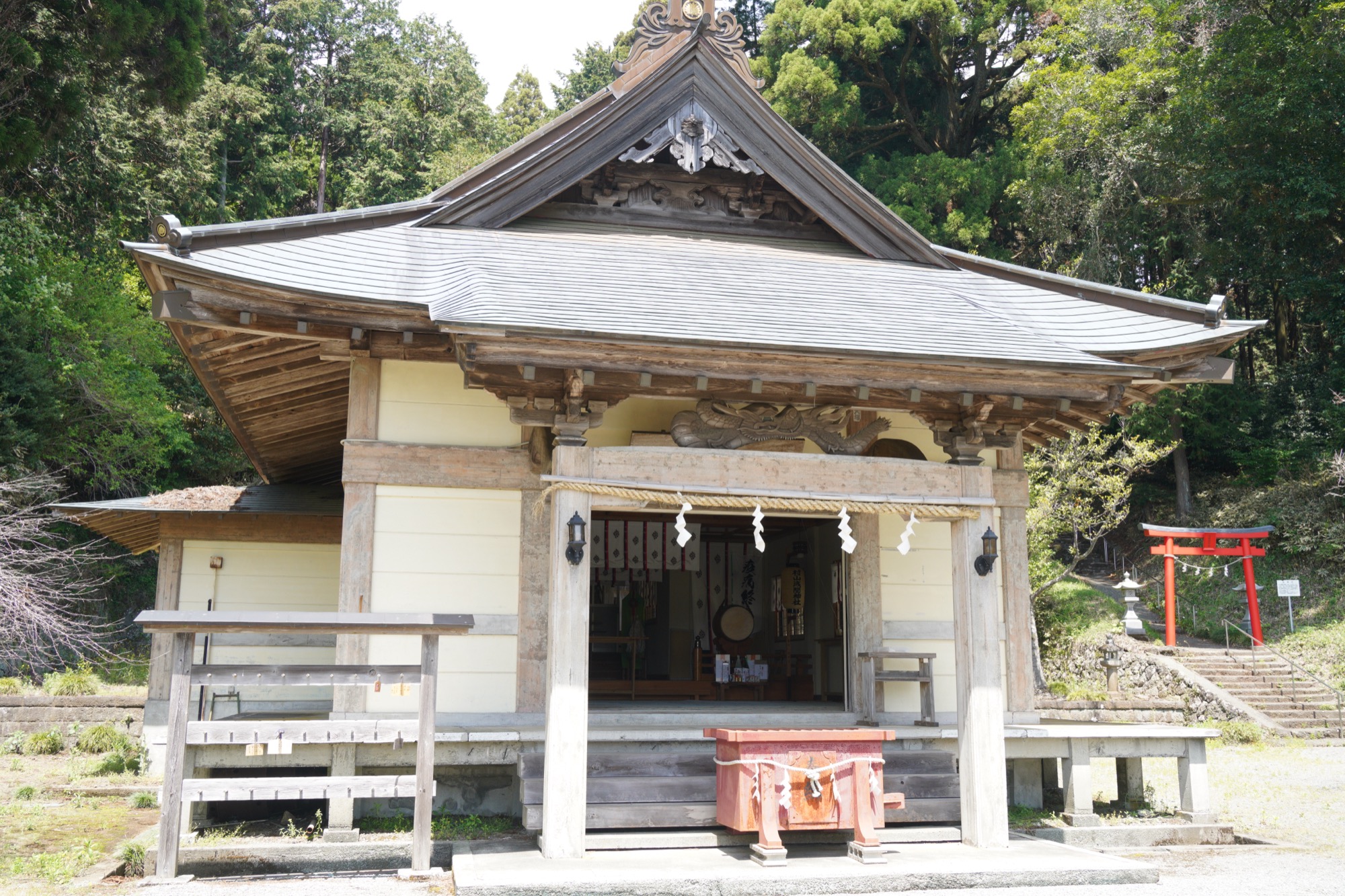
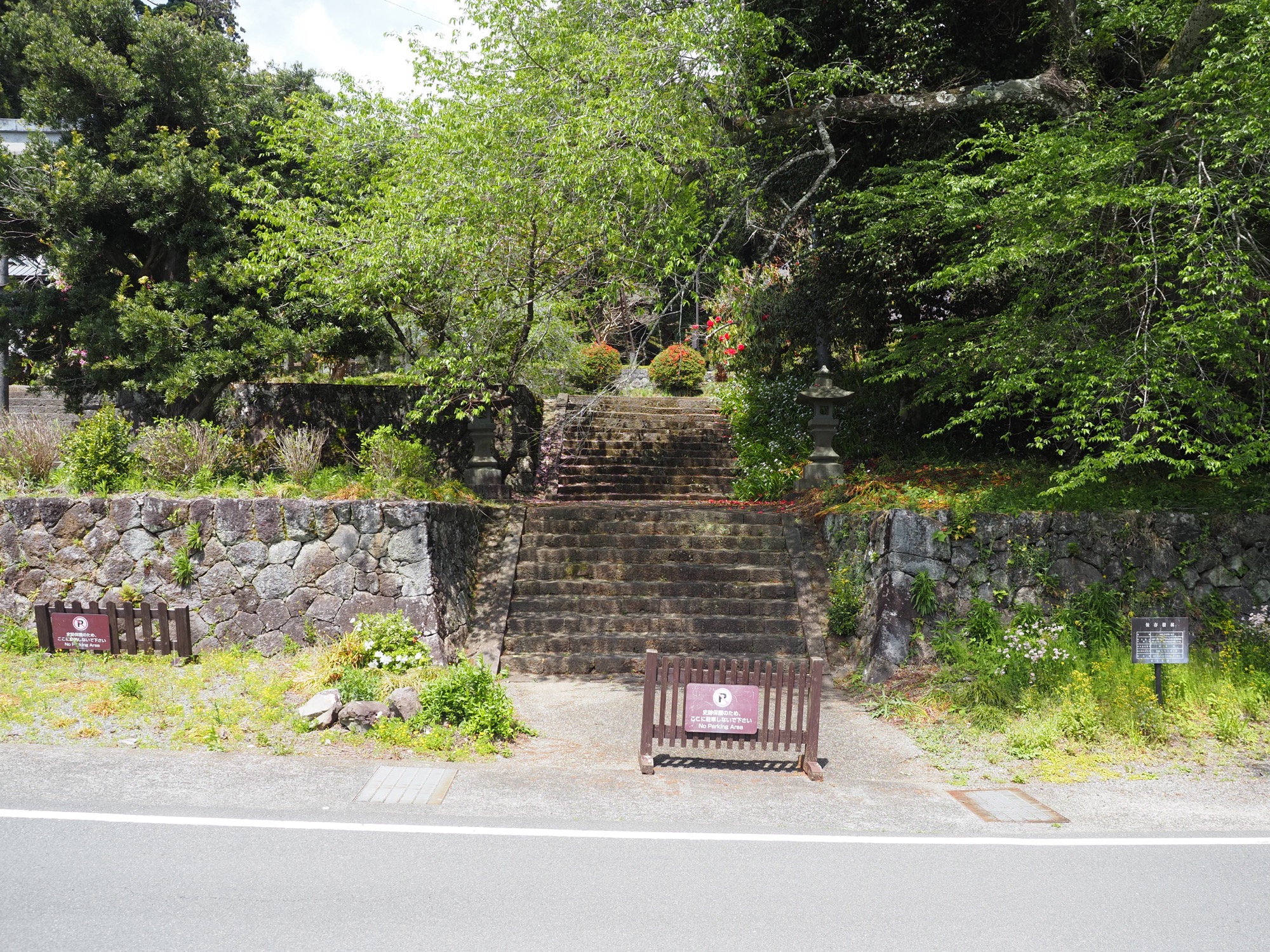
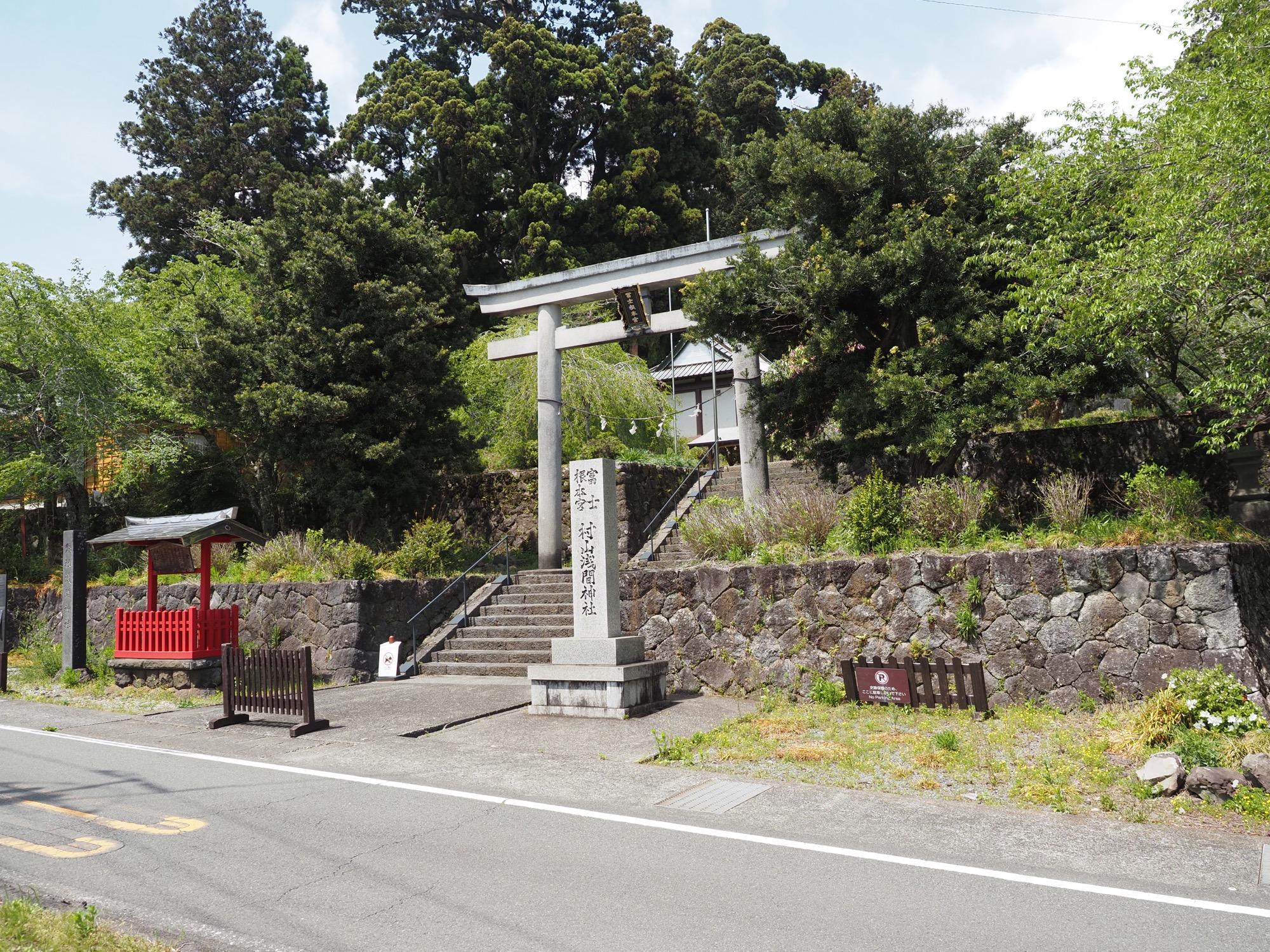
Yet the very layout of the precinct — the Dainichidō and the Sengen shrine standing side by side — eloquently preserves the syncretic form of Fuji worship. In 2013 the shrine was inscribed as a component of the UNESCO World Heritage property Fujisan: Sacred Place and Source of Artistic Inspiration.