Oshino Hakkai — Eight Springs of Oshino
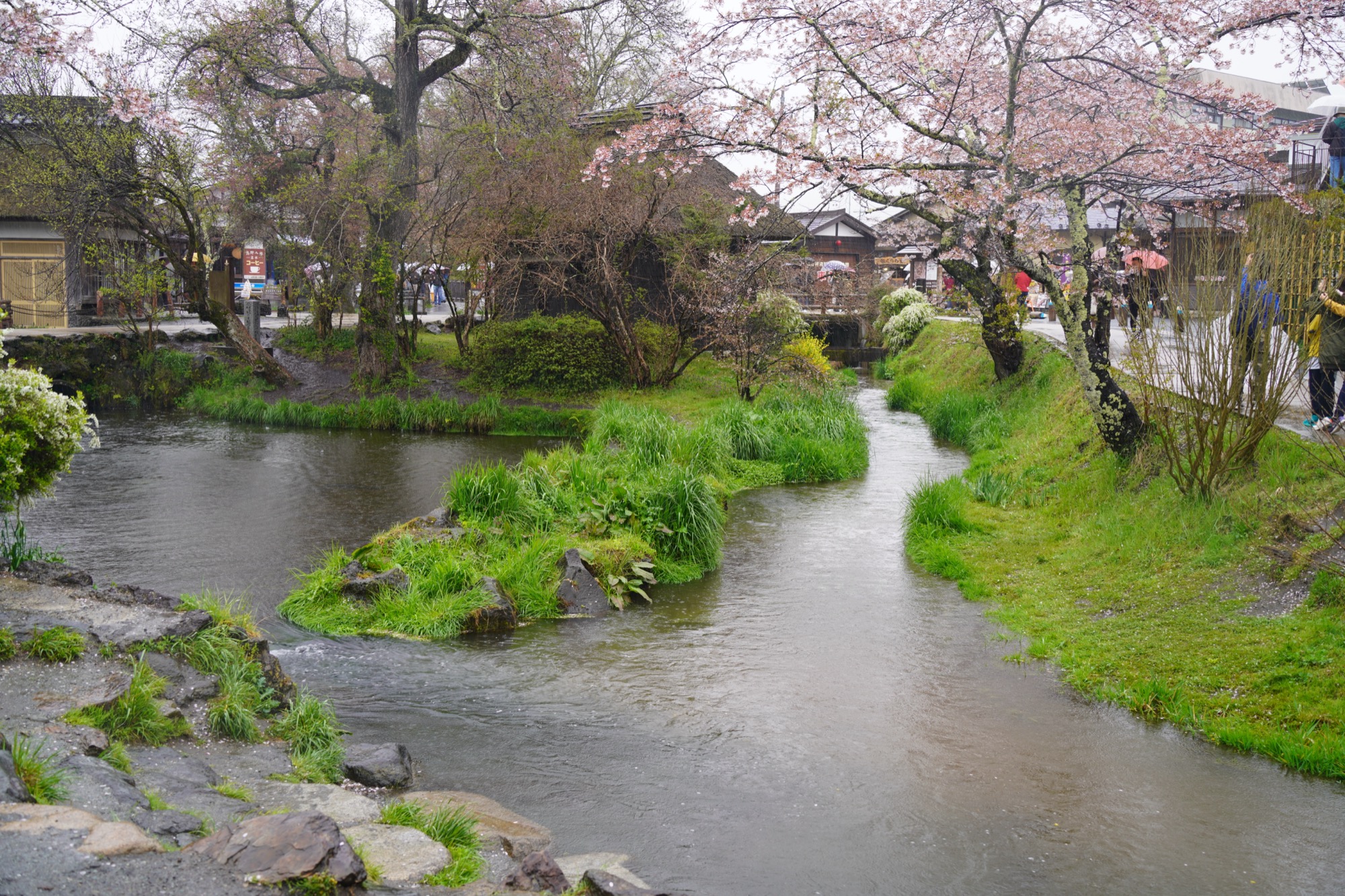
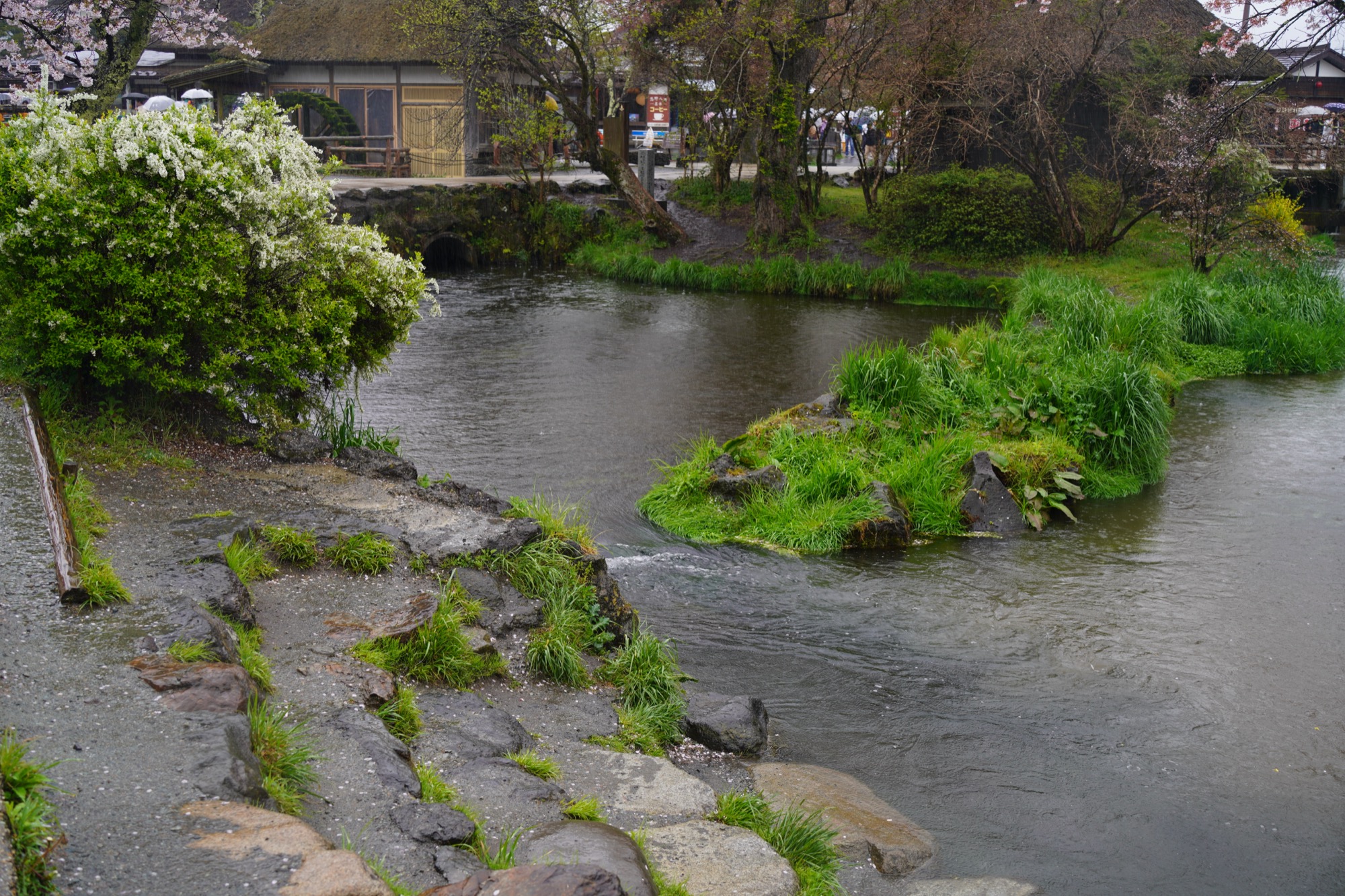
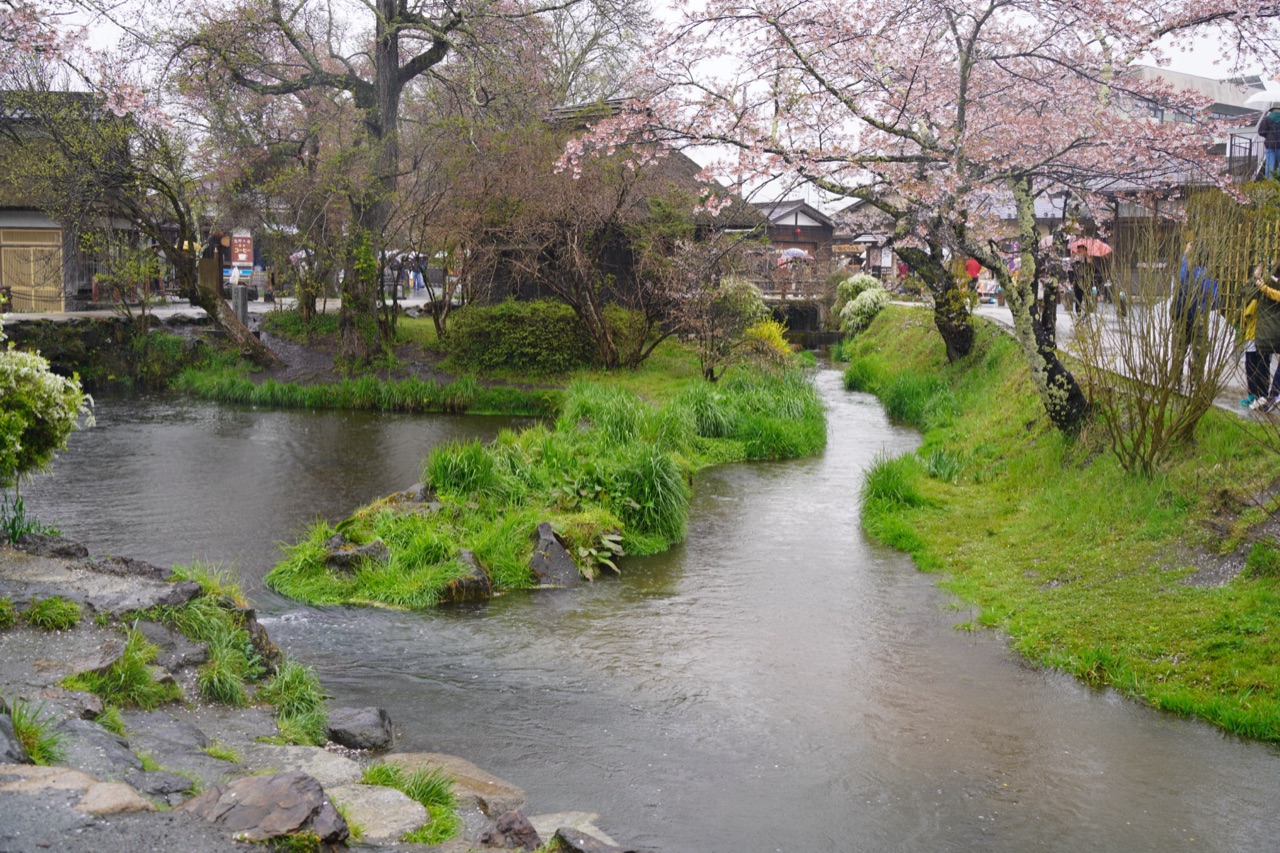
Oshino Hakkai is the collective name for eight spring-fed ponds whose waters rise from the subterranean flows of Mt. Fuji. Rain and snow falling on the mountain seep into its lava strata and travel as groundwater over the impermeable layer of the Old Fuji mudflow. The Oshino basin was once filled by a vast lake called Lake Utsu, which was divided by eruptions and eventually drained away; the spring mouths that had opened on its bed survive today as the eight ponds.
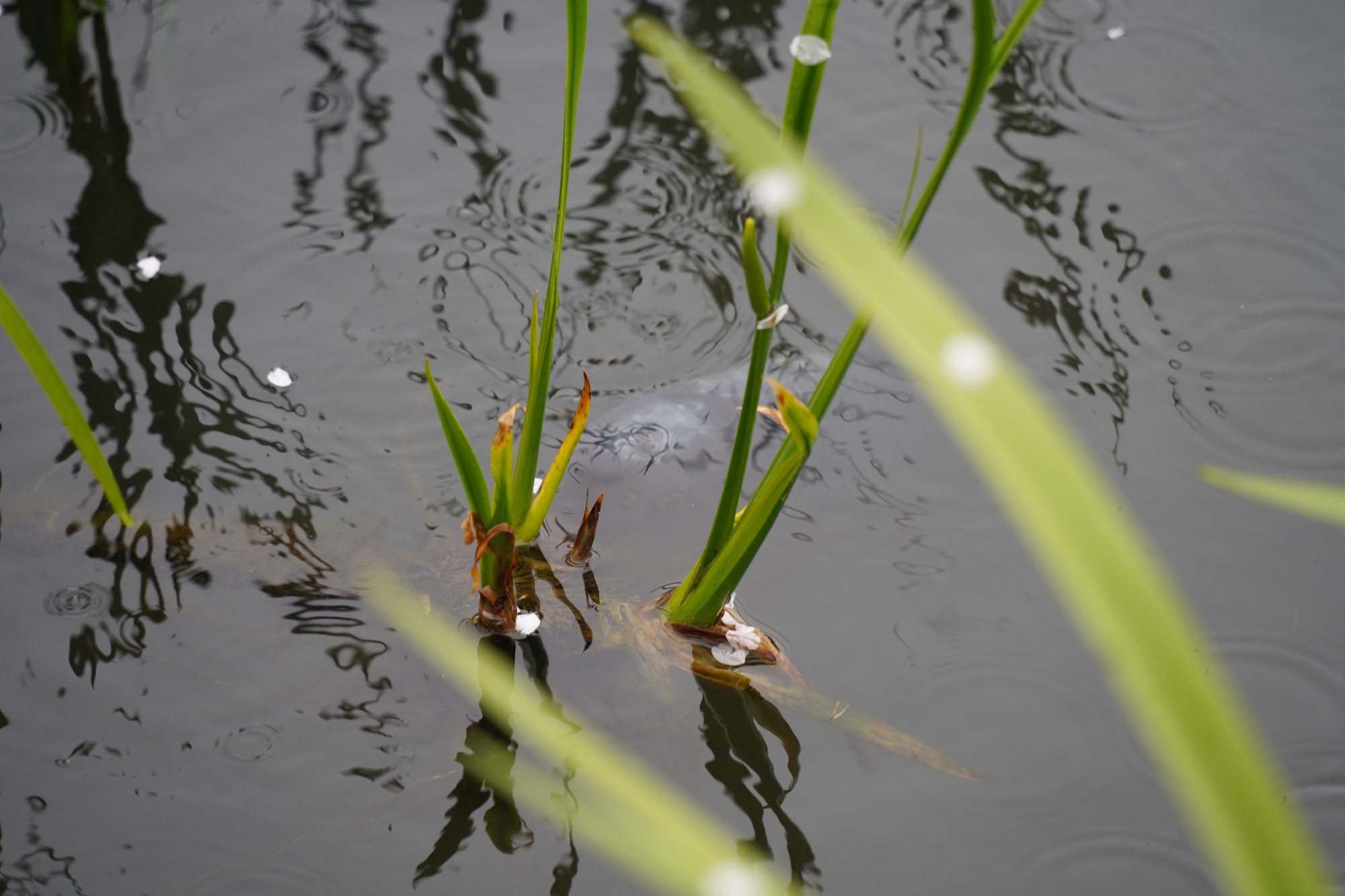
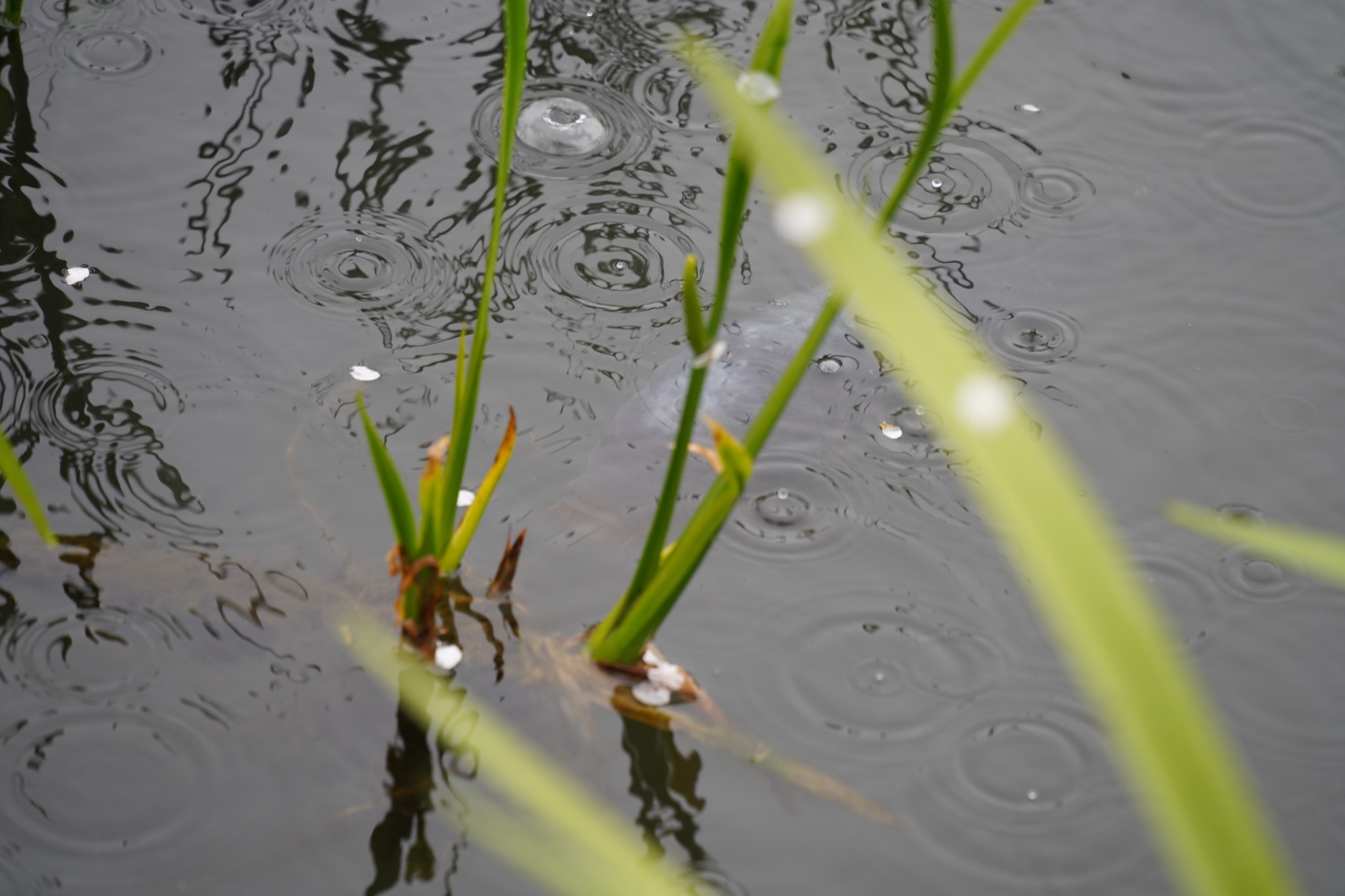
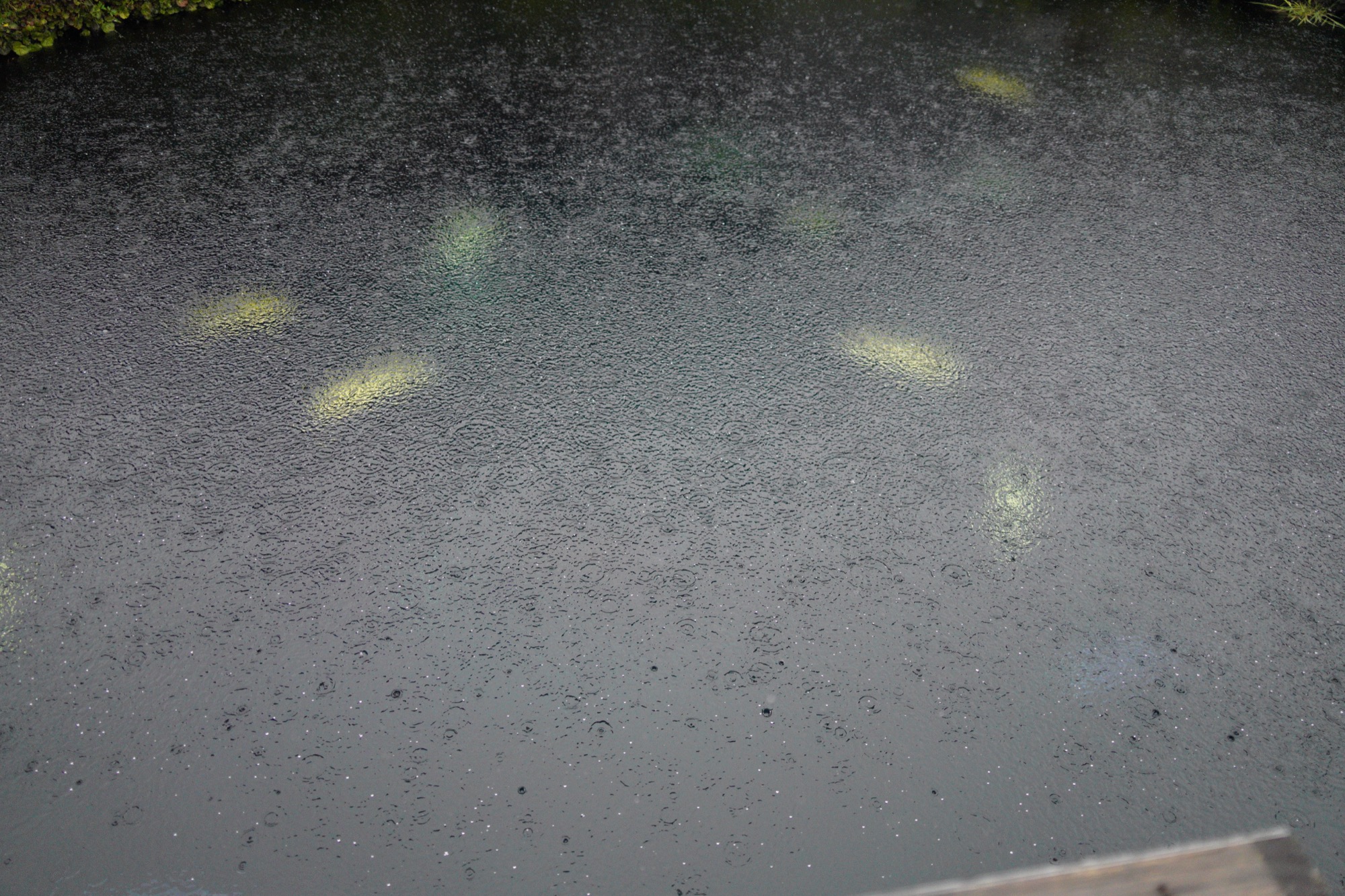
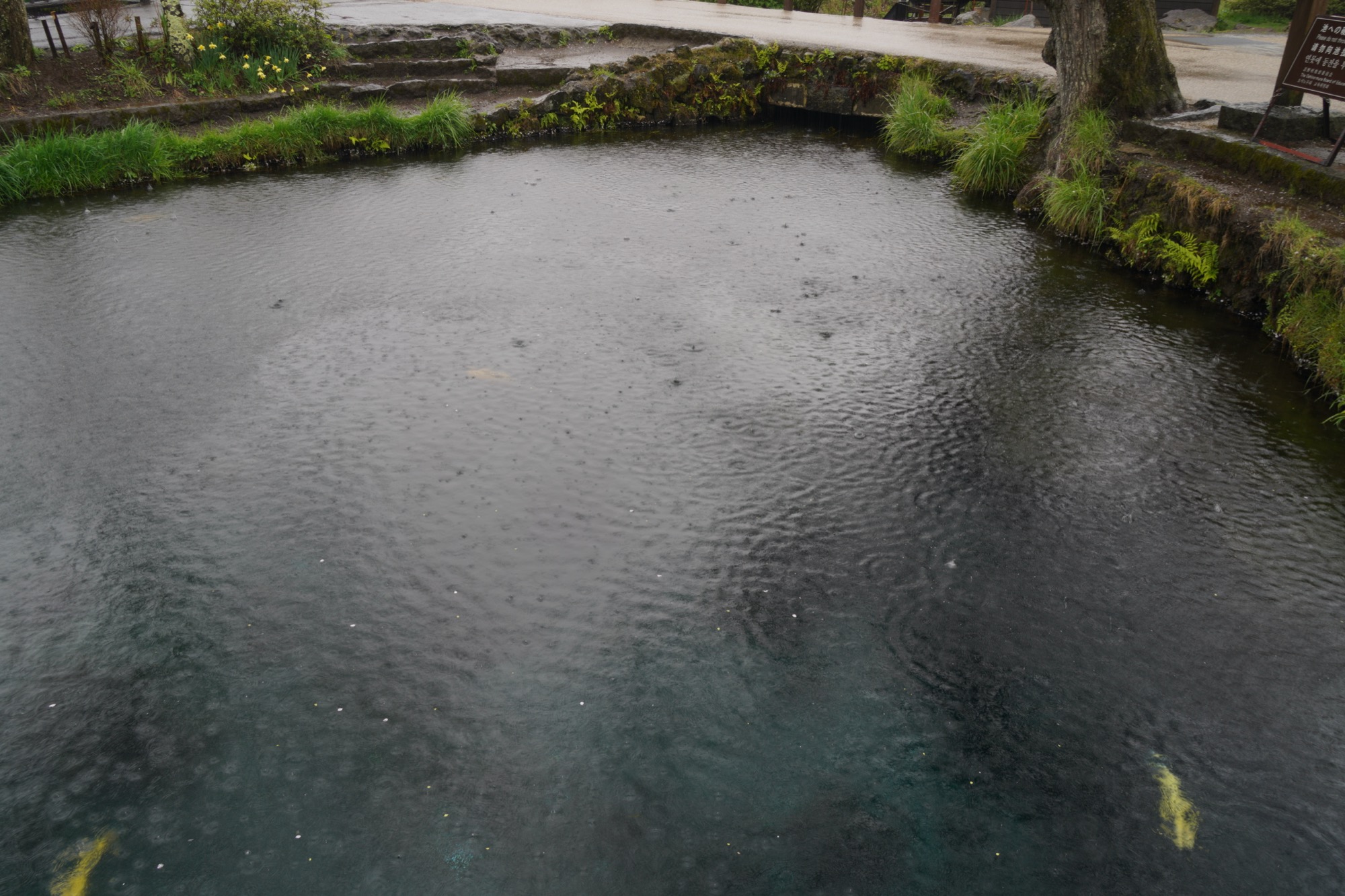
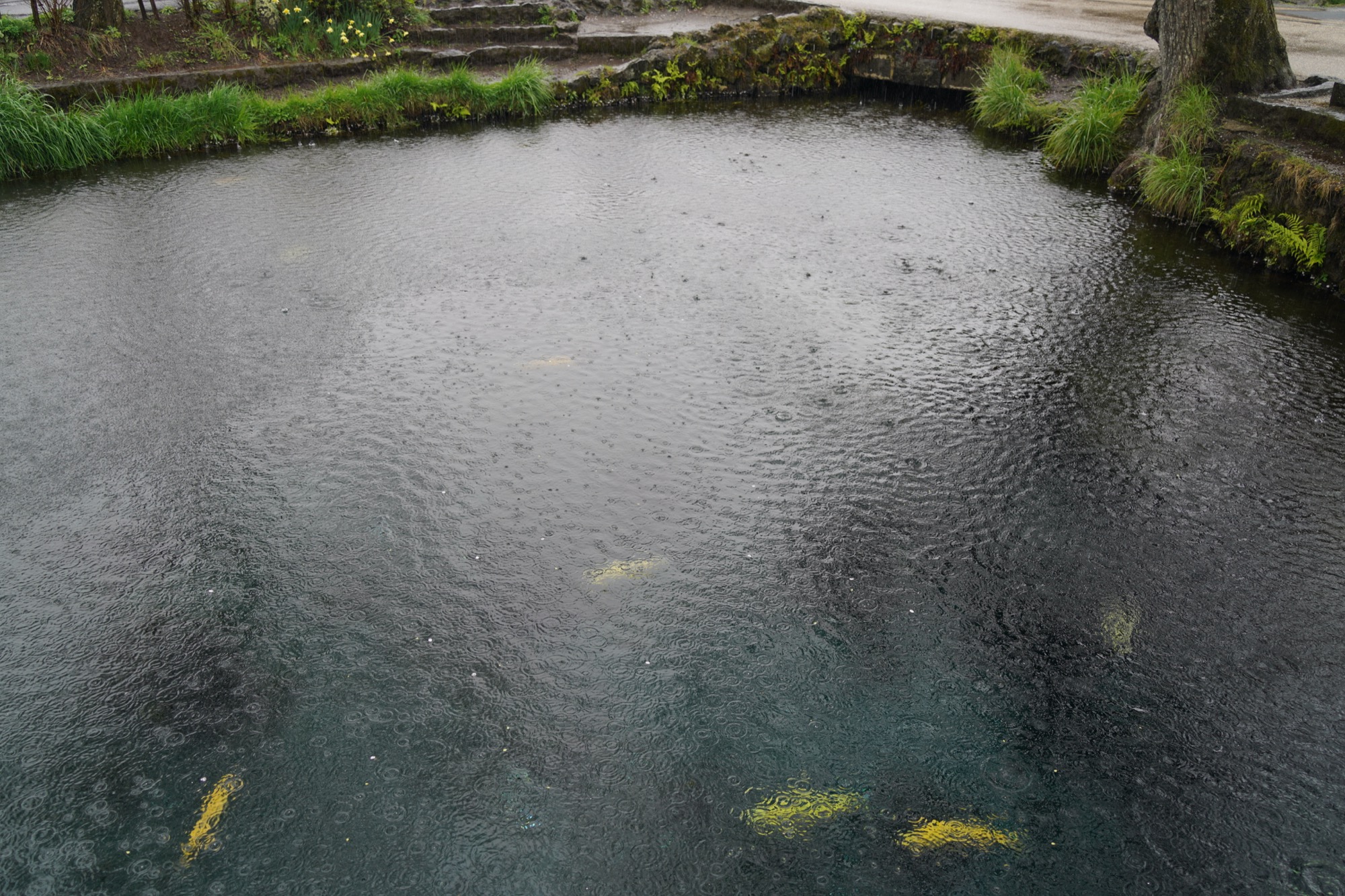
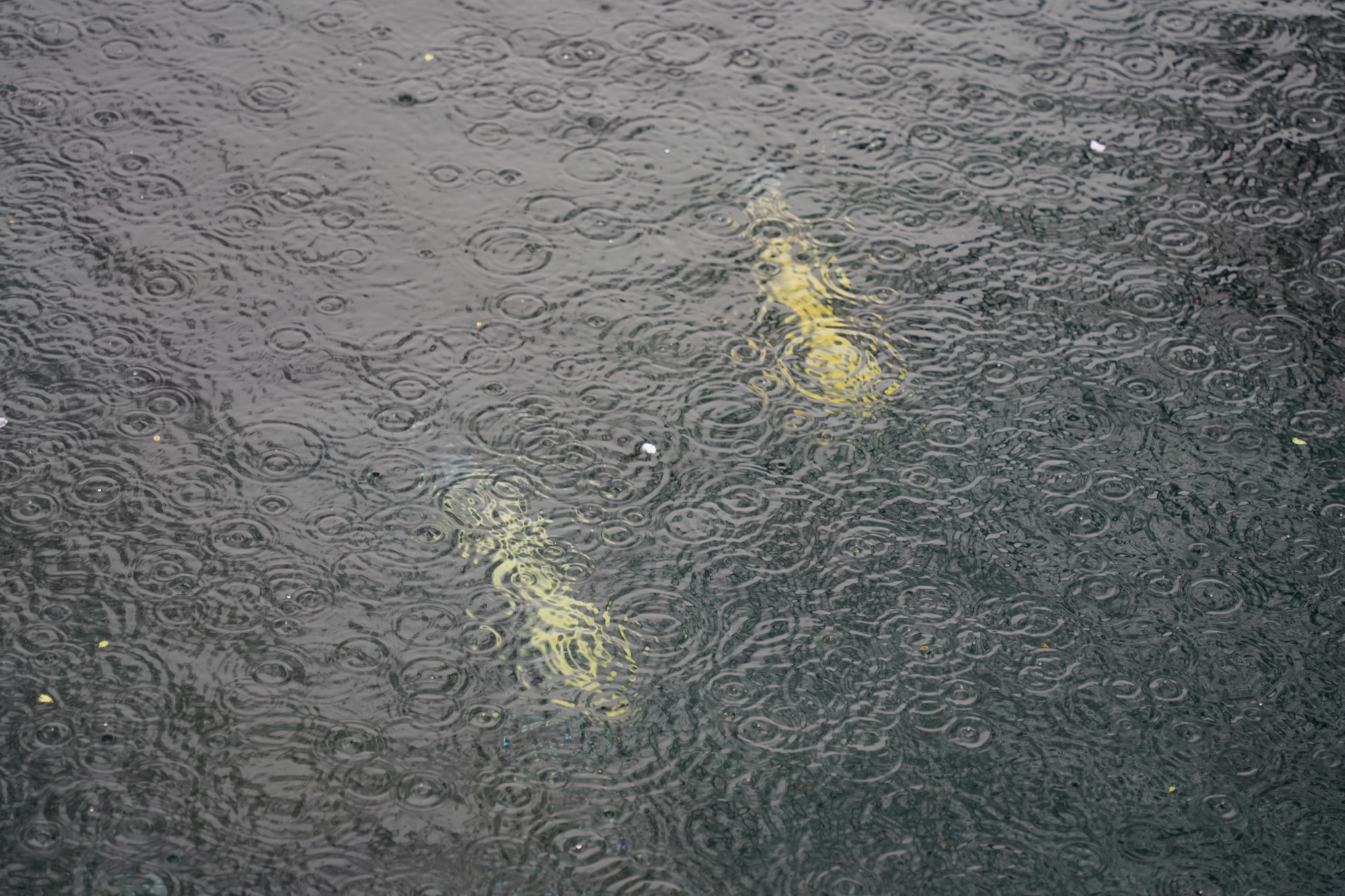
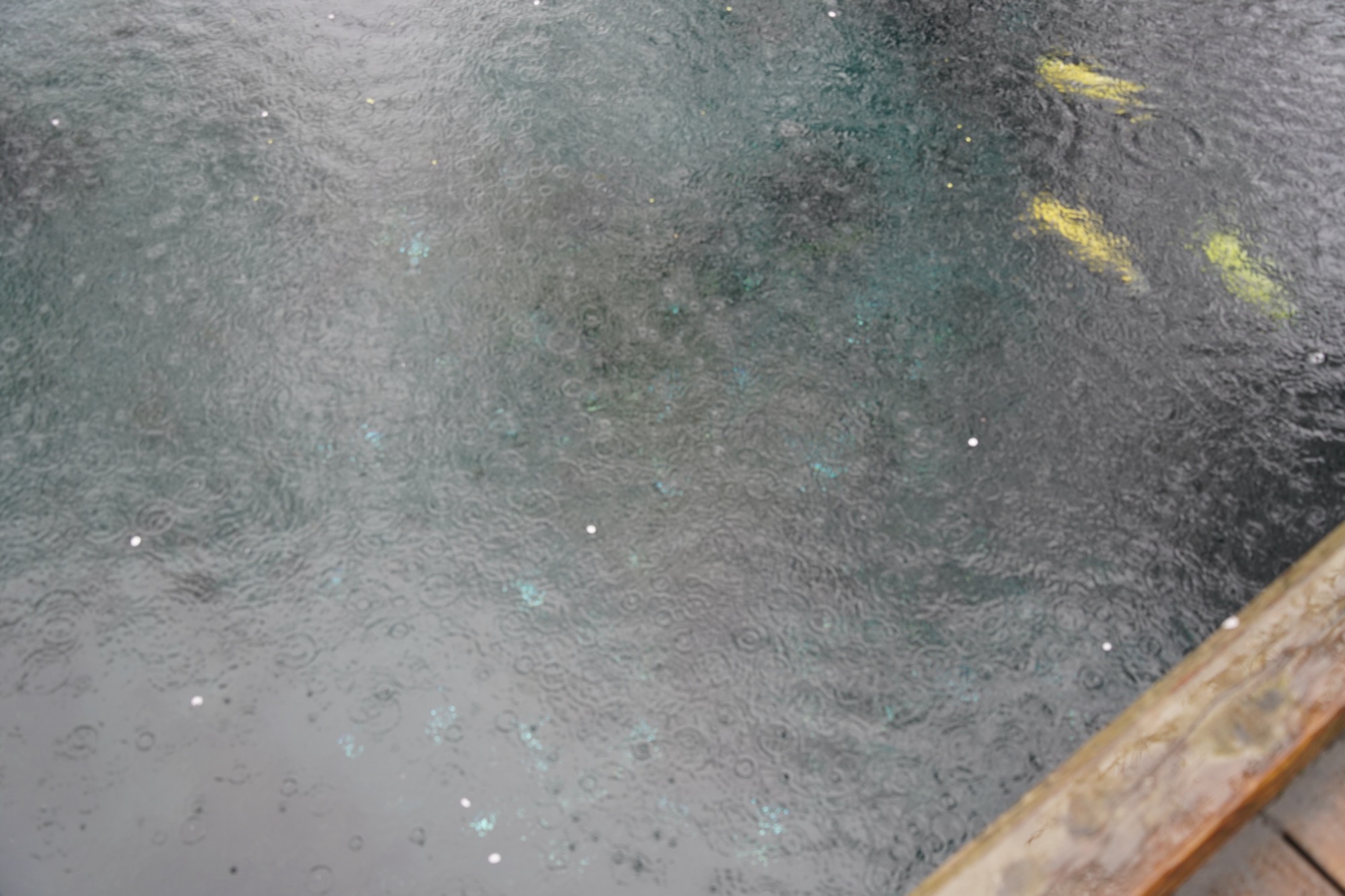
Each pond has its own character. Deguchi-ike, the largest of the eight; Okama-ike, whose waters well up like a boiling kettle; Sokonashi-ike, the “bottomless pond,” of which it was told that things lost in it would surface in Okama-ike; Chōshi-ike, which springs intermittently; Waku-ike, with the greatest flow of all; Nigori-ike, cloudy to the eye yet clear when drawn; Kagami-ike, which mirrors Fuji on windless days; and Shōbu-ike, where irises grow that were believed to cure disease when wound about the body. Each is a crystallisation of the mountain’s gift of water.
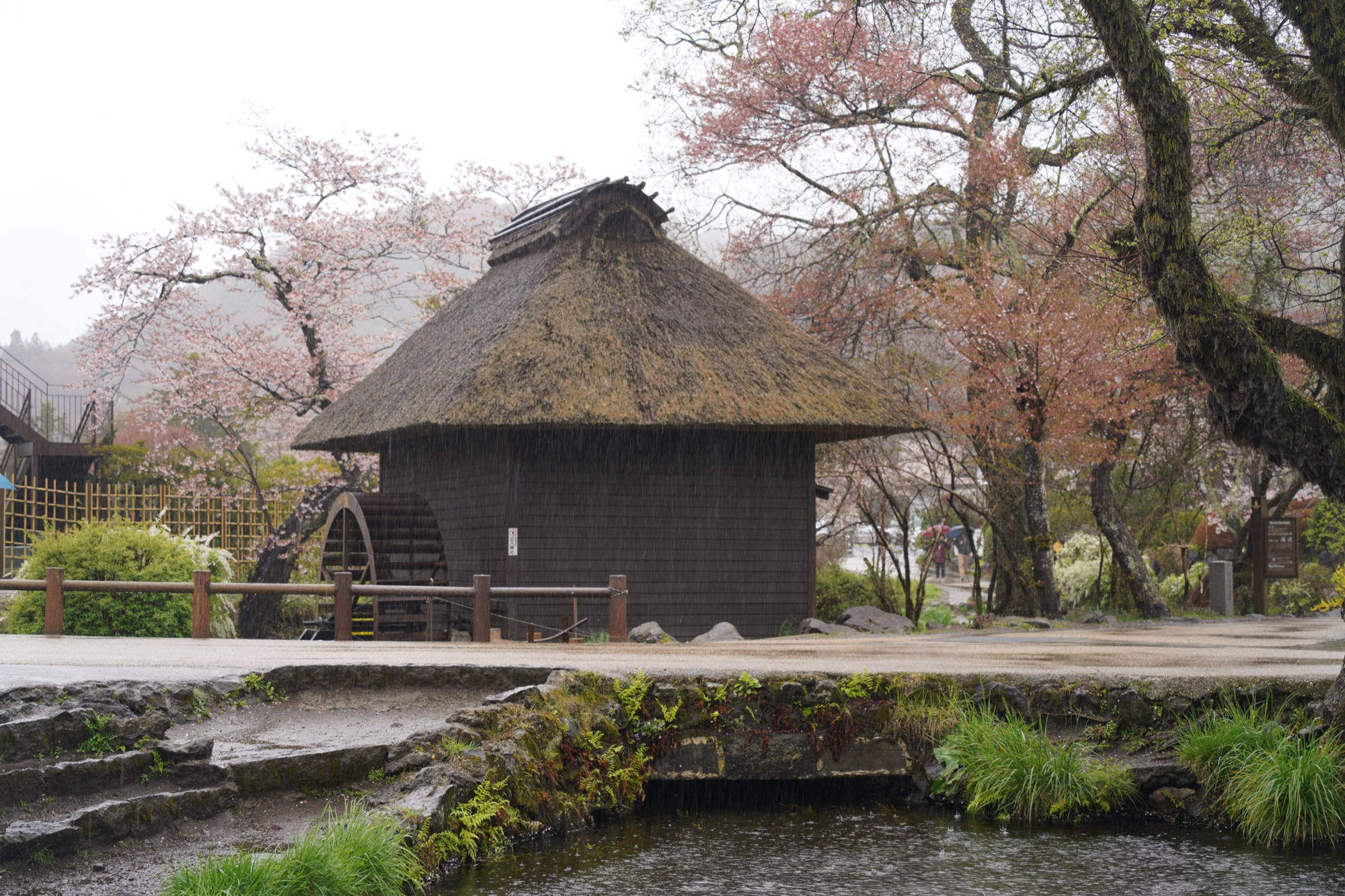
In the Edo period, following the teachings of the Fuji-kō leader Jikigyō Miroku, a pilgrimage circuit of these springs — the Moto-Hakko, or inner eight seas — was established for ritual purification before the ascent of Fuji. In 1843 (Tenpō 14), the Fuji-kō leader Ōyori Taikō and others restored the ponds, erecting stone monuments to the Eight Great Dragon Kings at each, and revived the circuit as a place of pilgrimage. White-clad pilgrims passed from pond to pond, cleansing themselves and praying to become one with the mountain.
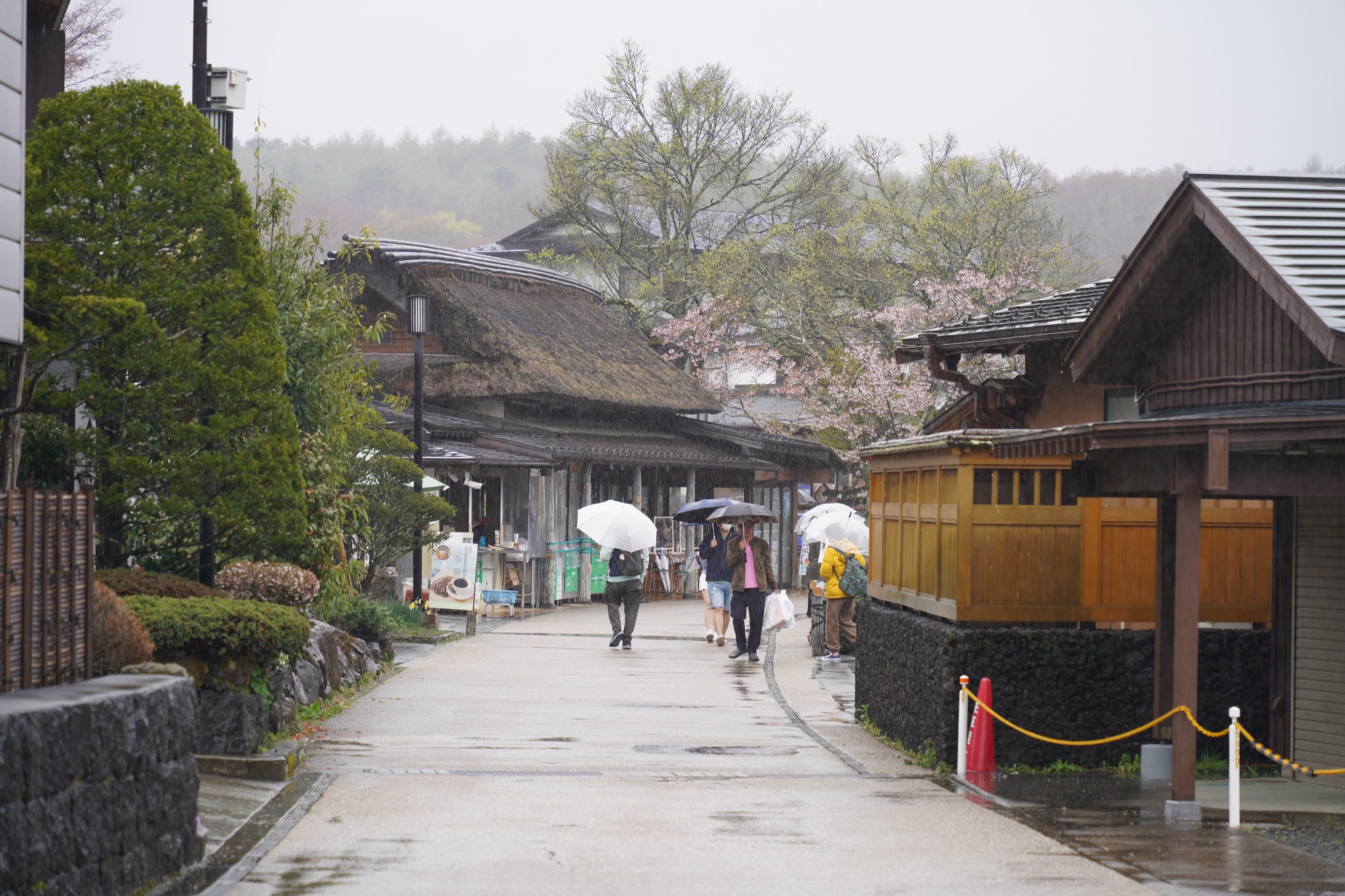
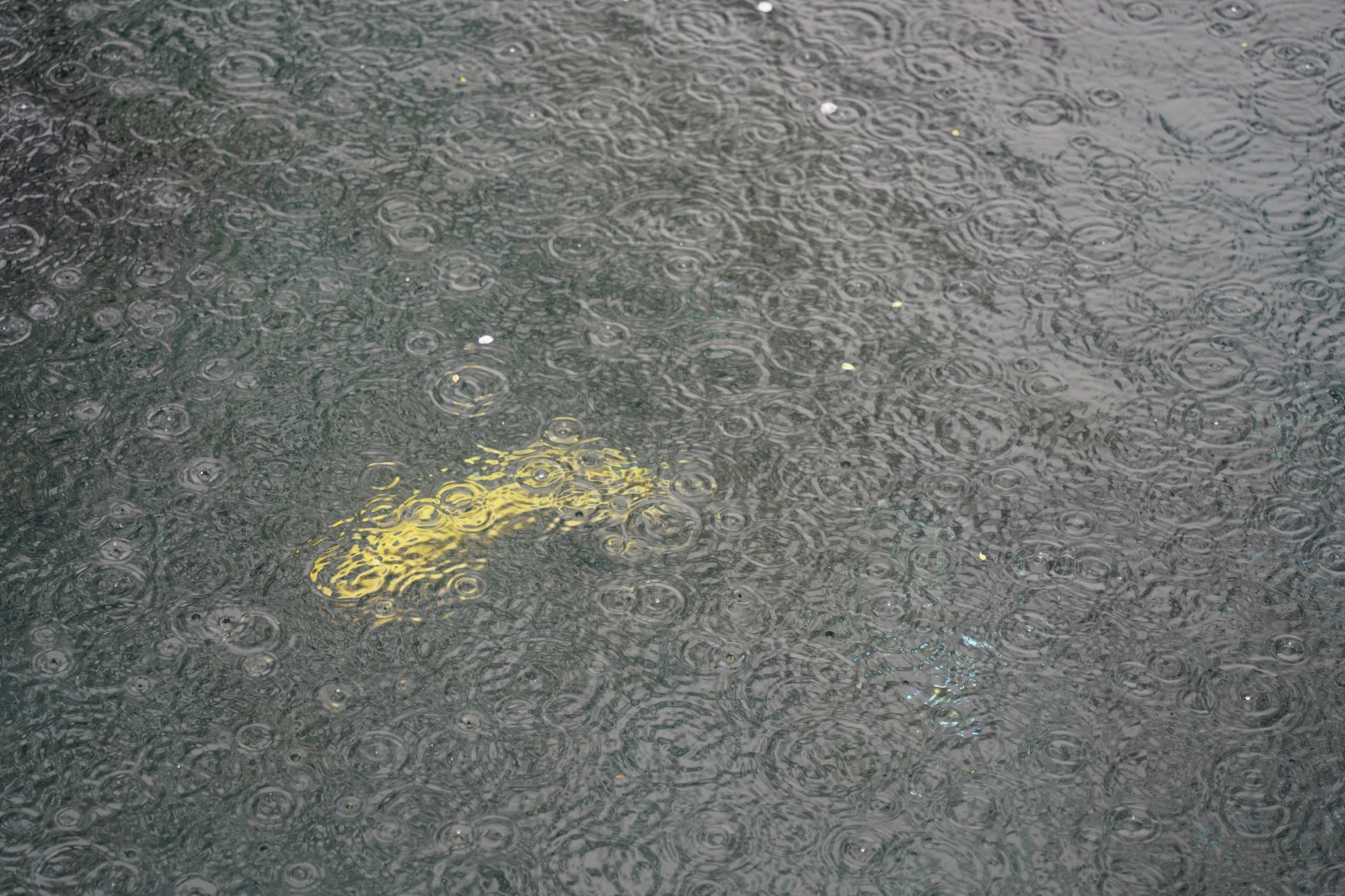
In 2013, Oshino Hakkai was inscribed as a component of the UNESCO World Heritage property Fujisan: Sacred Place and Source of Artistic Inspiration. Beneath the bustle of the present-day tourist site, the memory of Fuji’s water deities and the Fuji-kō pilgrimage still wavers at the bottom of the springs. Gazing into the perfectly clear water, one seems to meet, somewhere beyond its transparency, the eyes of those who held this water sacred.