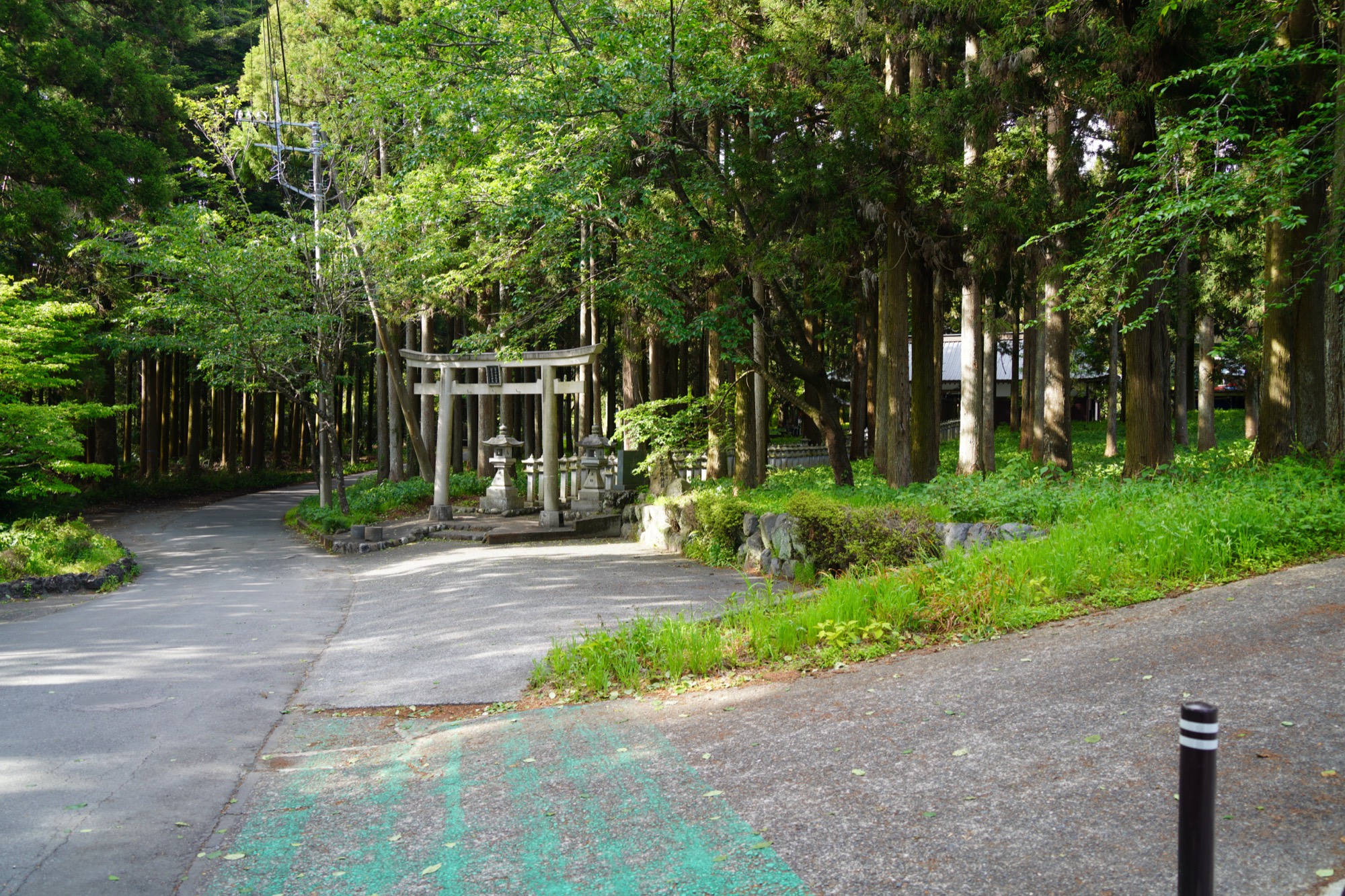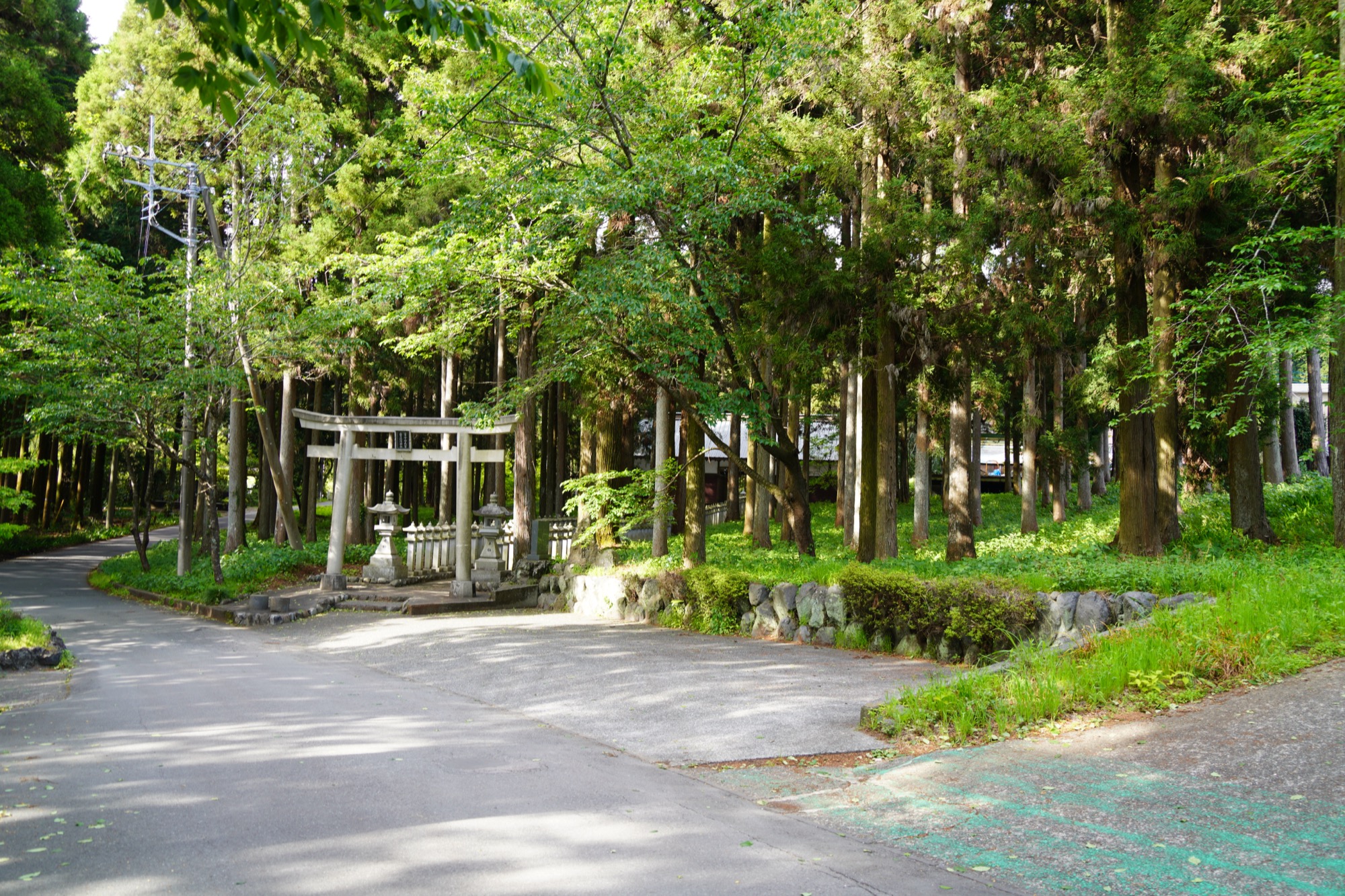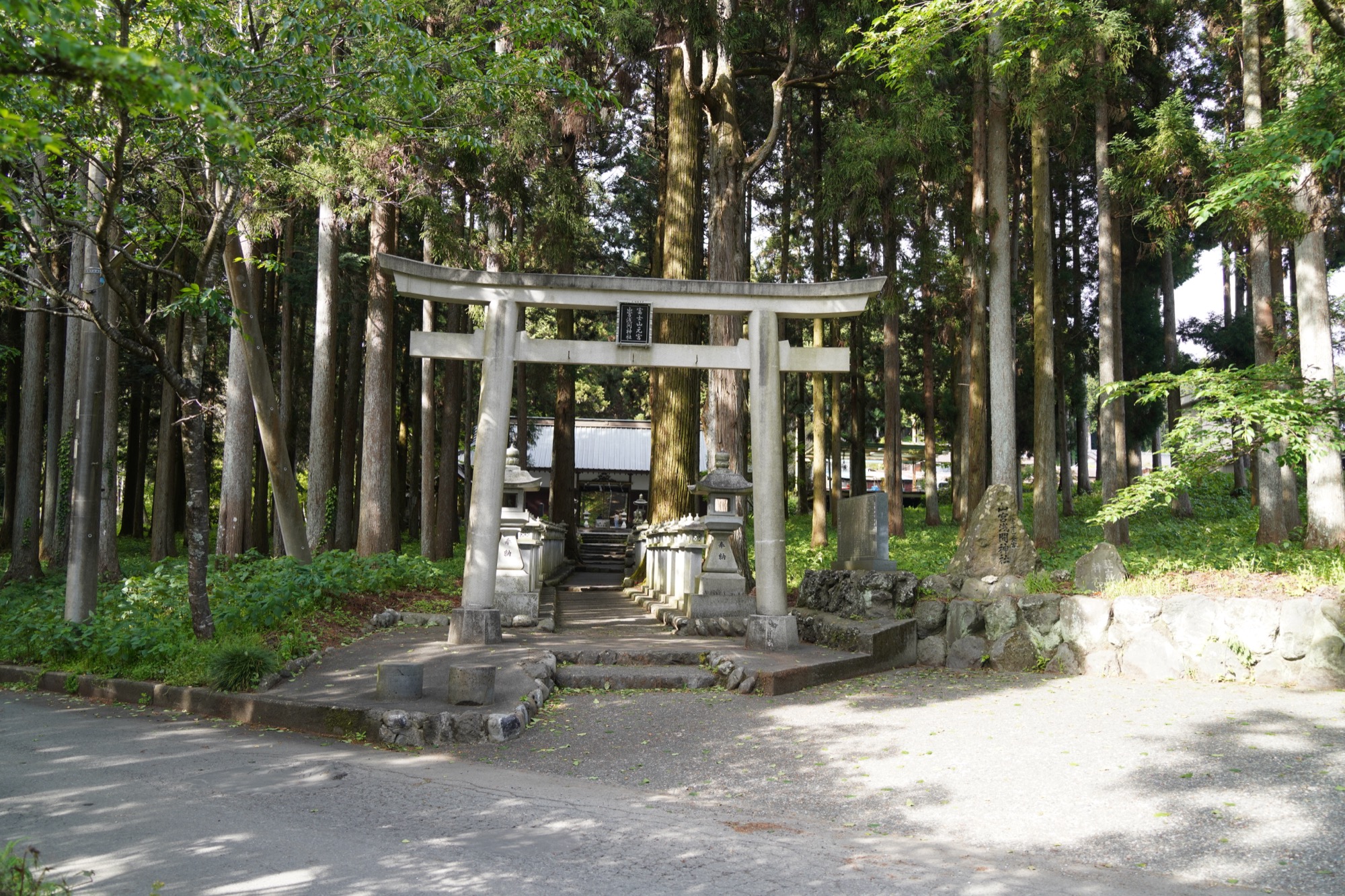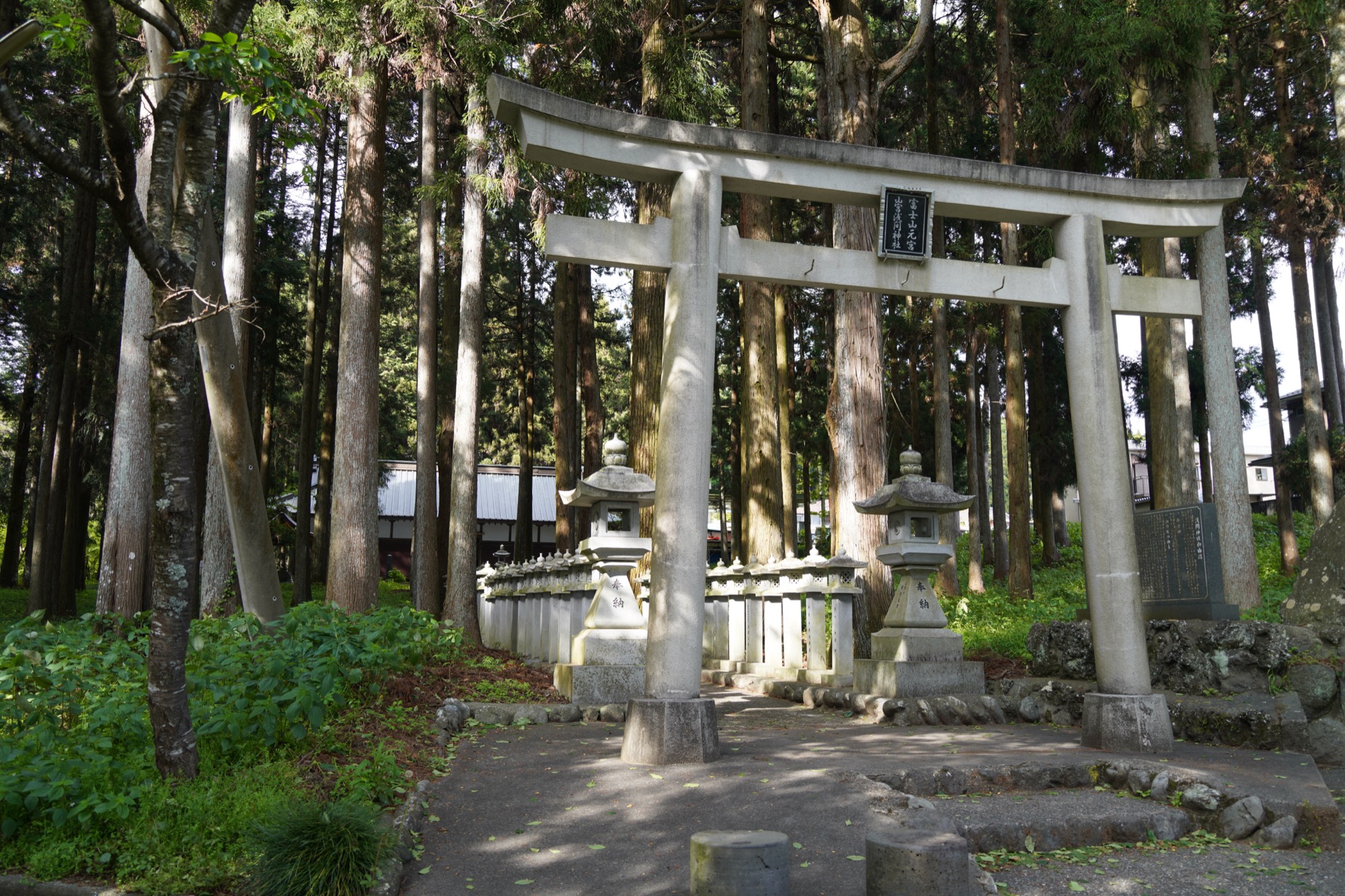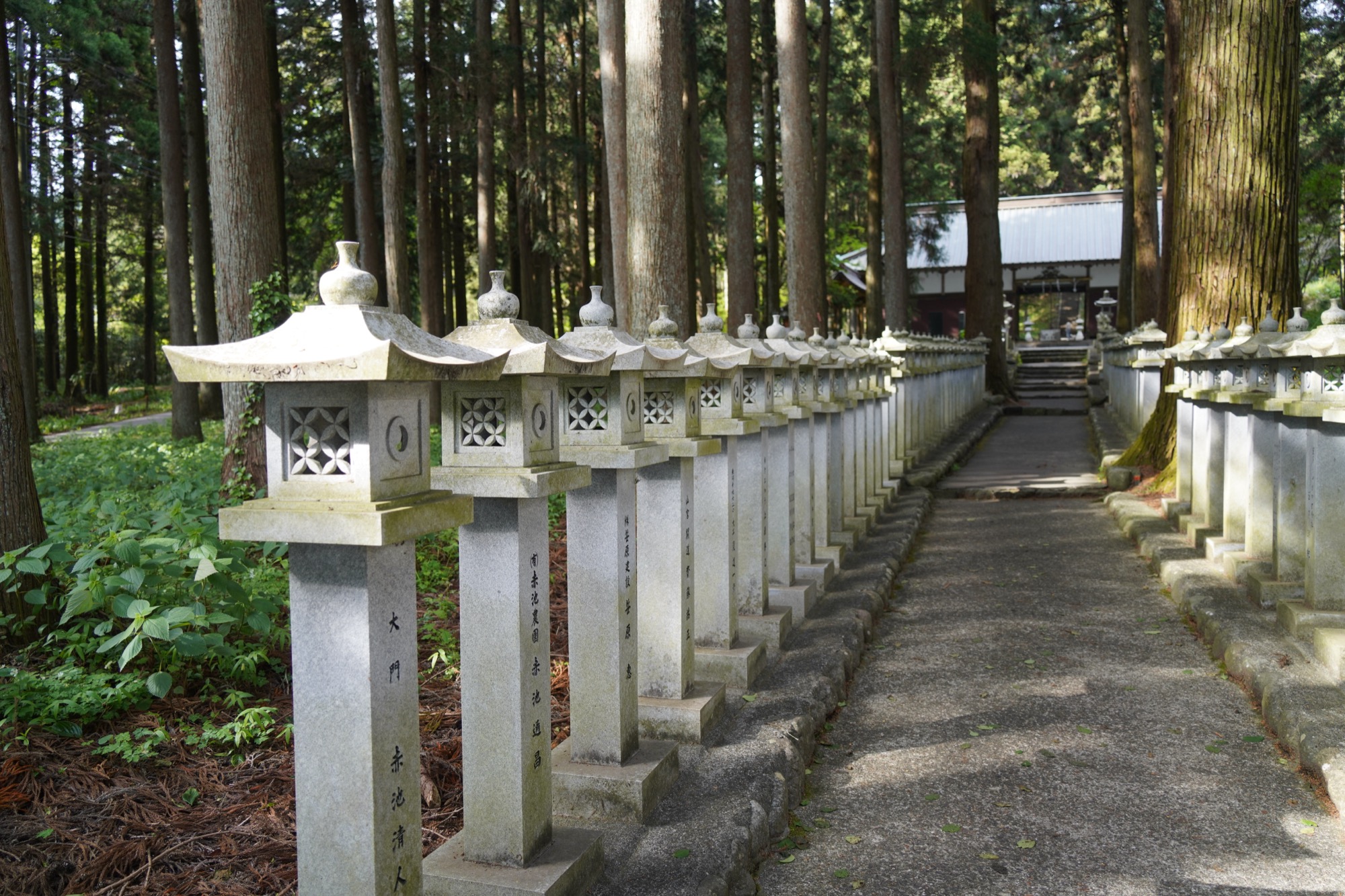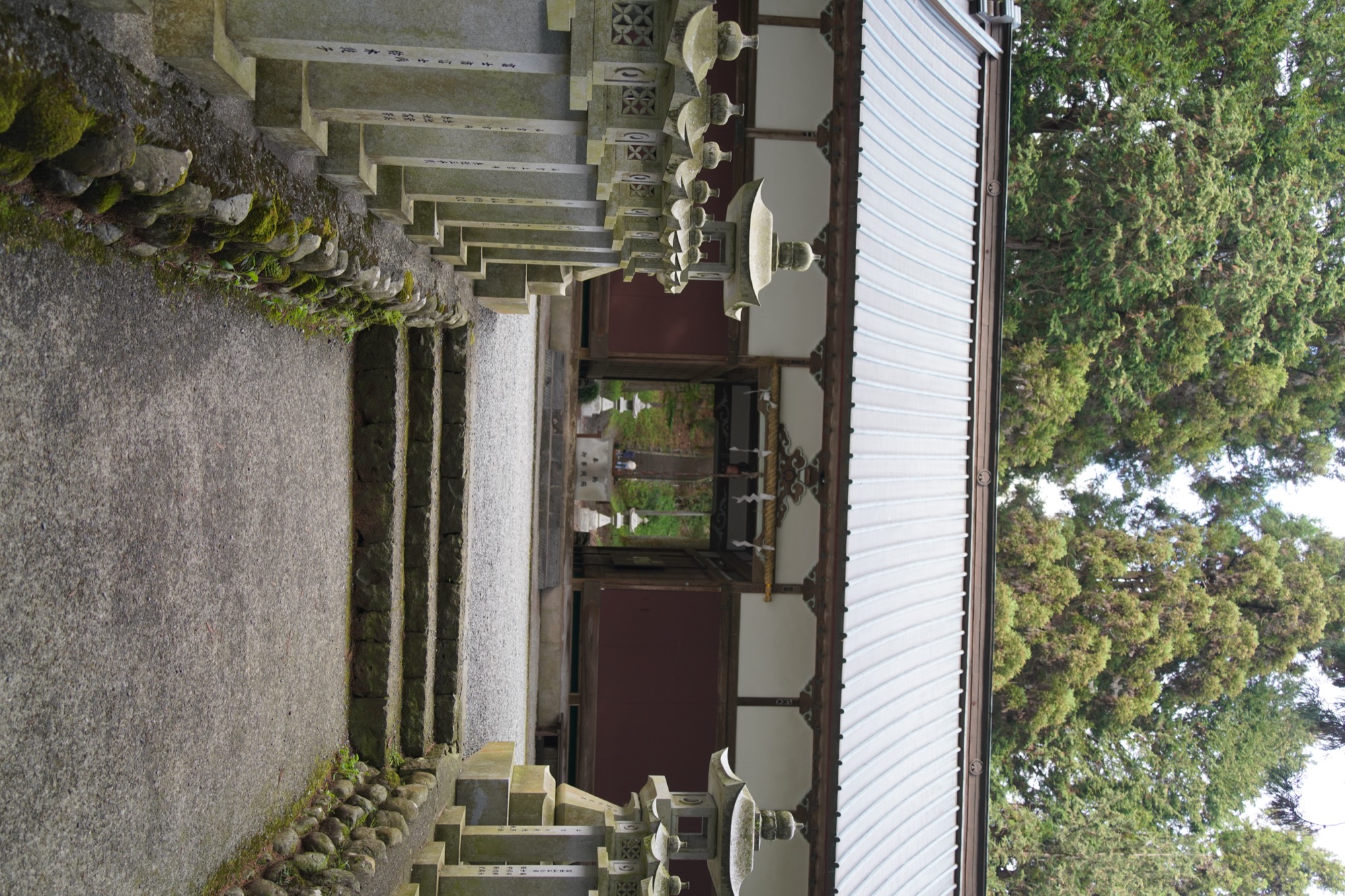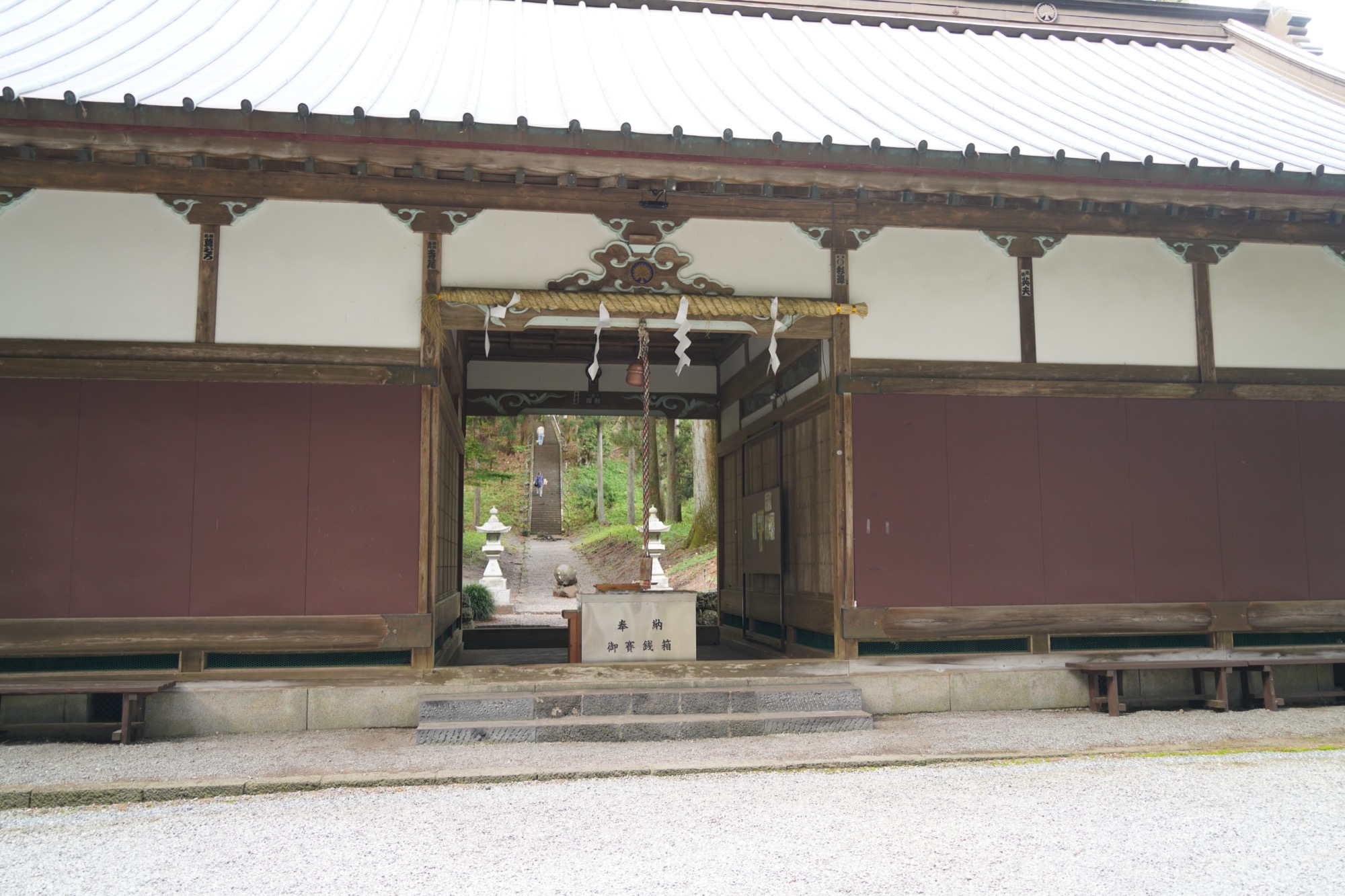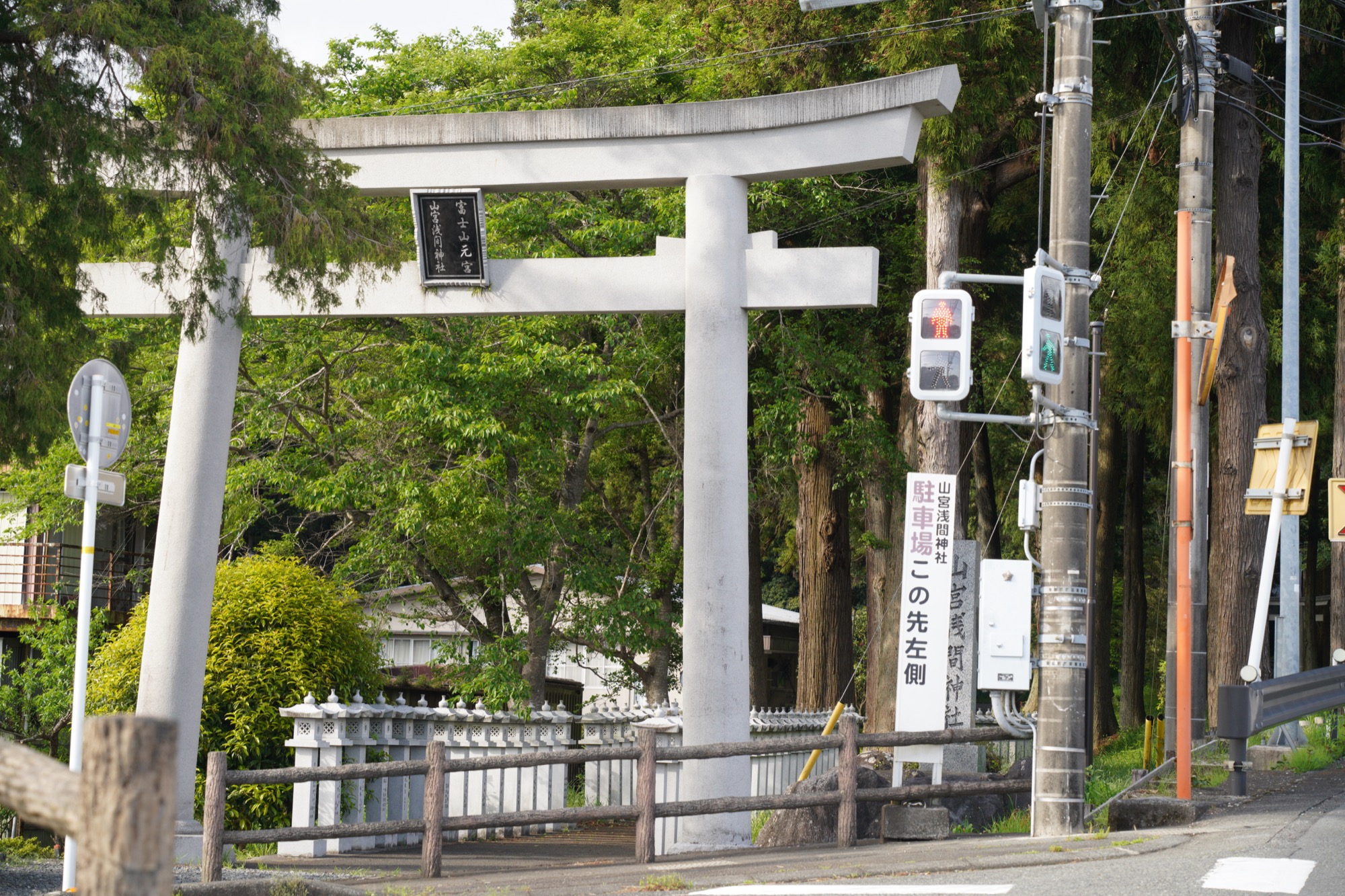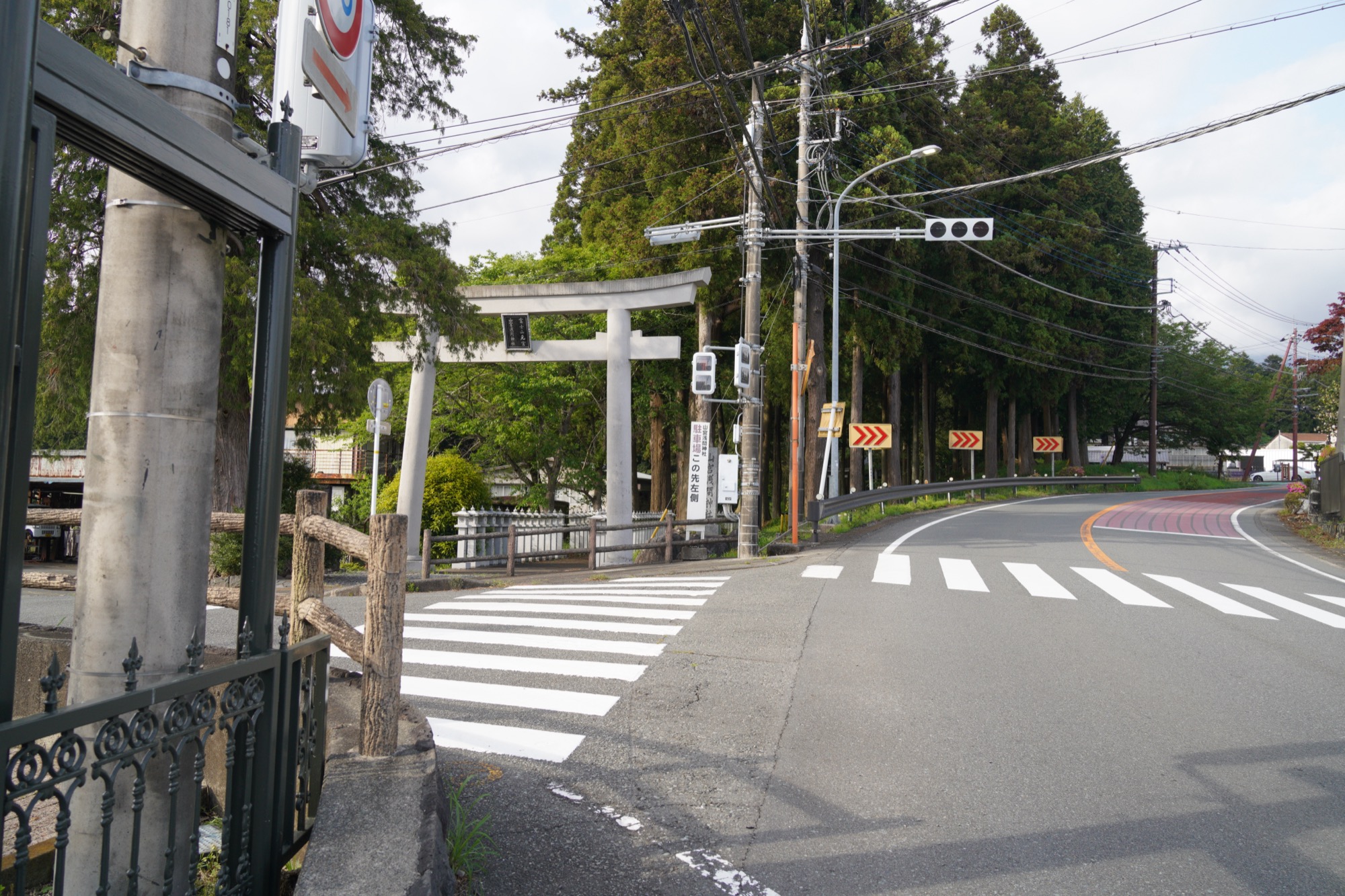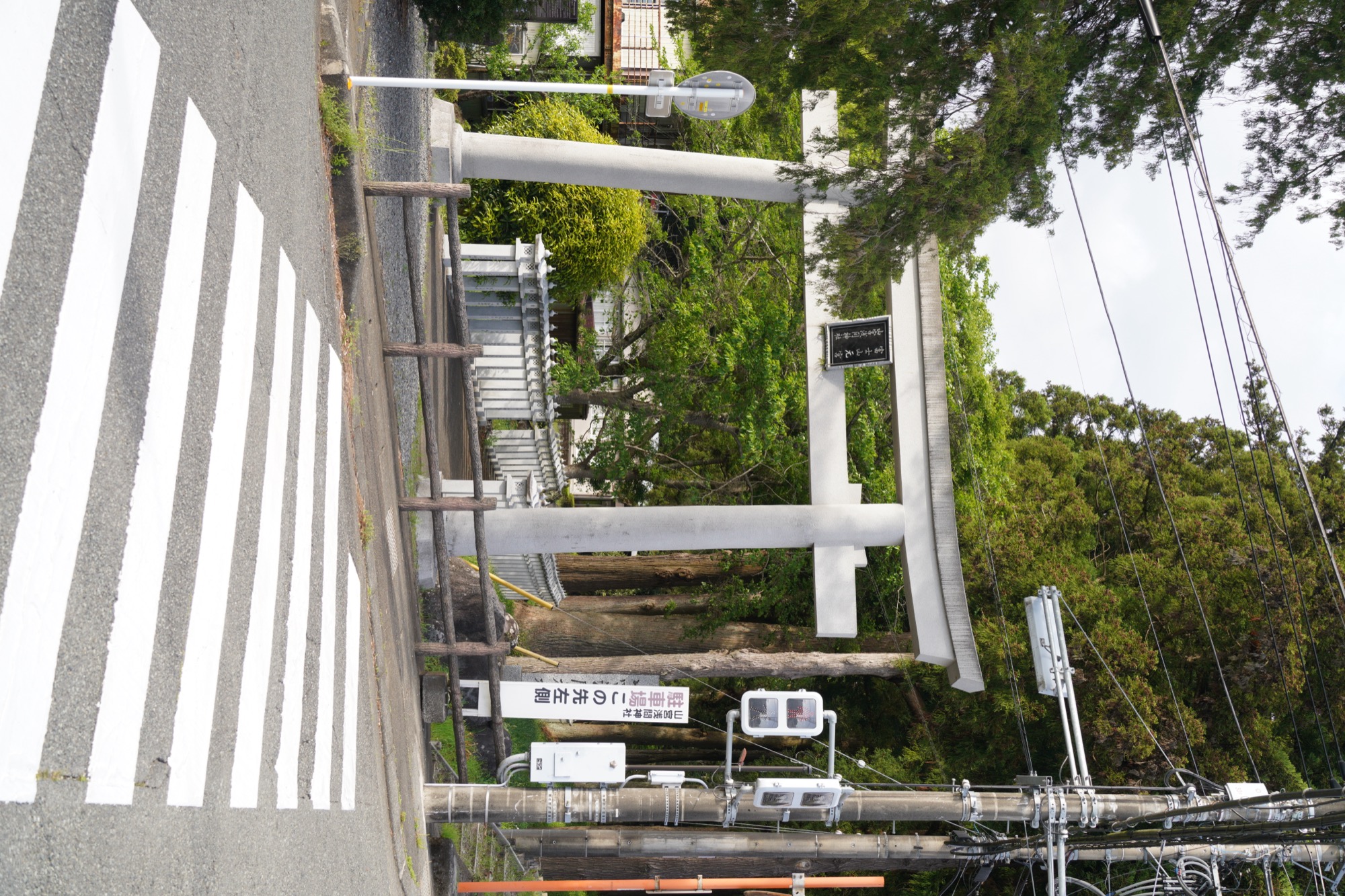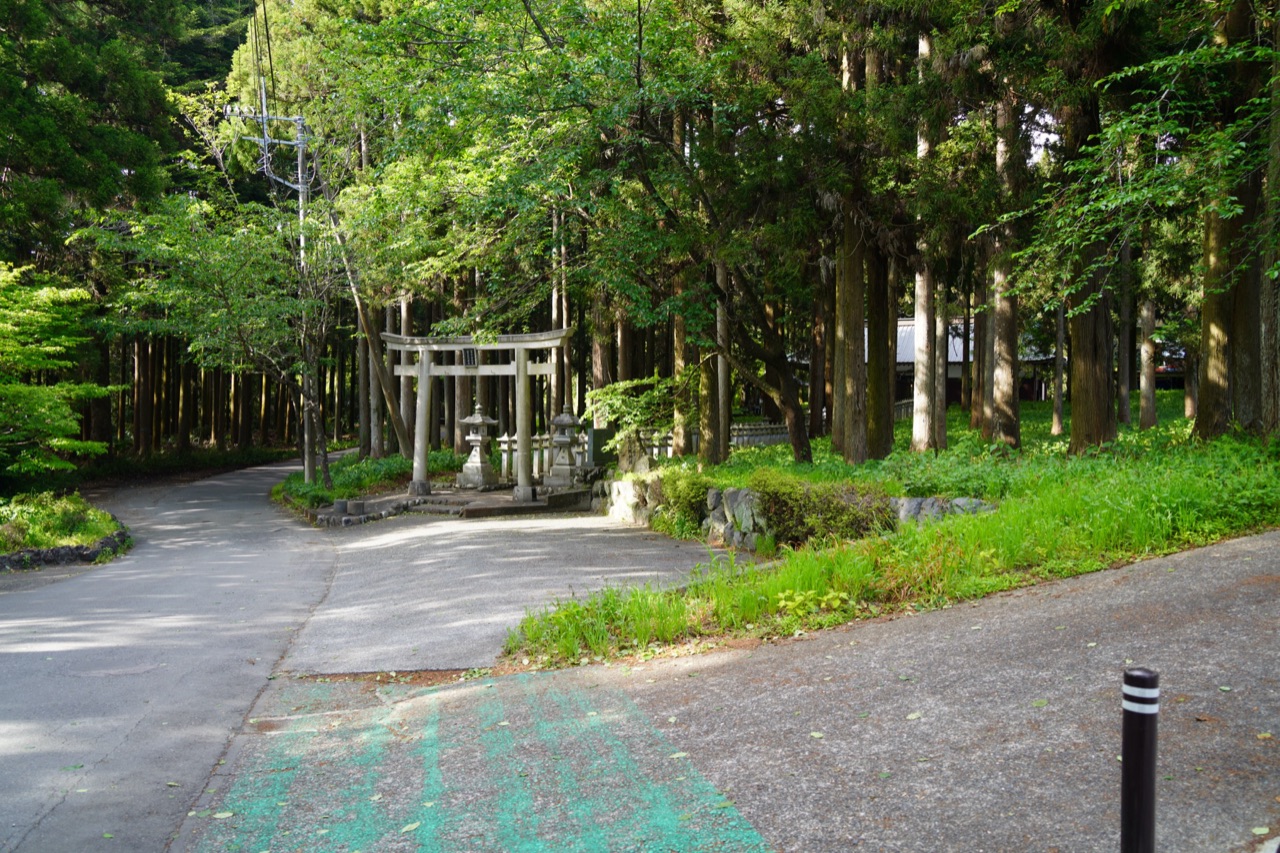
Yamashiro Sengen Shrine
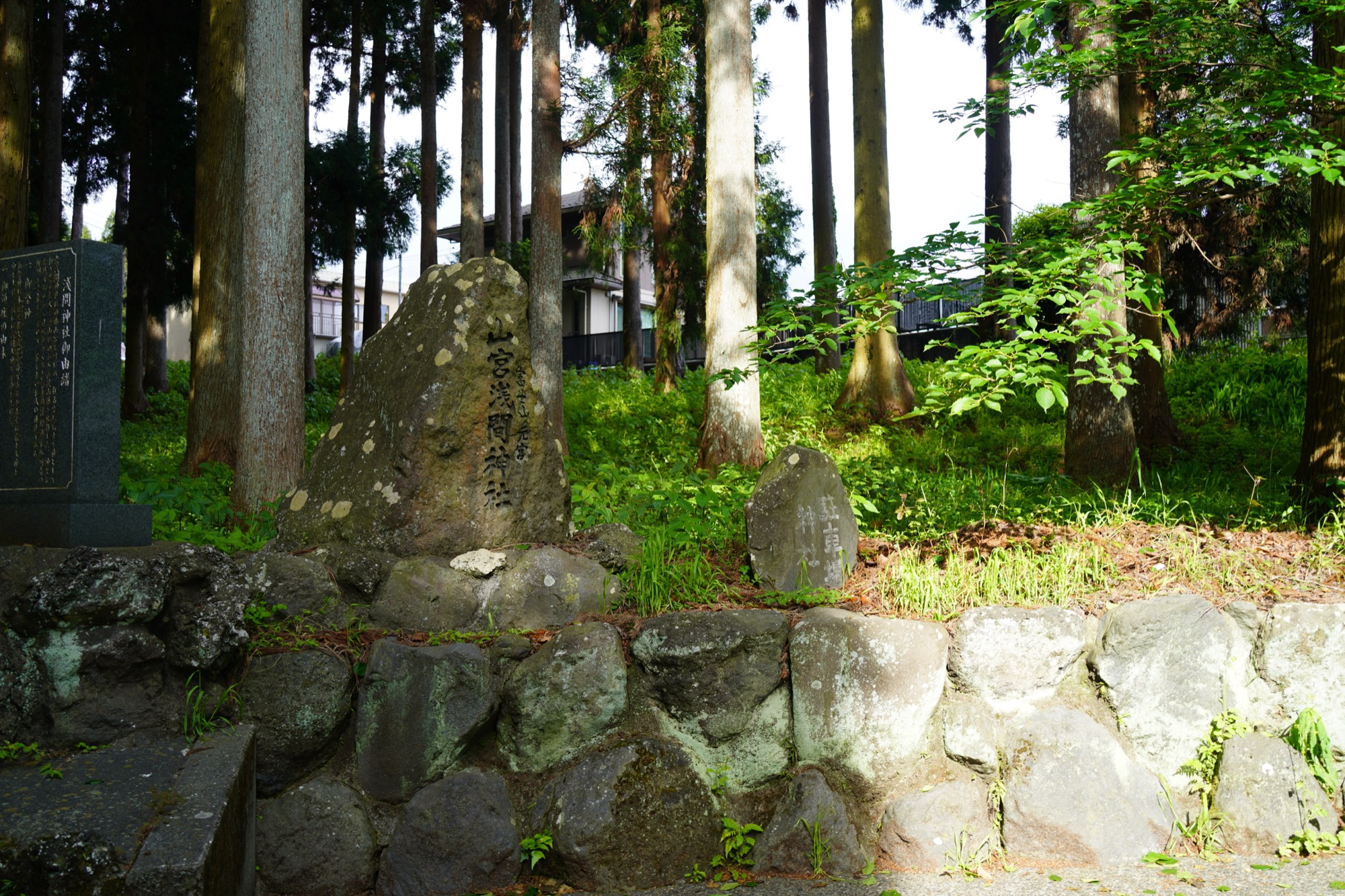
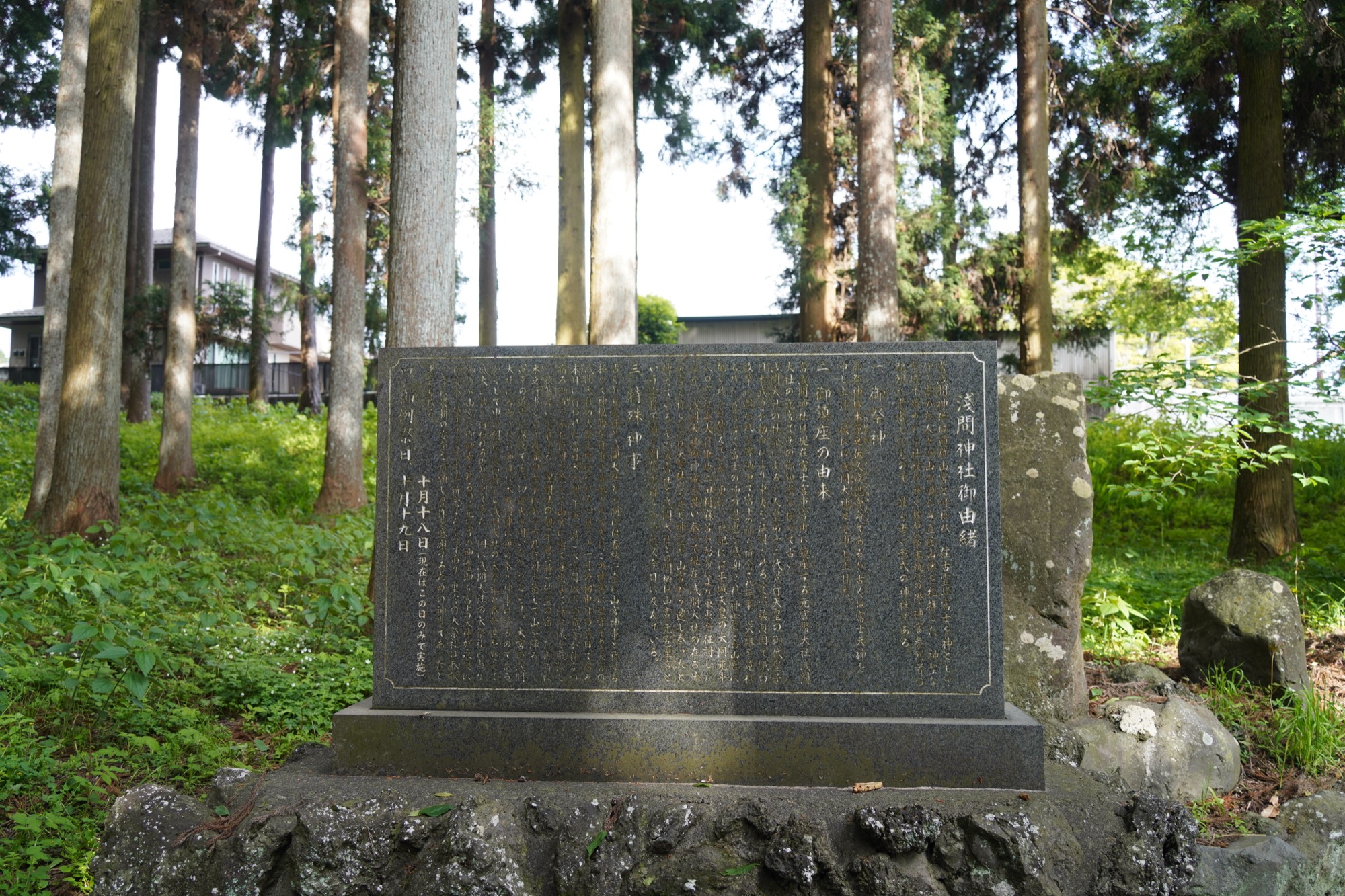
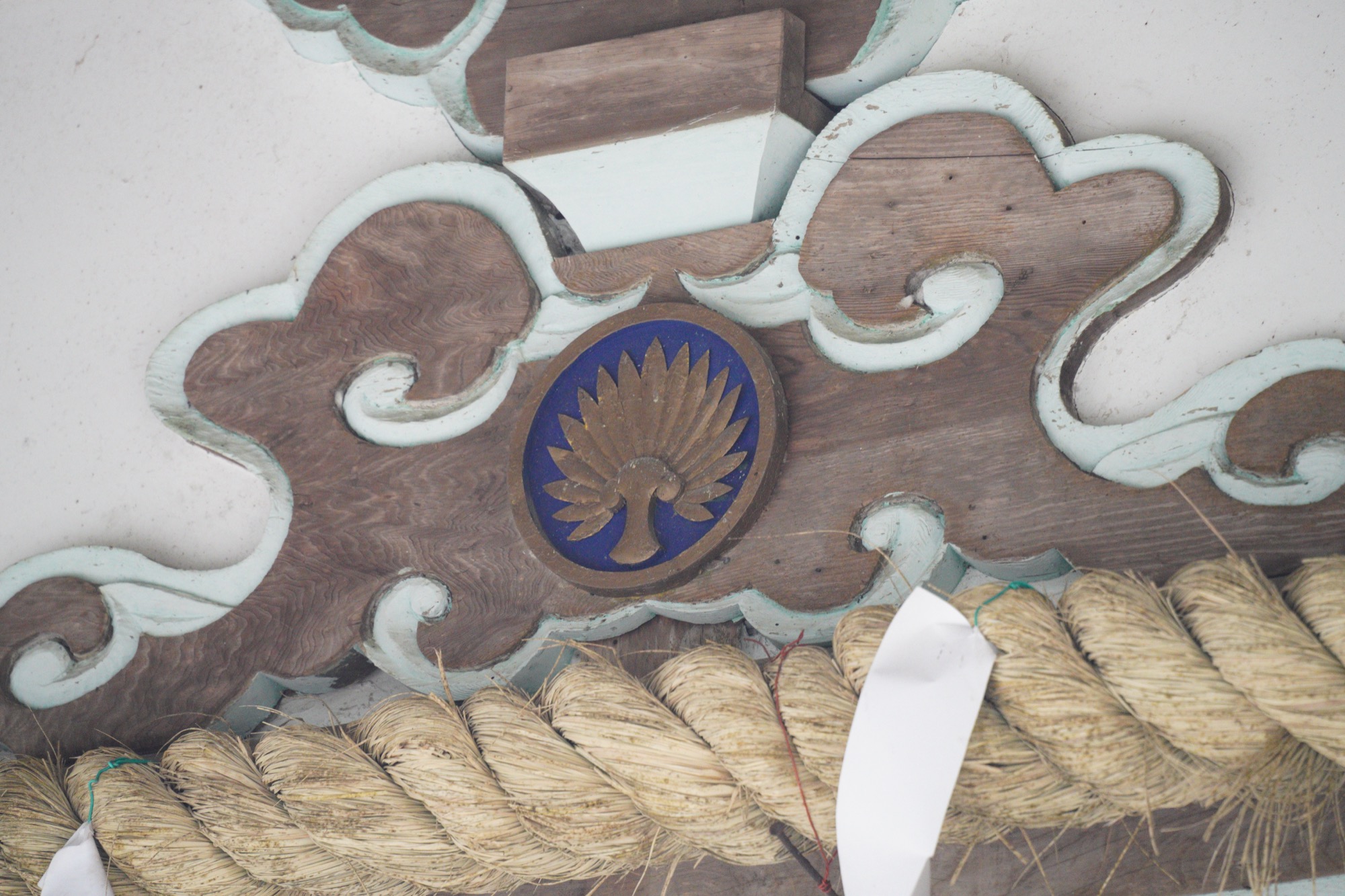
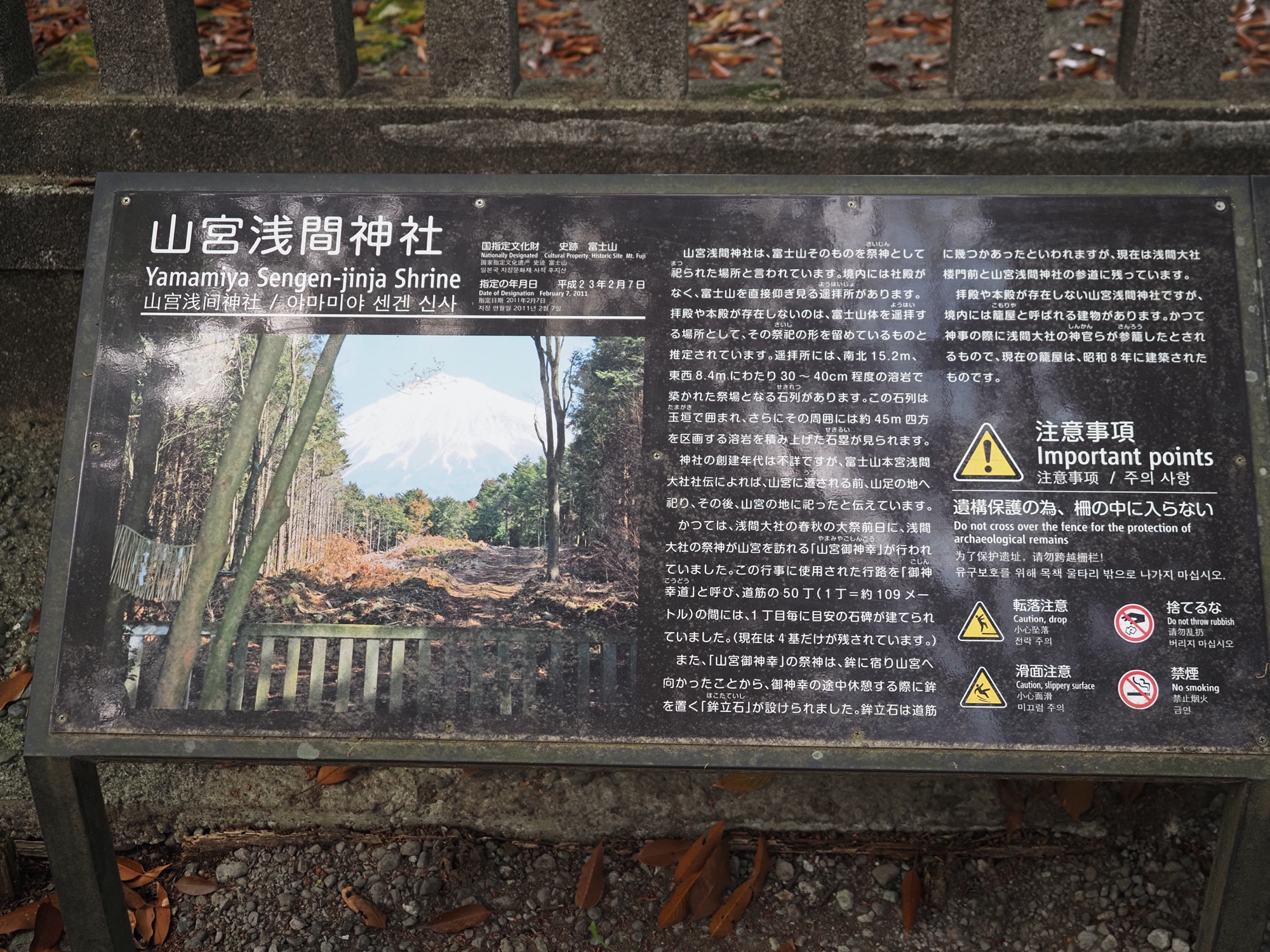
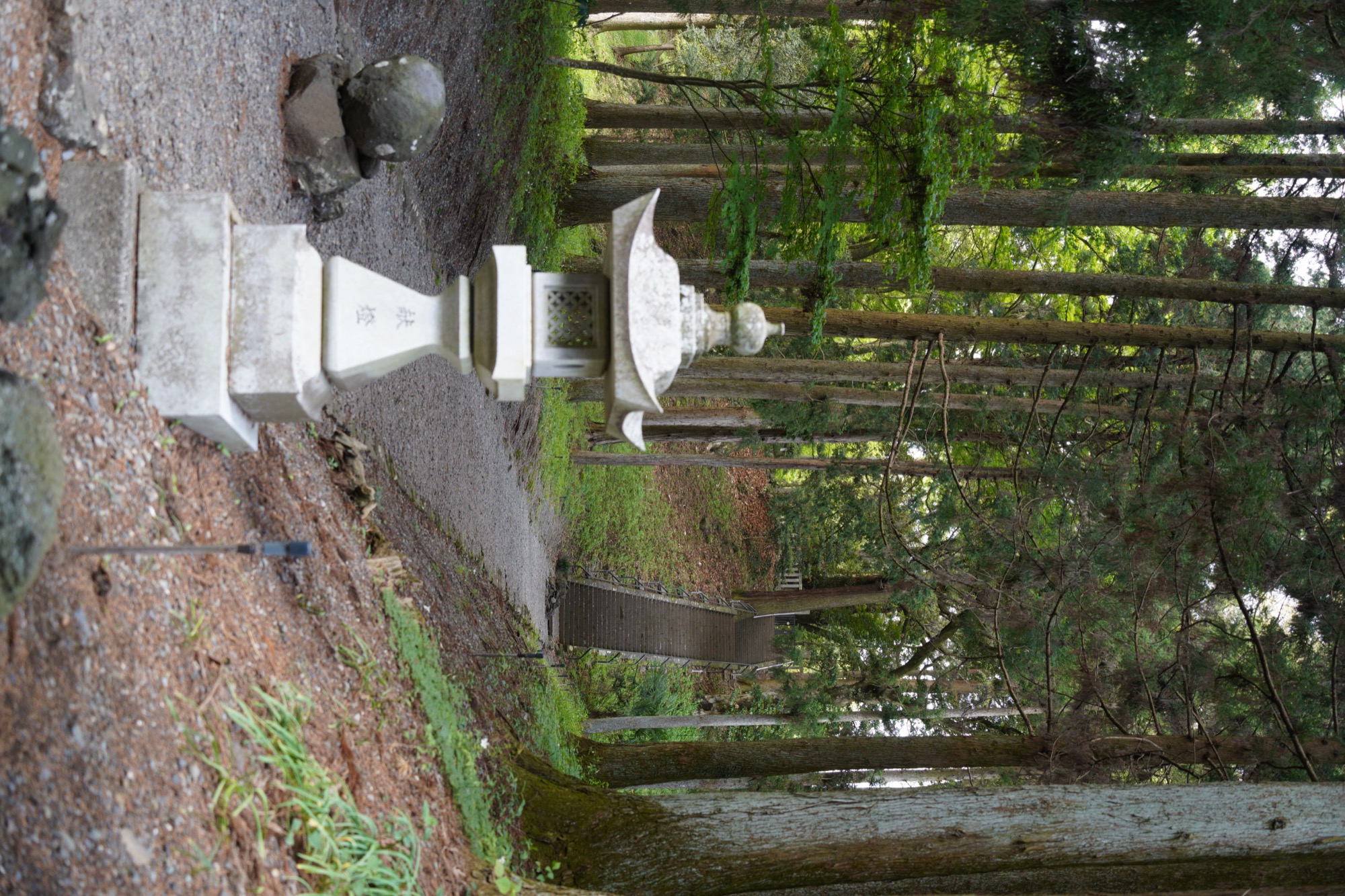
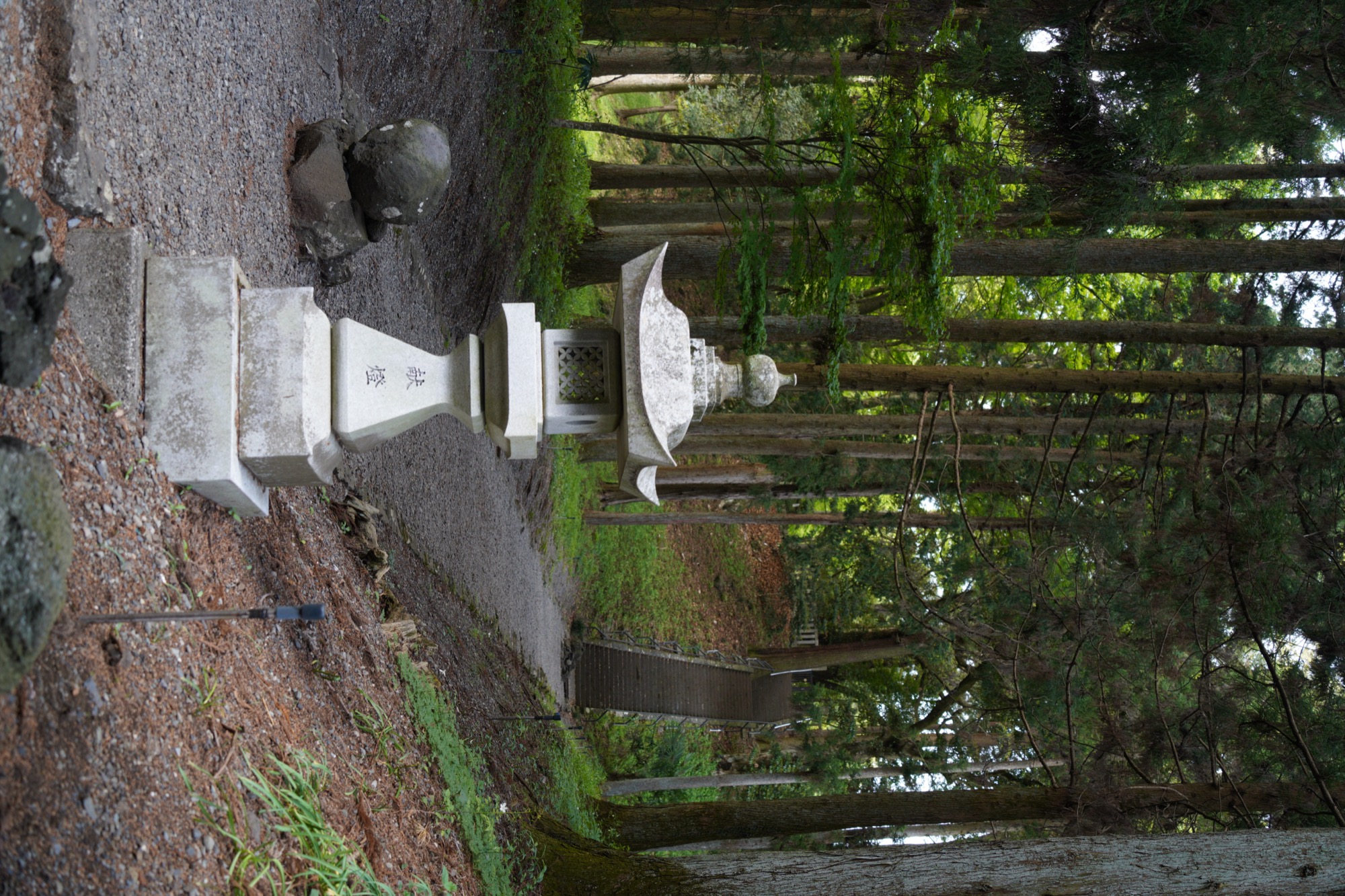
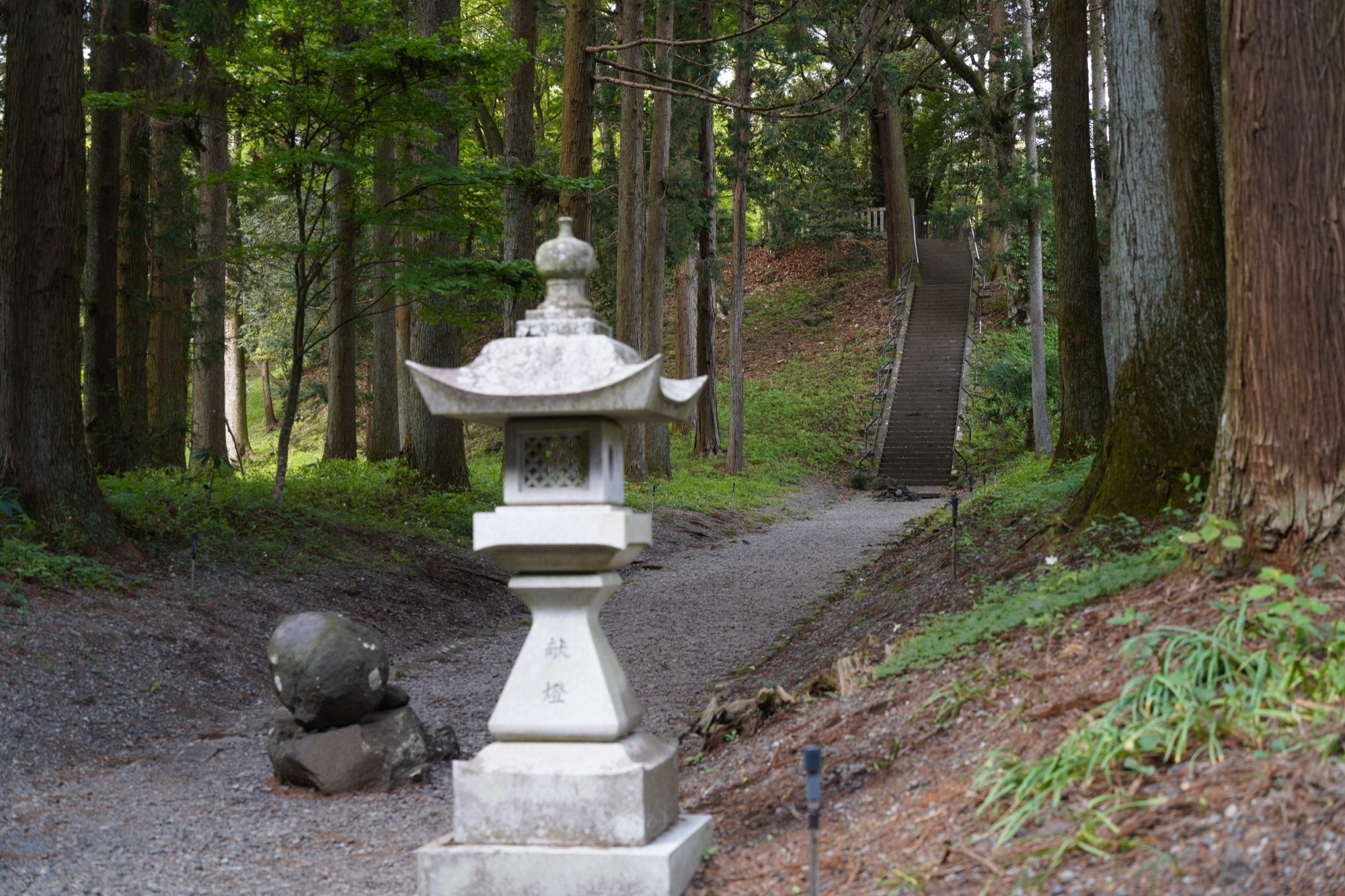
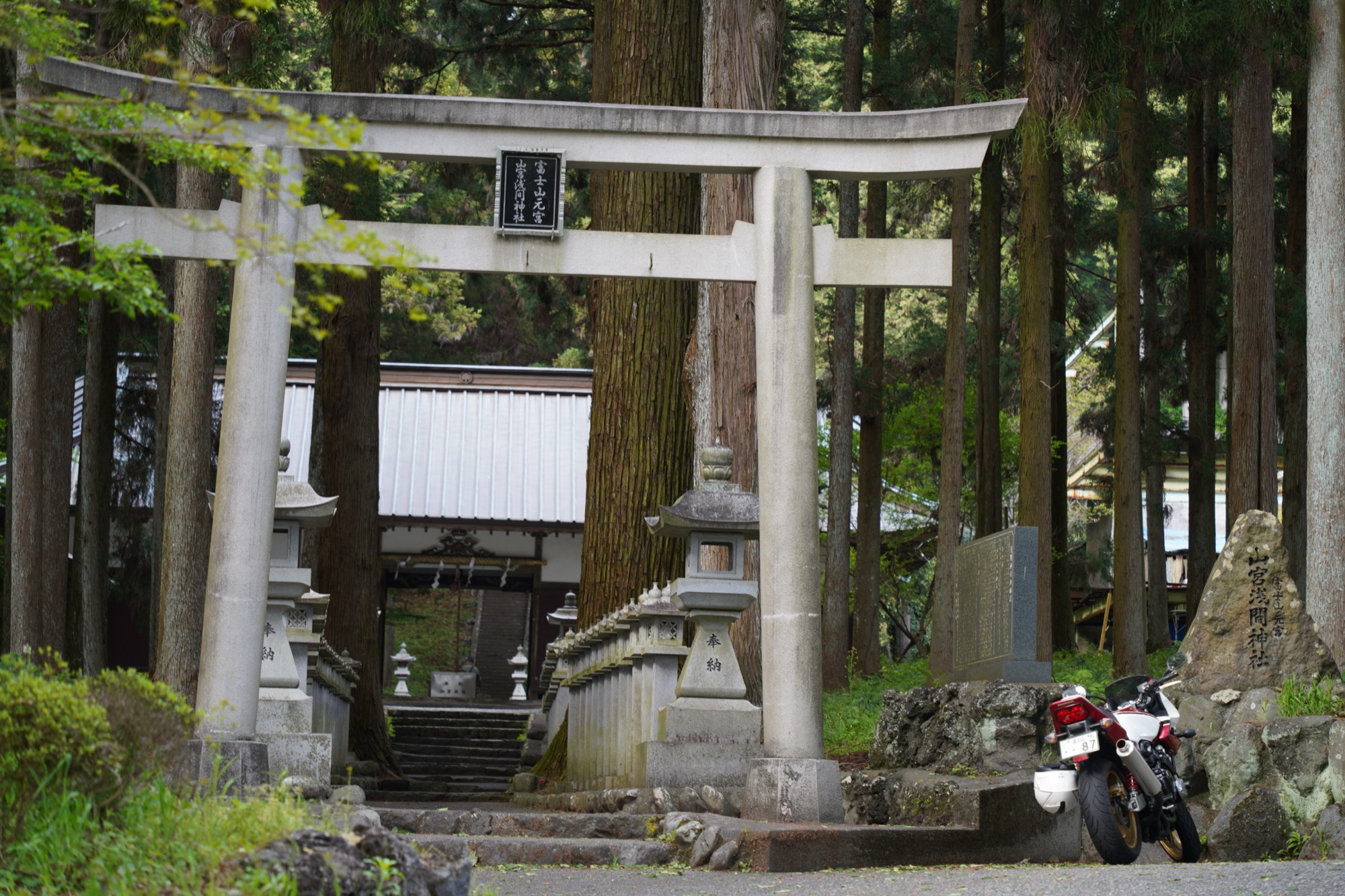
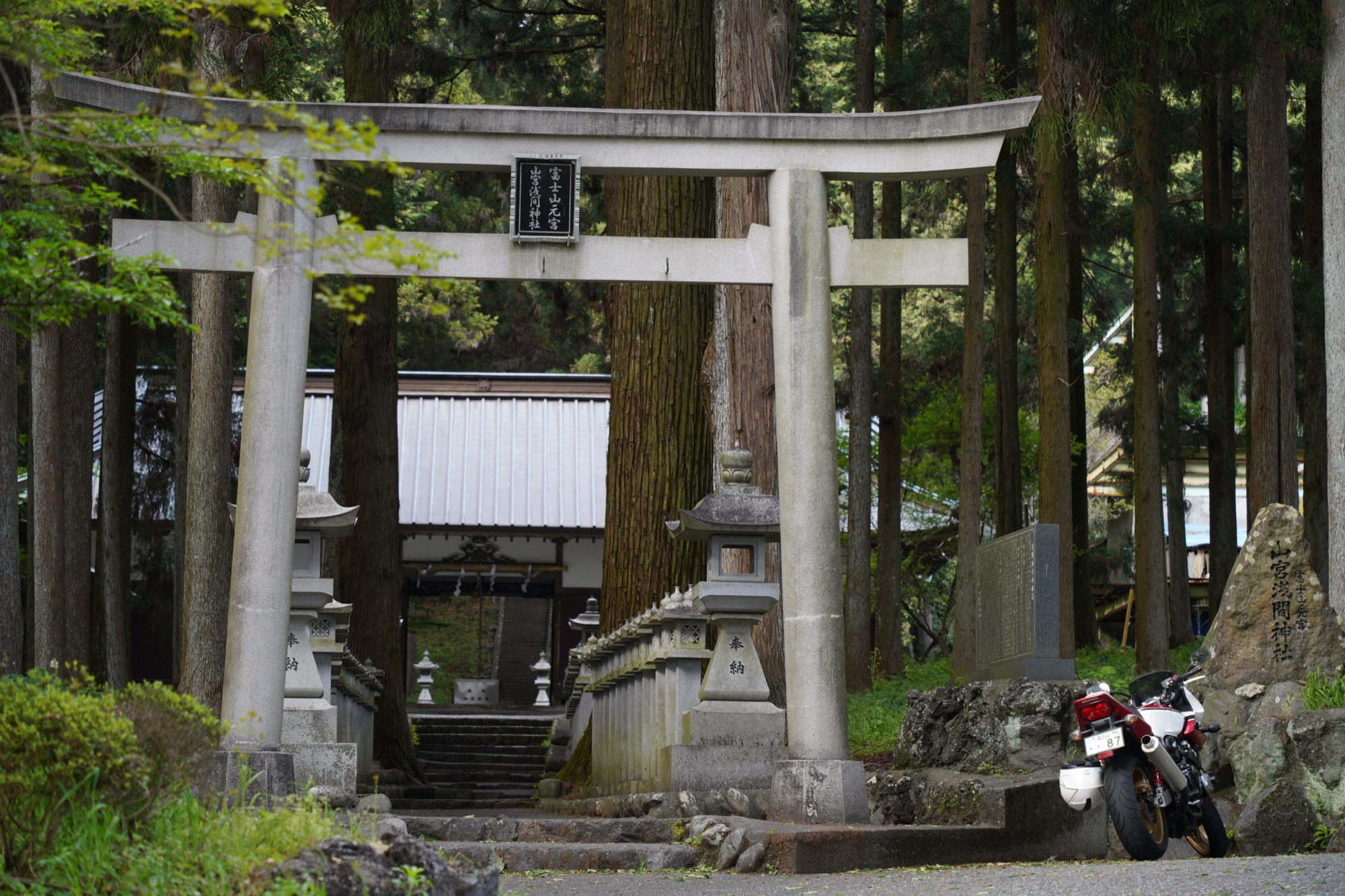
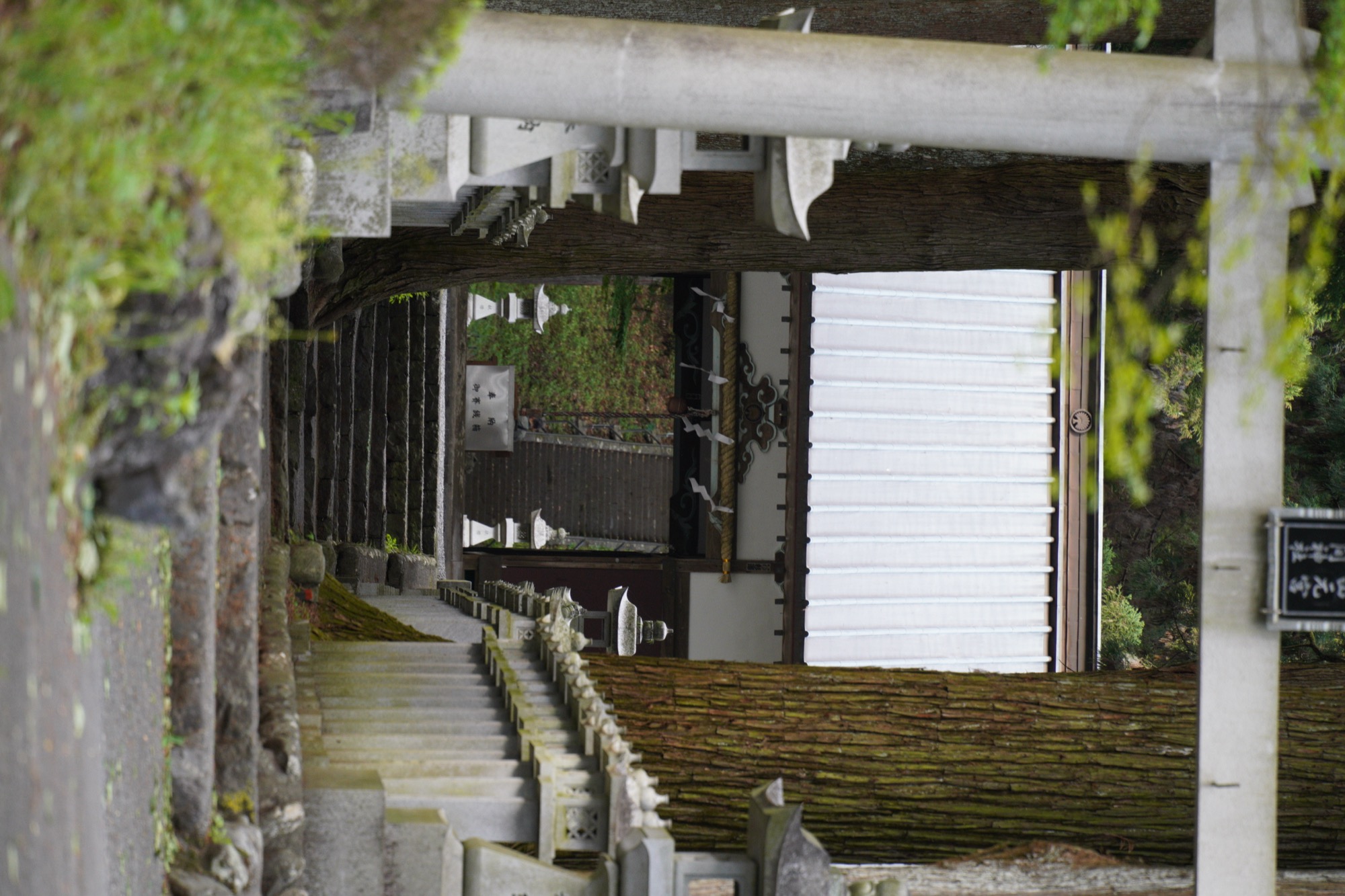
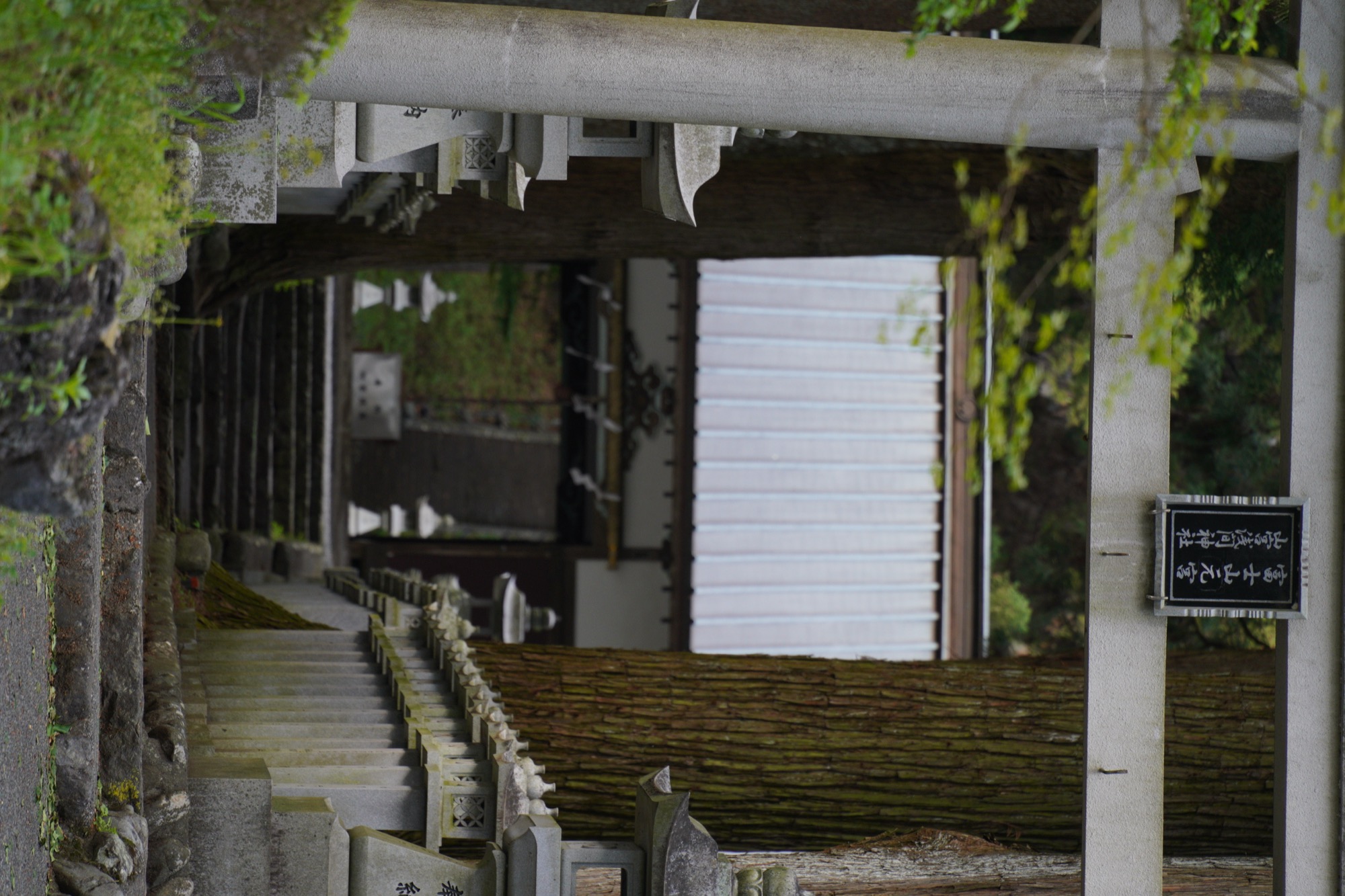
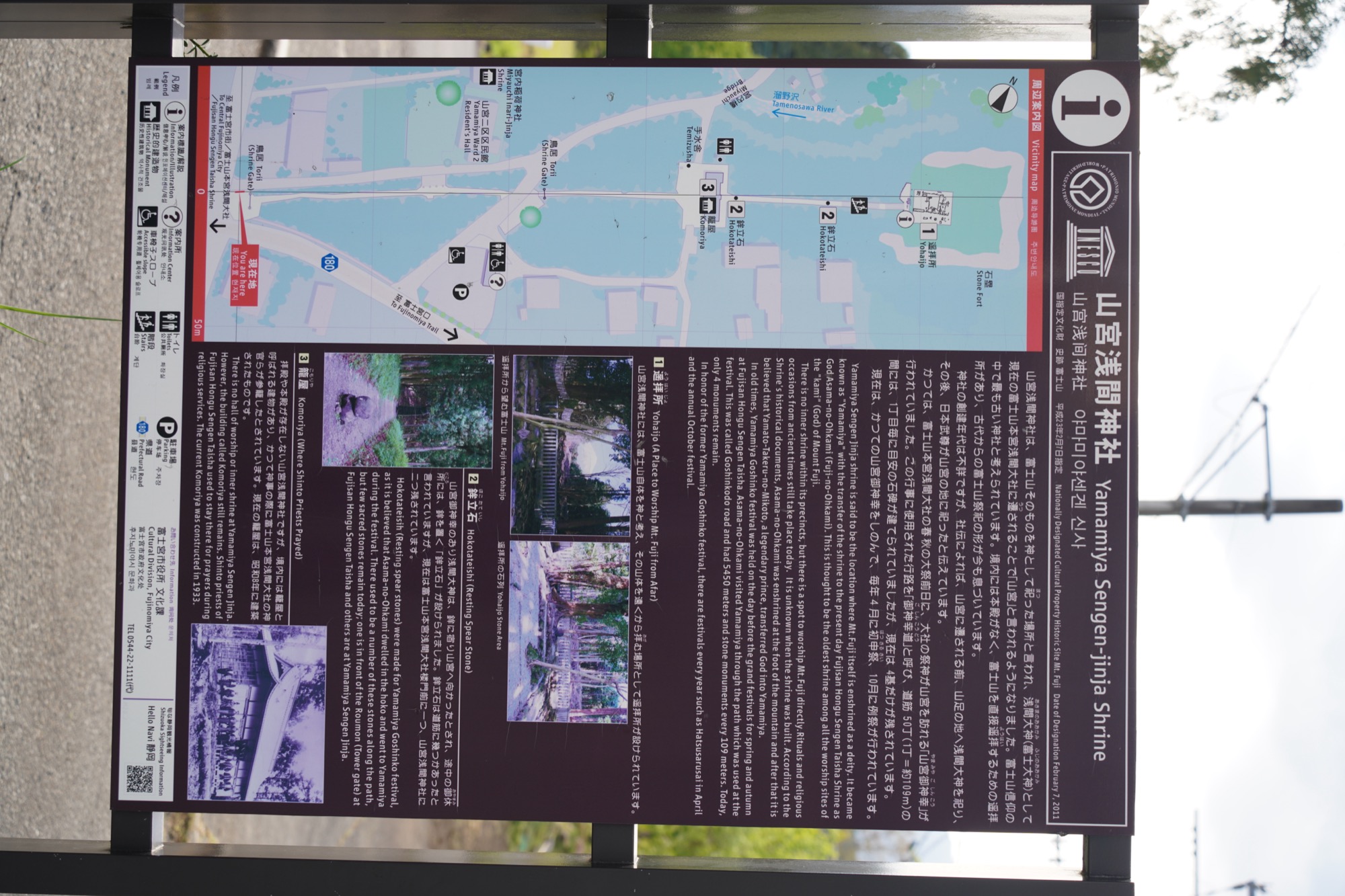
Yamamiya Sengen Shrine is revered as the moto-tsu-miya — the original shrine — of Fujisan Hongu Sengen Taisha. According to shrine tradition, it began when Yamato Takeru, during his eastern campaign in the reign of Emperor Keikō, worshipped Mt. Fuji from afar and transferred the deity’s spirit to this site. Until 806 (Daidō 1), when Sakanoue no Tamuramaro relocated the shrine to its present site at Ōmiya, this was the centre of Fuji worship. Archaeological investigation has confirmed that the site was established as a ritual facility by the early twelfth century.
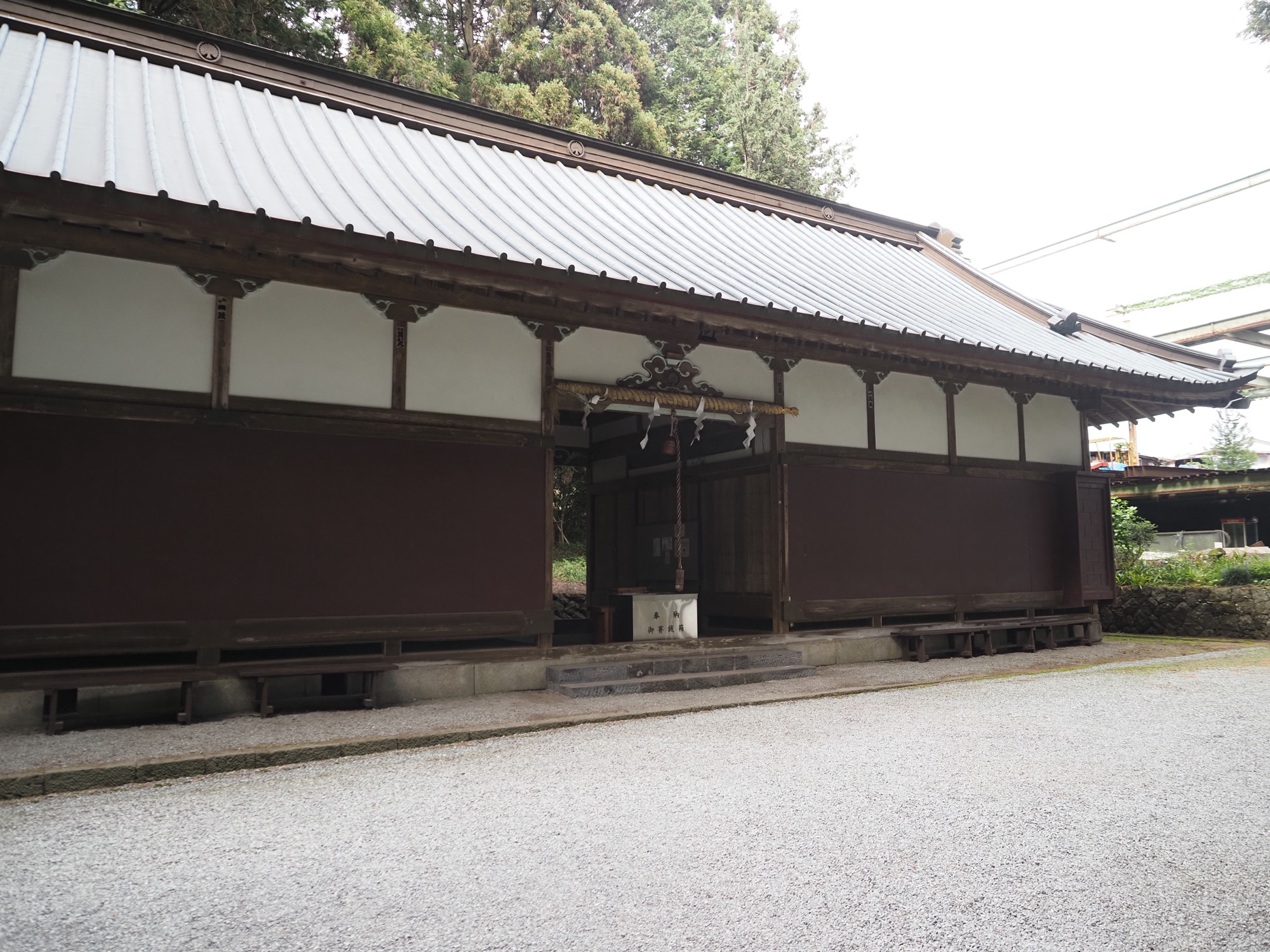
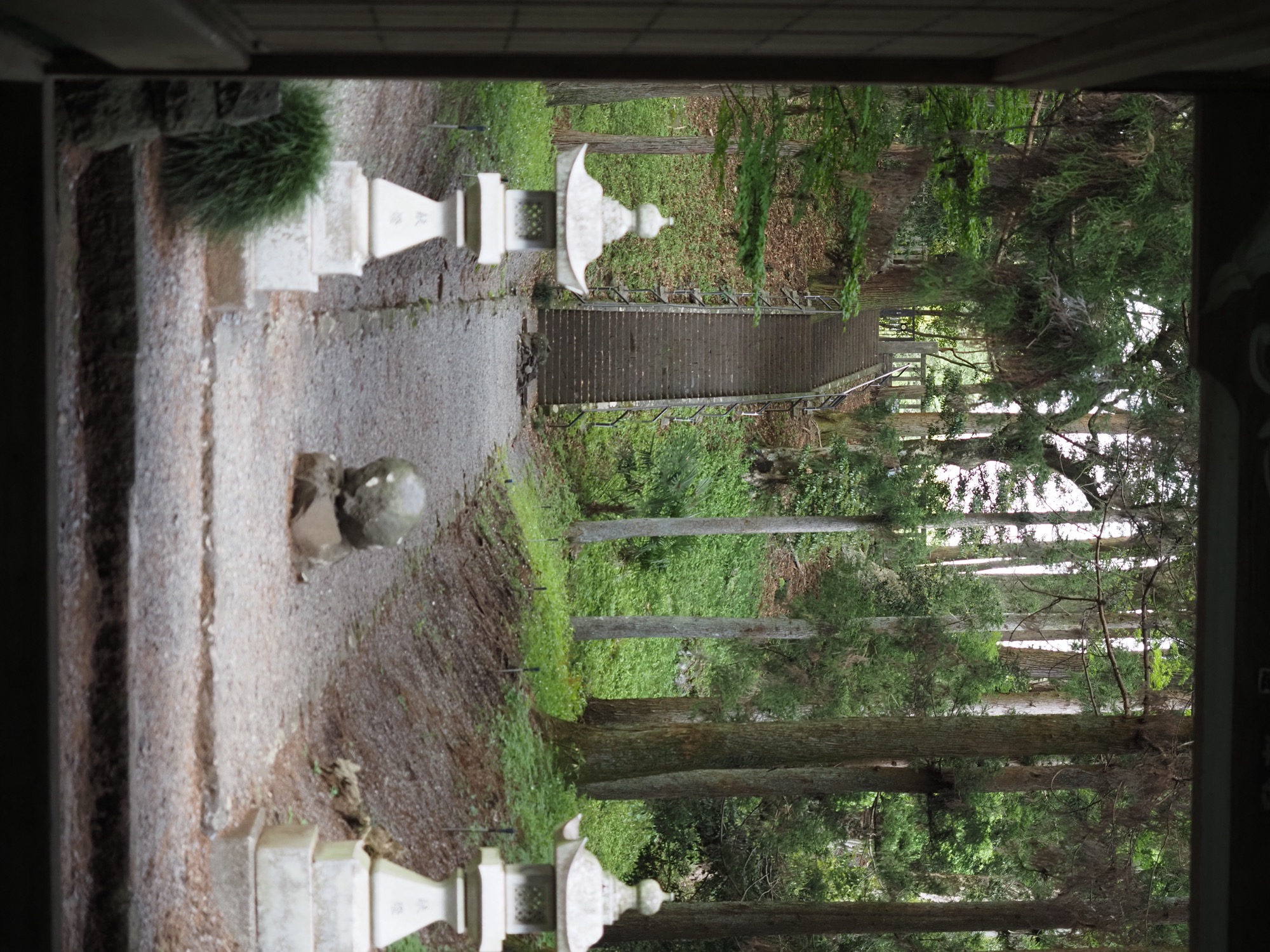
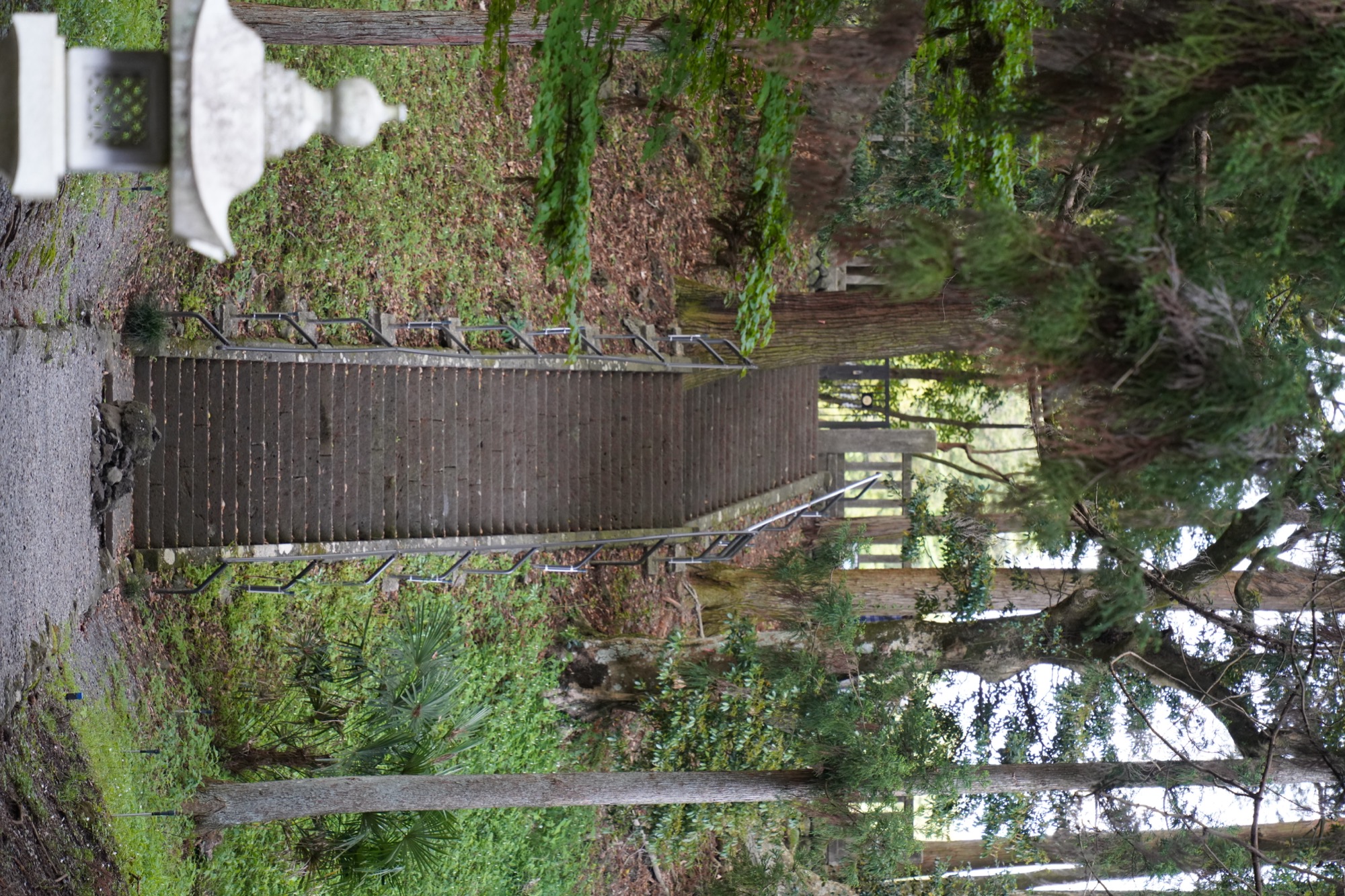
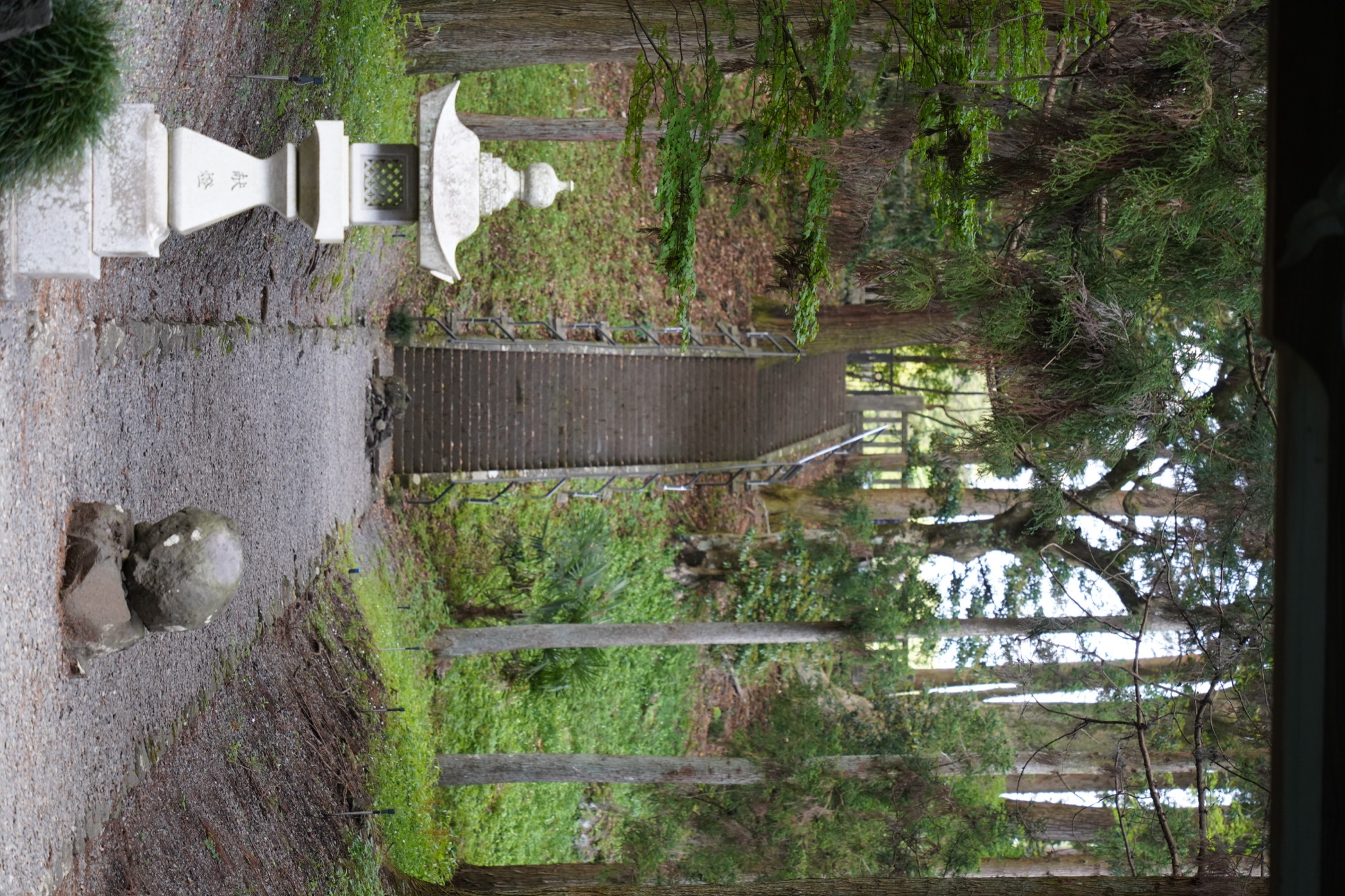
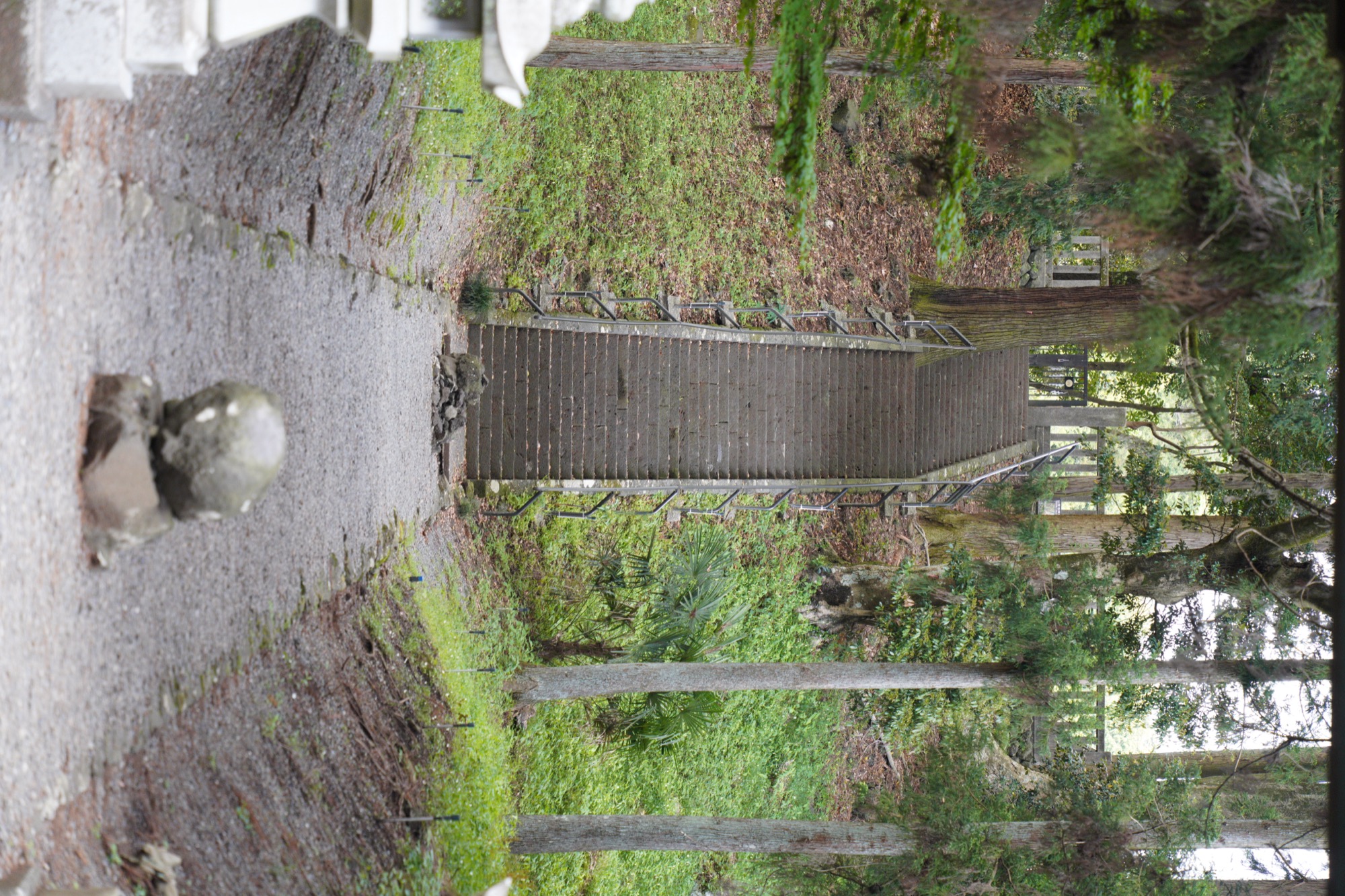
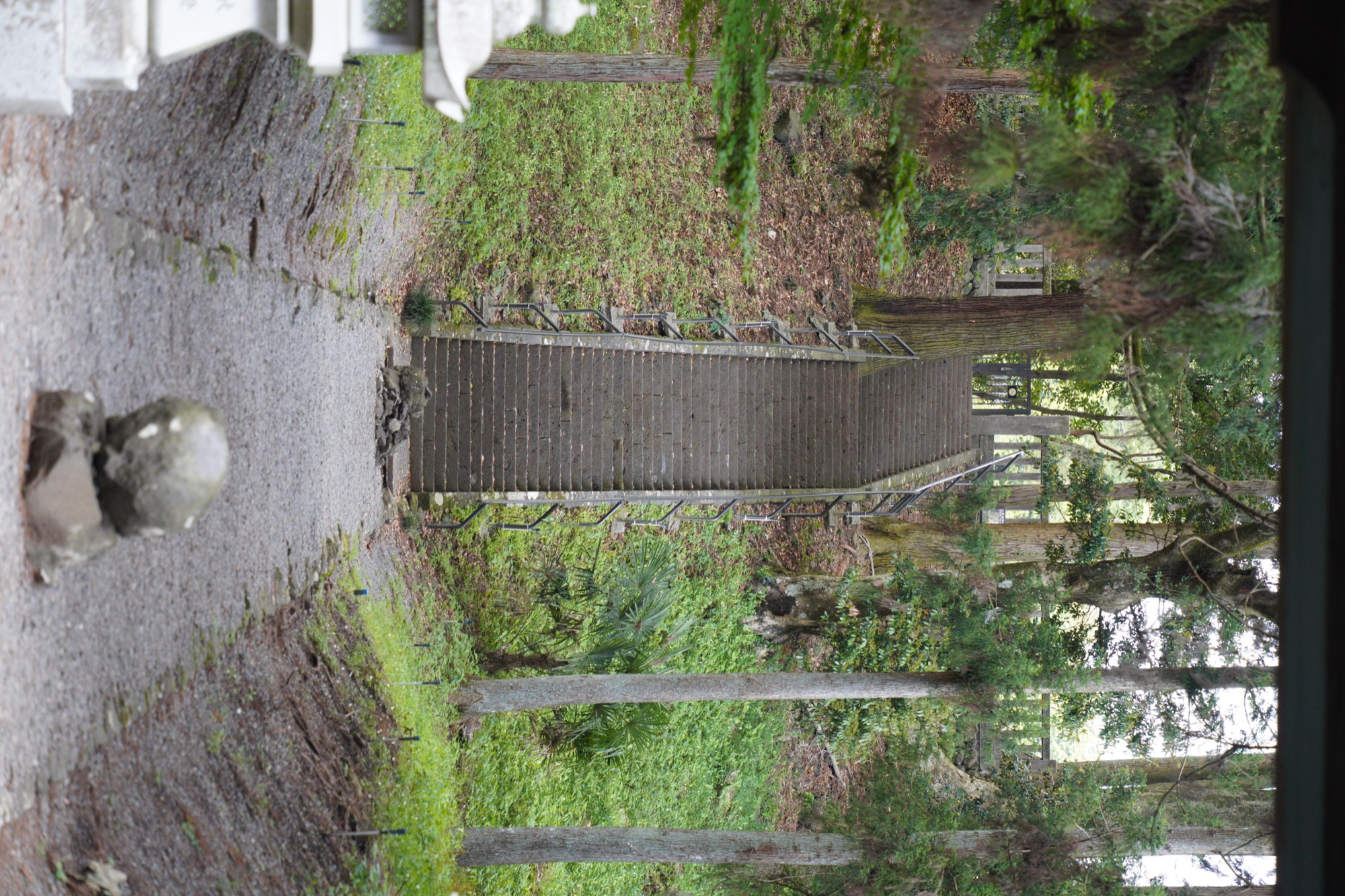
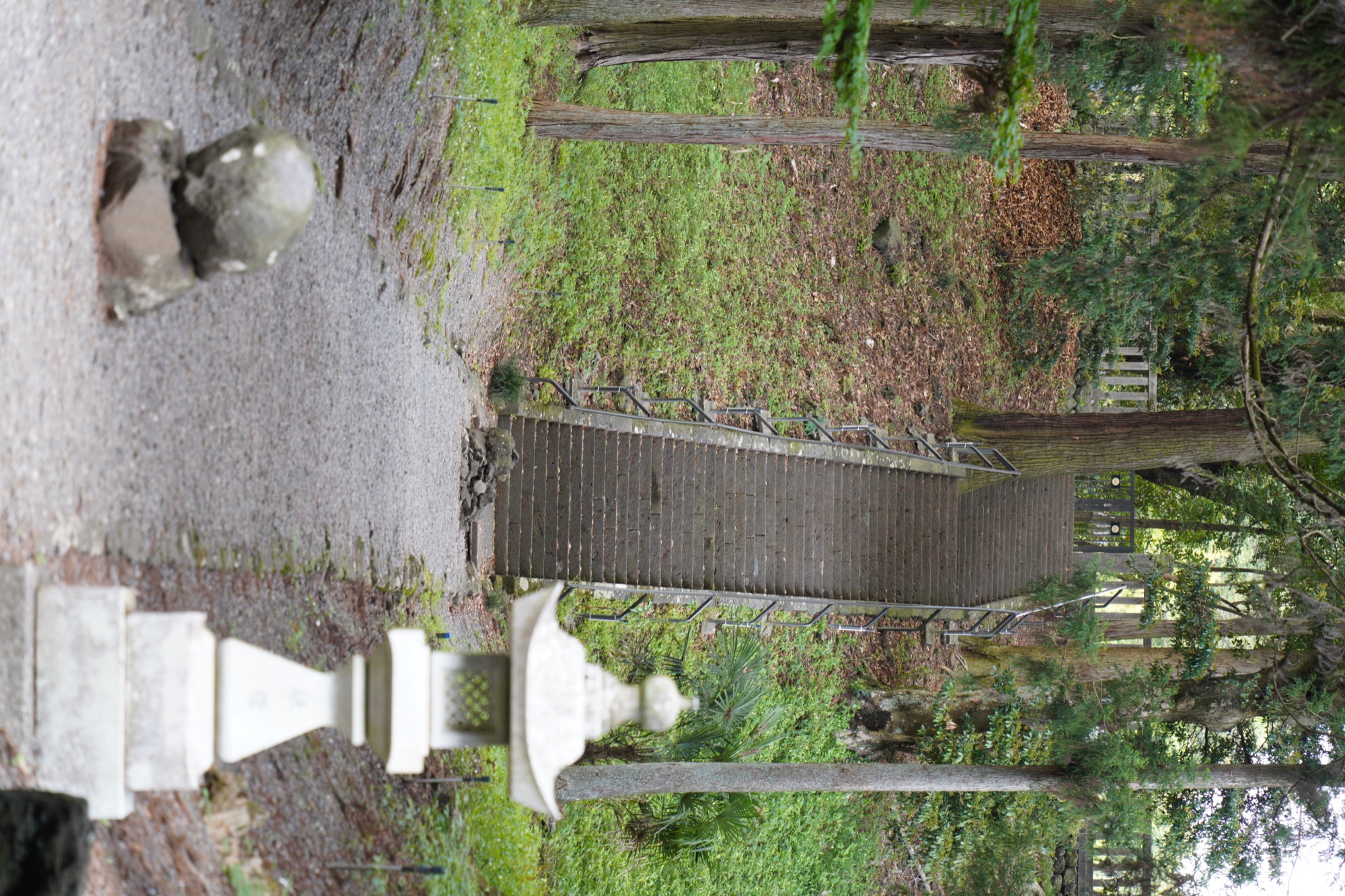
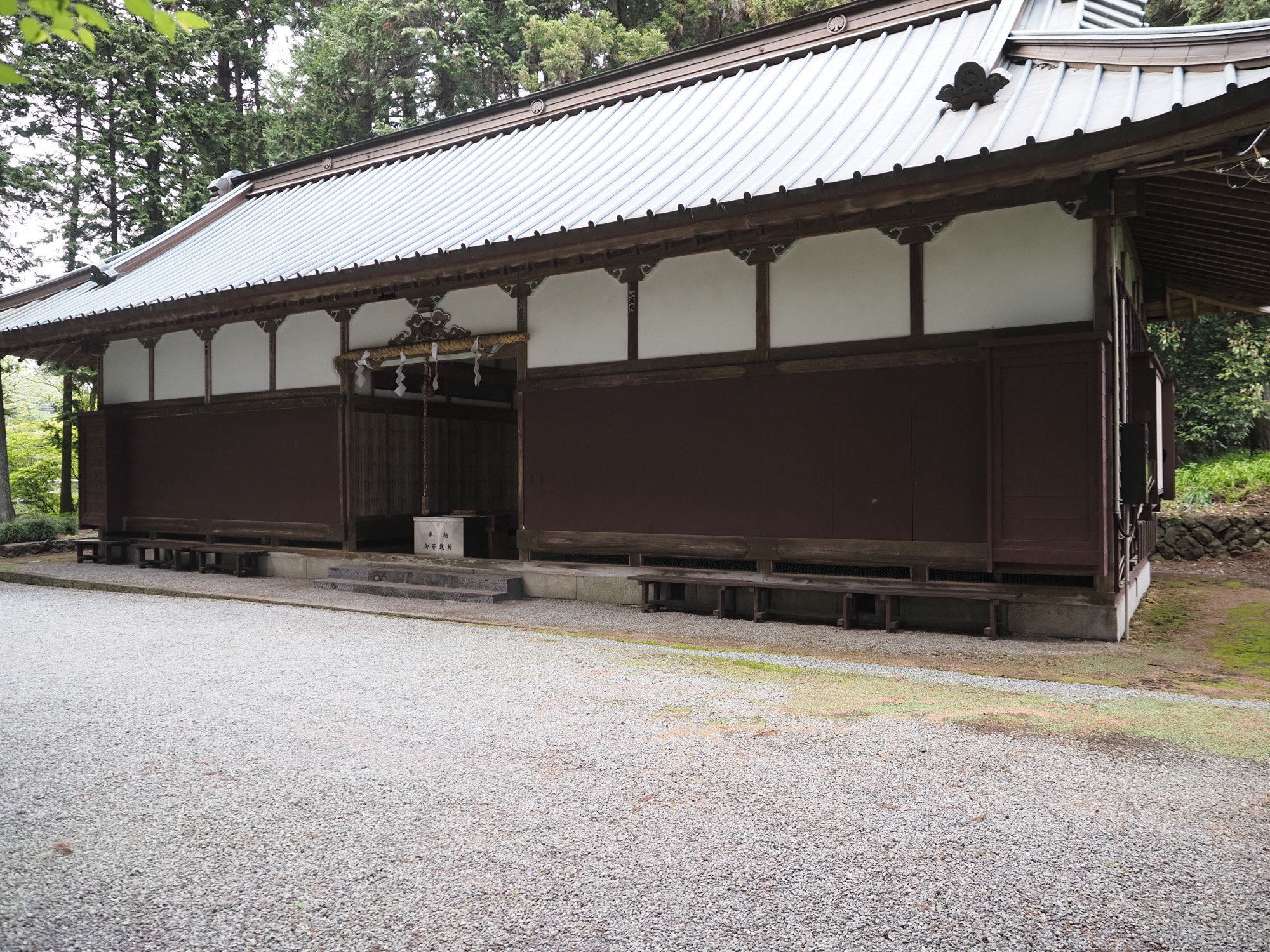
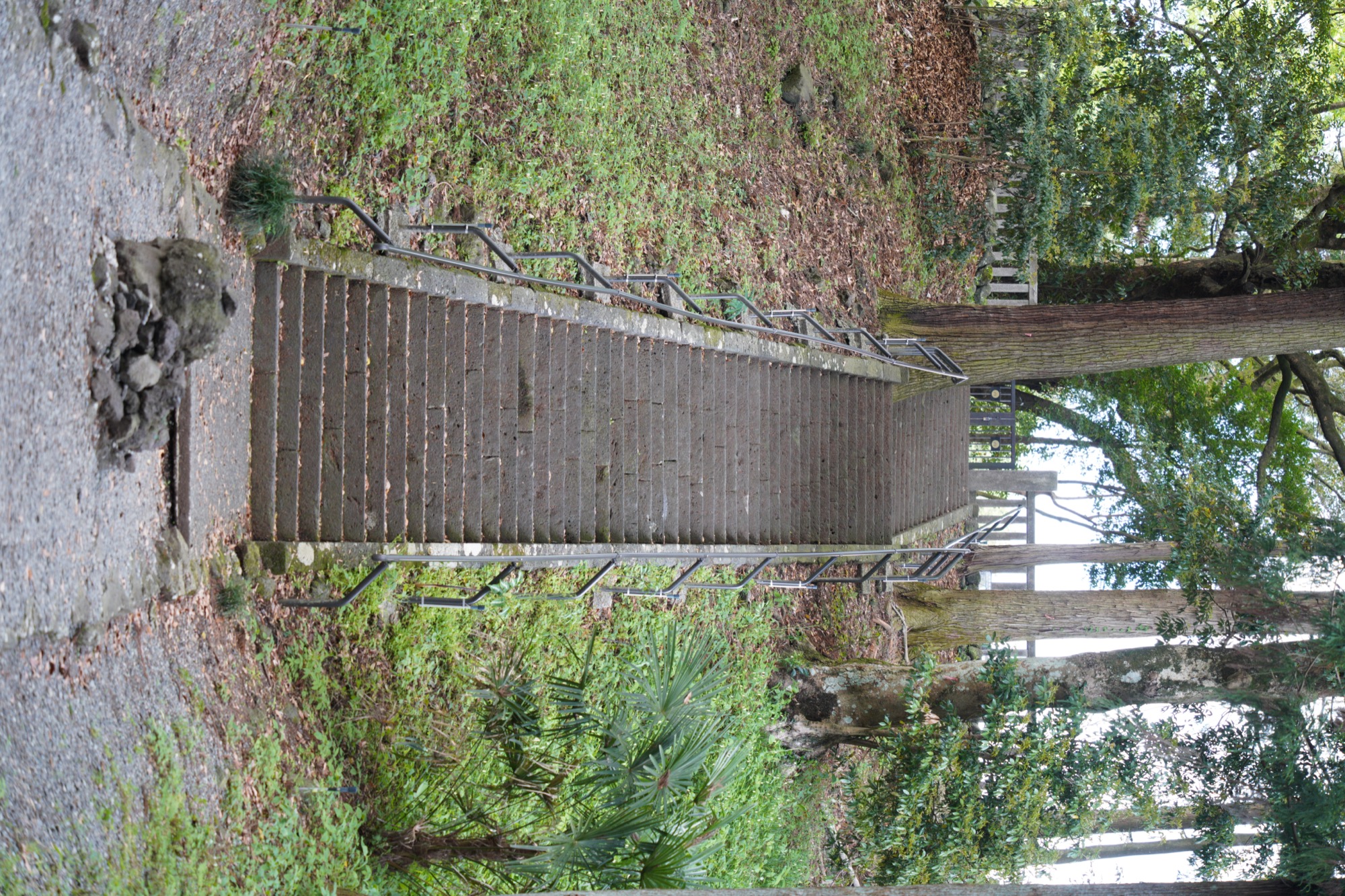
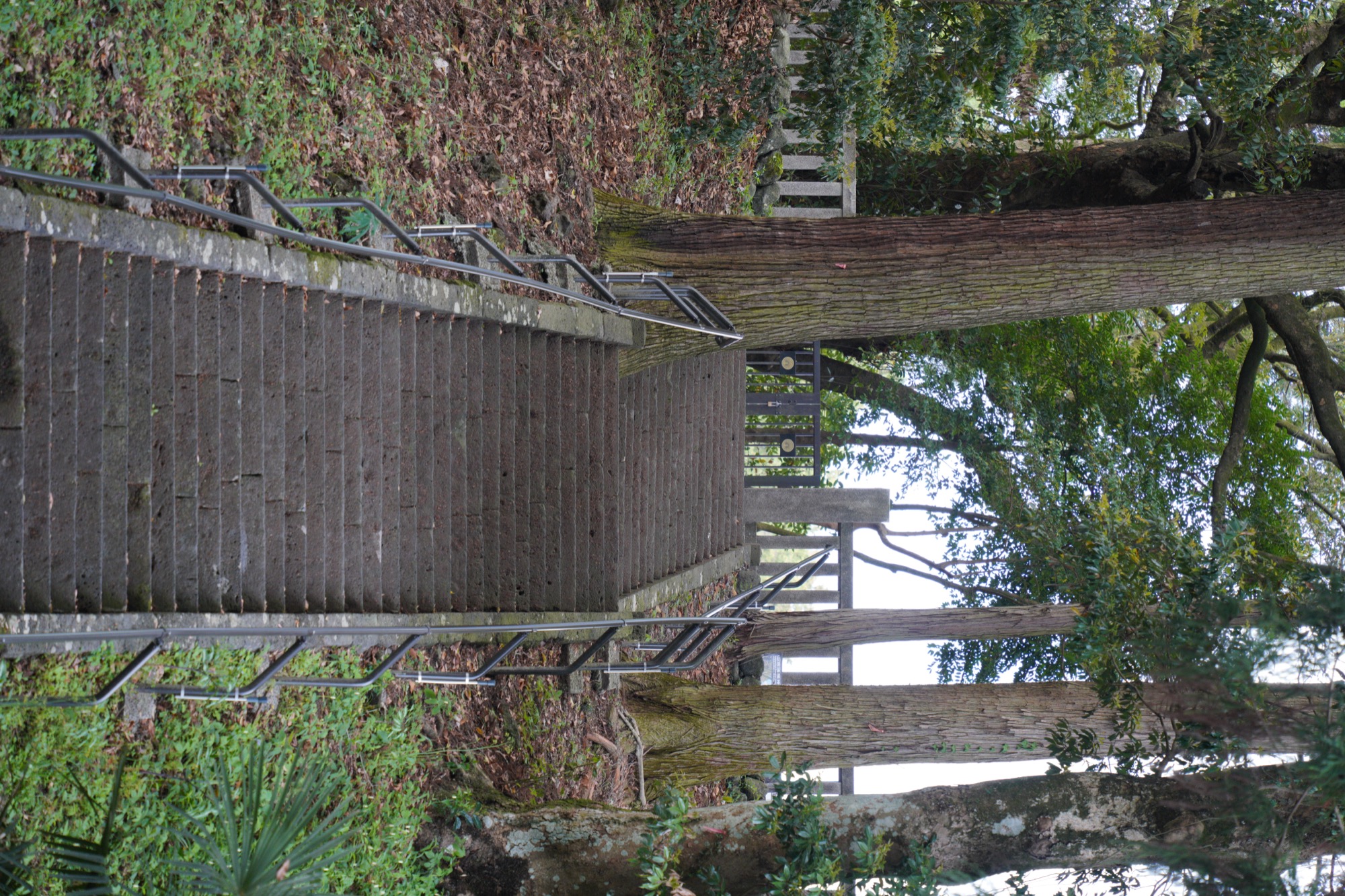
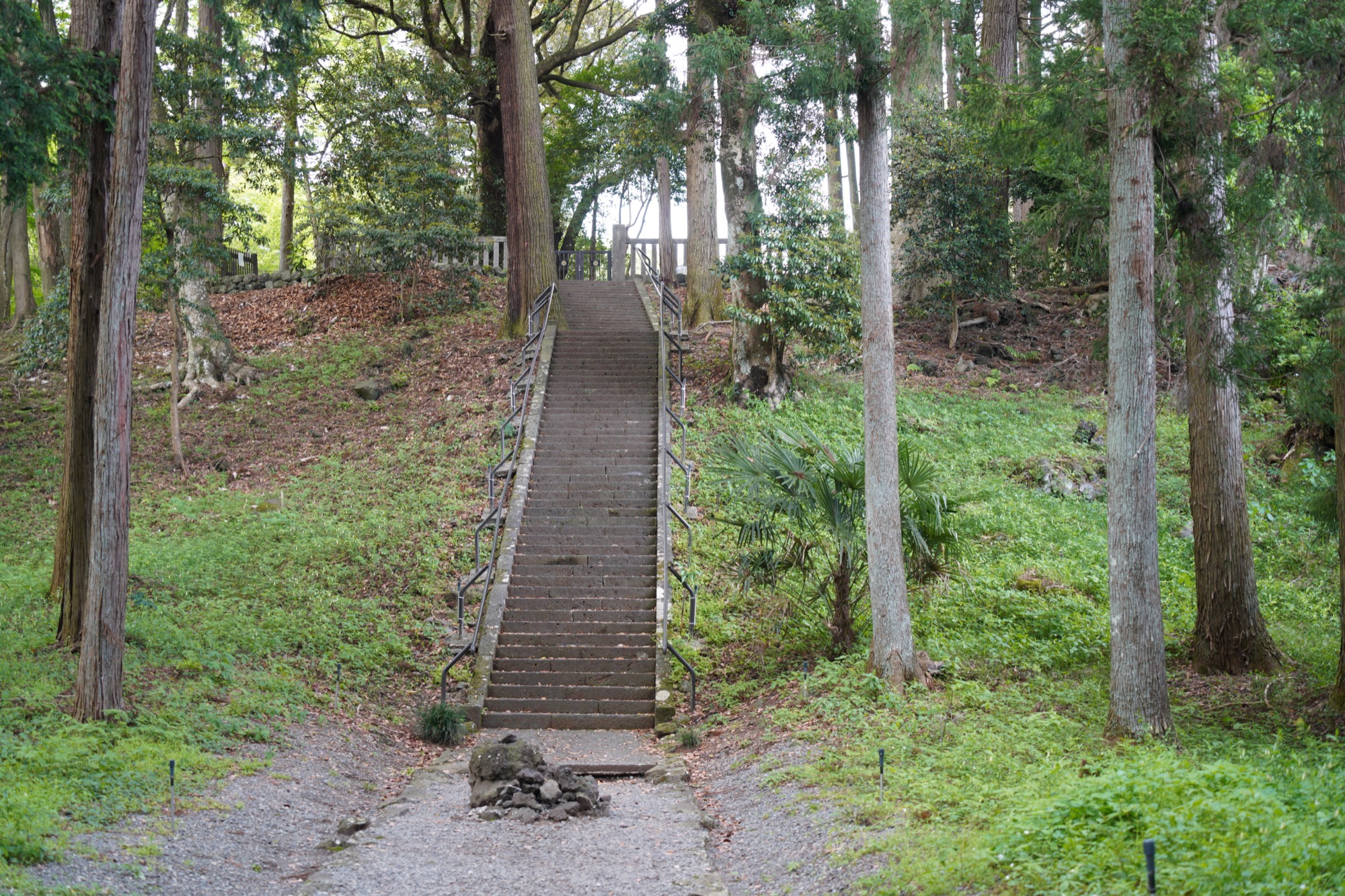
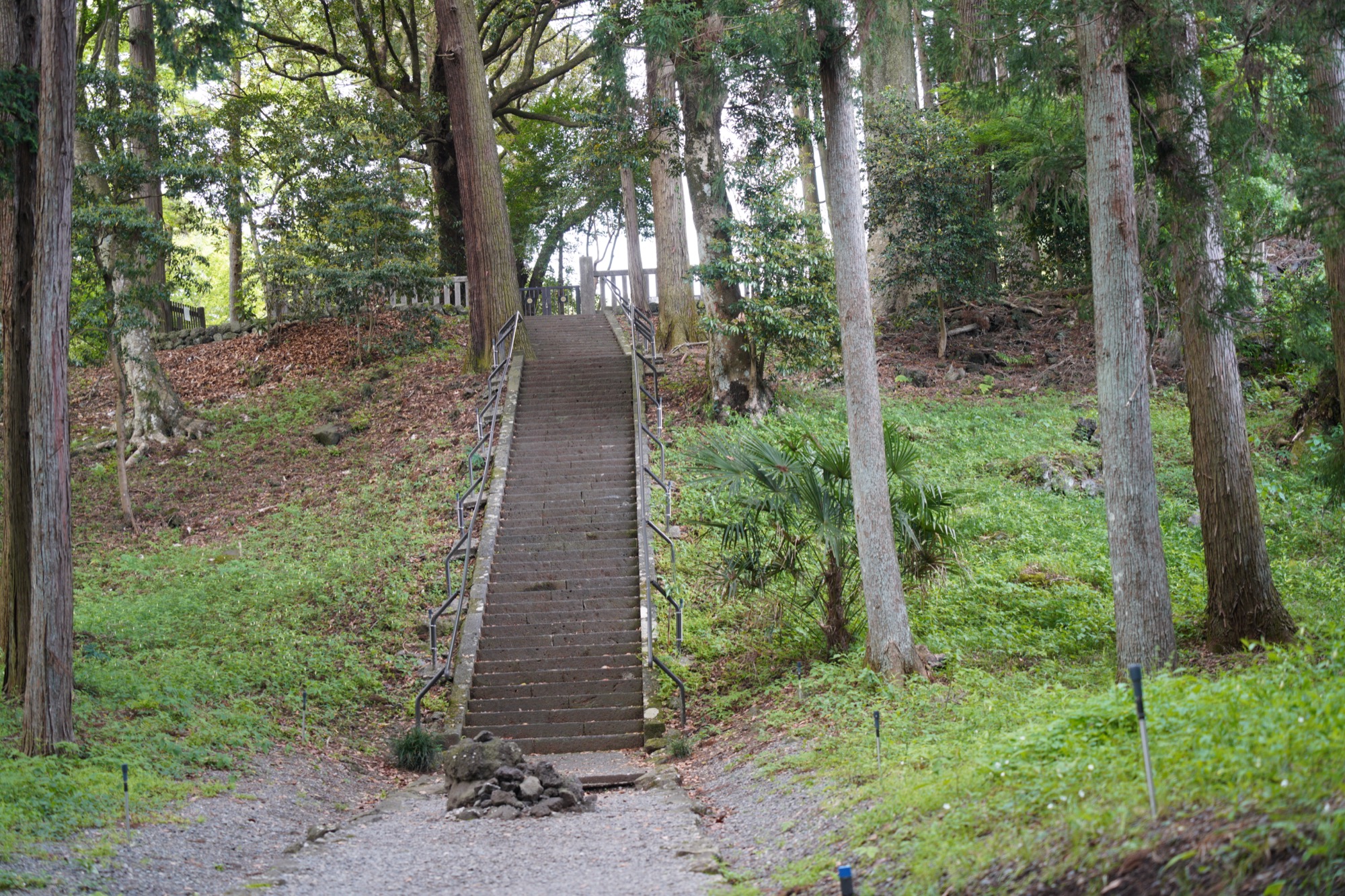
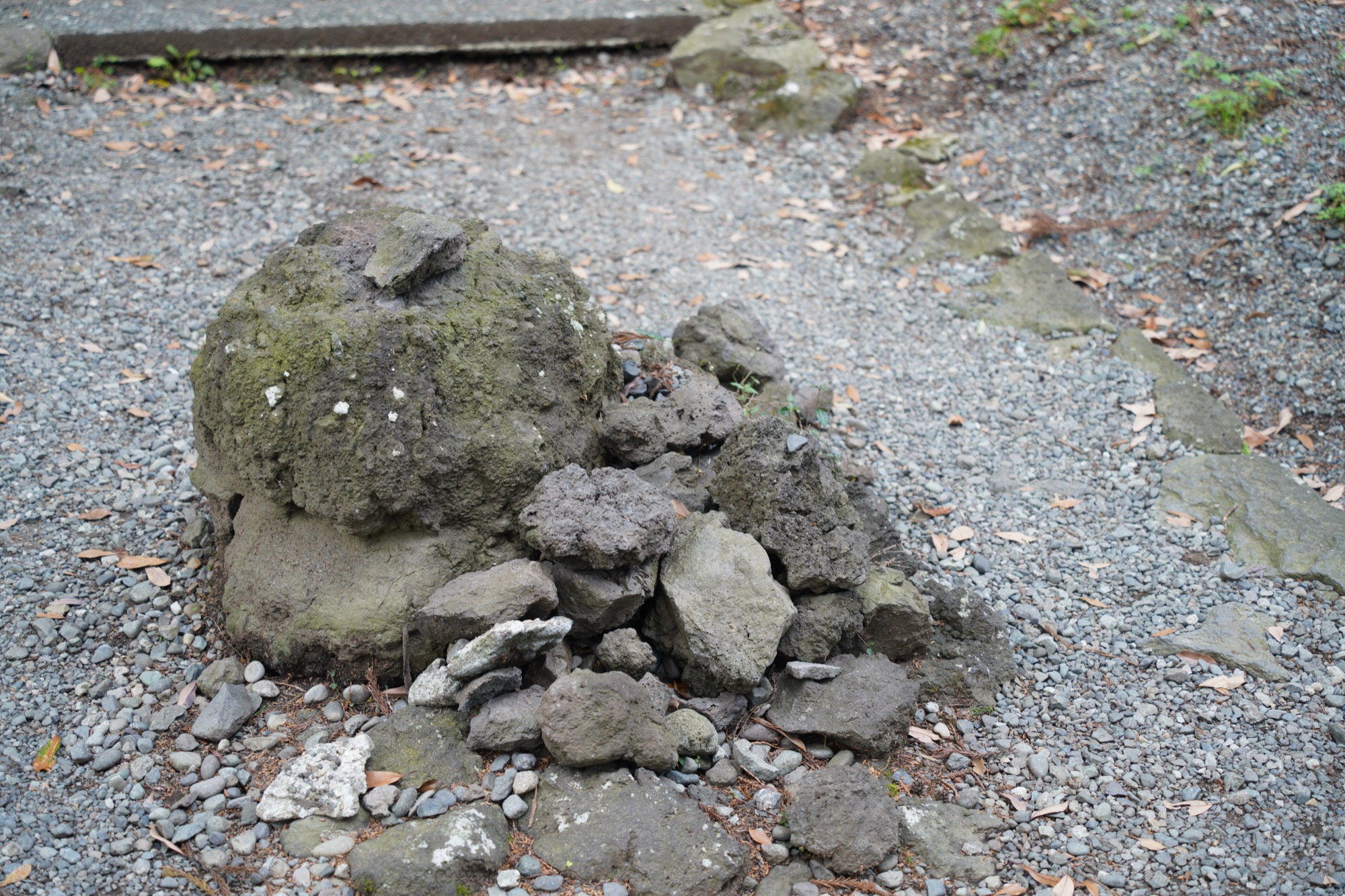
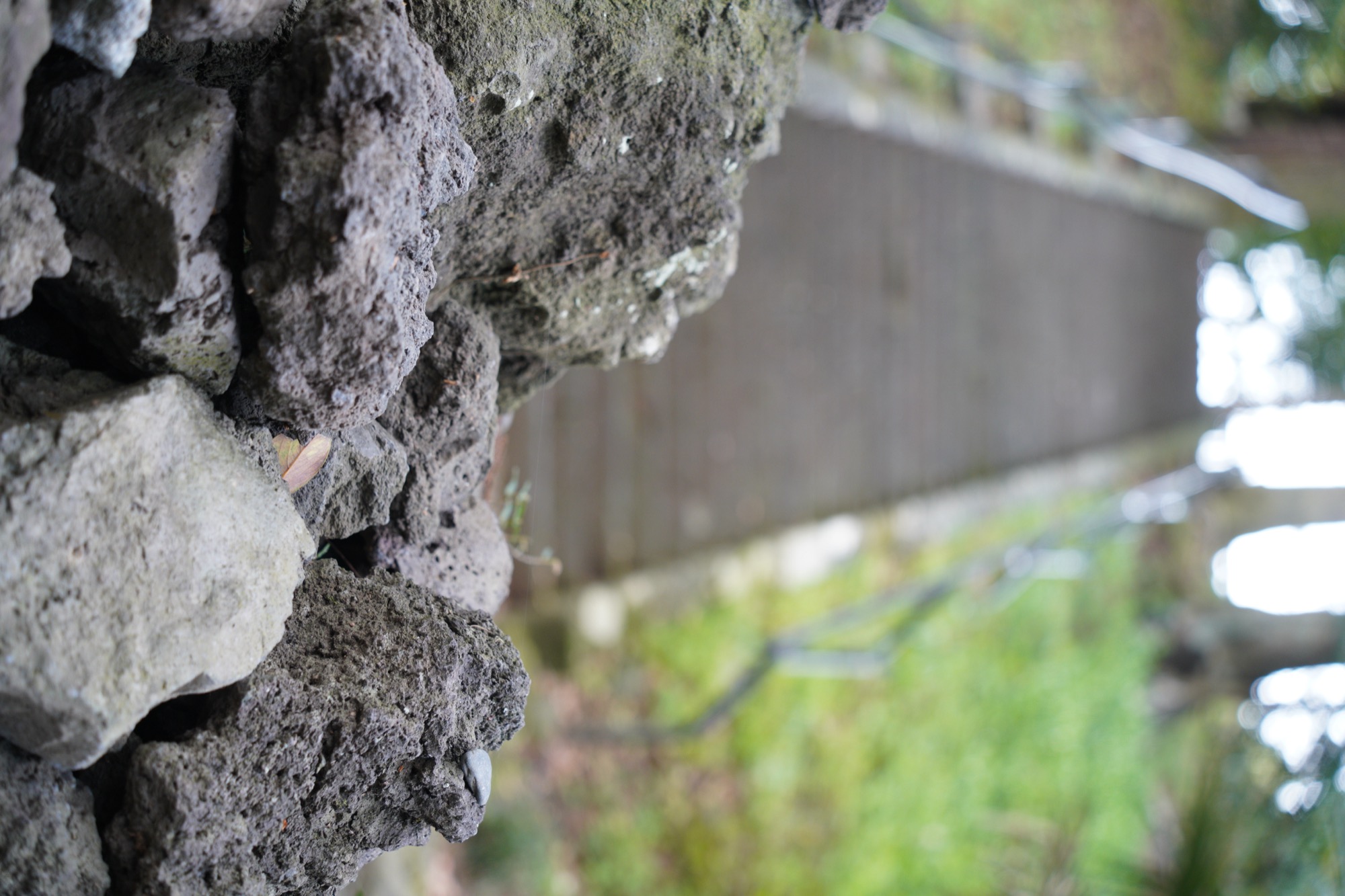
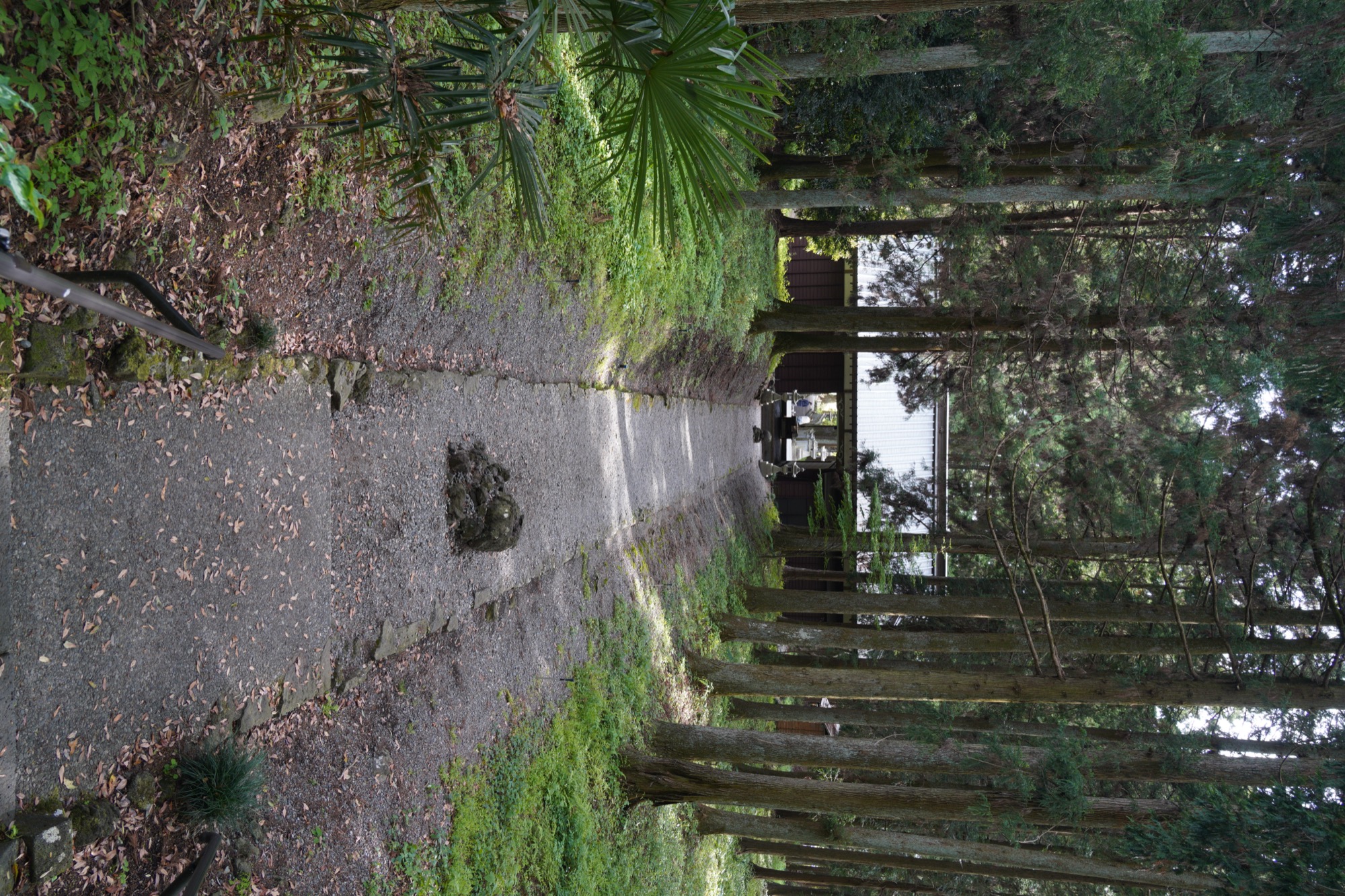
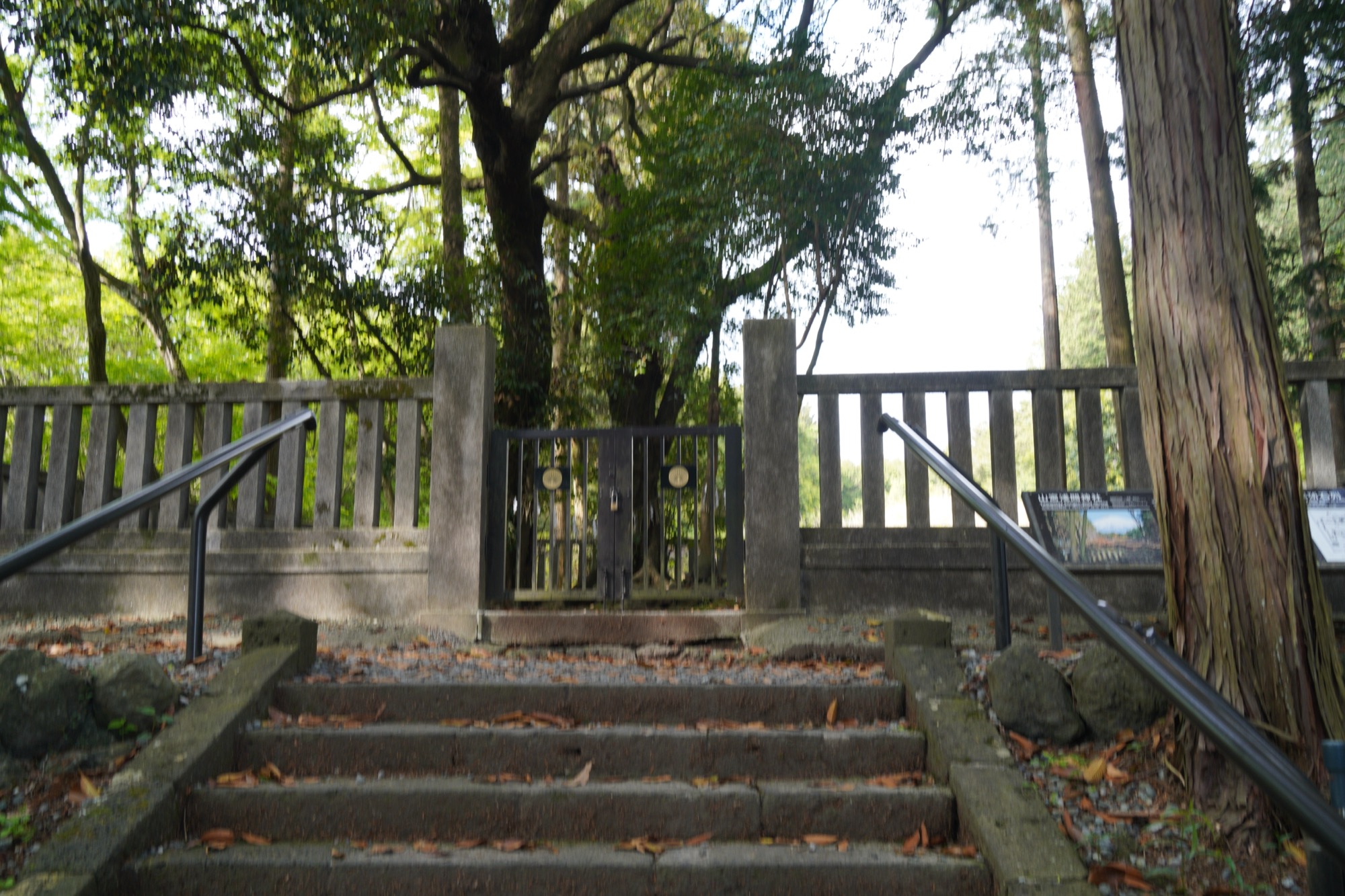
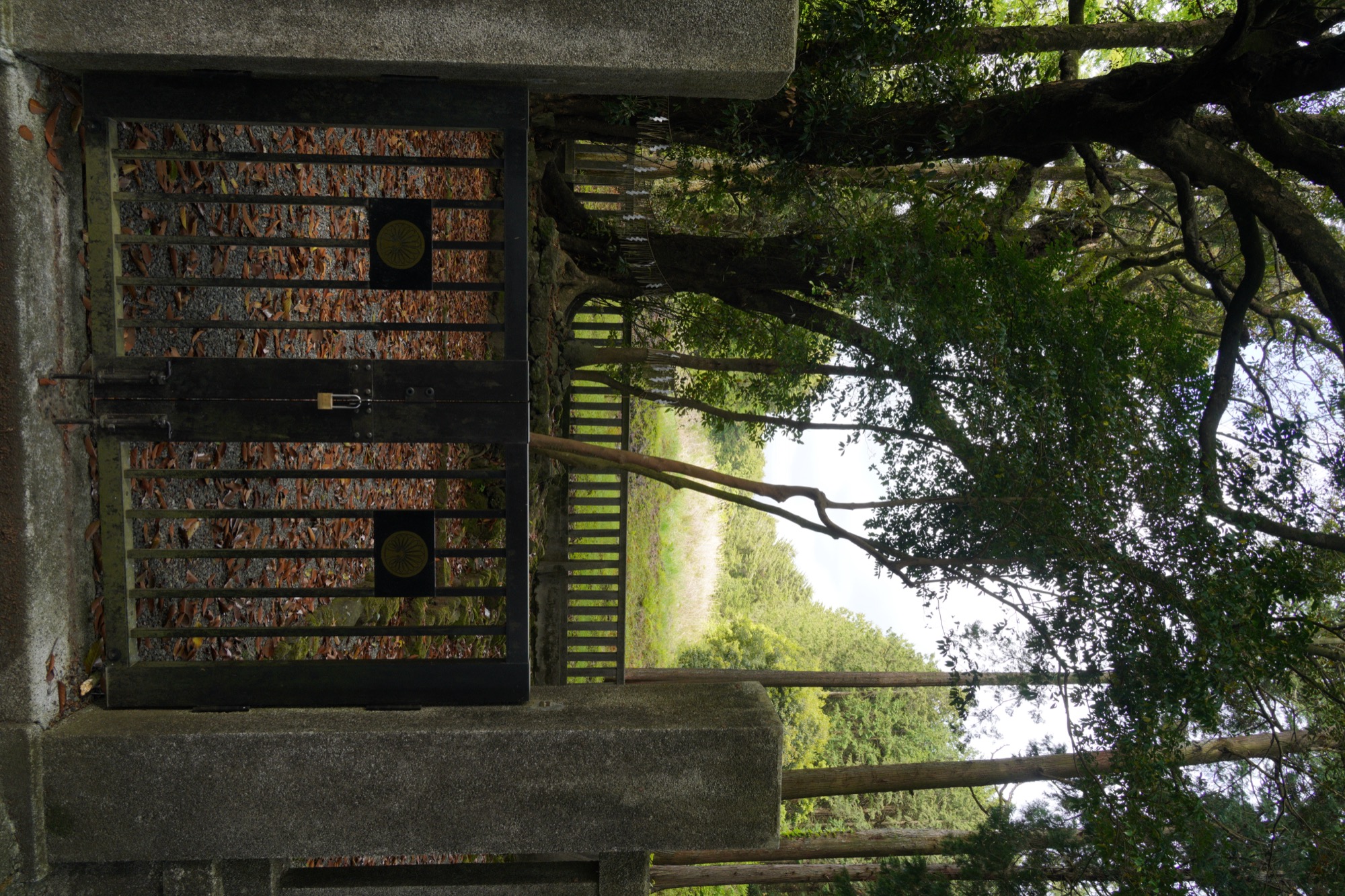
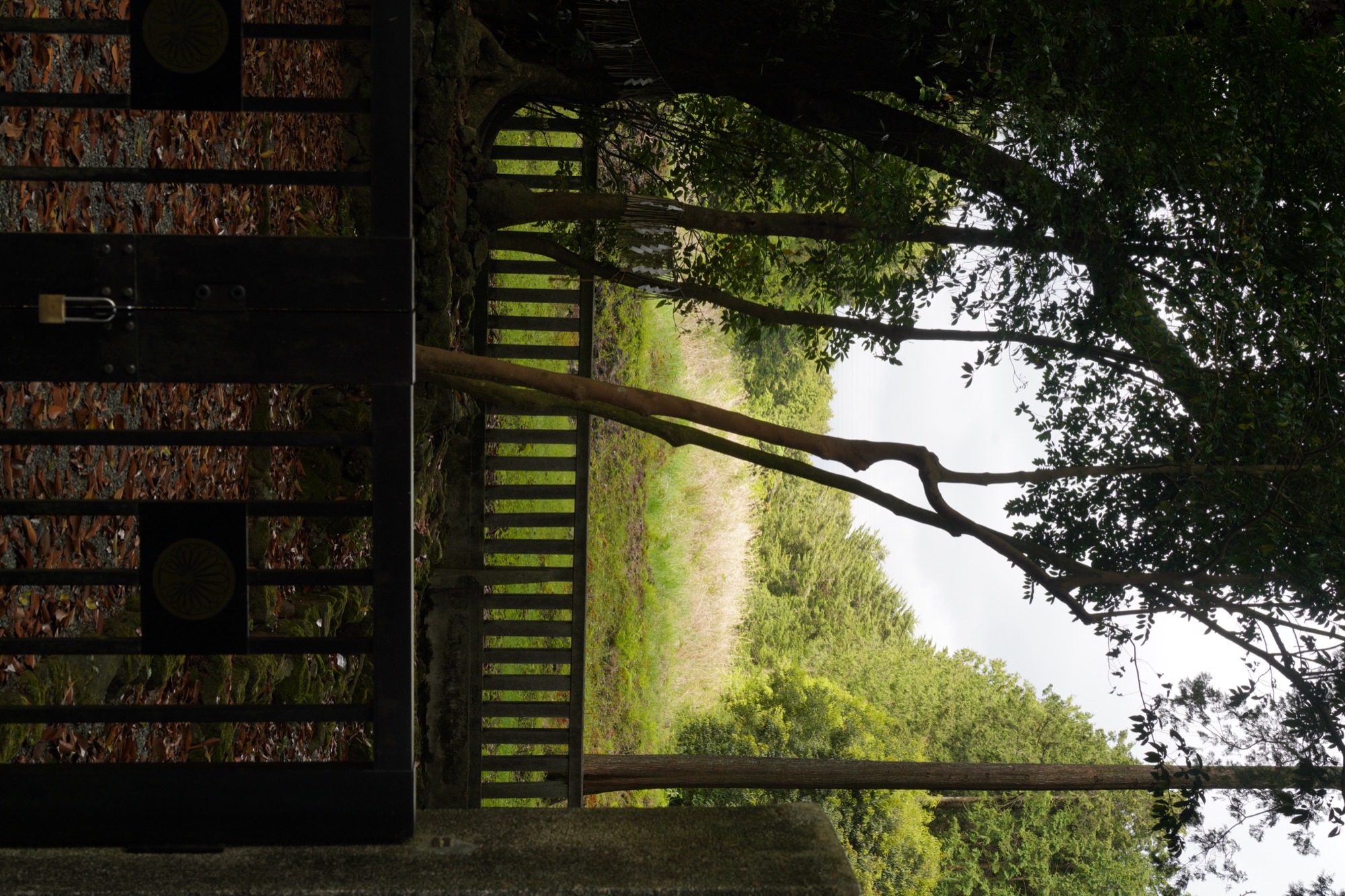
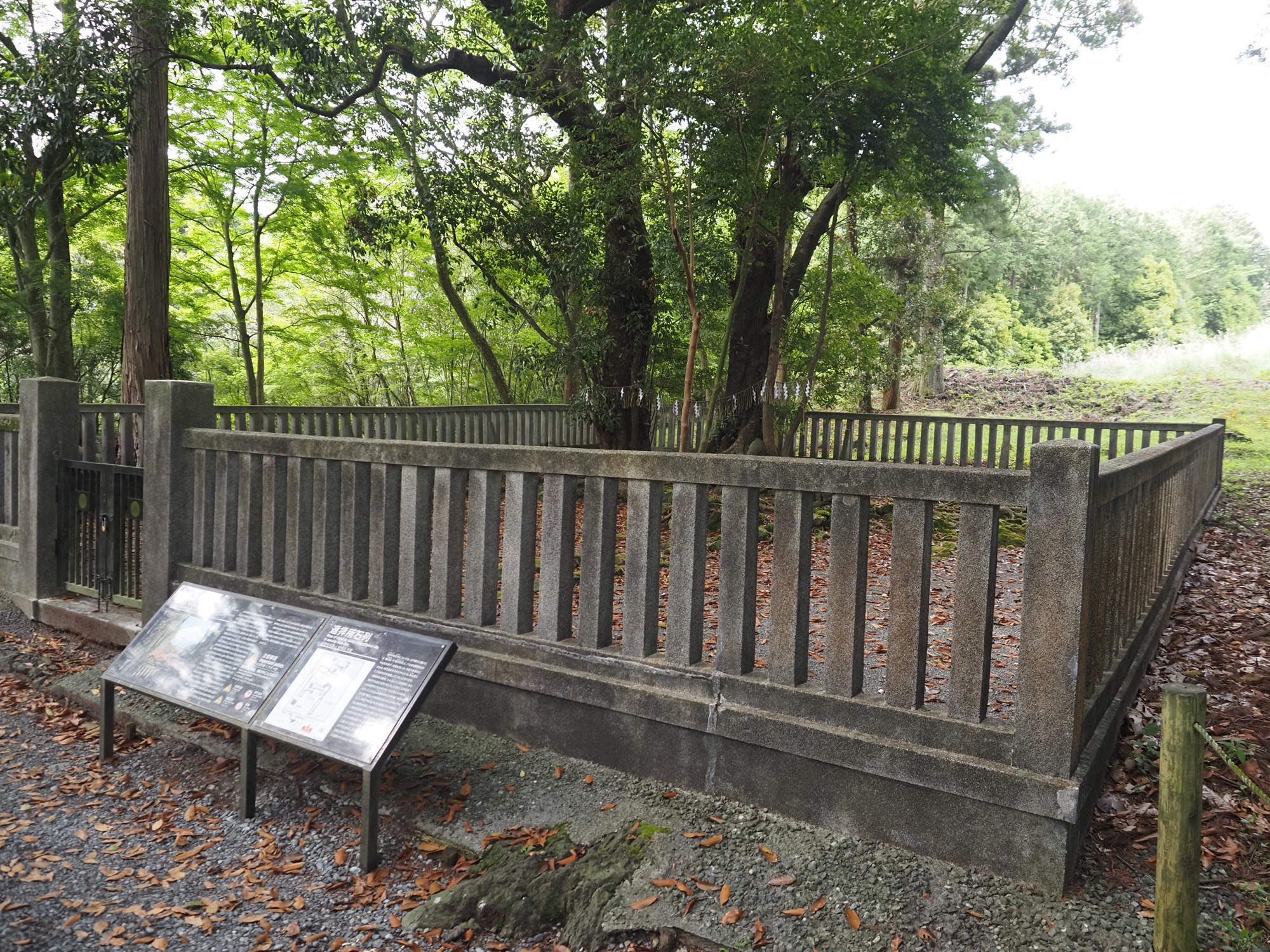
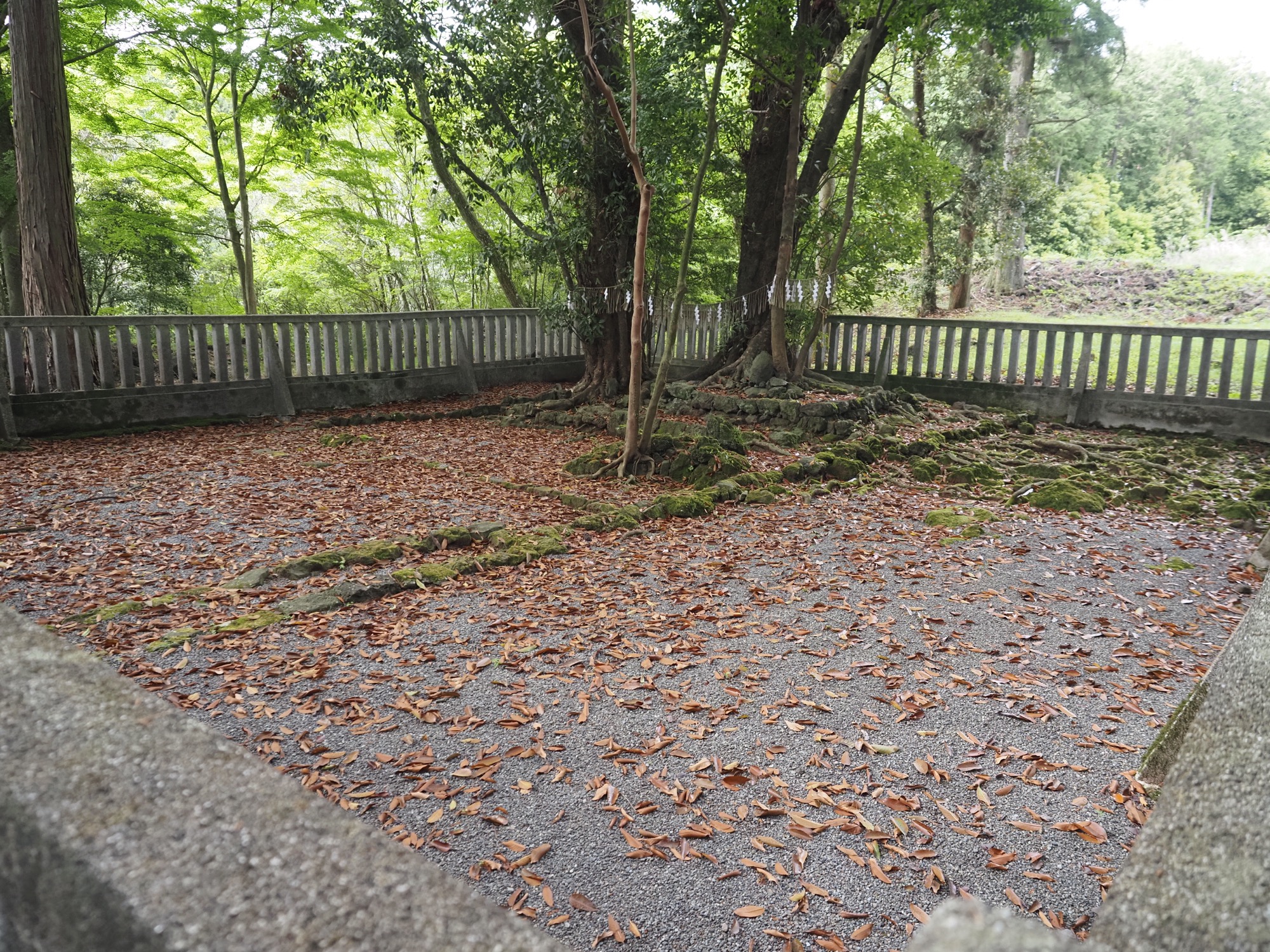
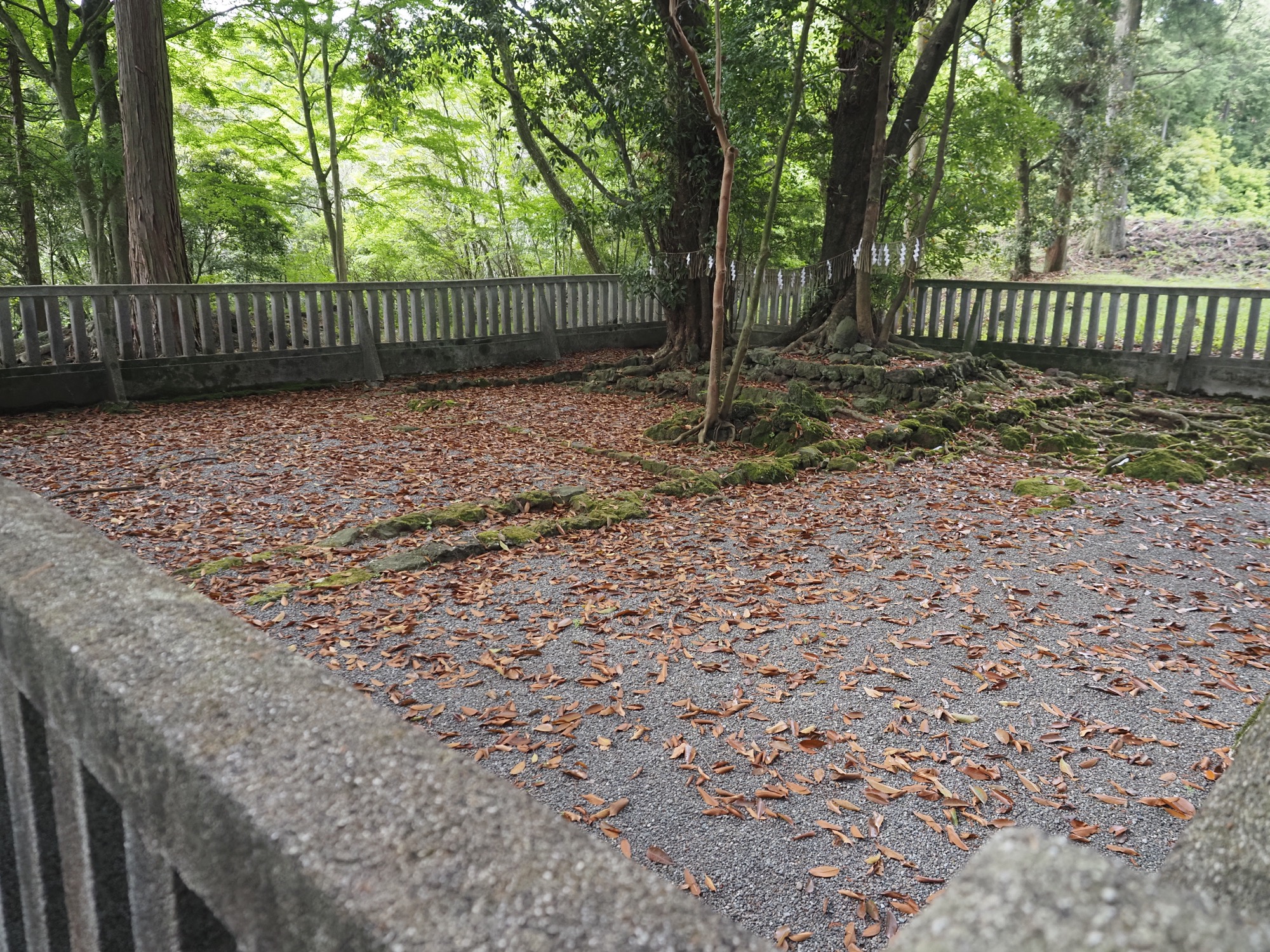
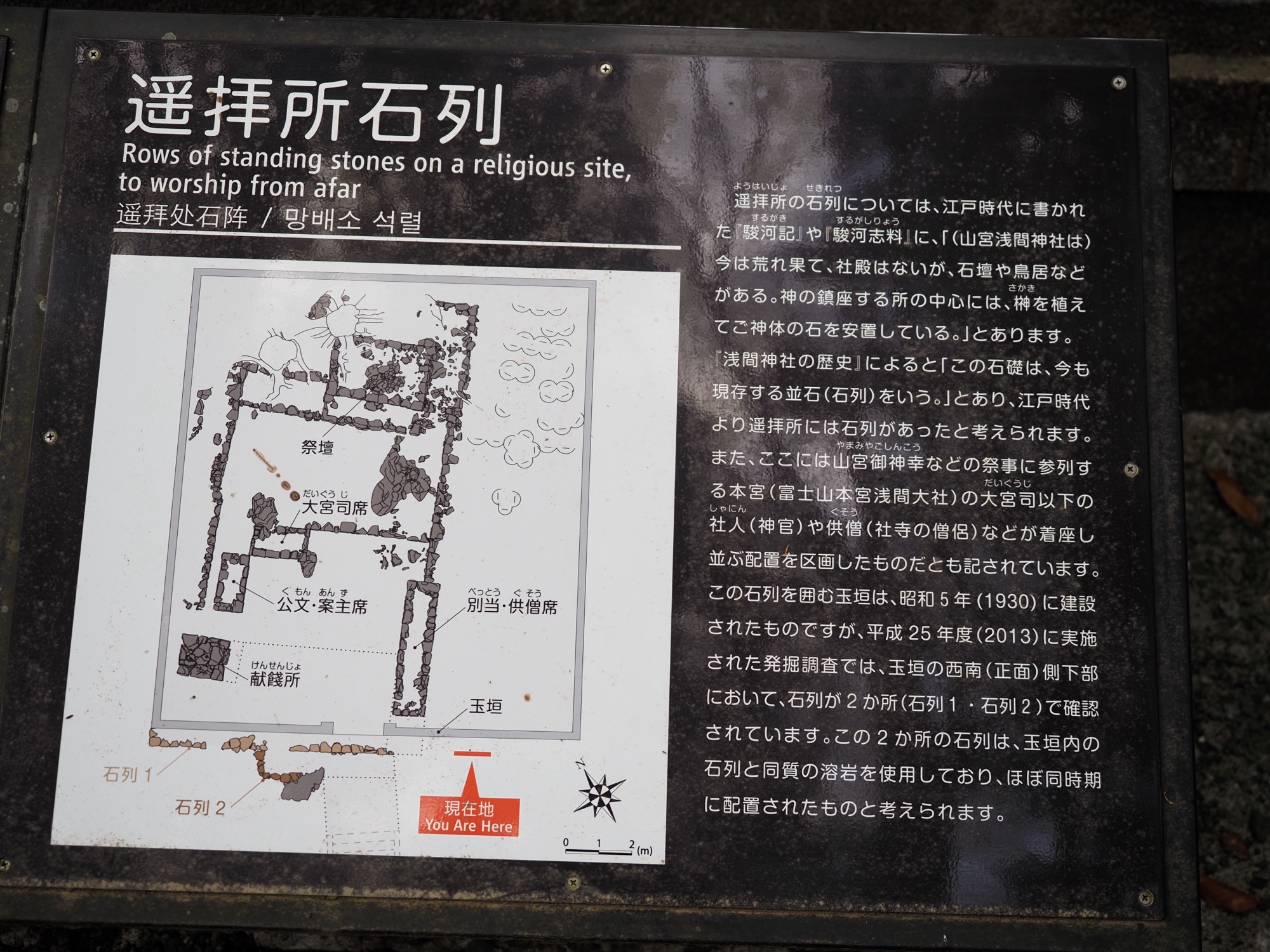
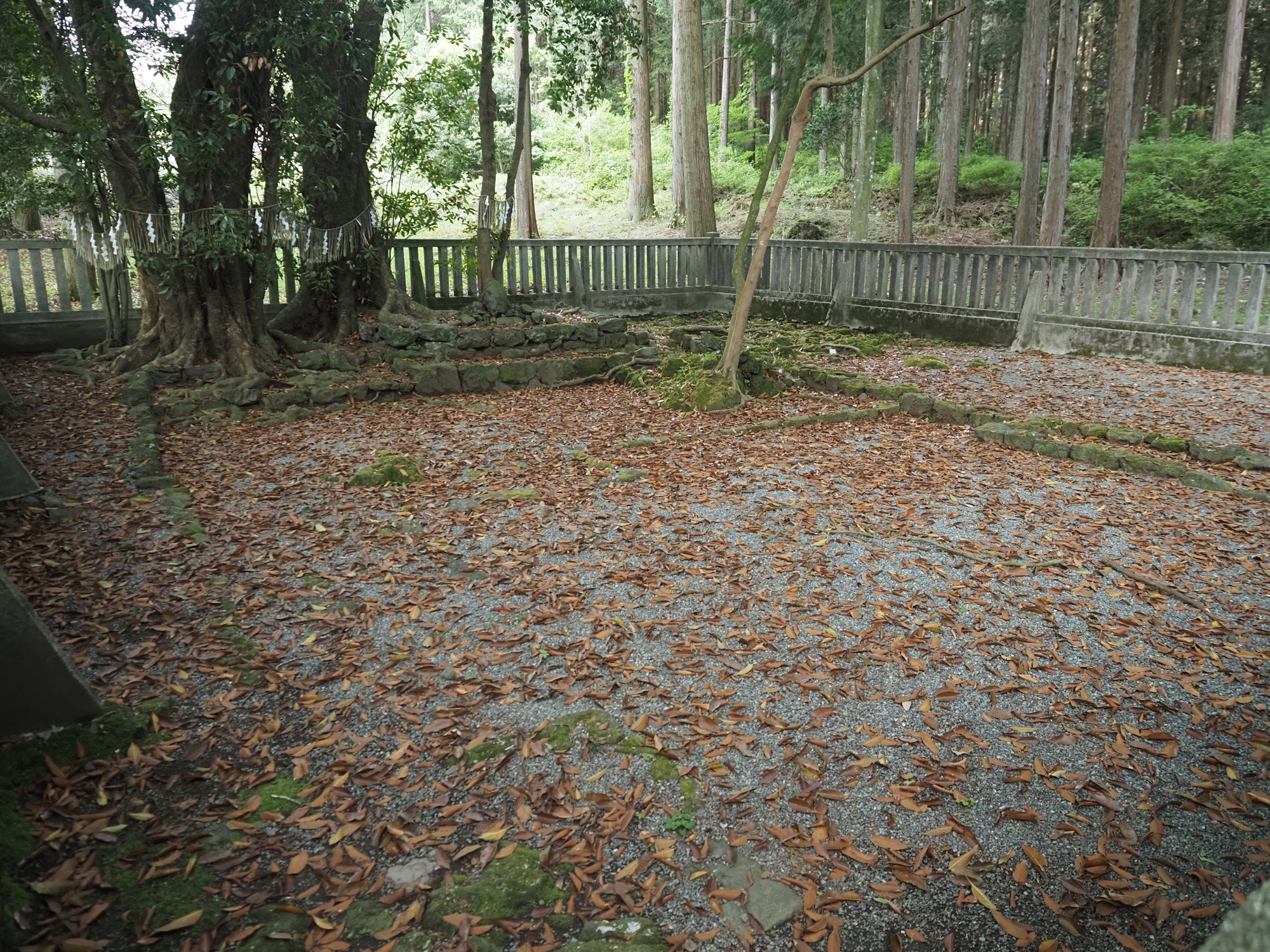
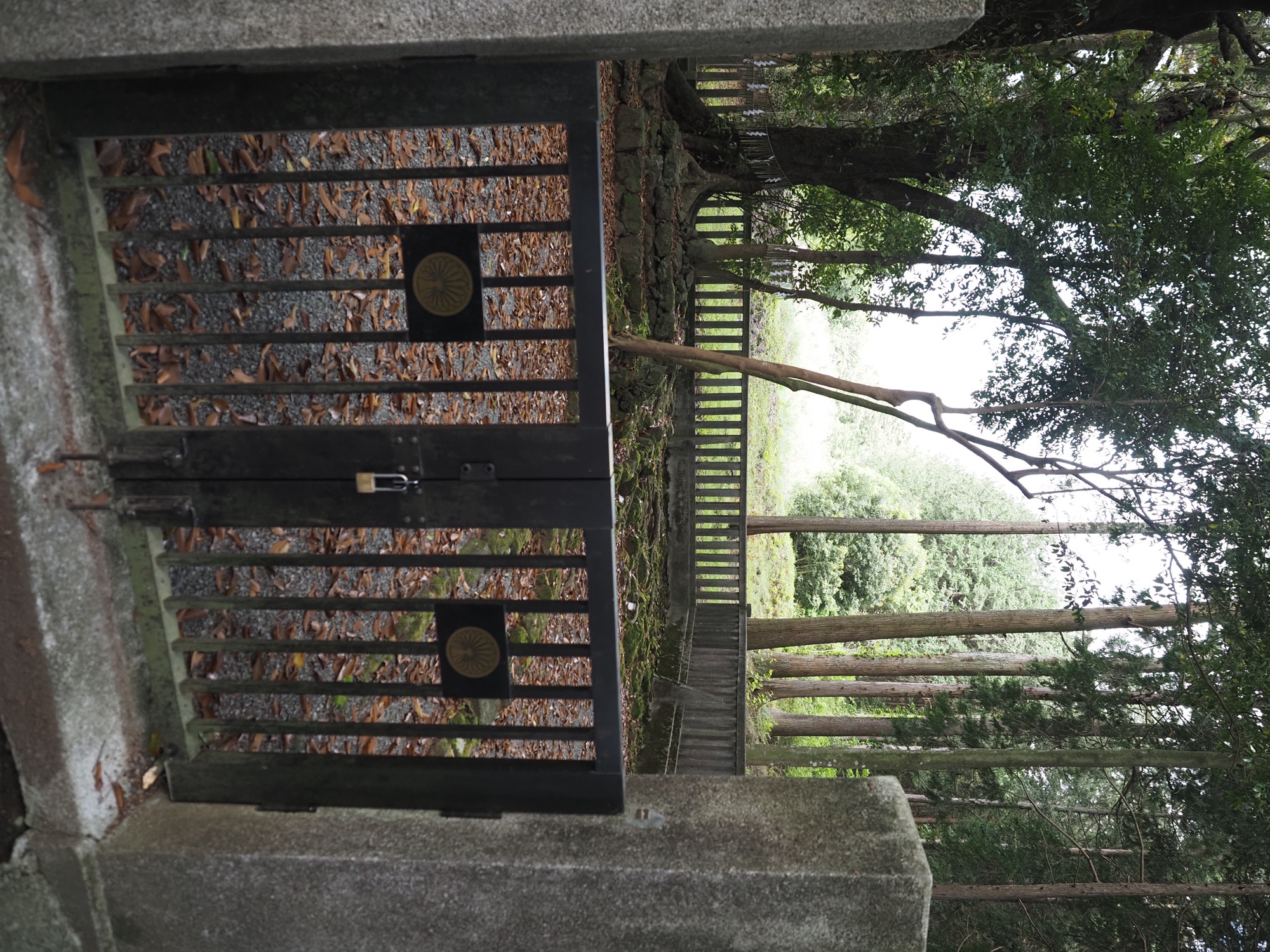
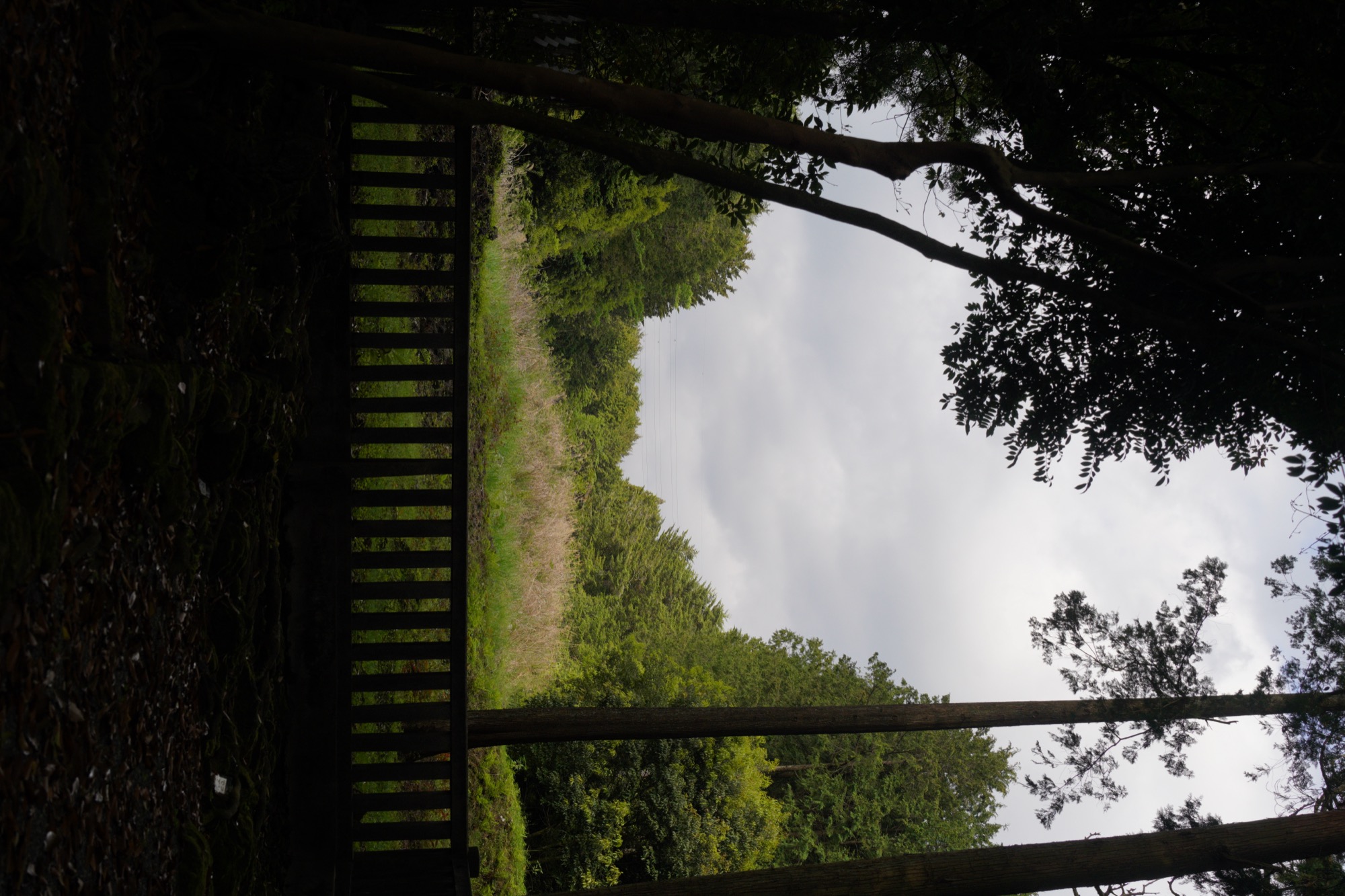
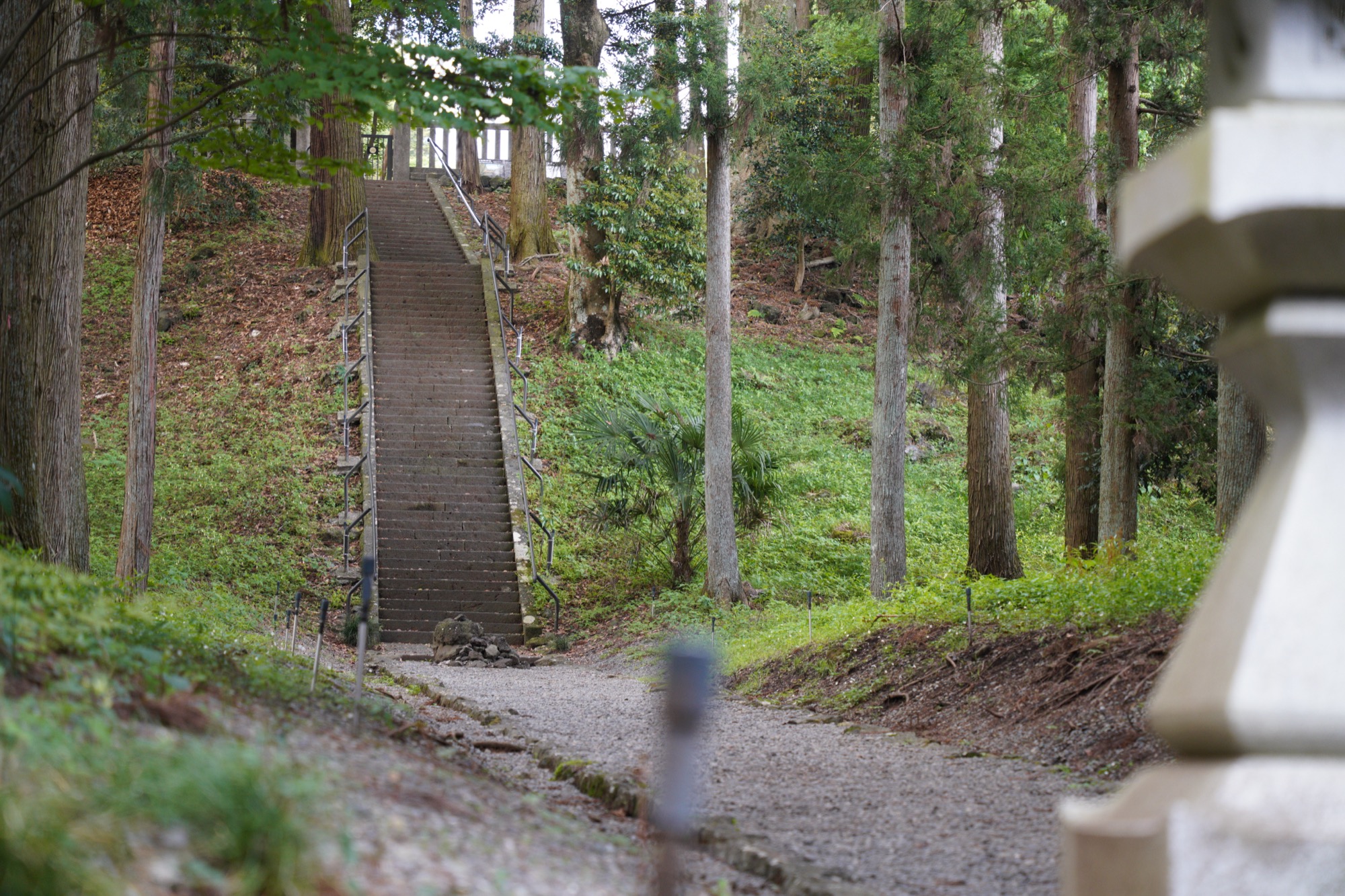
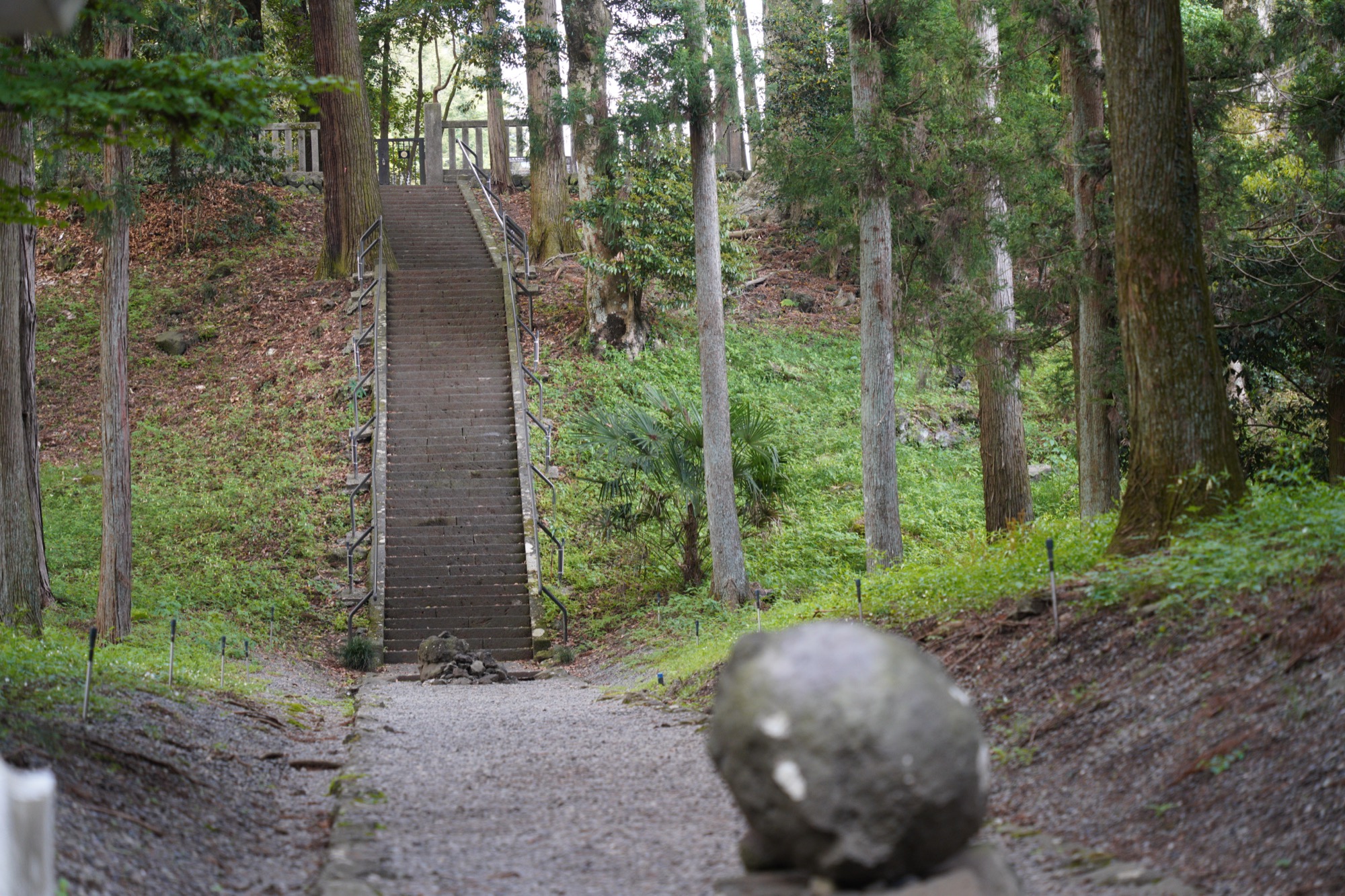
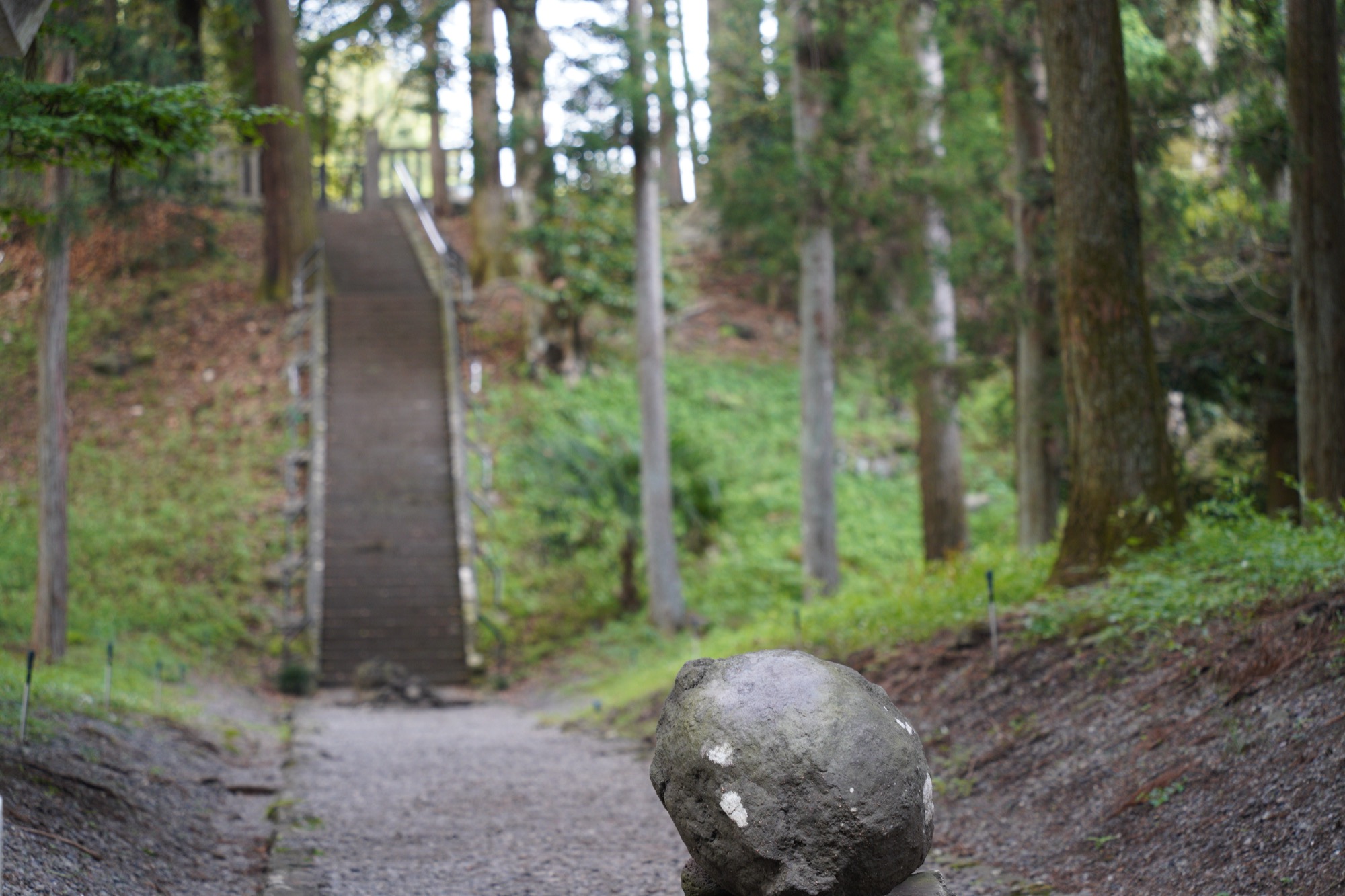
The shrine’s most striking feature is the absence of a main sanctuary building. At the terminus of the Aosawa lava flow, on ground commanding a direct view of Mt. Fuji, stands only a worship enclosure marked out by rows of stacked lava stones. Here the mountain itself is the object of veneration — a primordial form of nature worship preserved almost unaltered. Tradition holds that any building raised on the spot would be toppled by the wind, and the taboo against construction has long been maintained.
The bond with the head shrine is most vividly expressed in the Yamamiya Goshinkō, a ritual procession in which the deity returned from Sengen Taisha to Yamamiya. Records confirm the rite was already performed in the Sengoku period: a sacred hoko staff bearing the deity’s spirit was carried to the altar at Yamamiya each April and November, where Mt. Fuji was worshipped directly.
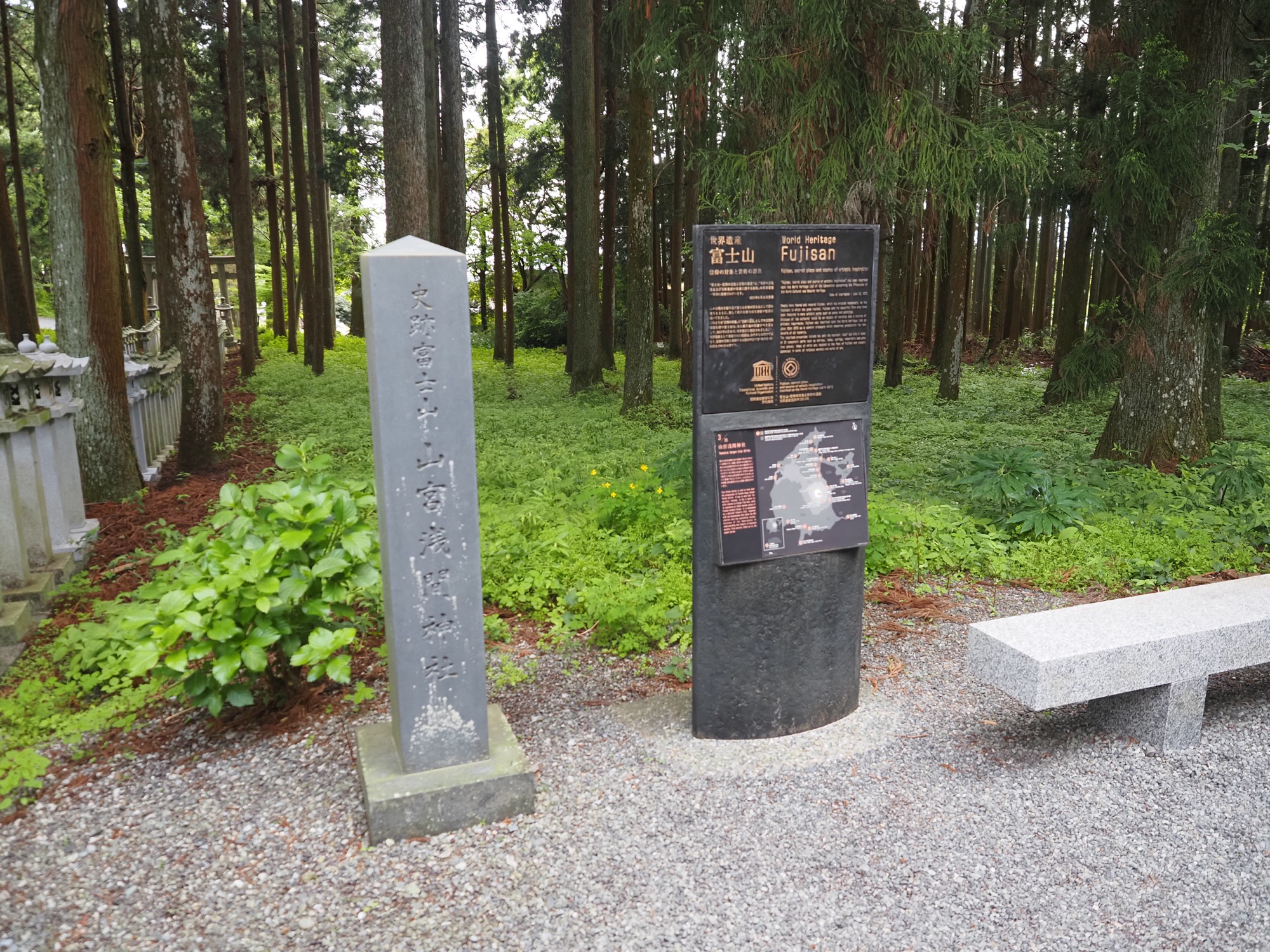
In 2013 the shrine was inscribed as a component of the UNESCO World Heritage property Fujisan: Sacred Place and Source of Artistic Inspiration. Standing in the stone enclosure as Fuji rises beyond, one faces the oldest form of the Japanese relationship with the sacred peak — prayer before architecture.