Lake Yamanaka
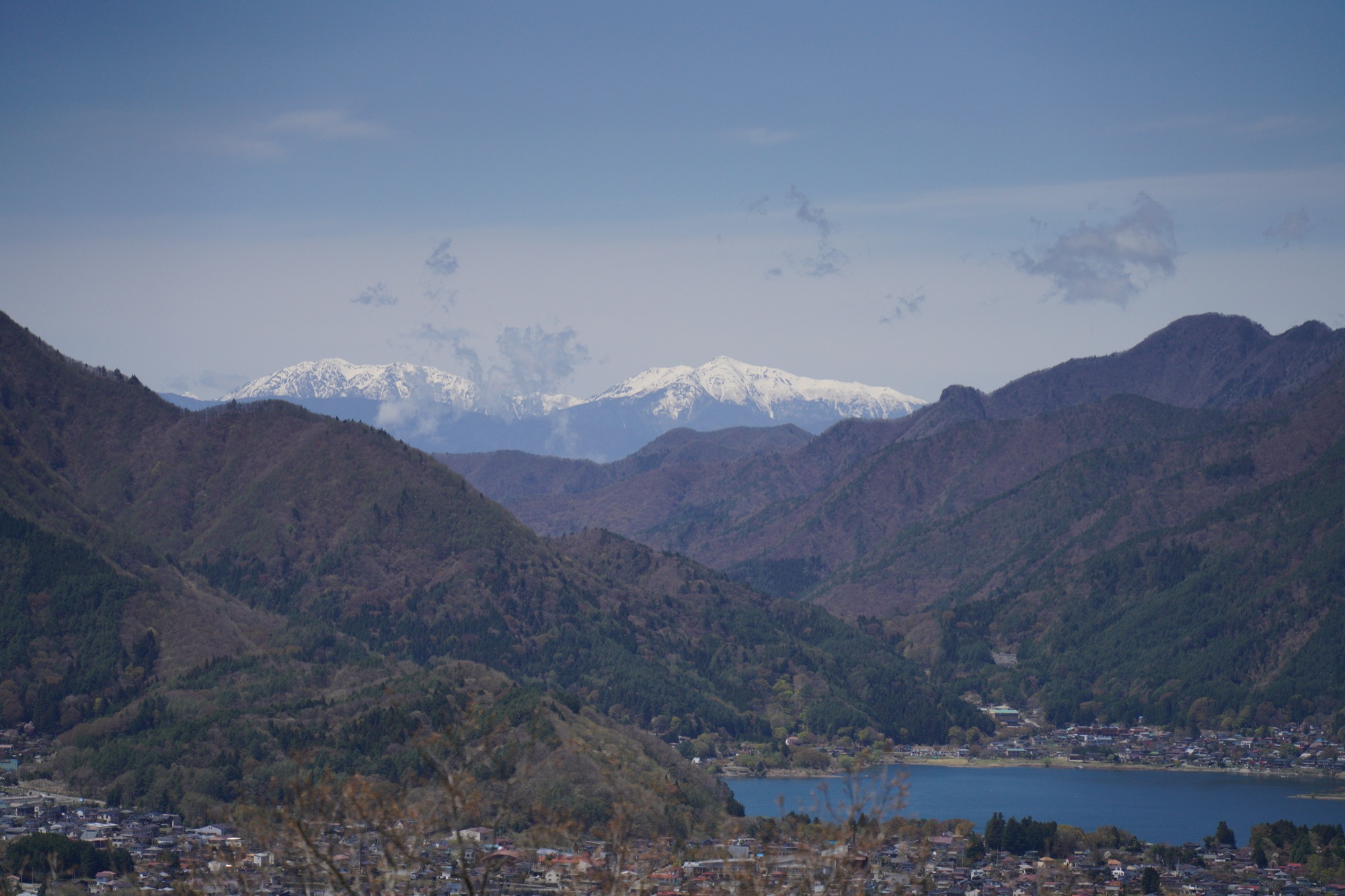
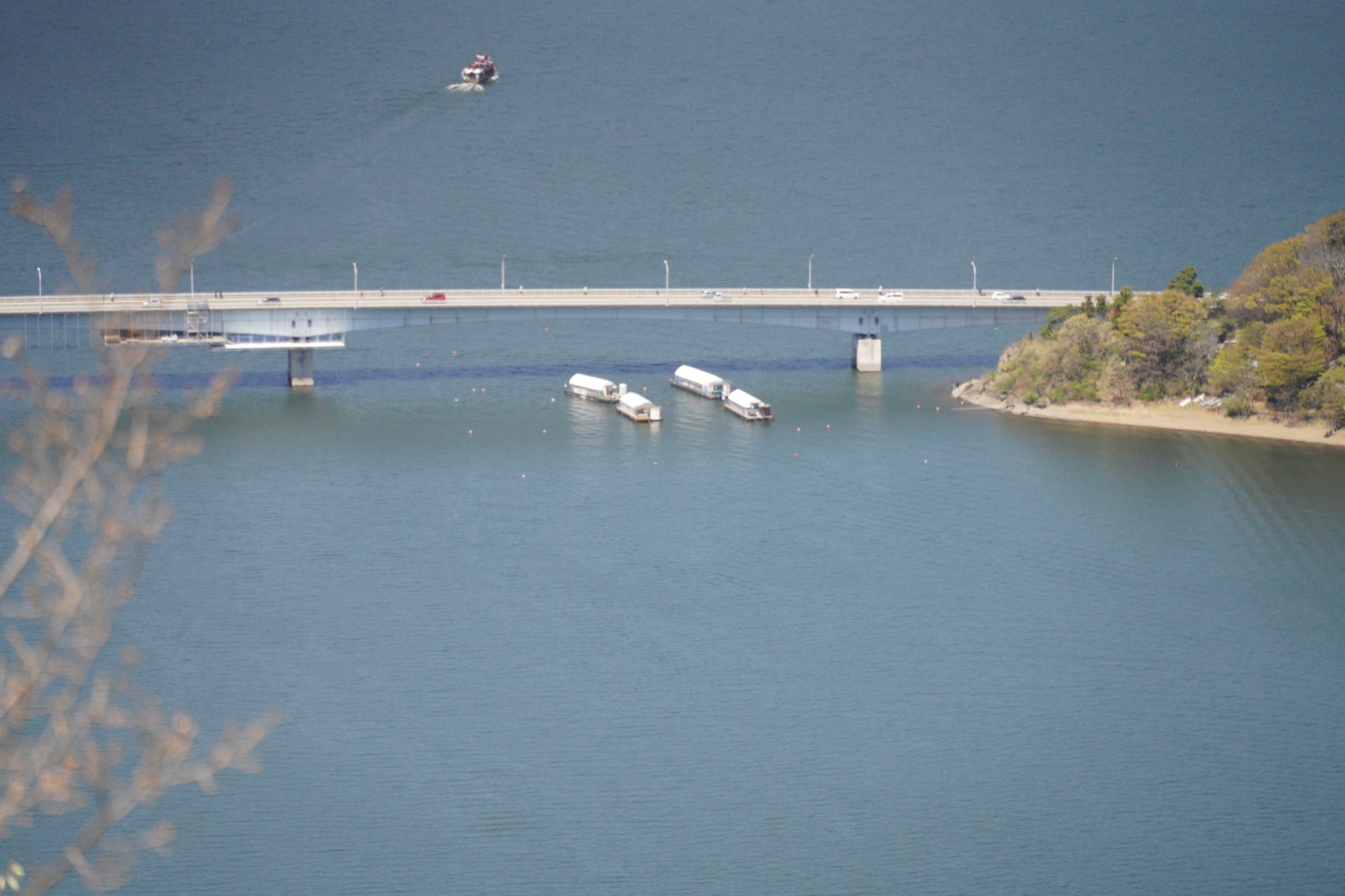
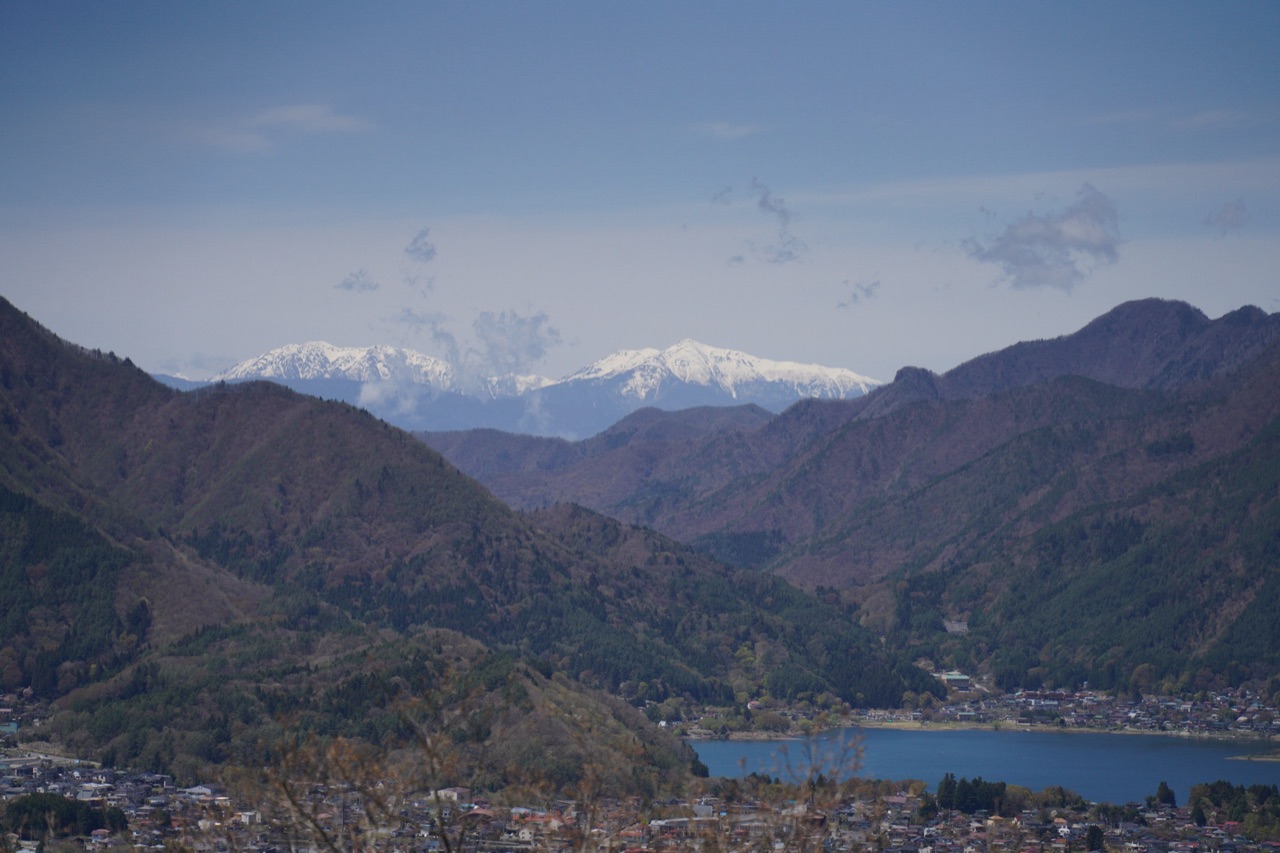
Lake Yamanaka, on the eastern foot of Mt. Fuji, is the largest of the Fuji Five Lakes. Seen from the lake, Mt. Fuji changes with the seasons and the time of day. The name Fuji Five Lakes dates from after the Meiji Restoration, when sightseeing became popular along with climbing Mt. Fuji, and it is said not to appear in older records (Fuji no Rekishi).
The lake’s formation is bound up with Fuji’s eruptions. Lake Utsu, a large lake formed where lava from Mt. Fuji blocked the area west of Oshino, is thought to have spread over all of today’s Lake Yamanaka and part of Oshino village and Nashigahara to the north.
Fuji-kō practice included the Uchi-hakkai meguri, a pilgrimage custom of going round eight lakes and ponds at the foot of the mountain to perform water austerities, and Lake Yamanaka was one of them. Practitioners of the Fuji-kō groups who came from Edo bathed in the lake, poured water over themselves and purified their six senses before heading for the trail.
The shores of the lake also lay on the route linking Kai and Suruga. In the Sengoku period, the road from Kurokoma in Kai over the Misaka Pass to Kawaguchi, Funatsu and Yoshida, and on past Yamanaka and Kagosaka to Subashiri, was the highway between the two provinces. In the early Meiji period, too, Yamanaka appears in records as a post station on the road to Suruga.
In the Edo period the carp, crucian carp, eels and other fish of the lake were caught by the lakeside villagers mainly for their own tables. In the product survey of 1883 (Meiji 16), the village listed with a relatively large catch was Nakano on Lake Yamanaka, at about 290 yen. In the early Taishō period, trout hatching was tried in Lakes Kawaguchi, Yamanaka and Sai. And on 1 August 1899 (Meiji 32), Tanaka Akamaro lowered a sounding weight into this lake, which is regarded as the beginning of limnology, the study of lakes, in Japan.
Lake Yamanaka is a component of the World Heritage property Fujisan: Sacred Place and Source of Artistic Inspiration.