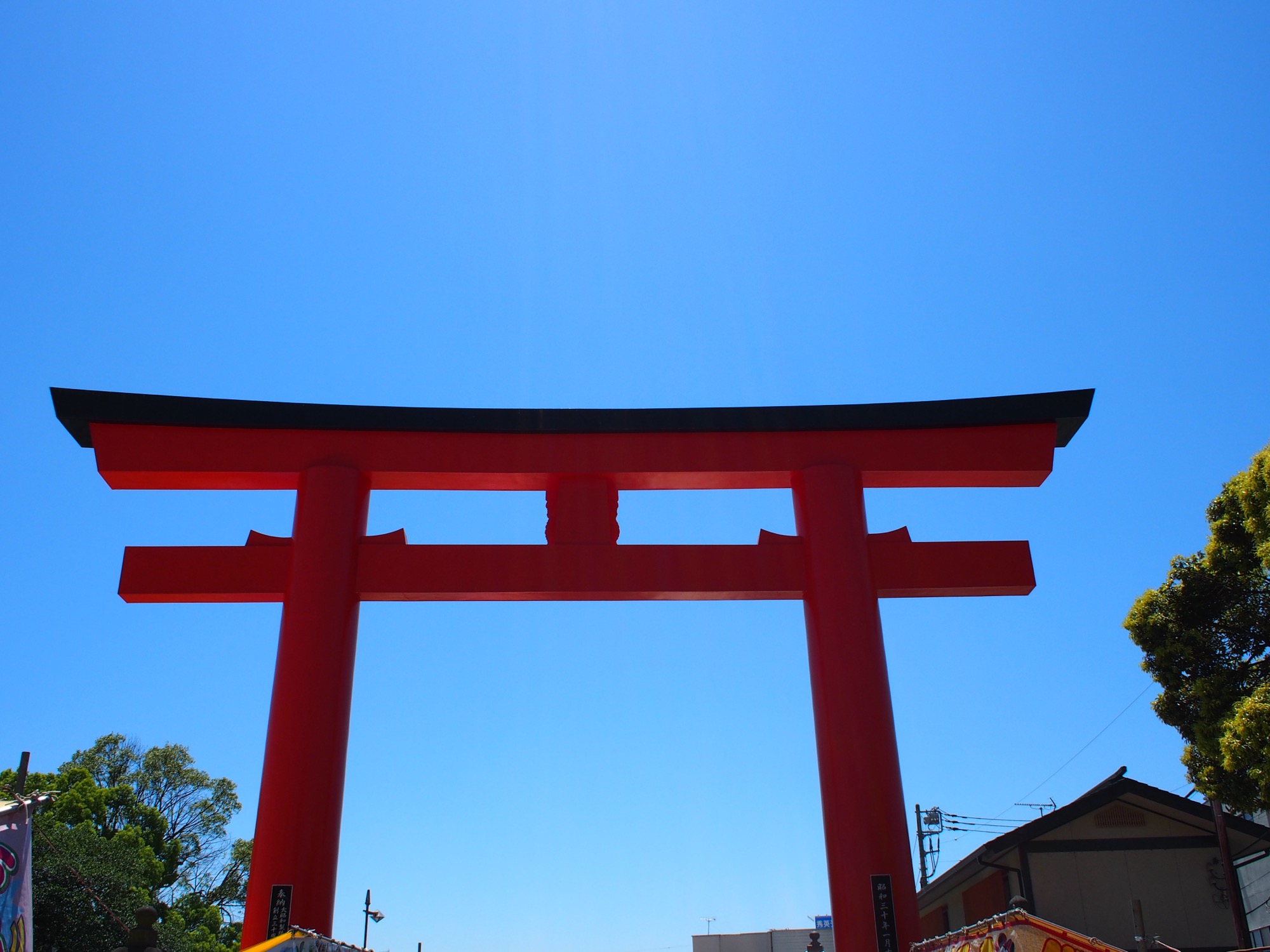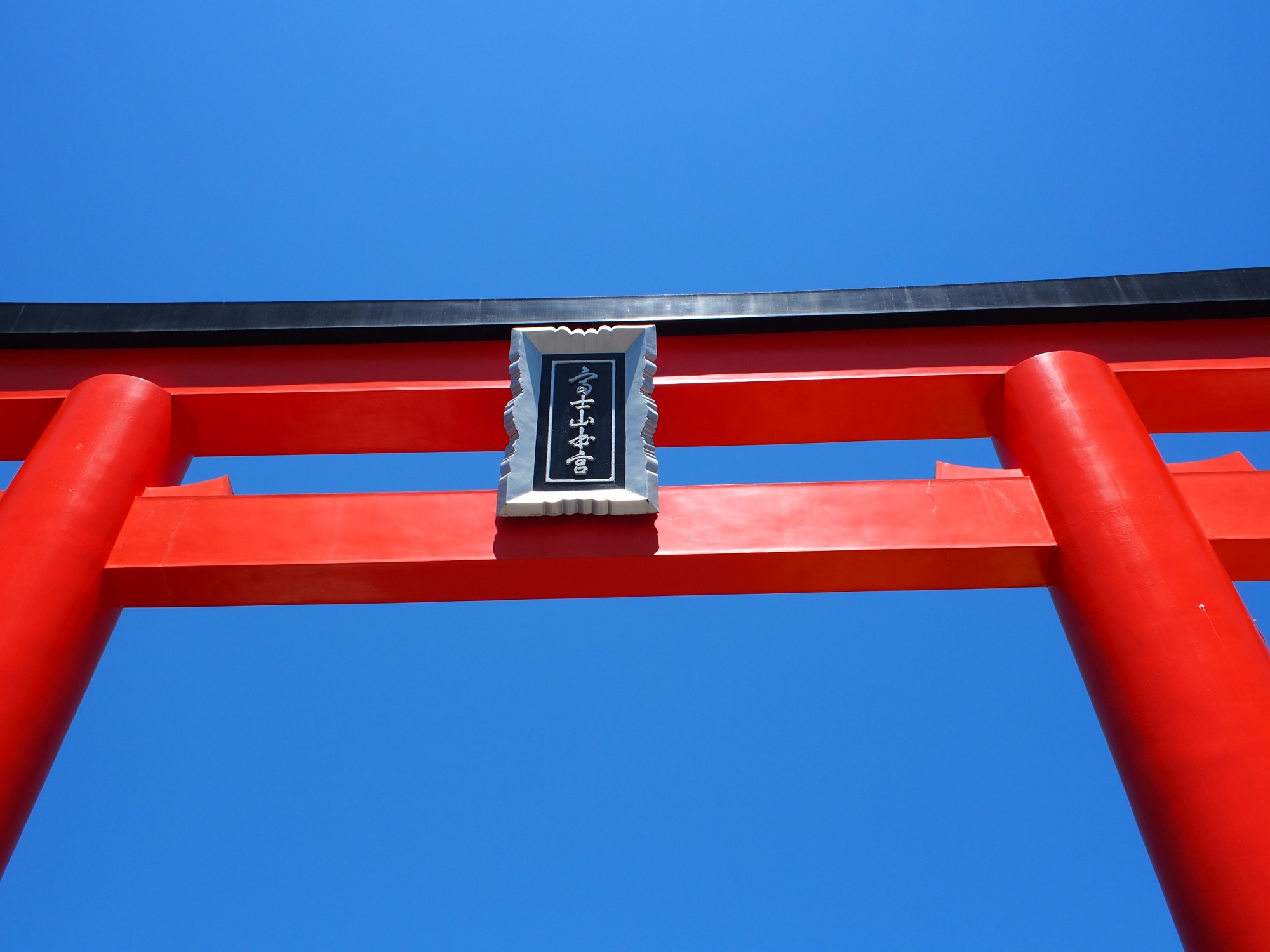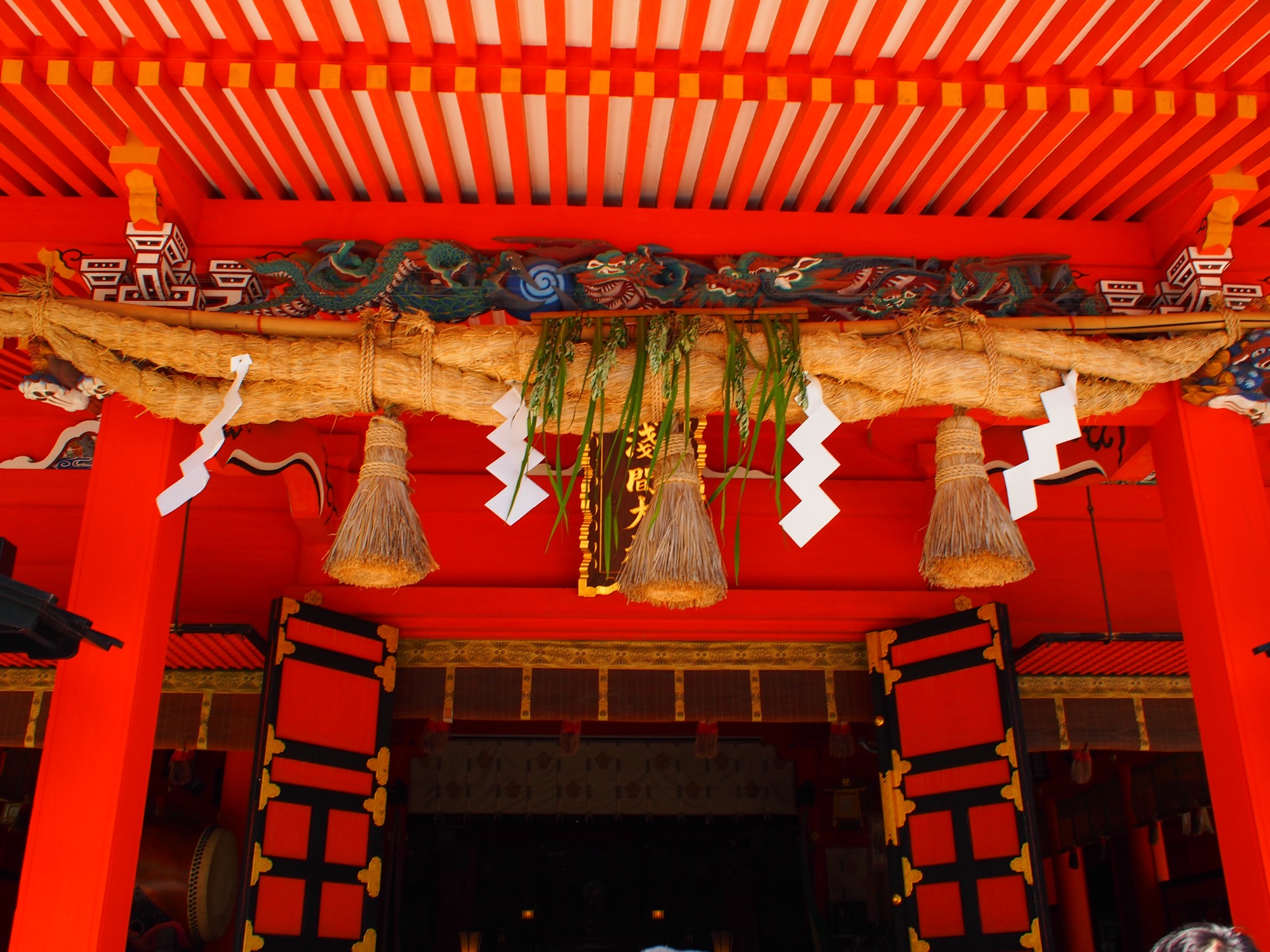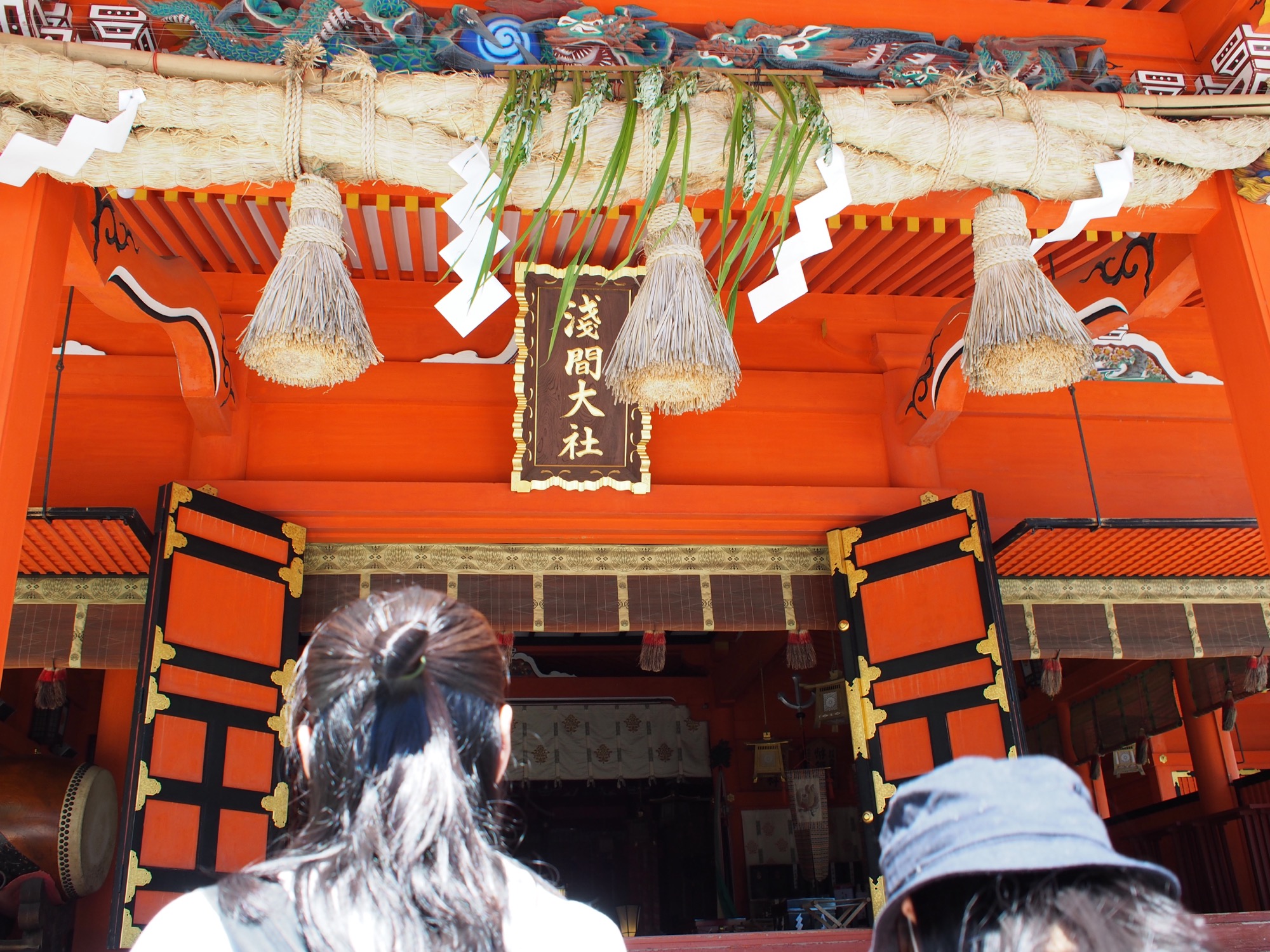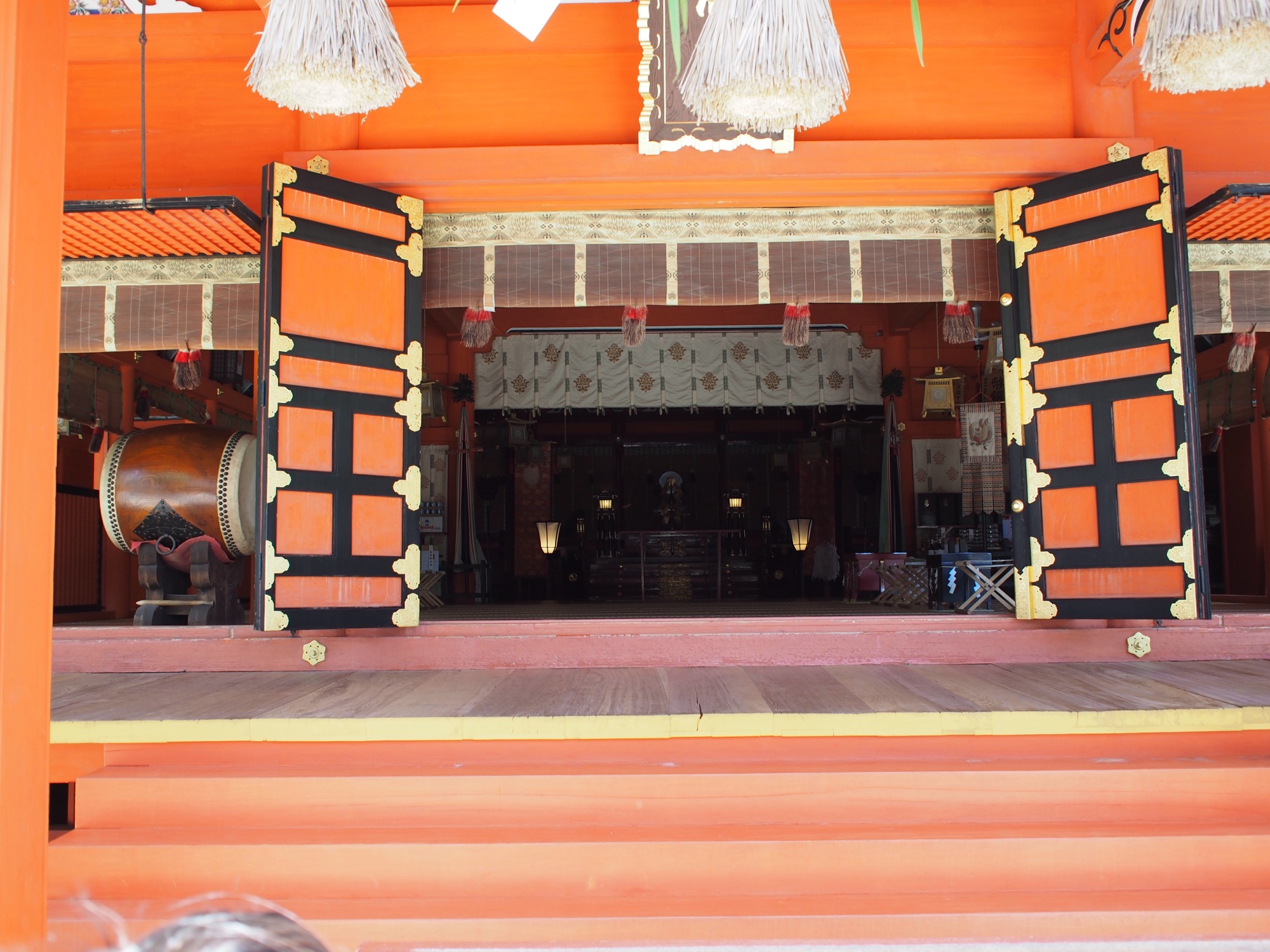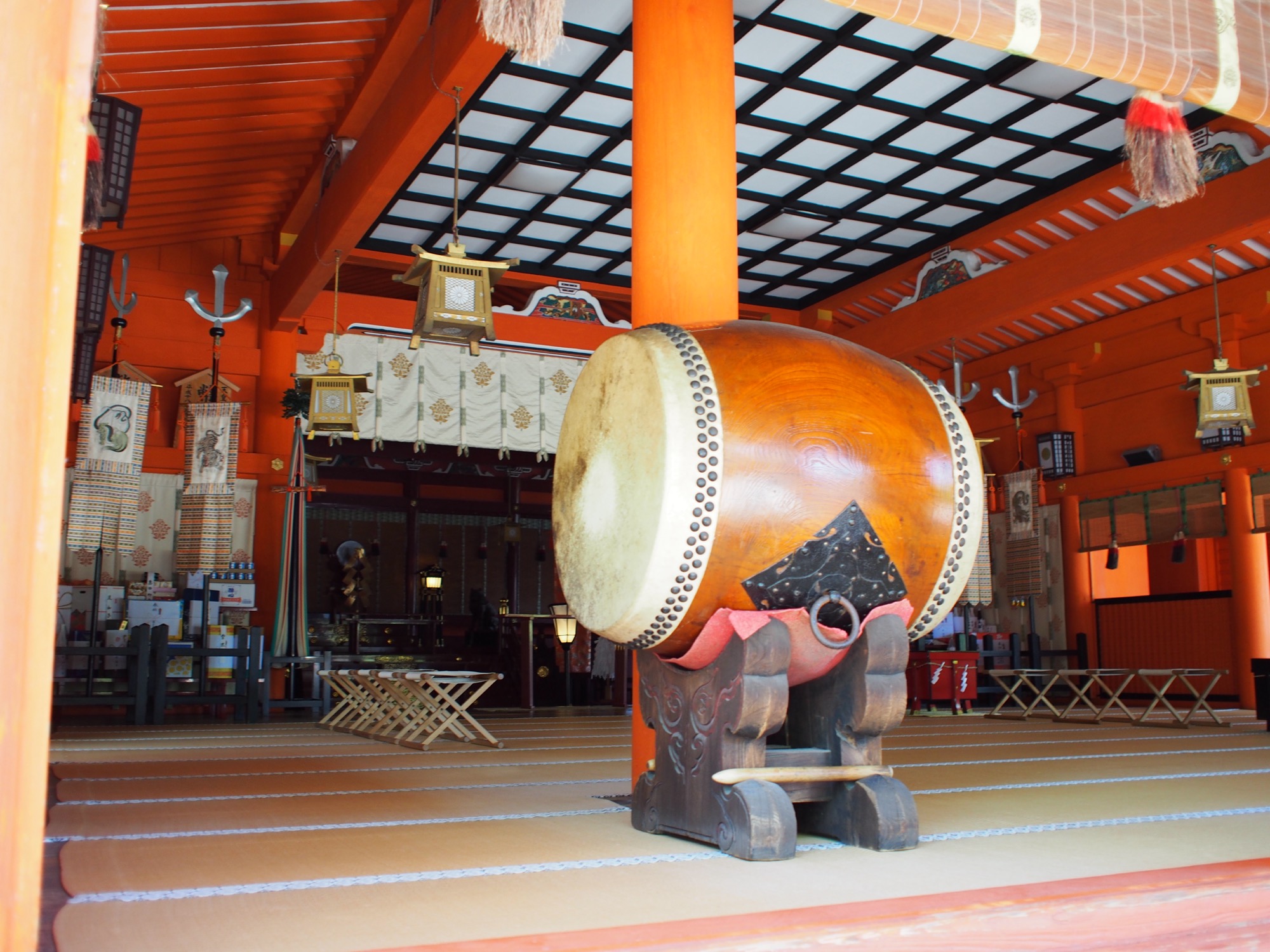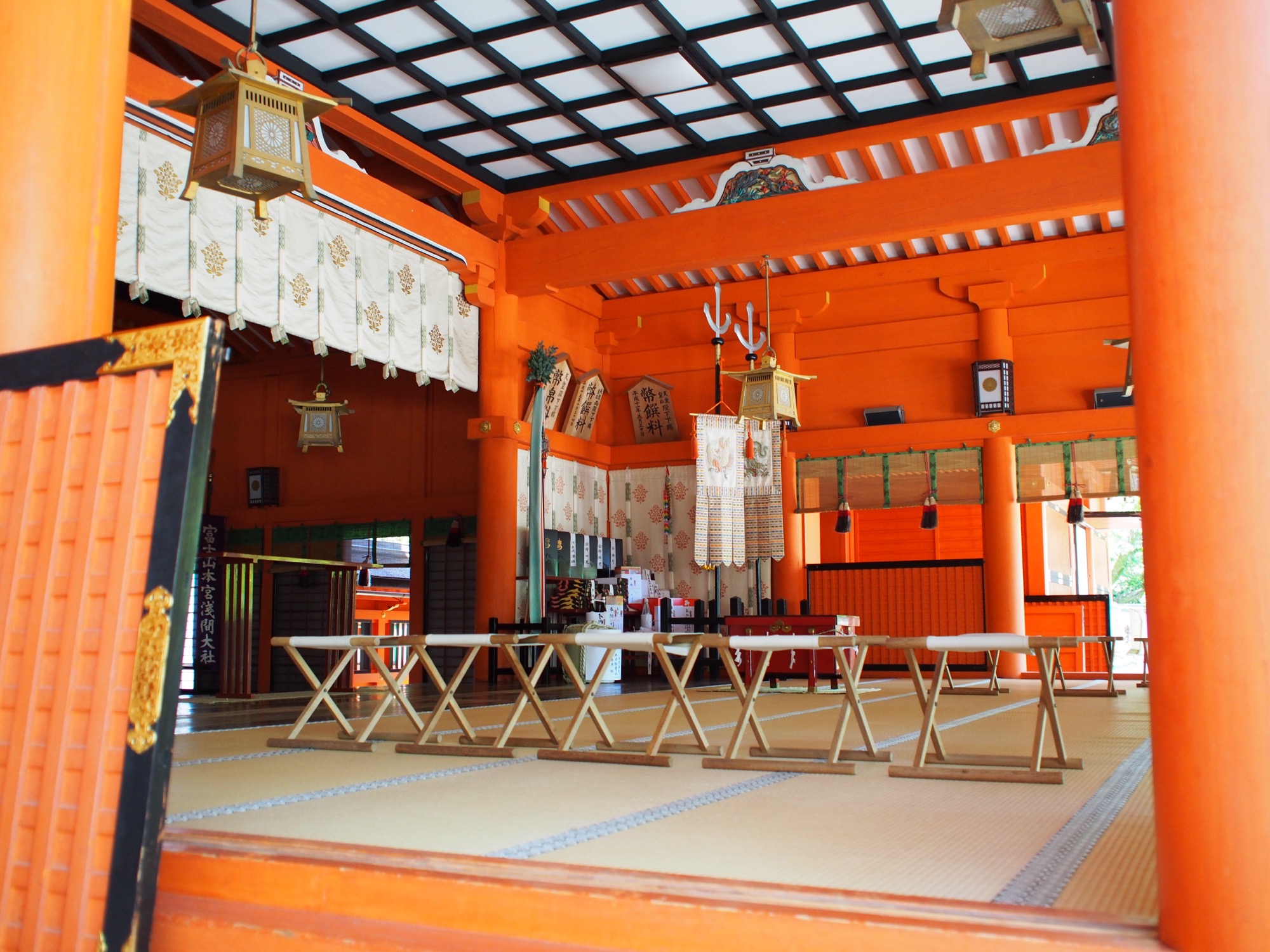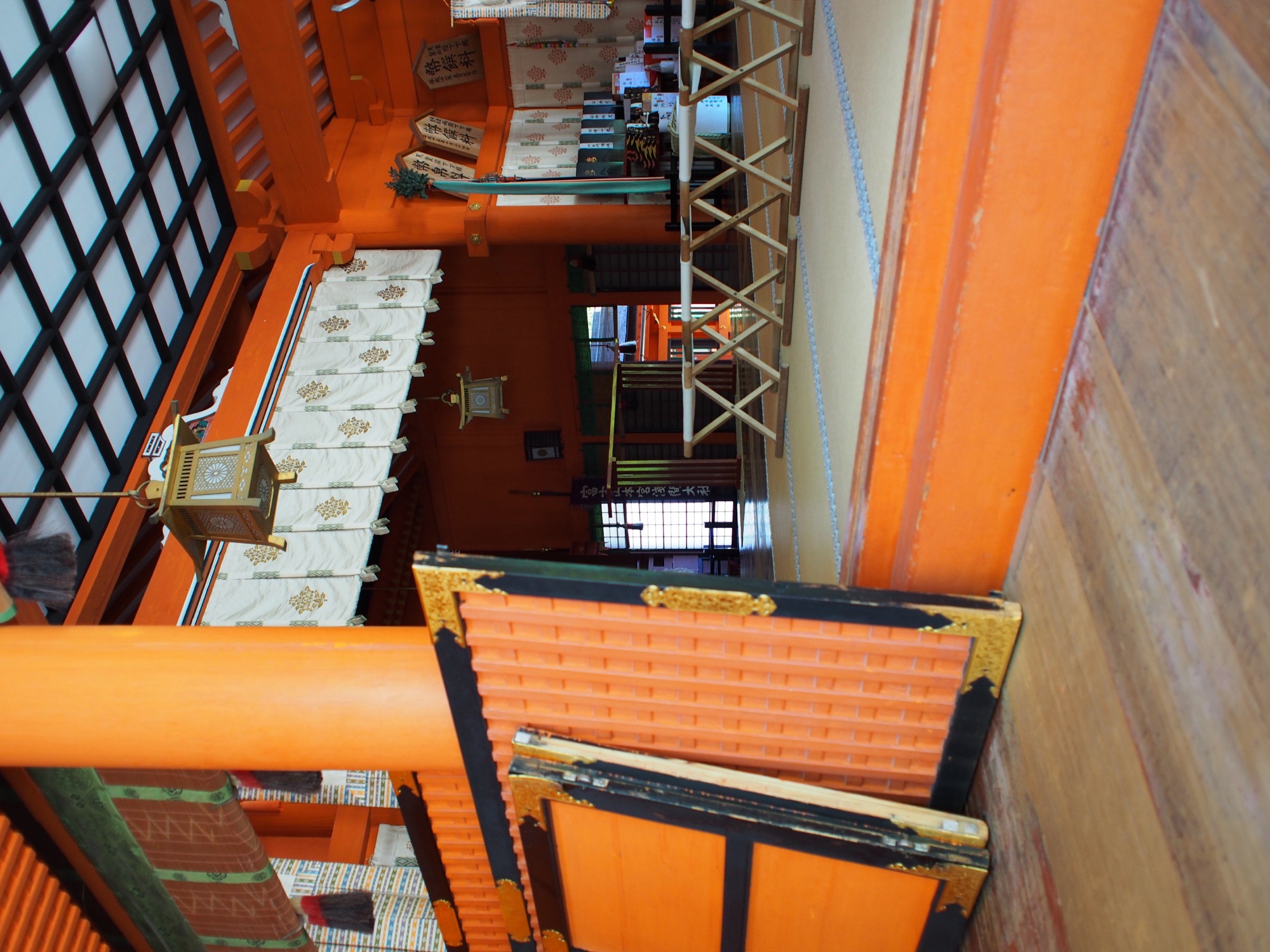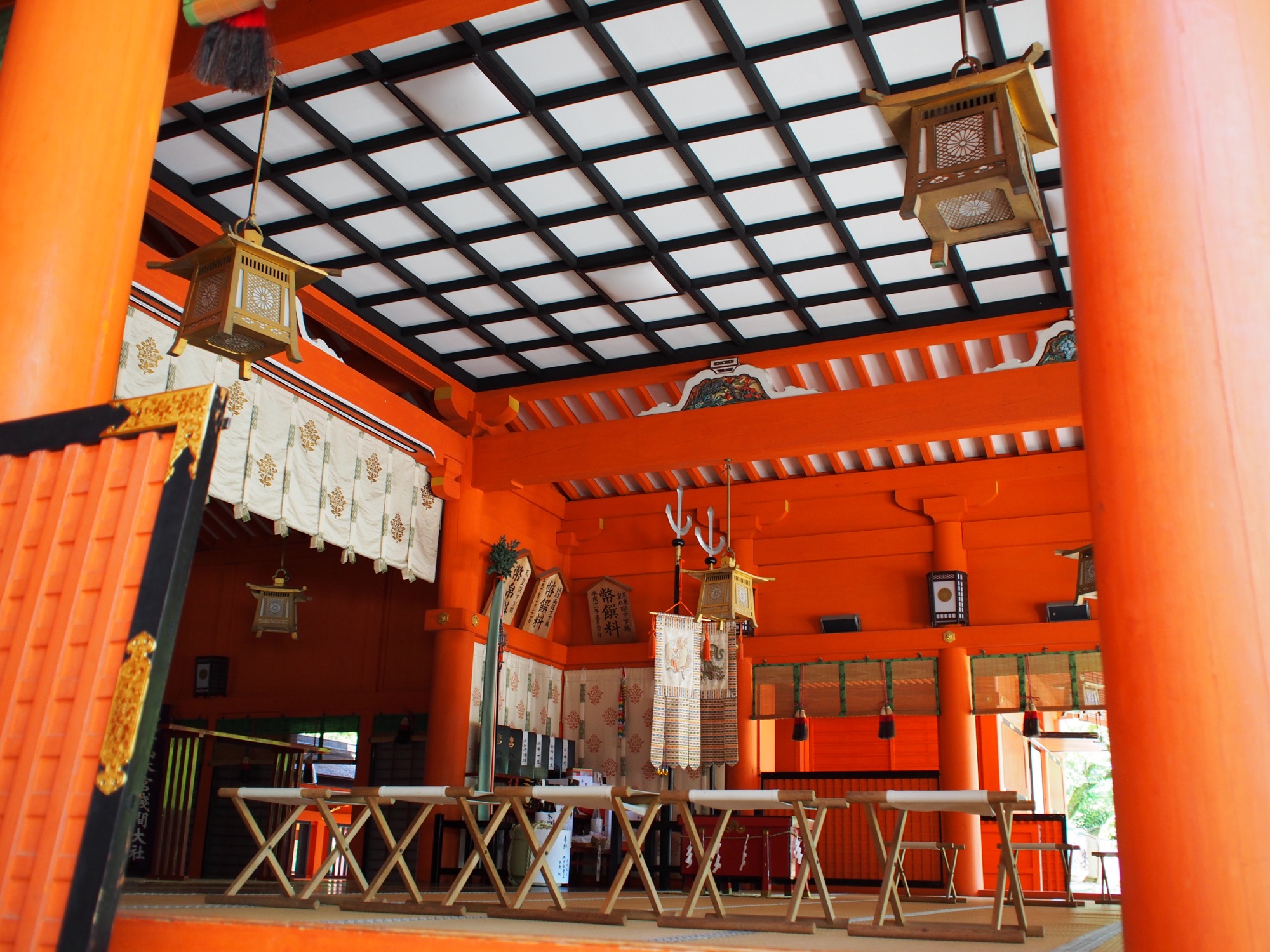
Fujisan Hongu Sengen Taisha
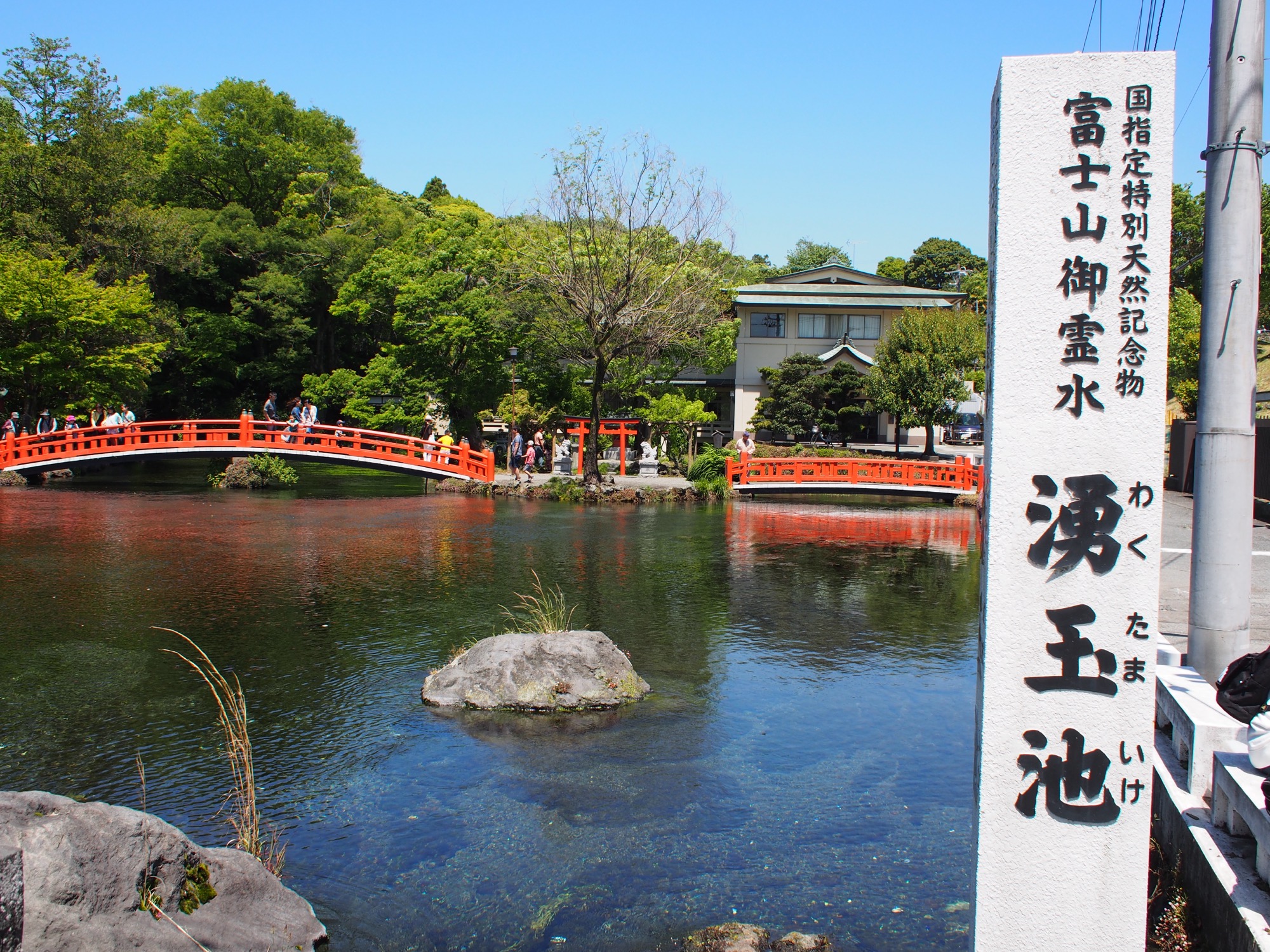
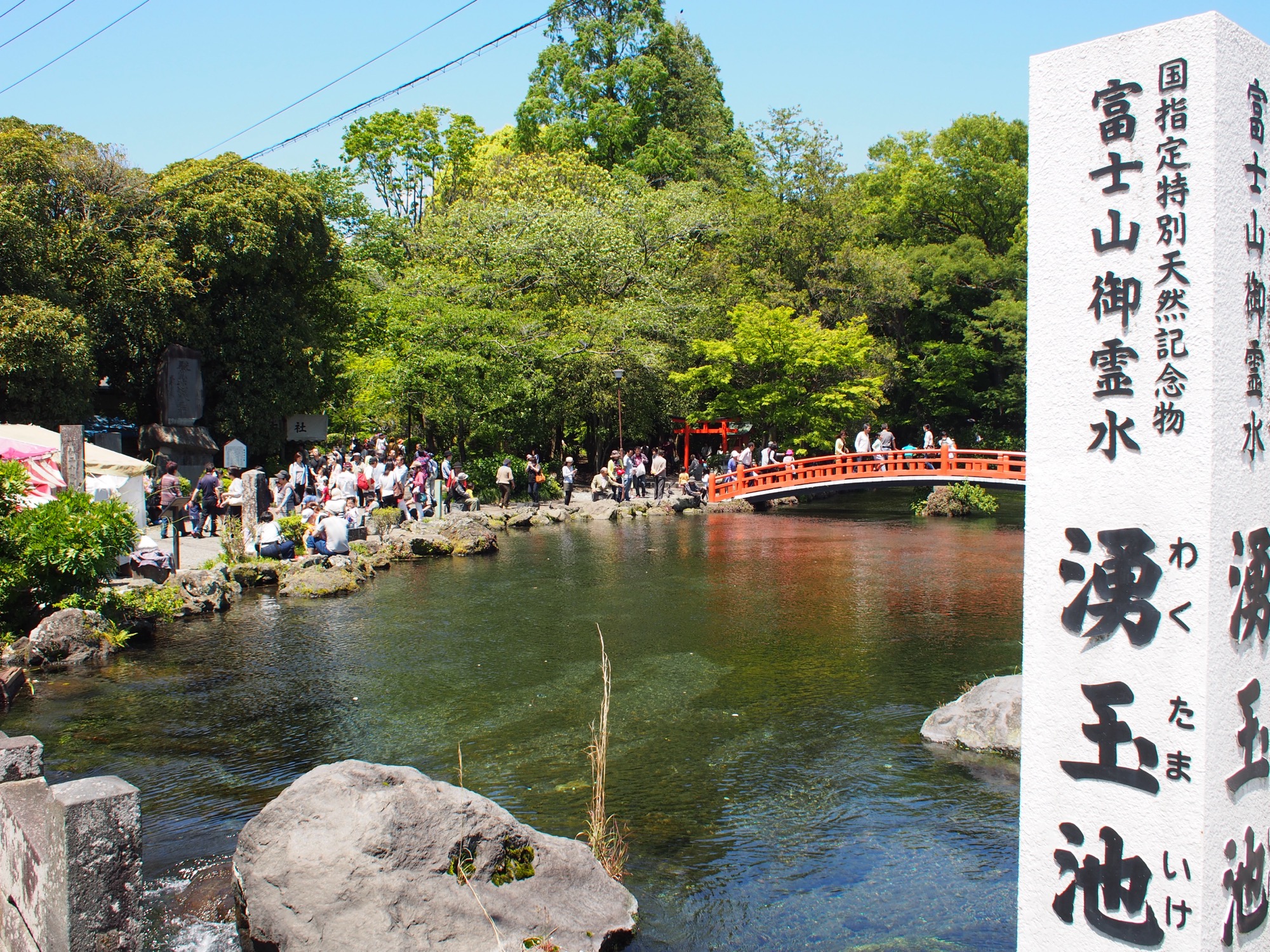
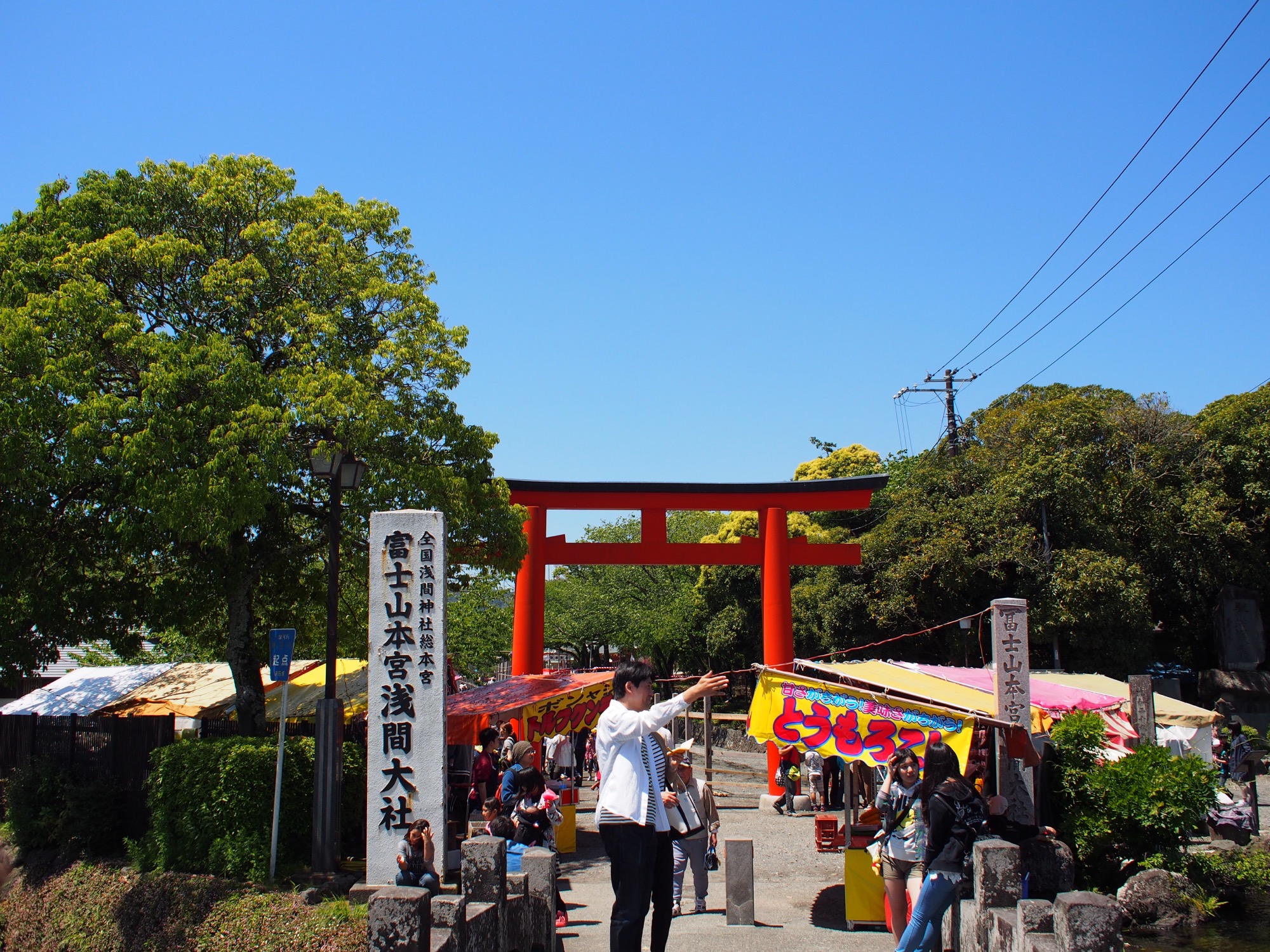
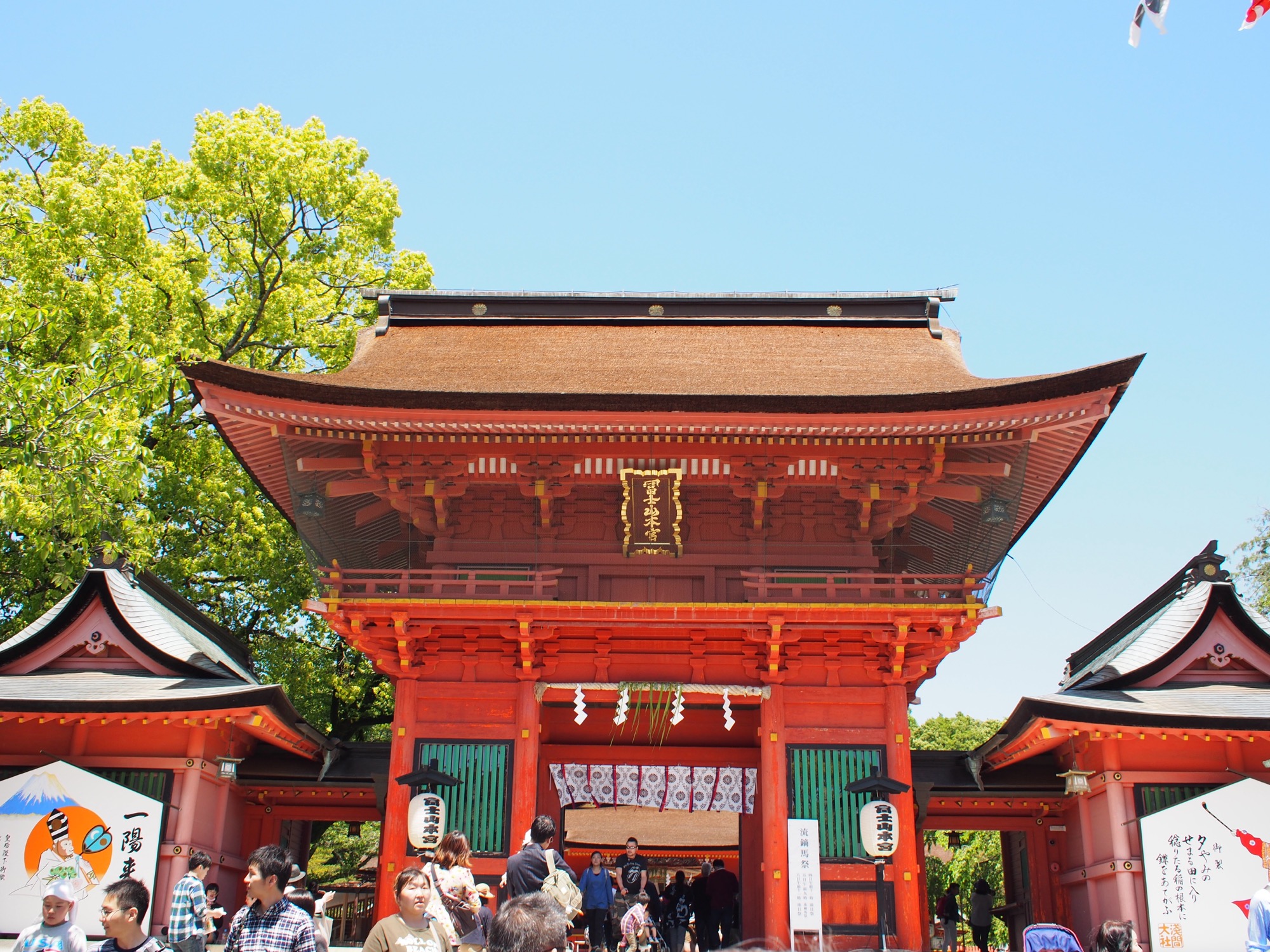
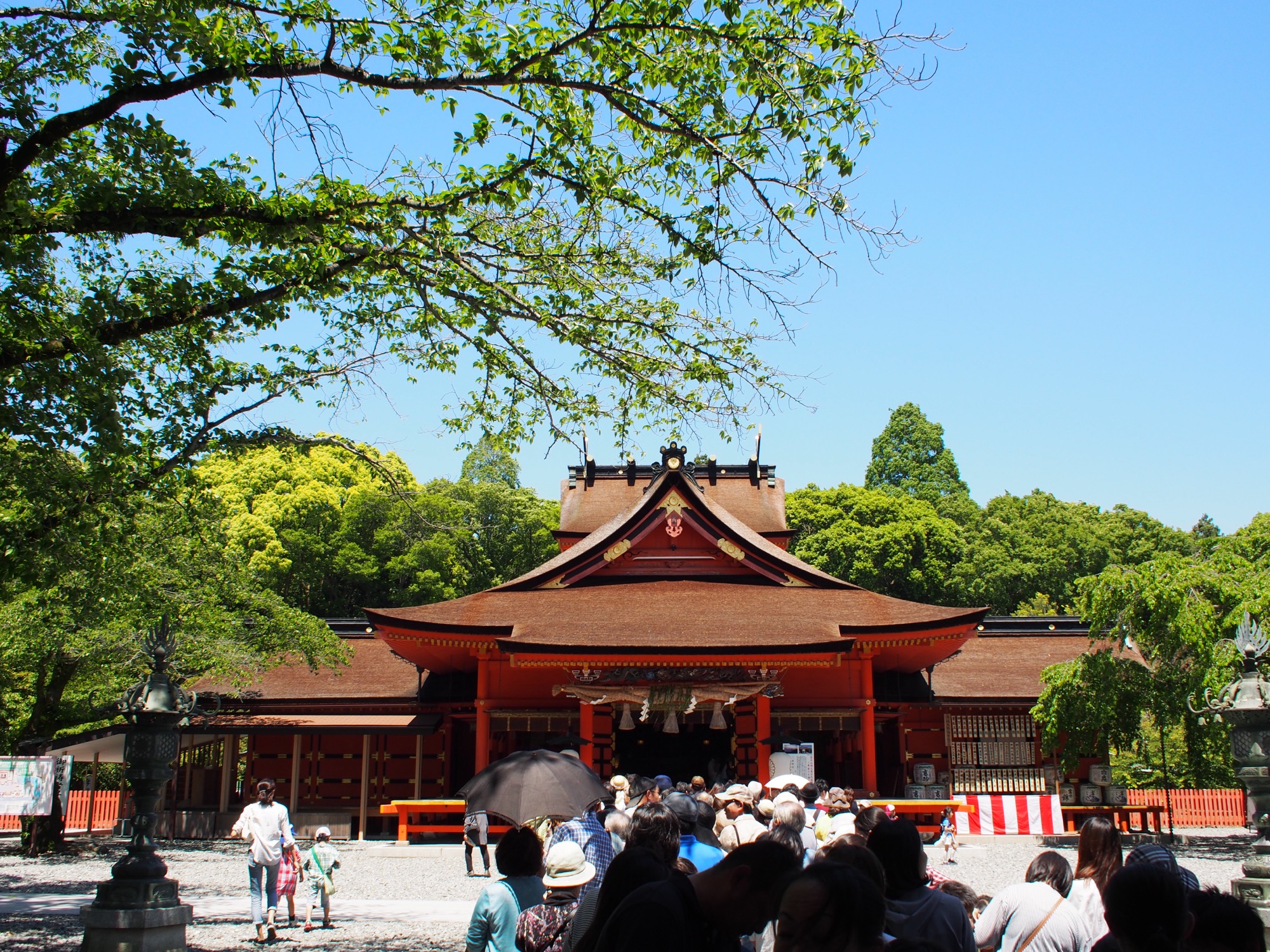
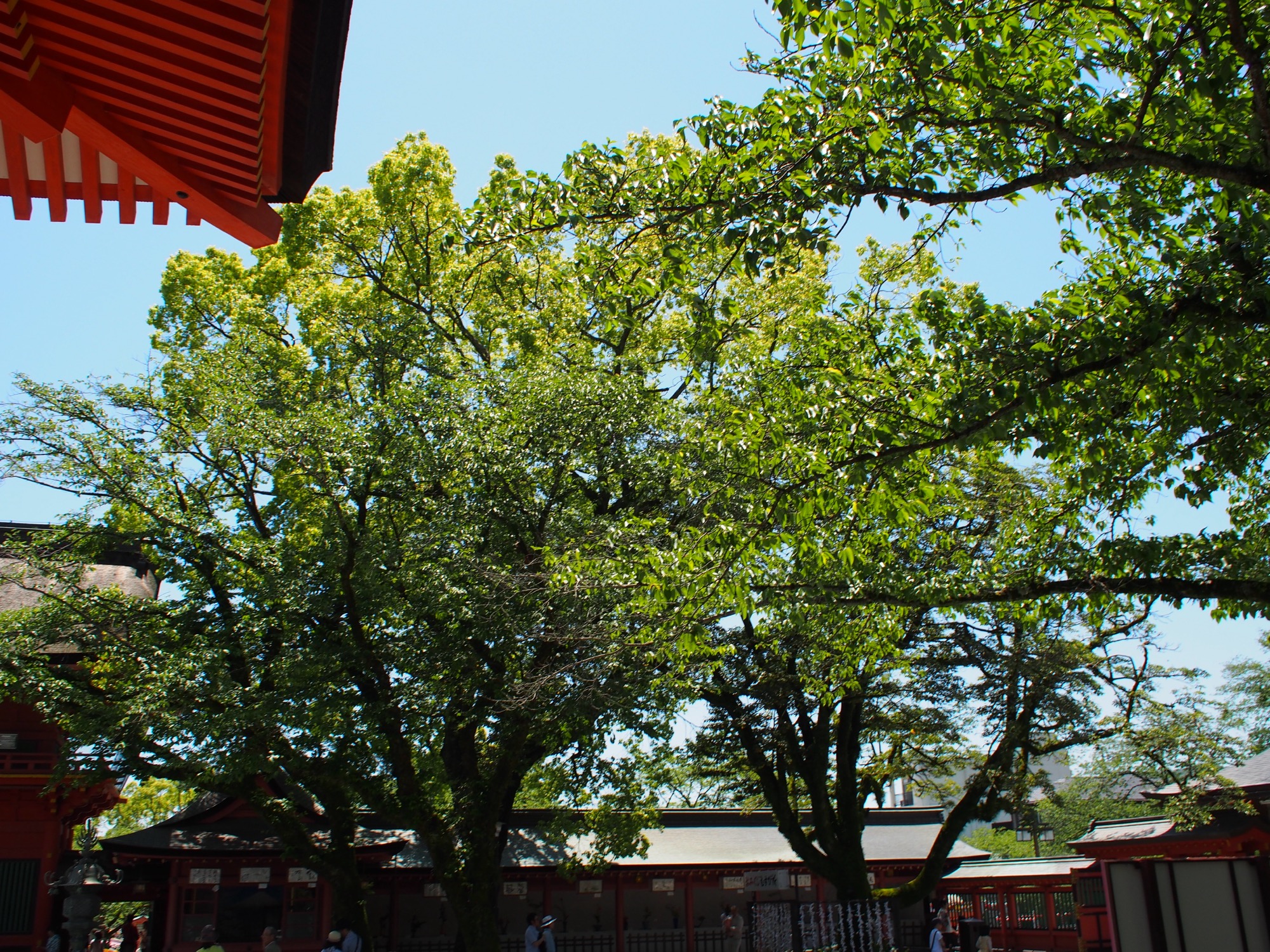
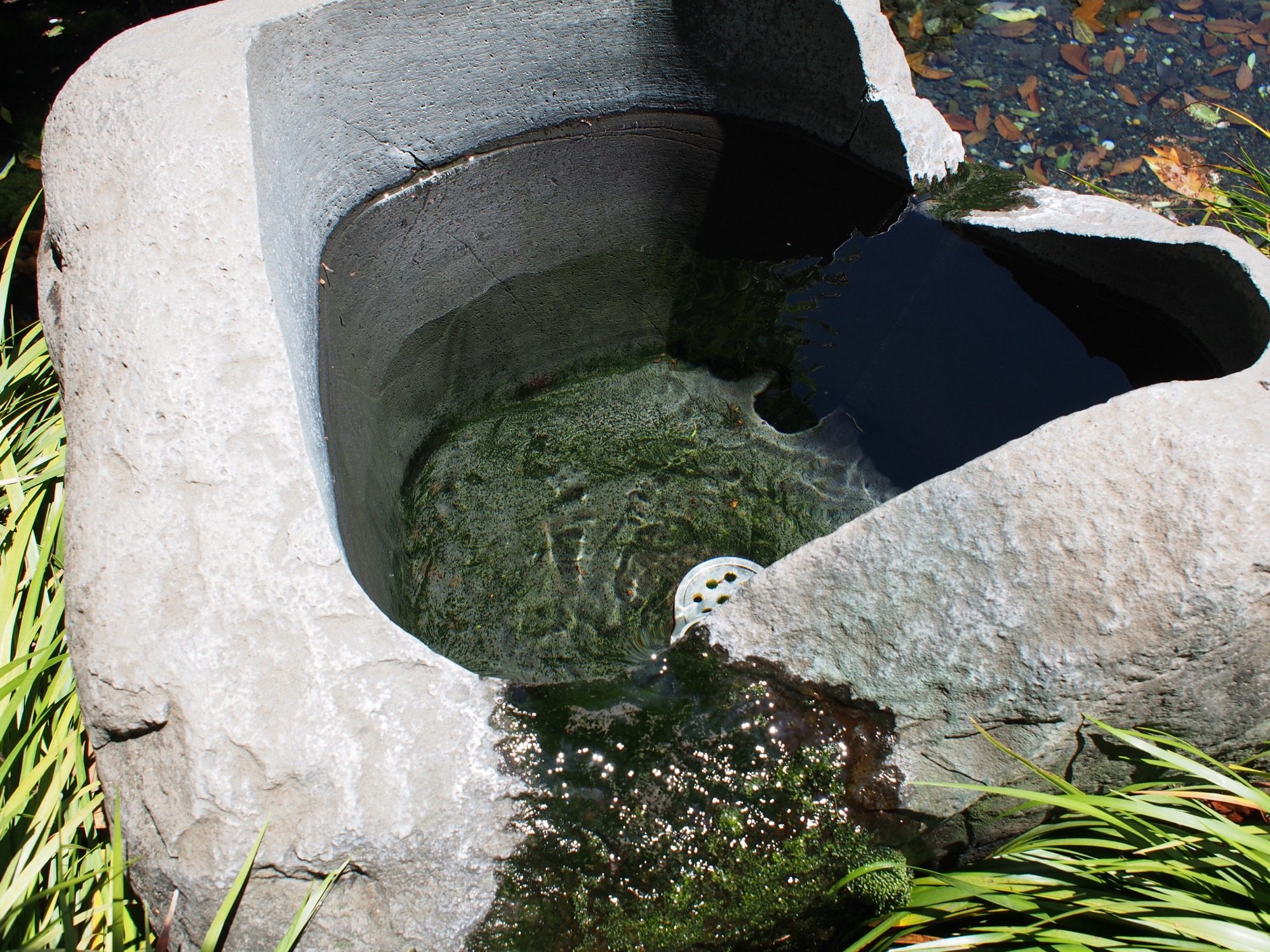
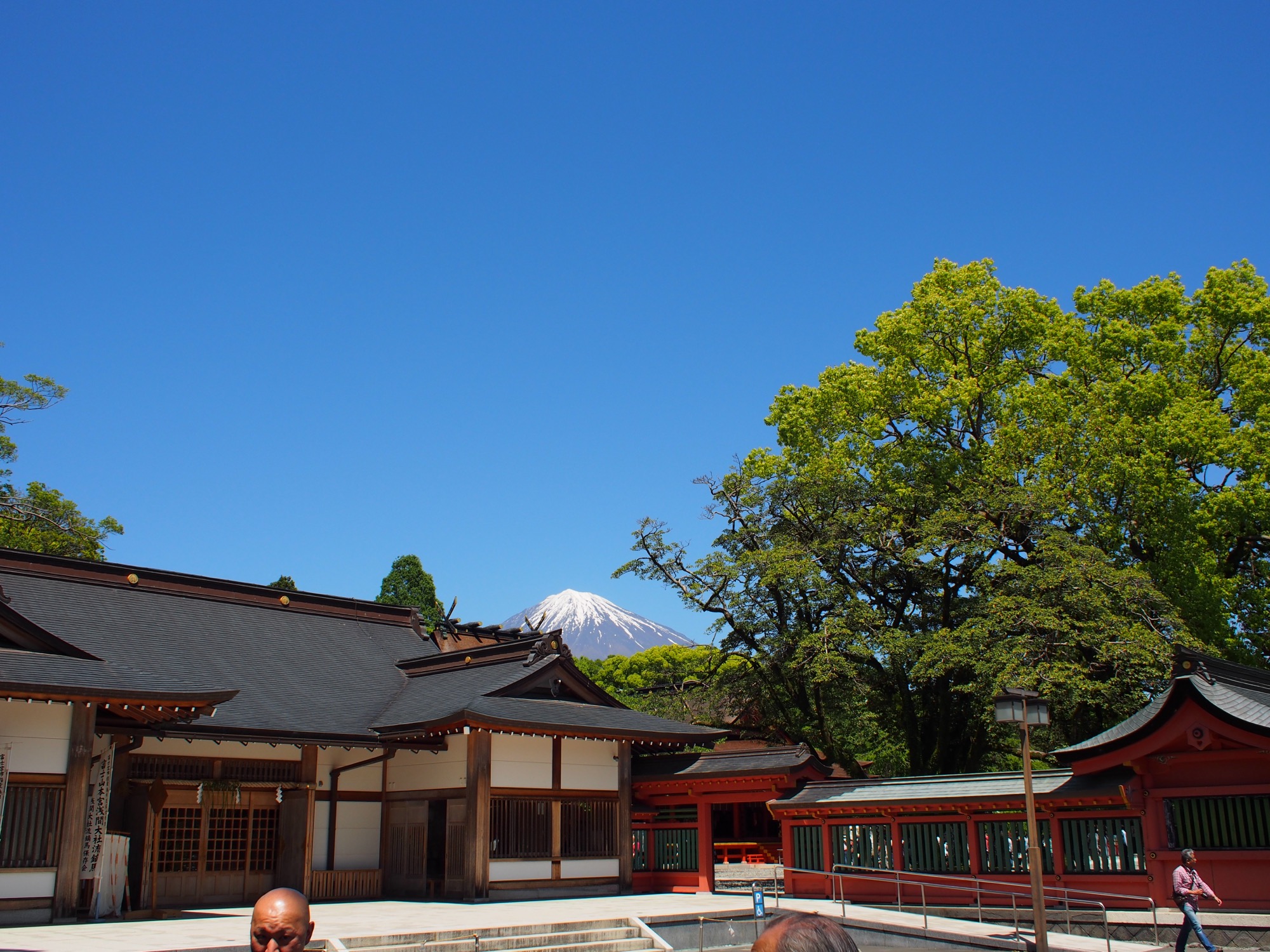
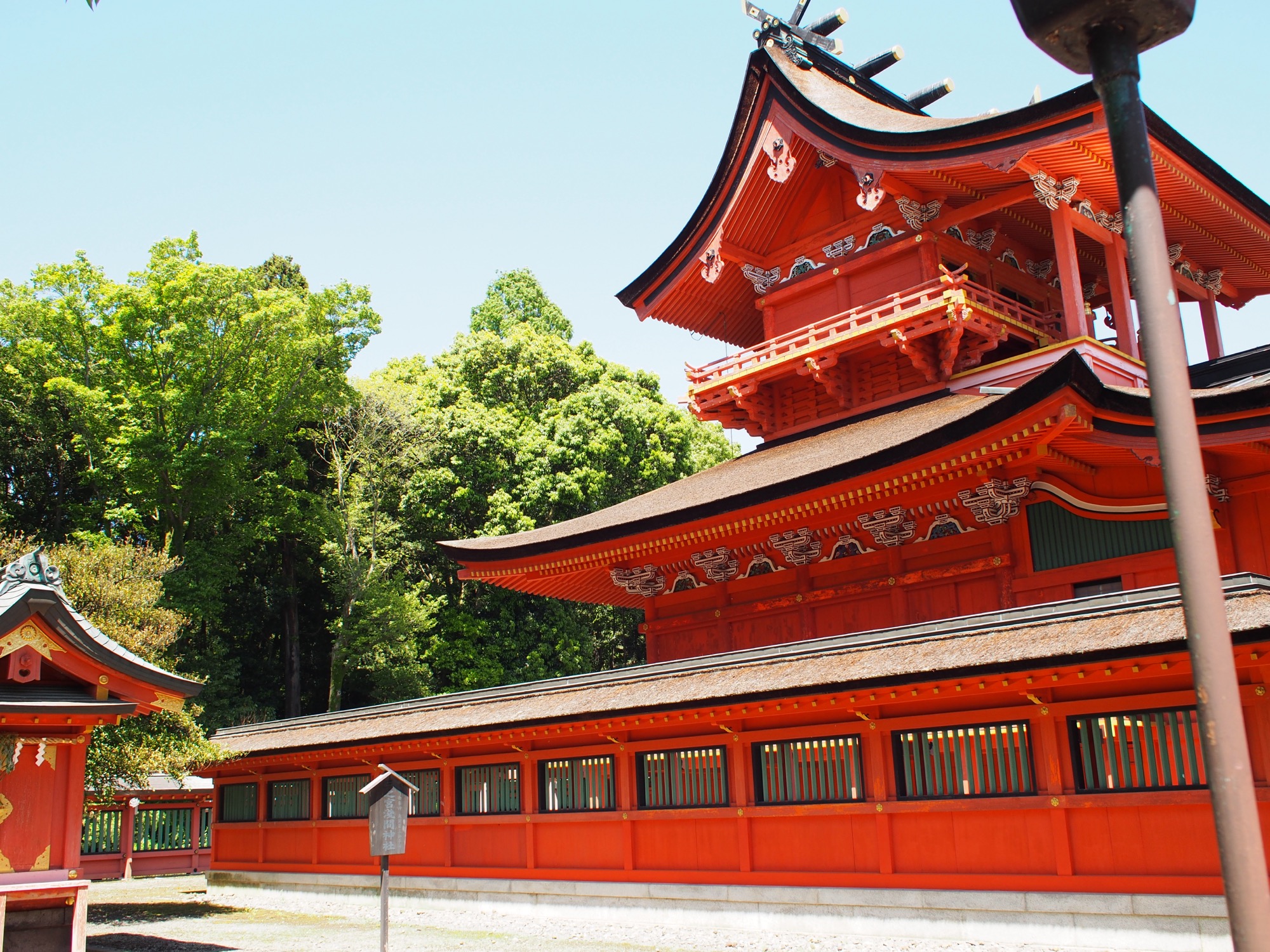
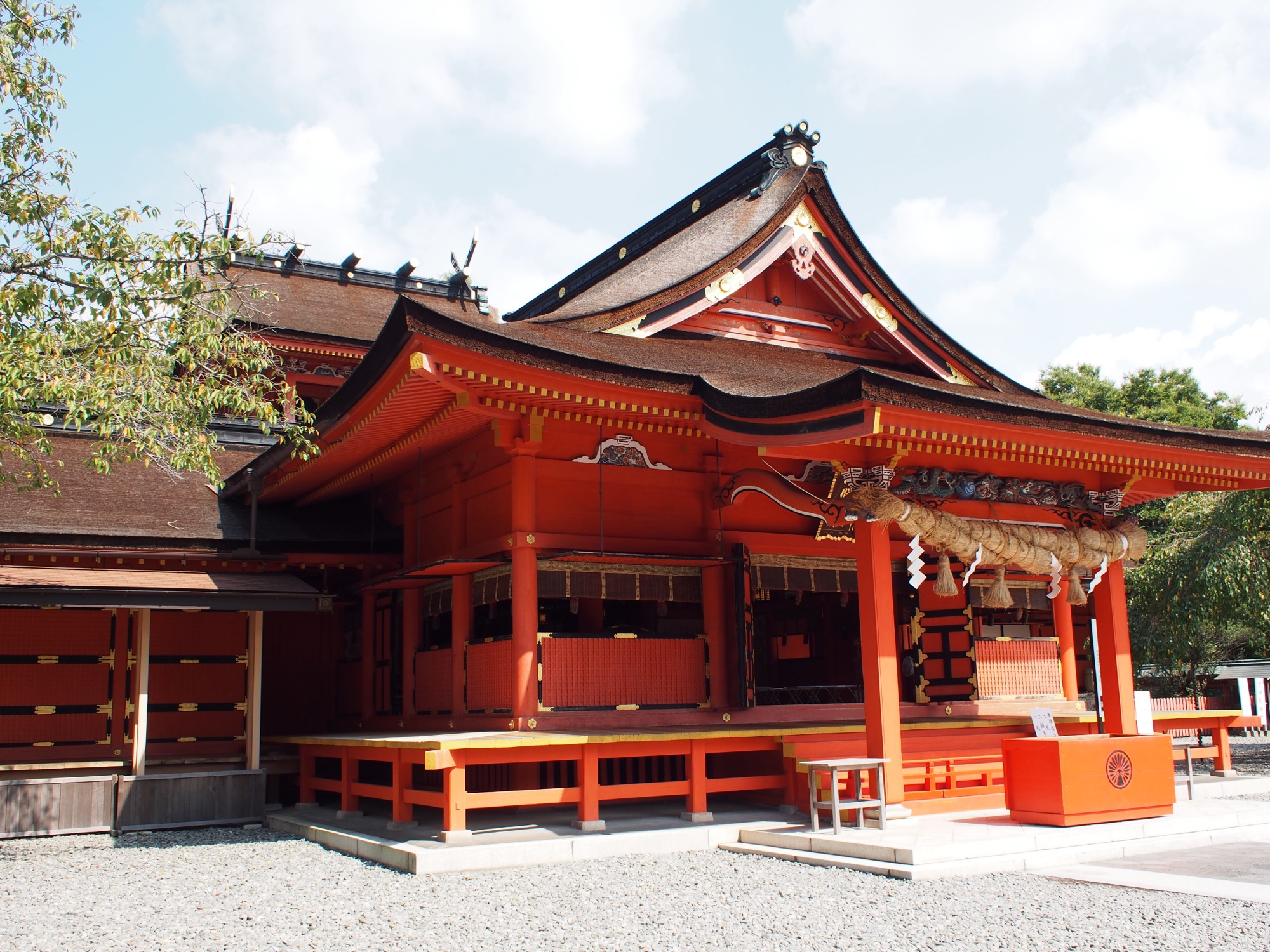
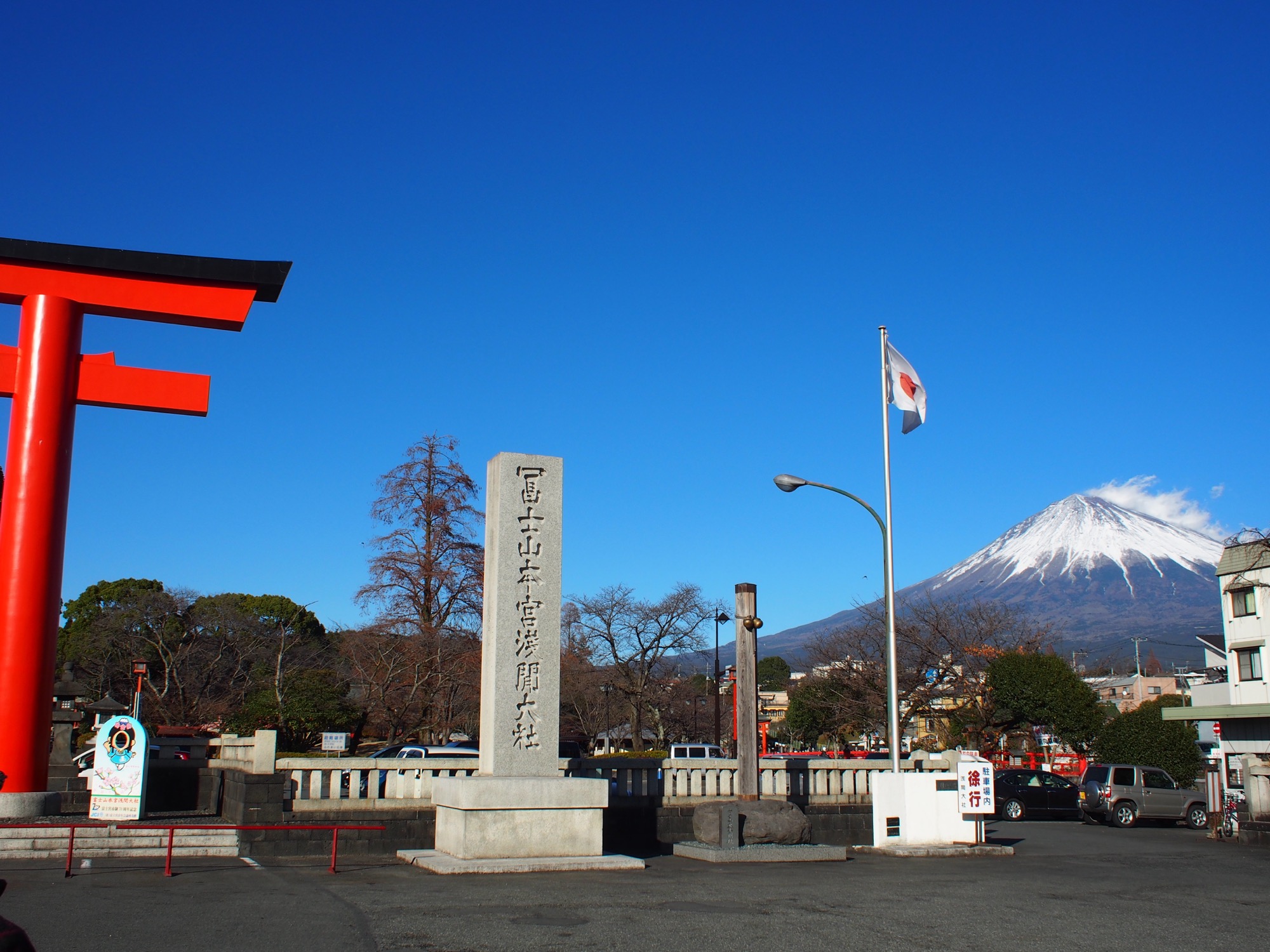
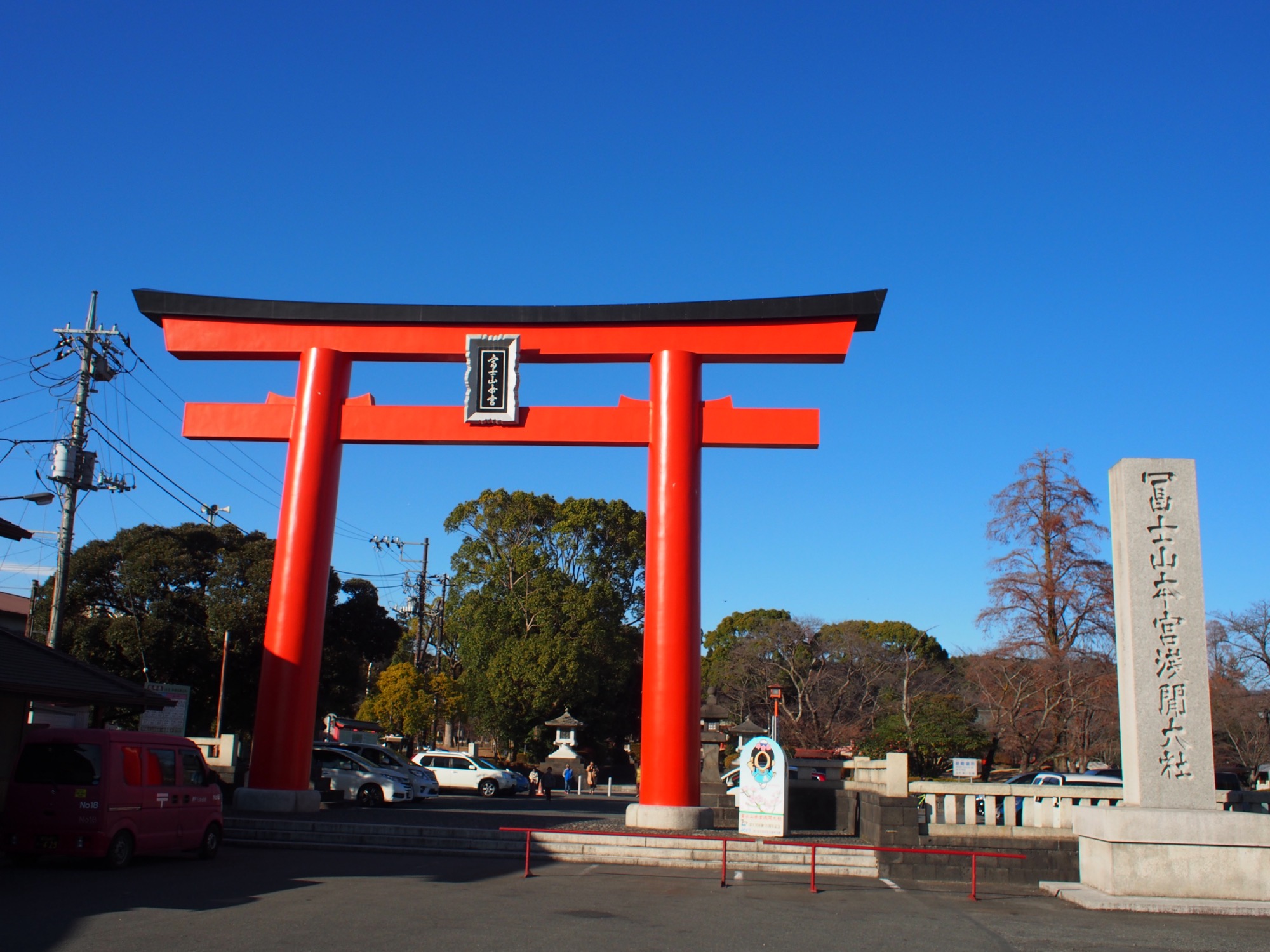
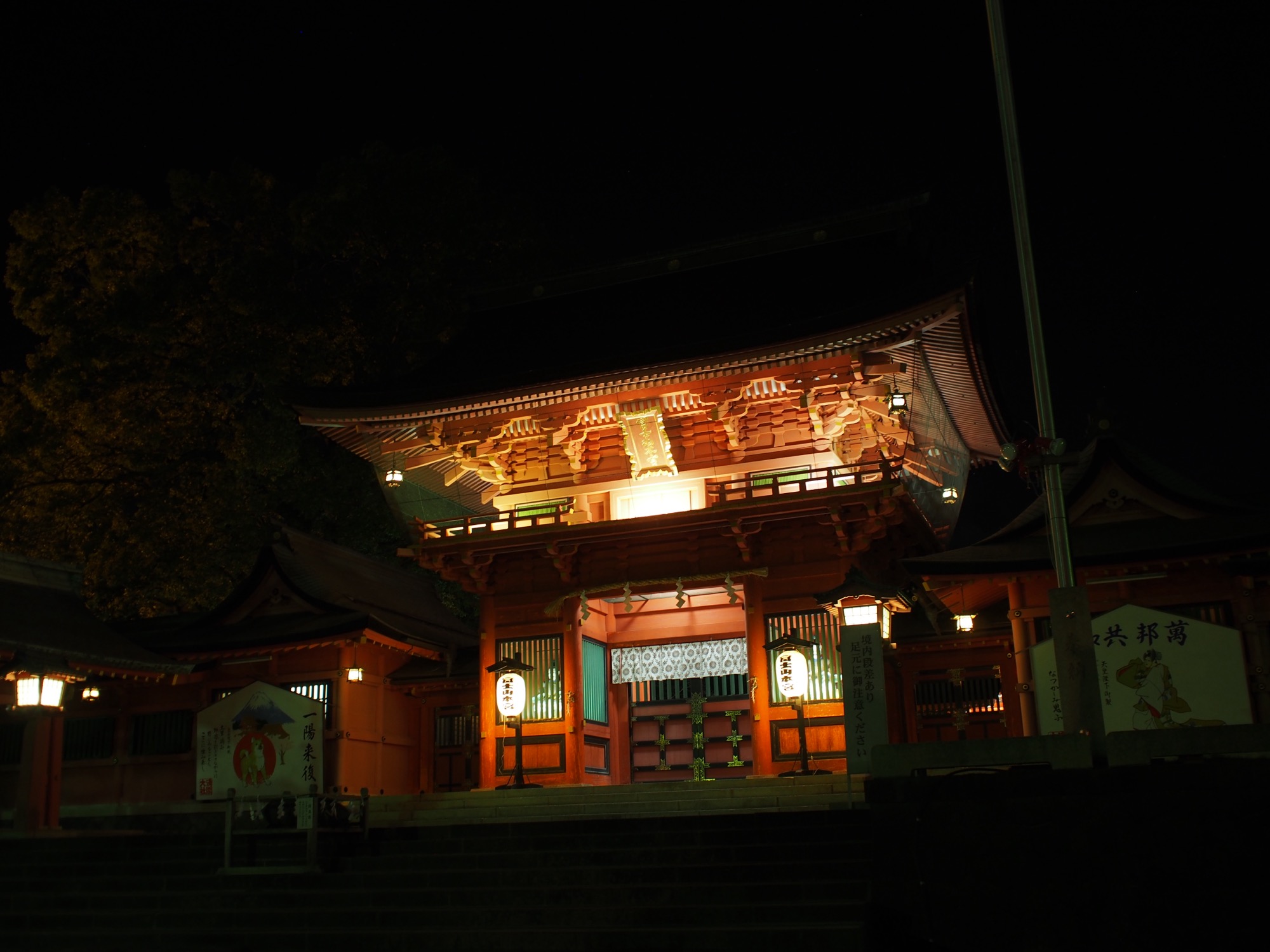
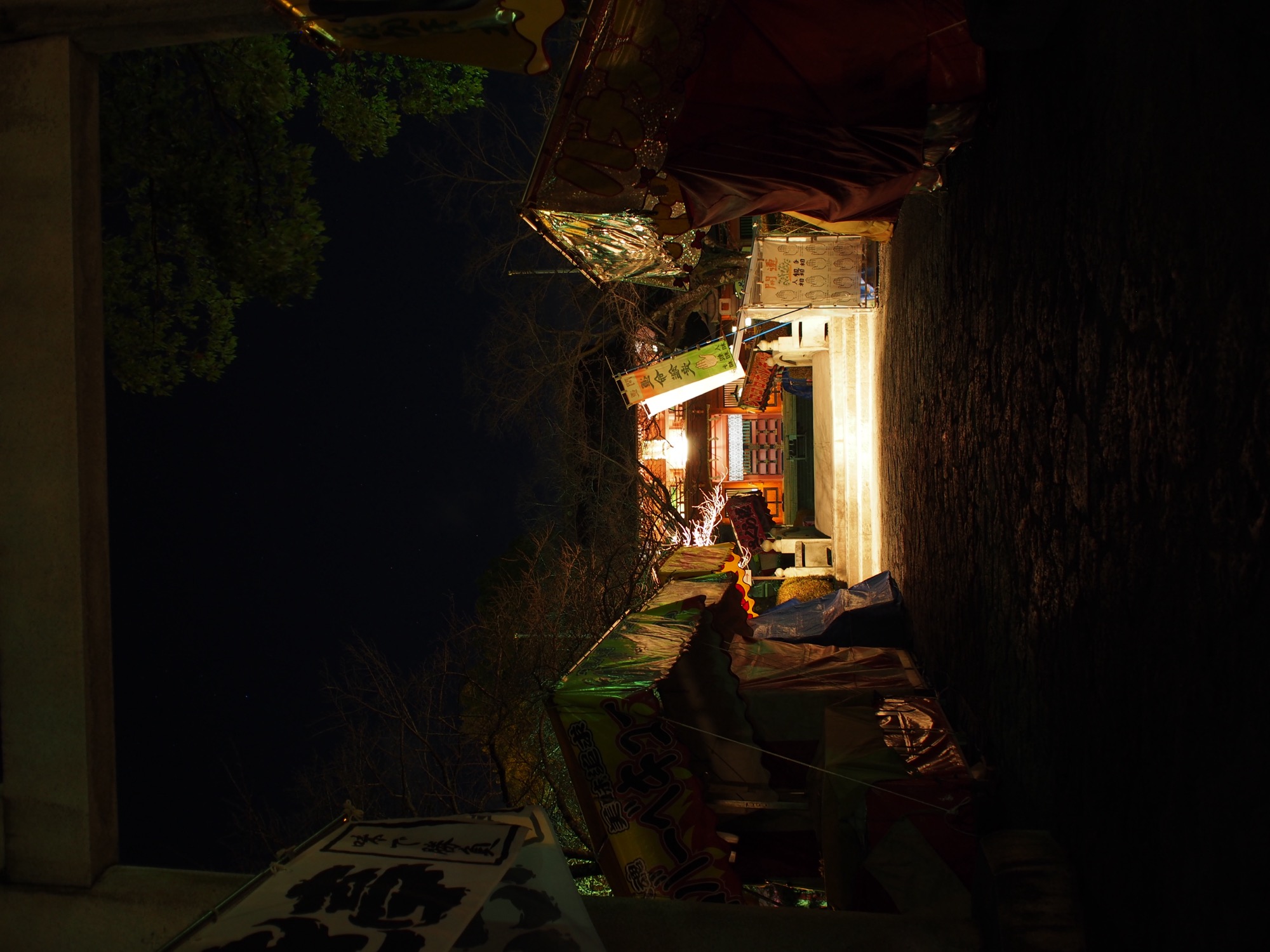
Fujisan Hongu Sengen Taisha stands as the head shrine of more than thirteen hundred Sengen shrines across Japan. Its origins reach back to the reign of Emperor Suinin, when the great deity was first enshrined at a site known as yamafumi no chi at the foot of Mt. Fuji. The shrine was later transferred to Miyamiya — the site of the present-day Miyamiya Sengen Shrine — before being relocated to its current location in 806 (Daidō 1) by the general Sakanoue no Tamuramaro under imperial decree. The impetus for this move was the violent volcanic activity of the era, including the great eruption of 800 (Enryaku 19). To appease the raging fire of the mountain, a site was chosen beside Wakutama Pond, where the subterranean waters of Fuji flow to the surface in abundance. The binary opposition of water against fire lies at the very foundation of this shrine’s place in the landscape.
The enshrined deity, Konohanasakuya-hime, came to be revered as a goddess of water’s power over fire, her mythological birth of children amid flames taken as proof of her mastery over the element. In the medieval period, under the framework of shinbutsu-shūgō — the blending of Shinto and Buddhism — she was venerated as the avatar of Daiainichi Nyorai under the title Sengen Daibosatsu, becoming a spiritual anchor for the ascetic practitioners of Fuji. The many layers of meaning gathered within a single deity bring the depth of Japan’s religious tradition into sharp relief.
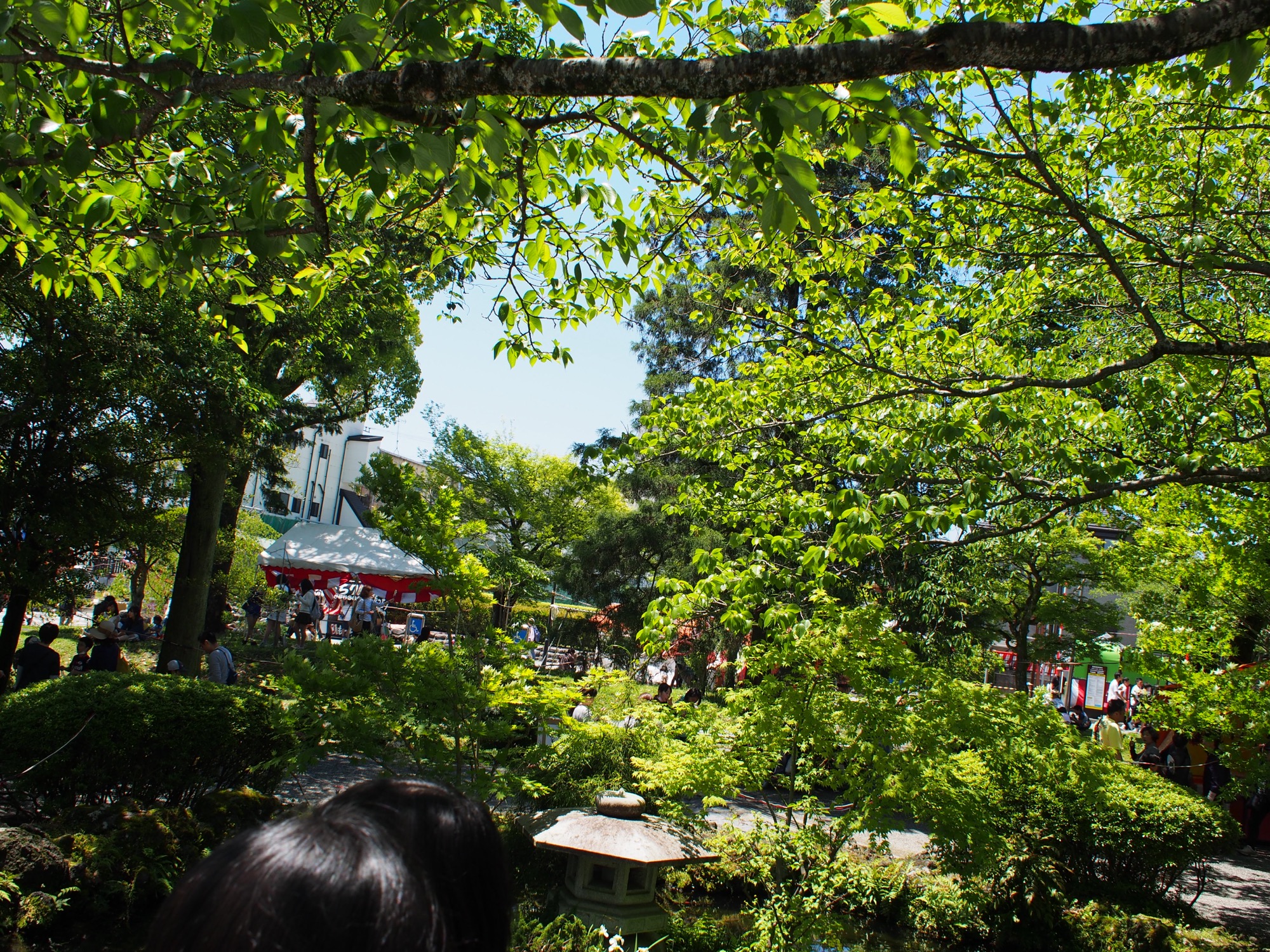
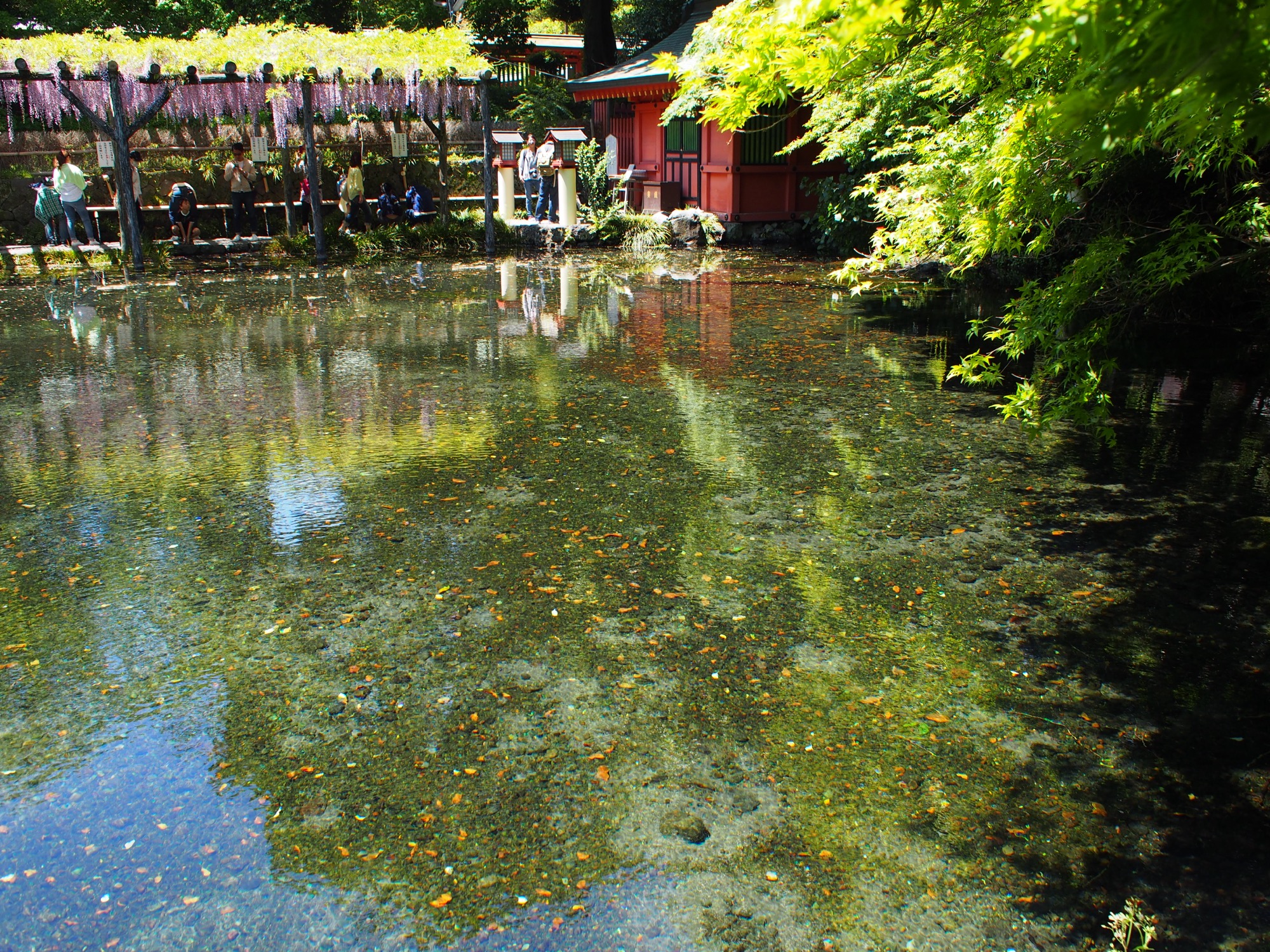
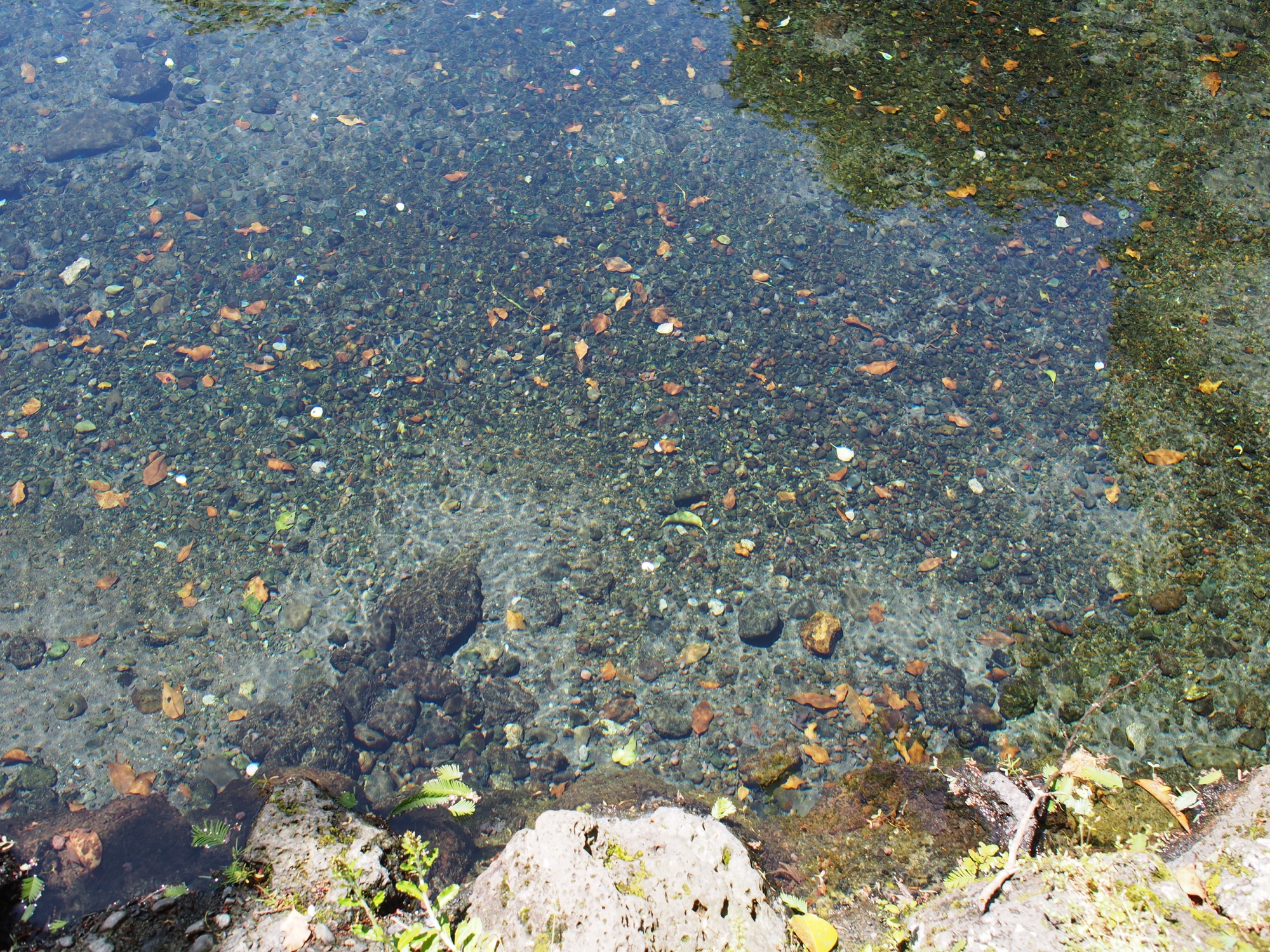
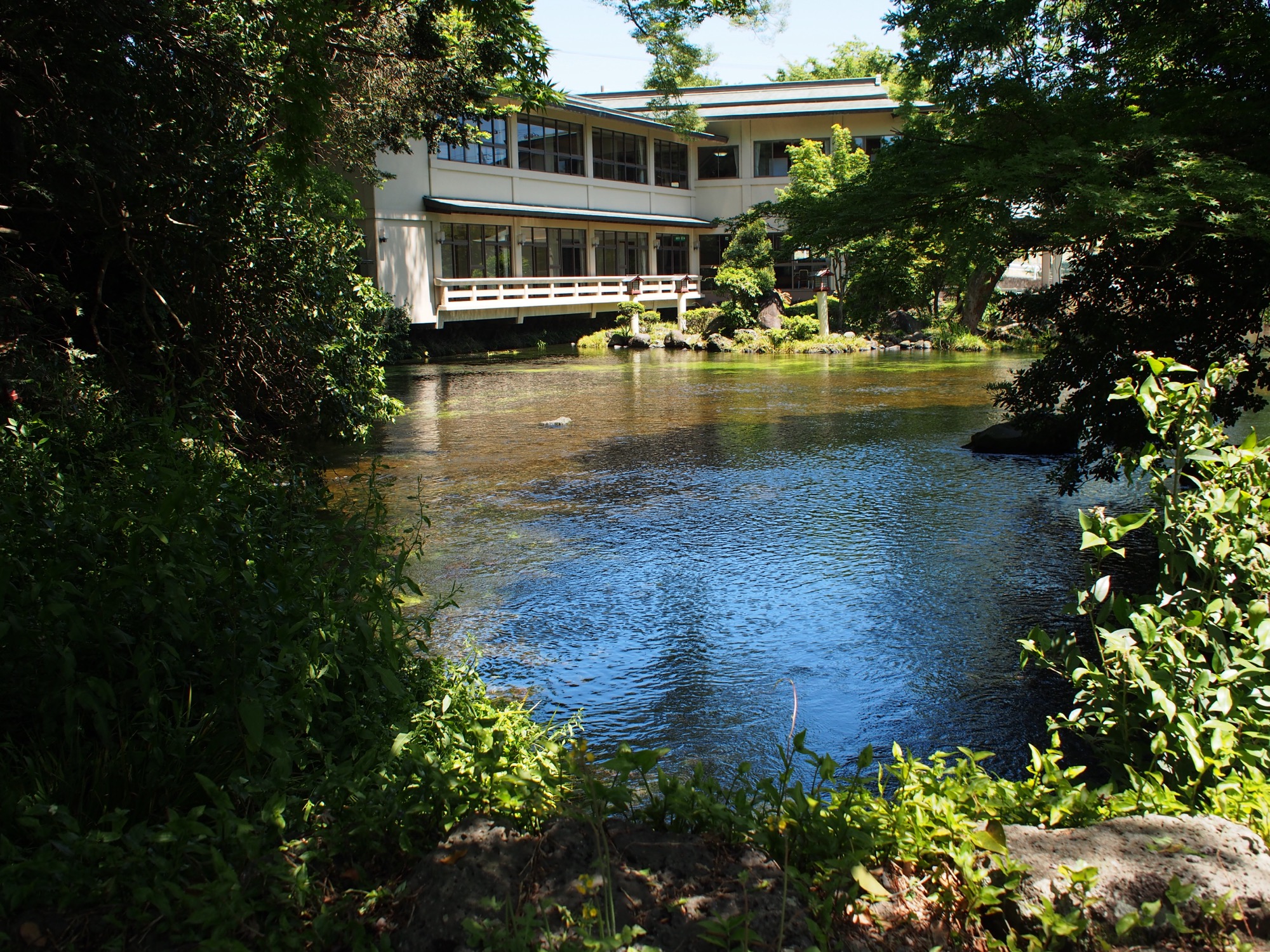
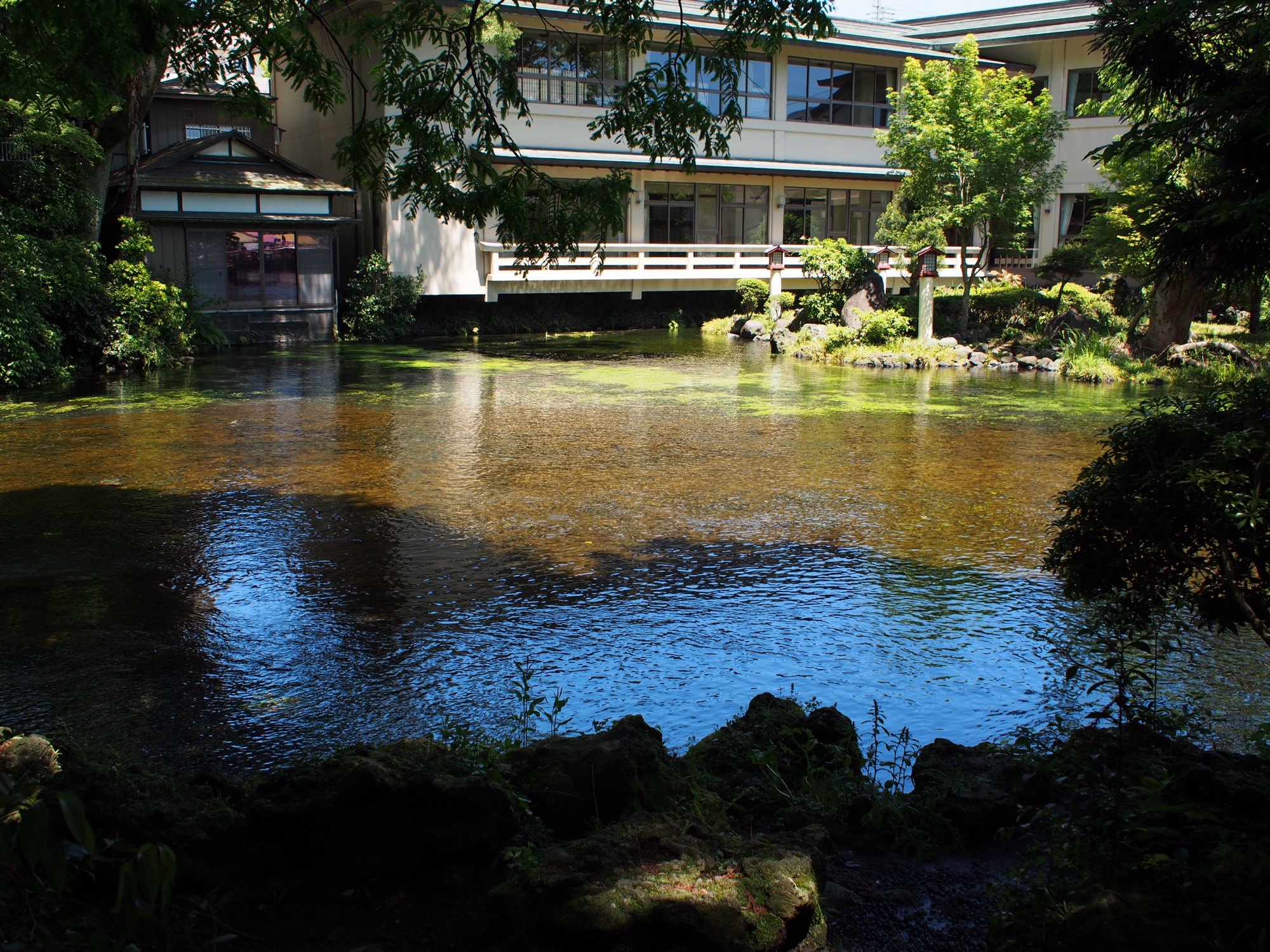
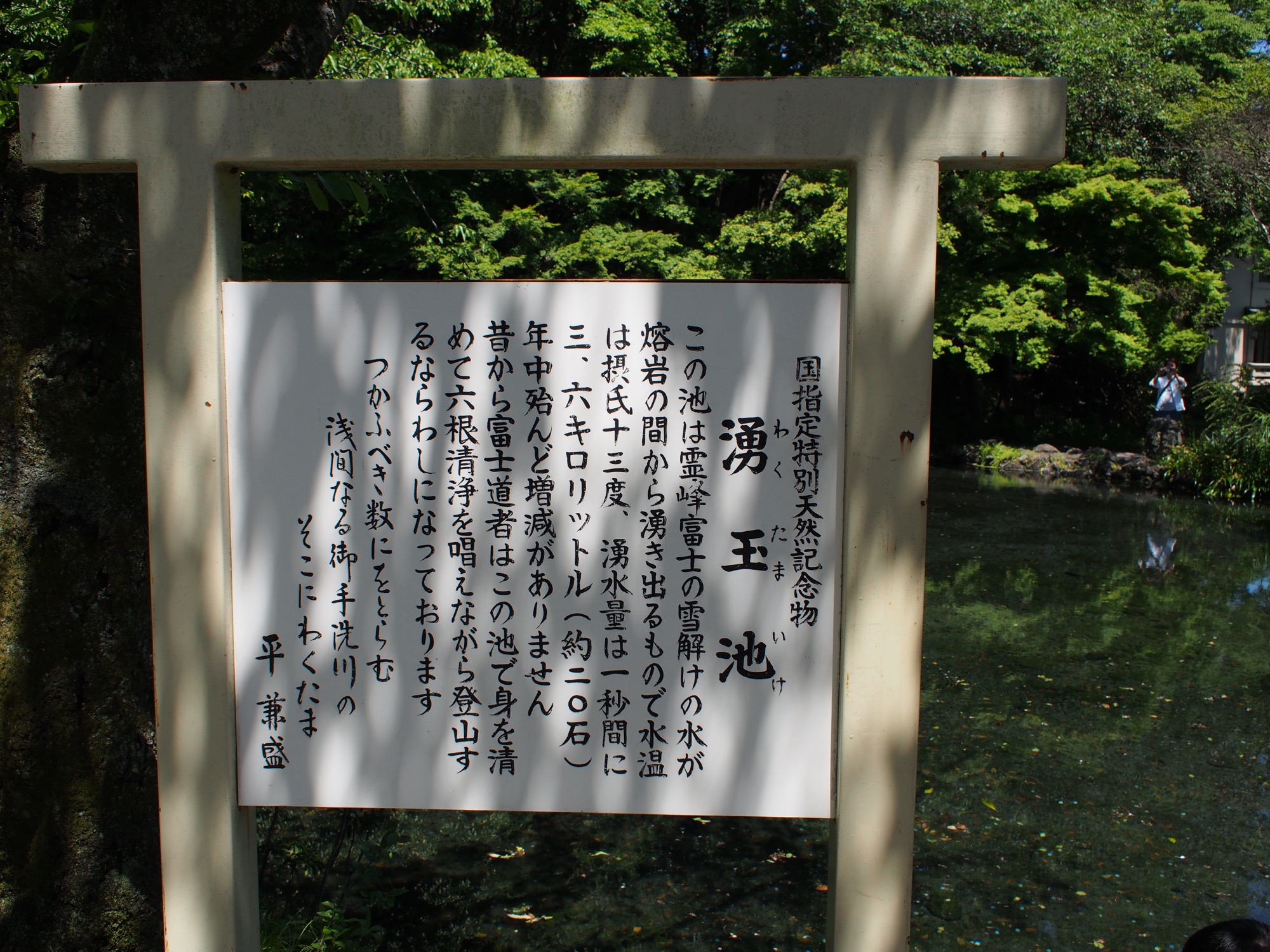
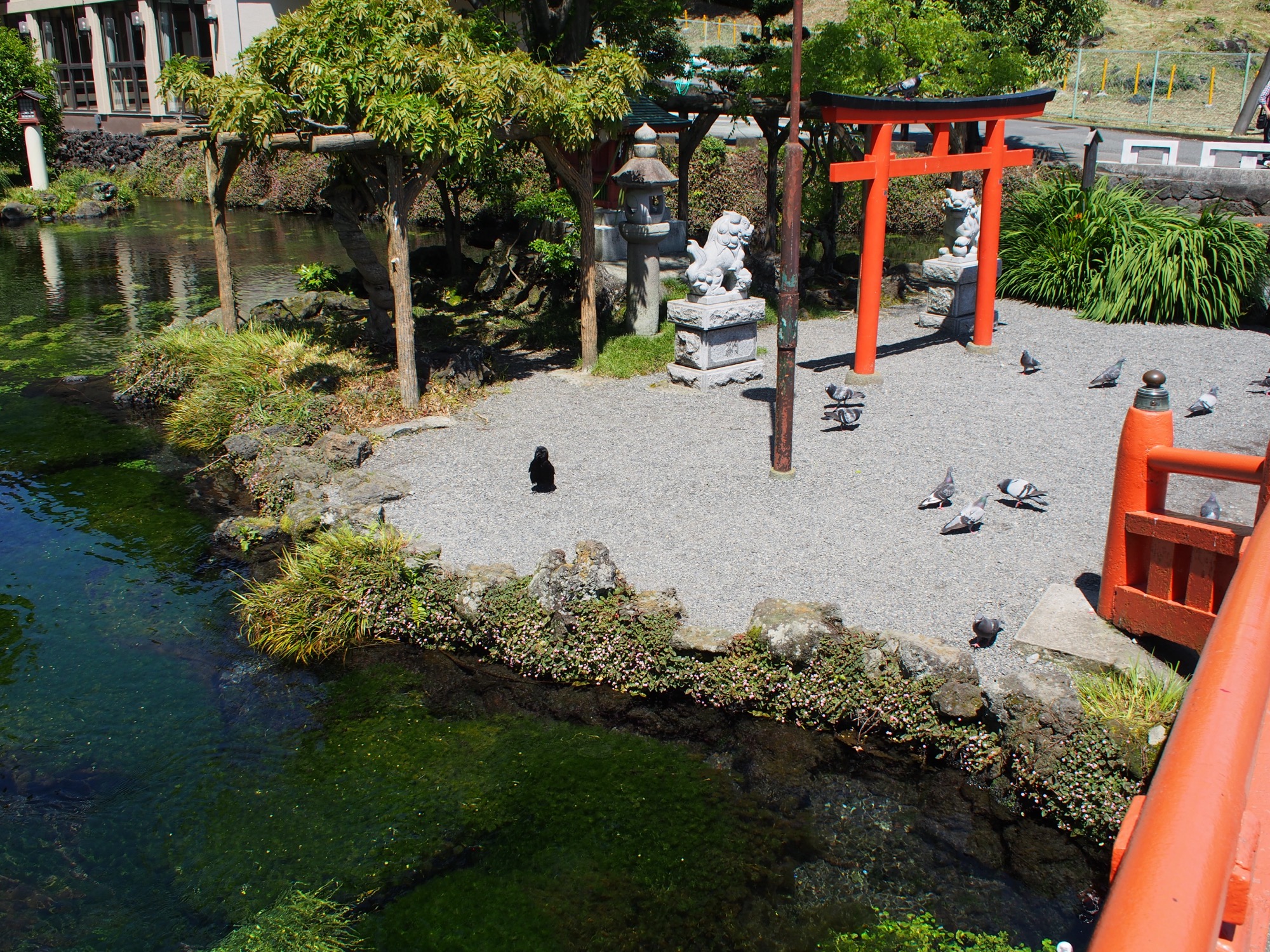
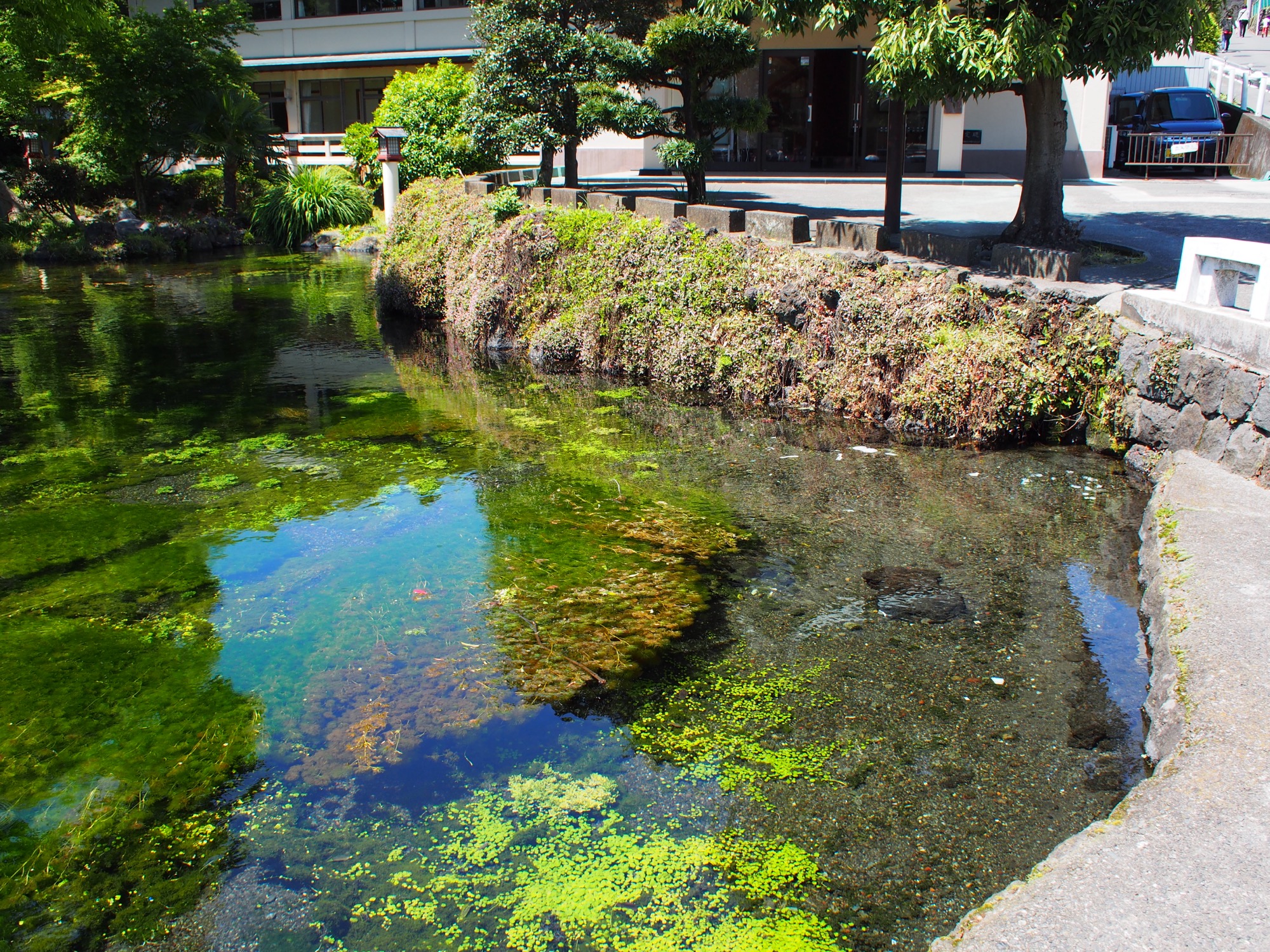
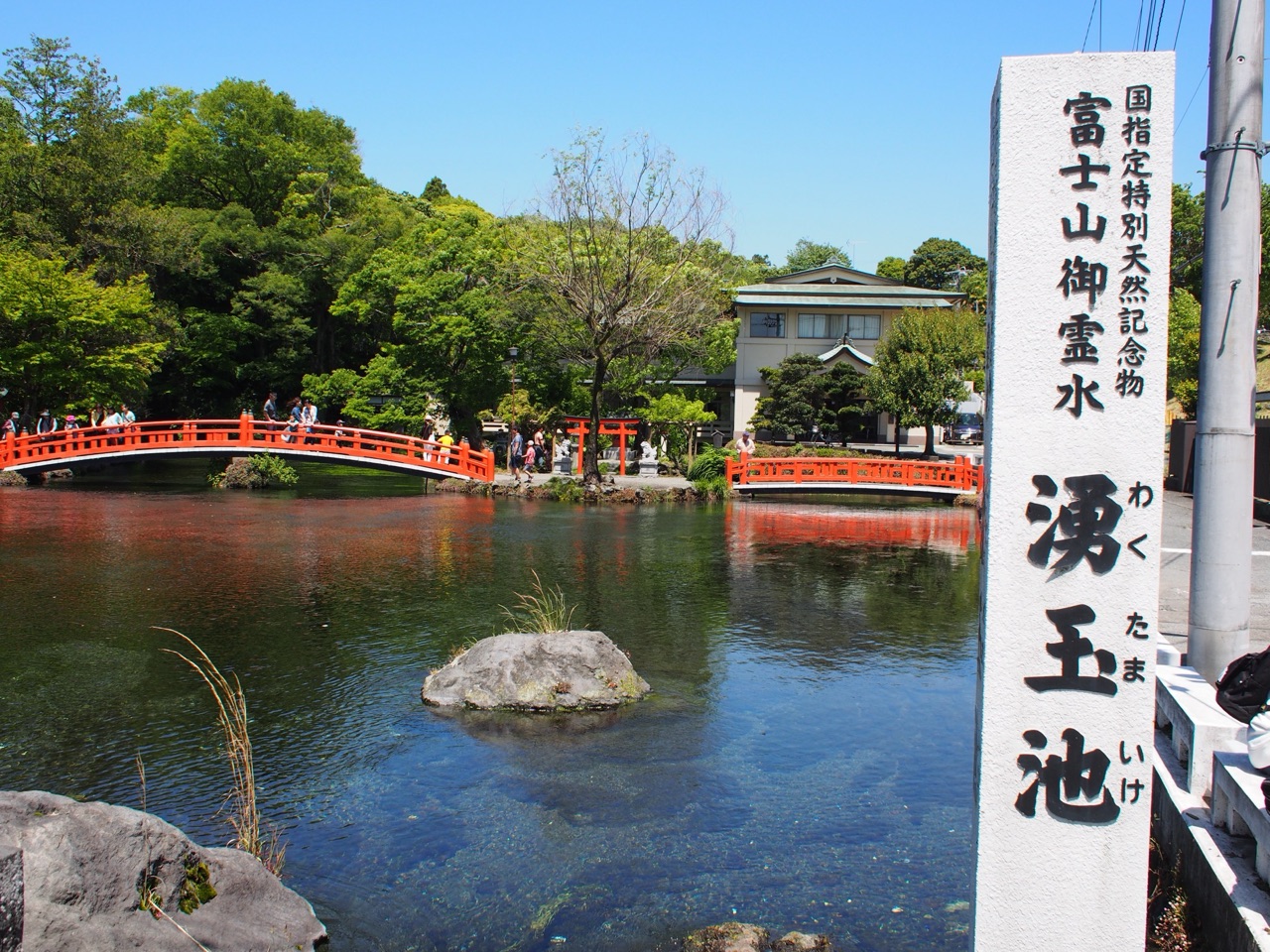
Wakutama Pond, a National Special Natural Monument, is fed by snowmelt filtered through the mountain’s lava and rising to the surface in crystalline clarity. Here, the devotees of the Edo-period Fuji-kō pilgrimage confraternities would perform ritual purification in the waters before beginning their ascent. The Heian poet Taira no Kanemori immortalised the pond in verse — asama naru mitarashi-kawa no soko ni waku tama — and those same sacred waters continue to rise unchanged today. There is a quiet wonder in that continuity.
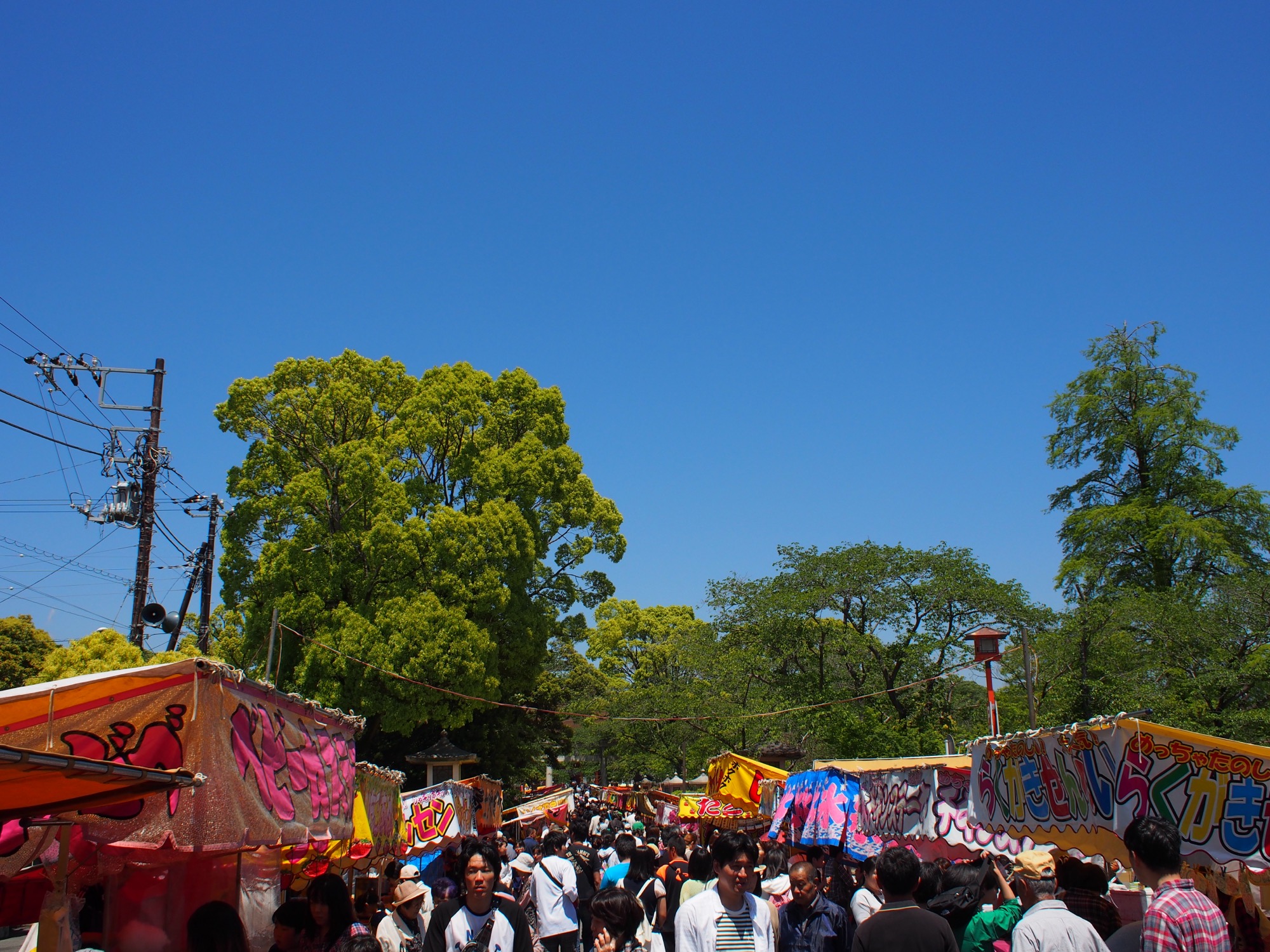
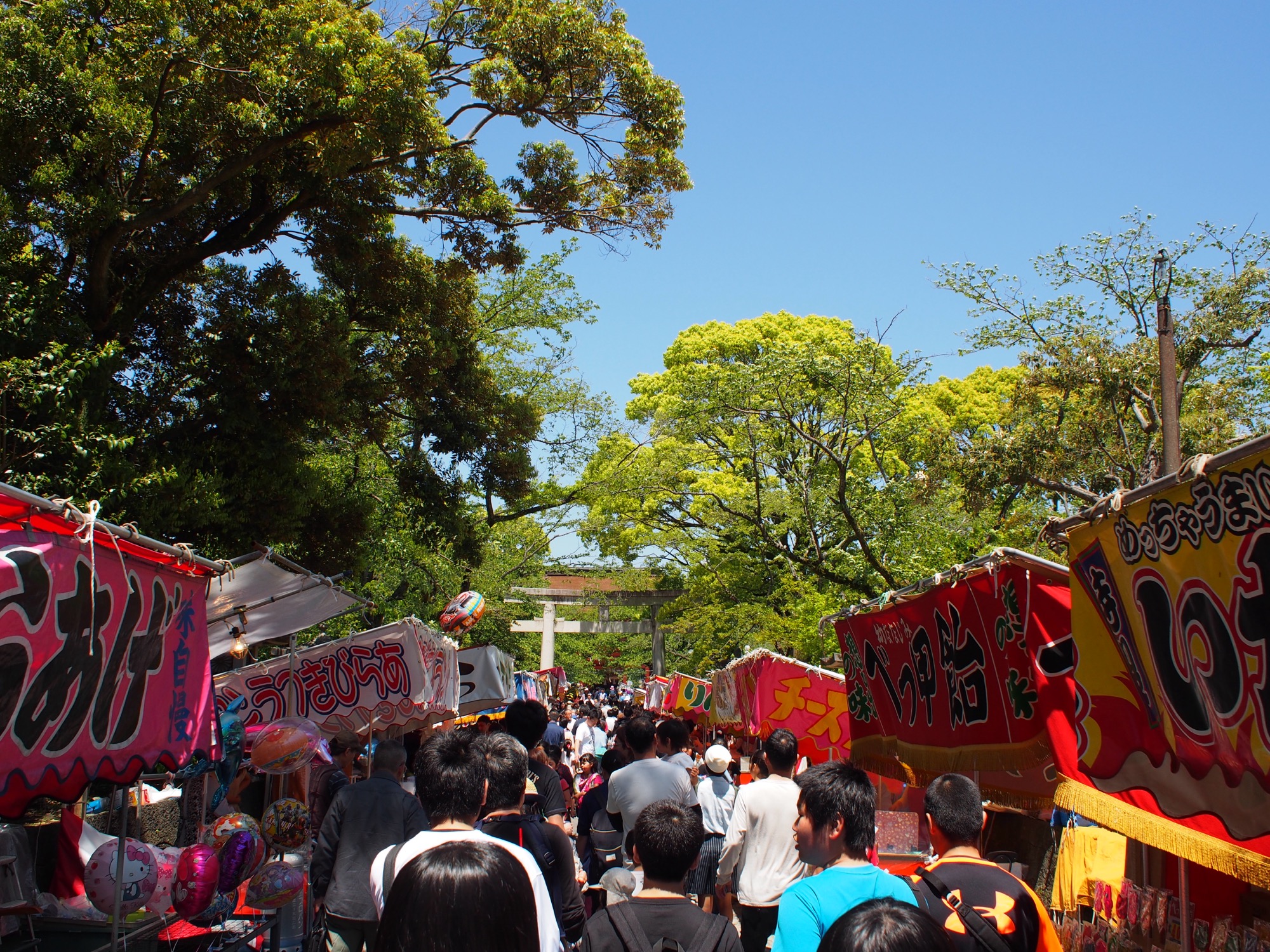
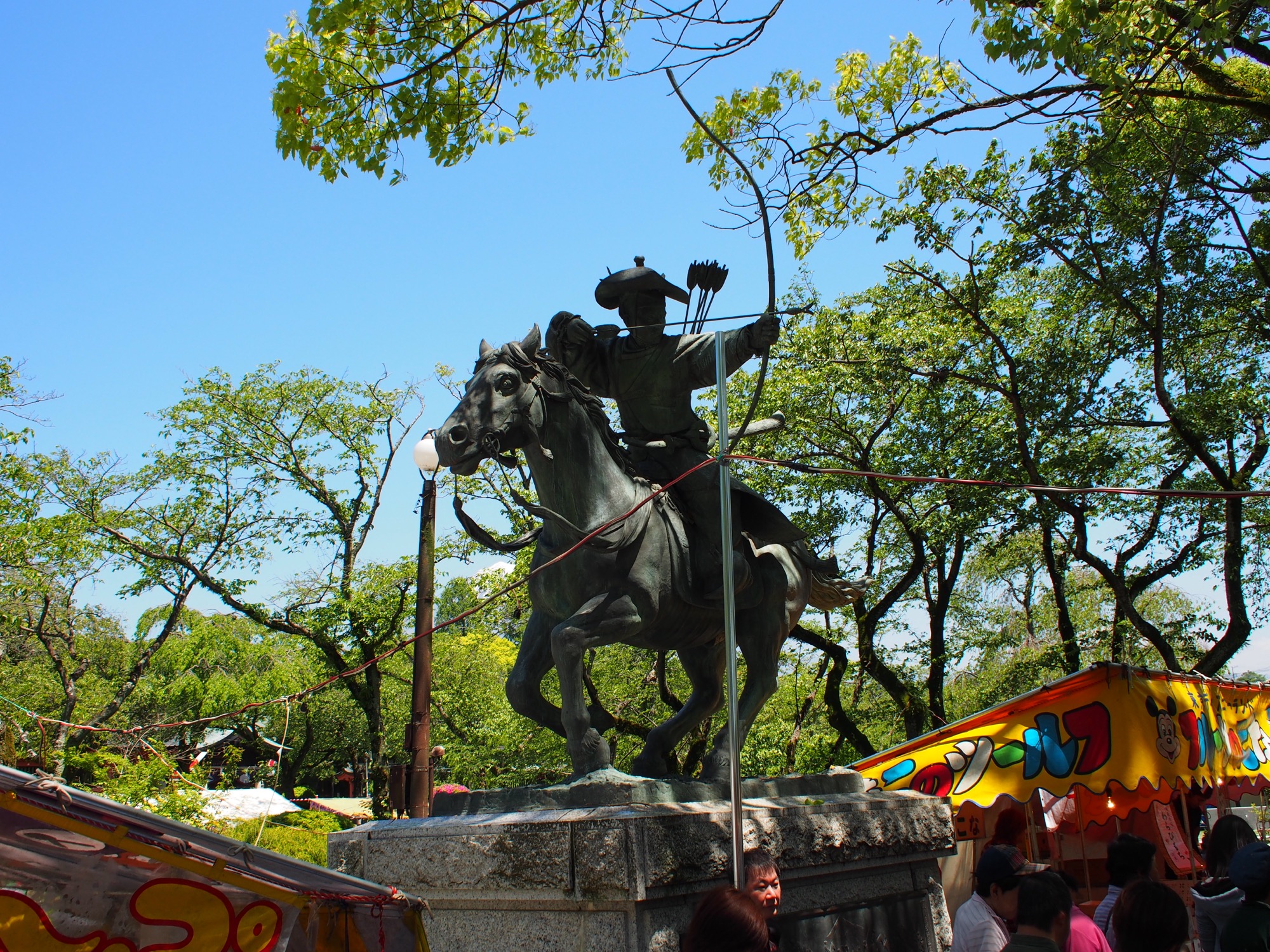
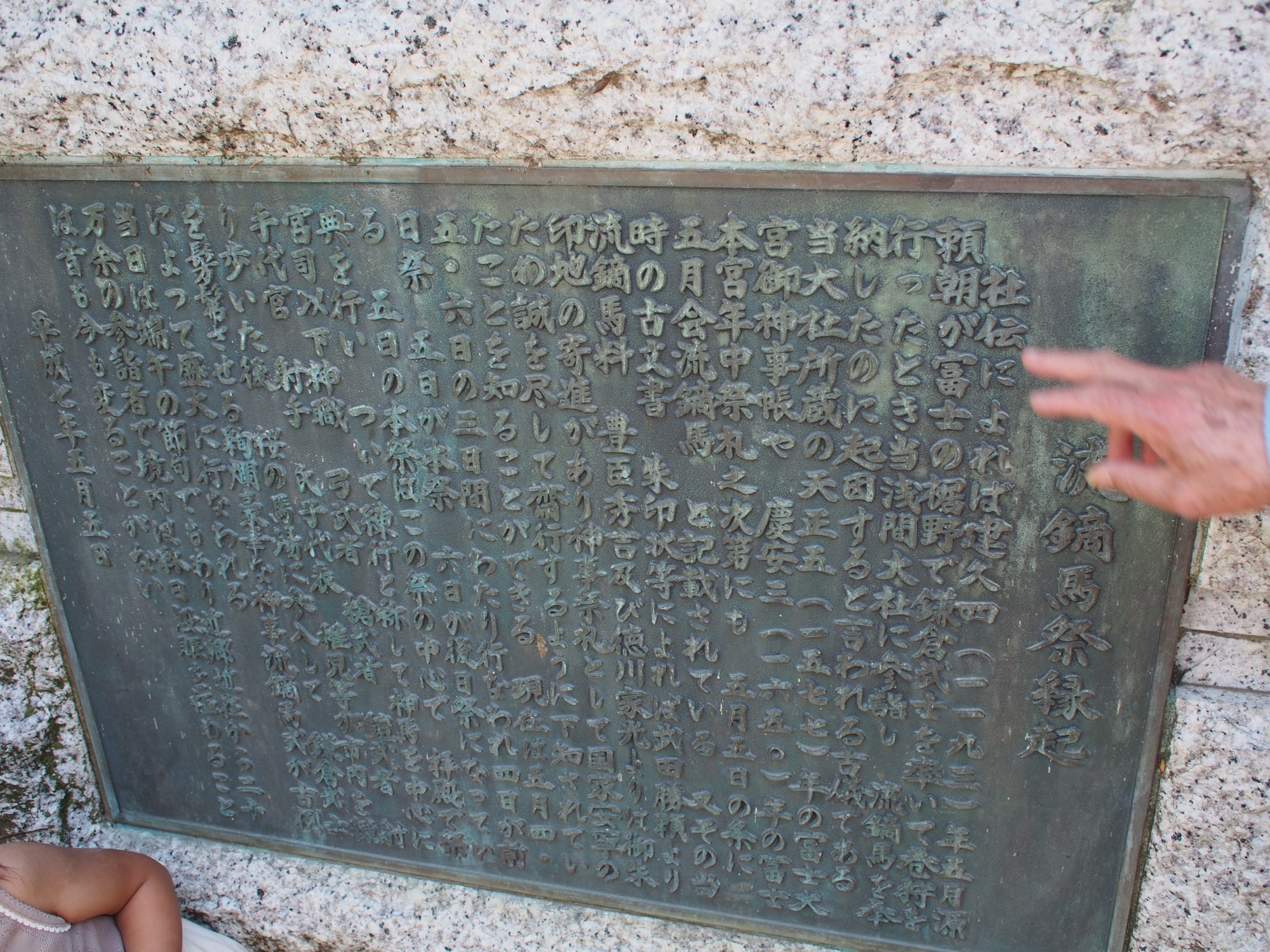
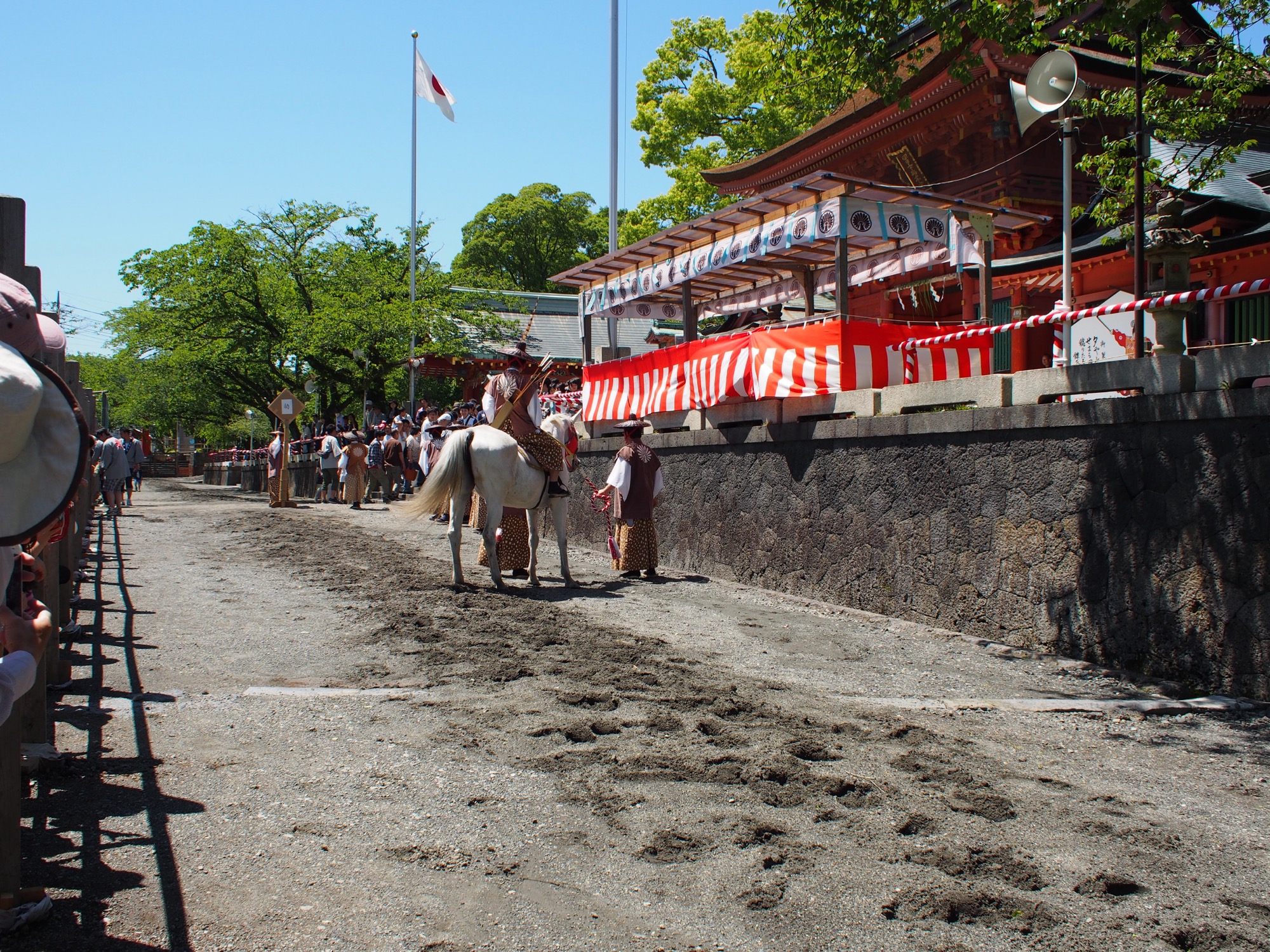
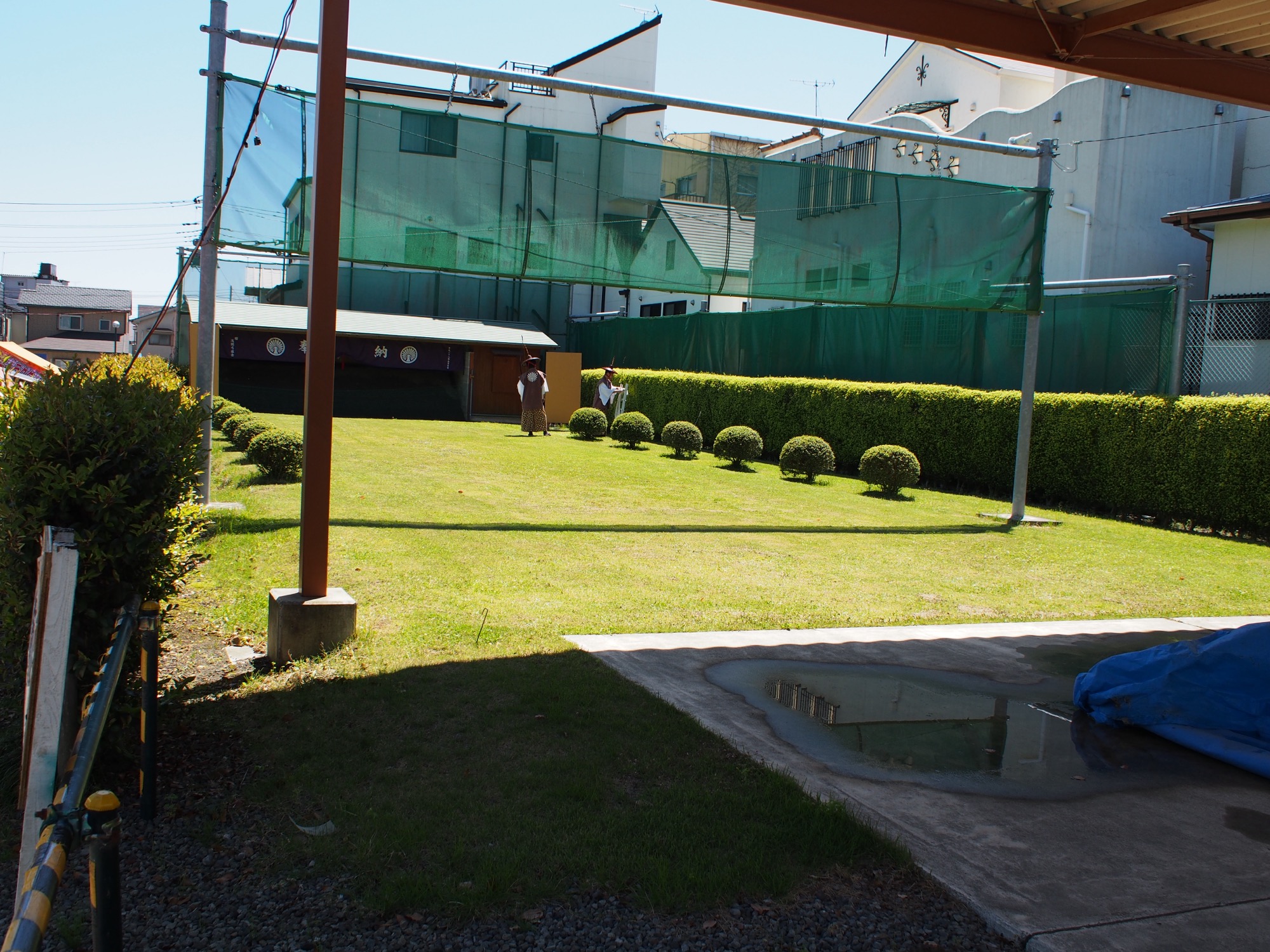
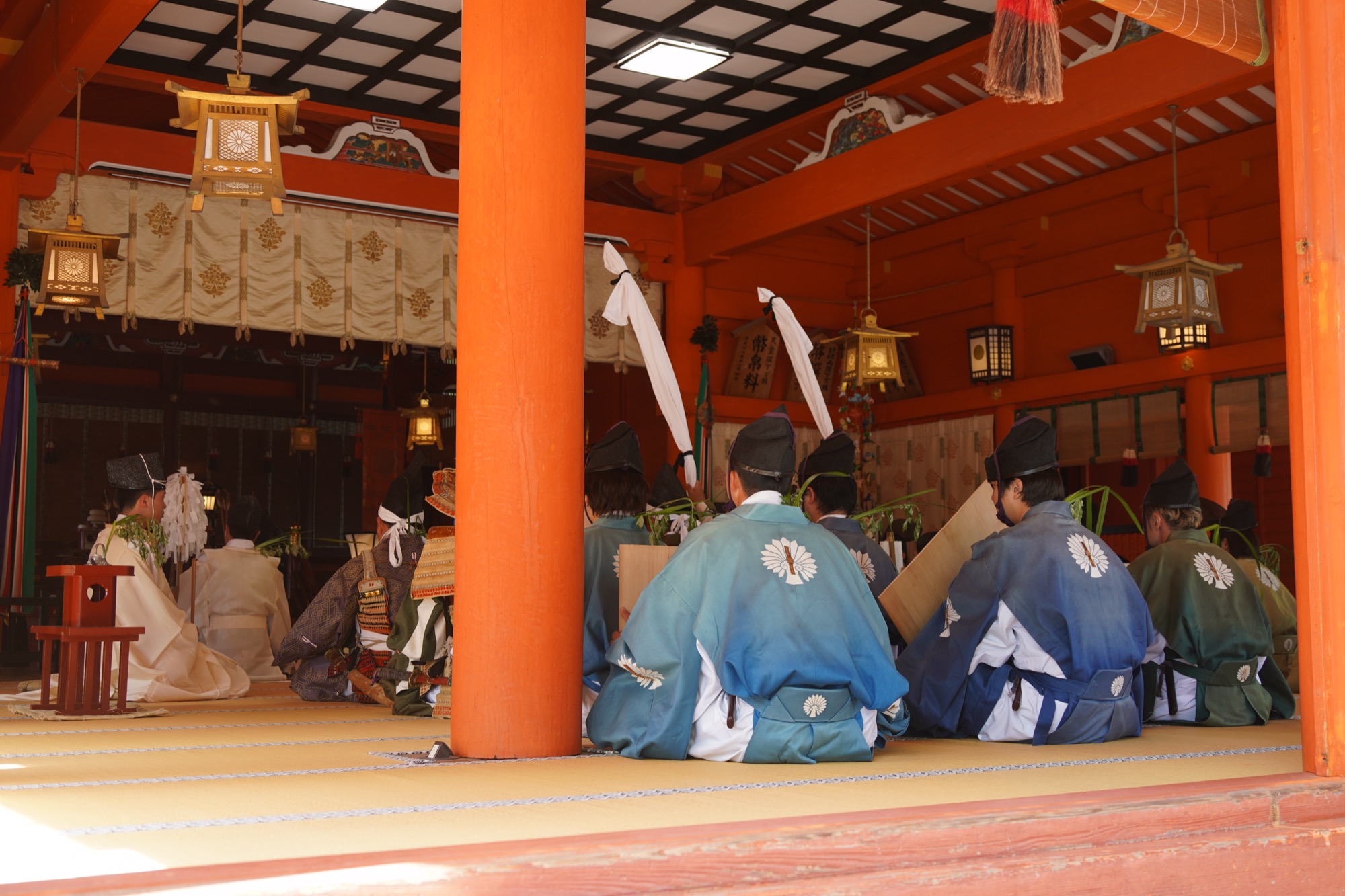
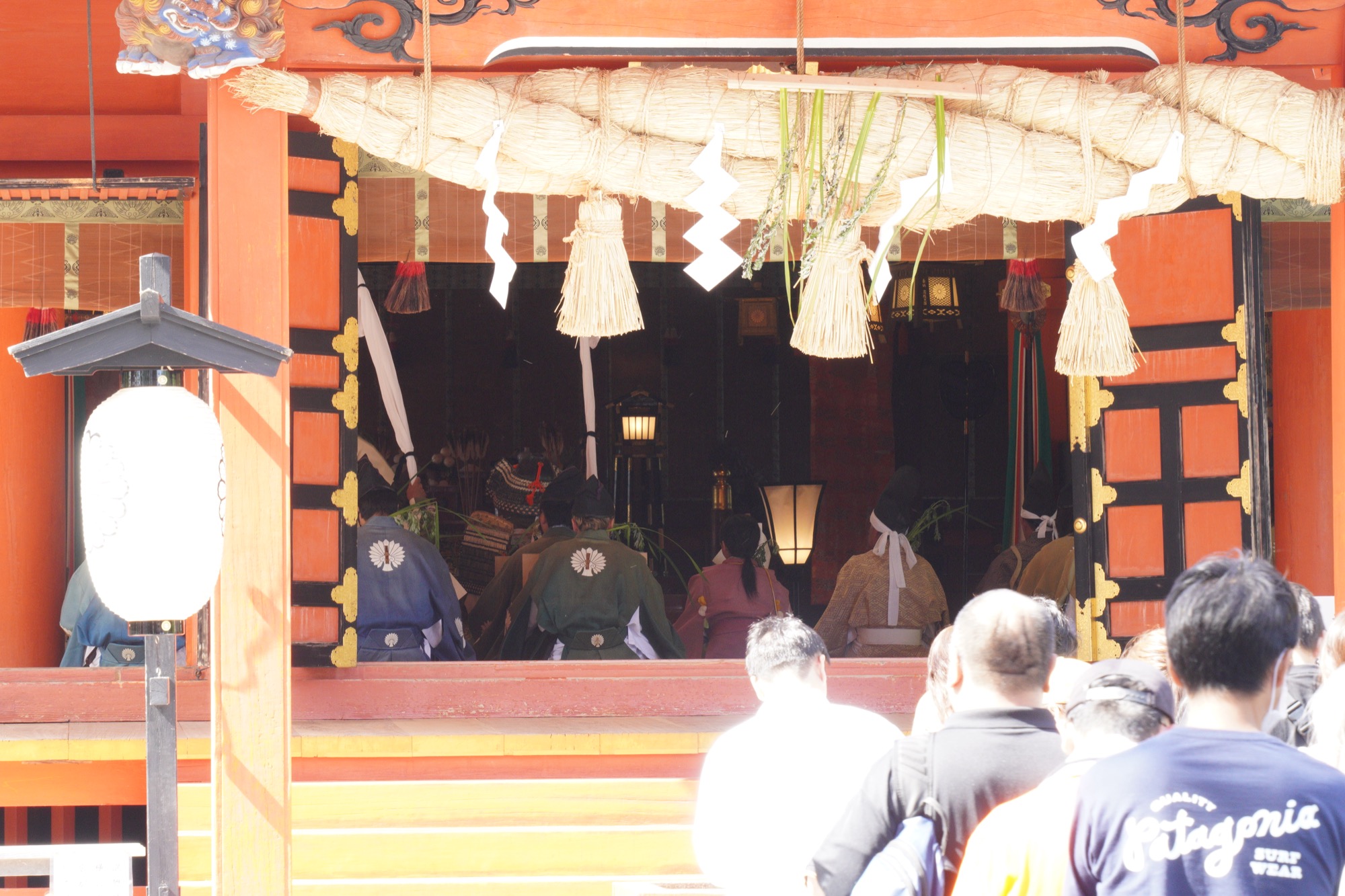
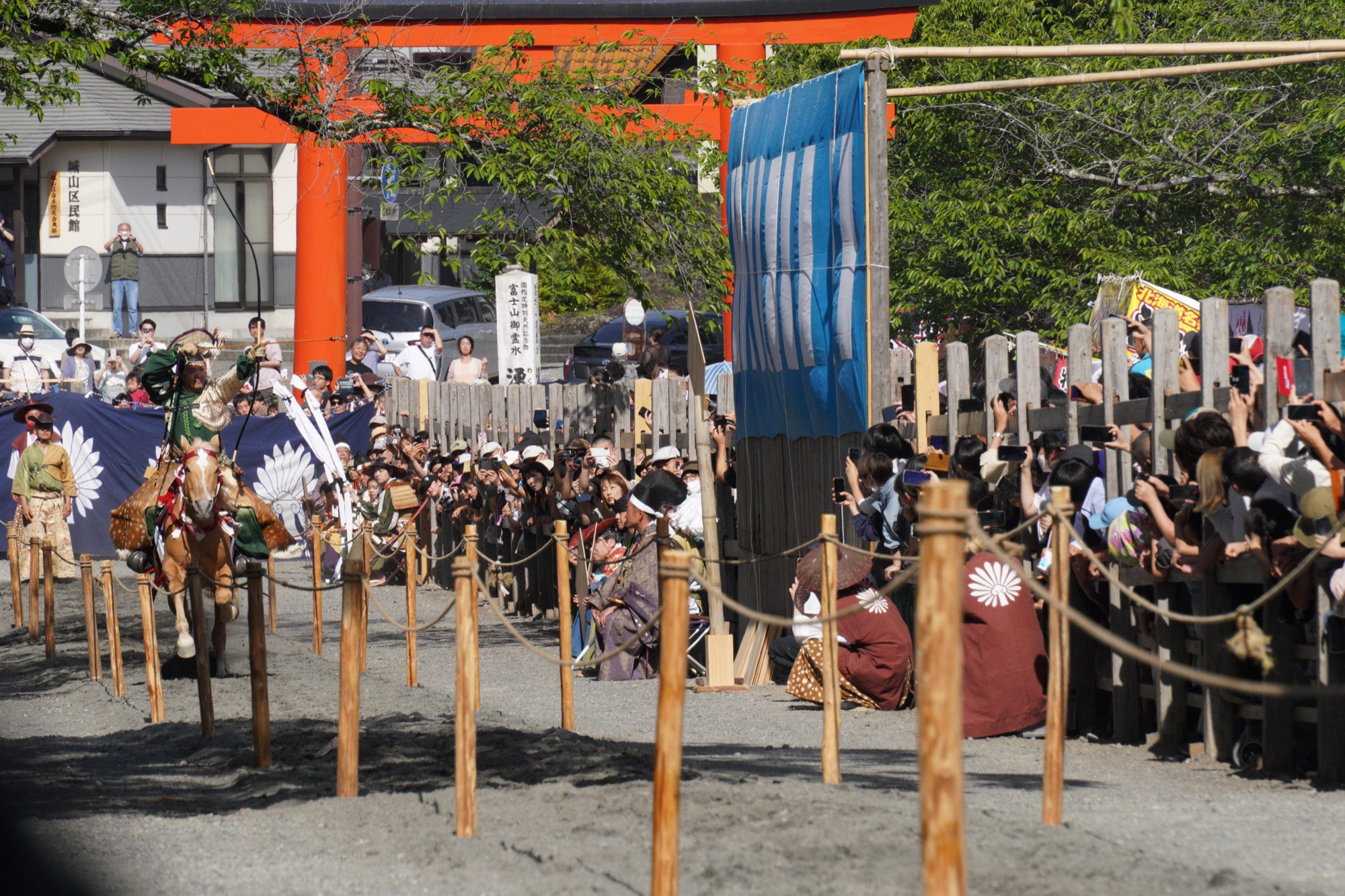
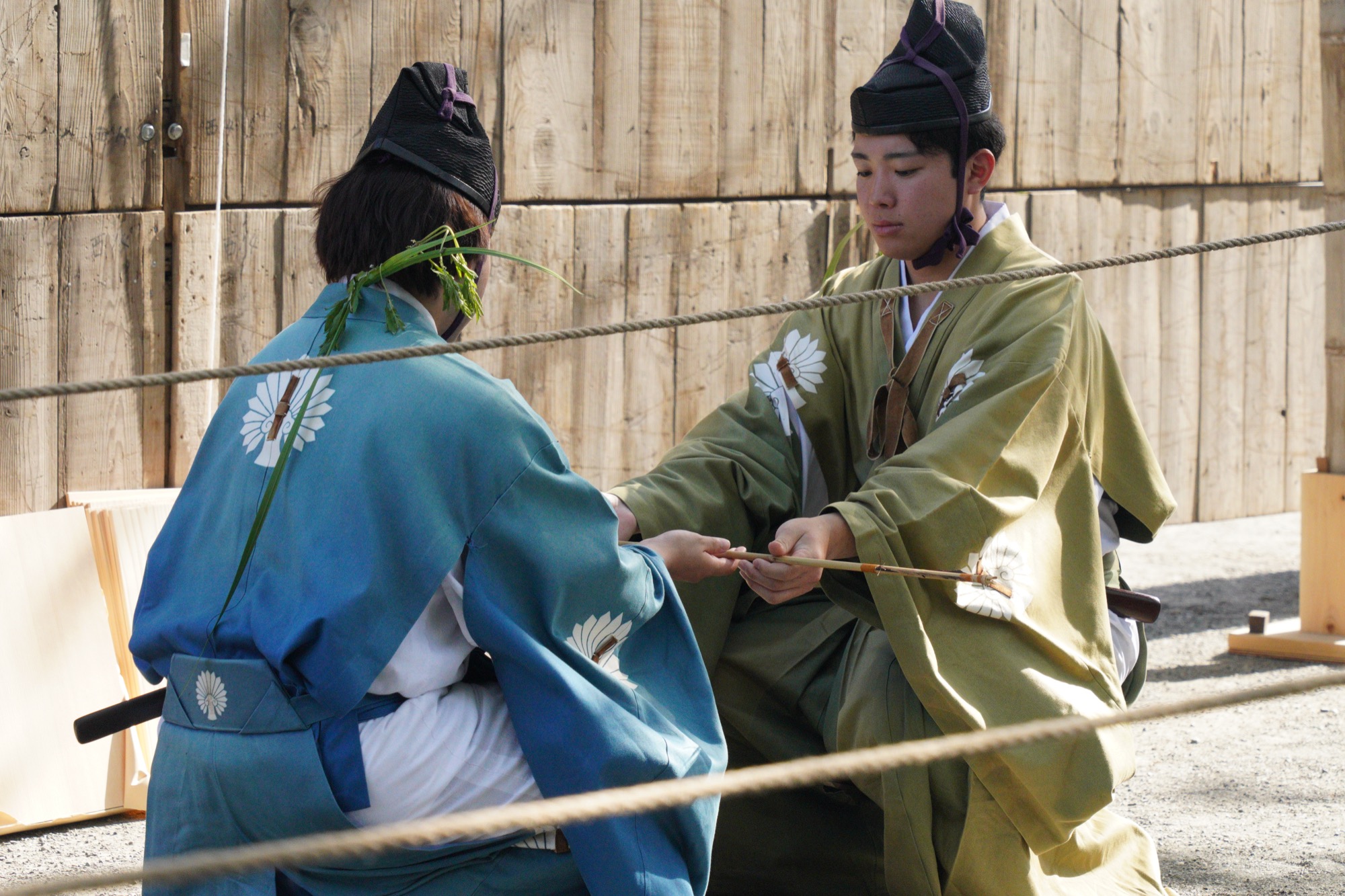
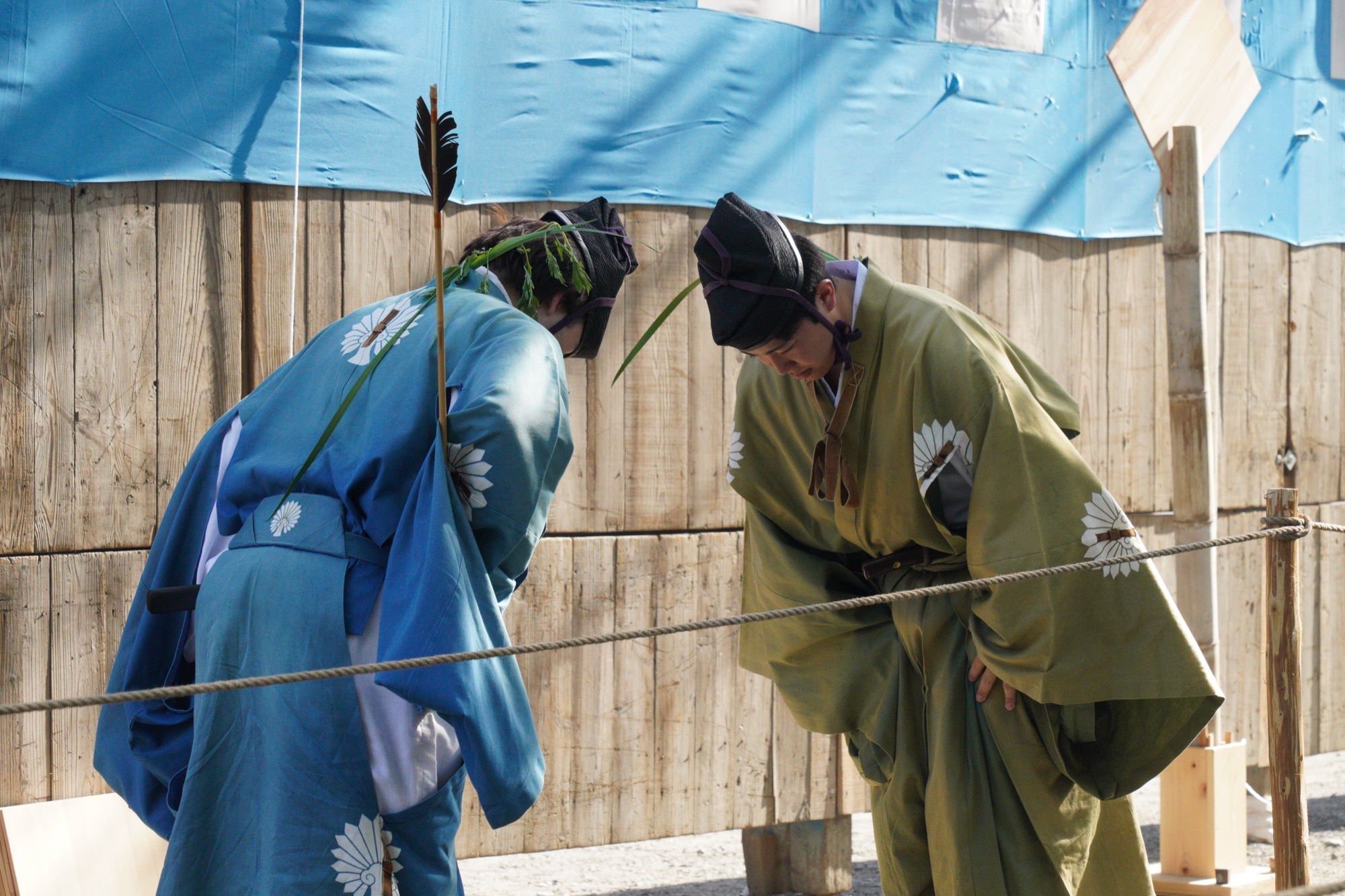
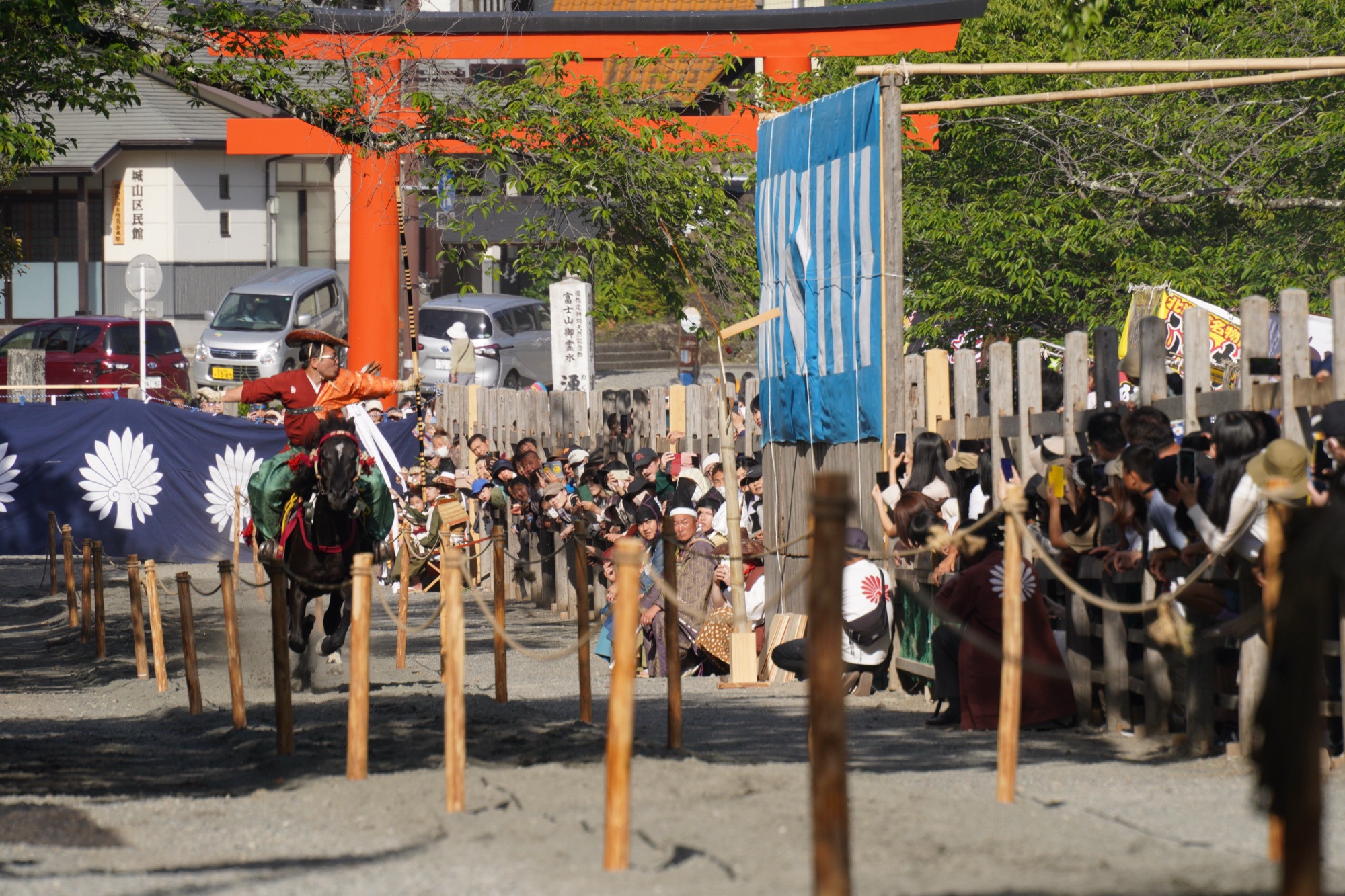
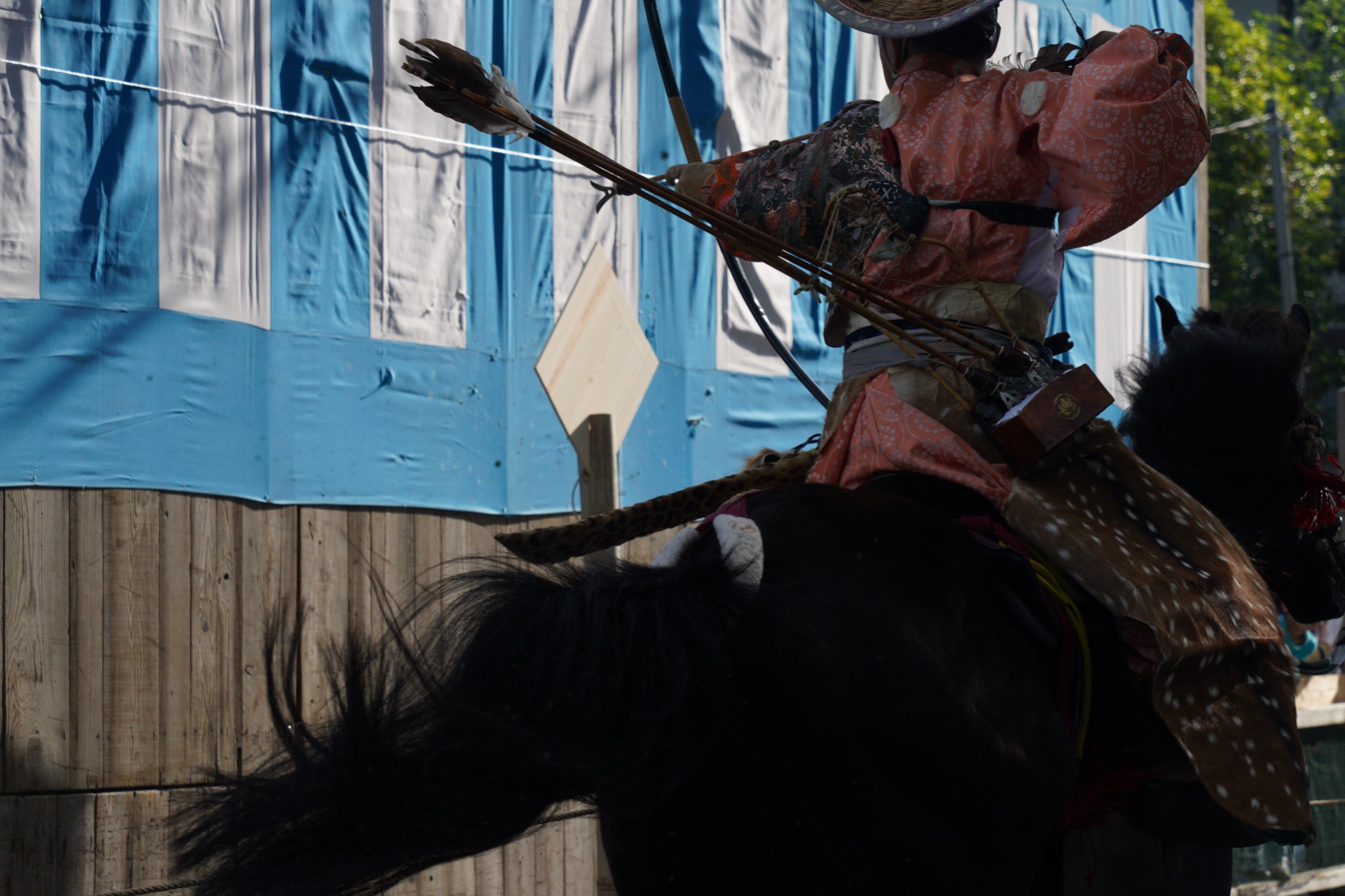
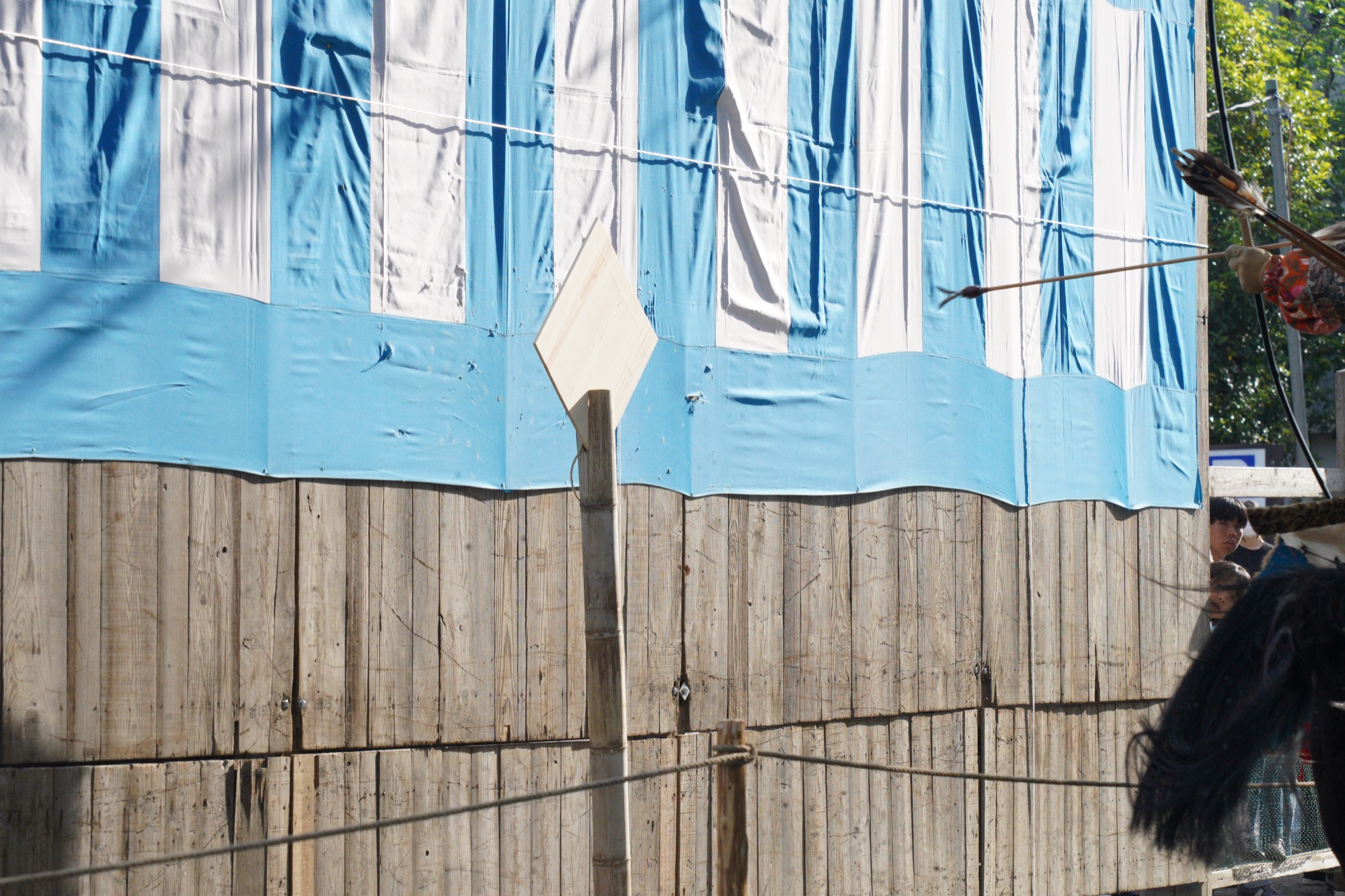
The Gogatsu-kai mounted archery ceremony, held each year from the fourth to the sixth of May, traces its origin to 1193 (Kenkyū 4), when Minamoto no Yoritomo offered the rites at the shrine during his great hunting gathering at the foot of Fuji. In the horsemen’s precision one can glimpse something of the authority that the Fuji Ōmiyaji — the warrior-priests who served as the shrine’s highest administrators — wielded as armed lords of the land, and the depth of the bond between this shrine and the military governments of the medieval age. The charged atmosphere of the precinct in May is inseparable from that history.
In 2013, the shrine was inscribed as one of the component sites of Fujisan: Sacred Place and Source of Artistic Inspiration, a UNESCO World Cultural Heritage property. Considered together with the summit okunomiya, it represents the living core of Fuji worship — a tradition that evolved from distant veneration to physical ascent. The accumulated strata of belief, from ancient volcanic appeasement through the ages of mountain asceticism, pilgrimage confraternities, and warrior devotion to the present, seem to exhale quietly from every corner of the precinct with each visit.