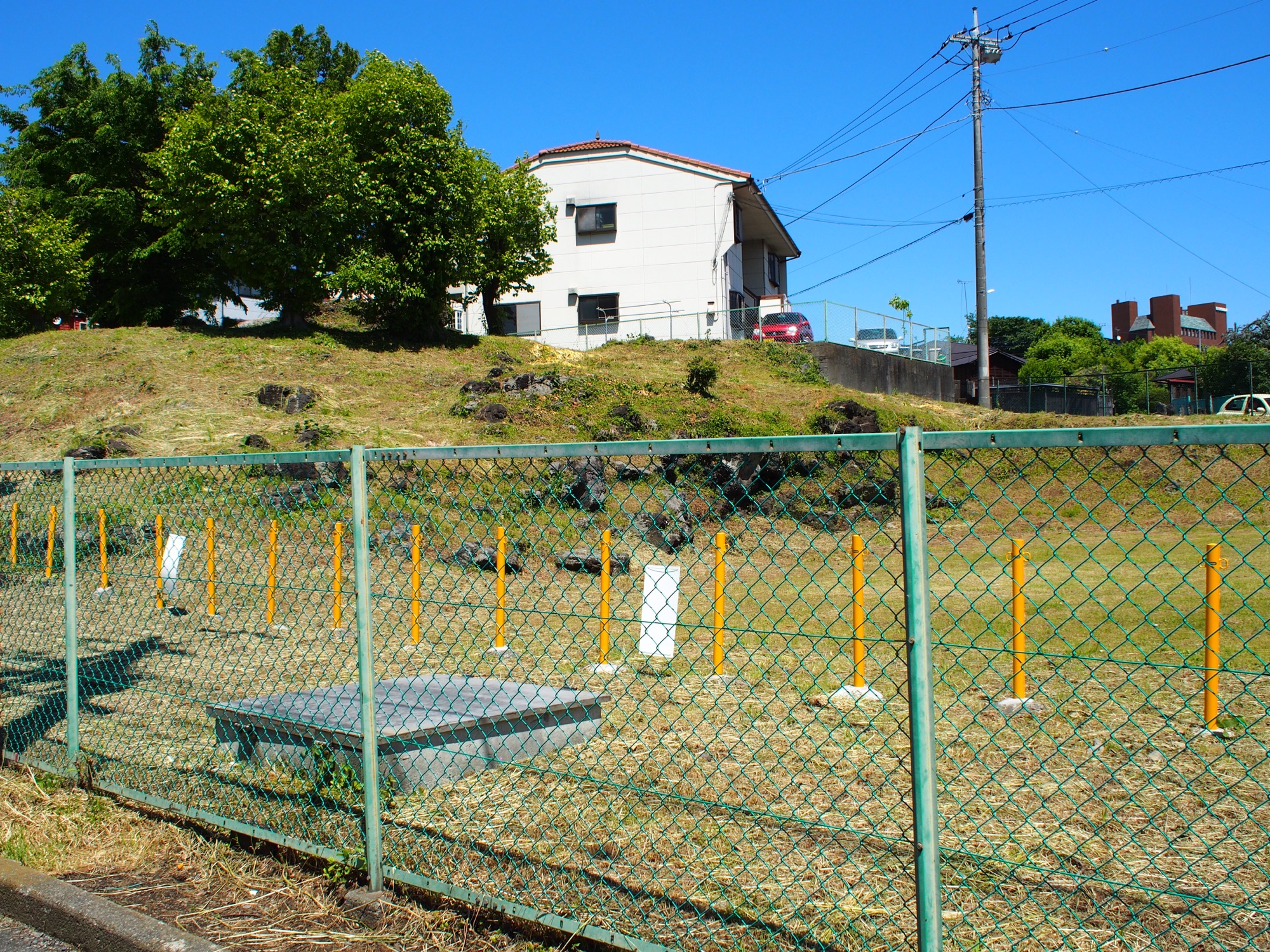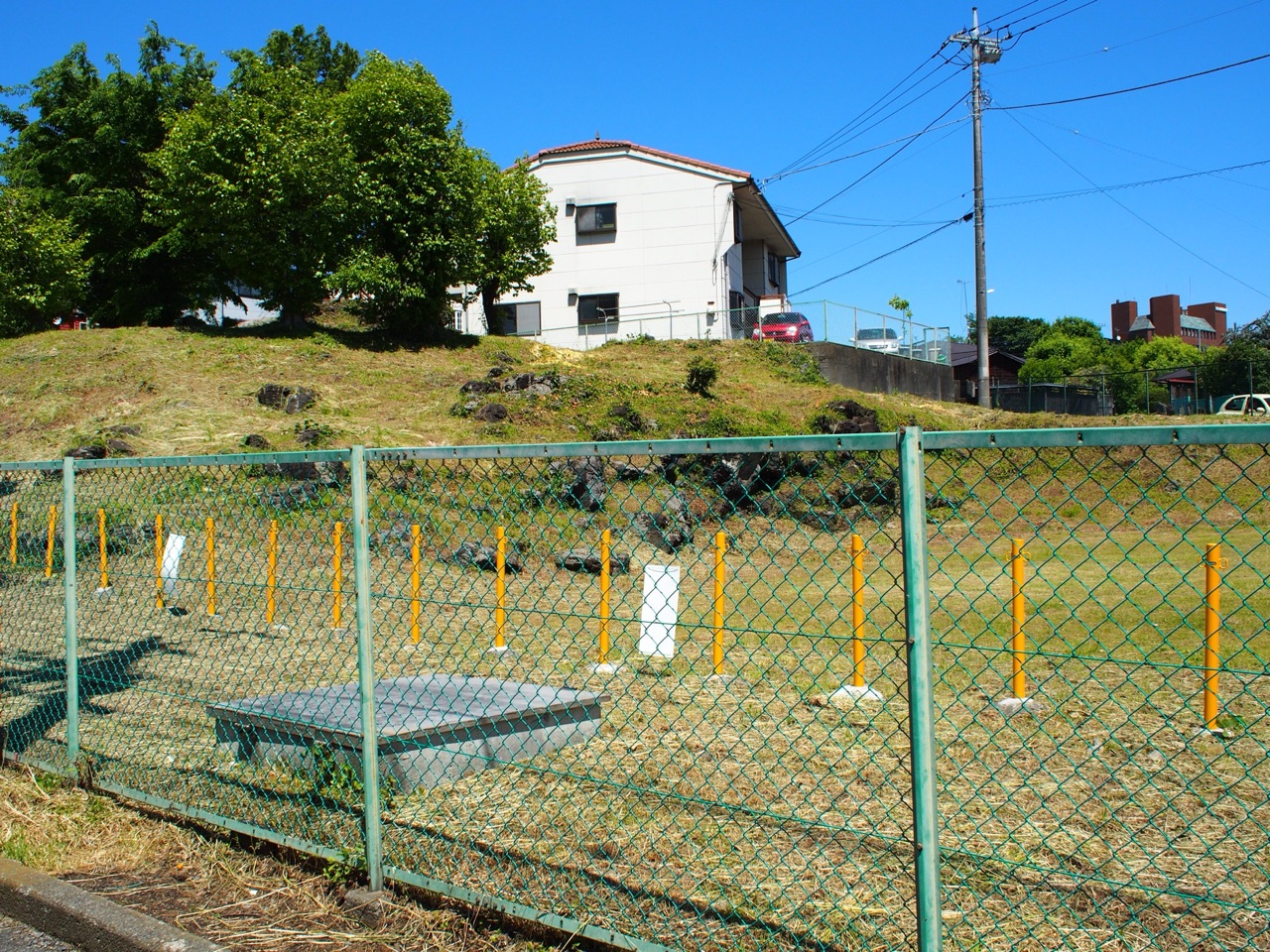
Hōdōin Temple Site
Hōdōin was a Shingon temple established at Ōmiya — the present-day urban centre of Fujinomiya — as the bettō temple, the chief administrative monastery, of Fujisan Hongu Sengen Taisha. With the Hōon’in cloister of Daigo-ji in Kyoto as its head temple, it presided over the rites and Buddhist ceremonies of Sengen Taisha. Where the three bō of Murayama led the mountain ascetics and sustained the pilgrimage routes, Hōdōin governed the shrine monks of Sengen Taisha and, as one of the “four houses” — the Ōmiyaji, the bettō, the kumon, and the anju — shared with the Fuji Ōmiyaji family the heart of the shrine’s administration.
In the age when kami and buddhas were inseparably joined, the great deity of Asama was venerated as Sengen Daibosatsu, and Buddhist ceremony was indispensable to her worship. As the officer responsible for those rites, Hōdōin held an unshakeable position in the temple town of Ōmiya.
The decree separating Shinto and Buddhism in 1868 (Meiji 1) overturned this order from its foundations. The last bettō, Kenkō, returned to lay life under the new name Fuji Shin’ichirō and became chief priest of Sengen Taisha. With this, Hōdōin ceased to exist as a temple, and the syncretic ritual order of Sengen Taisha, sustained for nearly a millennium, came to its end.
No halls remain at the site. Yet the very fact that the bettō returned to lay life only to stand at the head of the shrine’s priesthood speaks to the magnitude of the role this place once bore. The history of Fuji worship is woven not only of shrine buildings that survive, but of the memory of temples that were lost. Walking the streets of Ōmiya, this is a place to pause and consider the age of the kami and buddhas that lies beneath the pavement.