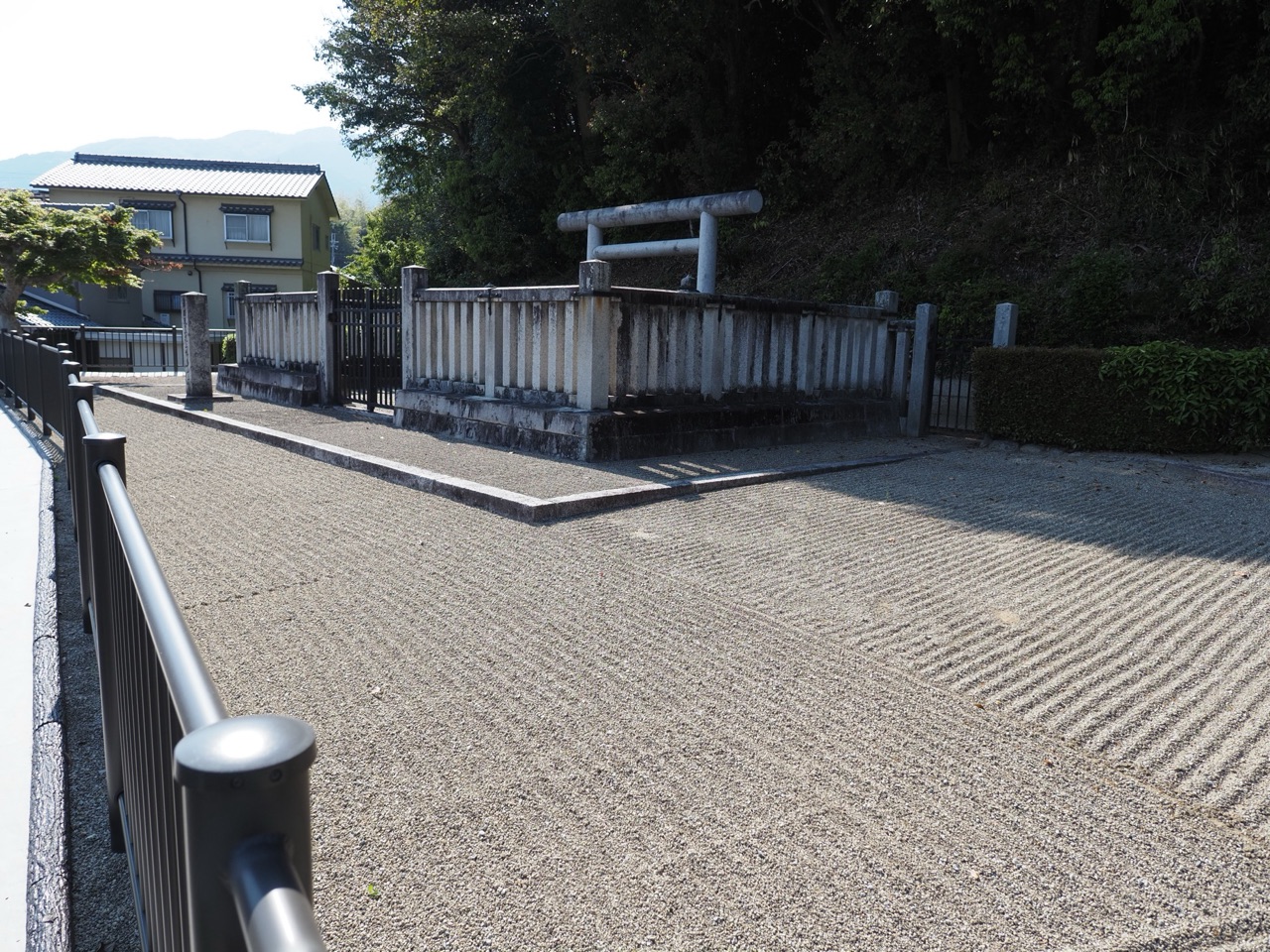
Mausoleum of Emperor Kōshō (Wakigami no Hakatayama no Ue no Misasagi)
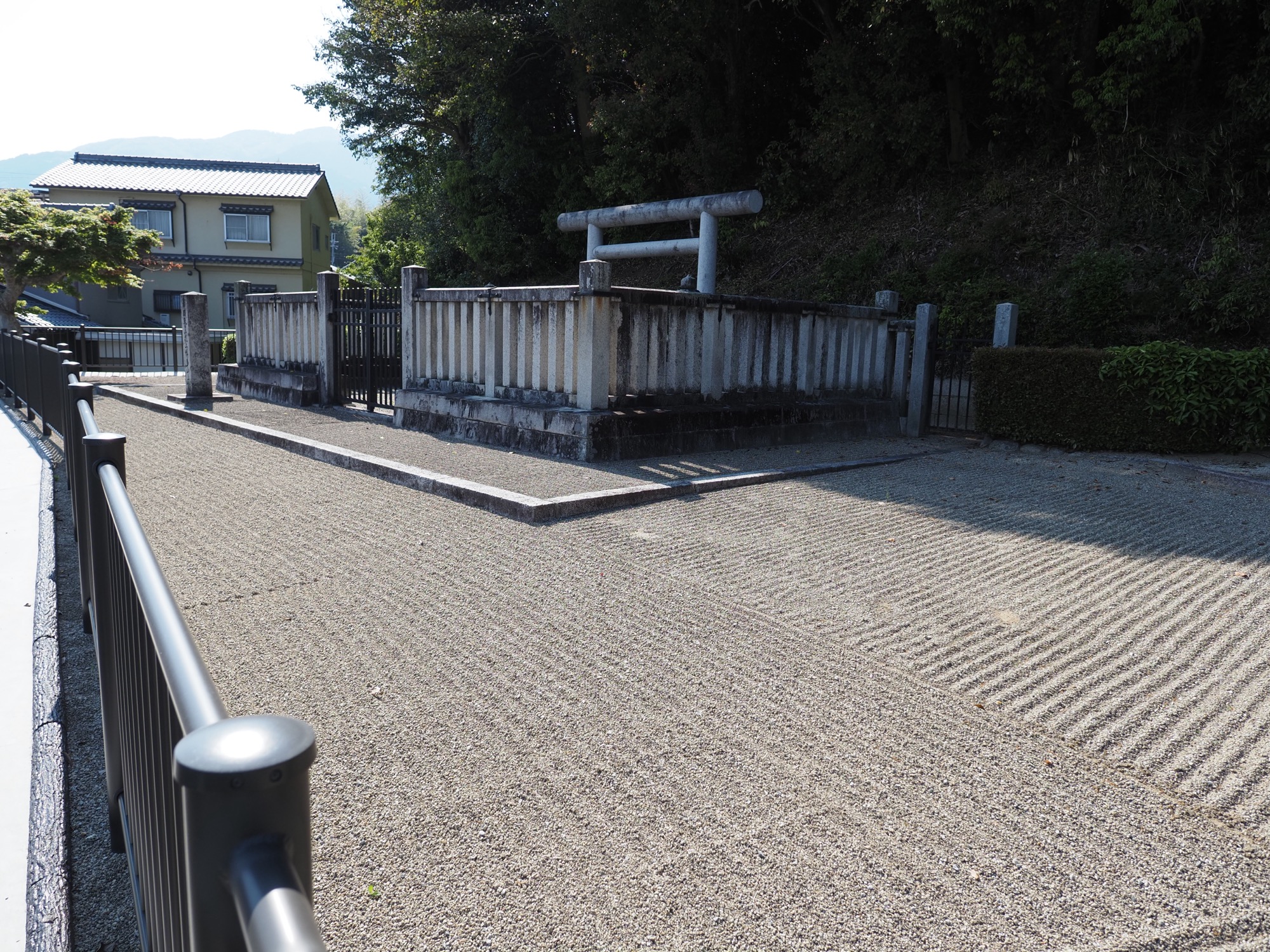
The Wakigami no Hakatayama no Ue no Misasagi stands in Mimuro, Gose, Nara, in the Katsuragi area. The Imperial Household Agency administers it as the mausoleum of the fifth emperor, Kōshō (Mimatsuhiko Kaeshine no Sumeramikoto). This Yamato mausoleum, far from Mt. Fuji, appears in this archive because the genealogy of the Fuji family (the Fuji Grand Priest family), who conducted the rites of Mt. Fuji, names this emperor as the ancestor of the house.
According to the Fuji family’s genealogical tradition, the family belongs to the line of the Wanibe clan, whose ancestor was Ametarashihiko Kunioshihito, a son of Emperor Kōshō. The Beppon Daigūji Fuji-shi Keizu, collected in the Sengen Monjo-san, records as the beginning of the Fuji family that Wanibe no Omi Toyomaro, a descendant of Emperor Kōshō in the seventeenth generation, became dairyō, chief of the district officials, of Fuji District in Suruga in 795 (Enryaku 14), and took charge of the rites of the great deity of Fuji Asama in 801 (Enryaku 20). In the genealogy, Tokimune, at the end of the Heian period, is the first to be recorded as Grand Priest (daigūji), and from Naoyo, in the next generation, the family is said to have used the name Fuji.
The Fuyōkan monument, erected in 1896 (Meiji 29) by Fuji Shigemoto to commemorate the site of the Fuyōkan, the former residence of the Fuji Grand Priests, is also carved: “The Fuji family descends from Ametarashihiko Kunioshihito, a son of Emperor Kōshō; its clan name is Wanibe.”
The name Wanibe comes from the Wani clan, an ancient clan based at Wani in Yamato (around today’s Wani-chō, Tenri, Nara). The Fuji family’s genealogy records that a Wanibe no Omi came down to Suruga and became chief of Fuji District.
The Kojiki records that the mausoleum of Emperor Kōshō (Mimatsuhiko Kaeshine) is on the hill of Hakatayama at Wakigami. In scholarship, Emperor Kōshō is one of the eight undocumented emperors, and his historicity is doubted. The earliest record confirming that the Fuji family used the name Wanibe dates from 1462 (Kanshō 3), in the Muromachi period. Whether it is true or not, this is the resting place of the emperor whom the Fuji family’s genealogy names as the ancestor of the house.
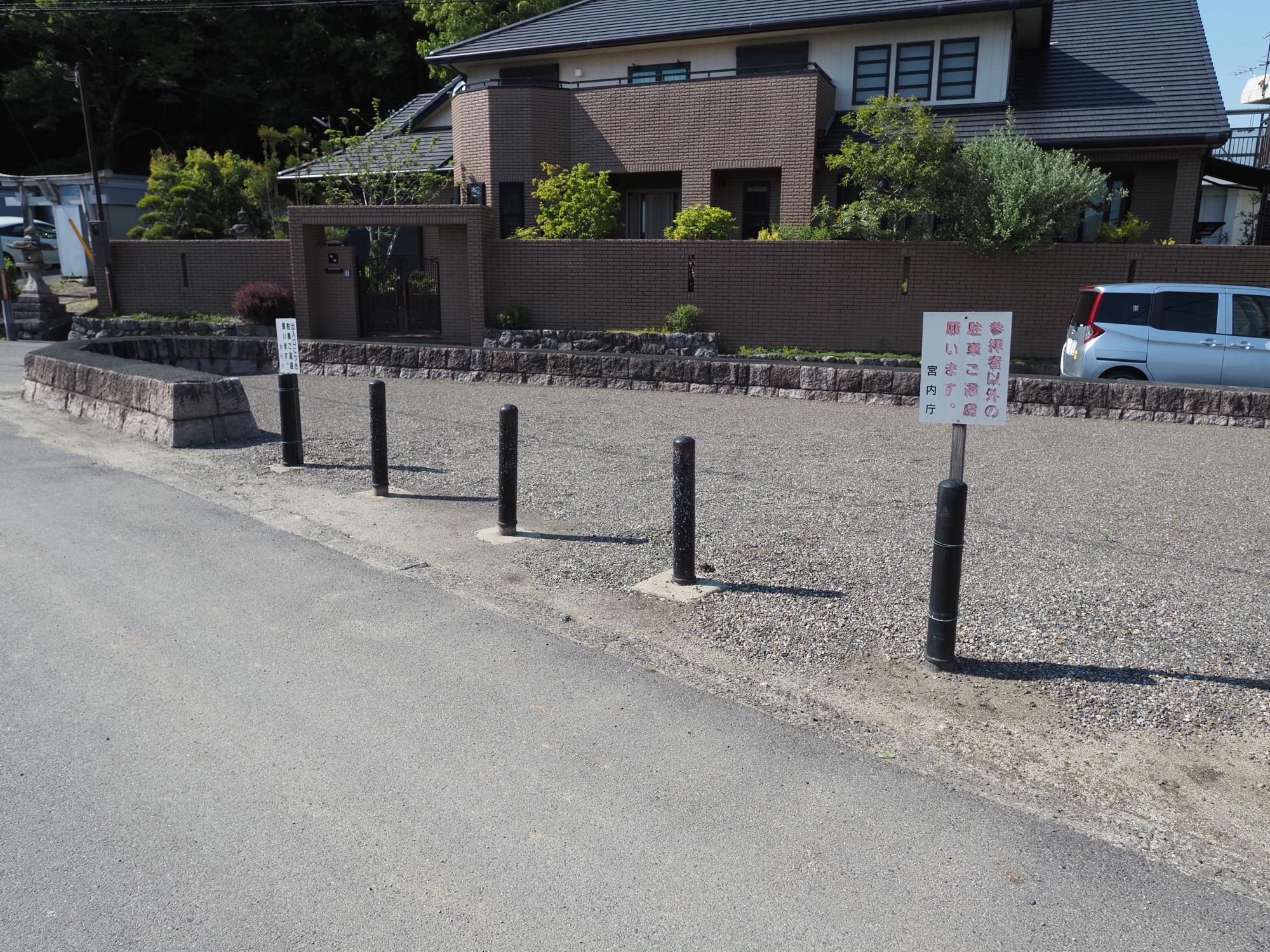
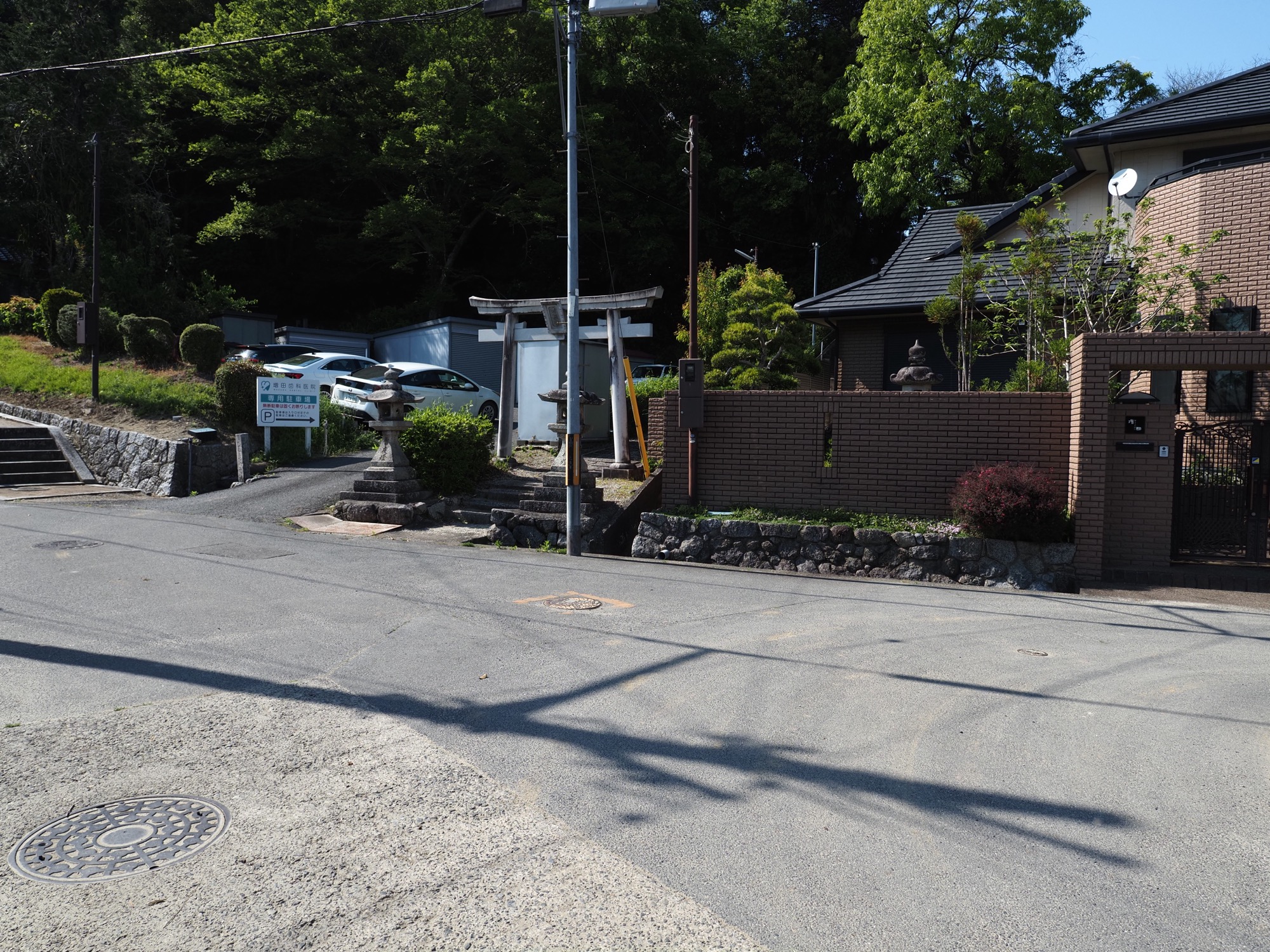
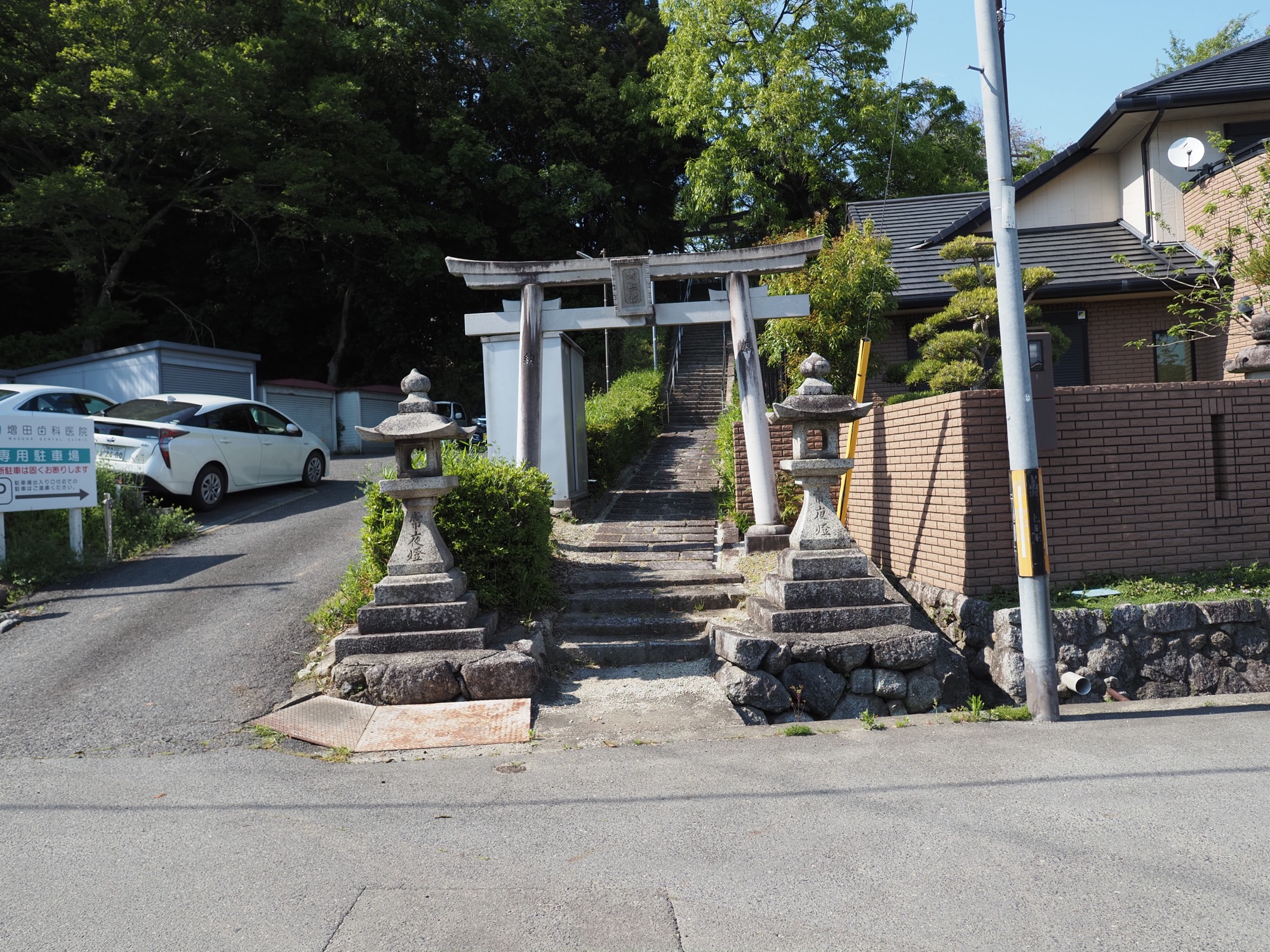
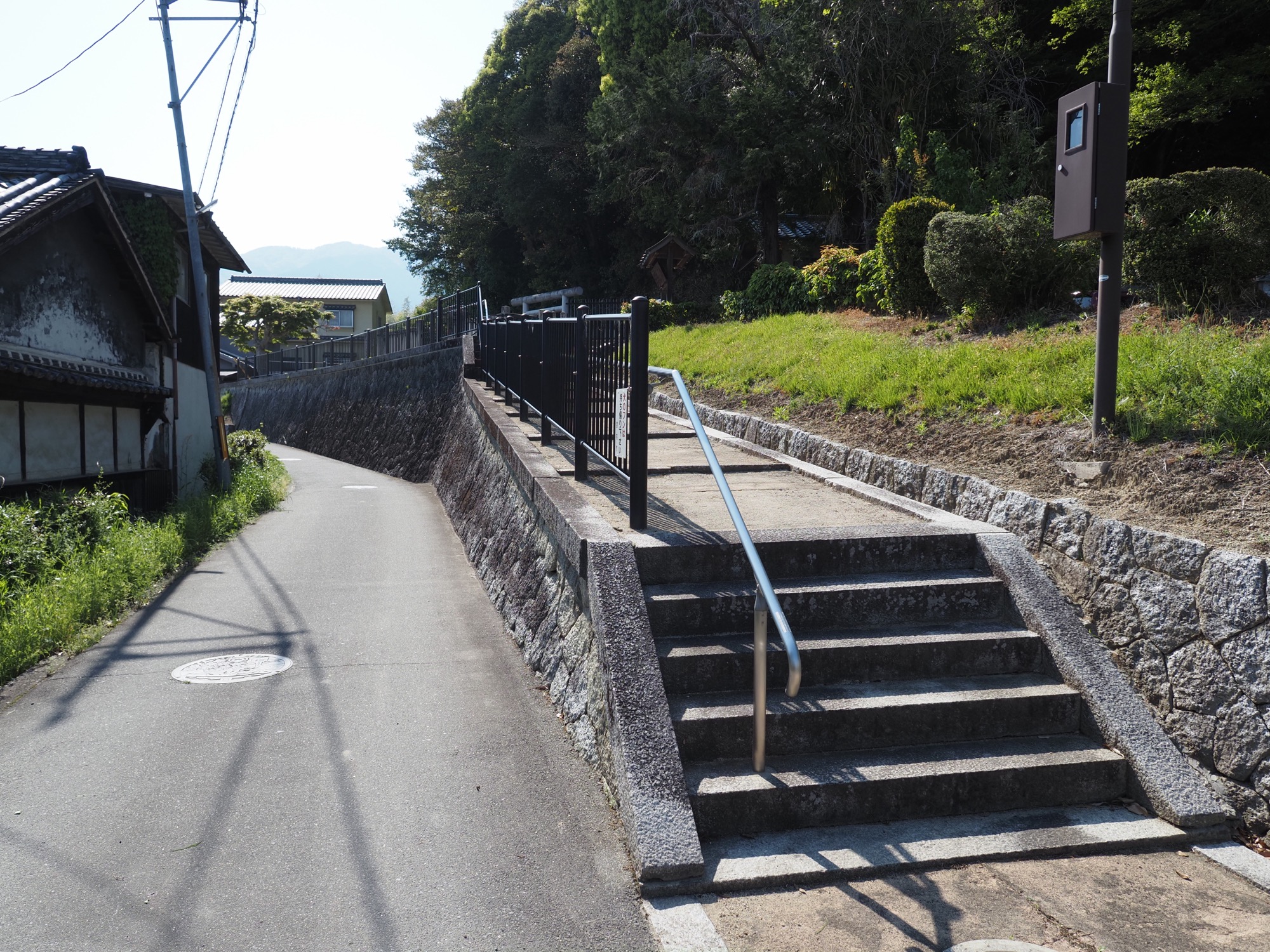
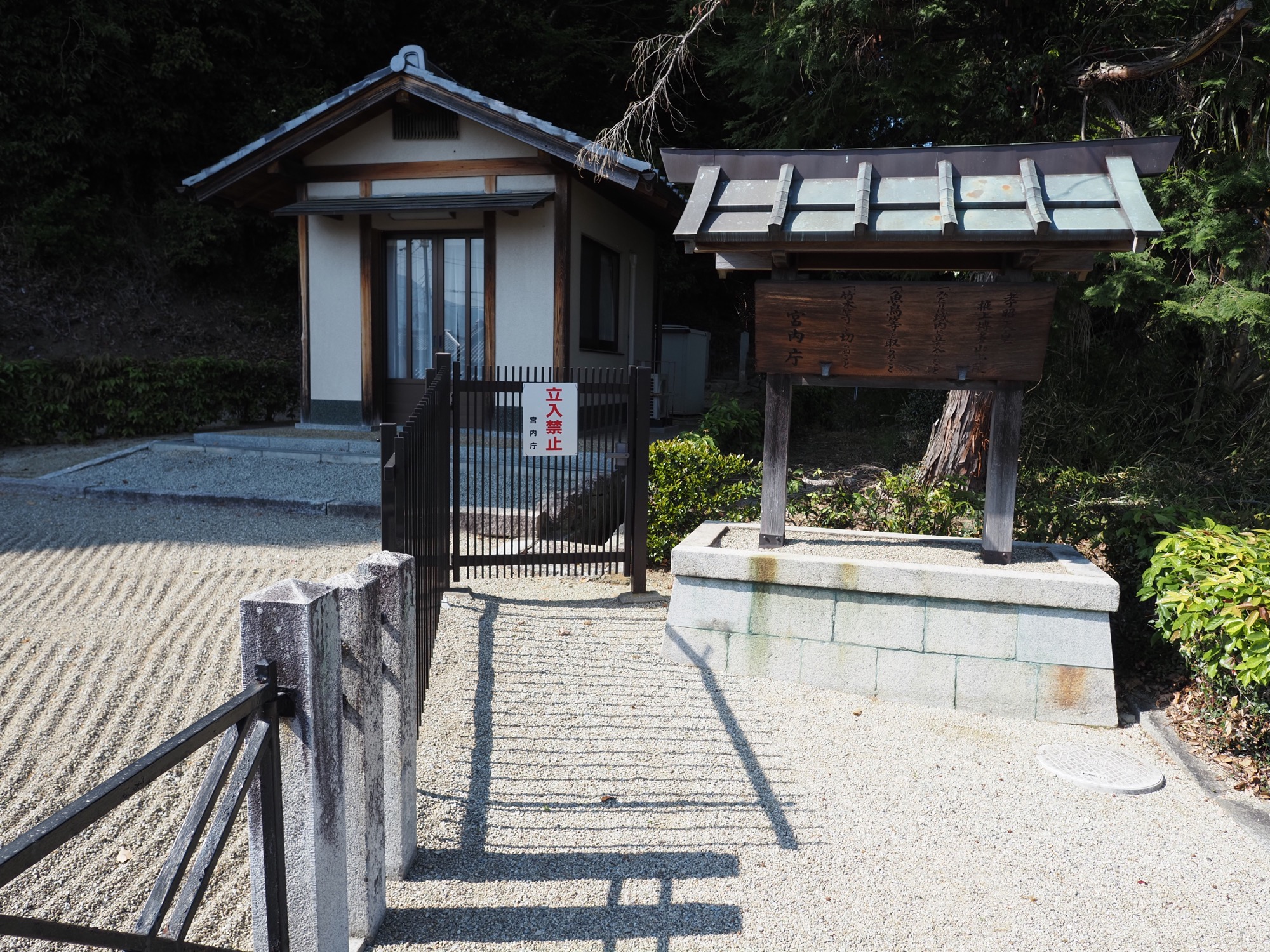
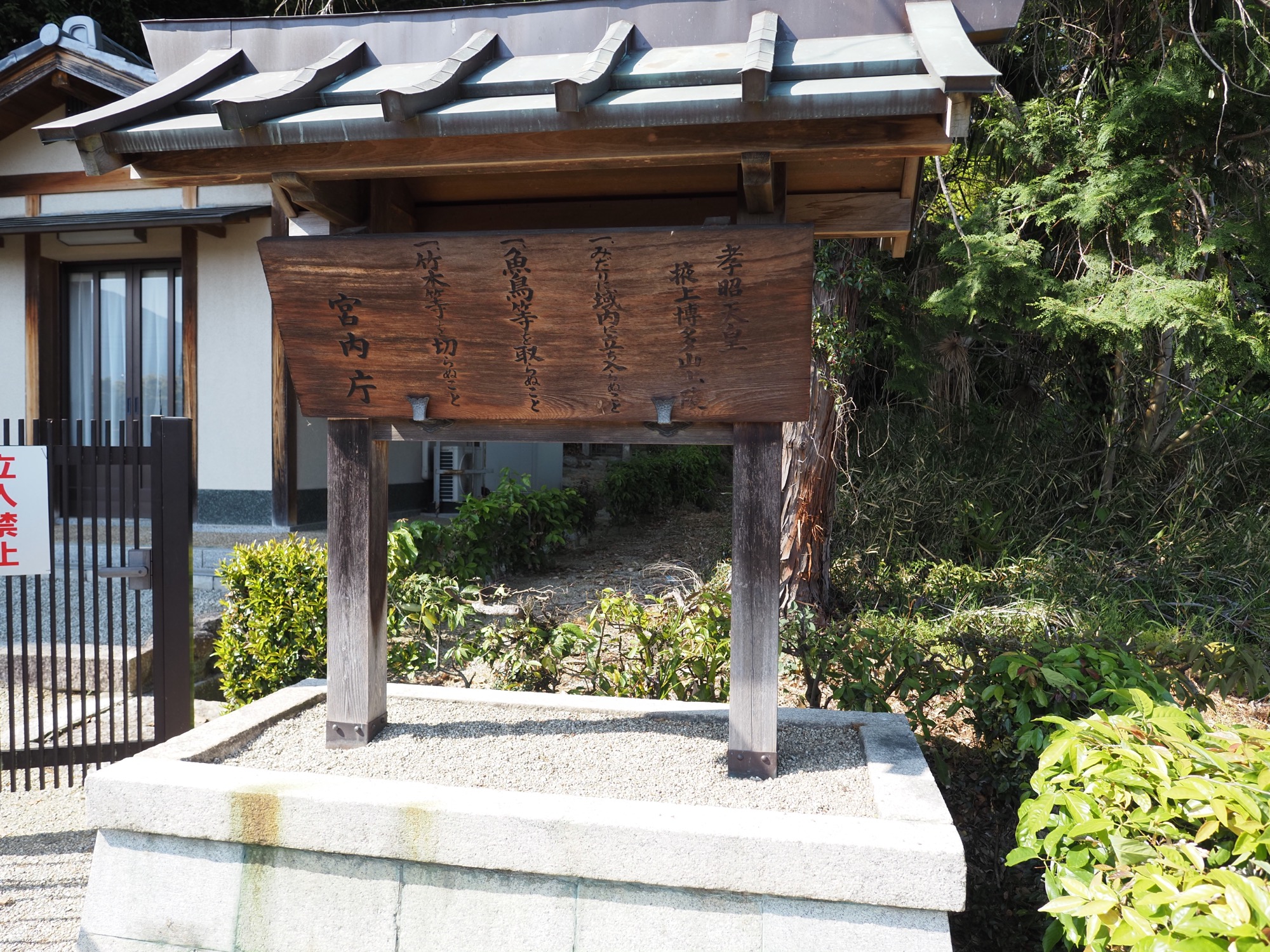
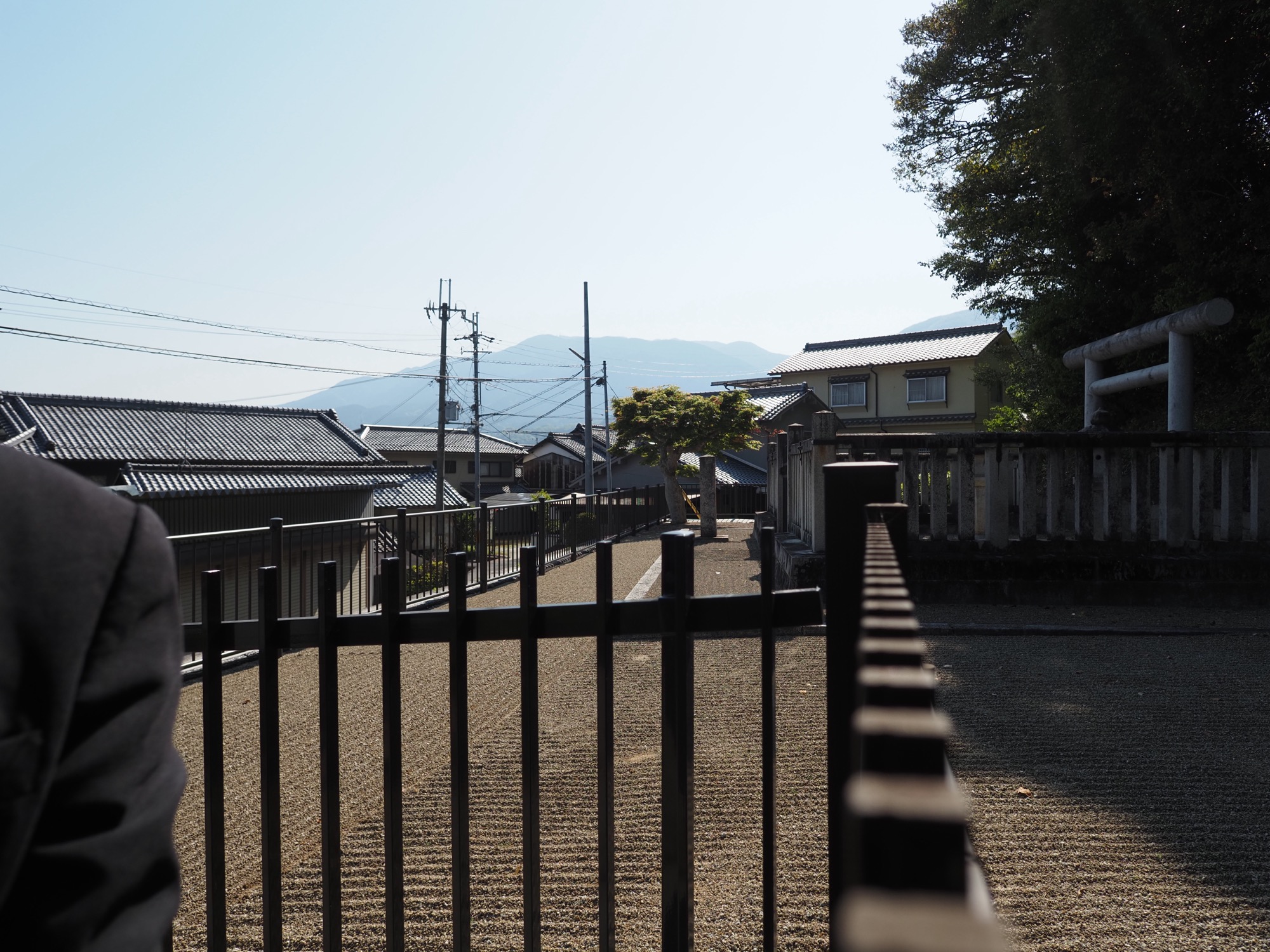
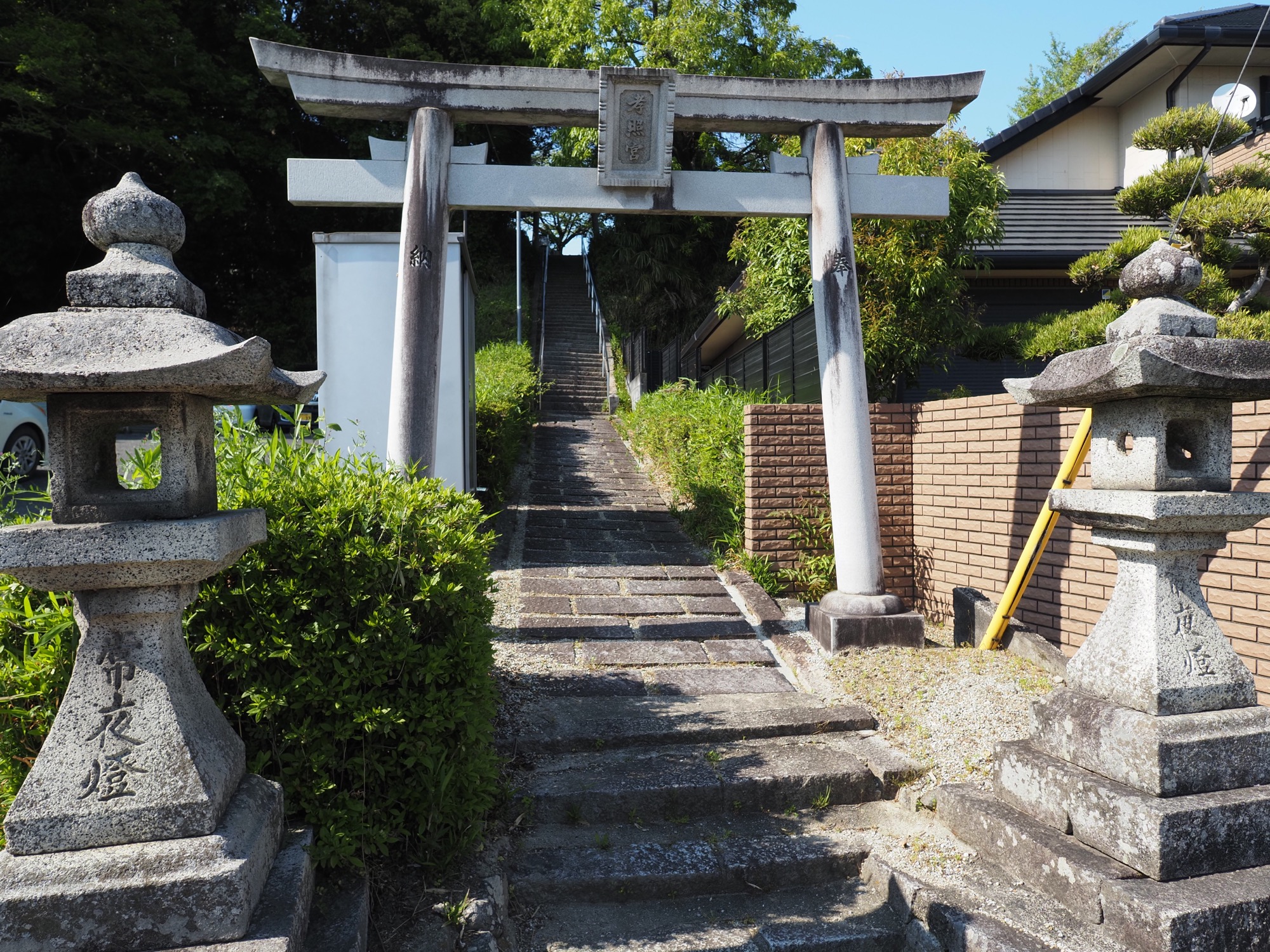
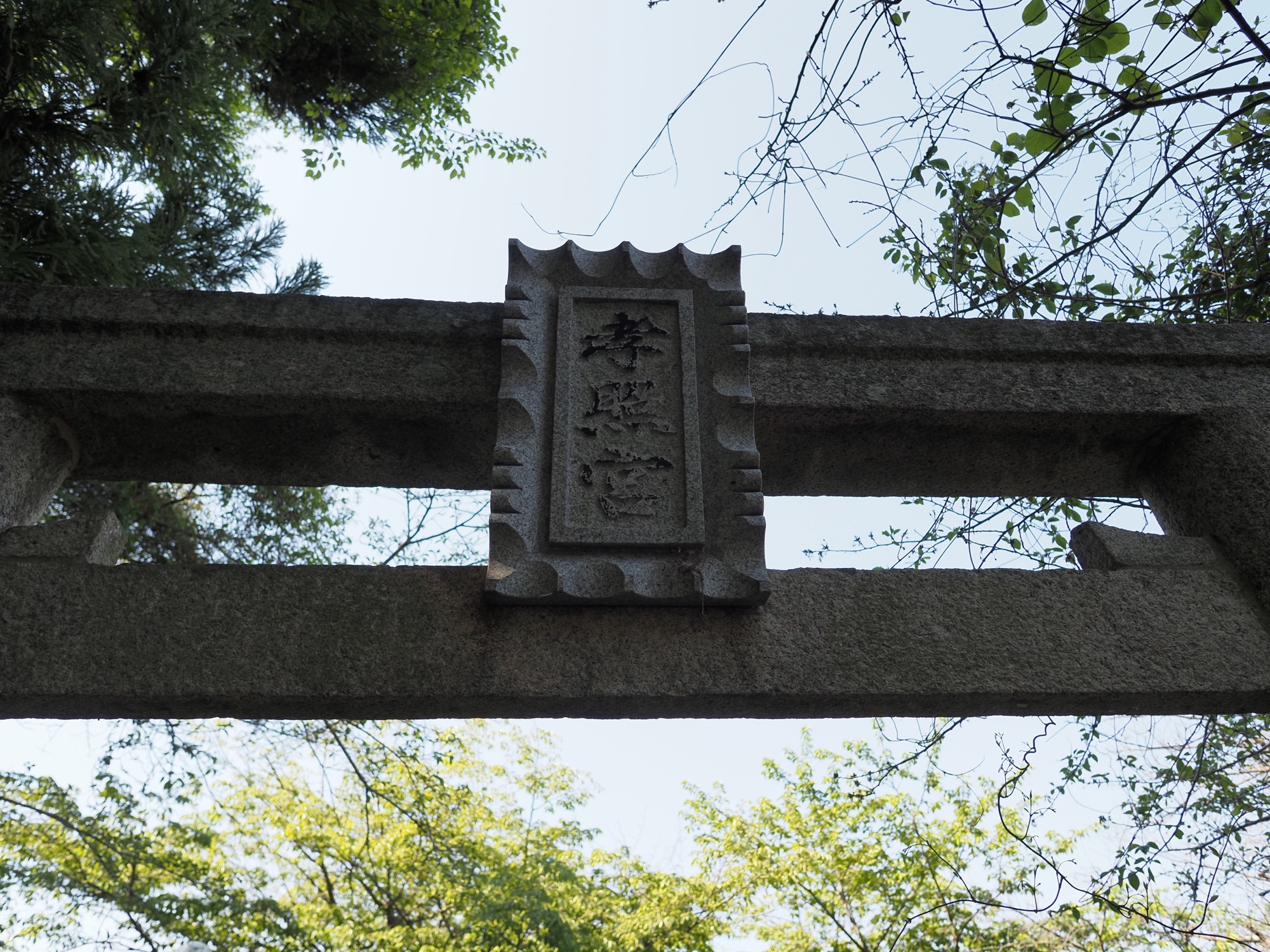
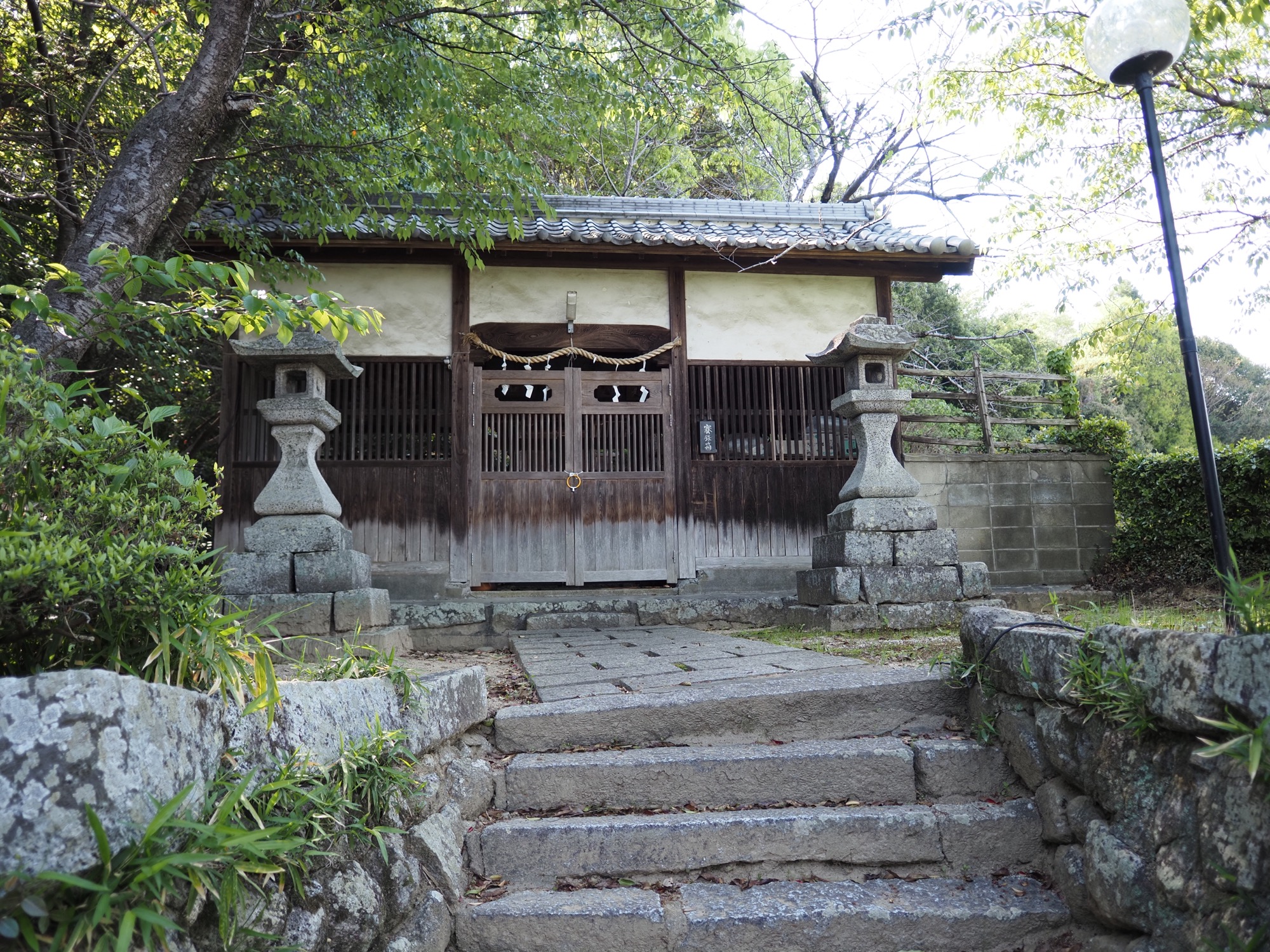
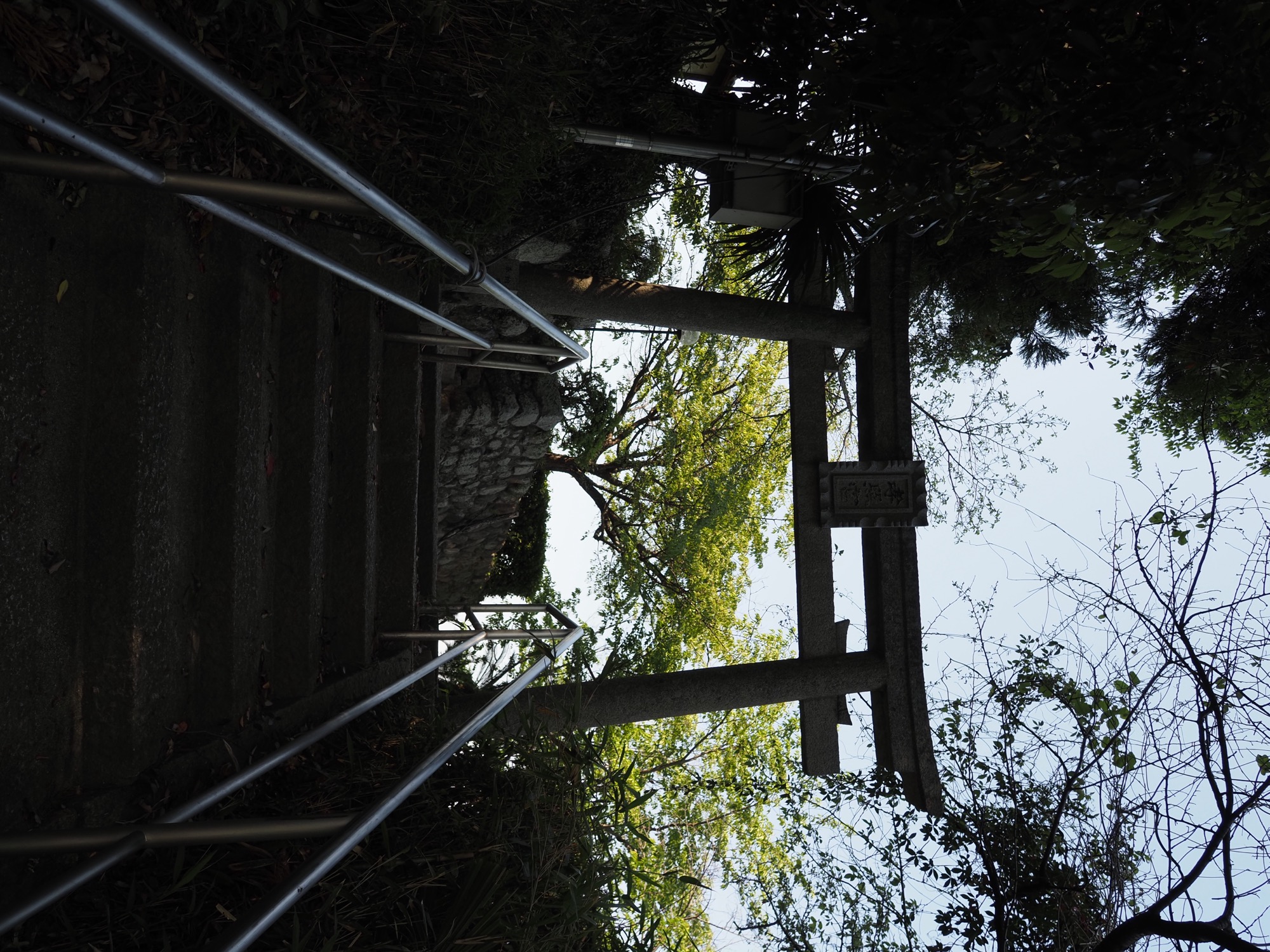
The photos show the mausoleum in a corner of a residential area in spring, the torii and the Imperial Household Agency notice board at its entrance, and the torii, with its stone plaque, and the hall of a small shrine nearby called Kōshō-gū. In front of the mausoleum is a plain space covered only with gravel.