Daikyōbō Cemetery and Temple Site
The cemetery and former site of Daikyōbō, one of the three Murayama bō. Daikyōbō honoured as its founder Fuji Raison (Hannya Shōnin), regarded as the progenitor of the three Murayama temples and of the Fuji-gyō — the guided ritual ascent of the mountain. In the genealogies, Raison appears as a cousin of the Fuji Ōmiyaji Fuji Naotoki in the early fourteenth century, direct evidence that the bloodline of the Fuji clan flowed into the very founding of Murayama Shugendō.
By the latter half of the fifteenth century, Daikyōbō held the office of jimu, the representative headship of the Murayama shugen organisation. Records survive of its leading role in the carving of the seated Kongōkai Dainichi Nyorai of 1478 (Bunmei 10), for which it provided the workshop. The temple also served as custodian of the Daitōryō Gongen shrine within the Murayama Sengen precinct, the guardian shrine of Matsudai Shōnin, founder of Murayama Shugendō. Its dannaba — the territories of its faithful — stretched across Shinano, Echigo, Suruga, and Owari as far as Osaka, through which its guides circulated, distributing amulets and urging the pilgrimage to Fuji. In the climbing season, pilgrims lodged at the temple, received purification and prayers, and were led to the summit.
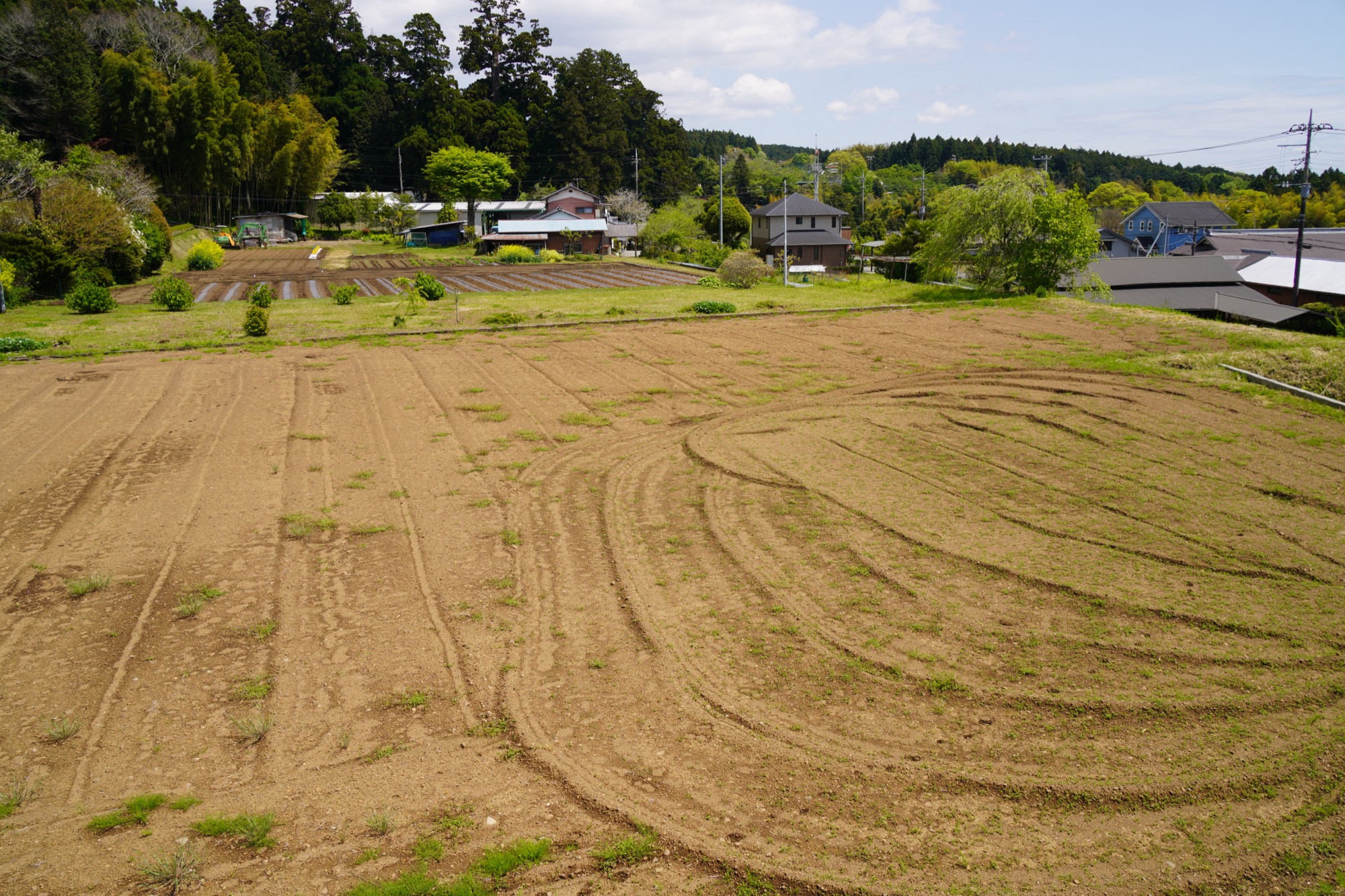
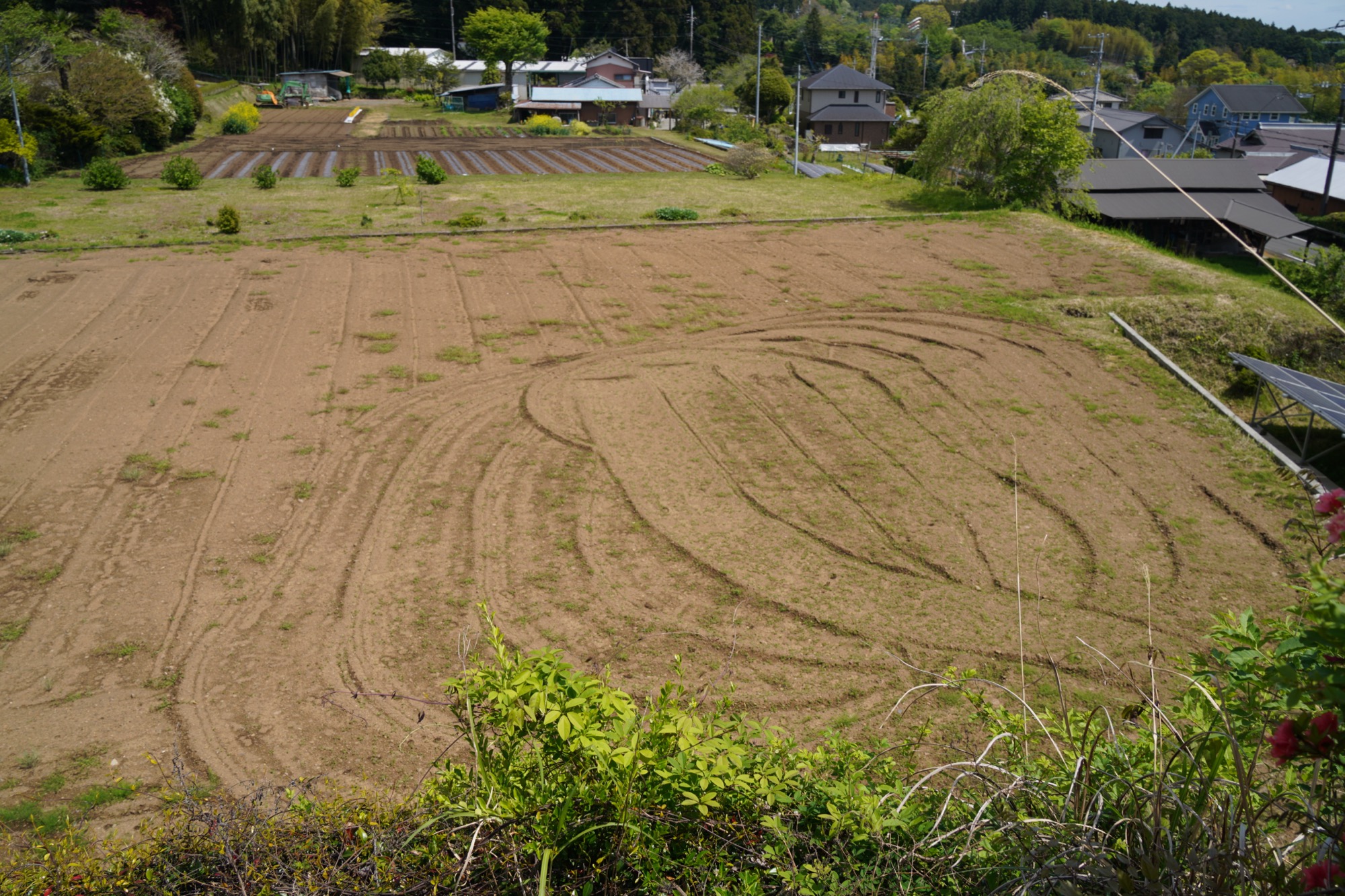
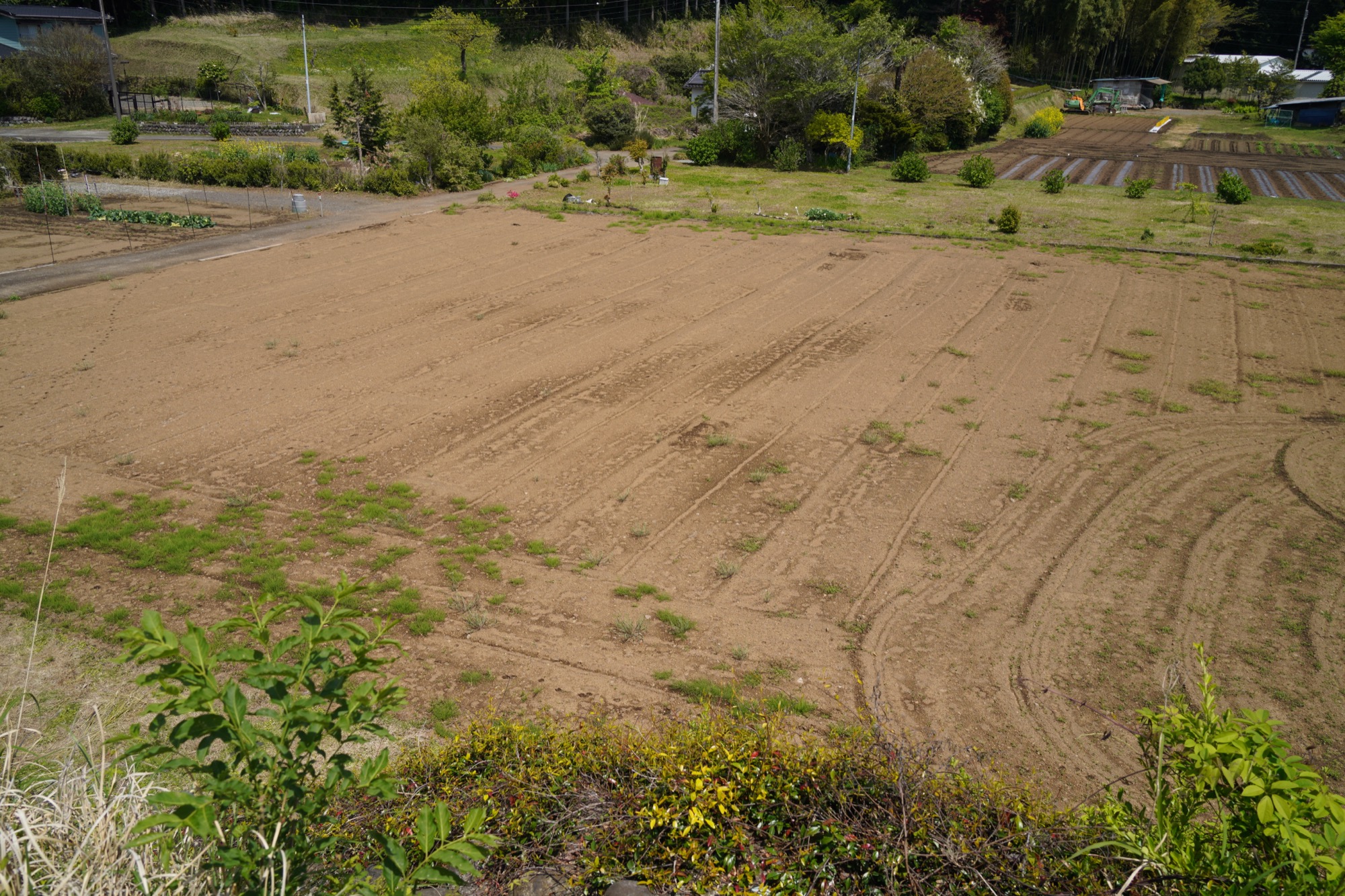
When Shugendō was outlawed in the early Meiji separation of Shinto and Buddhism, Daikyōbō was dissolved. Its last incumbent returned to lay life and became a priest of Murayama Sengen Shrine. The ground where the temple stood is now farmland, bearing no trace of its former character.
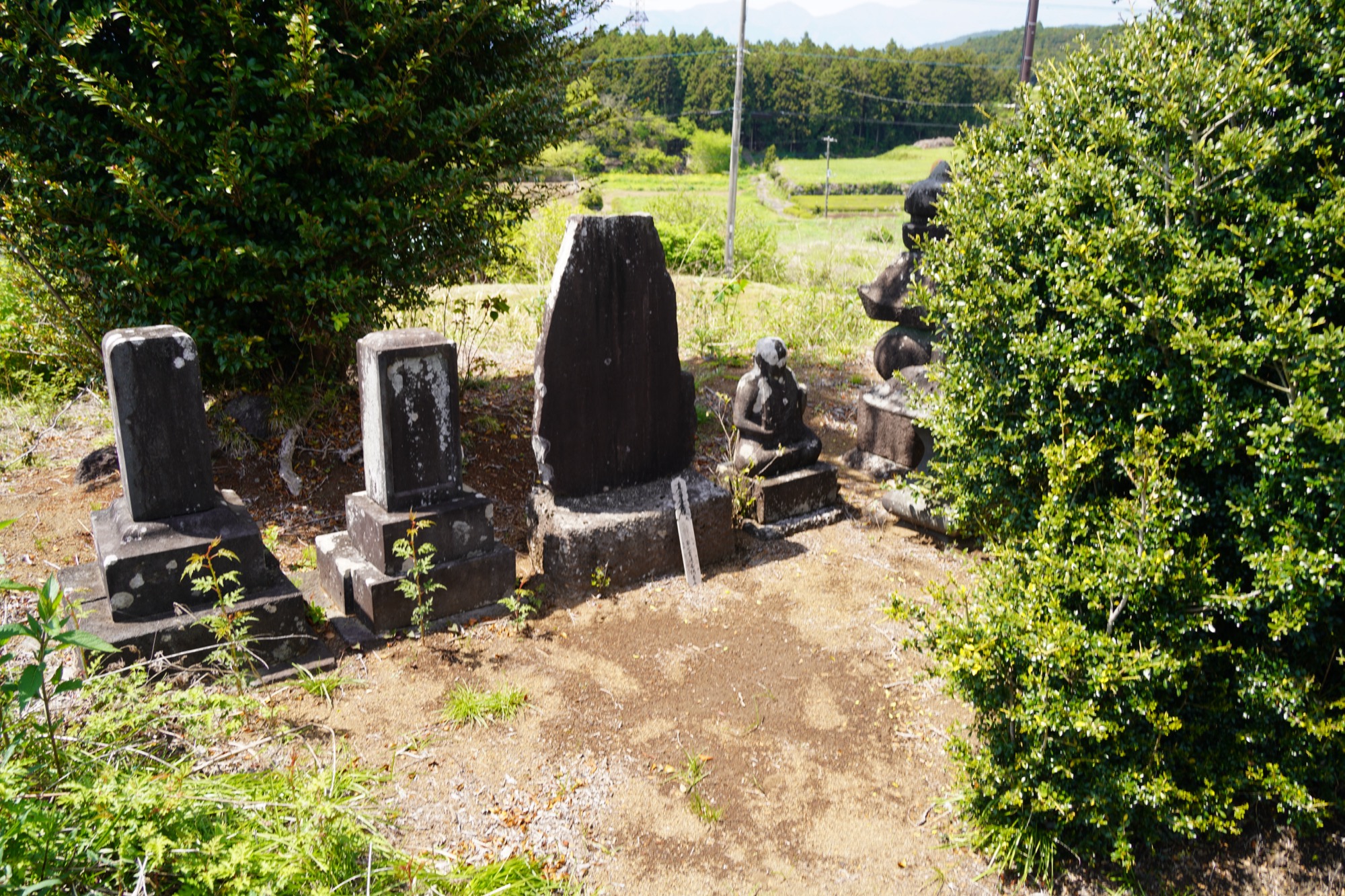
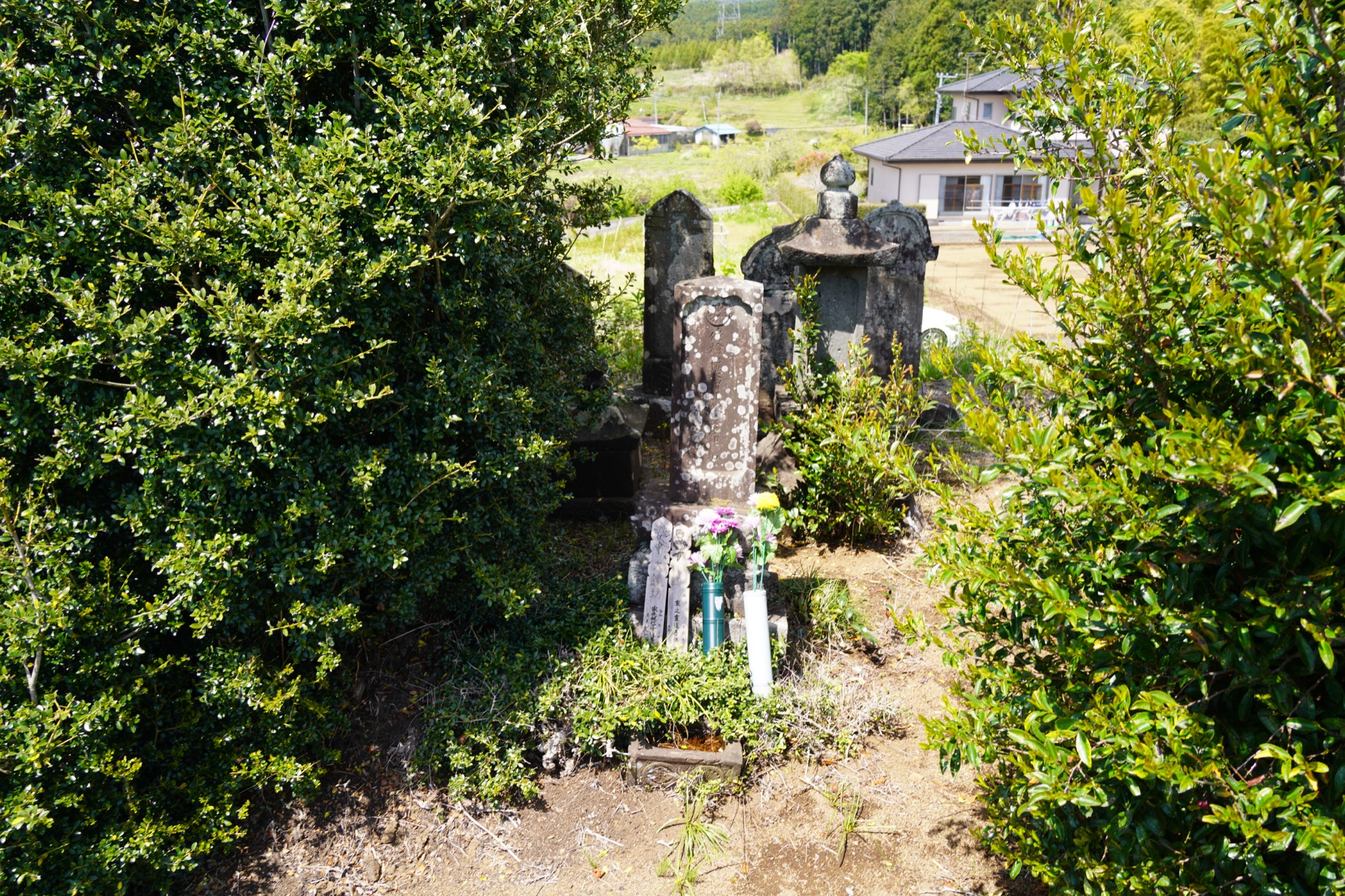
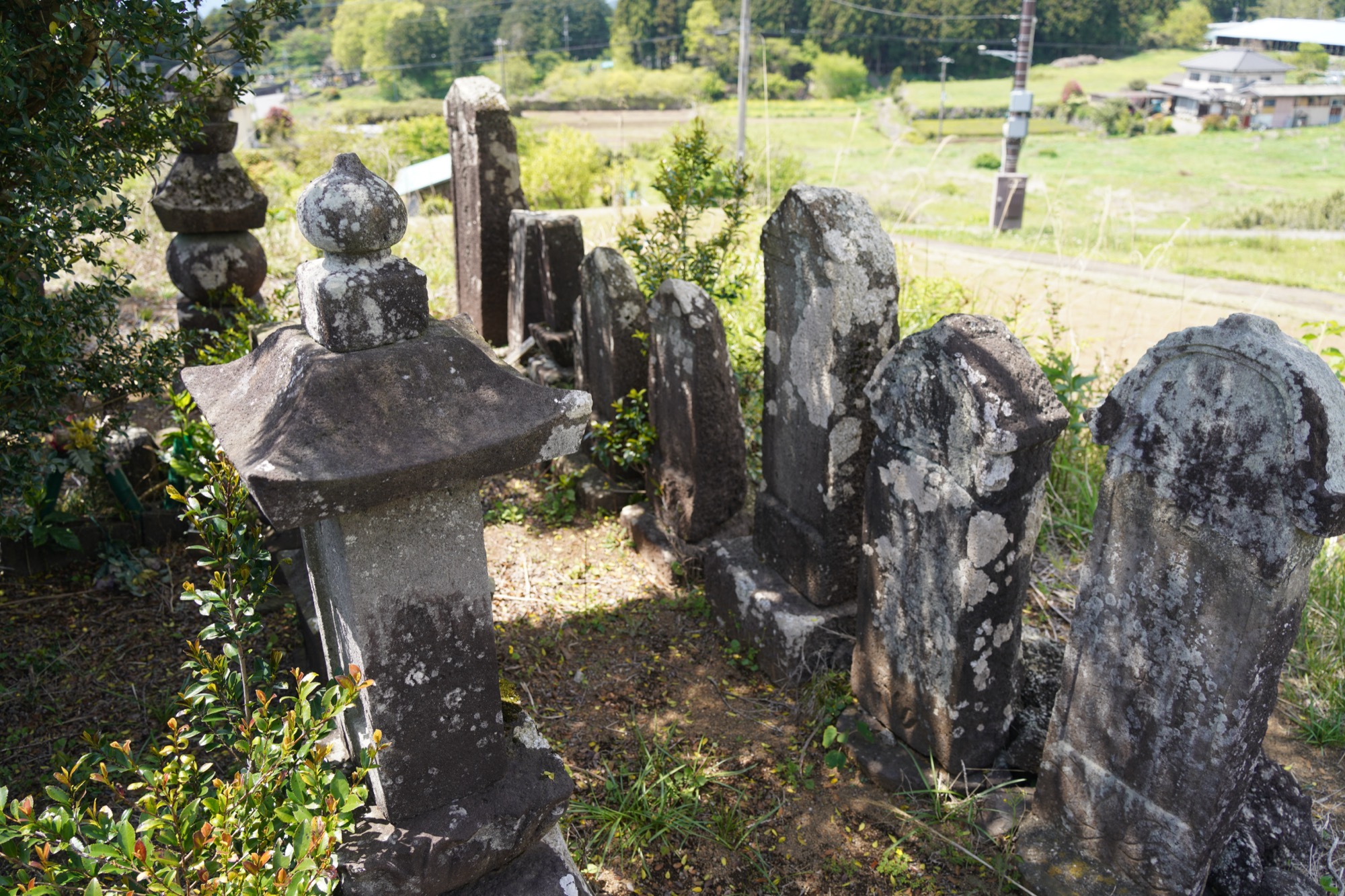
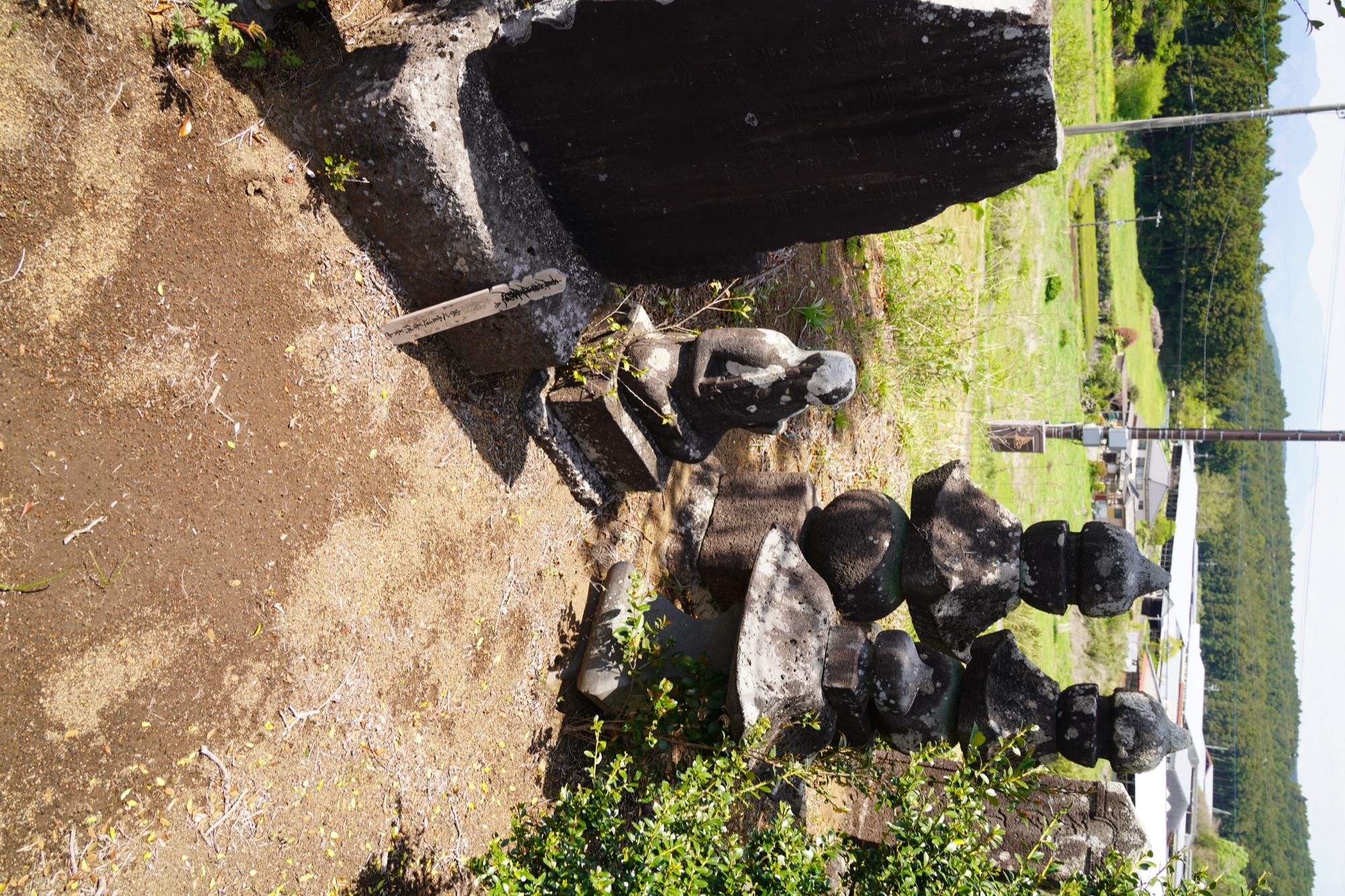
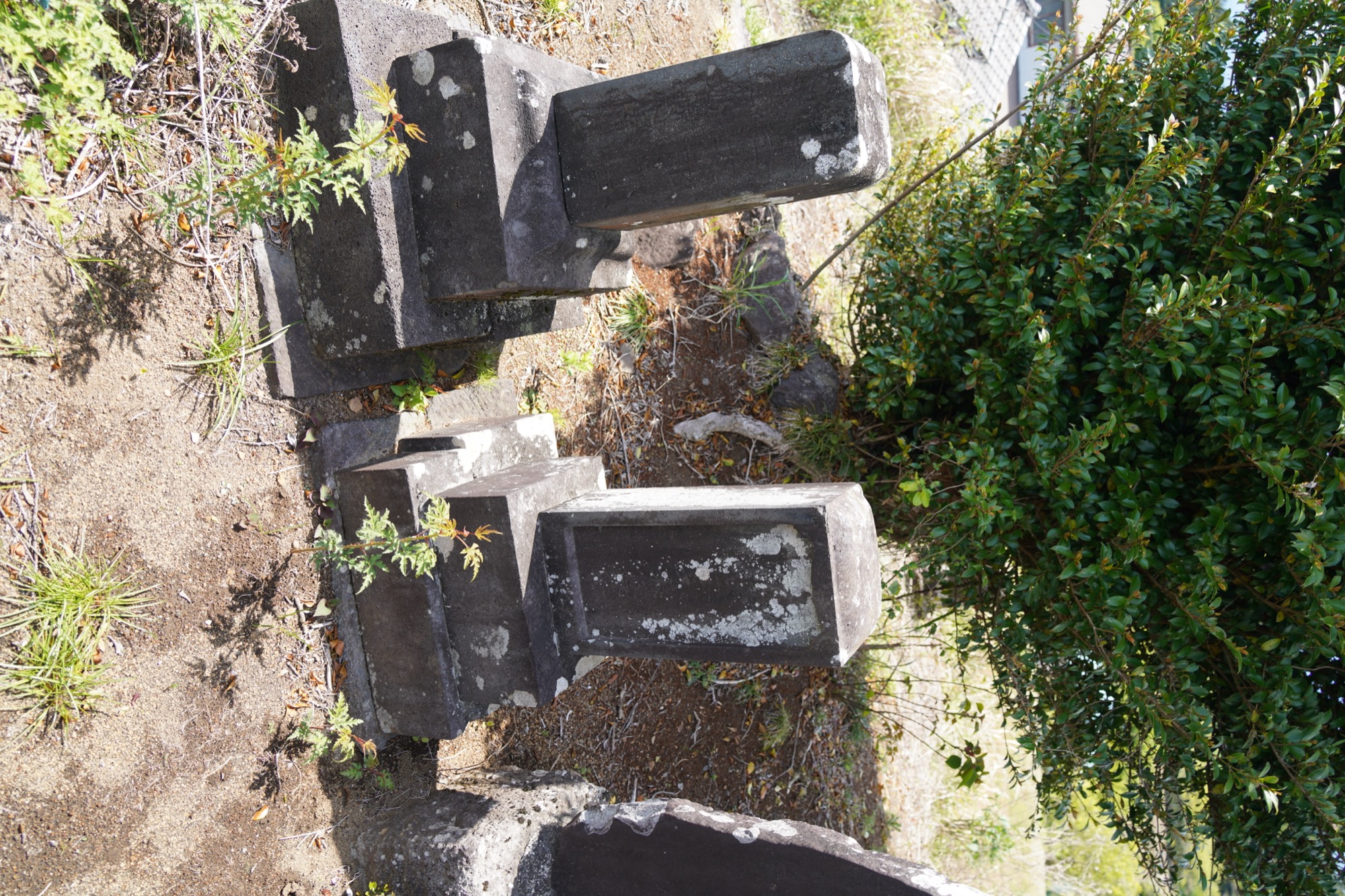
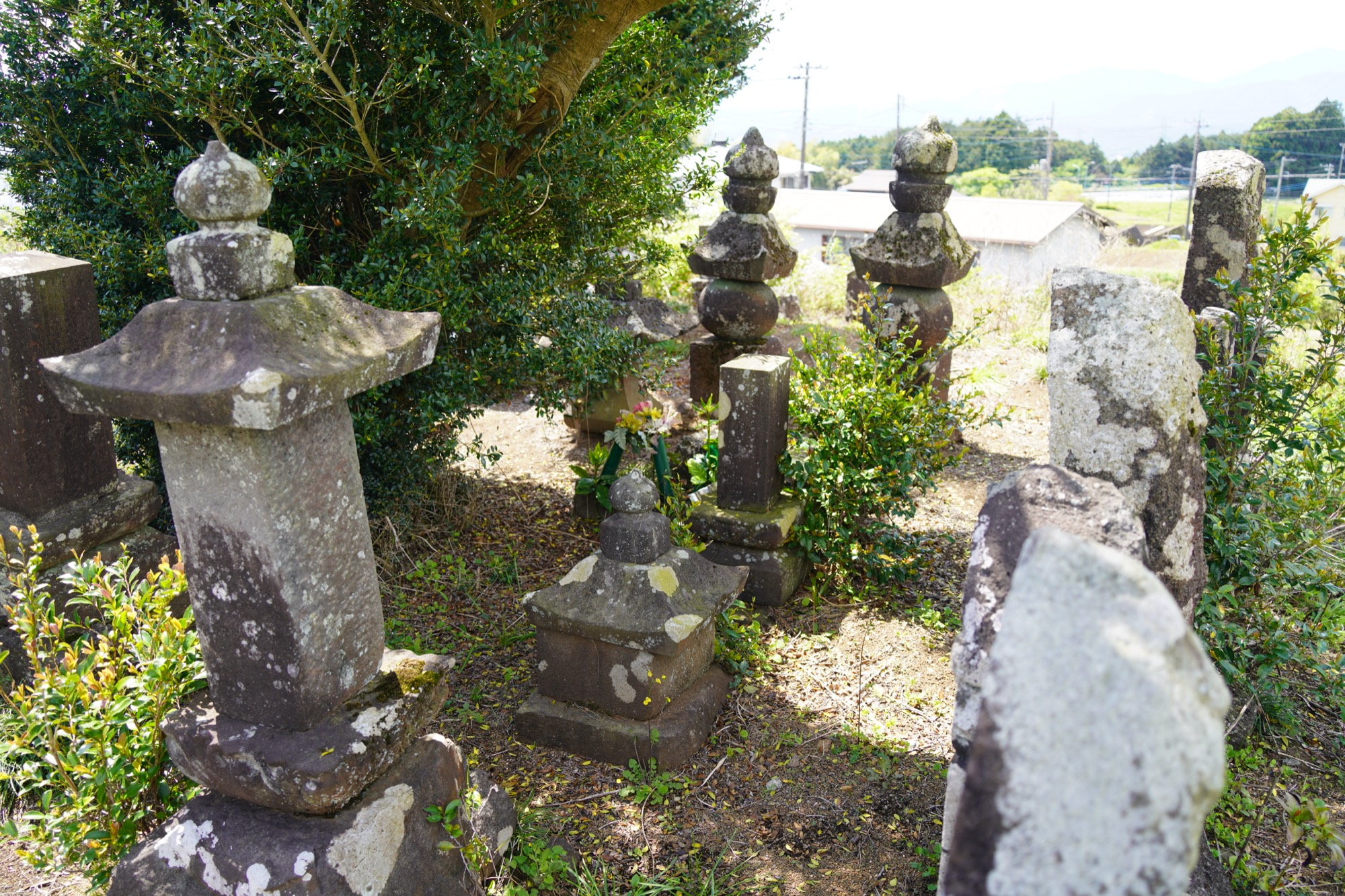
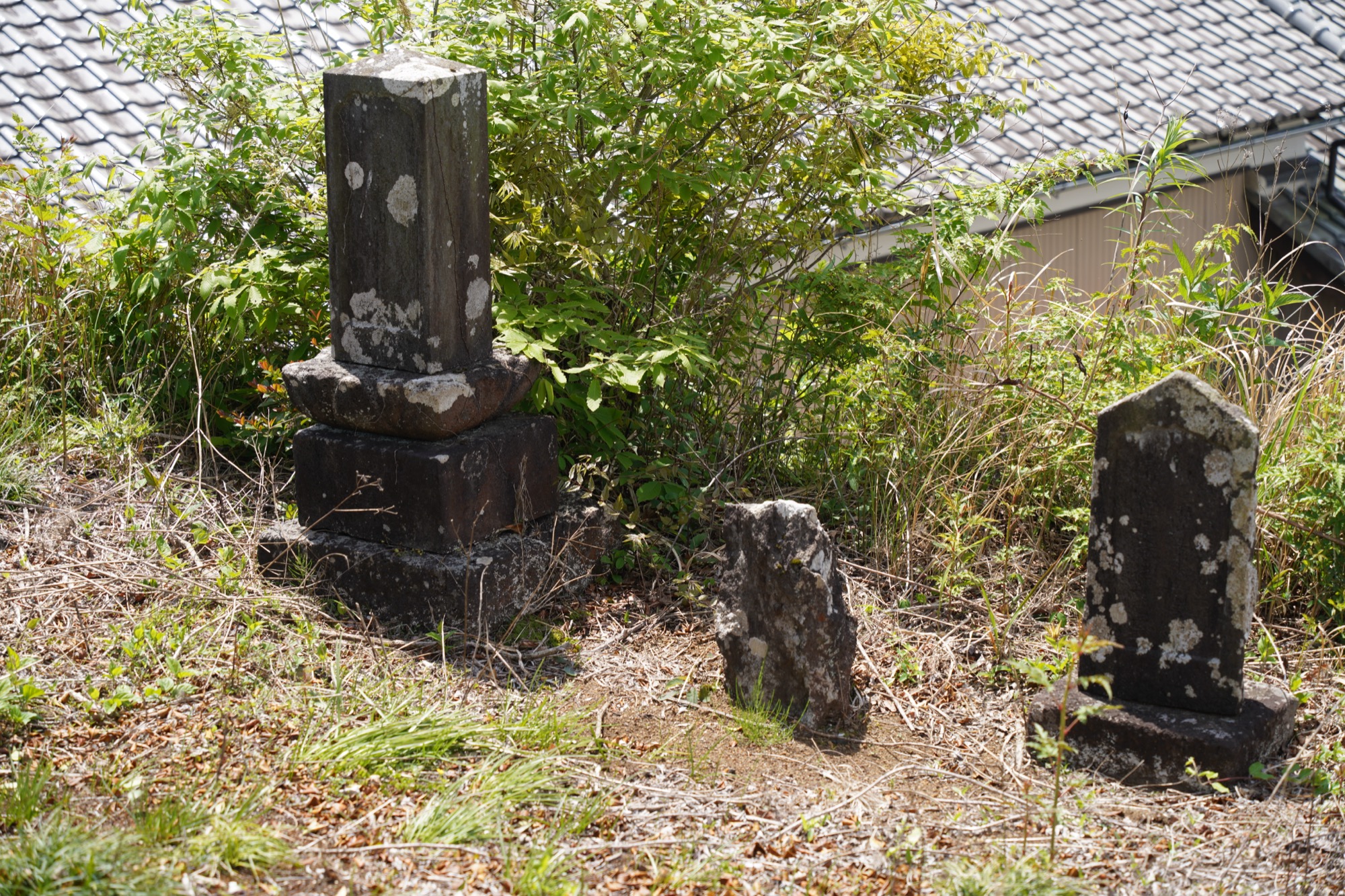
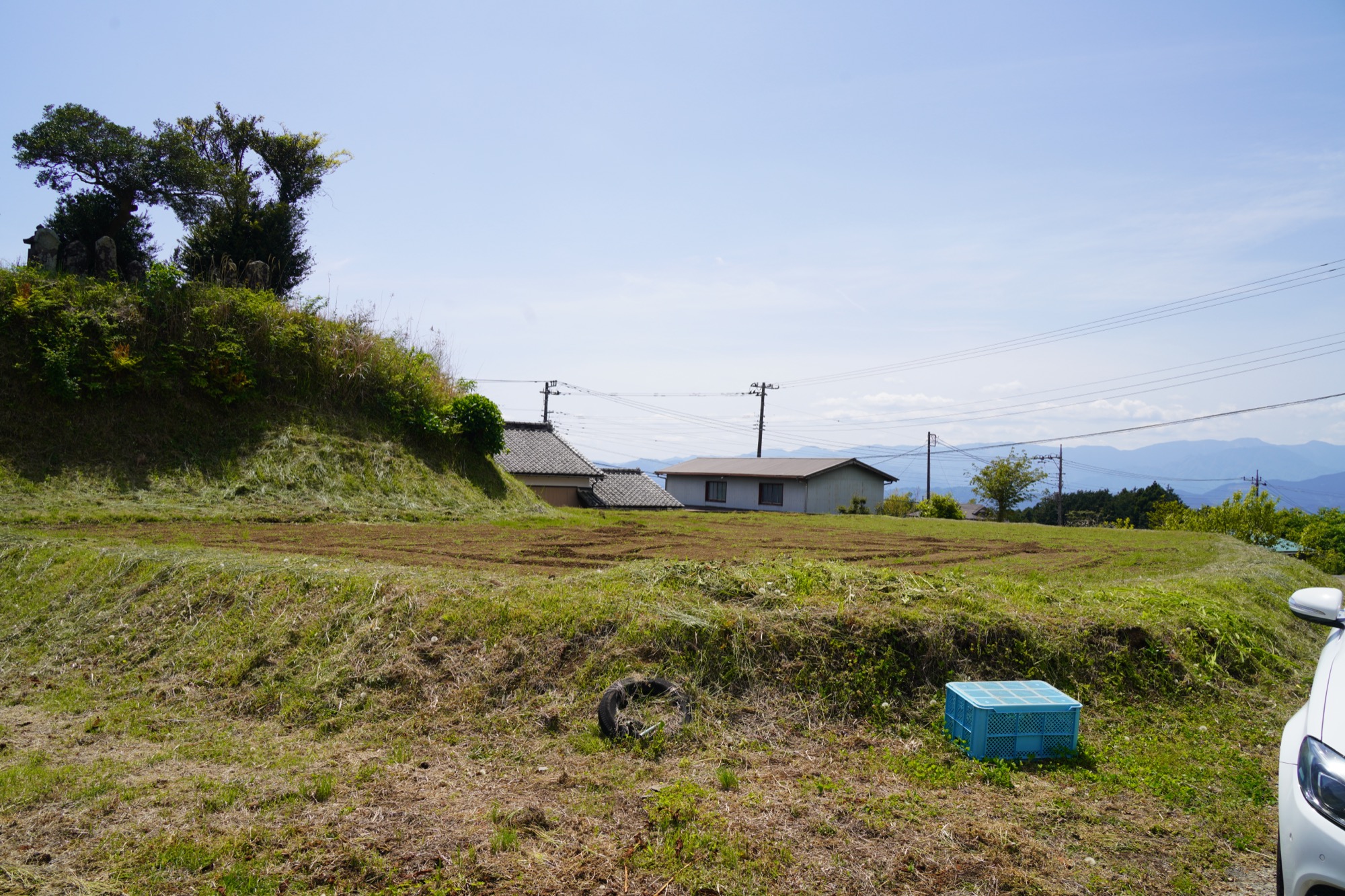
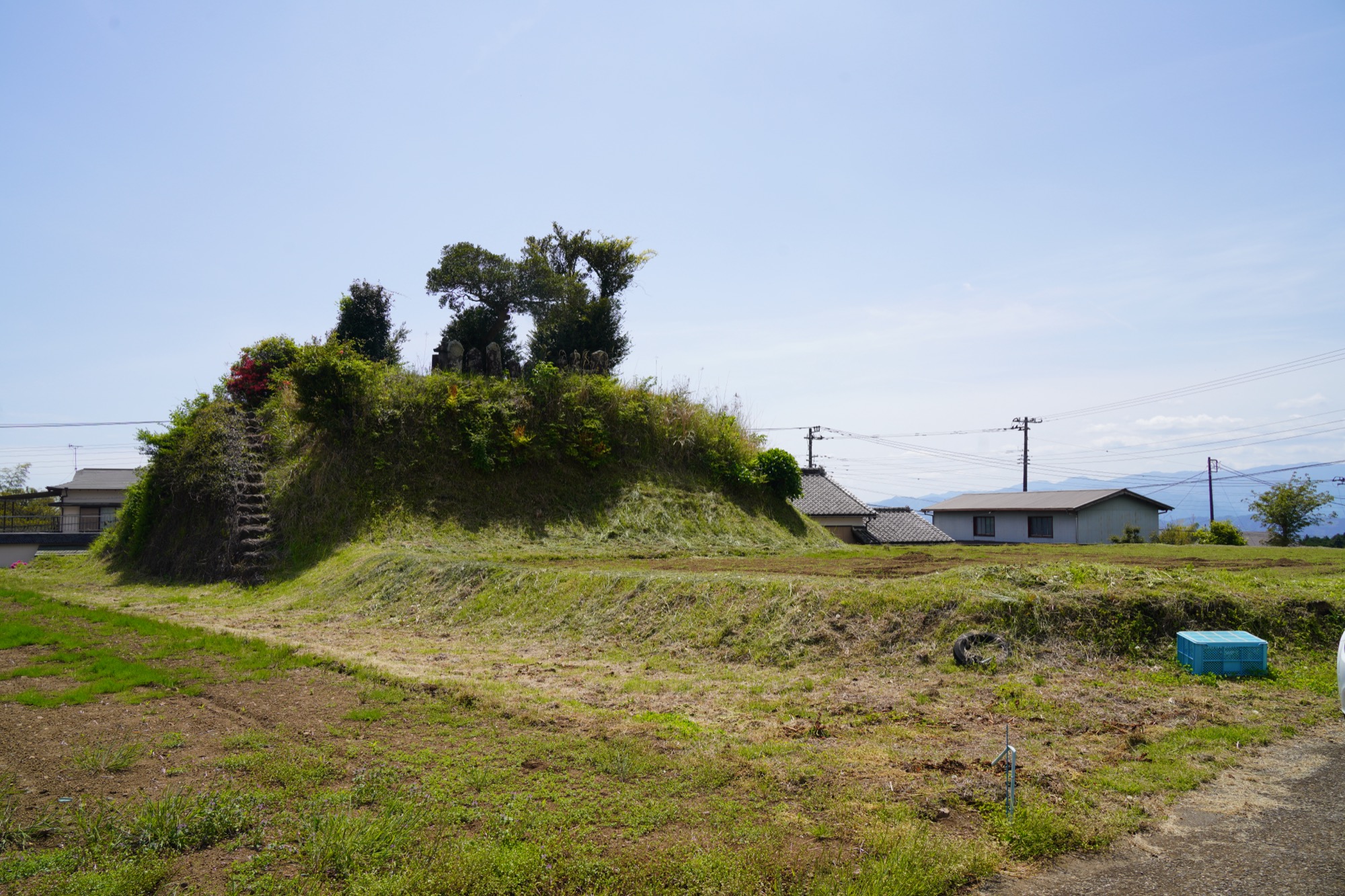
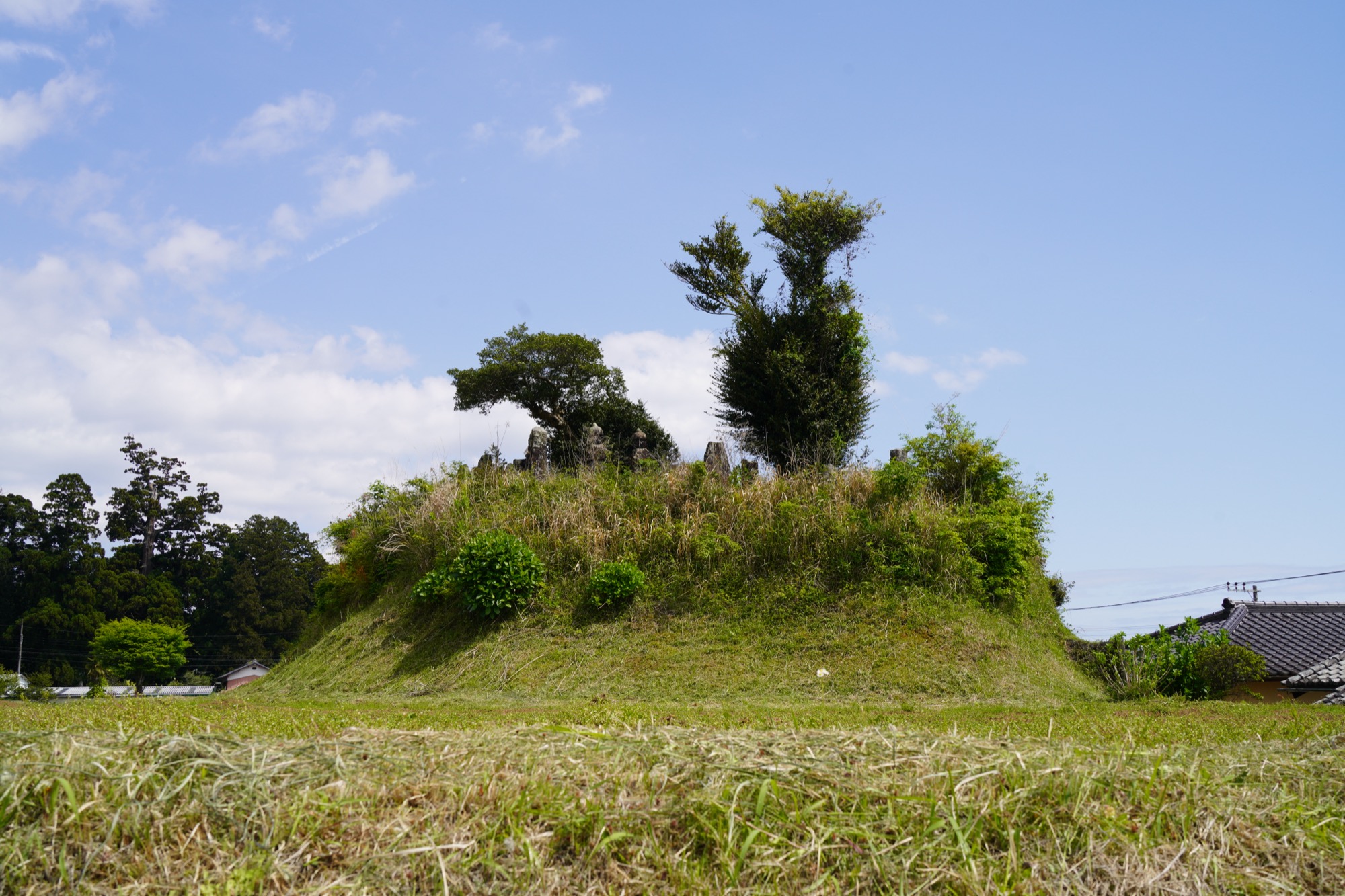
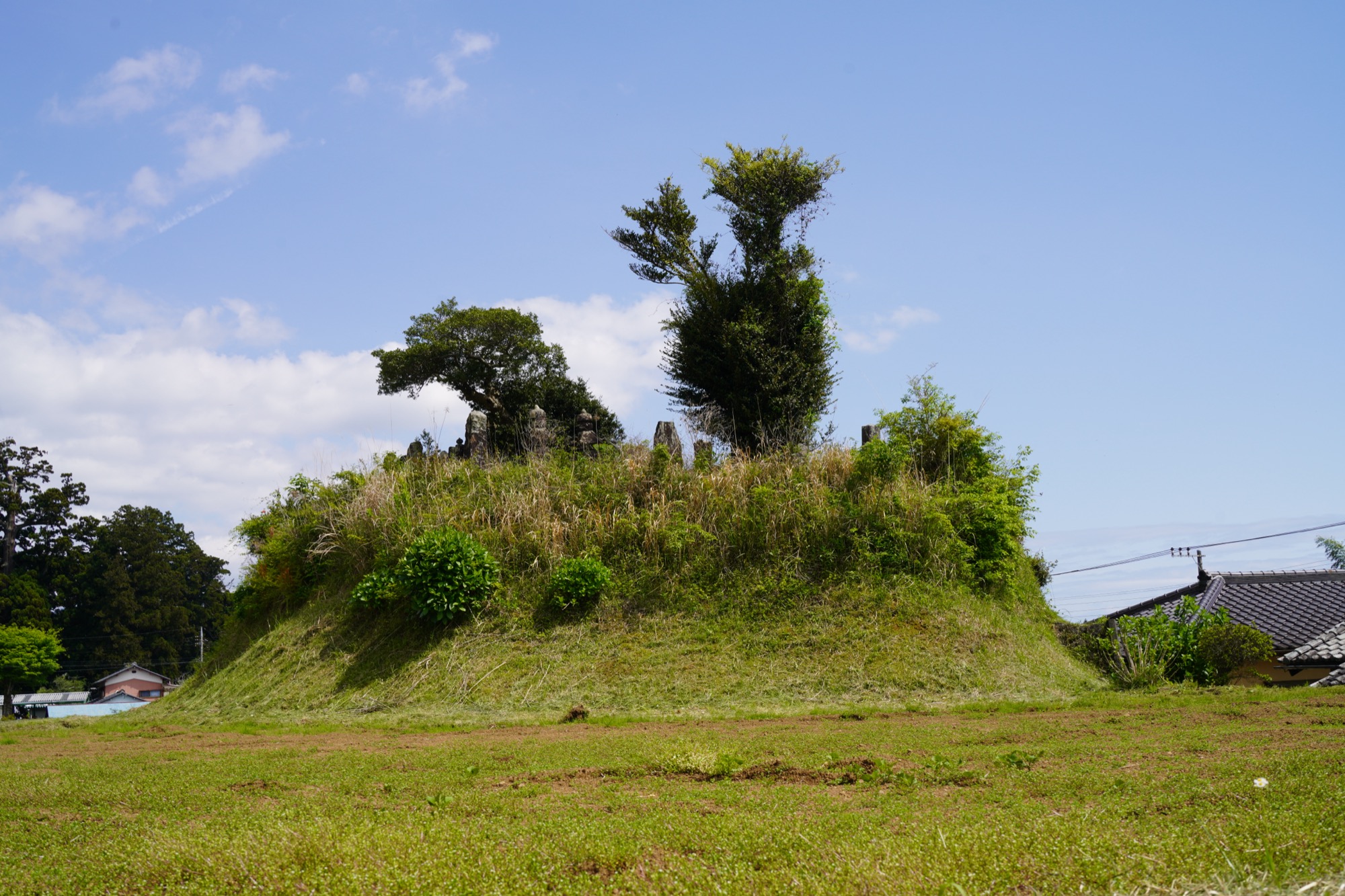
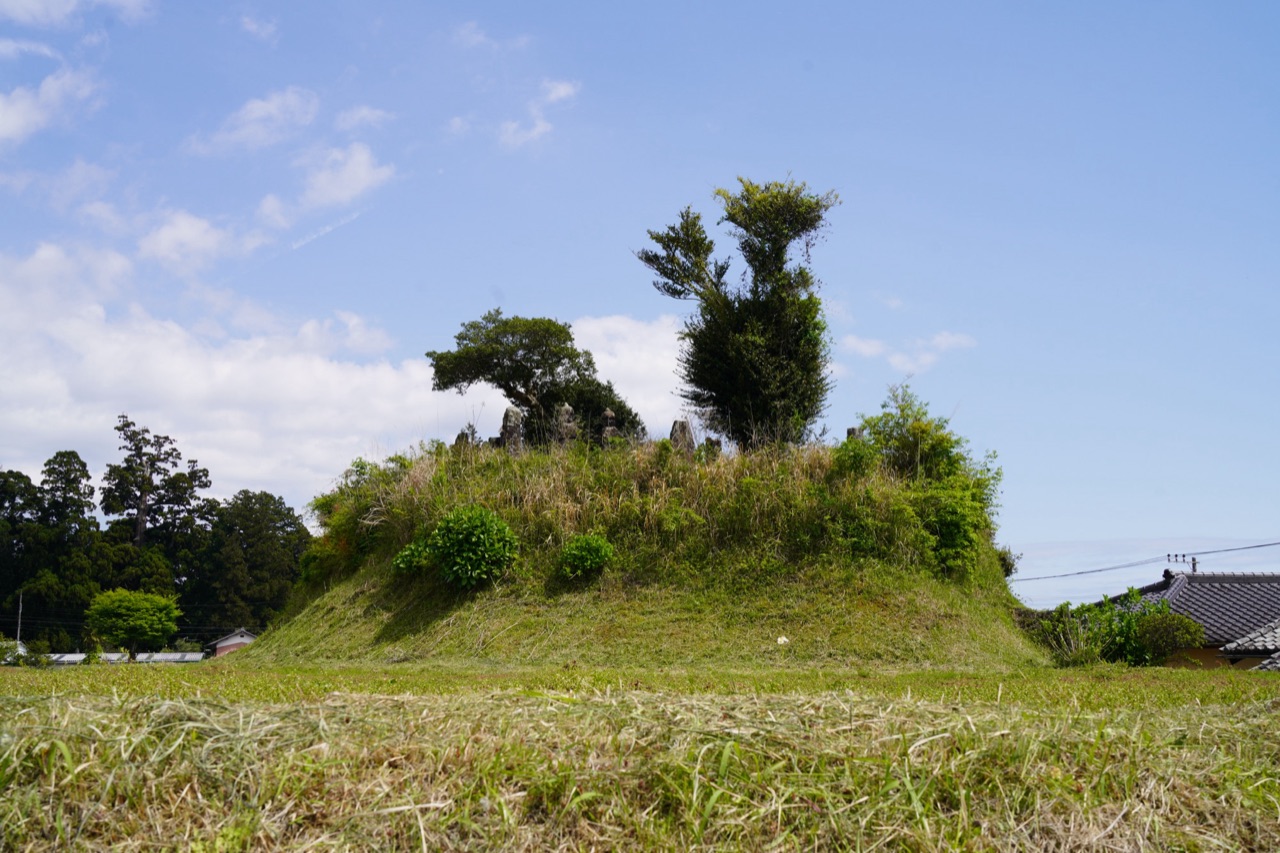
On a small rise at the edge of the hamlet known as Hioka, the cemetery survives: the memorial stele to Raison erected in 1649 (Keian 2) and rows of old stupas and grave markers stand quietly amid the grasses. The memory of a temple that sustained the ascent of Fuji for centuries is now kept by this burial ground alone.