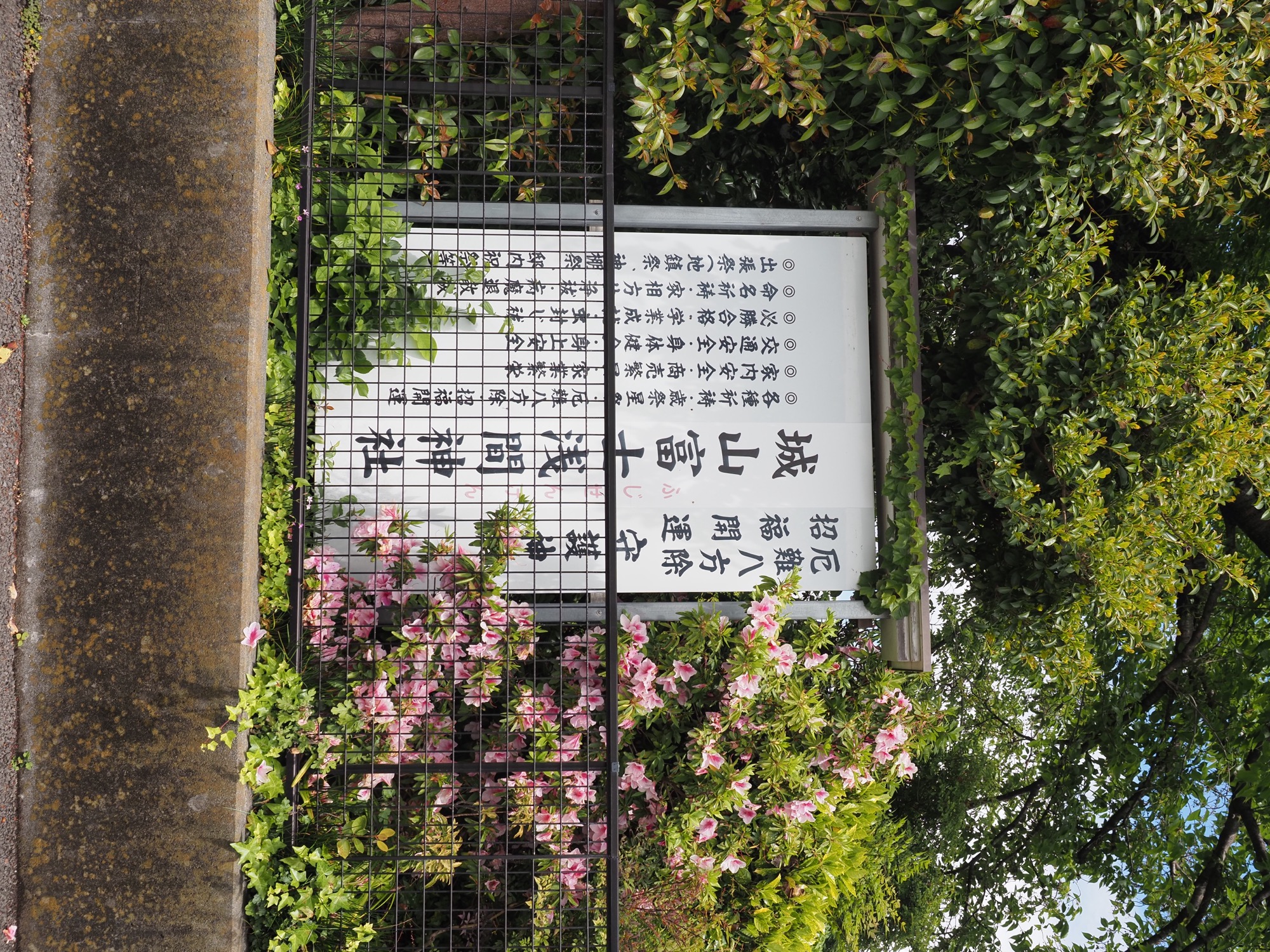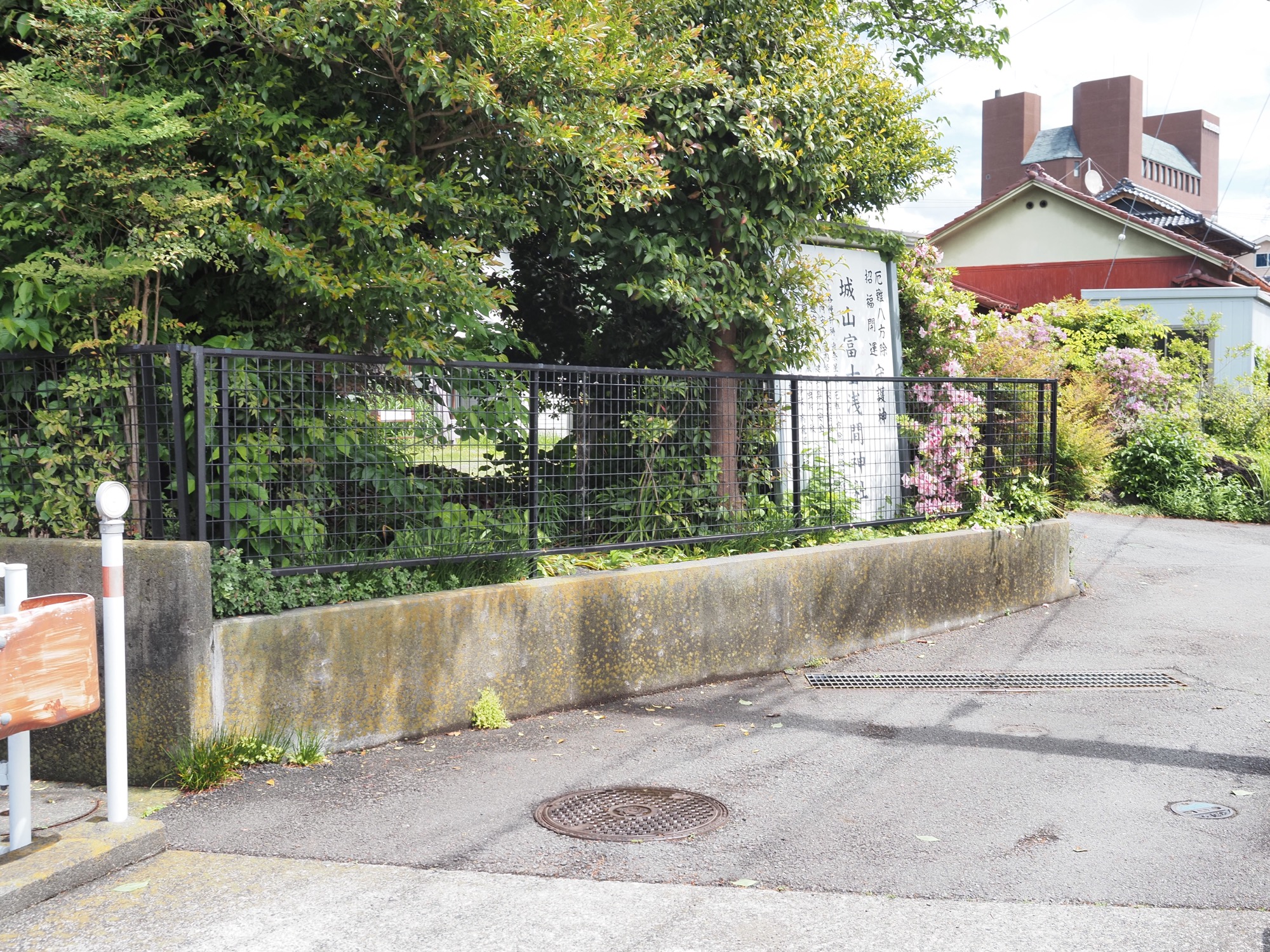
Shiroyama Sengen Shrine
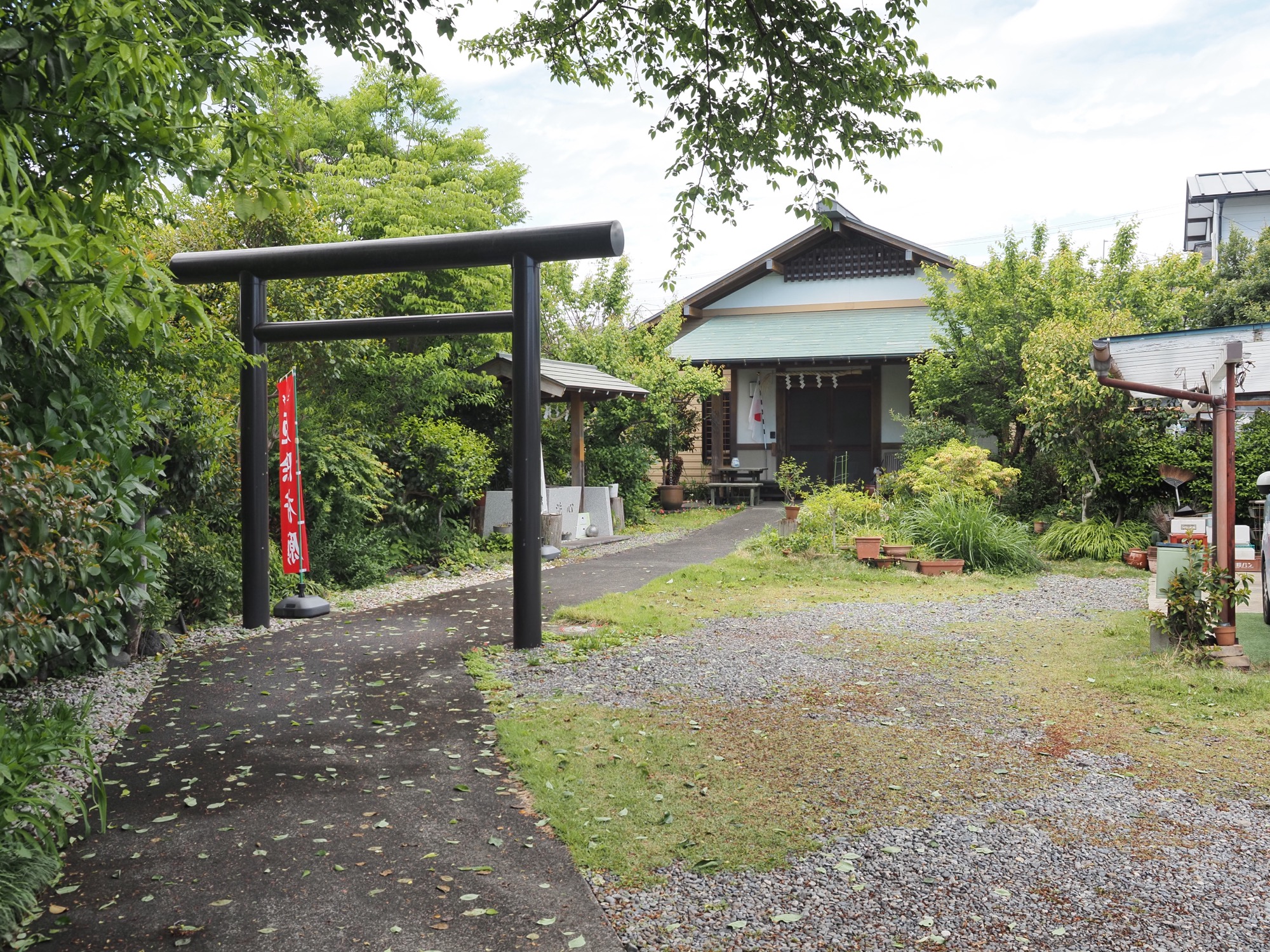
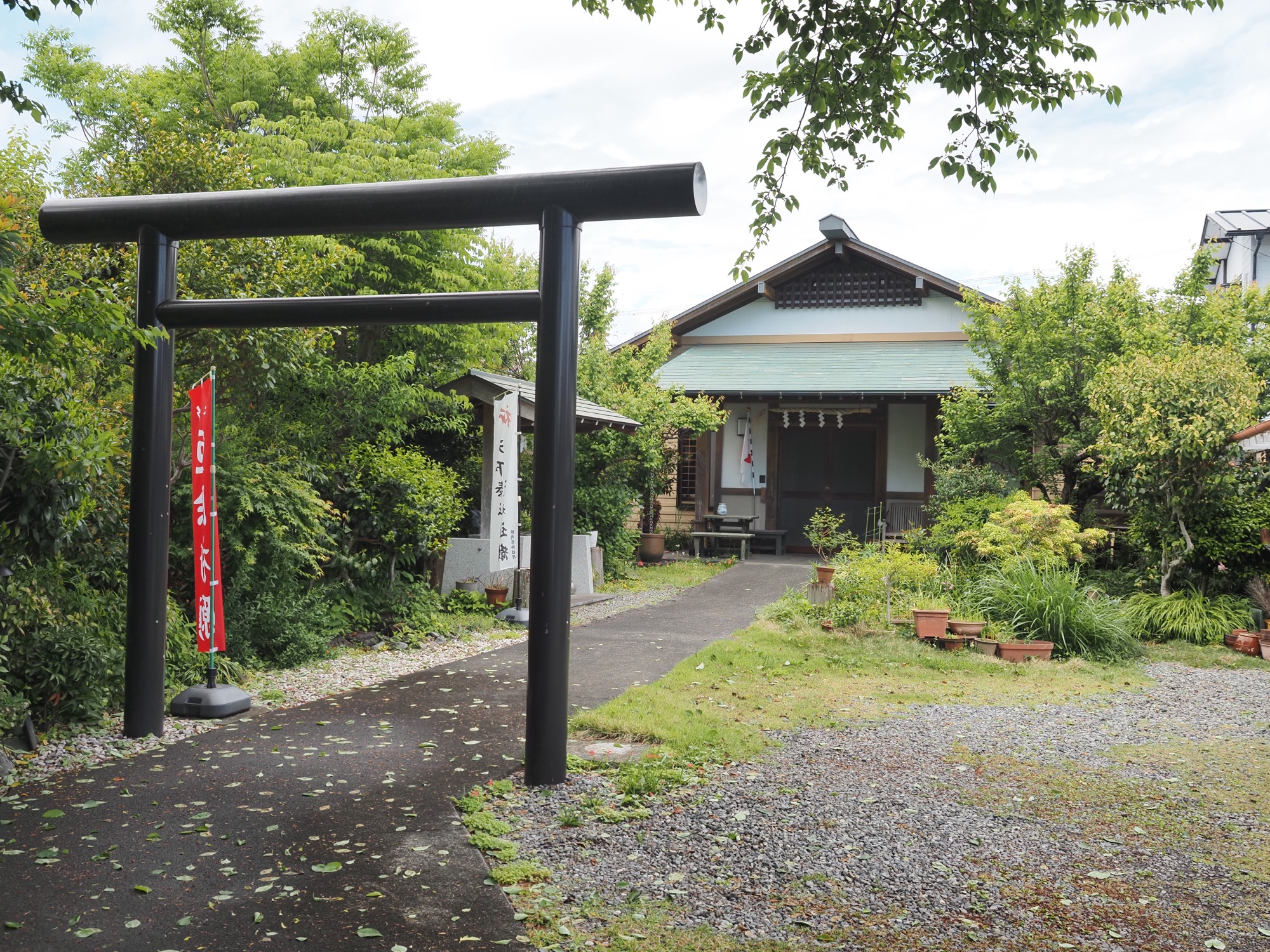
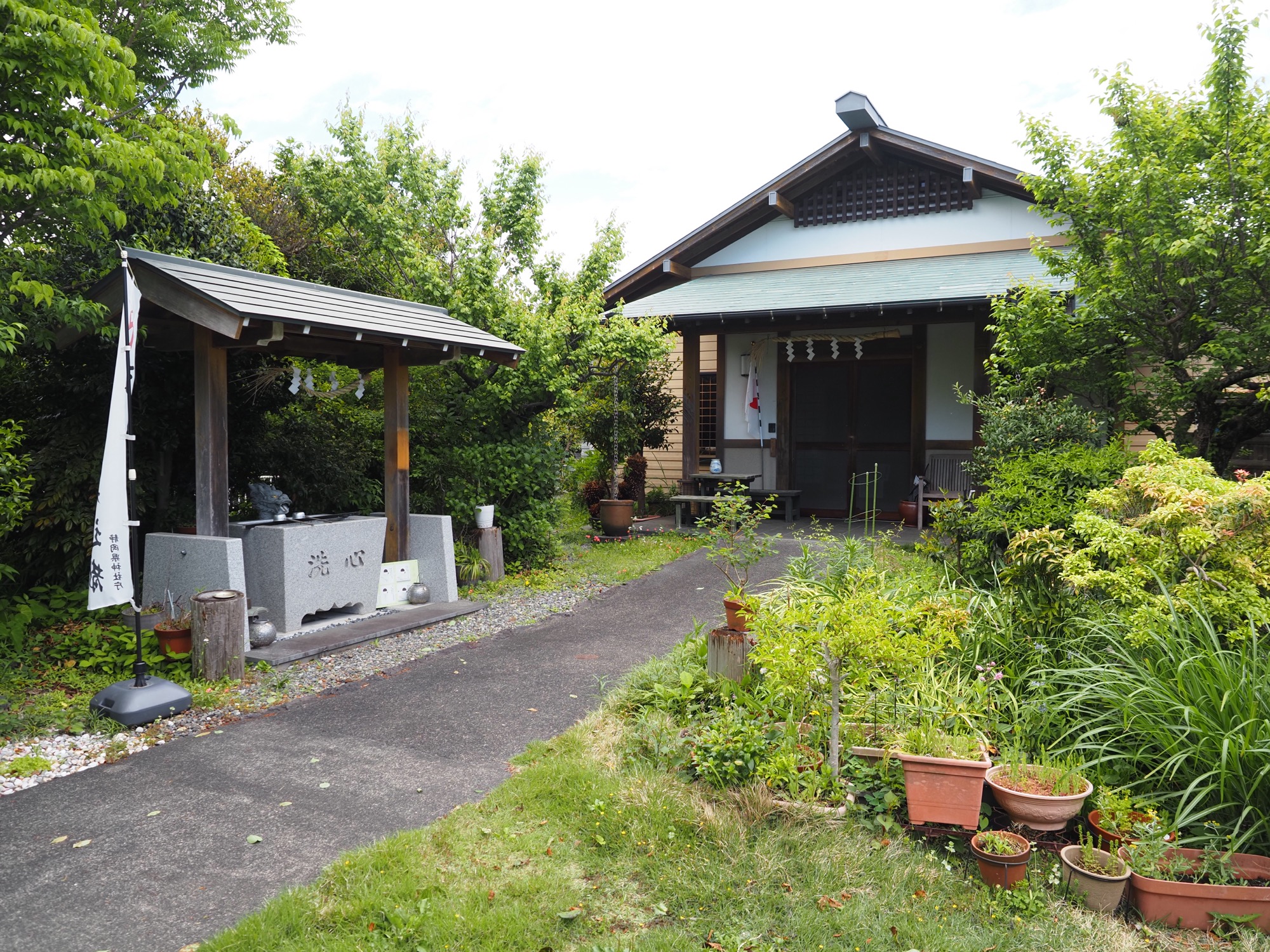
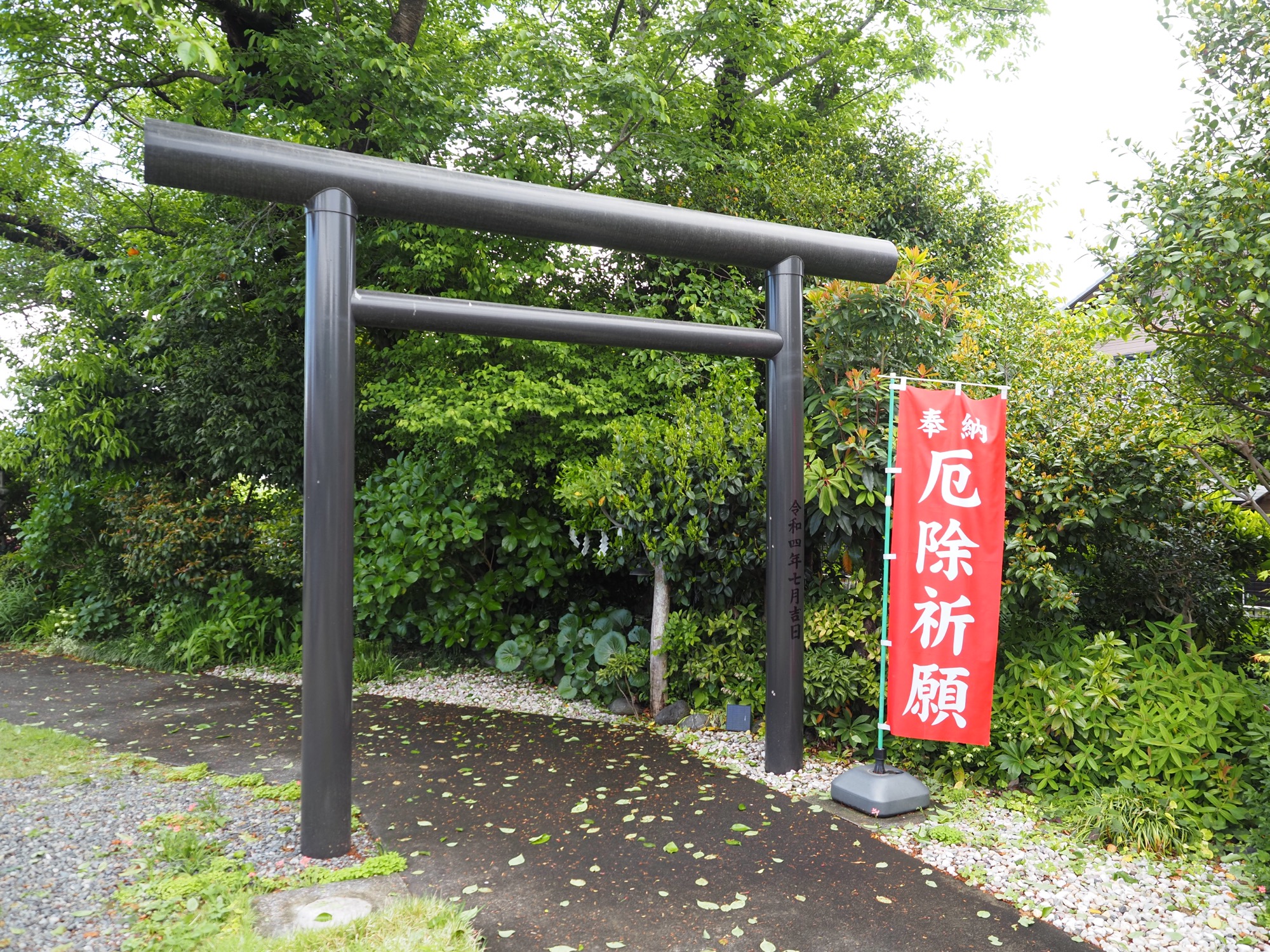
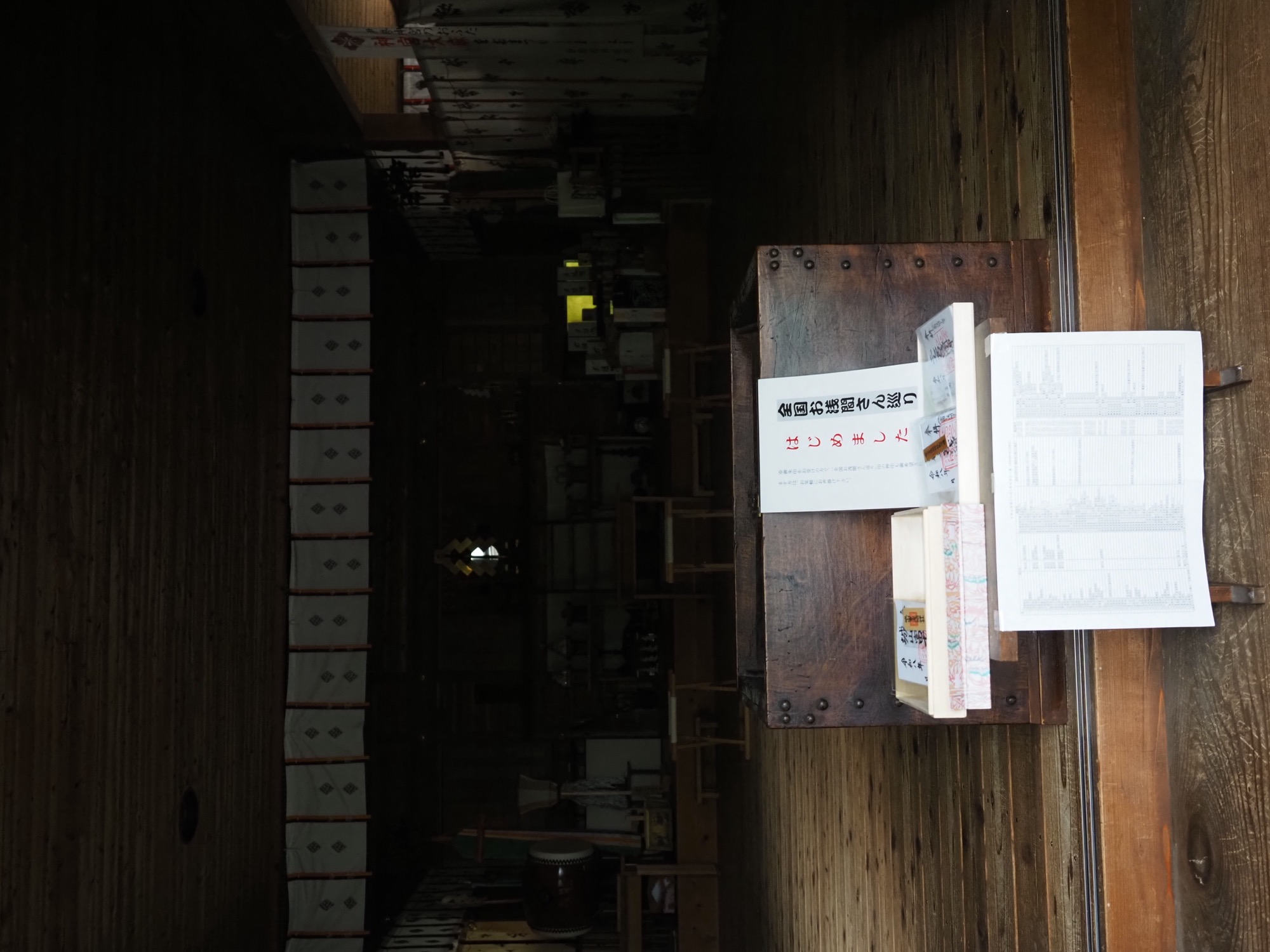
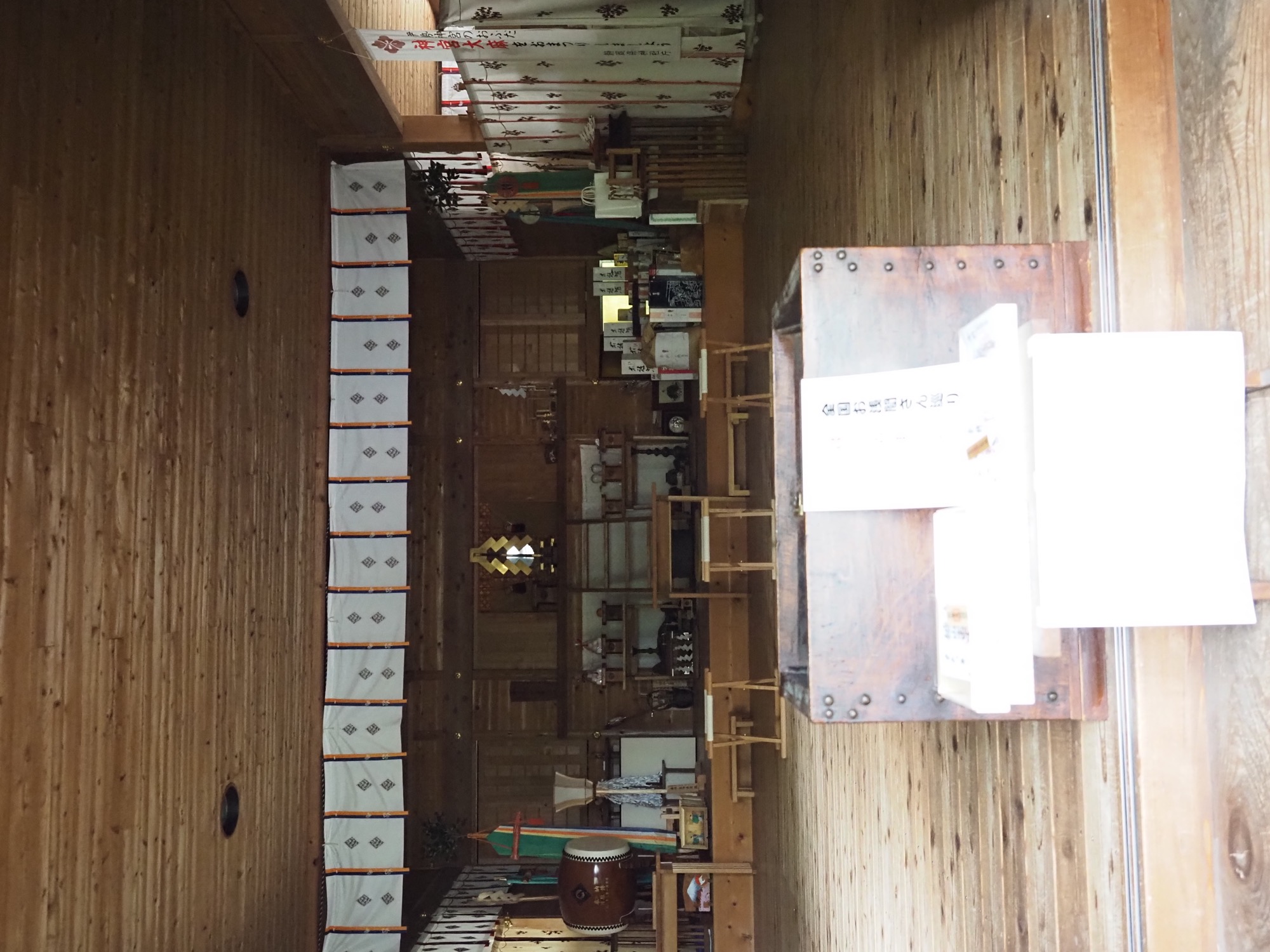
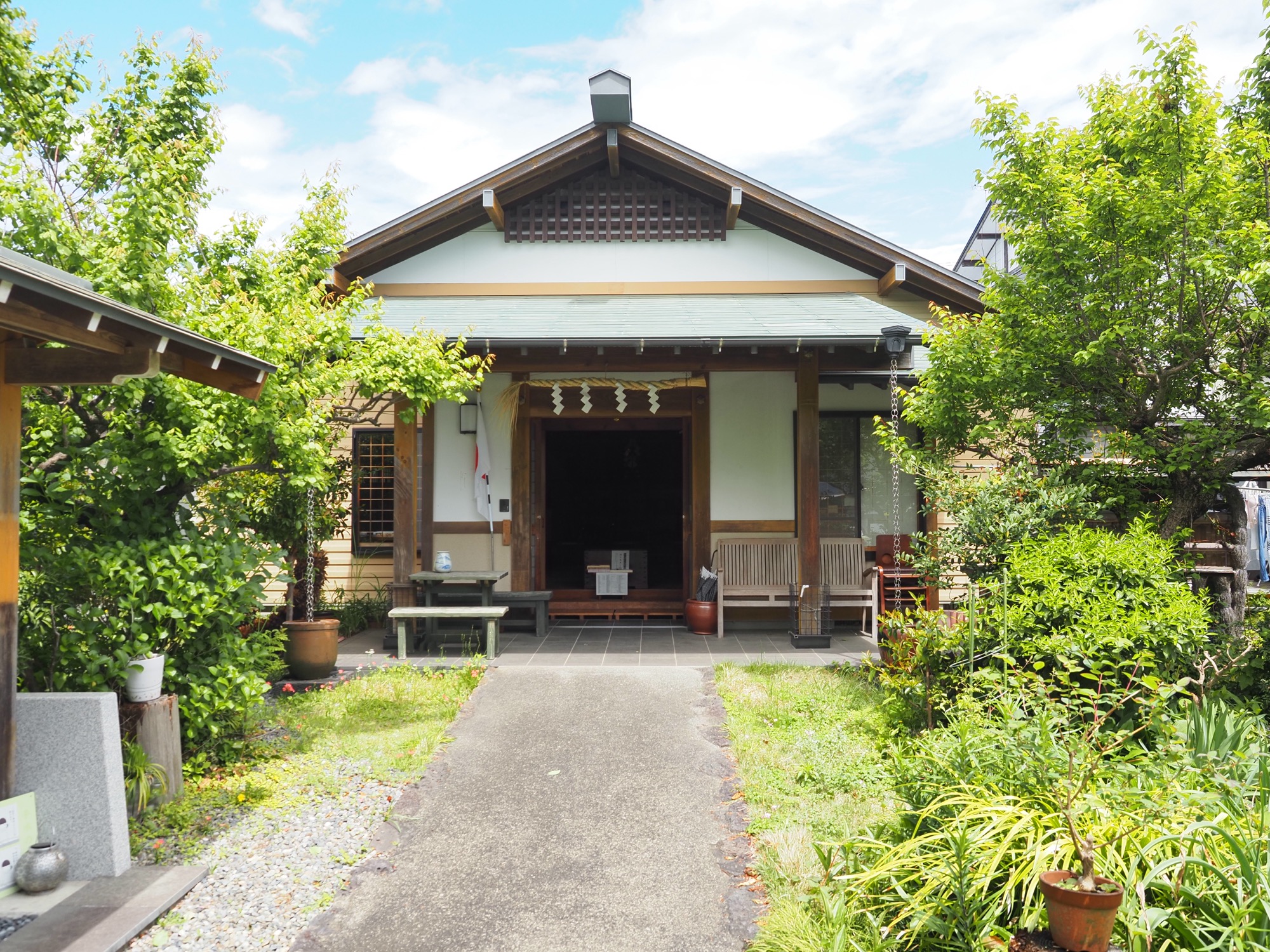
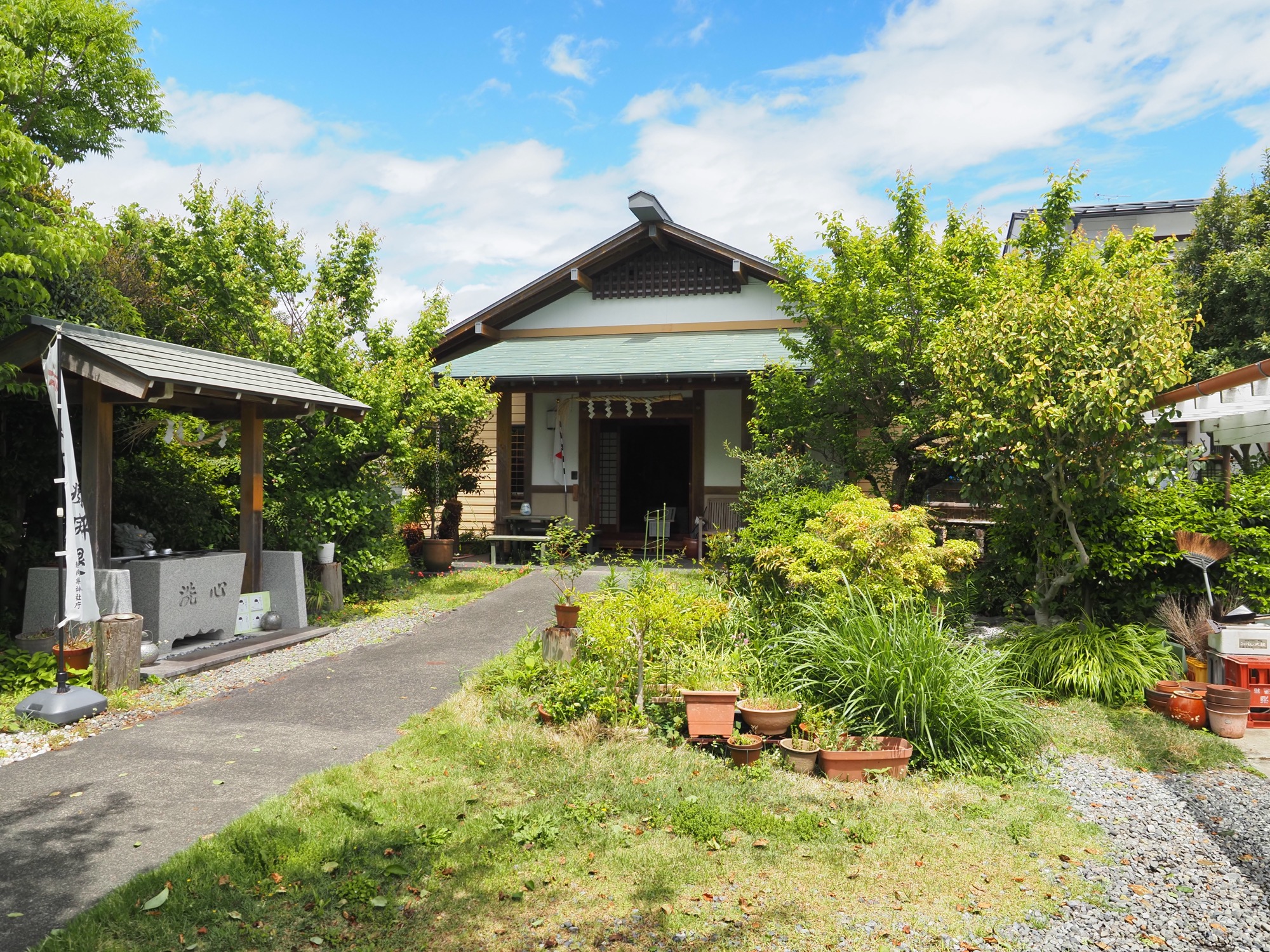
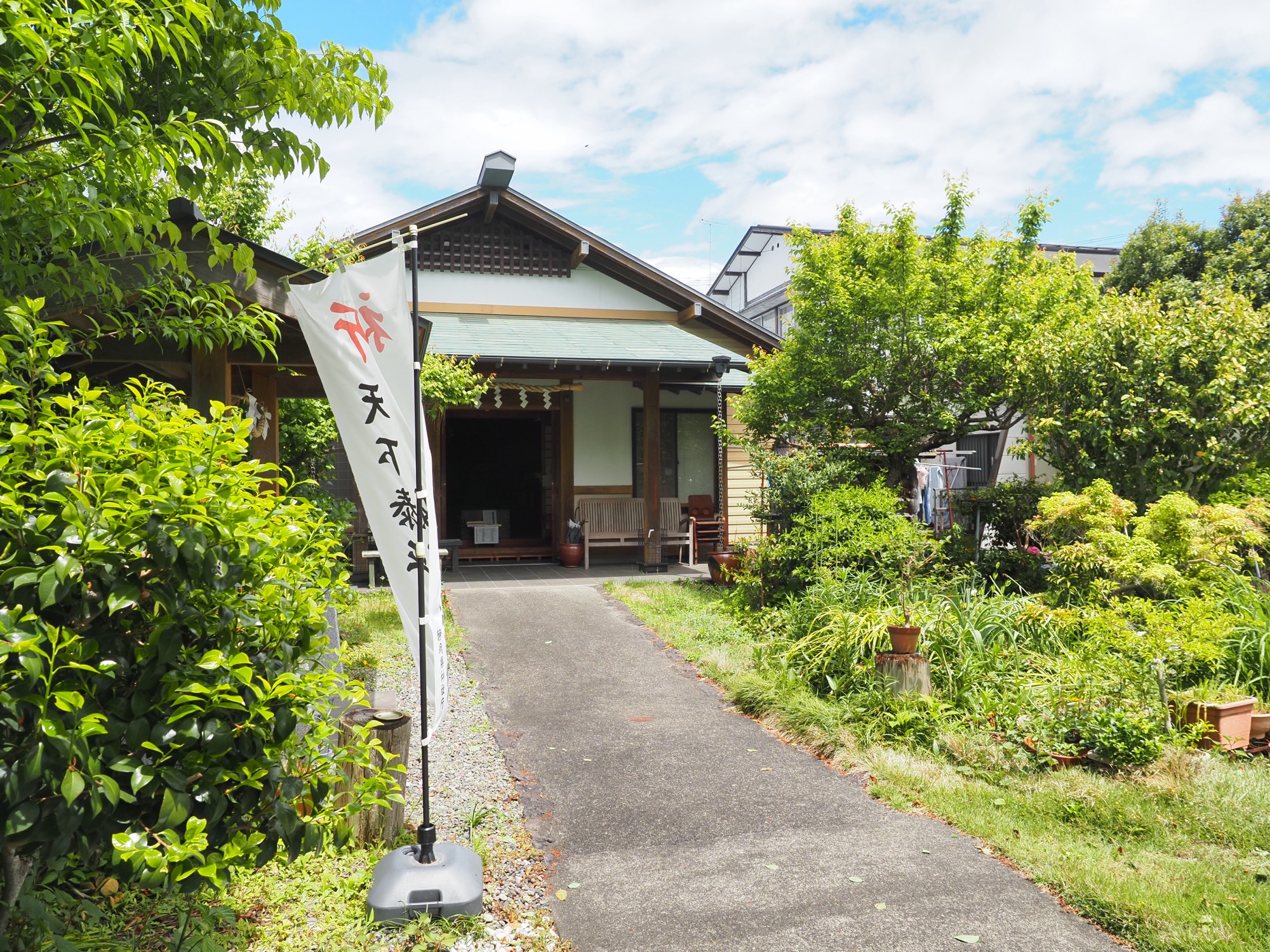
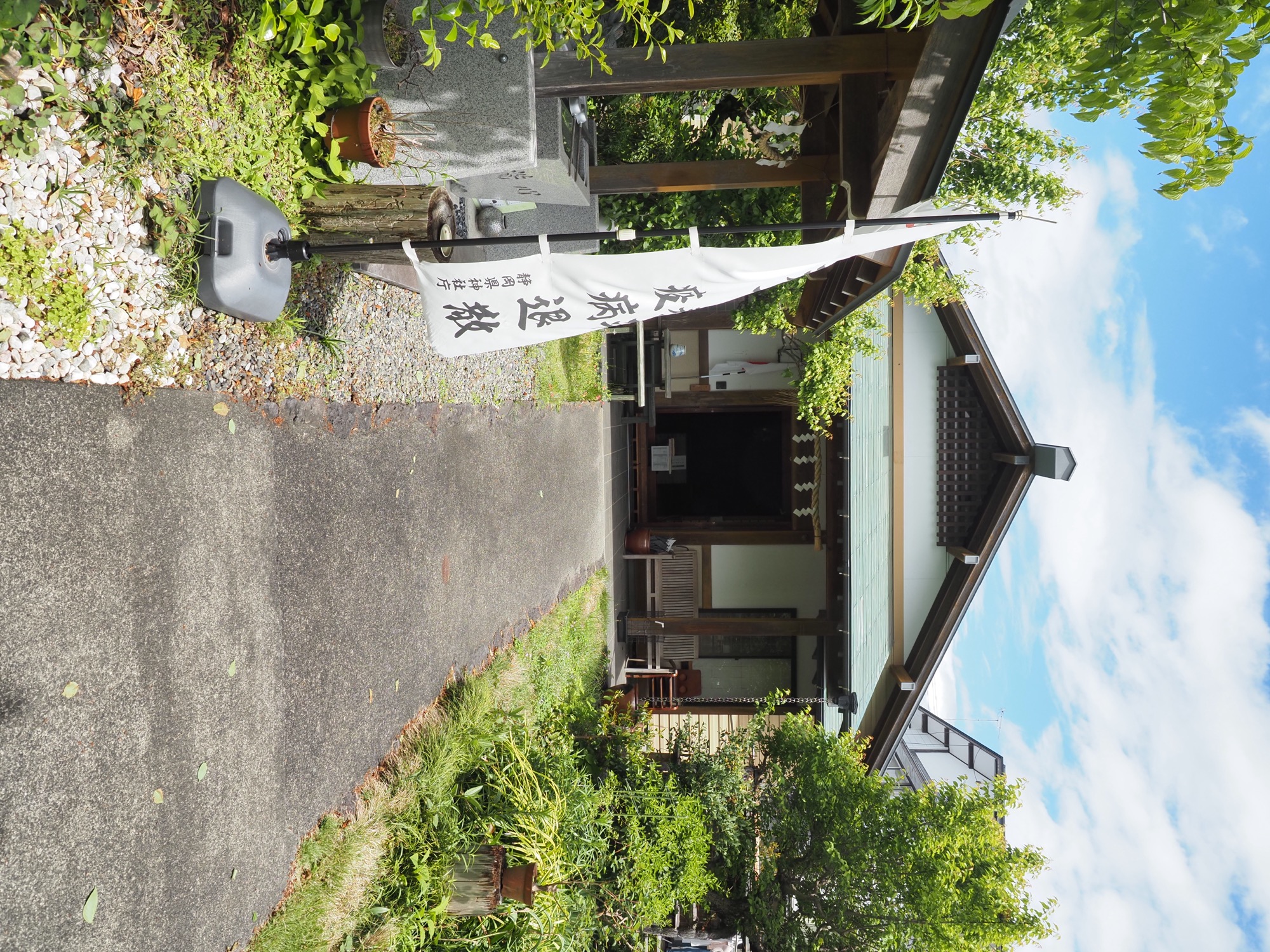
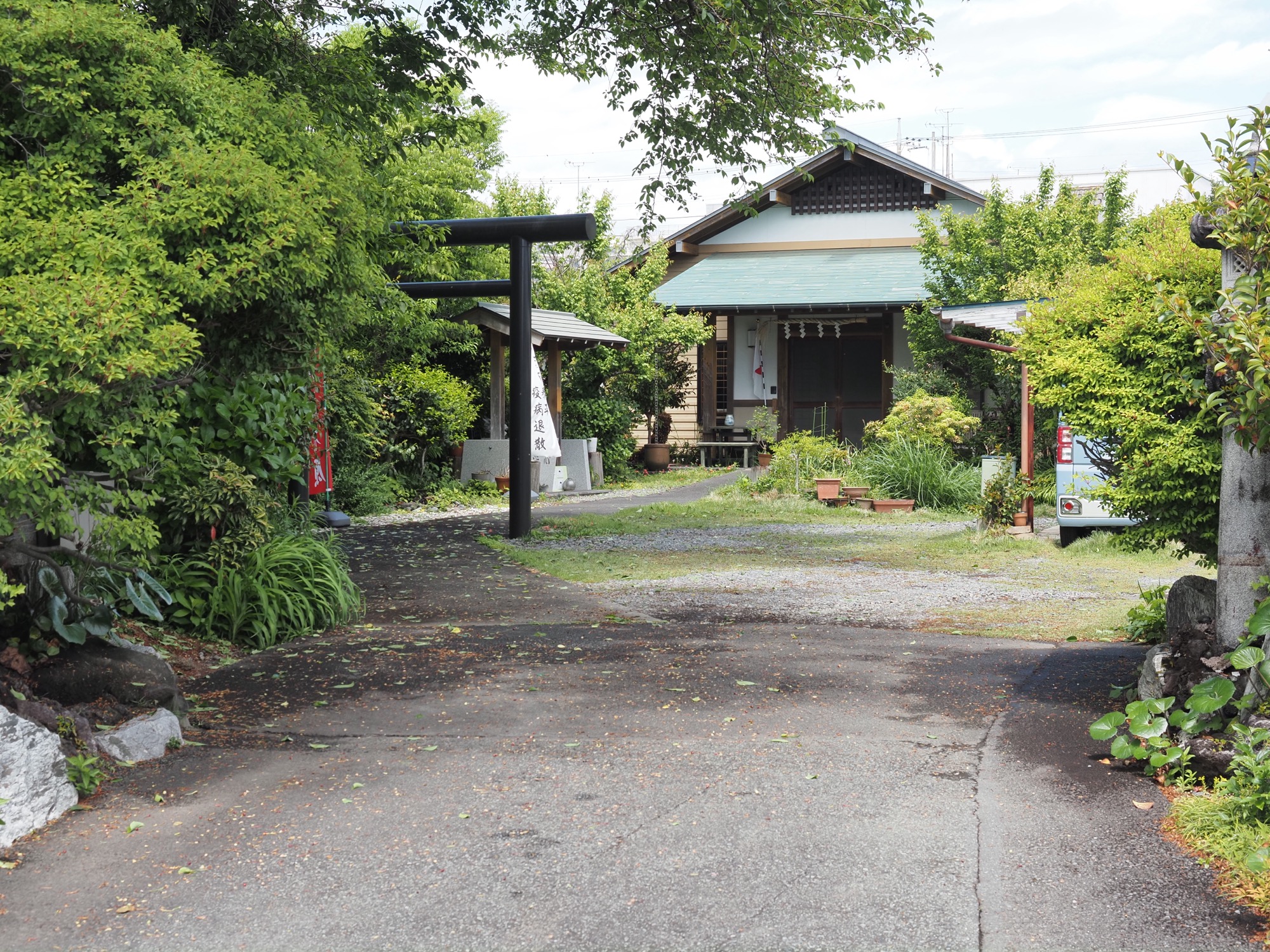
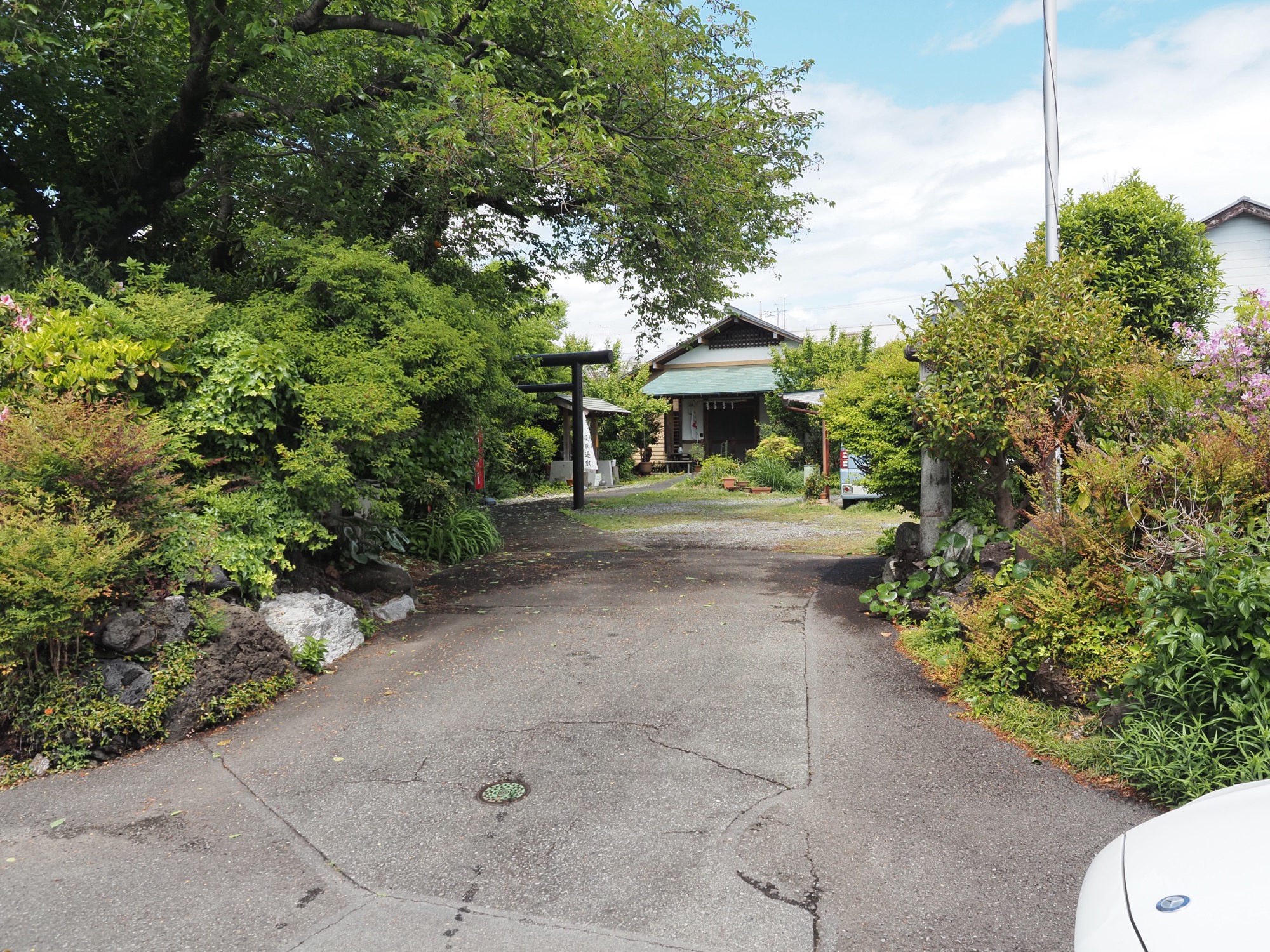
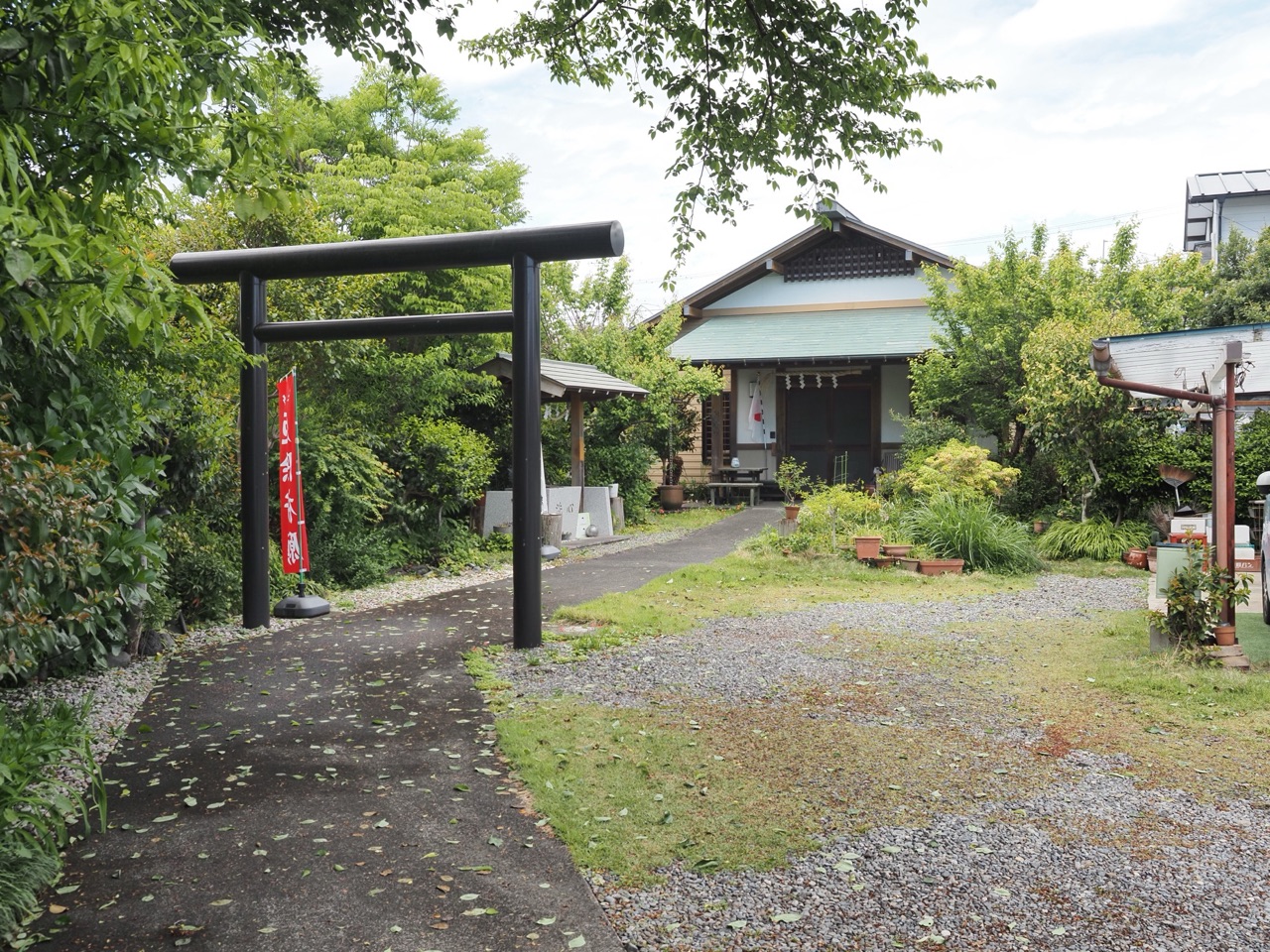
A Sengen shrine standing on Shiroyama — “castle hill” — in the old Ōmiya district of Fujinomiya. The name refers to the citadel of Ōmiya Castle, seat of the Fuji Ōmiyaji family, on the high ground near the present Ōmiya Elementary School. In the medieval period the residences of the shrine officials — the kumon and the bettō — stood here in rows, a stronghold where politics, war, and religion were one. It was in this castle that the Ōmiyaji Fuji Nobutada shut himself against the invasion of Takeda Shingen. A priestly house that kept a castle: the very ground tells of the structure of power in Ōmiya, with Sengen Taisha at its heart.
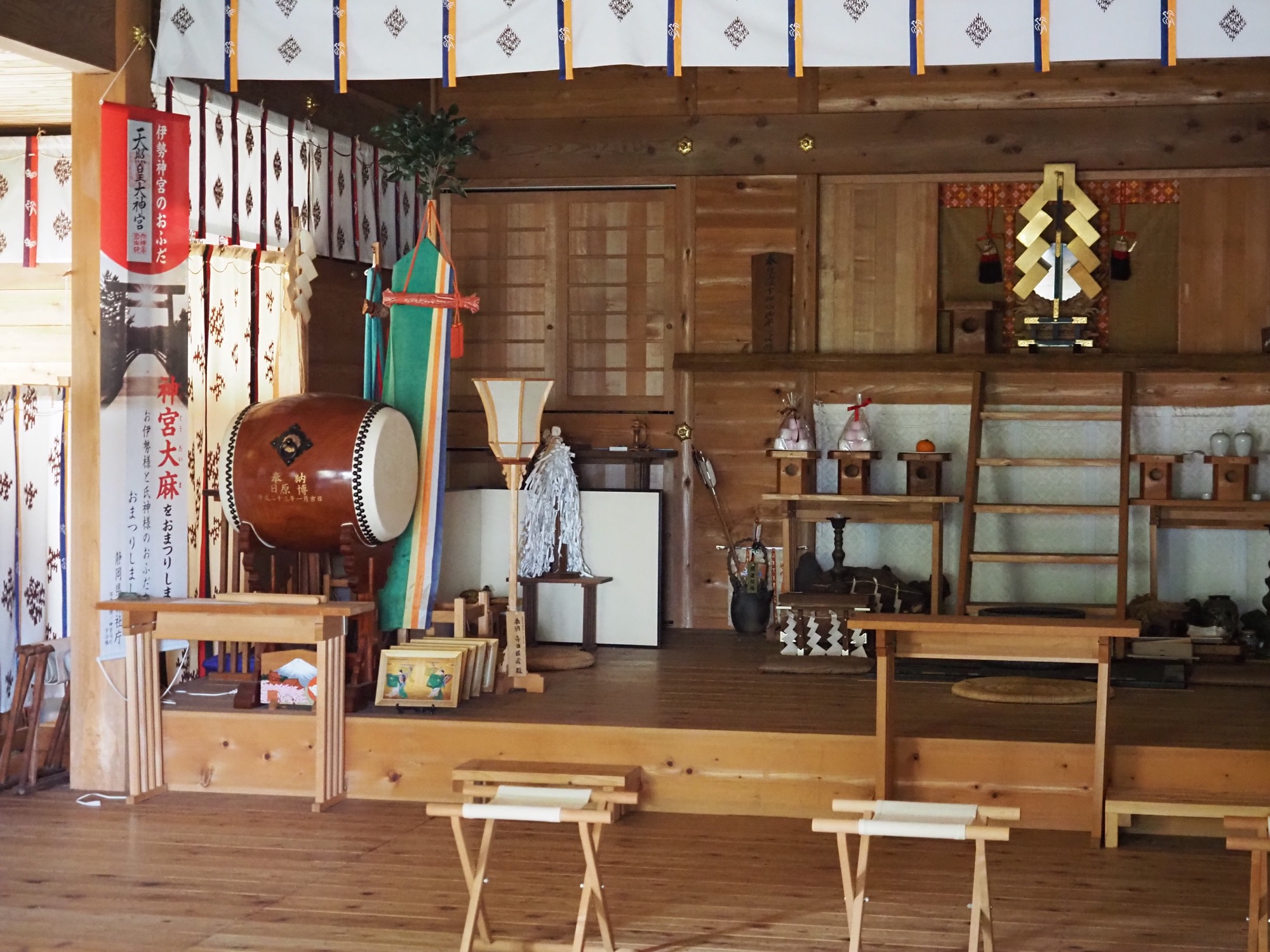
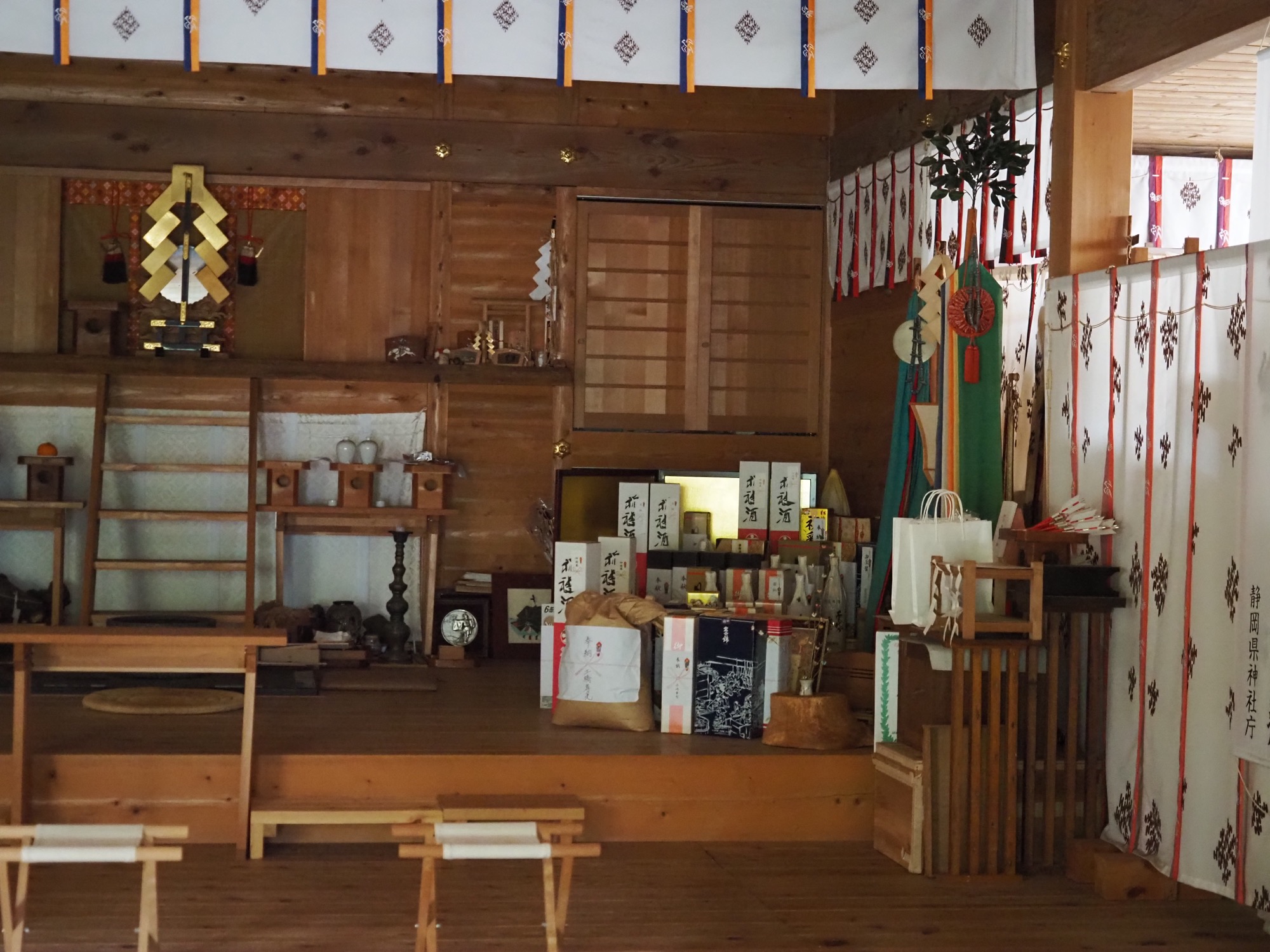
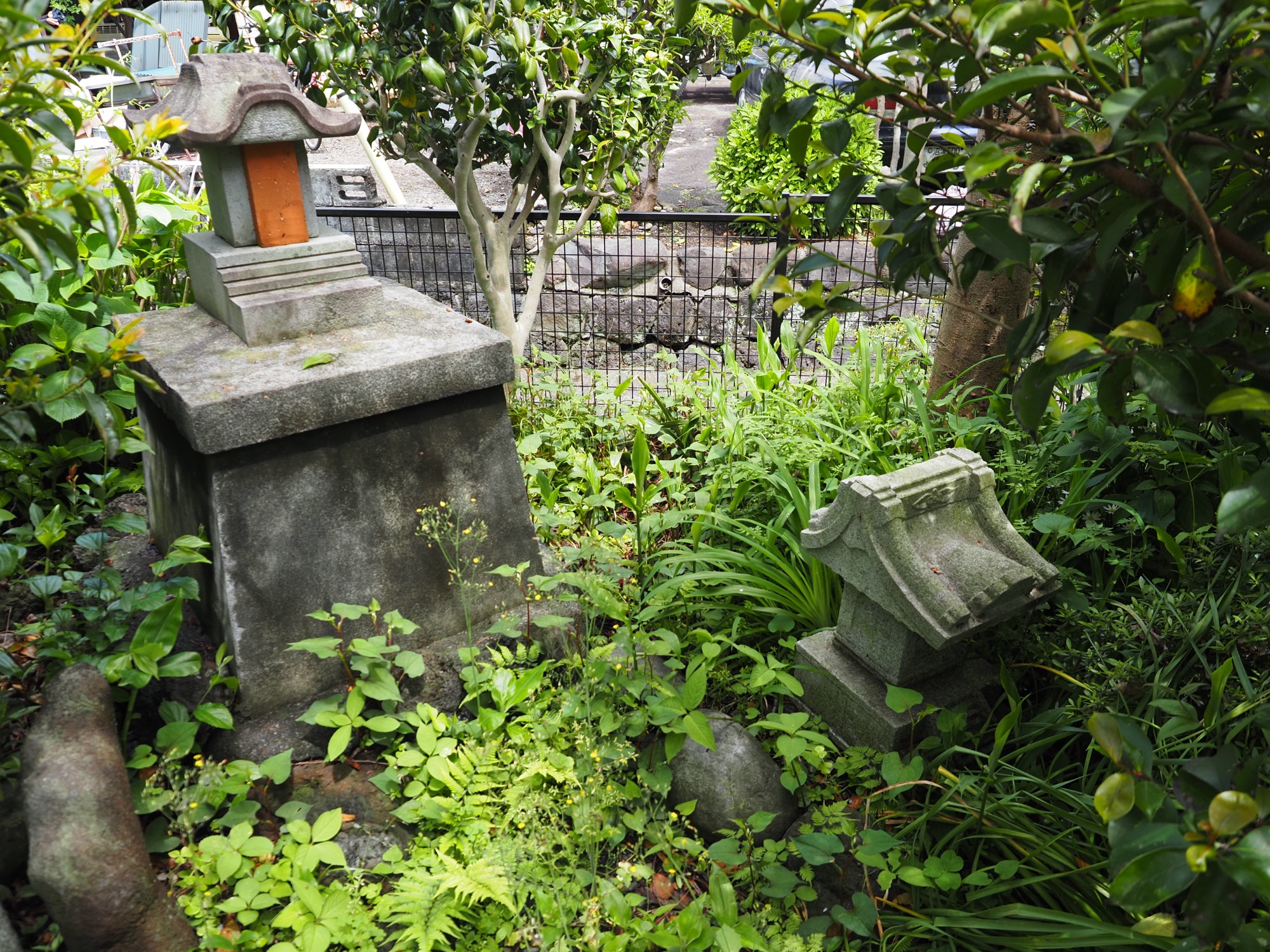
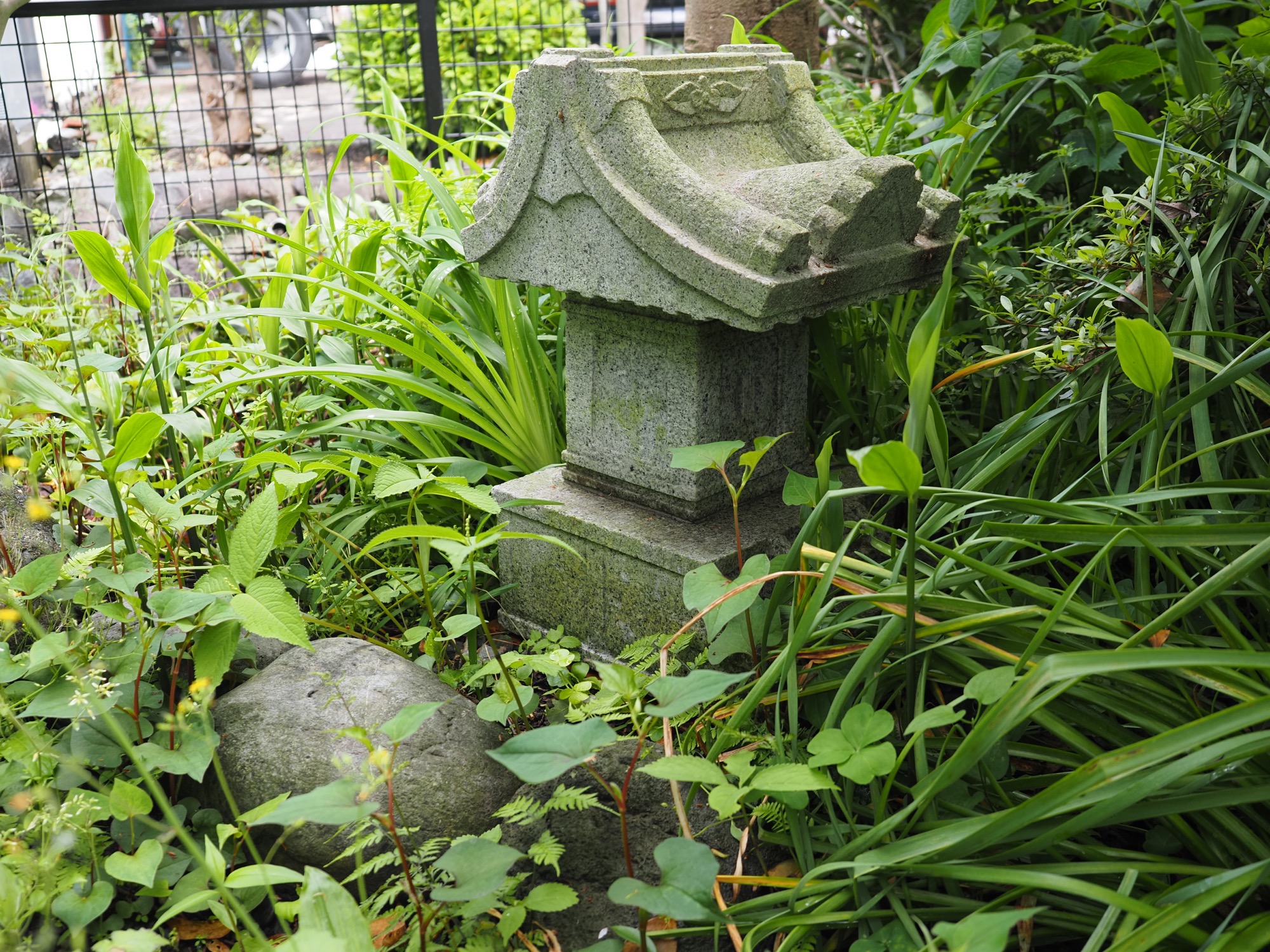
The Sengen shrines of the Ōmiya district were organised as a divine family, with Asama no Ōkami — Konohanasakuya-hime — as mother. As the names Wakanomiya (the first prince) and Ninomiya (the second child) attest, shrines of her divine children encircled Sengen Taisha and were woven into the great shrine’s ritual calendar of seventy-five observances a year. The Sengen shrine of Shiroyama, too, was a sanctuary within this ritual sphere, bound to the guardianship of Ōmiya Castle.
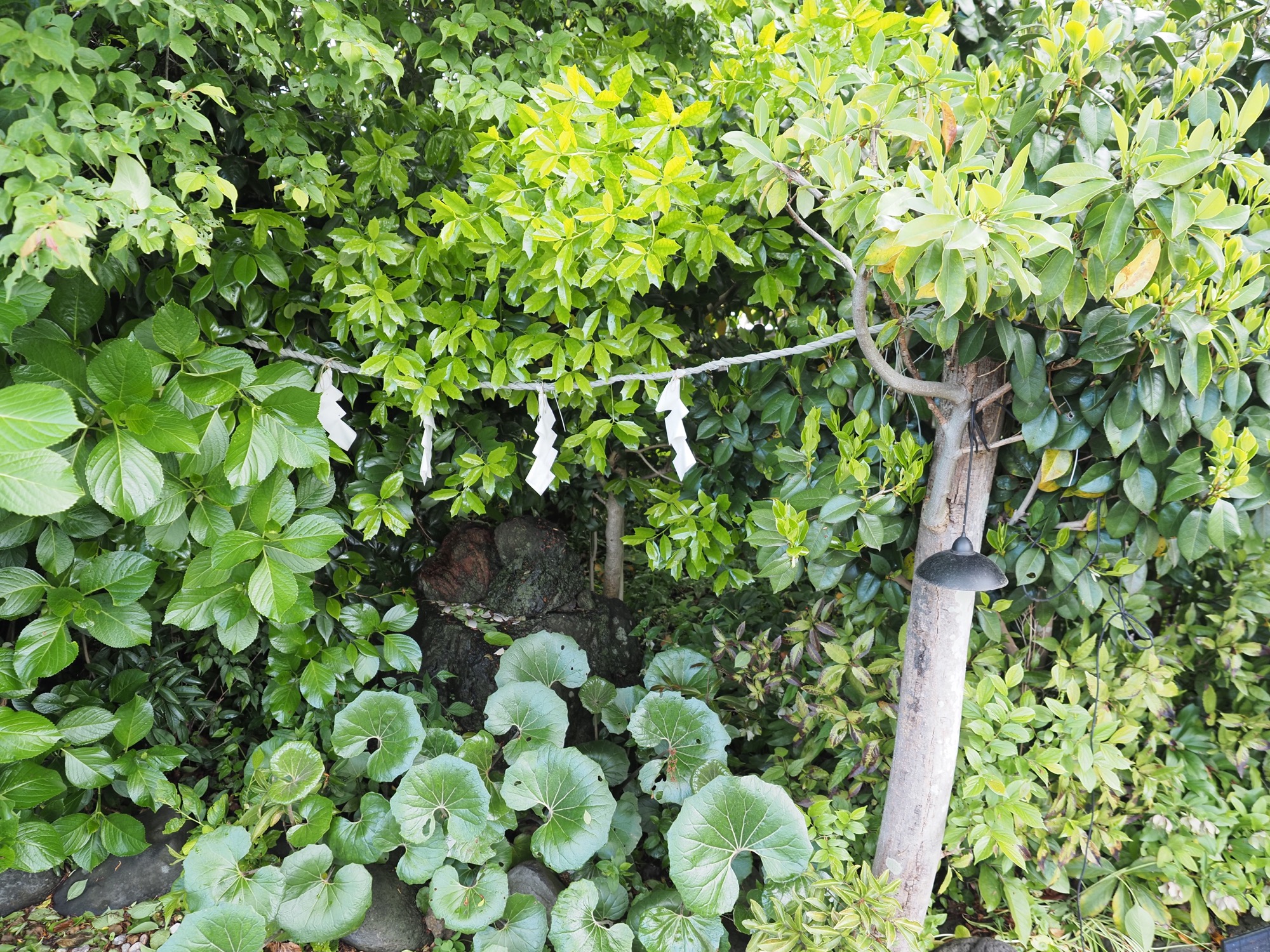
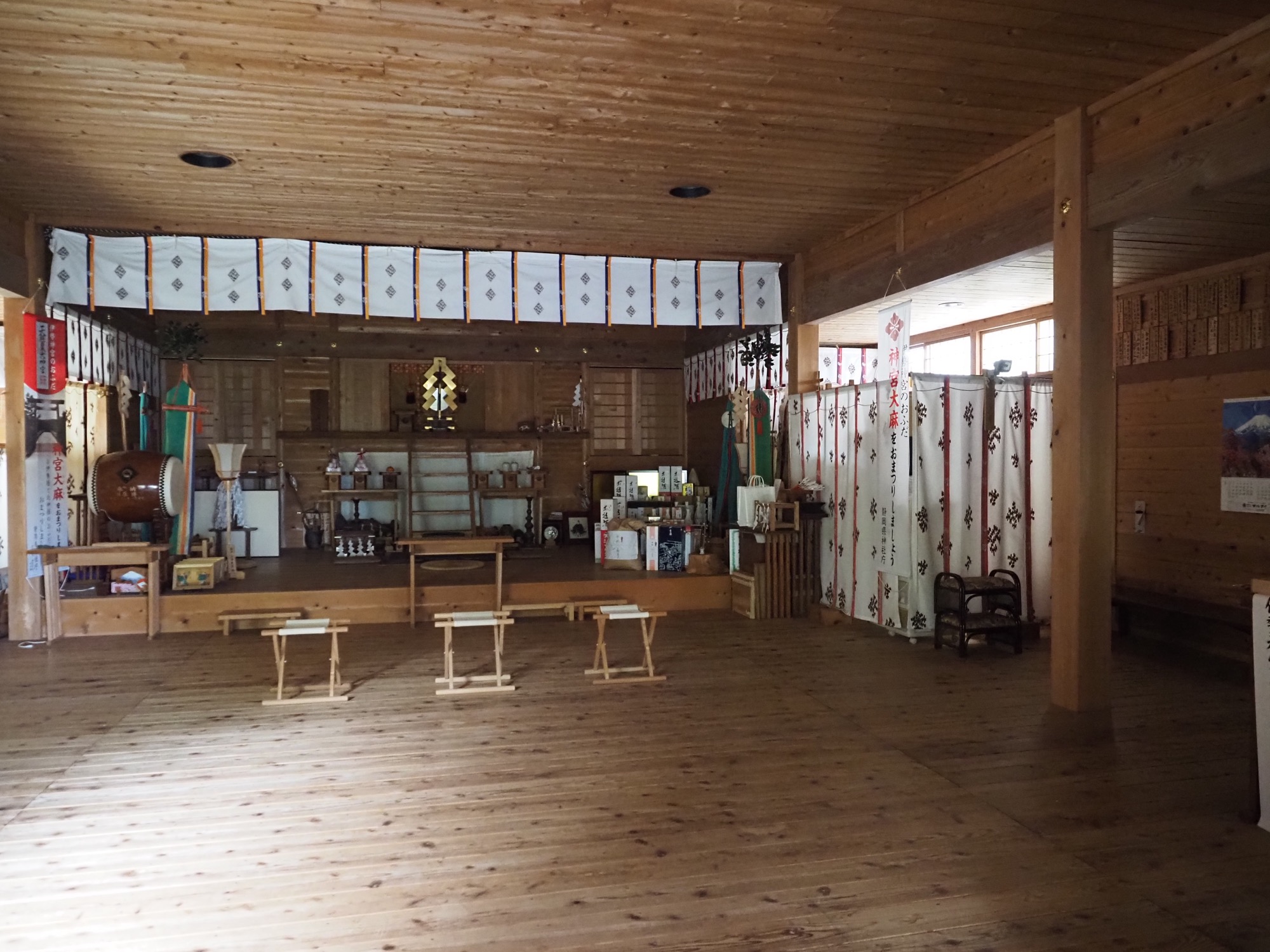
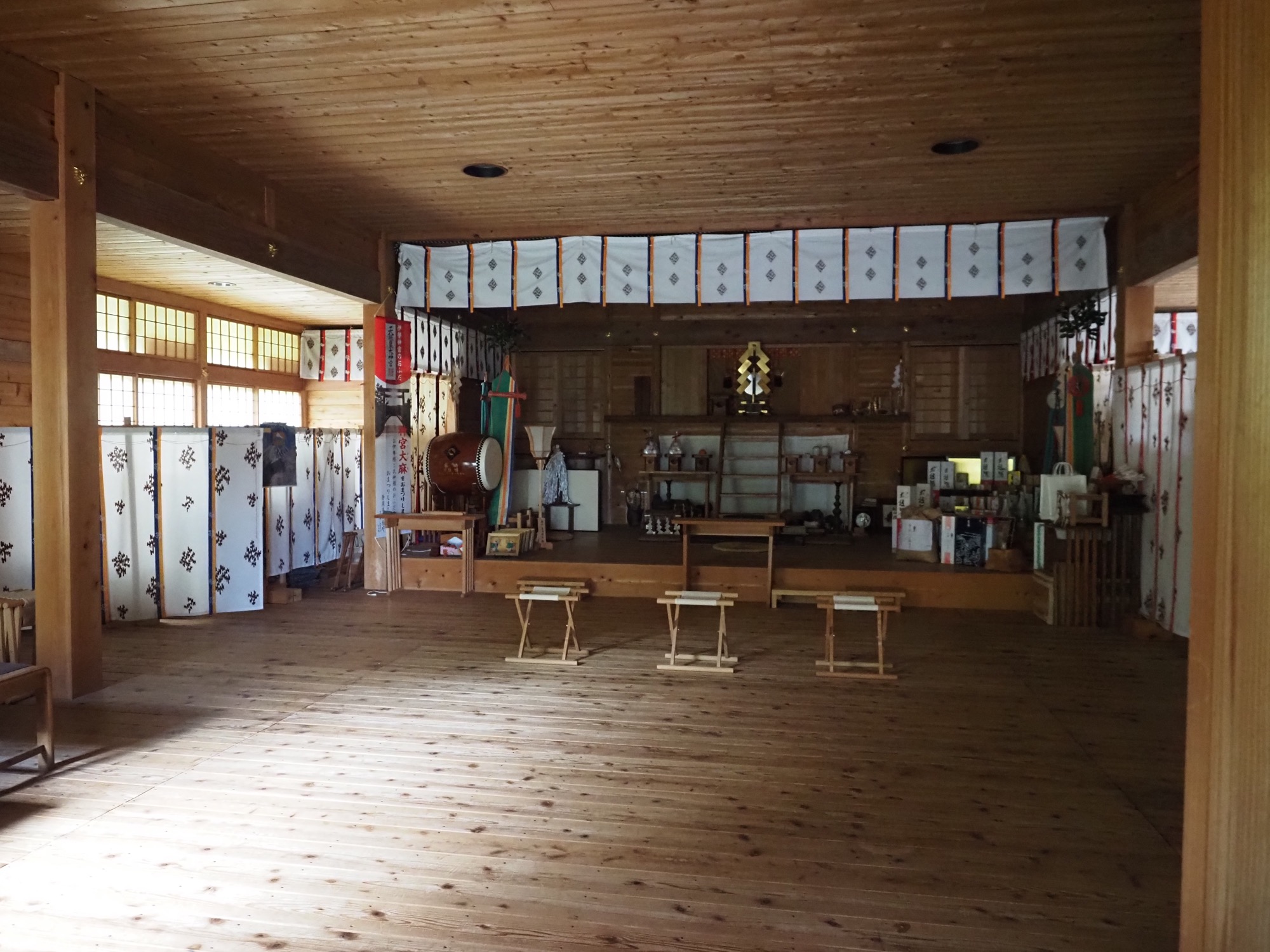
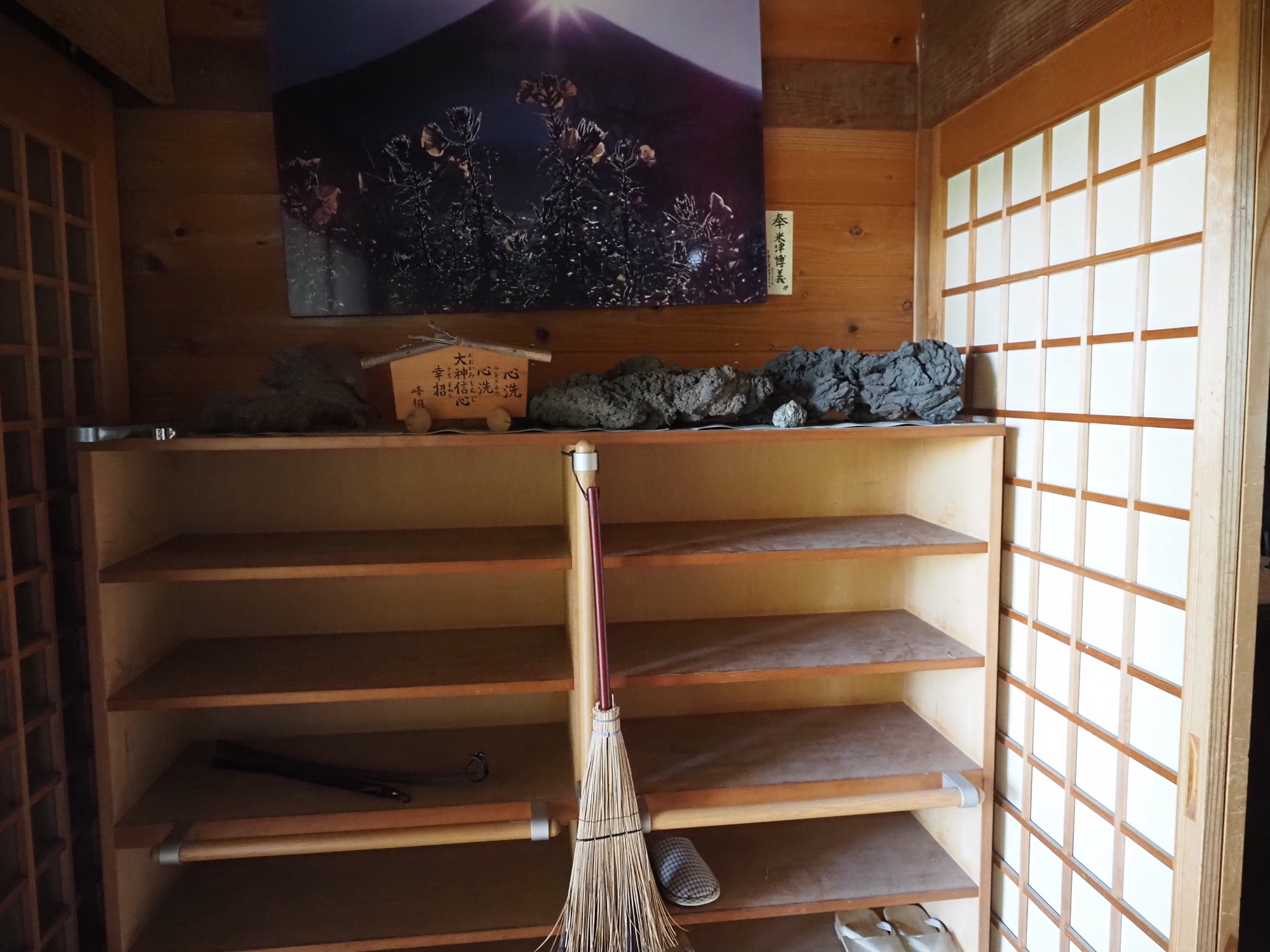
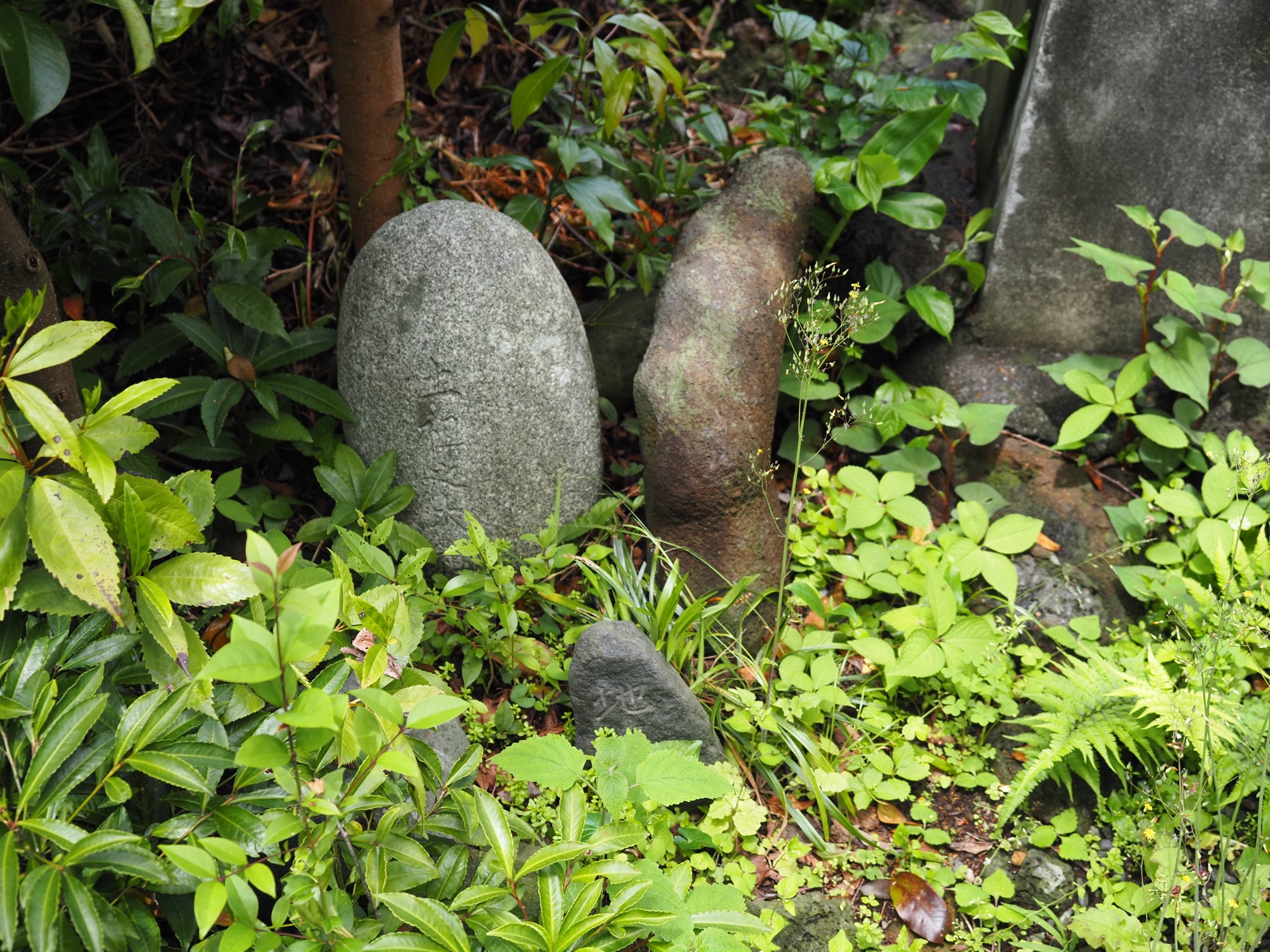
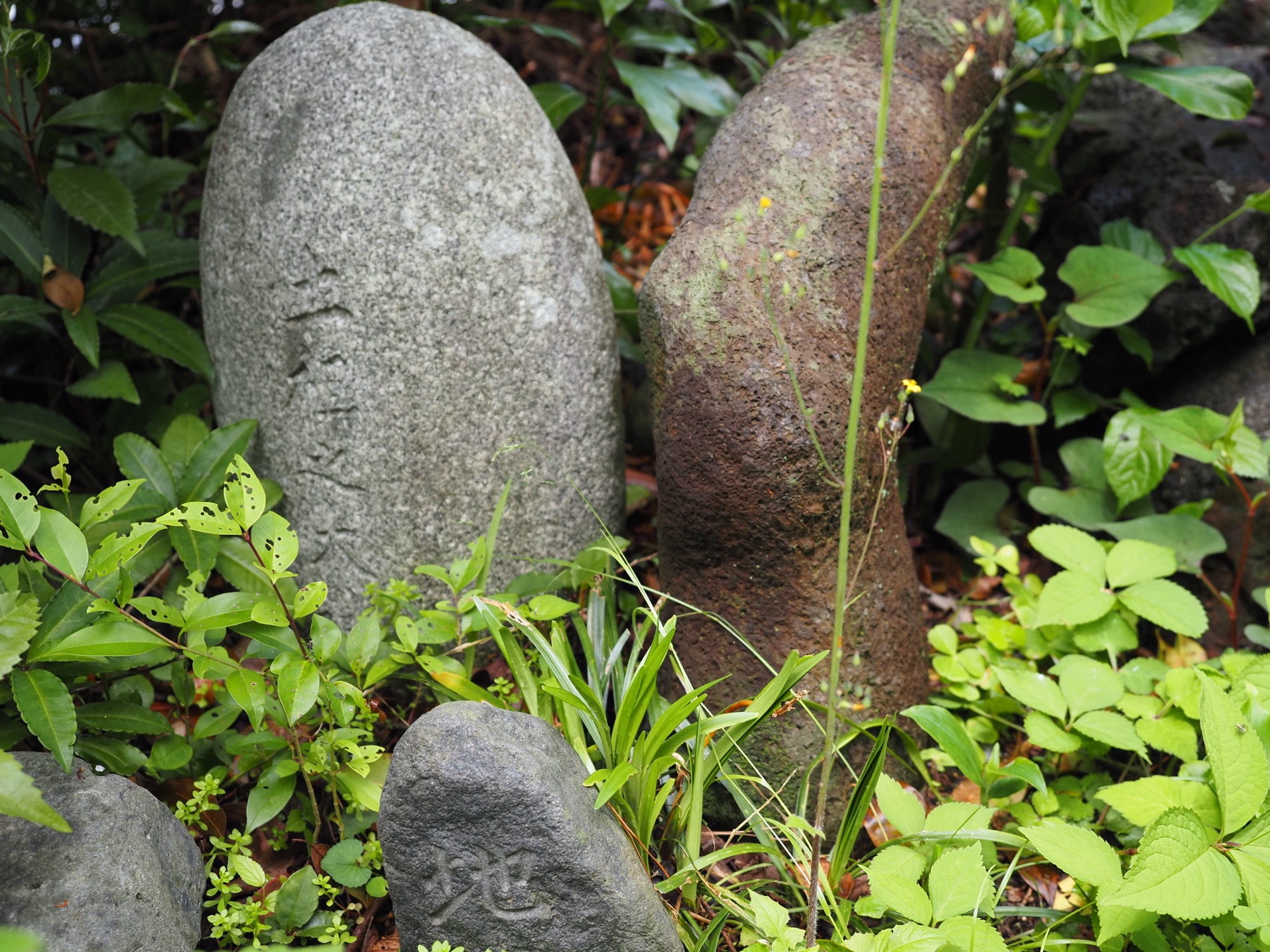
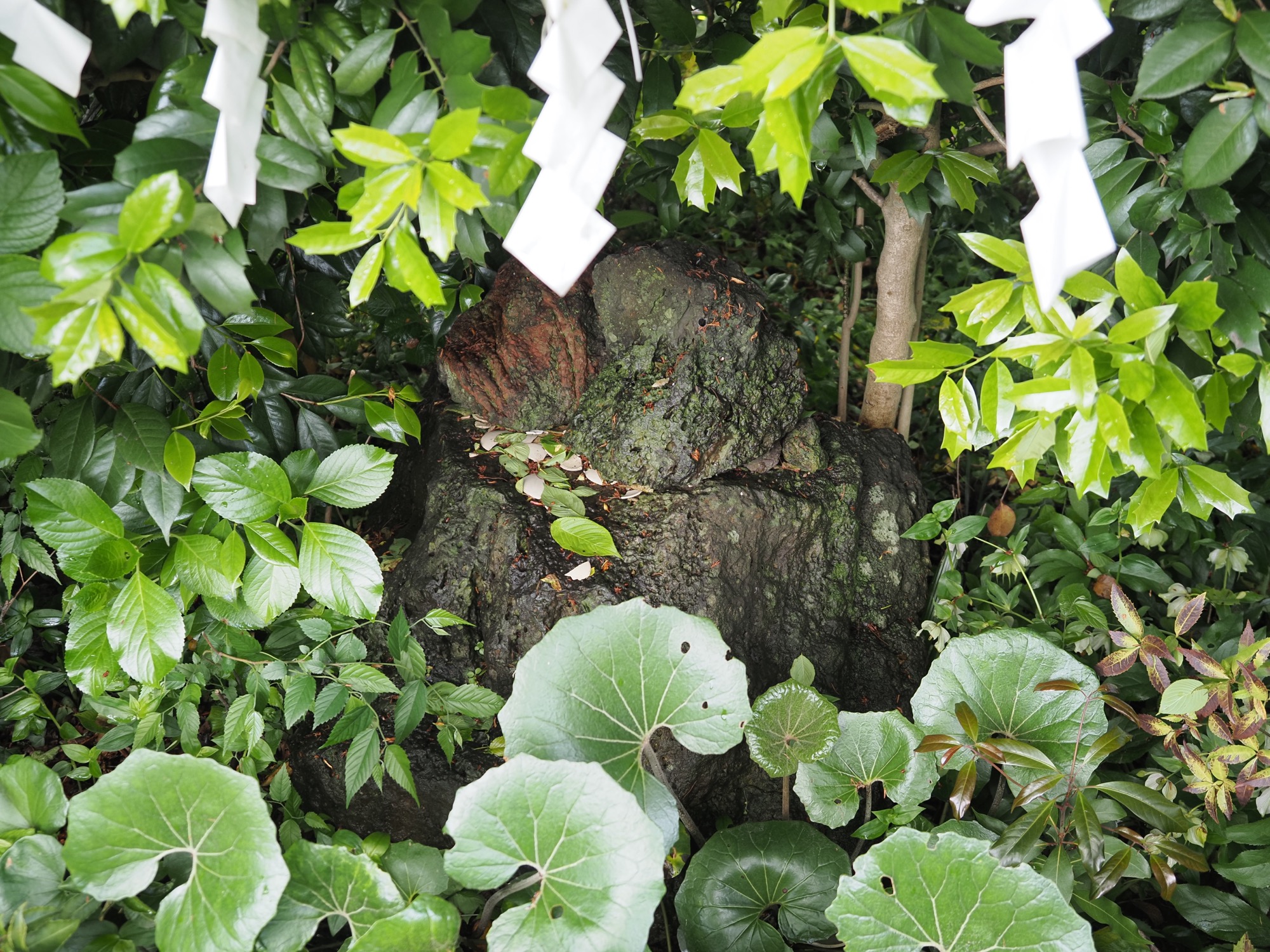
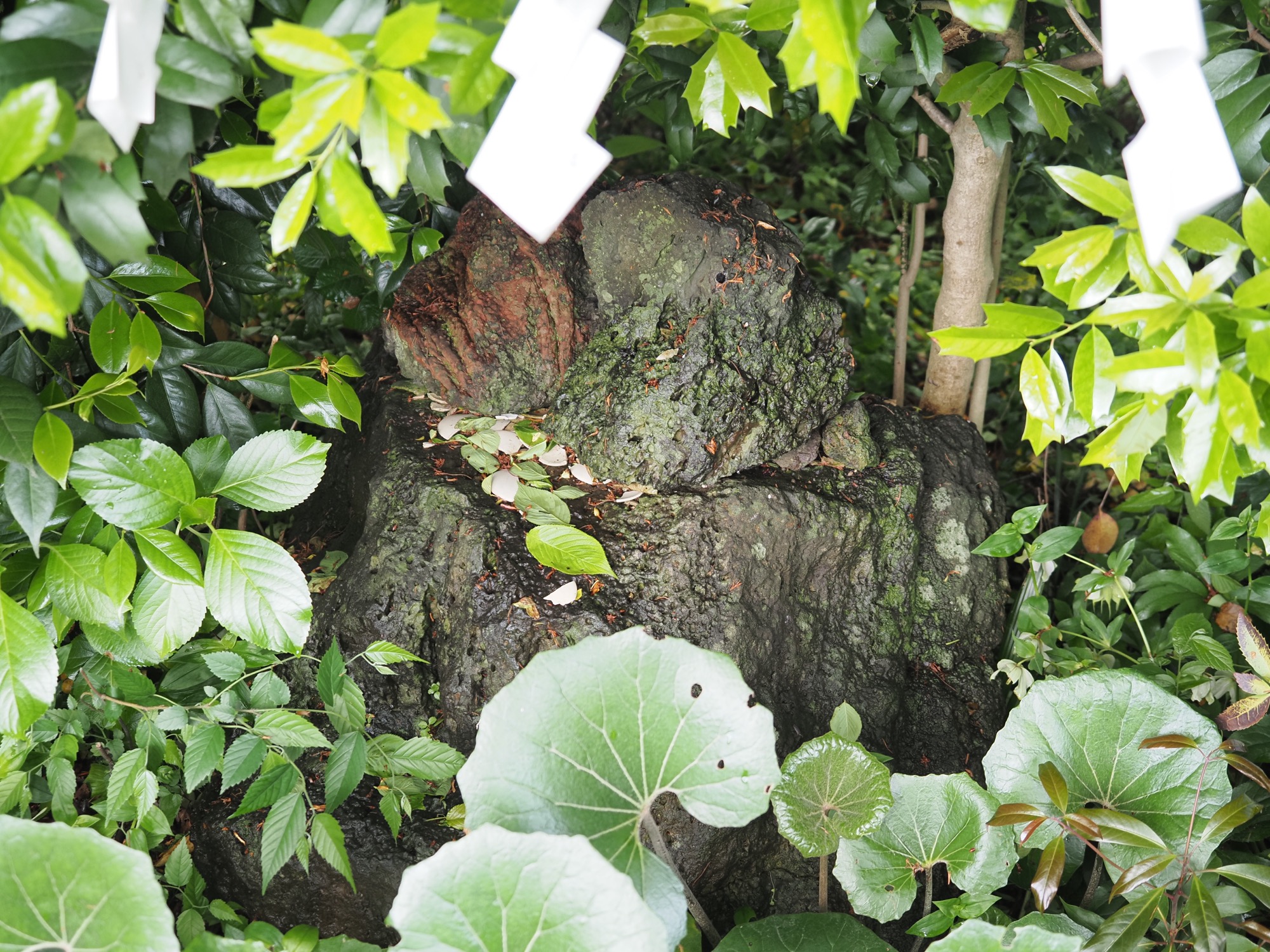
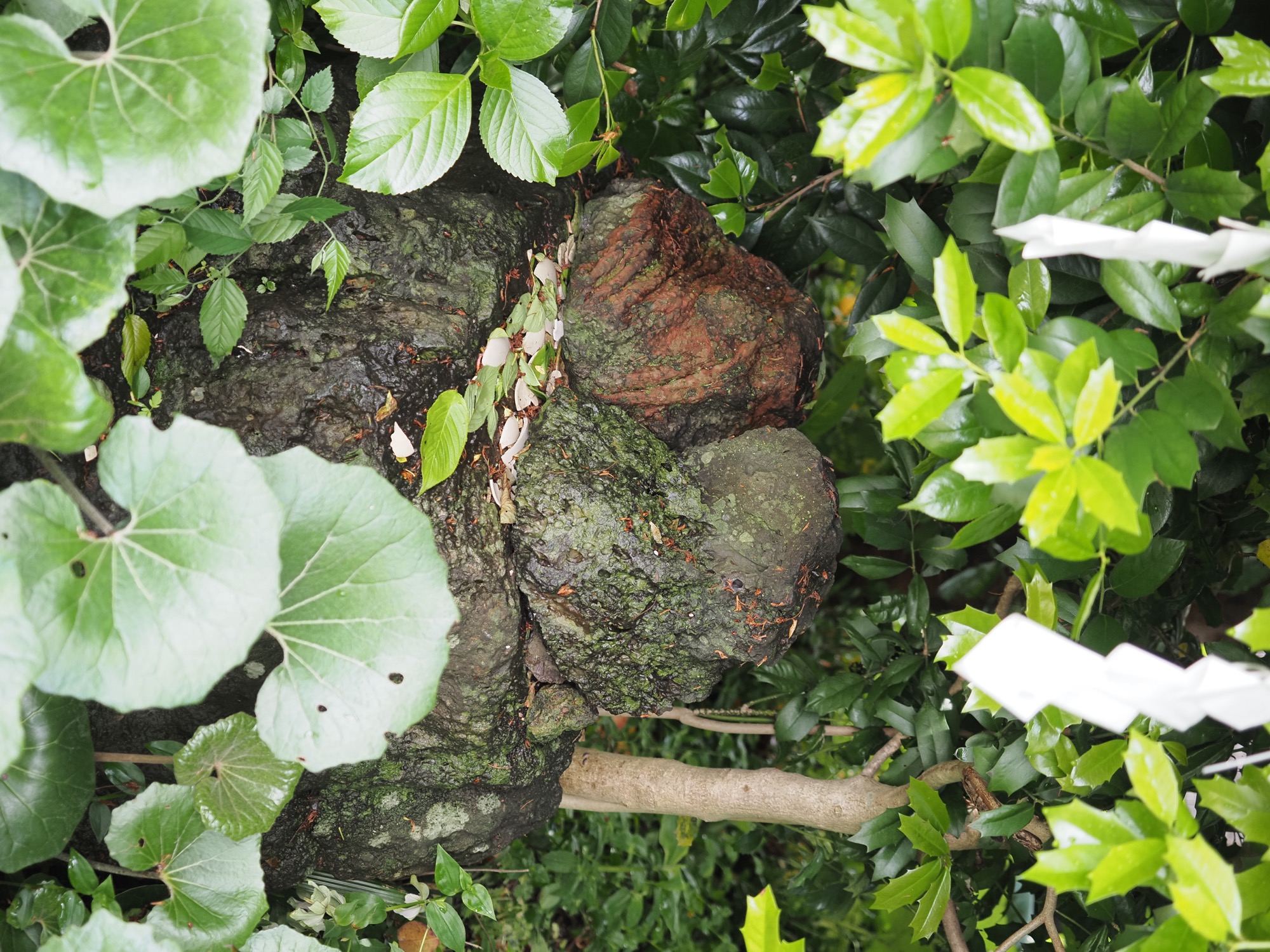
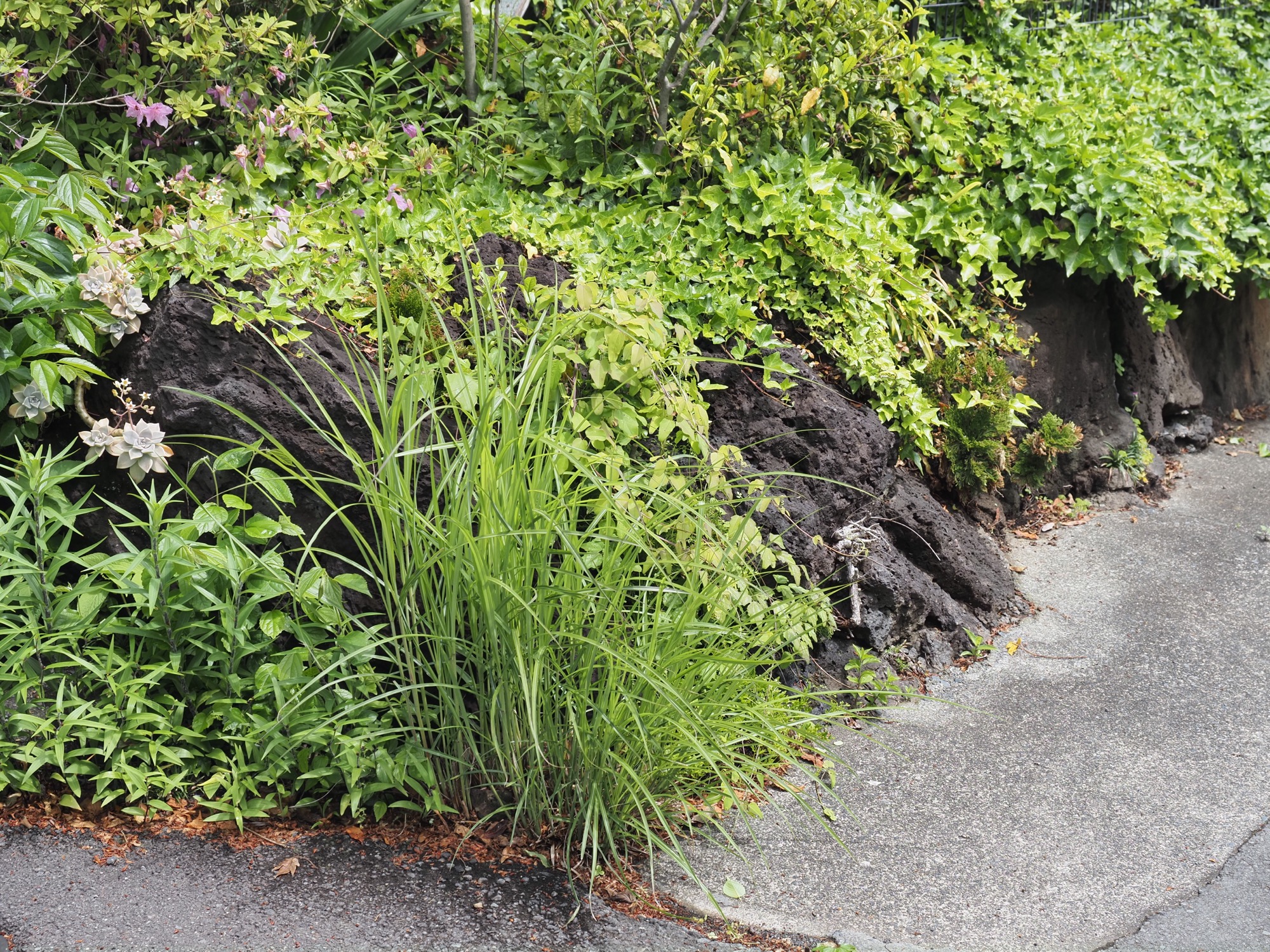
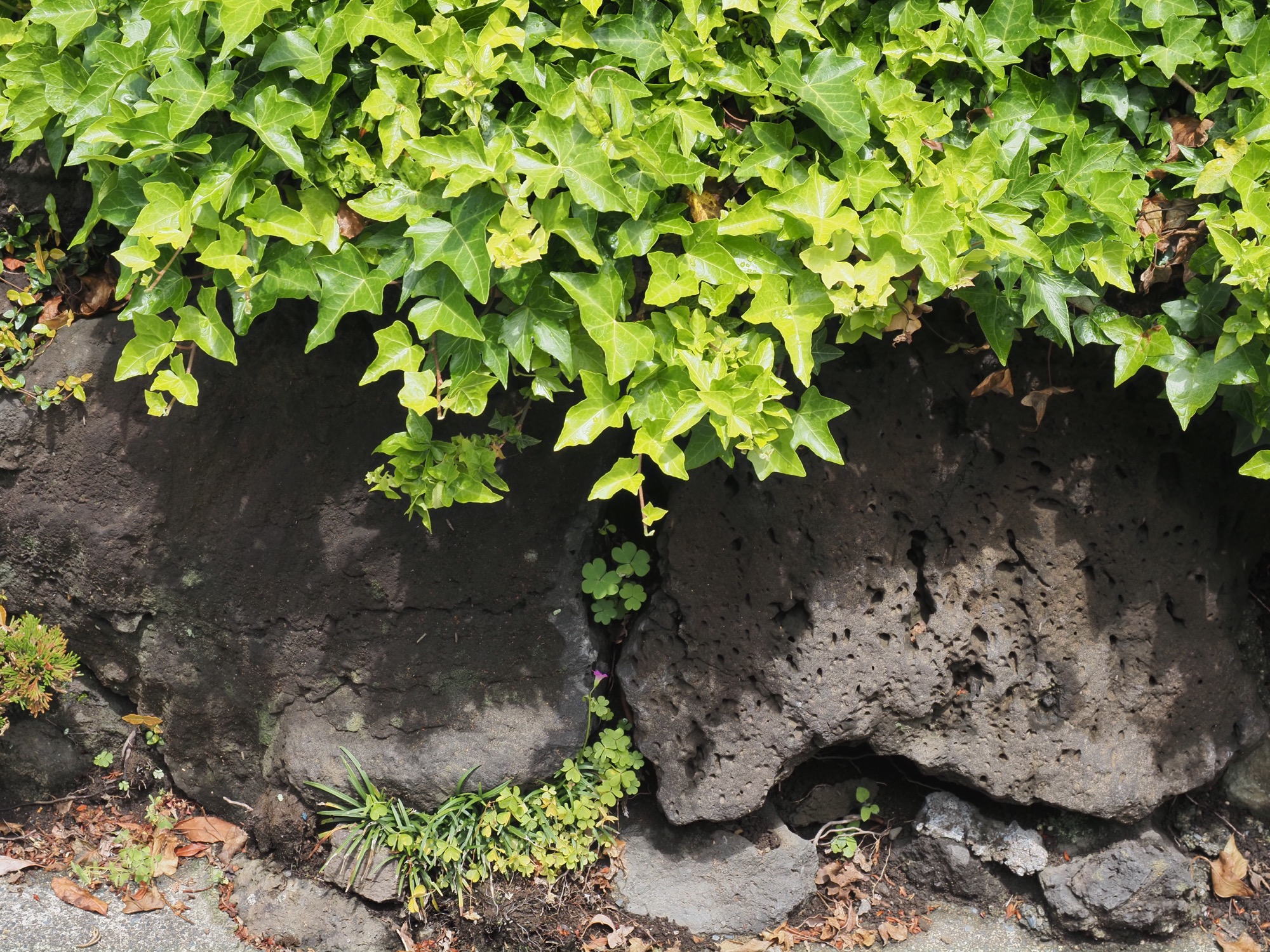
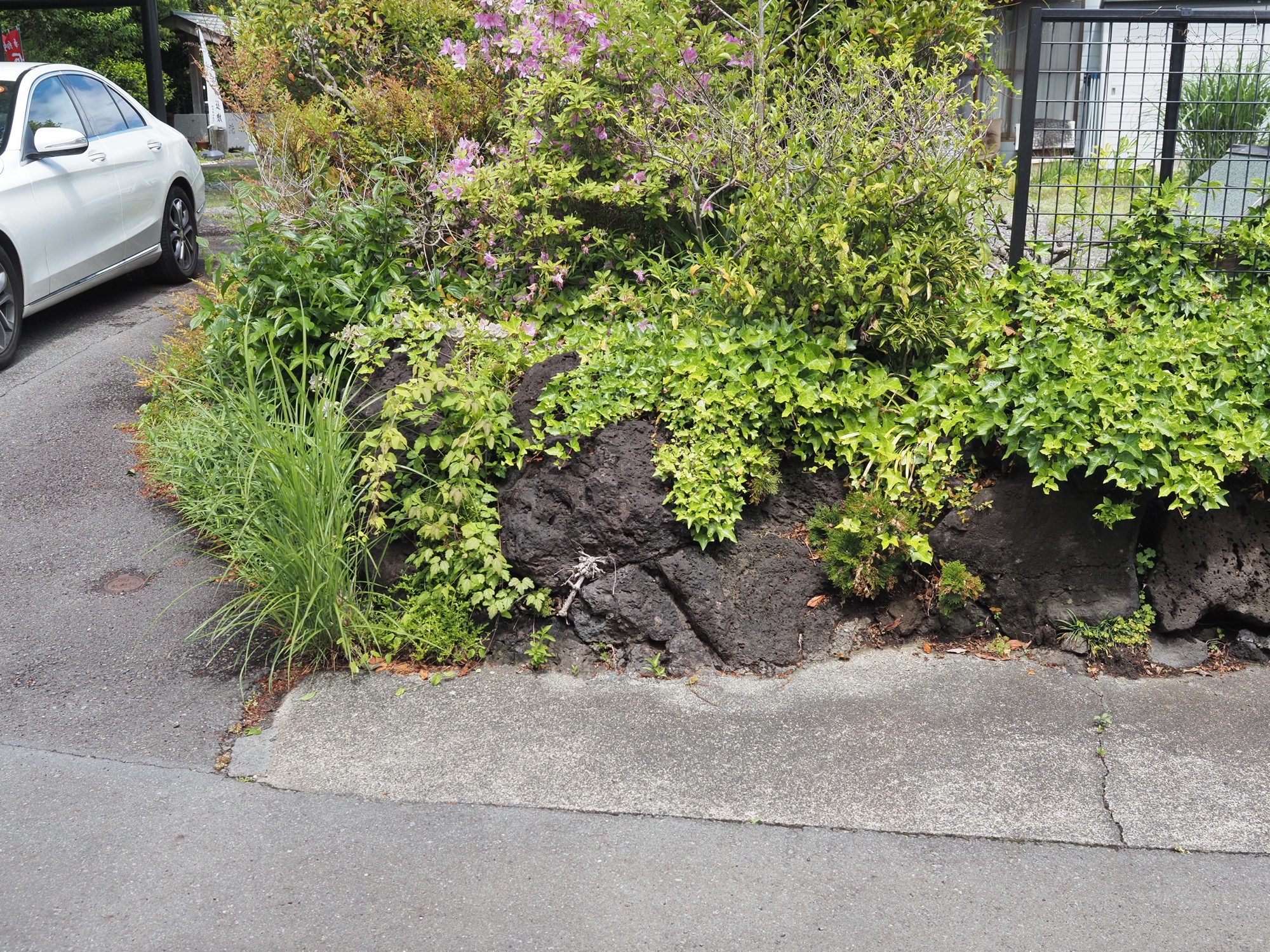
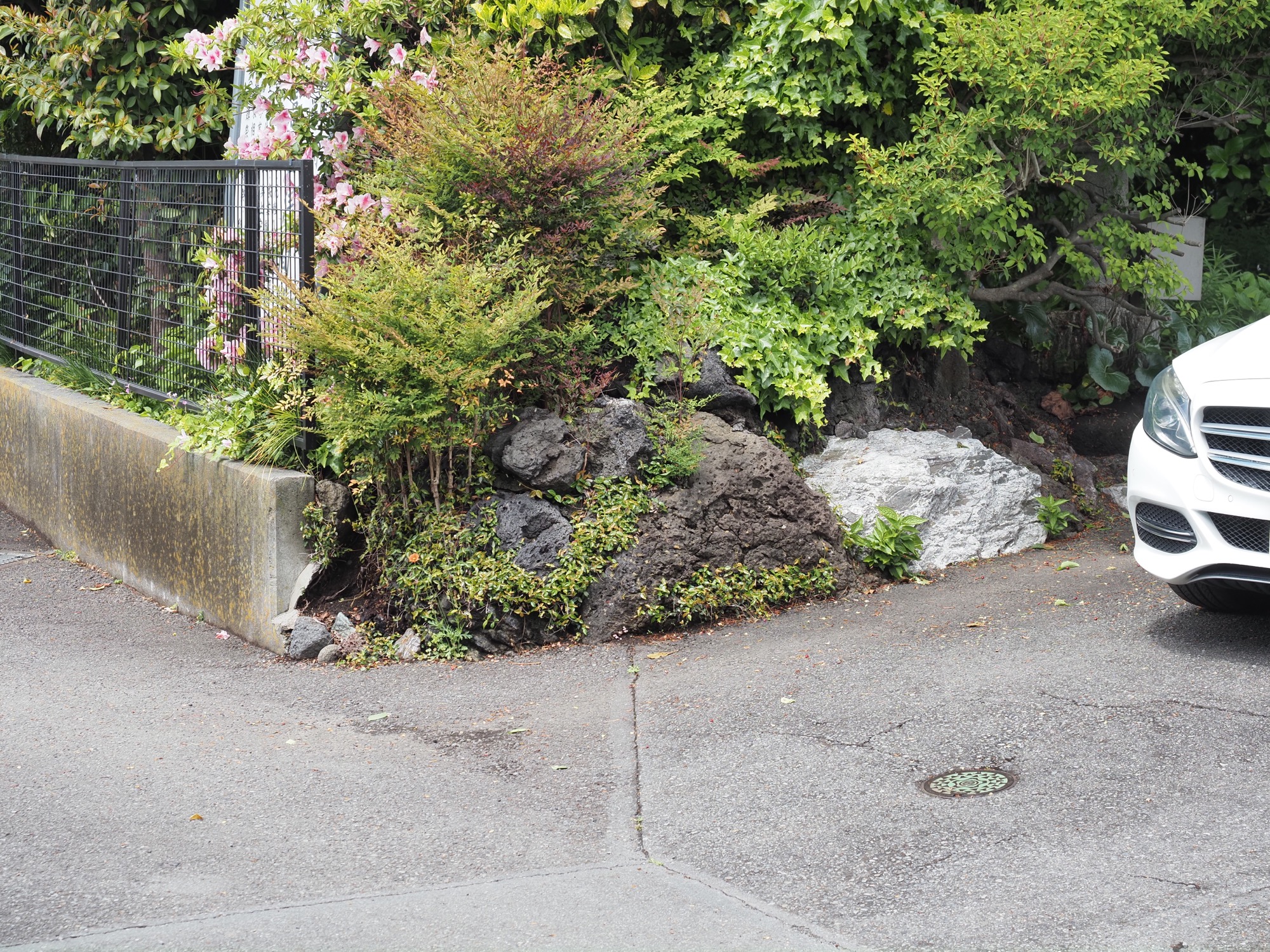
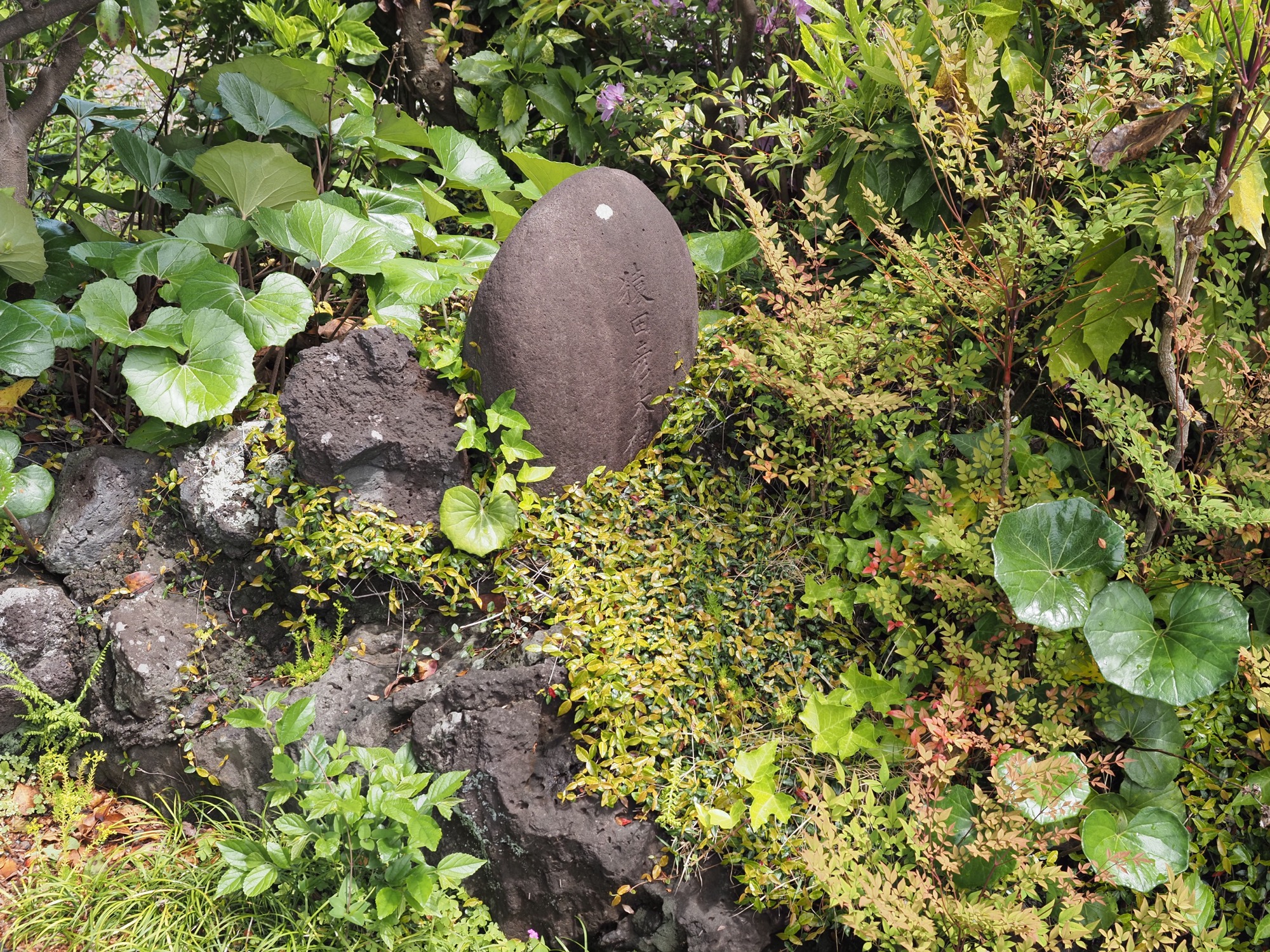
Most remarkable is what stands within the sanctuary: a photograph of Mt. Fuji and a block of its lava. The Fuji-kō form of worship — venerating the mountain itself as the divine body — lives on here. The custom of revering lava as the “living flesh of the deity” was a spiritual core binding Fuji-kō believers across the country; those who could not tread the summit could yet touch Fuji through this stone.
A place where the memory of the castle and the faith of the confraternities overlap in a single small shrine — a microcosm of Ōmiya’s history.