Senshōji Temple
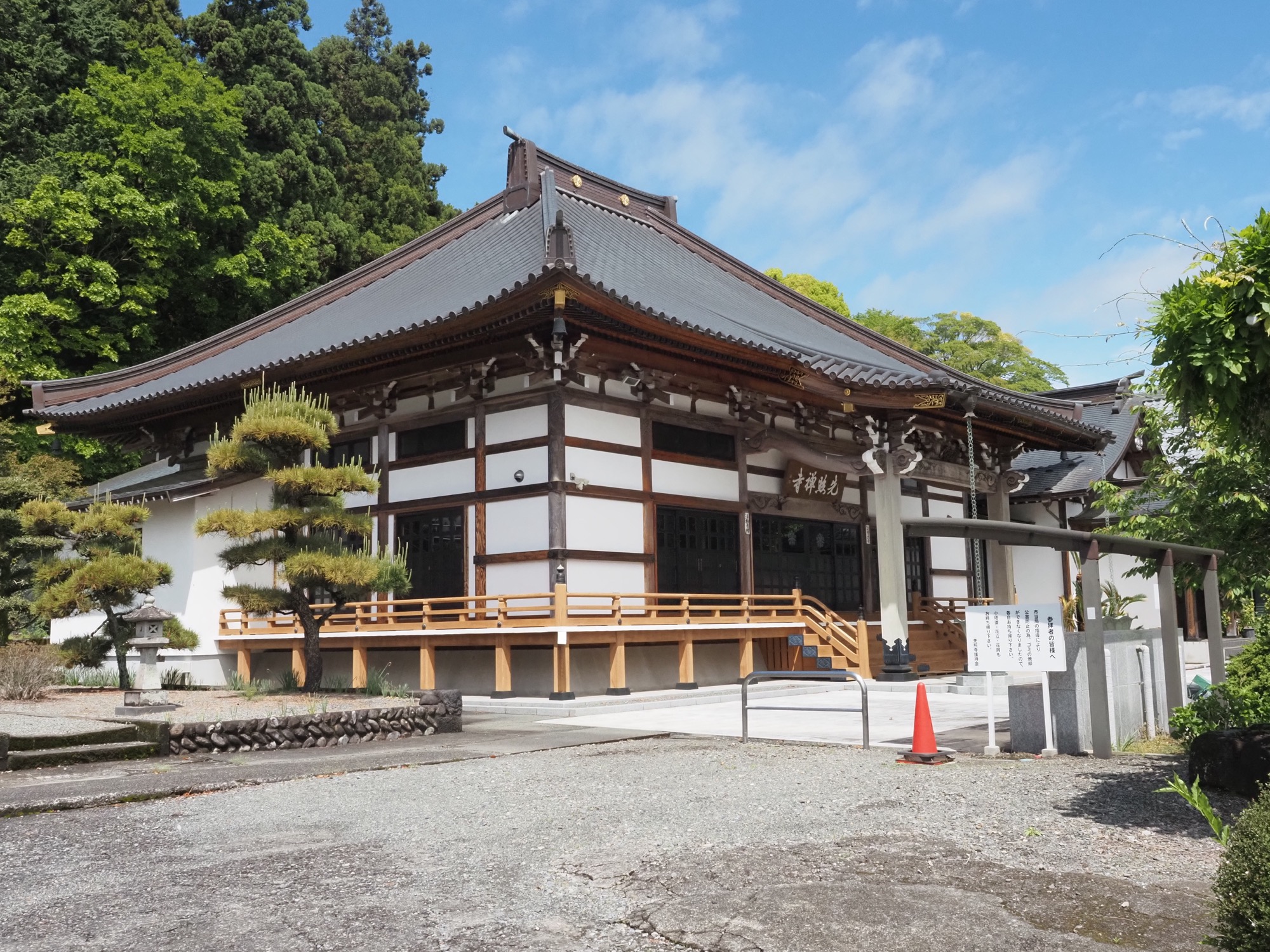
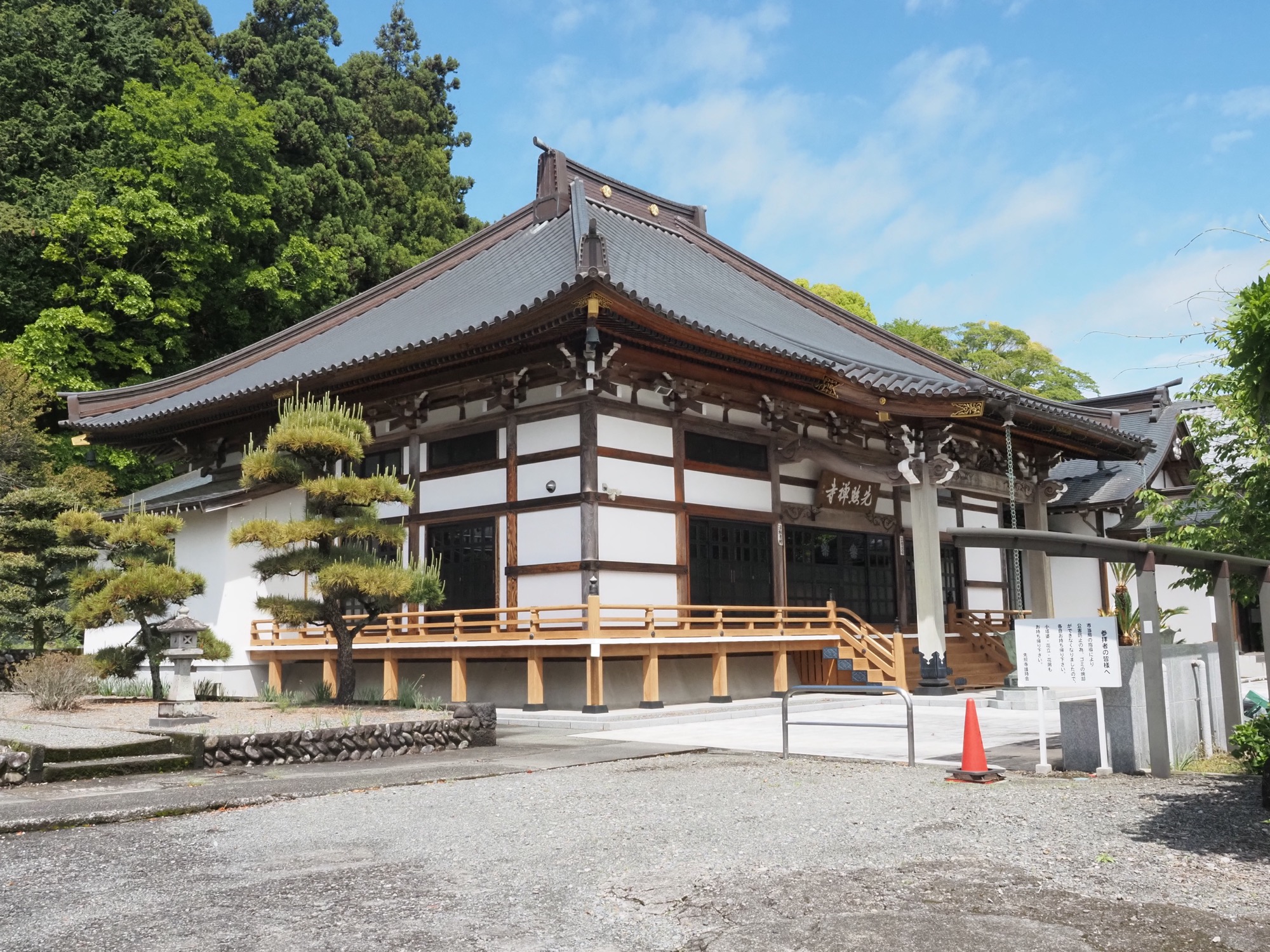
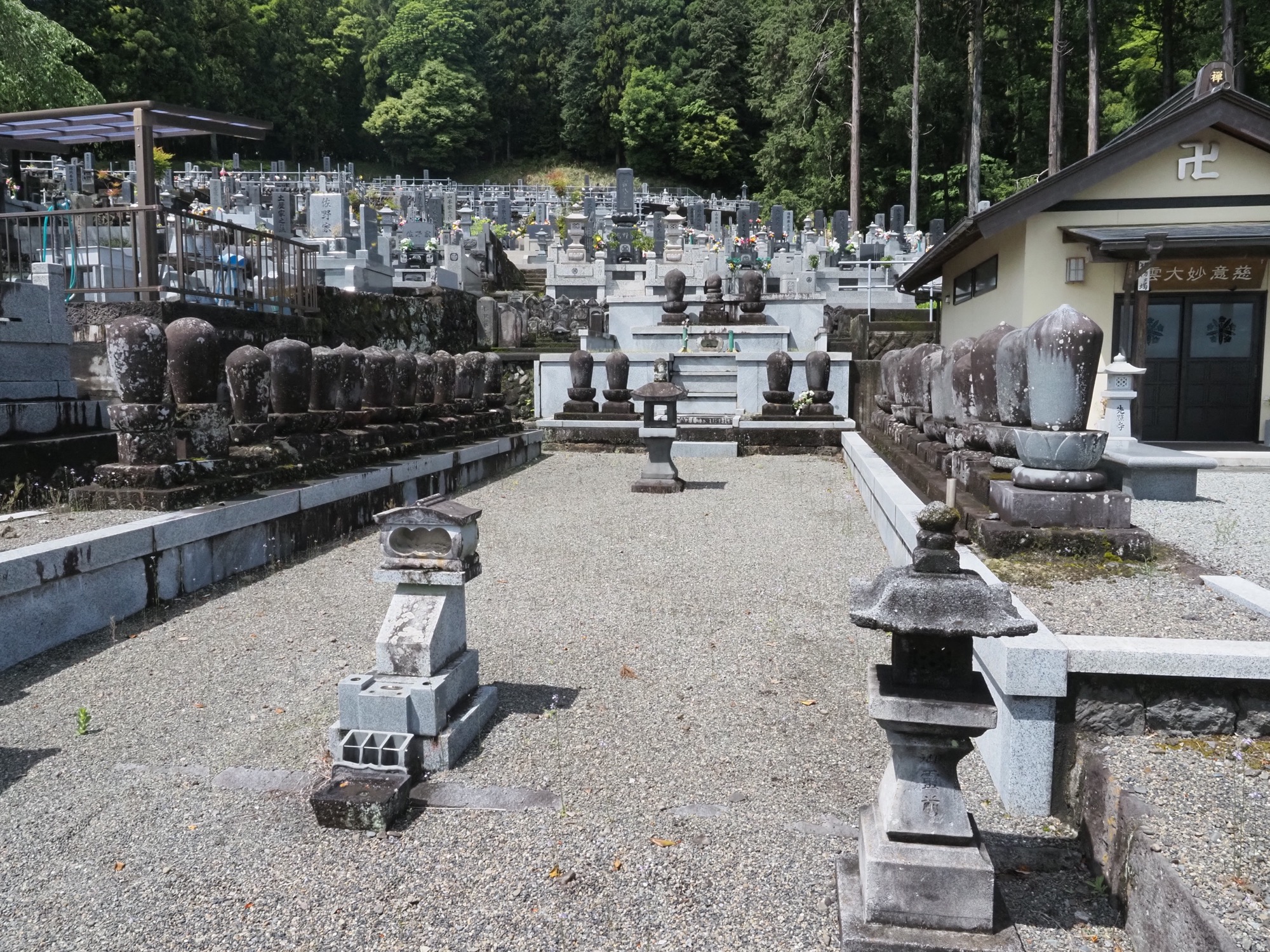
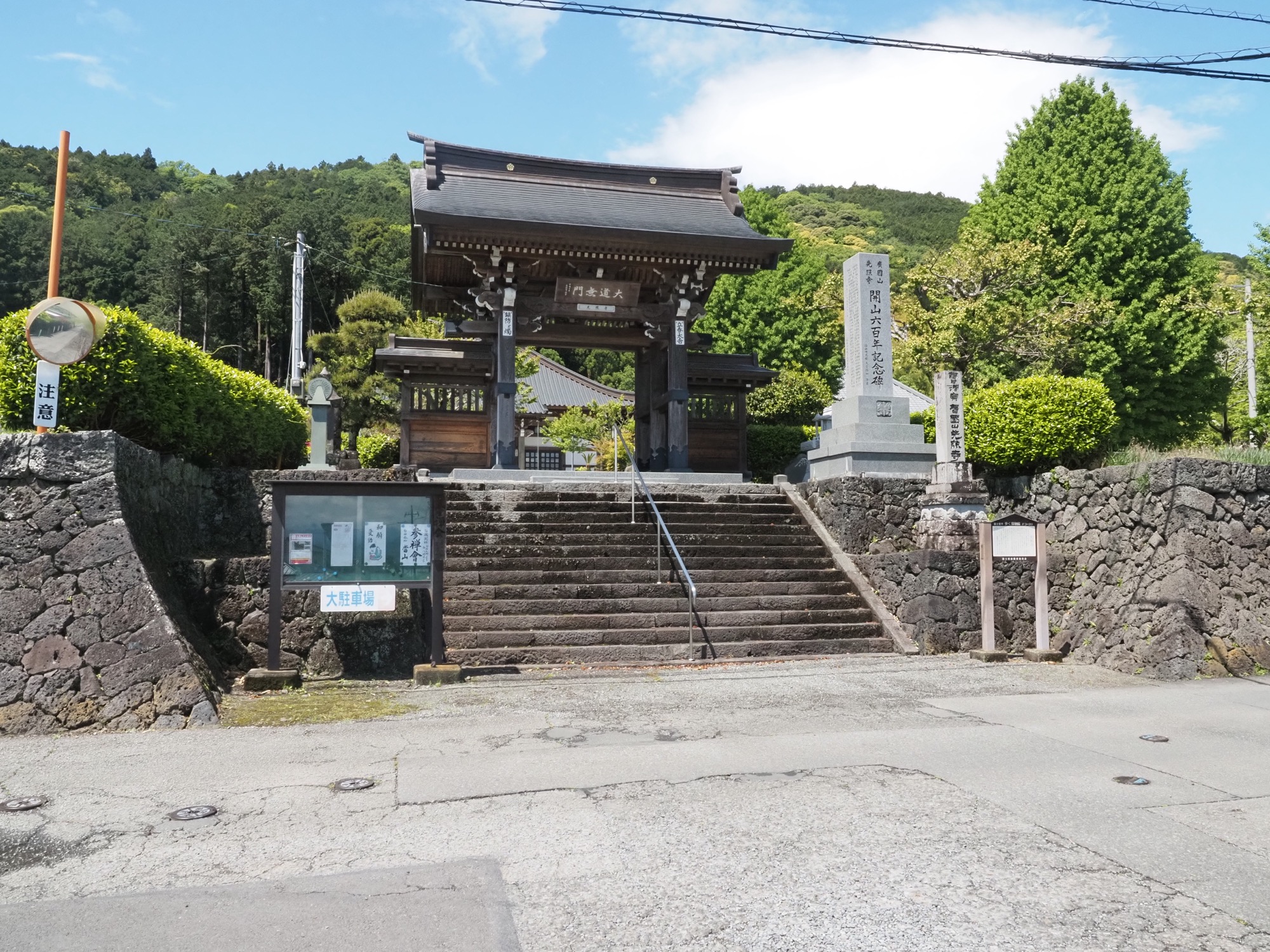
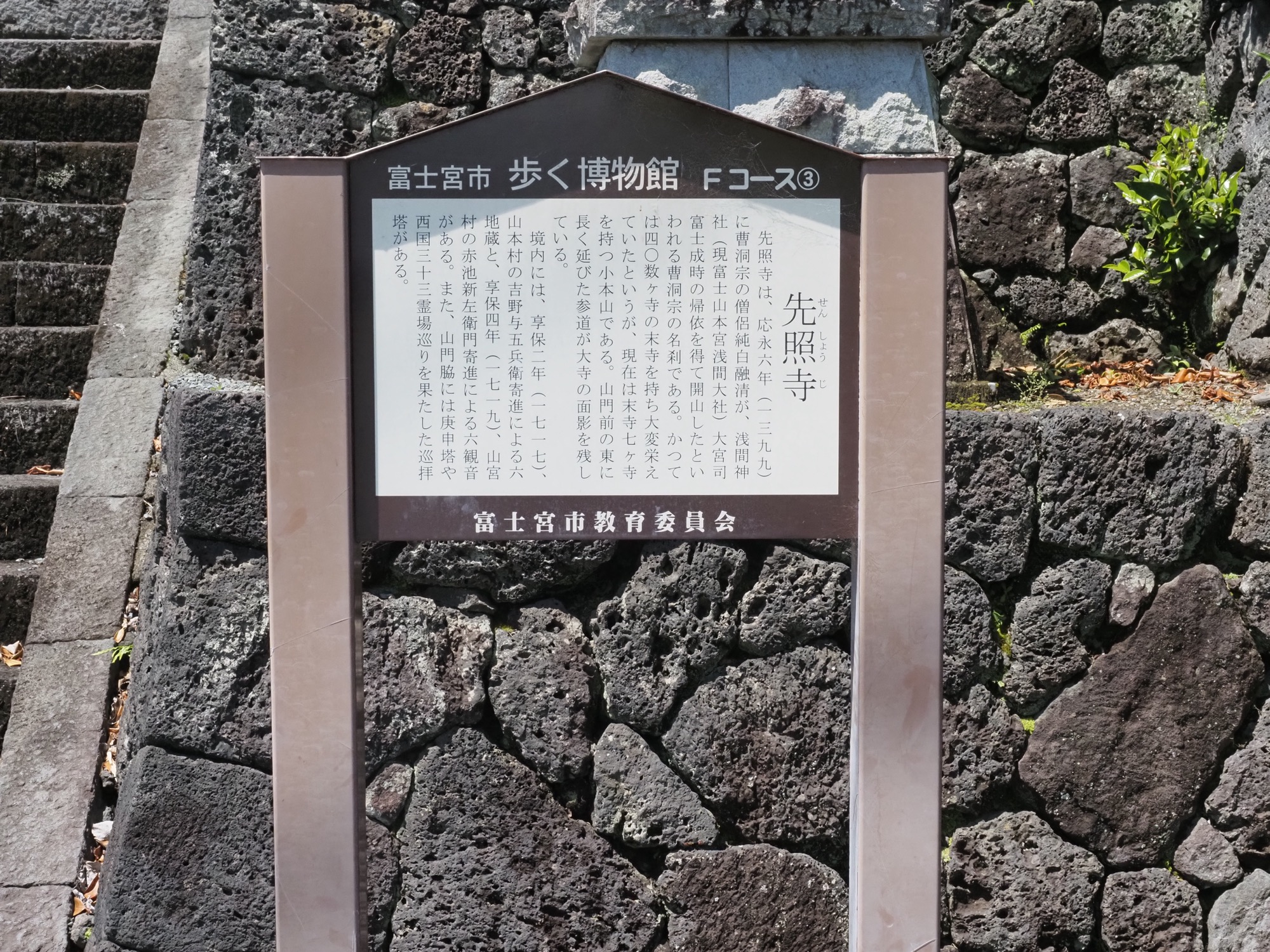
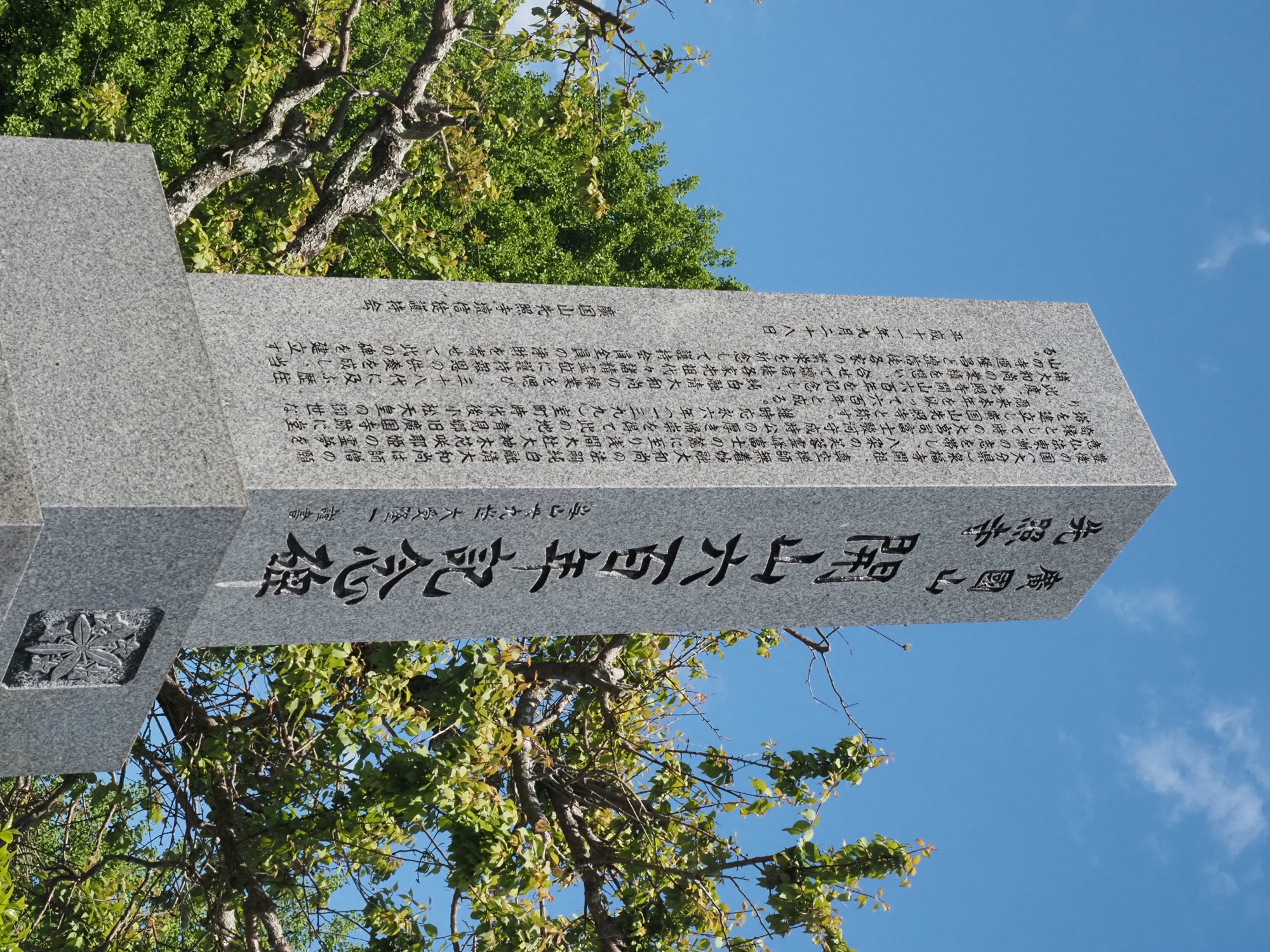
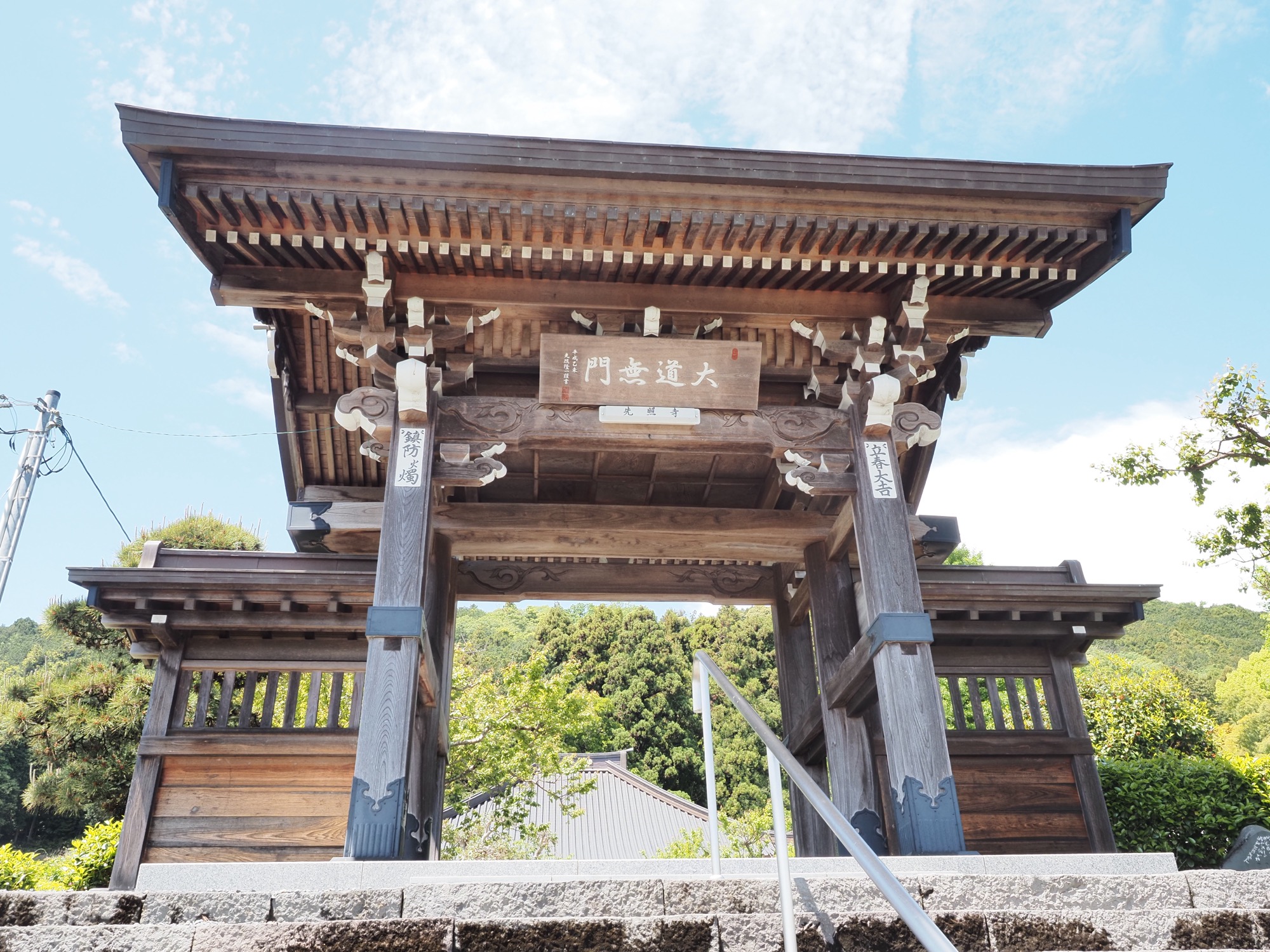
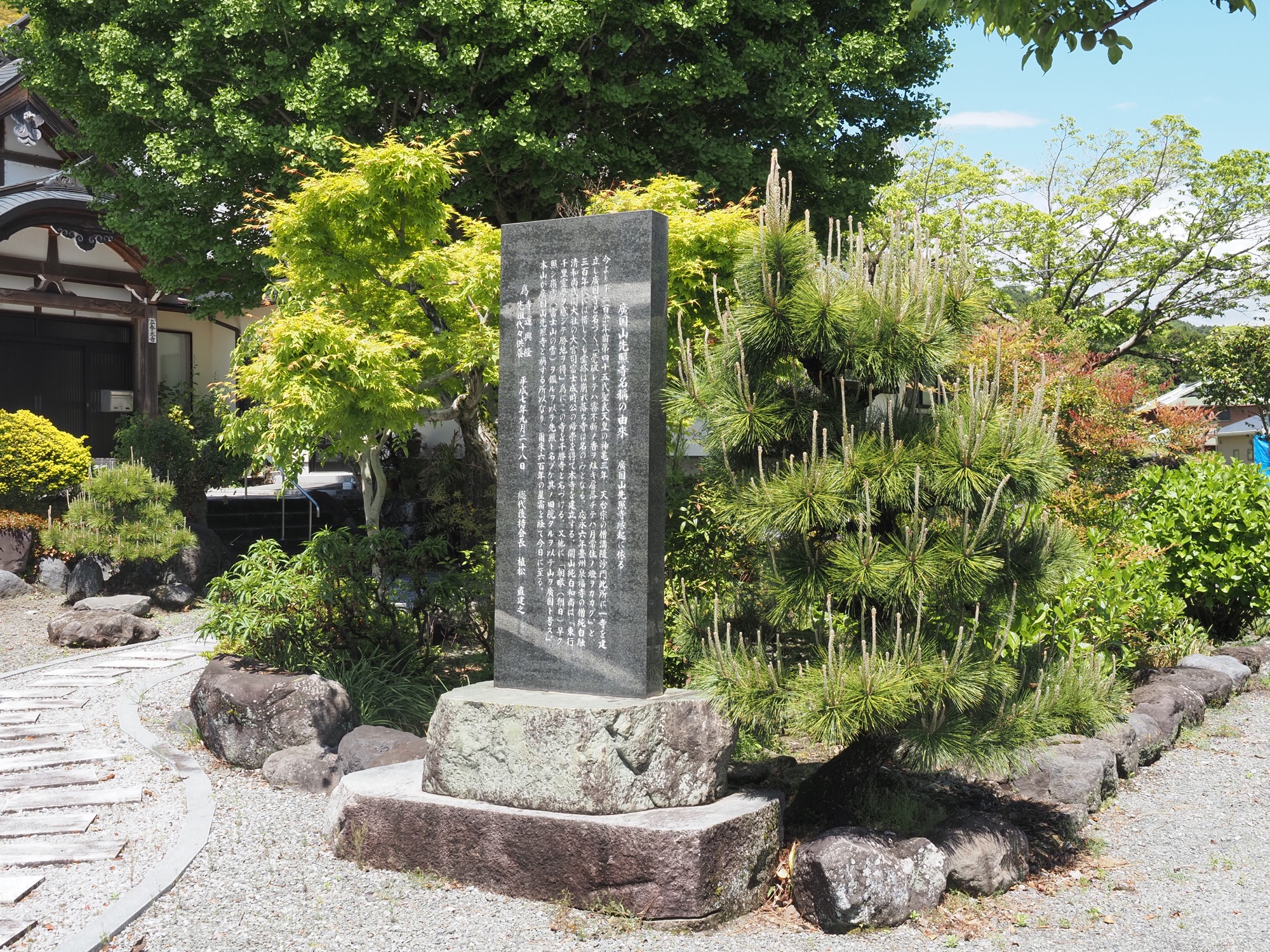
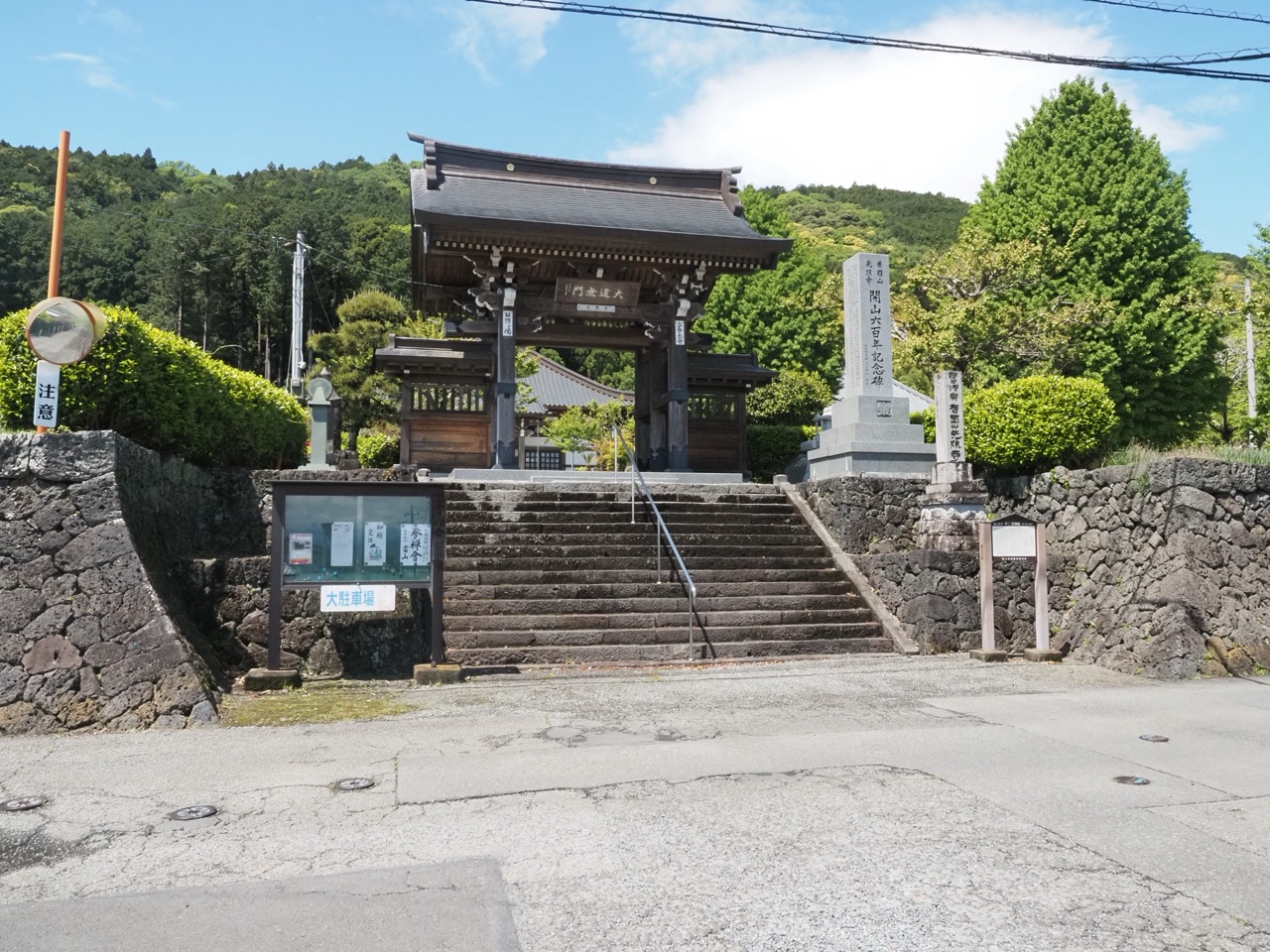
Senshō-ji is a Sōtō Zen temple in Ōnakazato, Fujinomiya, bearing the mountain name Kōkokuzan. It was founded in 1384 (Eitoku 4 / Shitoku 1), in the Nanbokuchō period, with Fuji Naritoki — twenty-third Ōmiyaji of Fujisan Hongu Sengen Taisha — as its founding patron. Originally a Shingon temple, it is said to have been converted to the Sōtō school by the monk Junpaku Yūsei.
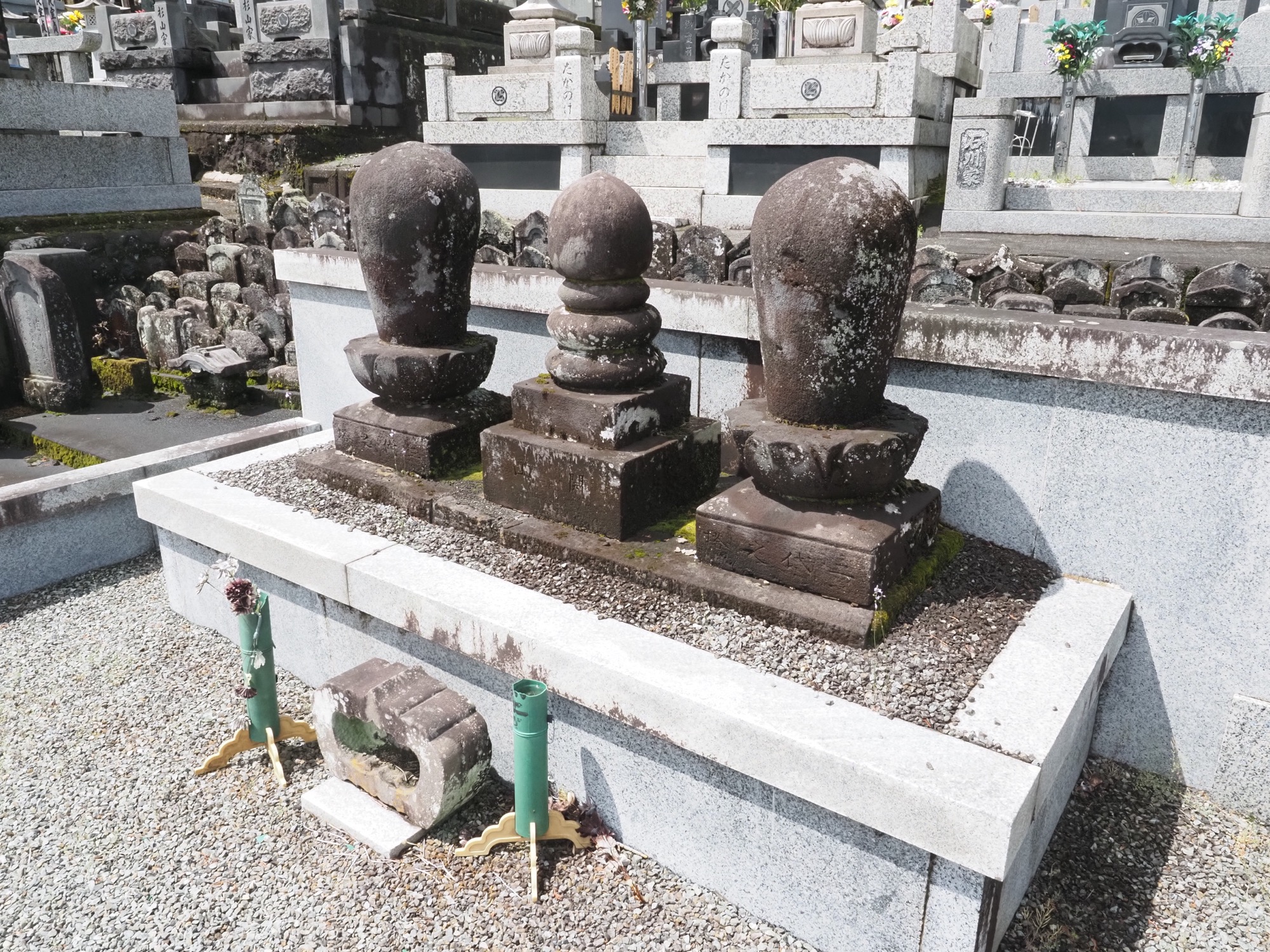
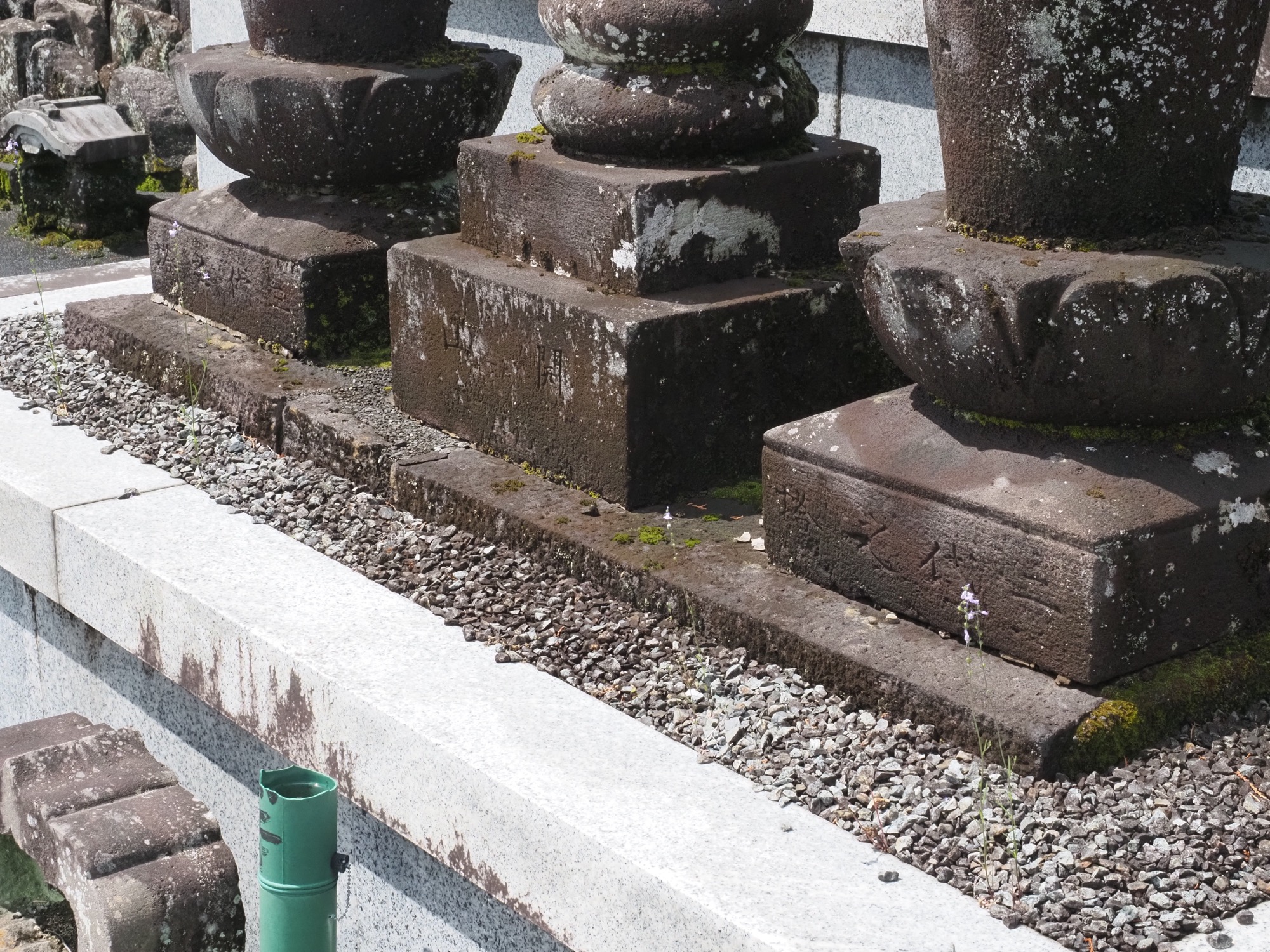
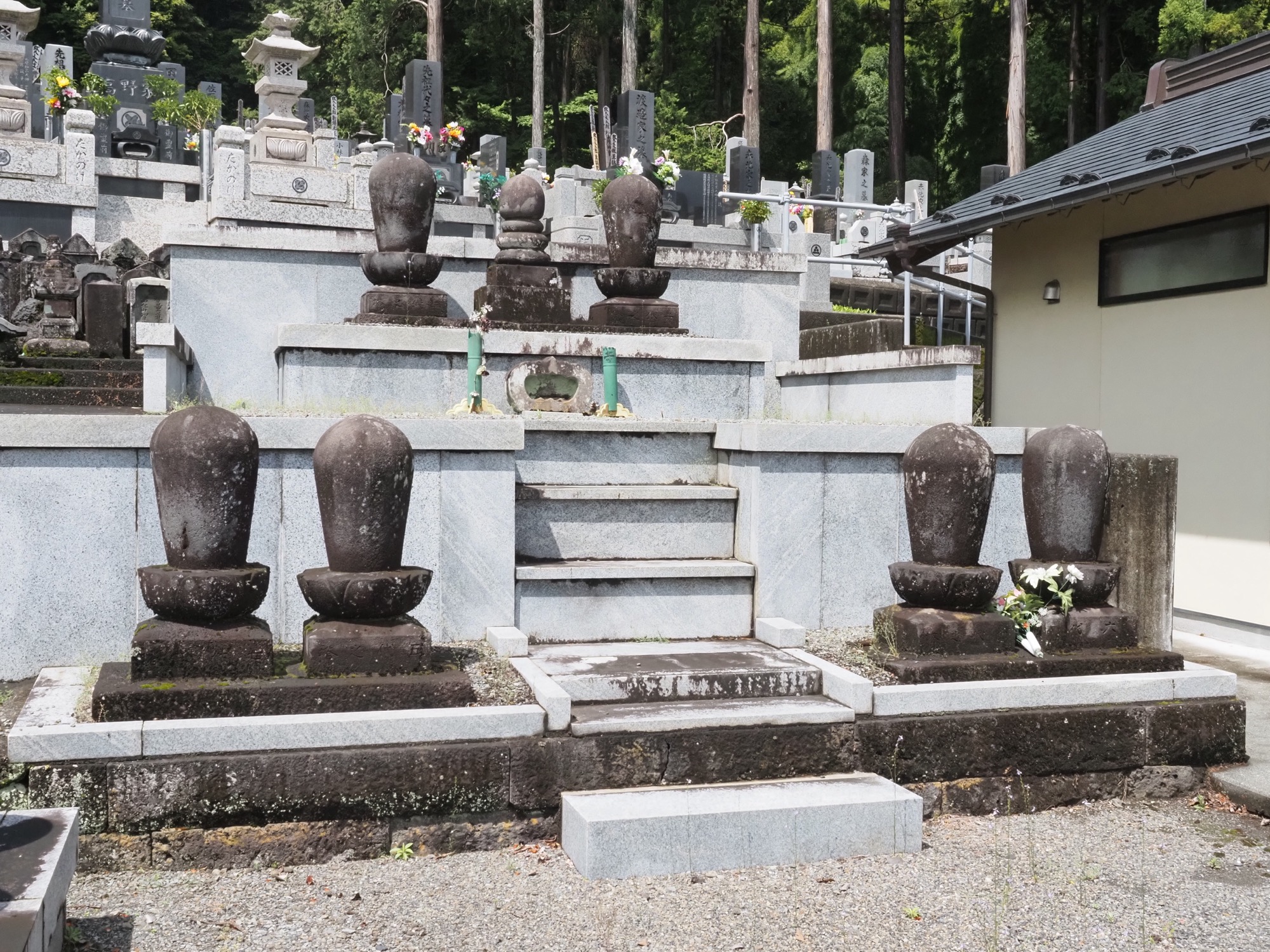
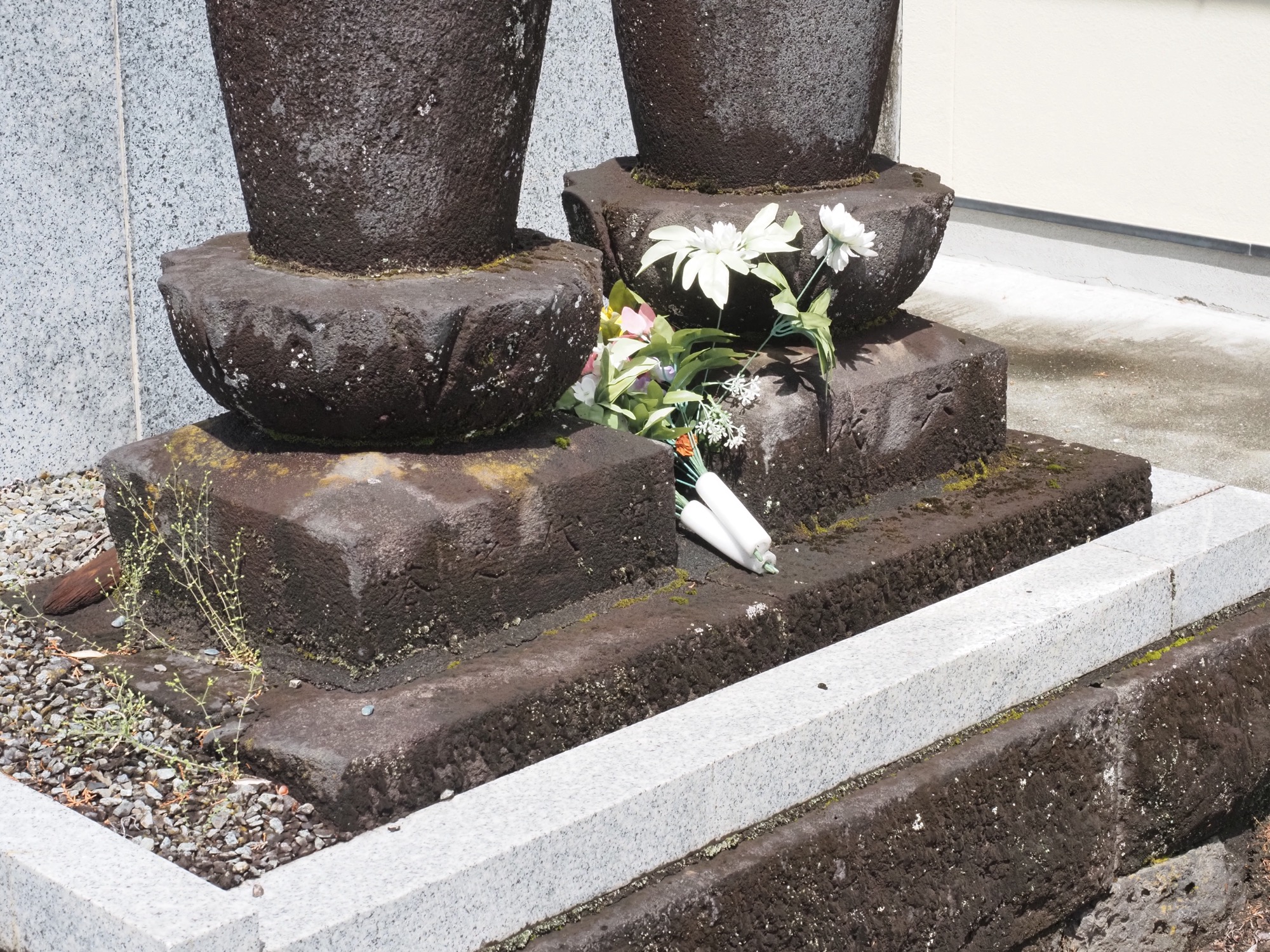
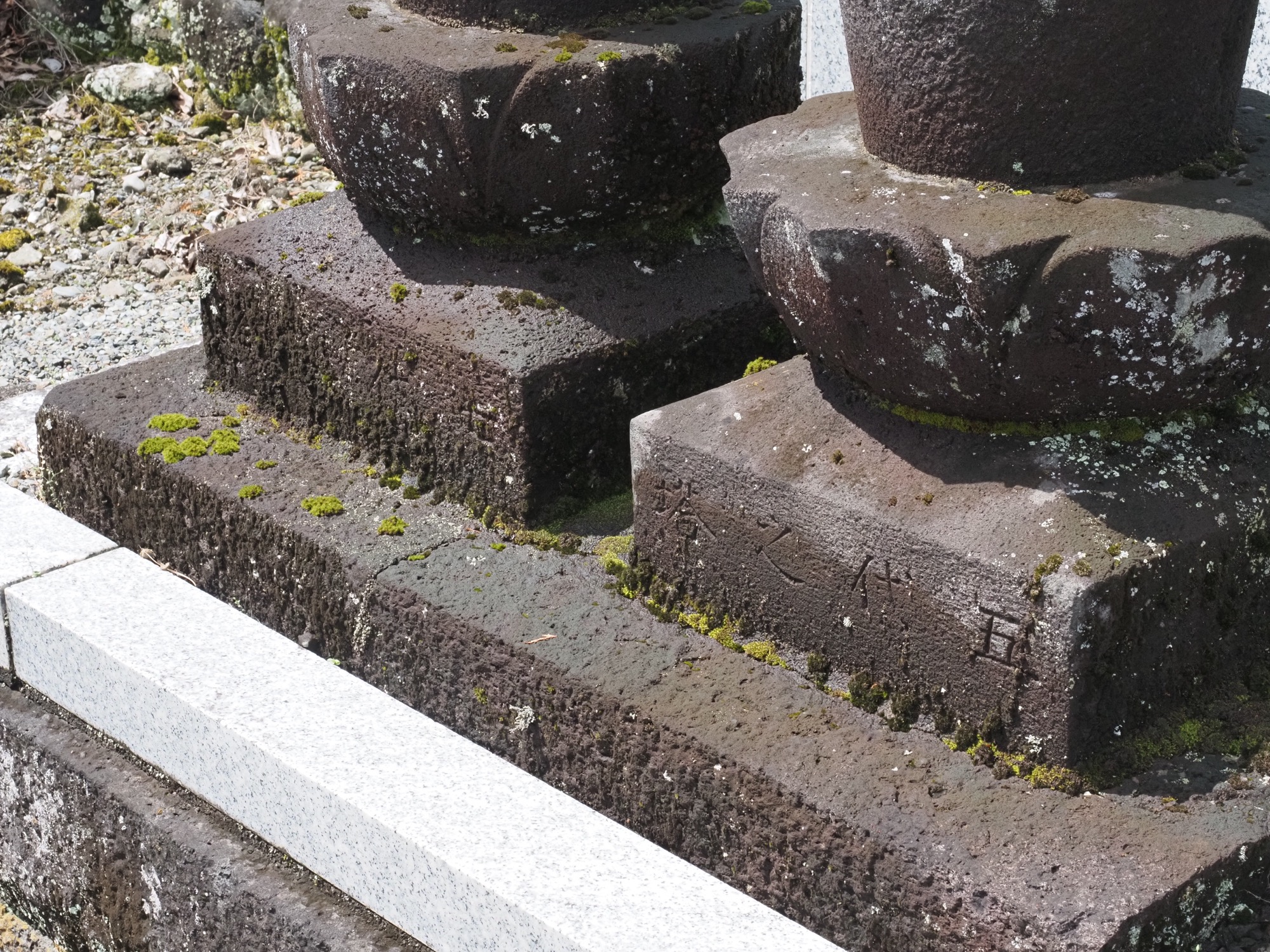
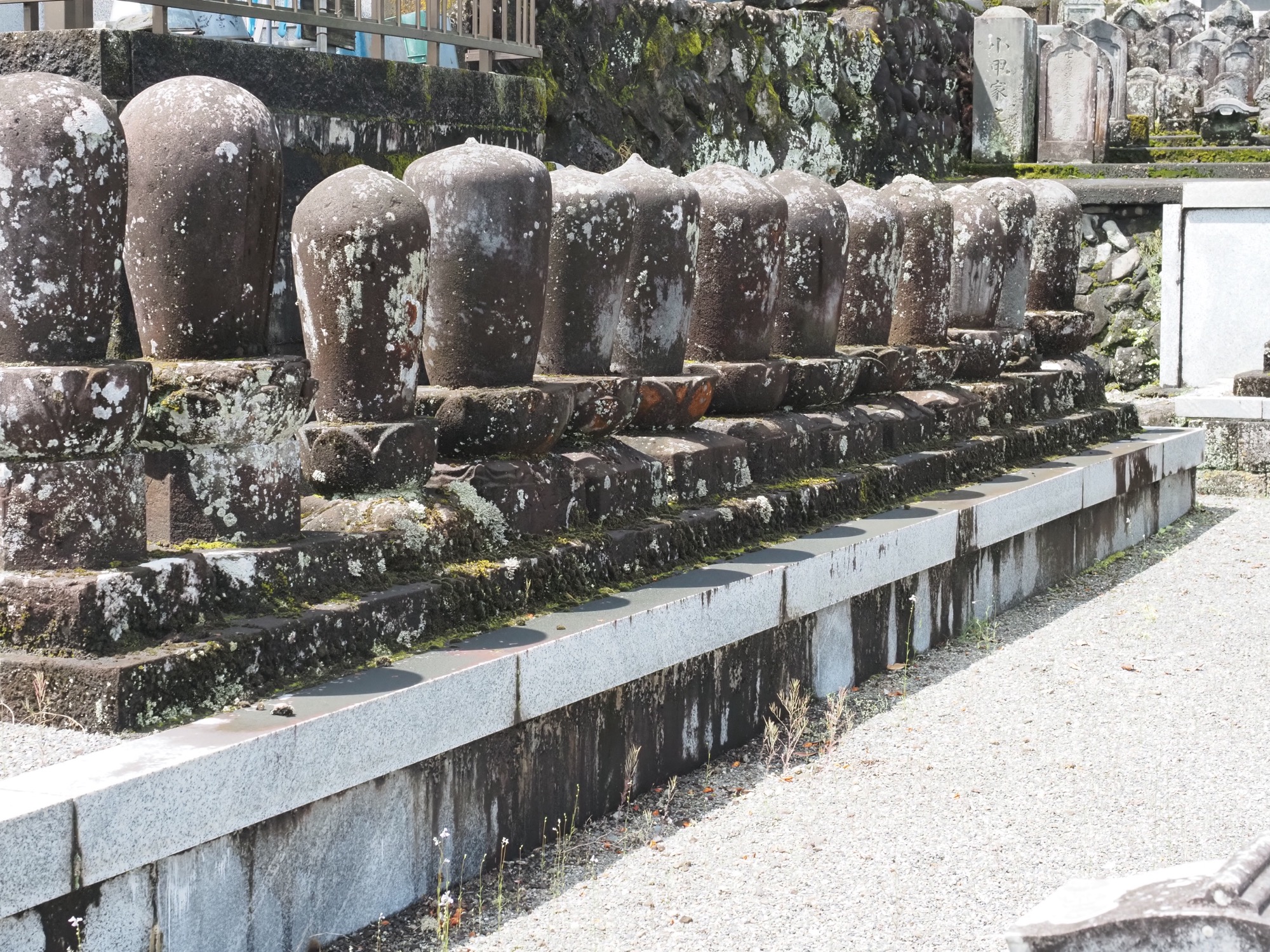
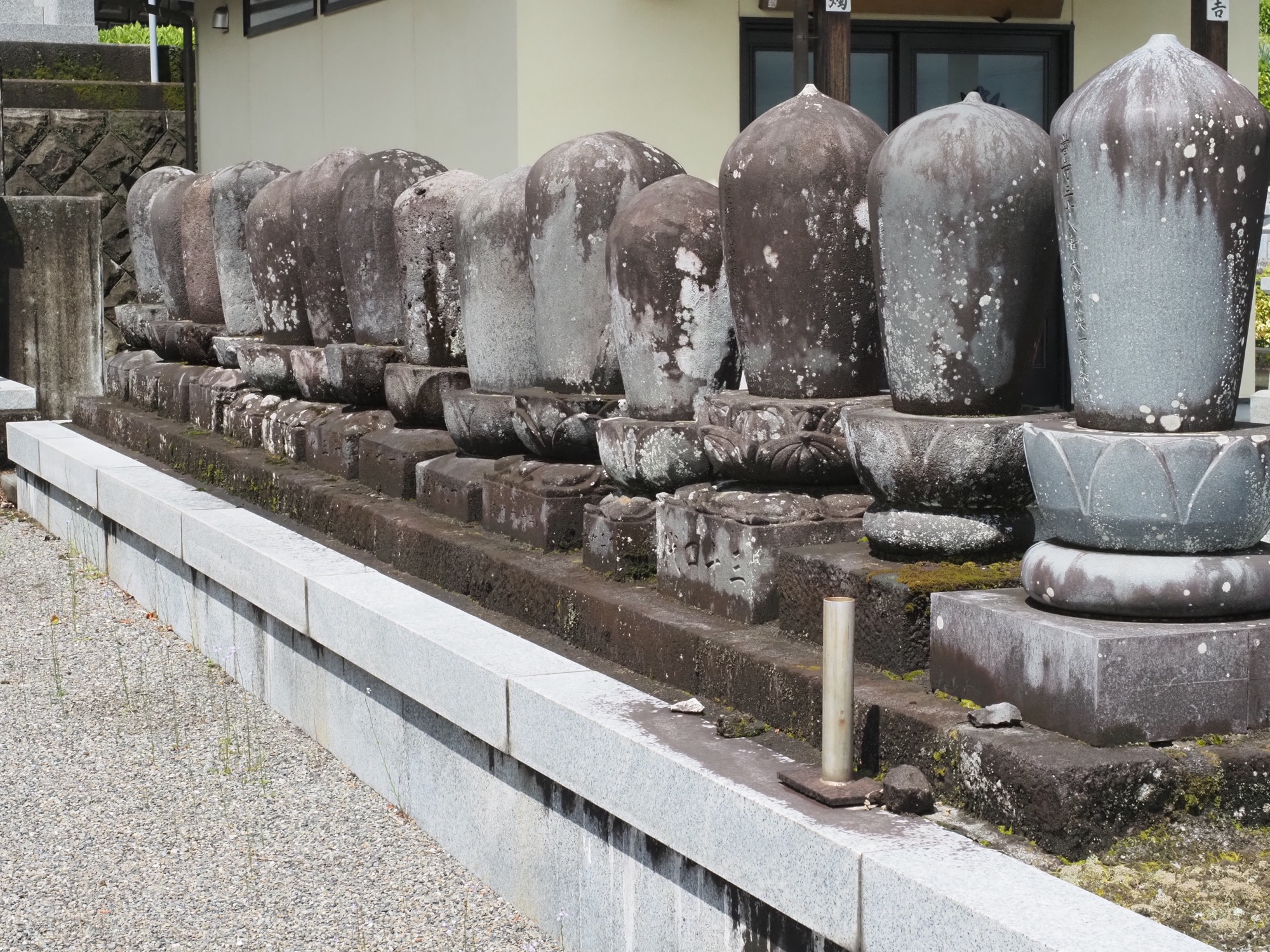
What defines this temple is its bond with the Fuji Ōmiyaji family. For some three hundred years, from the generation of Naritoki until the Genroku era, Senshō-ji served as the family’s mortuary temple, conducting the funerals and memorial rites of successive heads of the house. In Ōmiya, where the temples of the Nichiren school held sway, the patronage of the Ōmiyaji family raised Senshō-ji into a stronghold of Sōtō Zen. Within the temple is preserved the memorial tablet of Fuji Naotoki, the twenty-first Ōmiyaji, inscribed as “the first generation” — telling evidence that the family regarded Naotoki as its true founding ancestor.
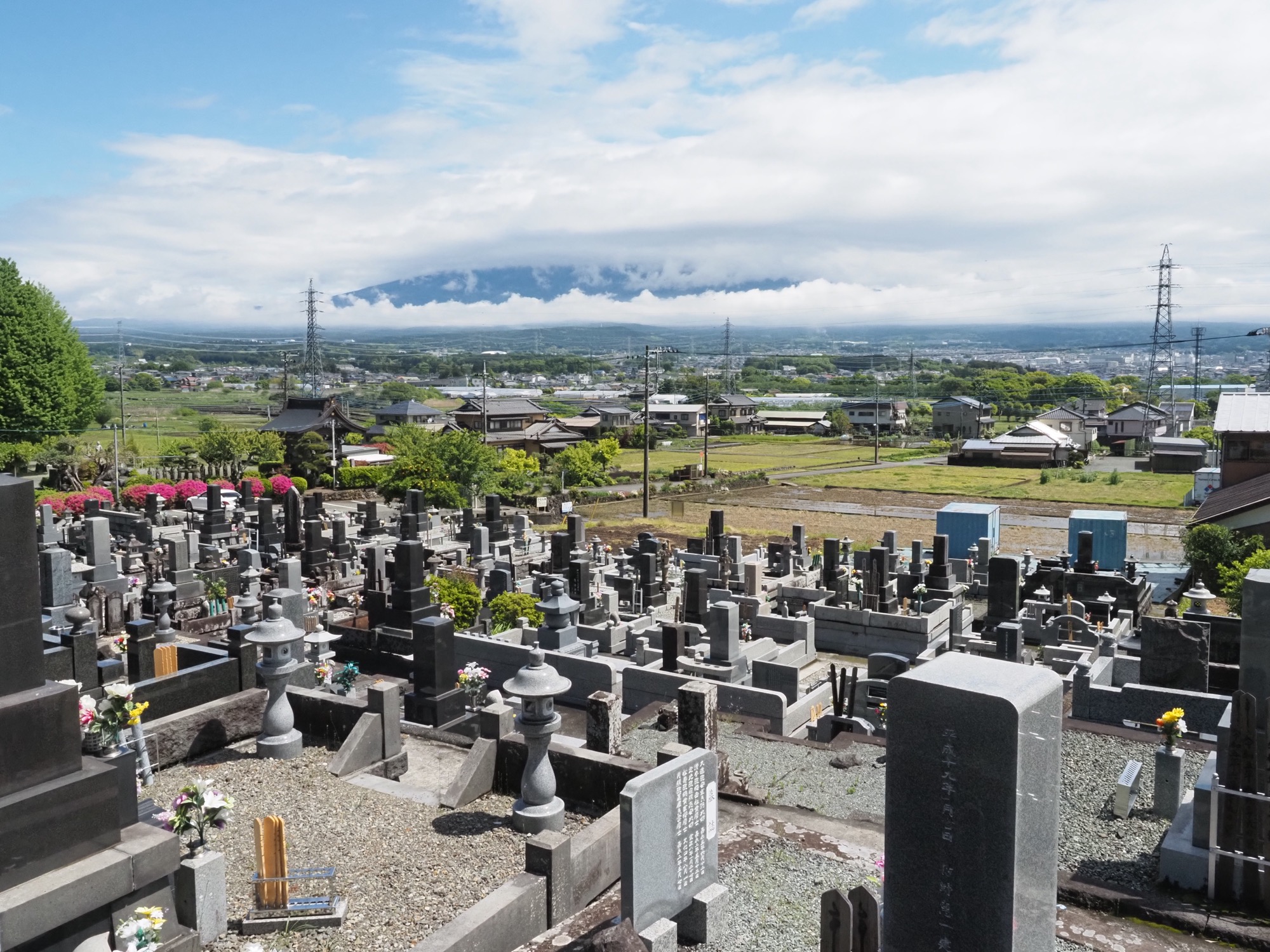
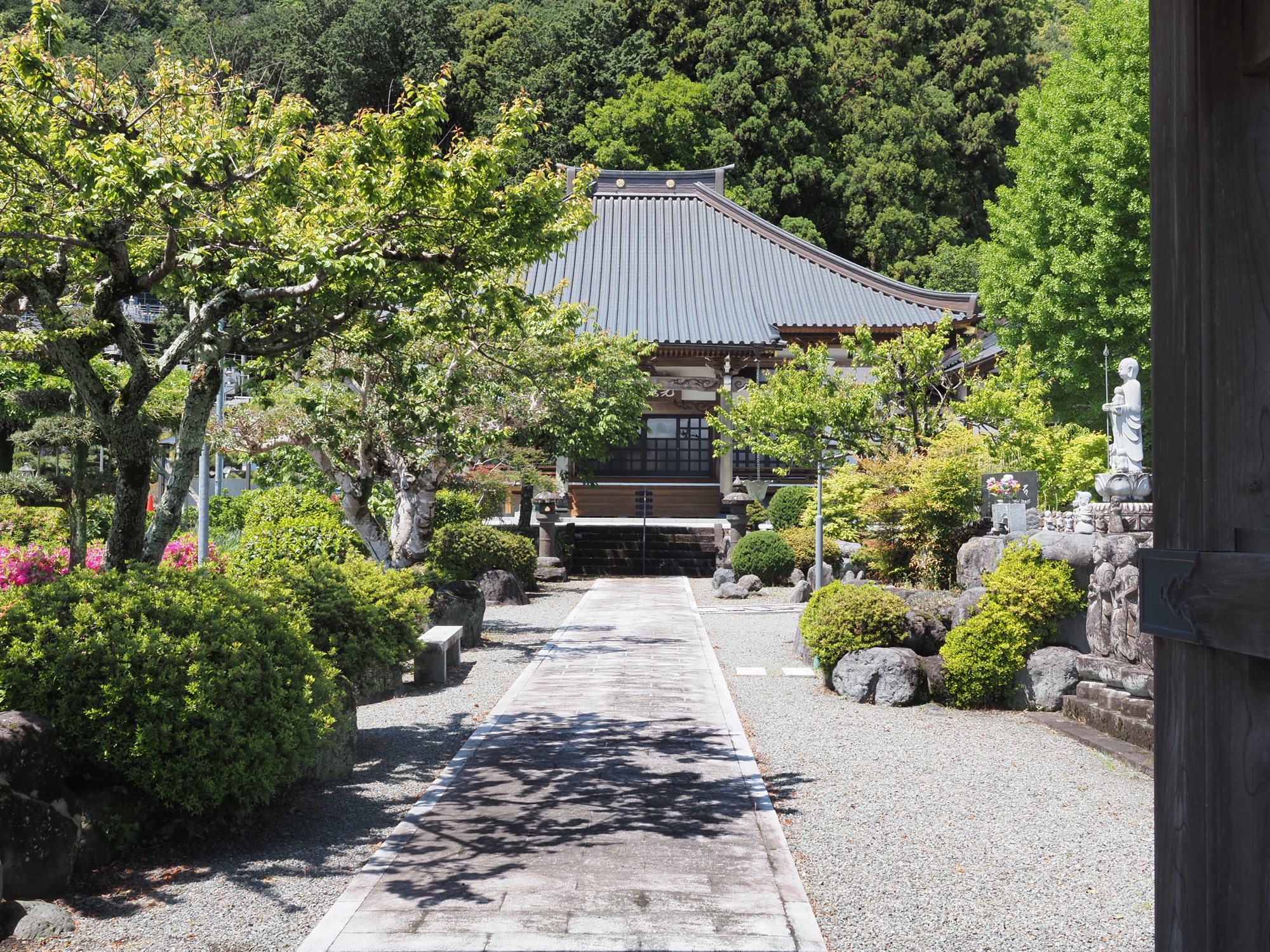
In 1692 (Genroku 5), the thirty-fourth Ōmiyaji, Fuji Nobumoto, parted from Senshō-ji and founded the new temple Hōshaku-ji, to which the role of family mortuary temple then passed. Once a great establishment with many branch temples, Senshō-ji weathered the Meiji separation of Shinto and Buddhism and the turning of the ages, and now preserves three centuries of the Fuji family’s memory in quiet surroundings.
A little apart from the splendour of Sengen Taisha’s precinct, here lie the generations of the Ōmiyaji family and the long years of prayer offered for them. It is a rare place from which to view the history of Fuji worship not from the shrine, but from the side of the family temple.