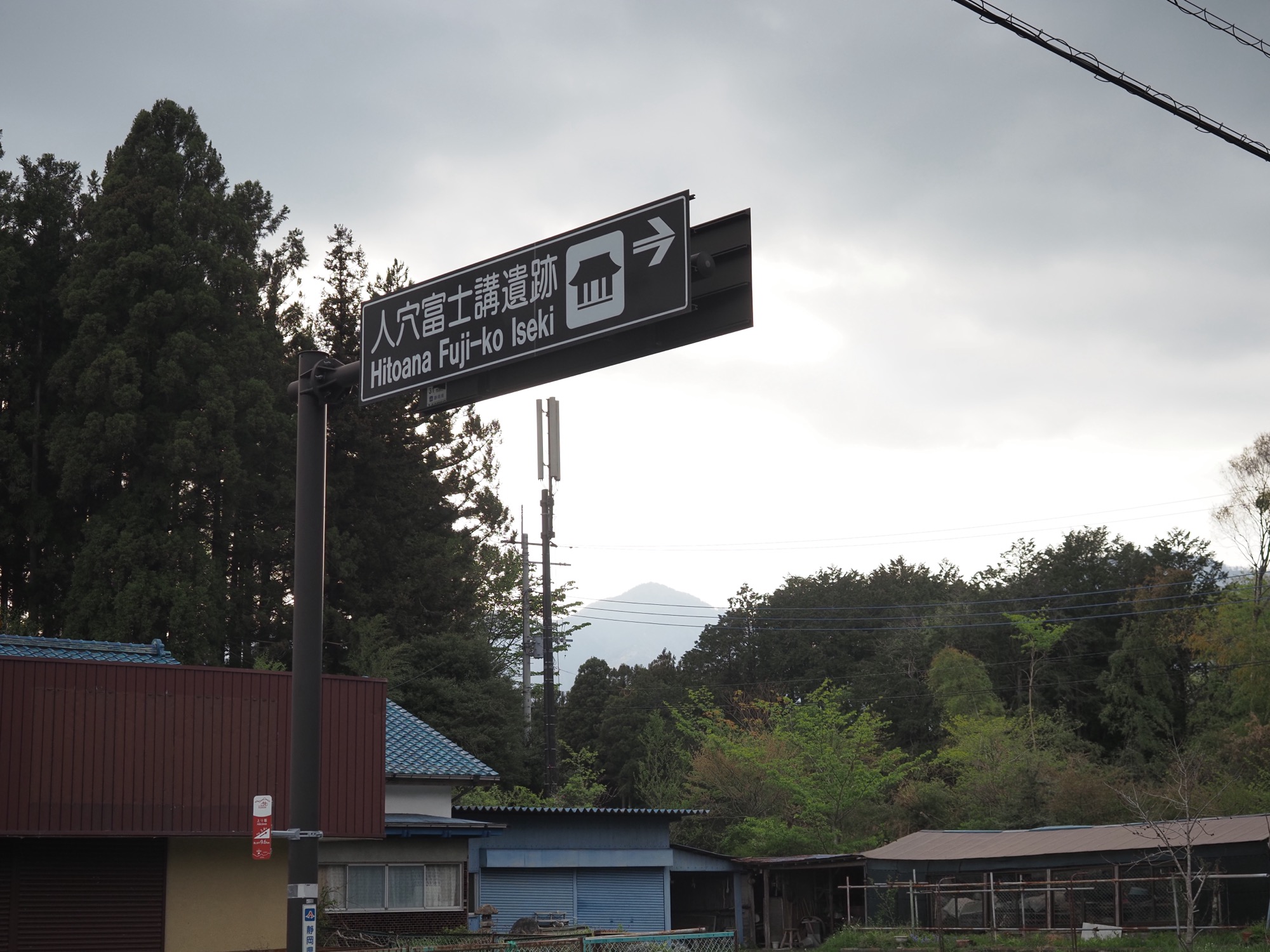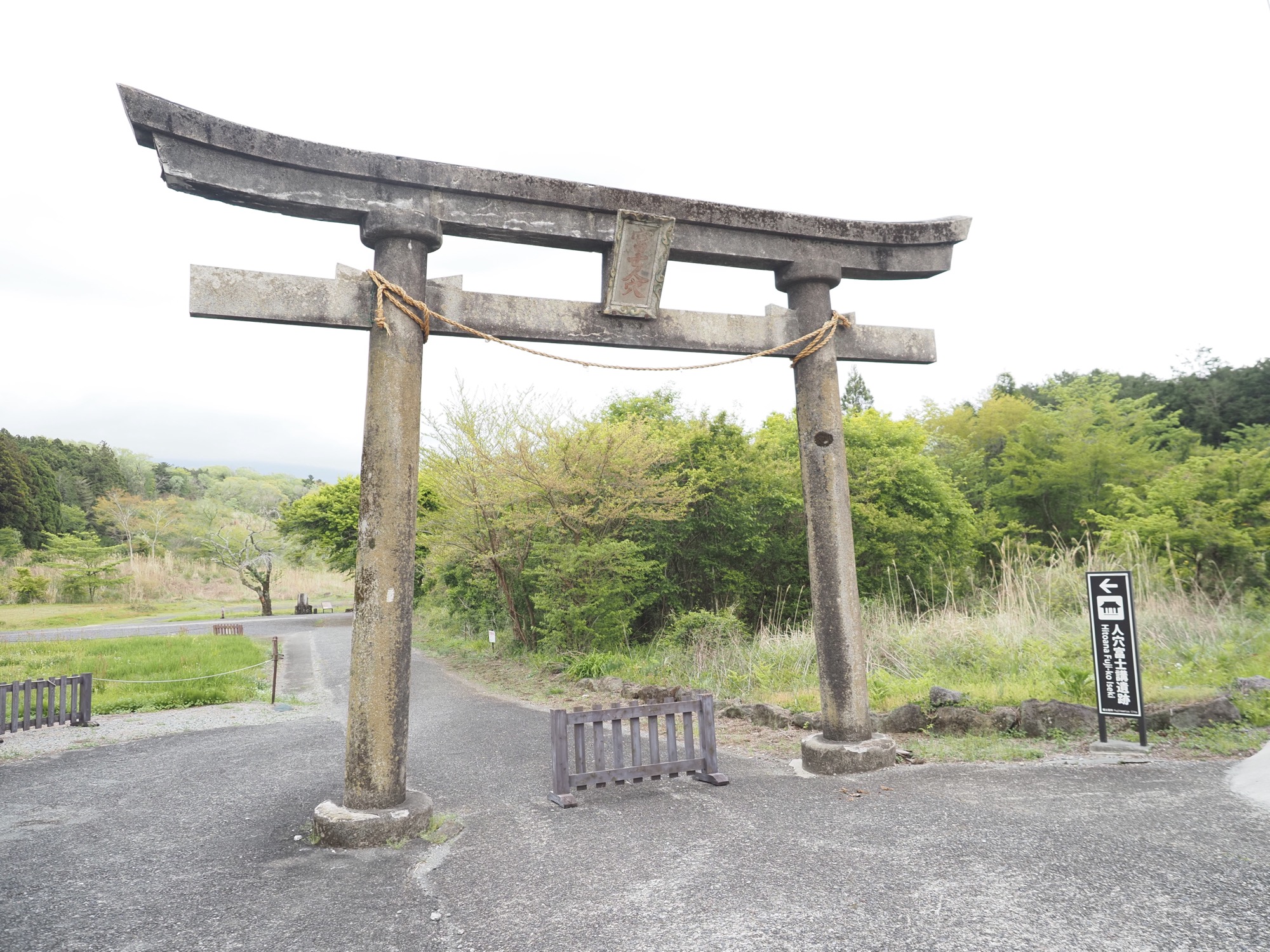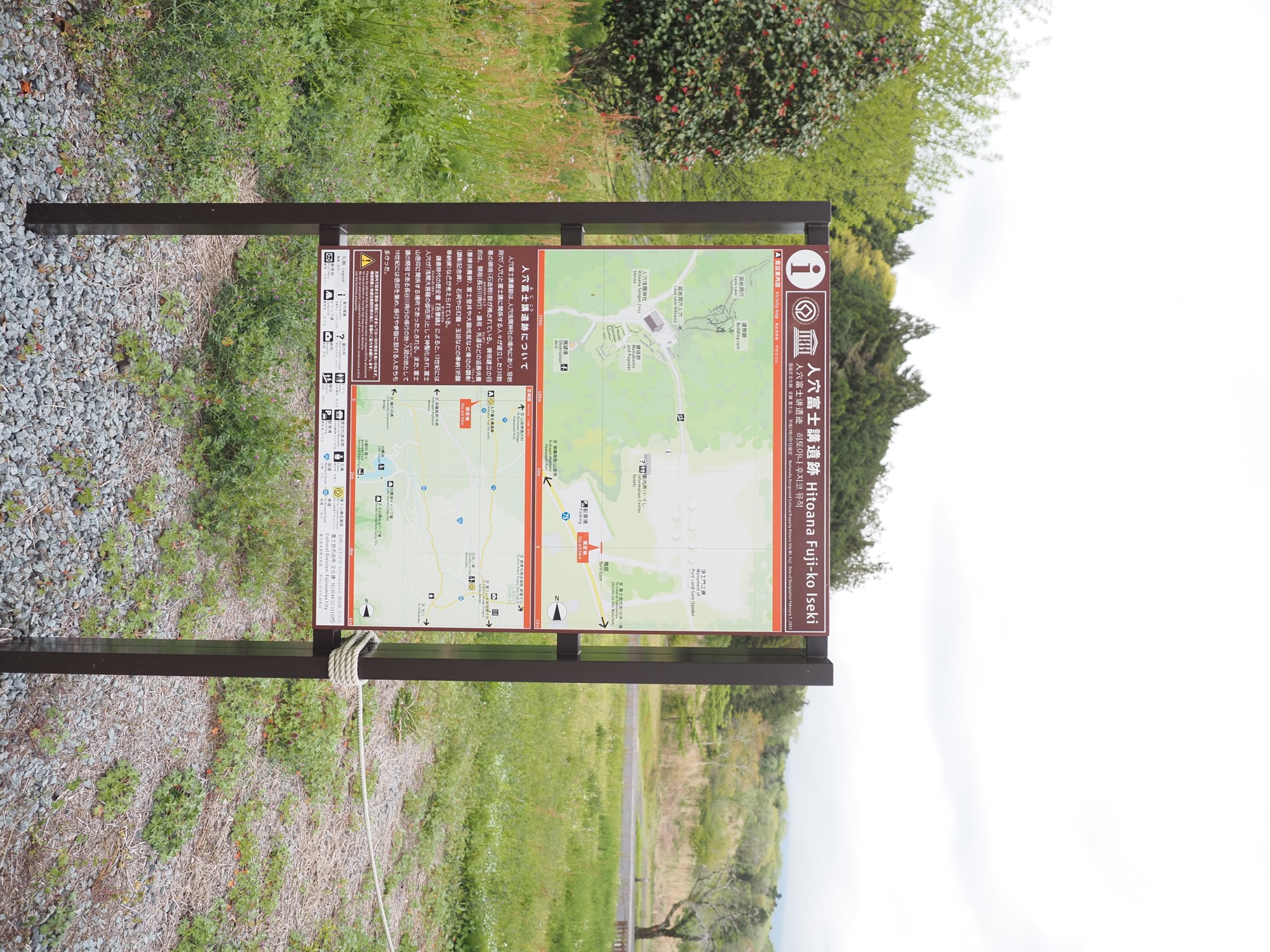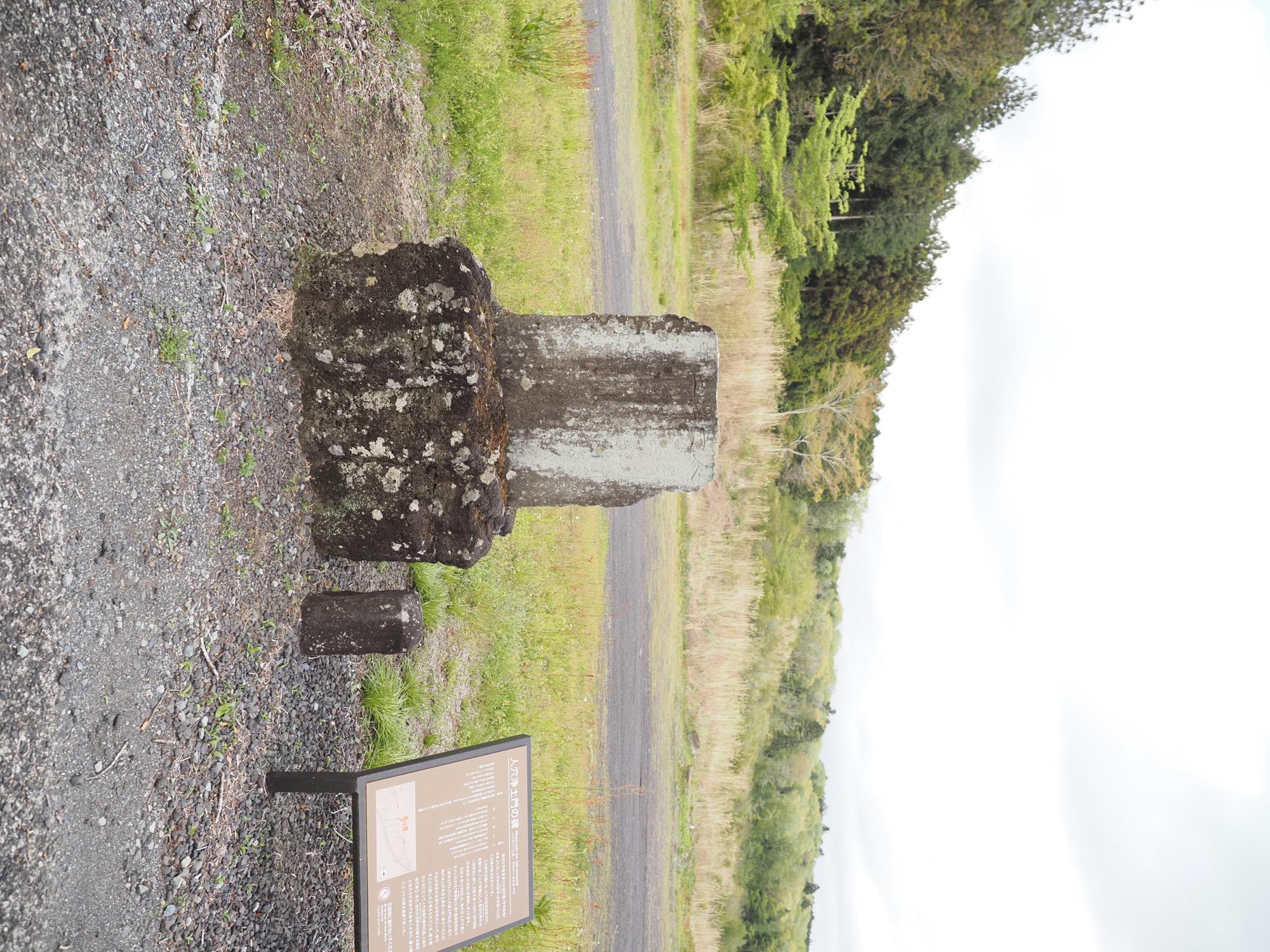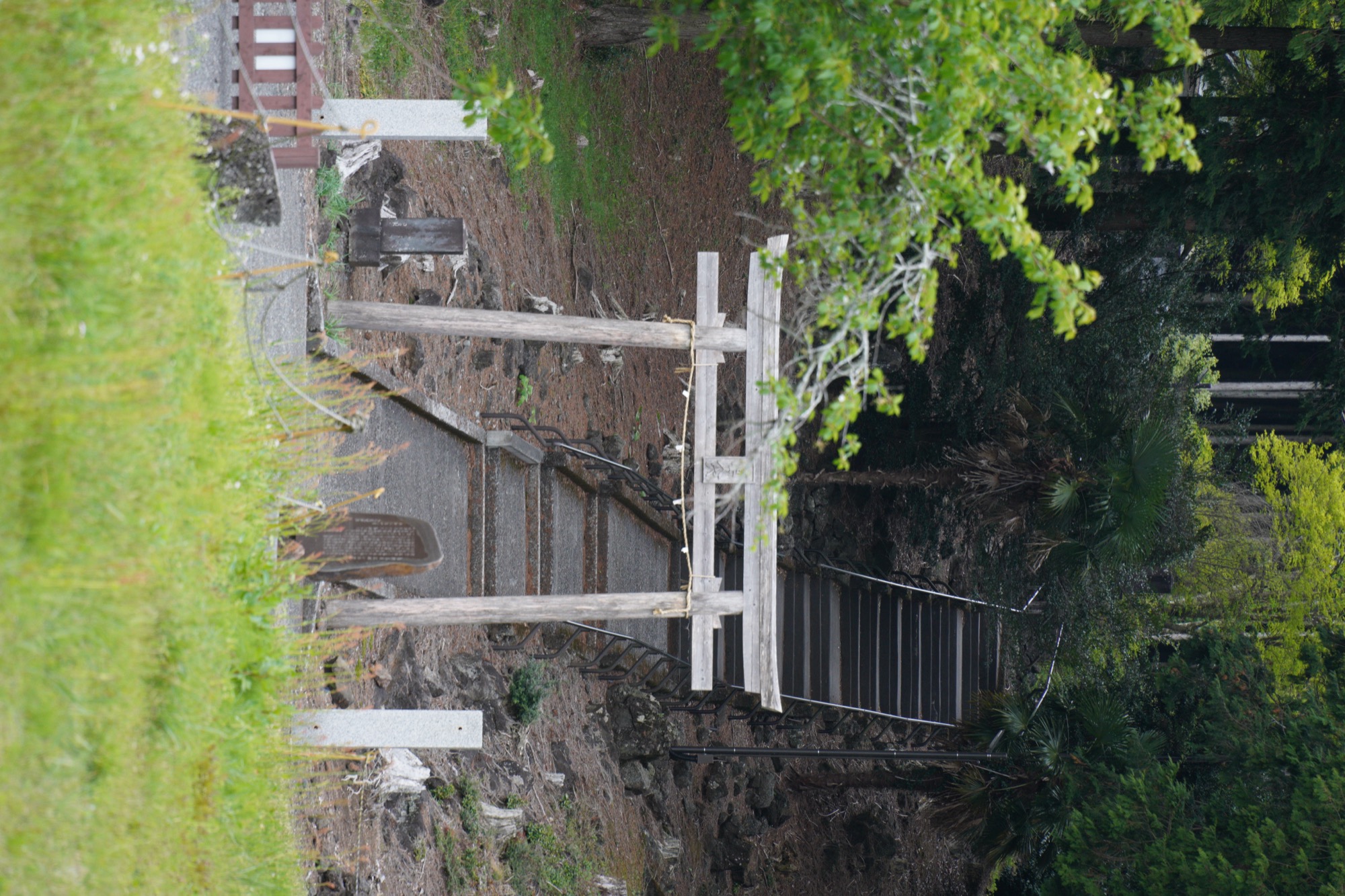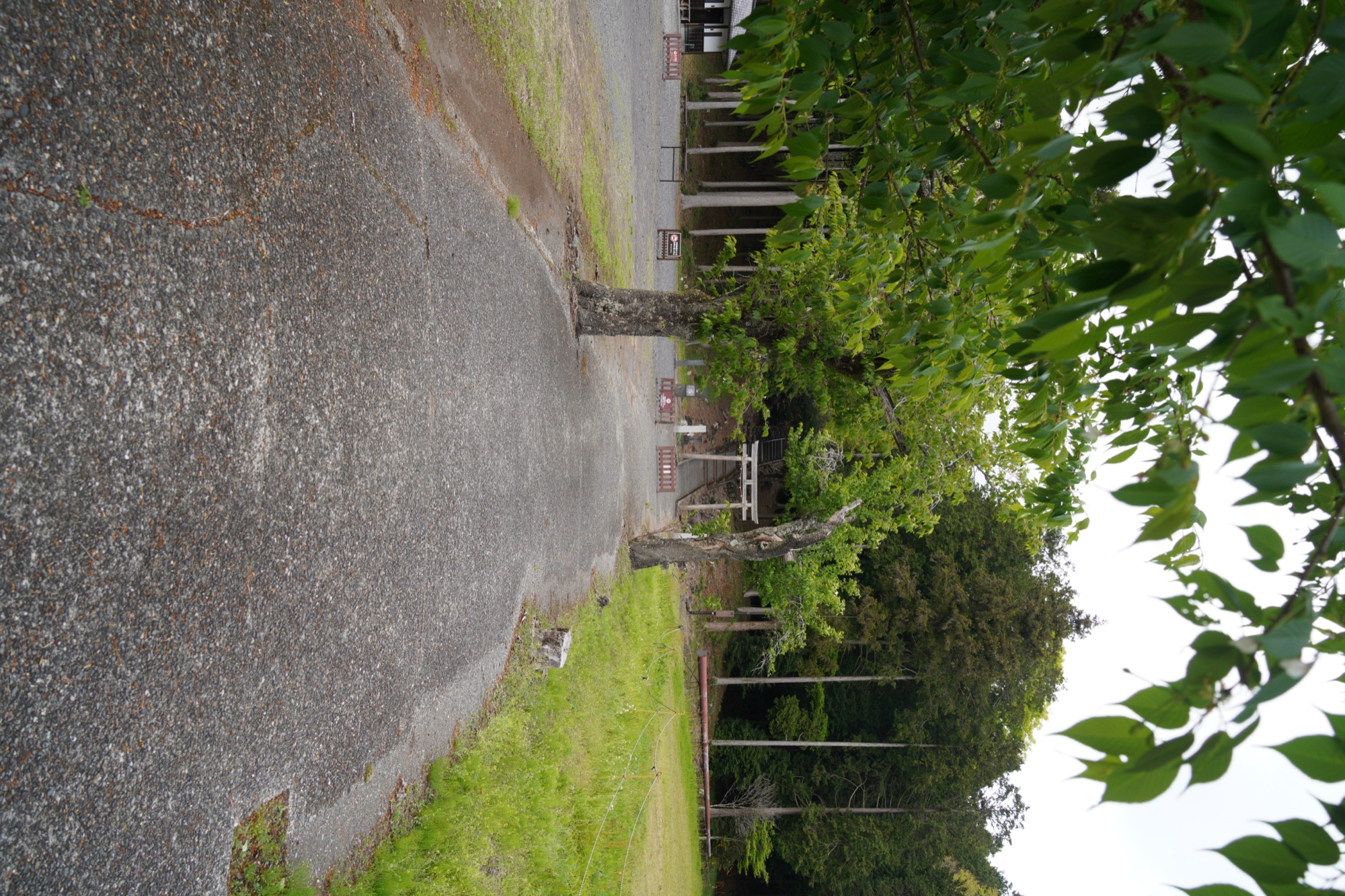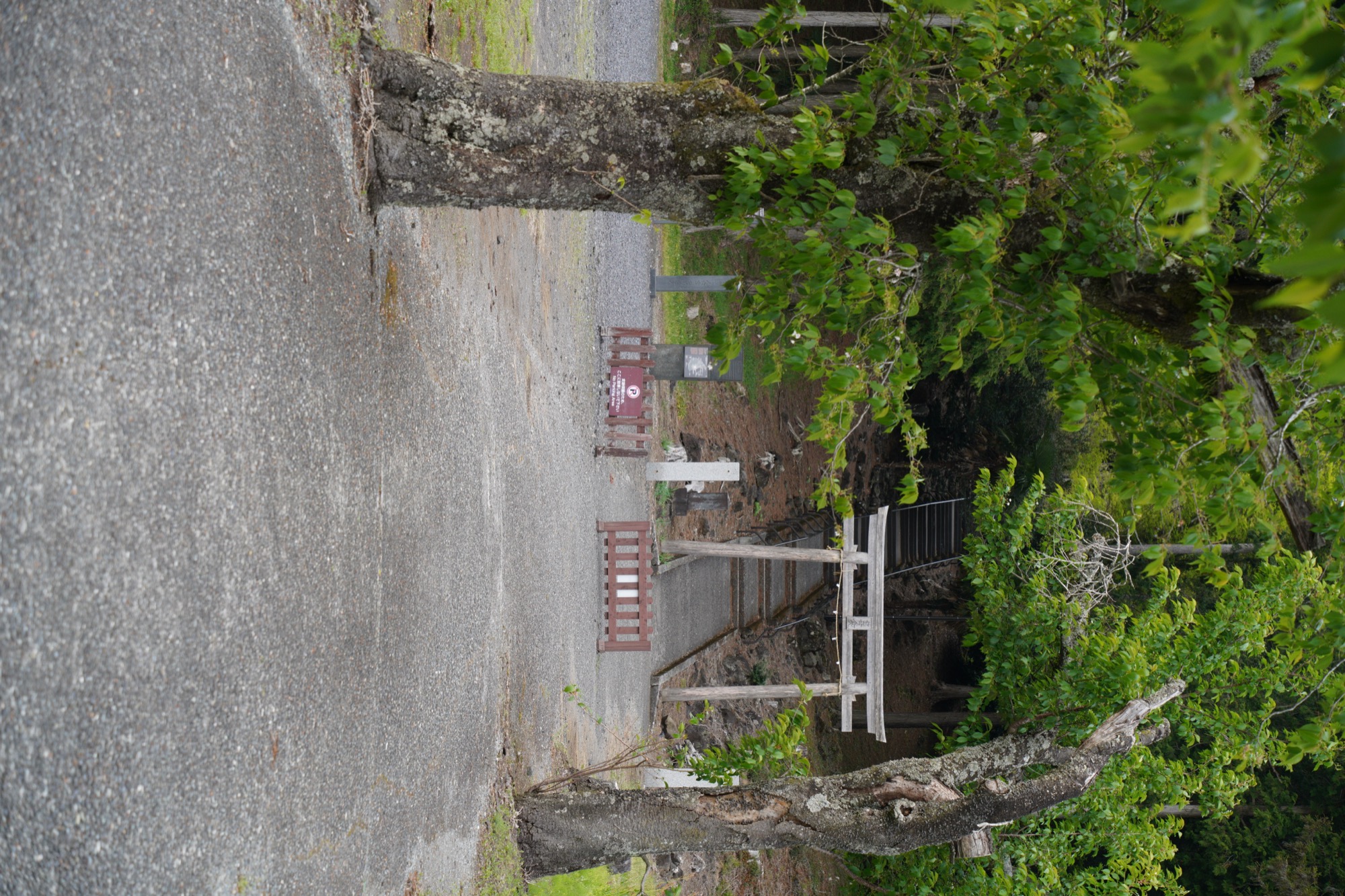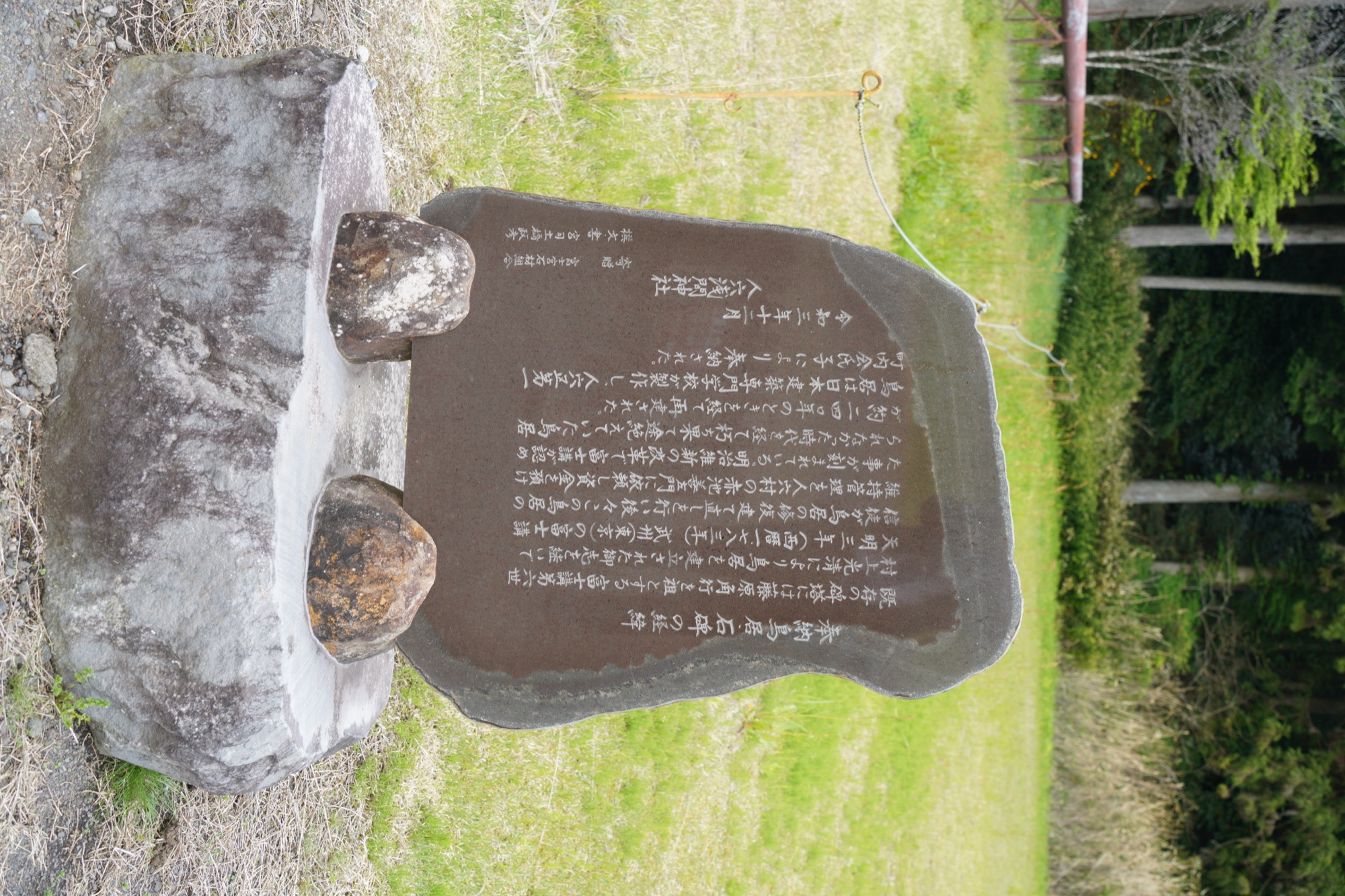
Hitoanana Fuji-kō Heritage Site and Sengen Shrine
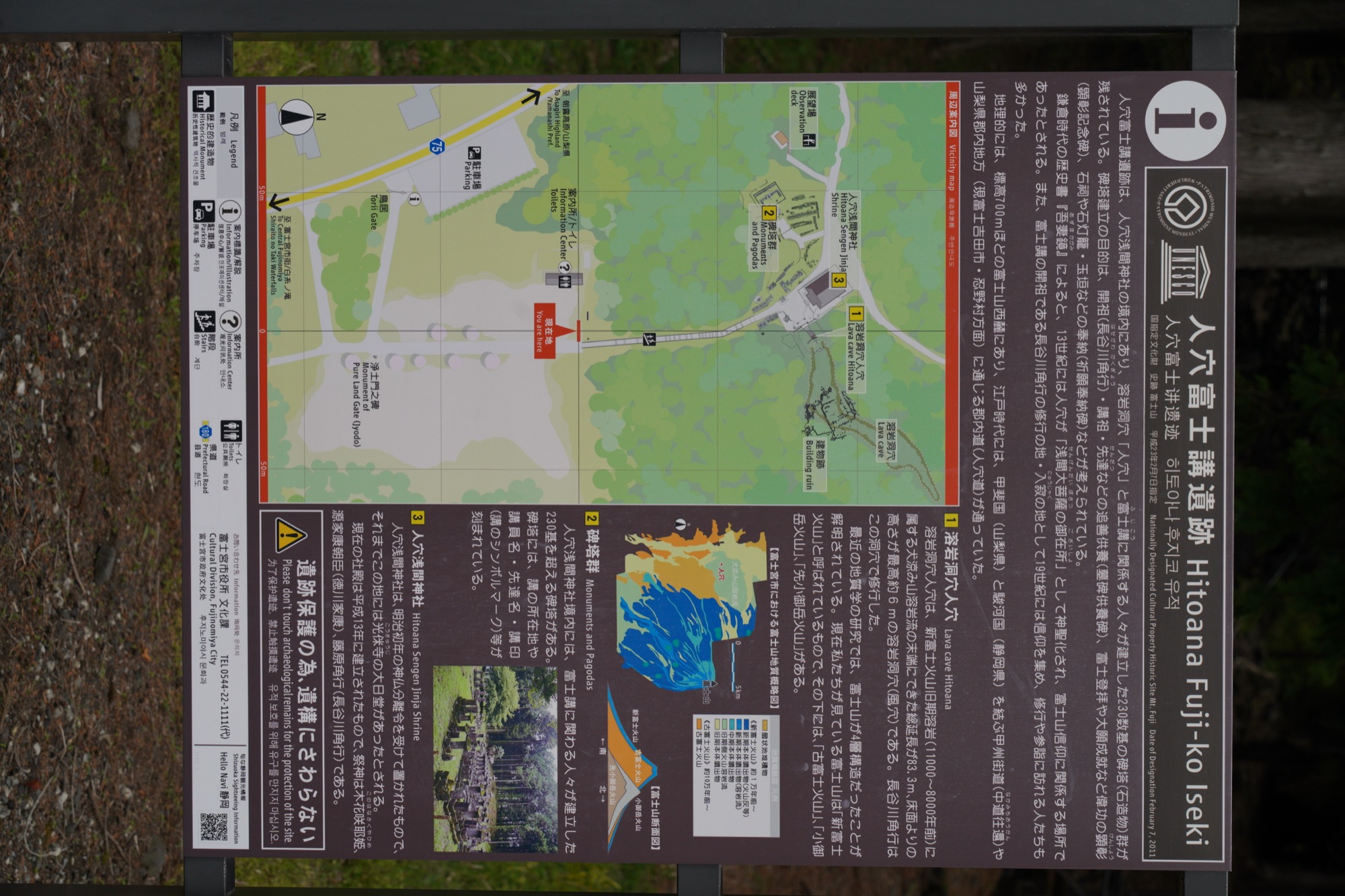
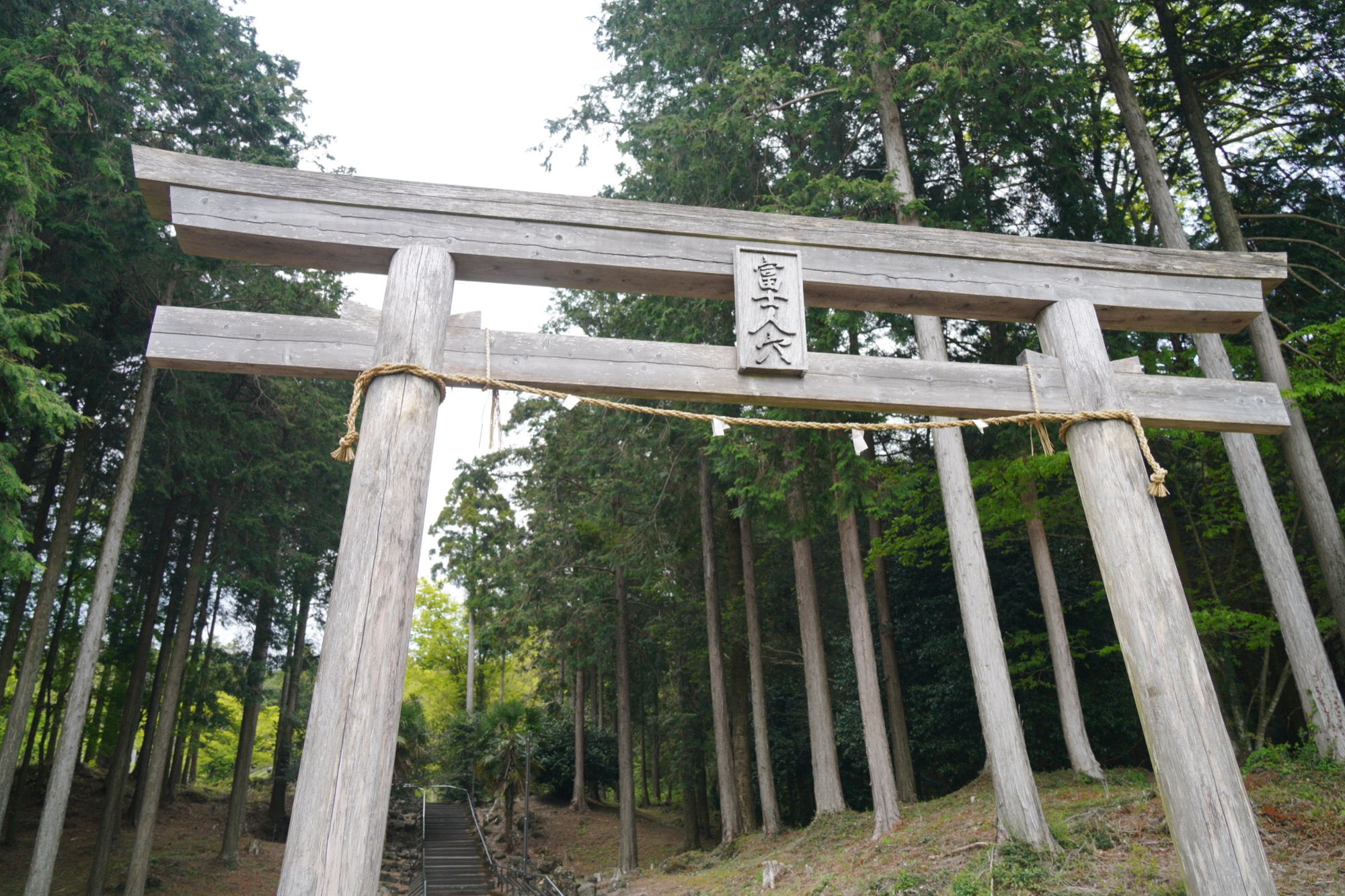
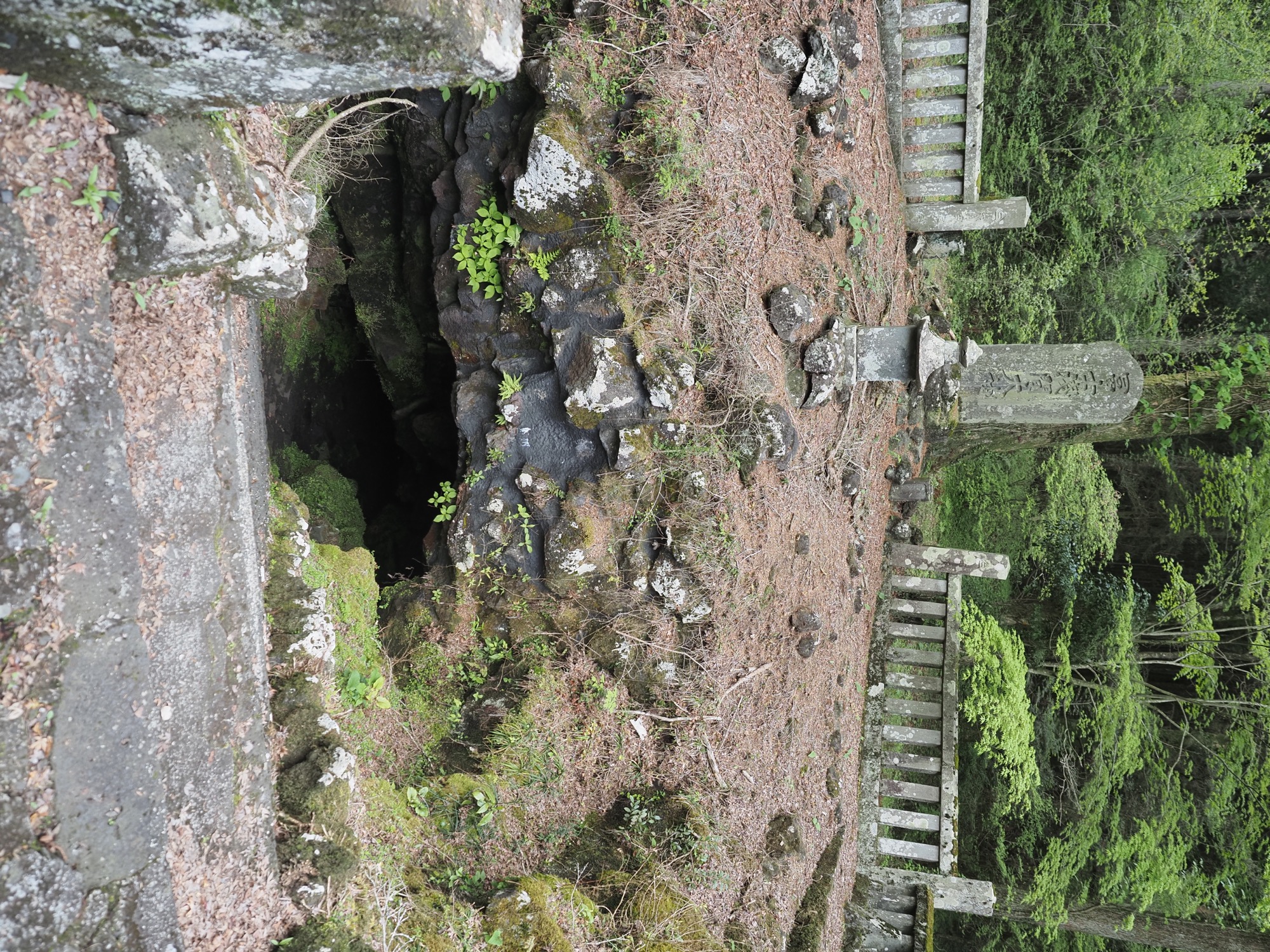
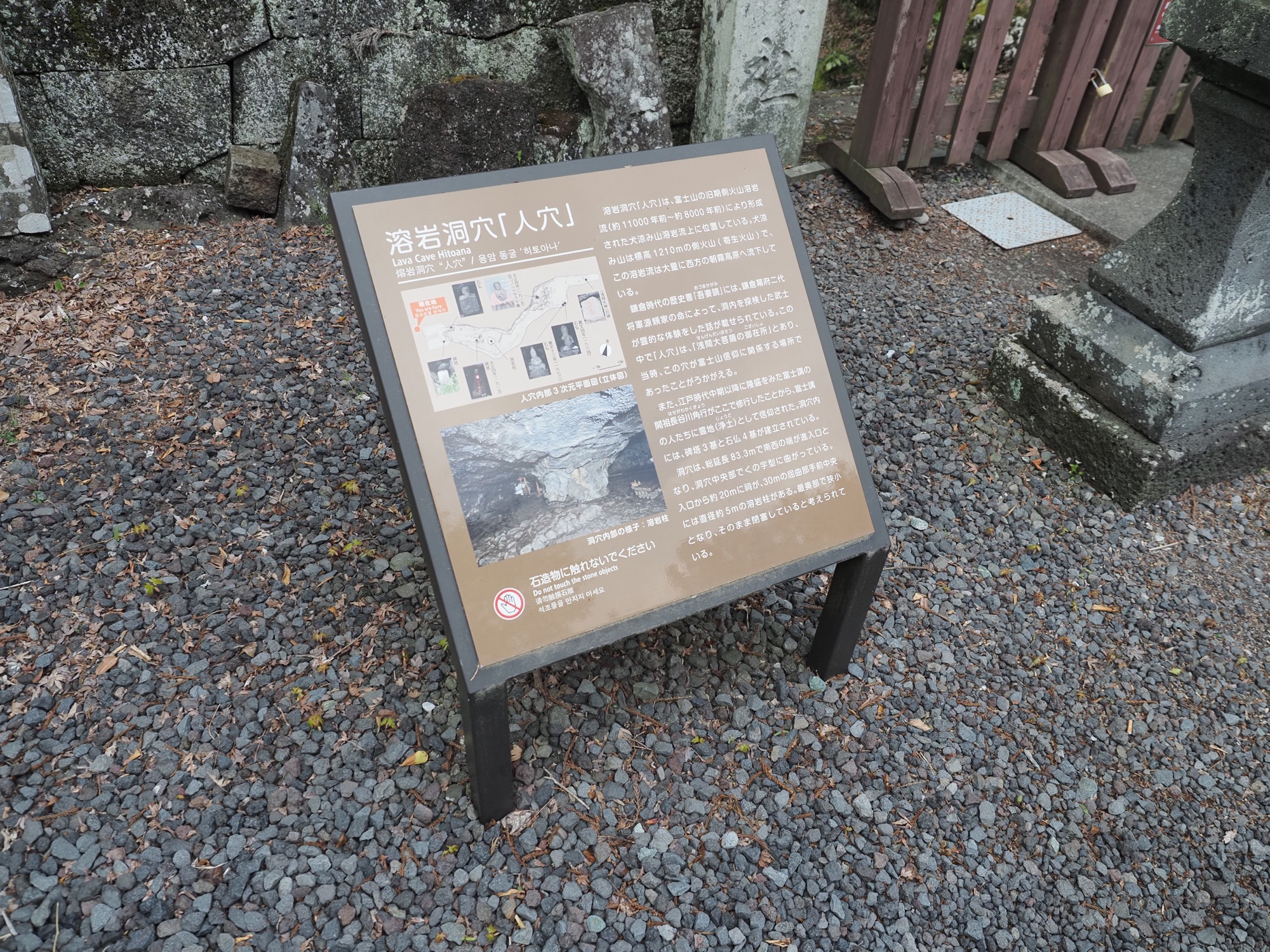
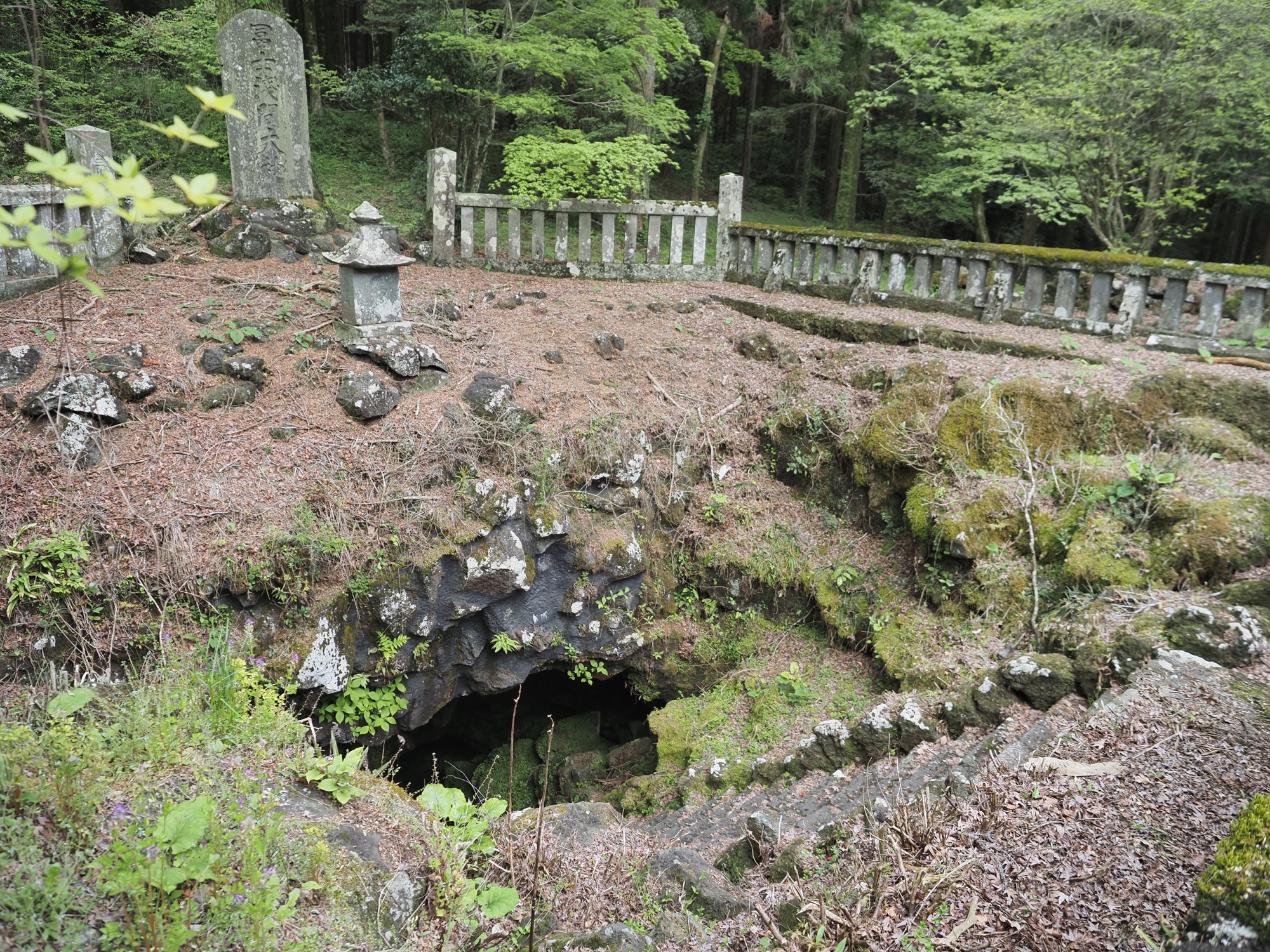
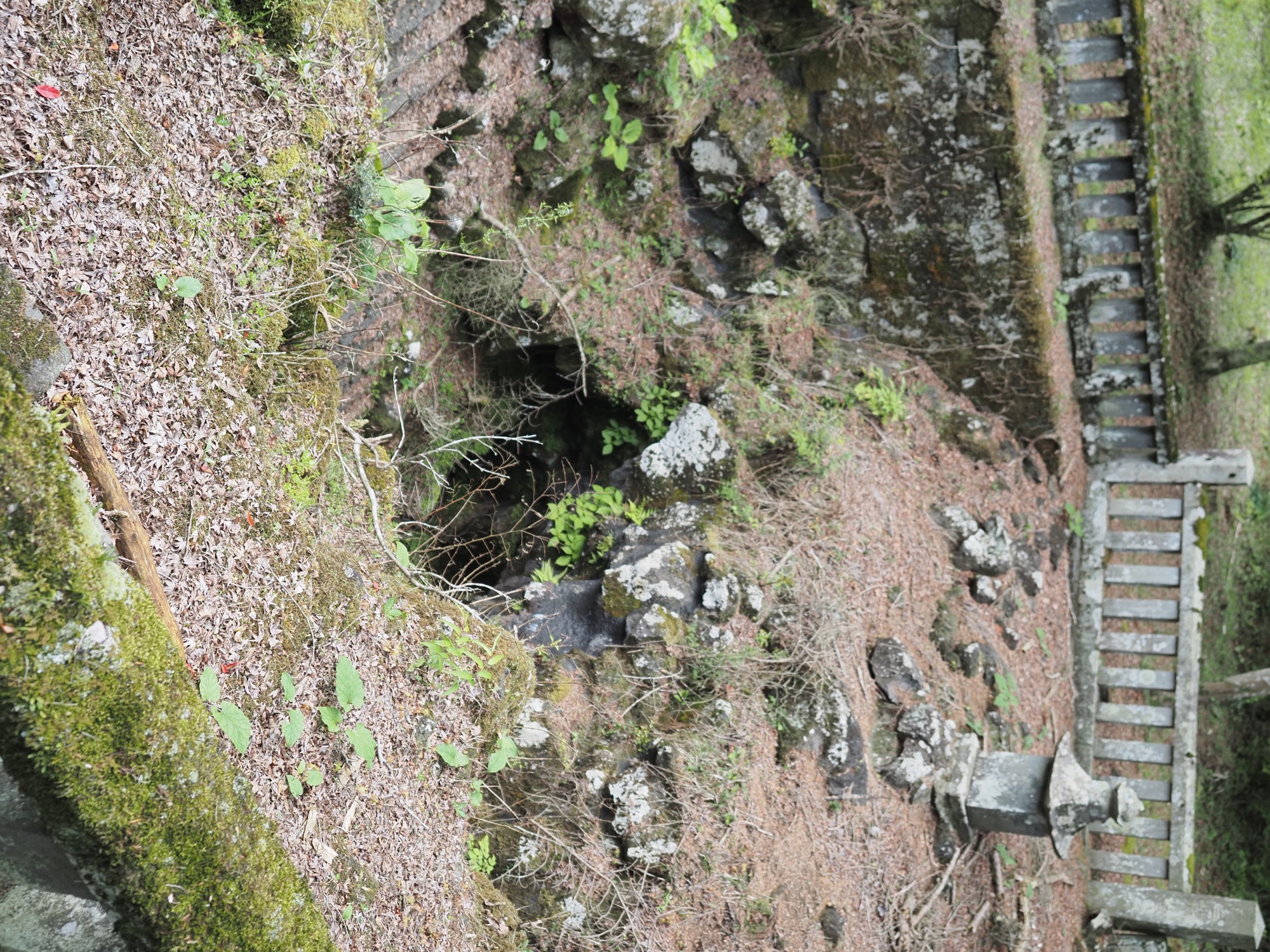
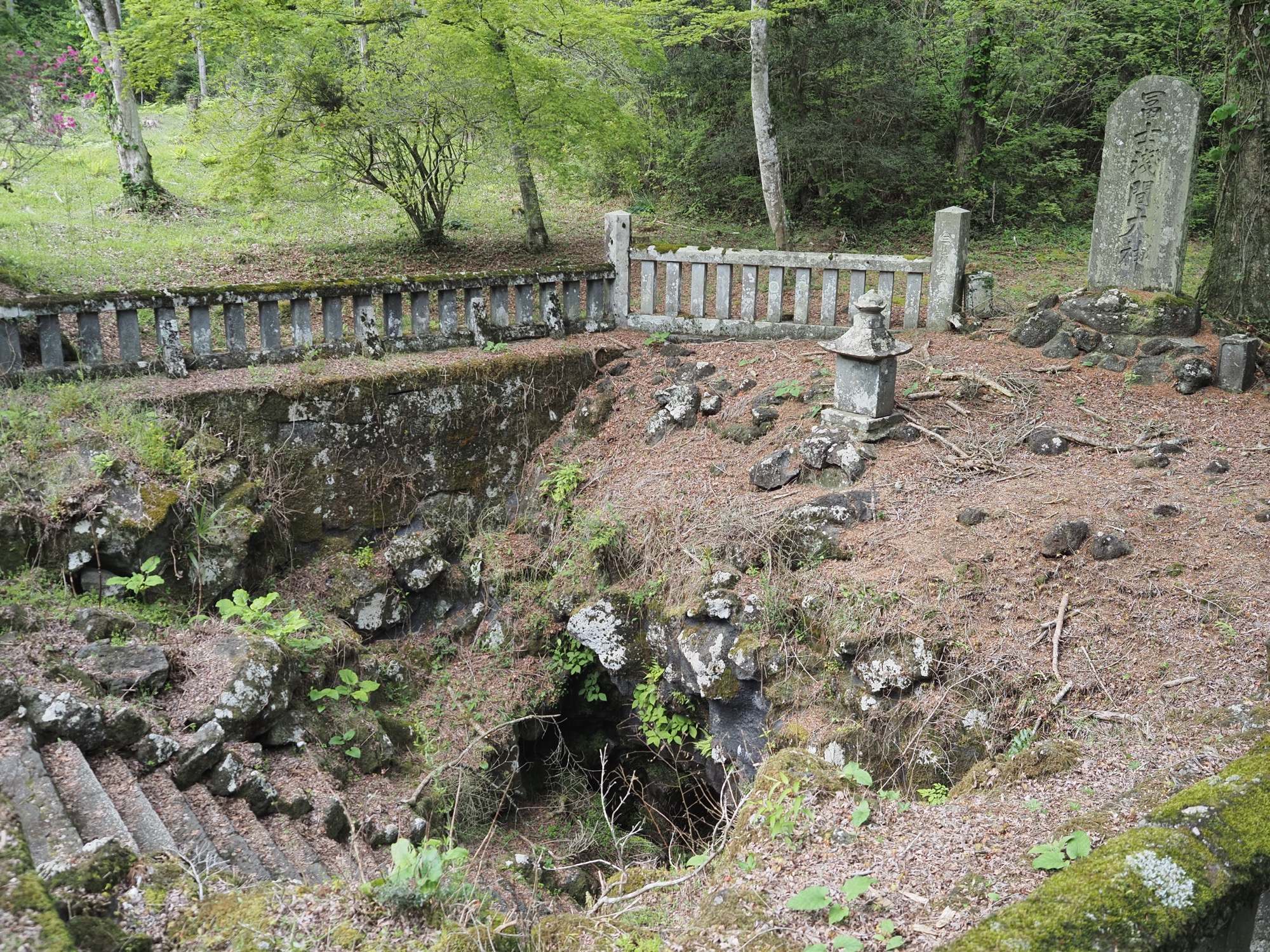
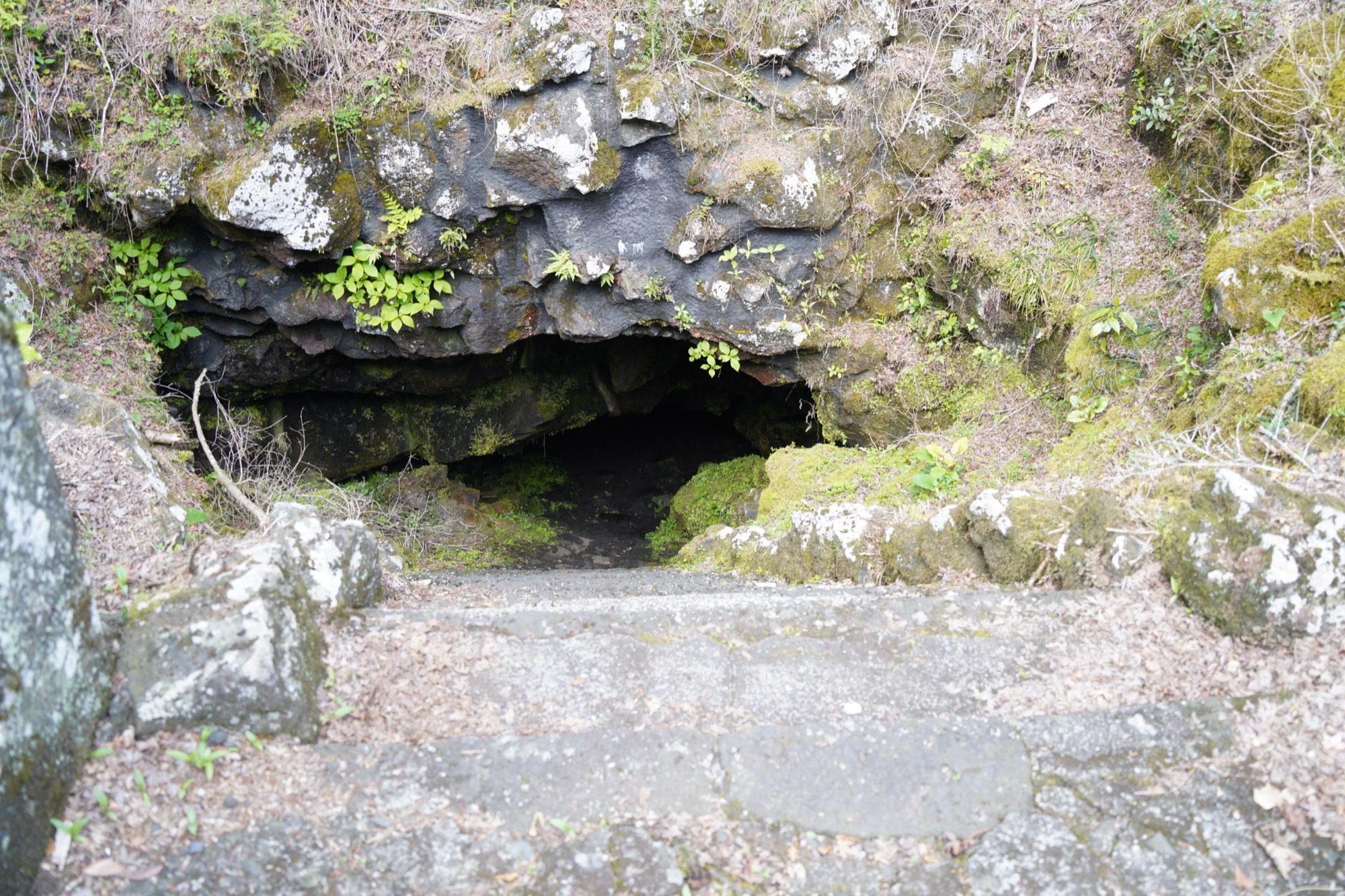
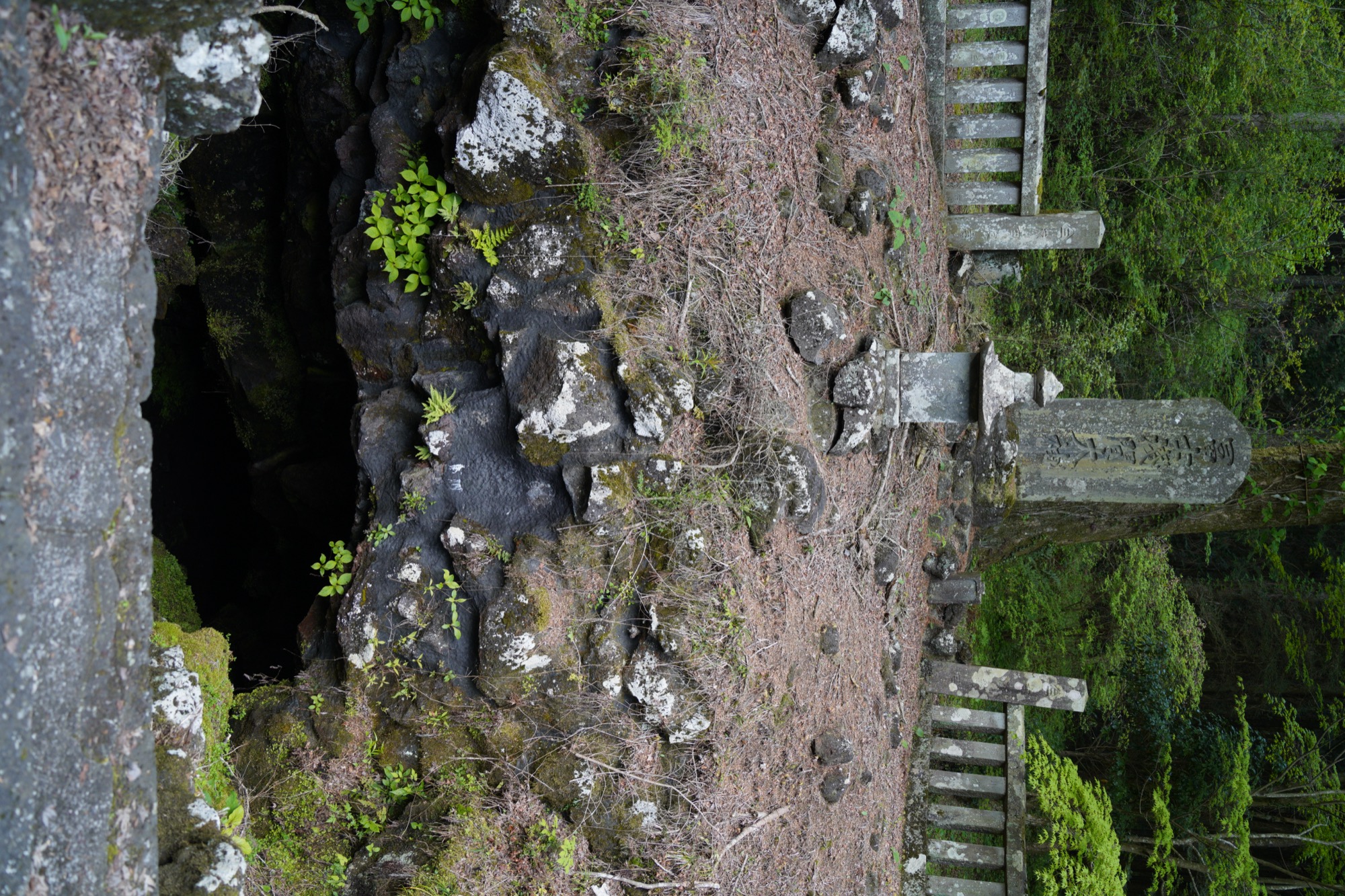
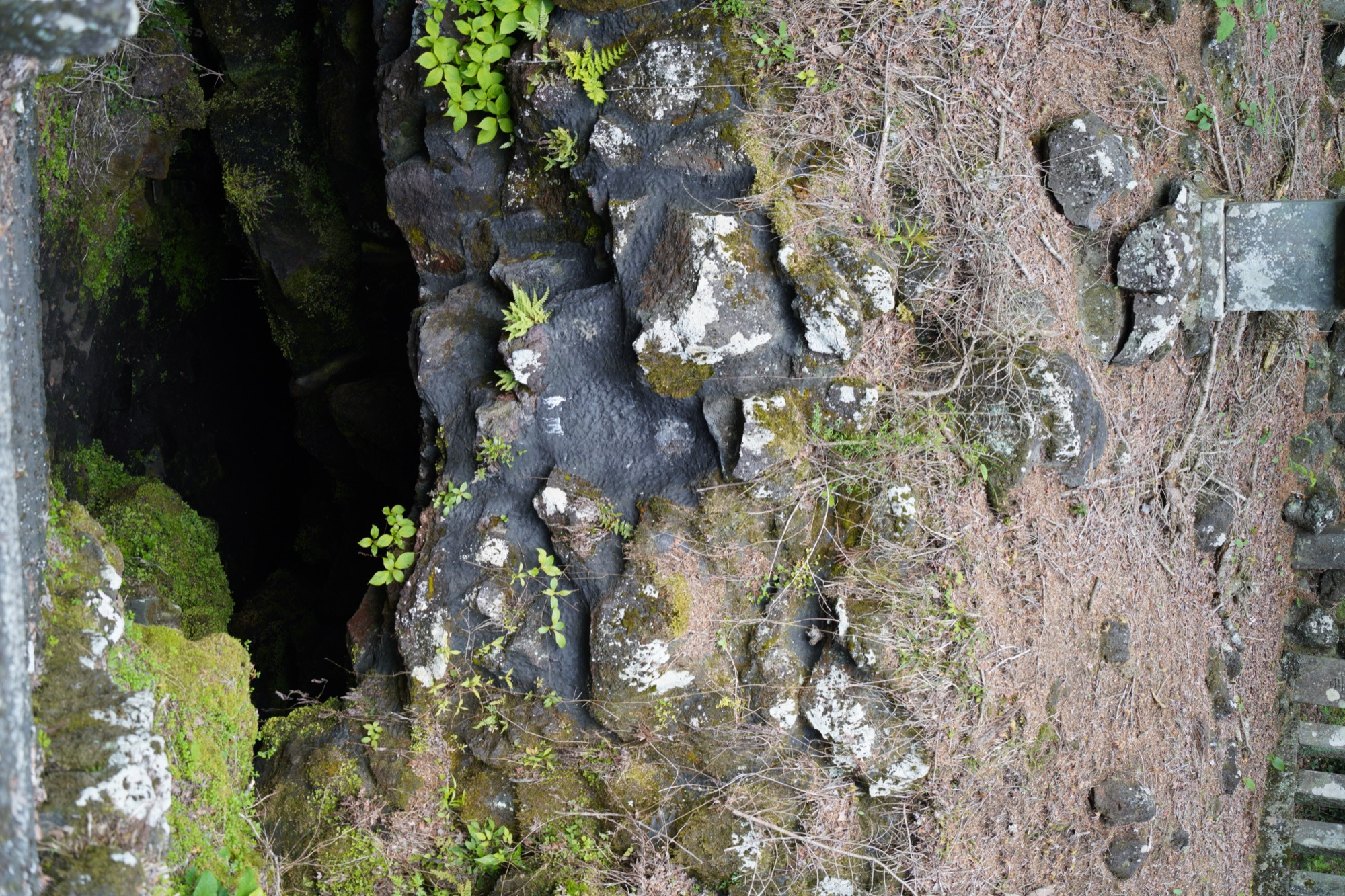
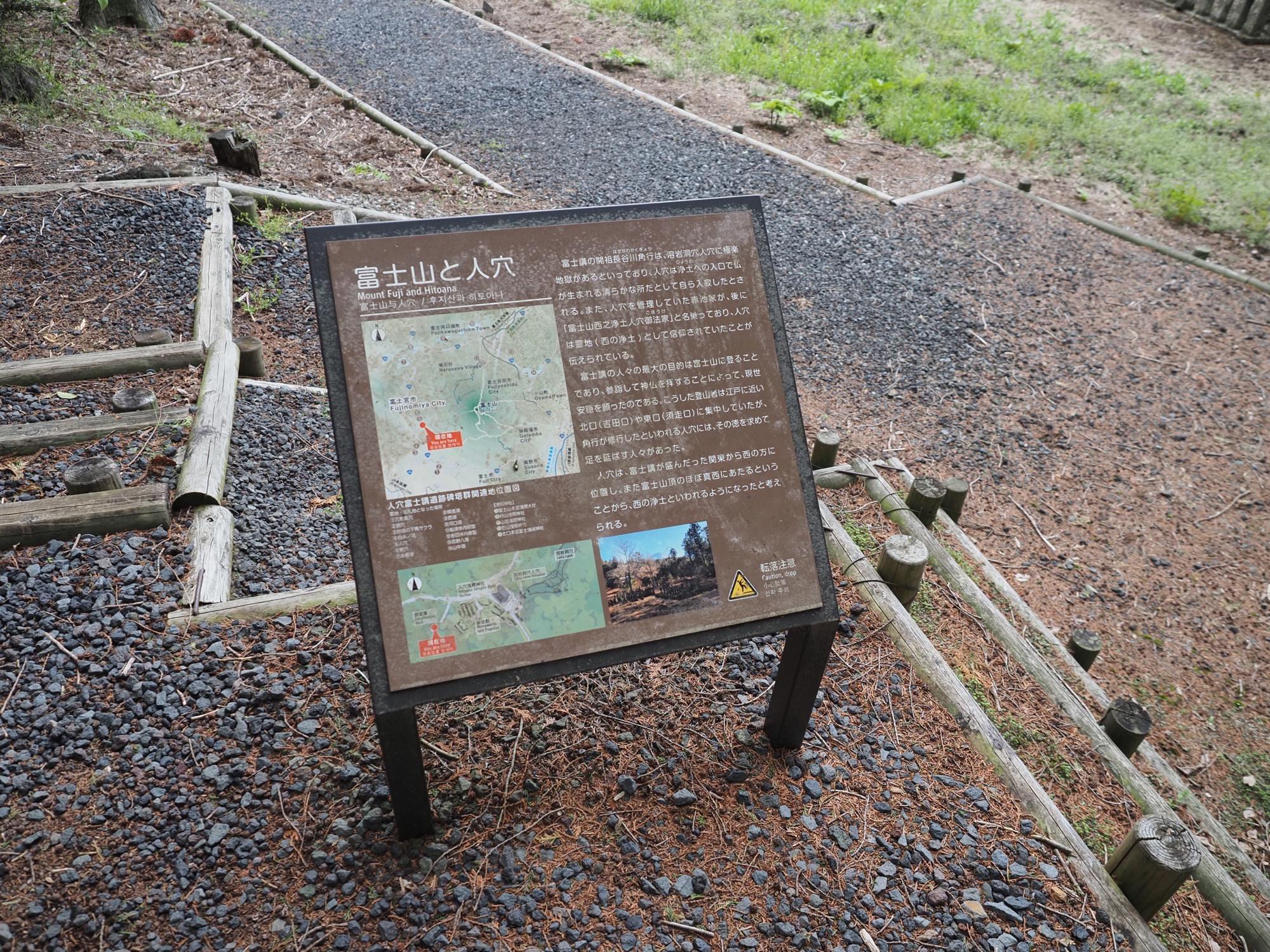
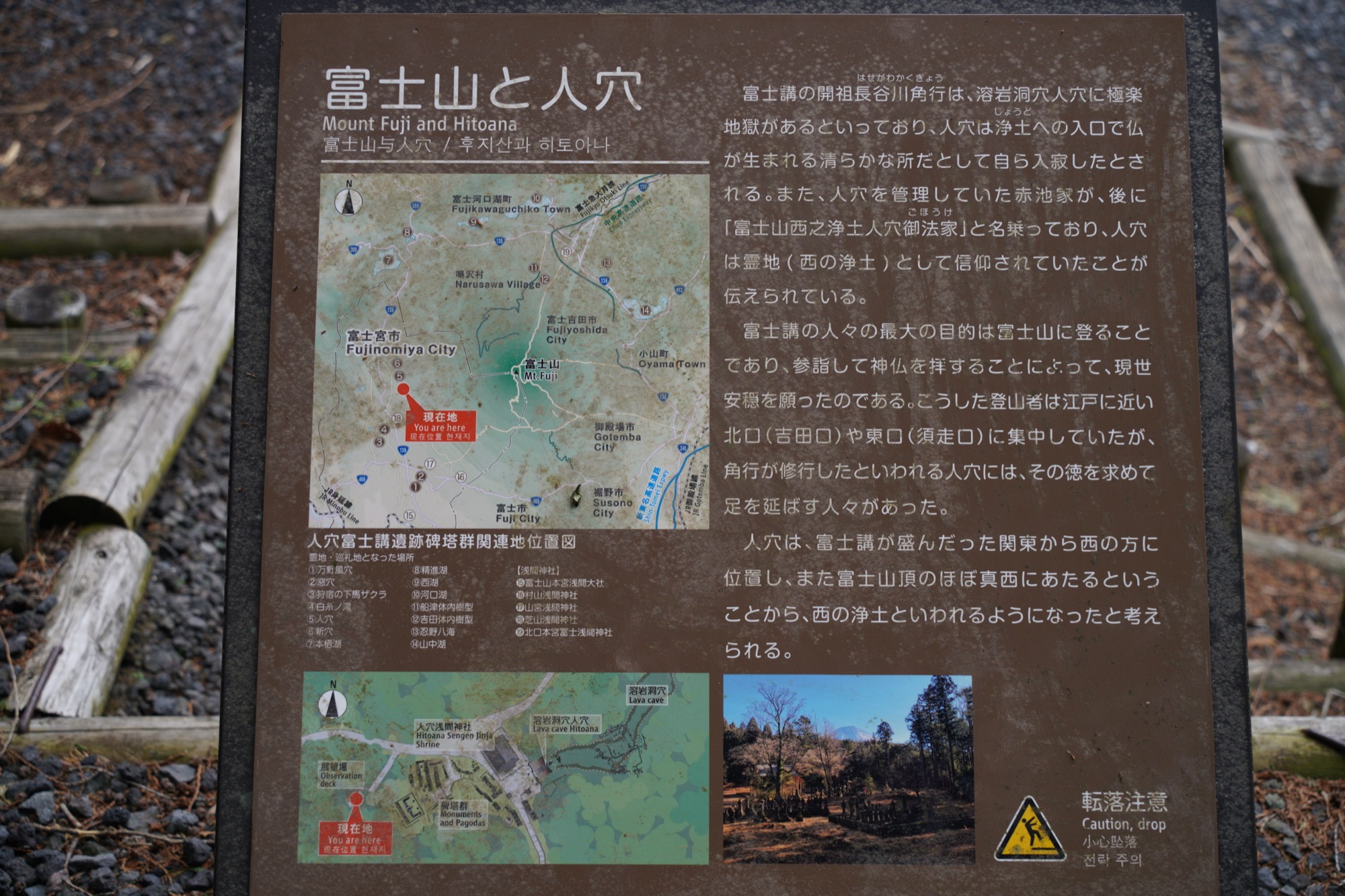
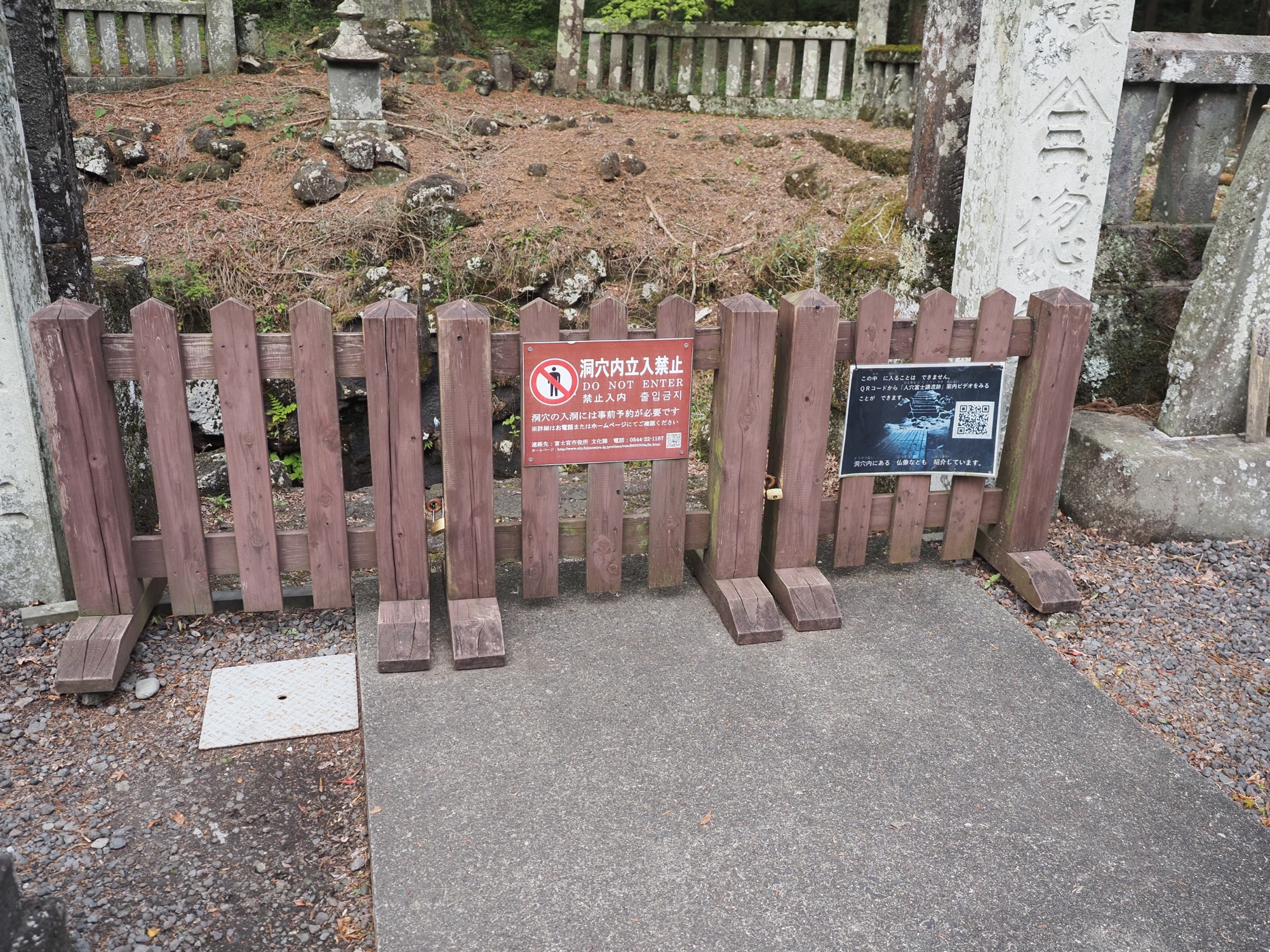
The Hitoana Fuji-kō Site is the sacred ground where Hasegawa Kakugyō, founder of the Fuji-kō faith, is said to have practised austerities and died. Hitoana itself is a lava cave roughly eighty metres in length, formed at the end of the Inusuzumi-yama lava flow of the Shin-Fuji volcano some eight to eleven thousand years ago. The interior, known as the o-tainai or “sacred womb,” enshrines Asama no Ōkami and Dainichi Nyorai at its innermost recess. Cold water drips from the ceiling, and the pool that gathers at the cave floor was revered as holy water.
Hitoana enters the written record in 1203 (Kenin 3), when the Azuma Kagami records it as the “abode of Asama Daibosatsu.” A narrative that grew from this account — the Fuji no Hitoana Zōshi, composed in the Muromachi period — tells of Nitta Tadatsune, a retainer of the second Kamakura shōgun Minamoto no Yoriie, who enters the cave on his lord’s command. Inside, he encounters Asama Daibosatsu in the form of a great serpent, who leads him through the realms of the six paths (rokudō) — hell, hungry ghosts, animals, fighting spirits, humans, and heaven. The deity commands Tadatsune to record what he has seen; when he returns and tells Yoriie, both men are killed as a consequence of revealing what was forbidden. The tale establishes what this cave was understood to be: not a geological curiosity but a threshold between the world of the living and the realm of the dead.
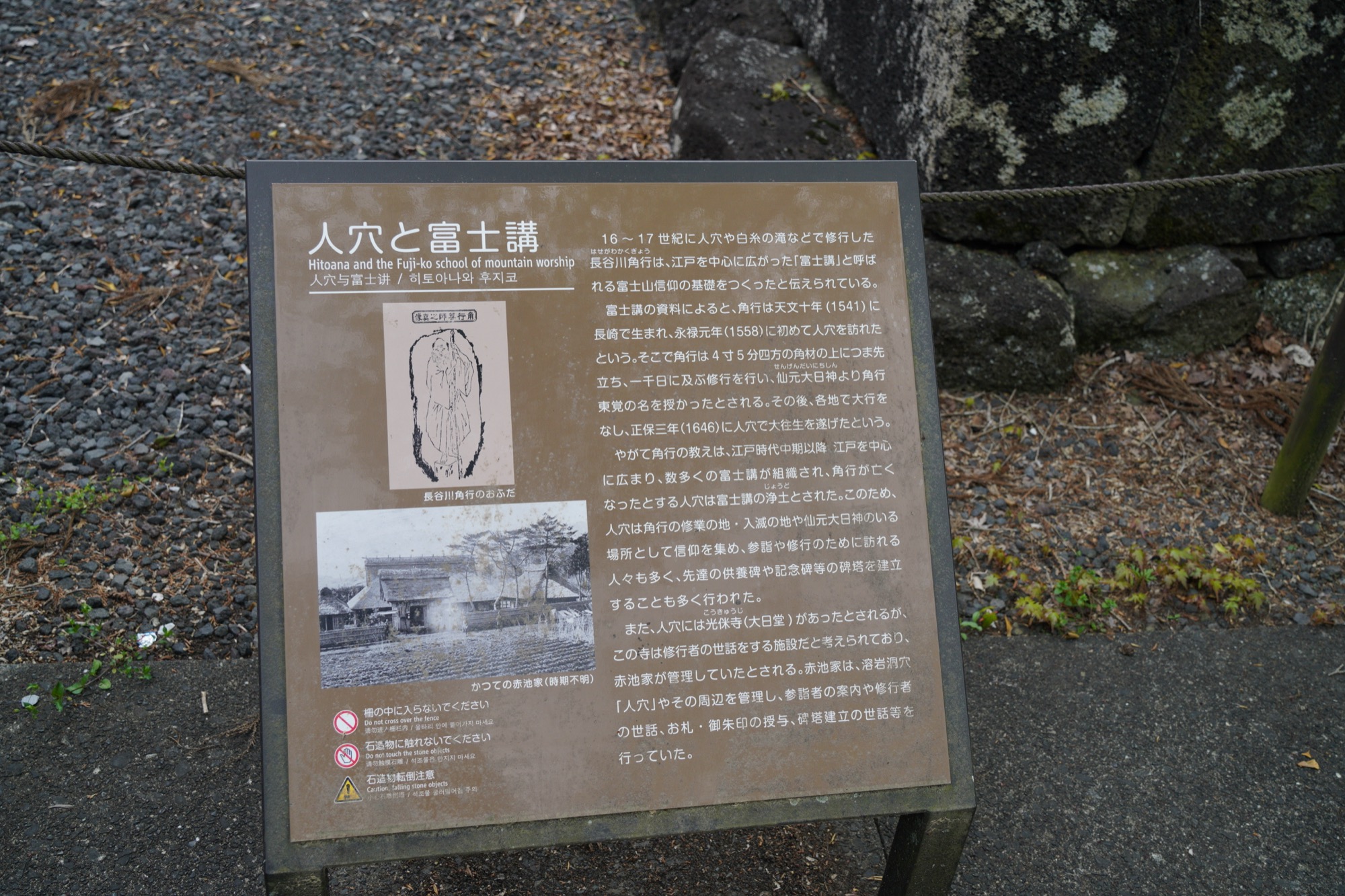
In the Eiroku era (1558–1569) at the close of the Sengoku period, Hasegawa Kakugyō (Fujiwara Kakugyō) entered the cave following a revelation in a dream. There, it is told, he stood on tiptoe atop a square wooden post barely fourteen centimetres across, set upright in the cave’s icy water — the practice called tachigyō — for a thousand days, among other austerities, until he attained enlightenment. Kakugyō is said to have died within the cave in 1646 (Shōhō 3) at the age of 106, and ascetics of his lineage continued to practise here for generations after.
The designation of the cave’s interior as o-tainai — “sacred womb” — was no mere metaphor. Advancing through the darkness and cold water, encountering the deities at the innermost recess, and returning to the light: the structure mapped onto the pattern of gishi sasei — a ritual of simulated death and rebirth. The cosmological picture drawn in the Hitoana Zōshi, with its tour through the afterlife realms, mirrors this exactly. The holy water, the deities at the furthest depth, the return to the surface: these three stages operated as a mechanism for pilgrims to undergo spiritual death and resurrection within the body of the mountain itself.
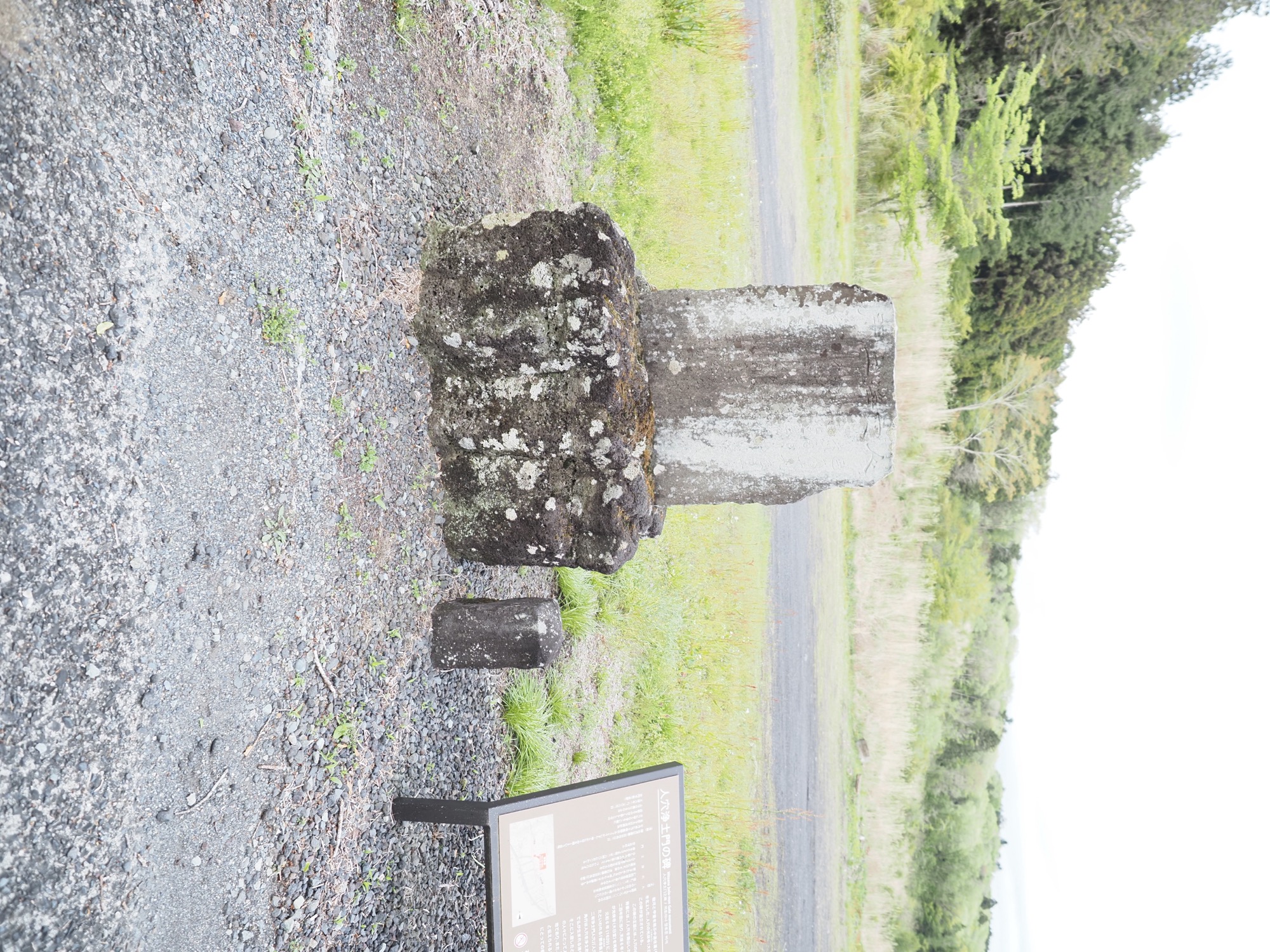
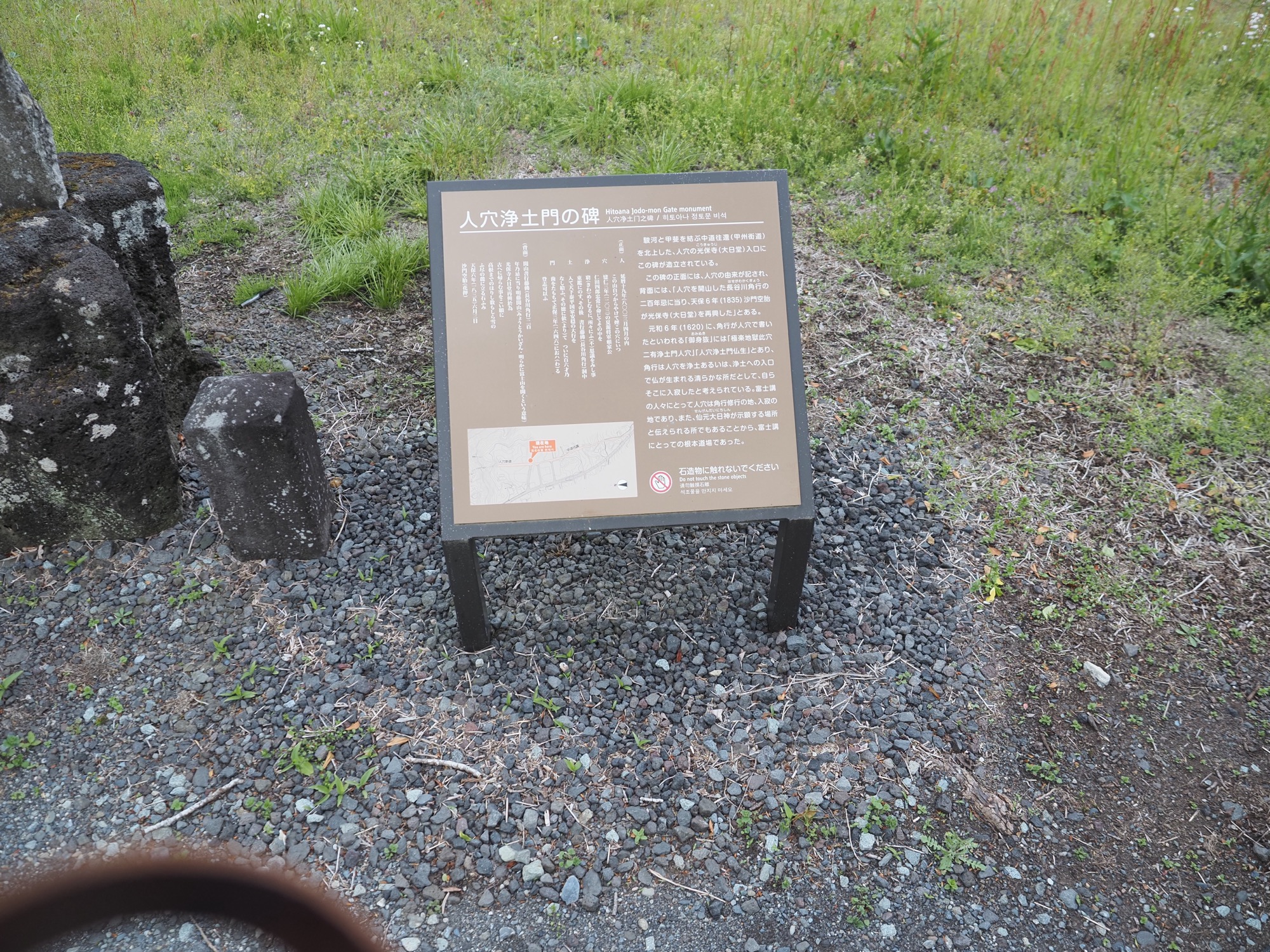
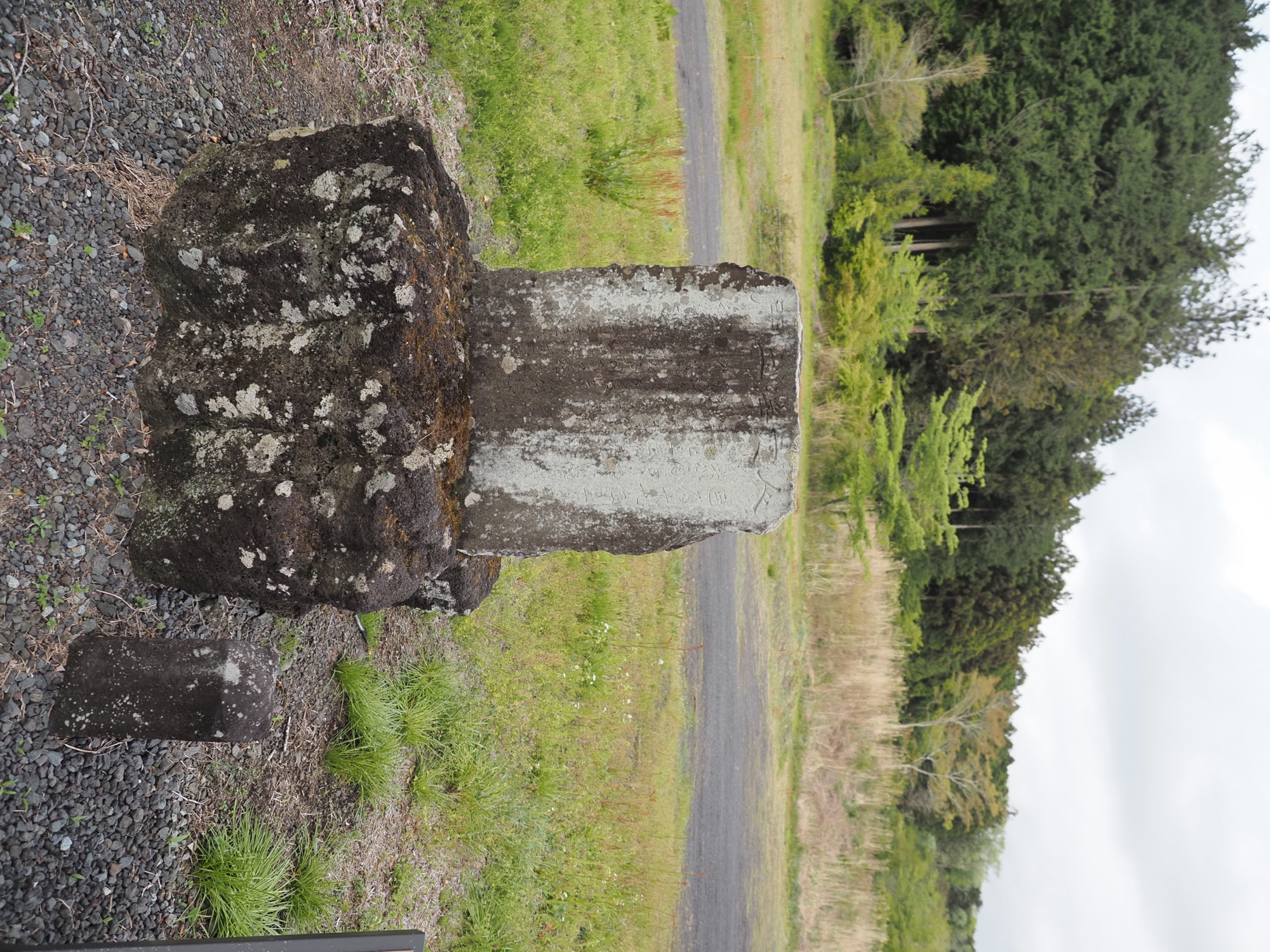
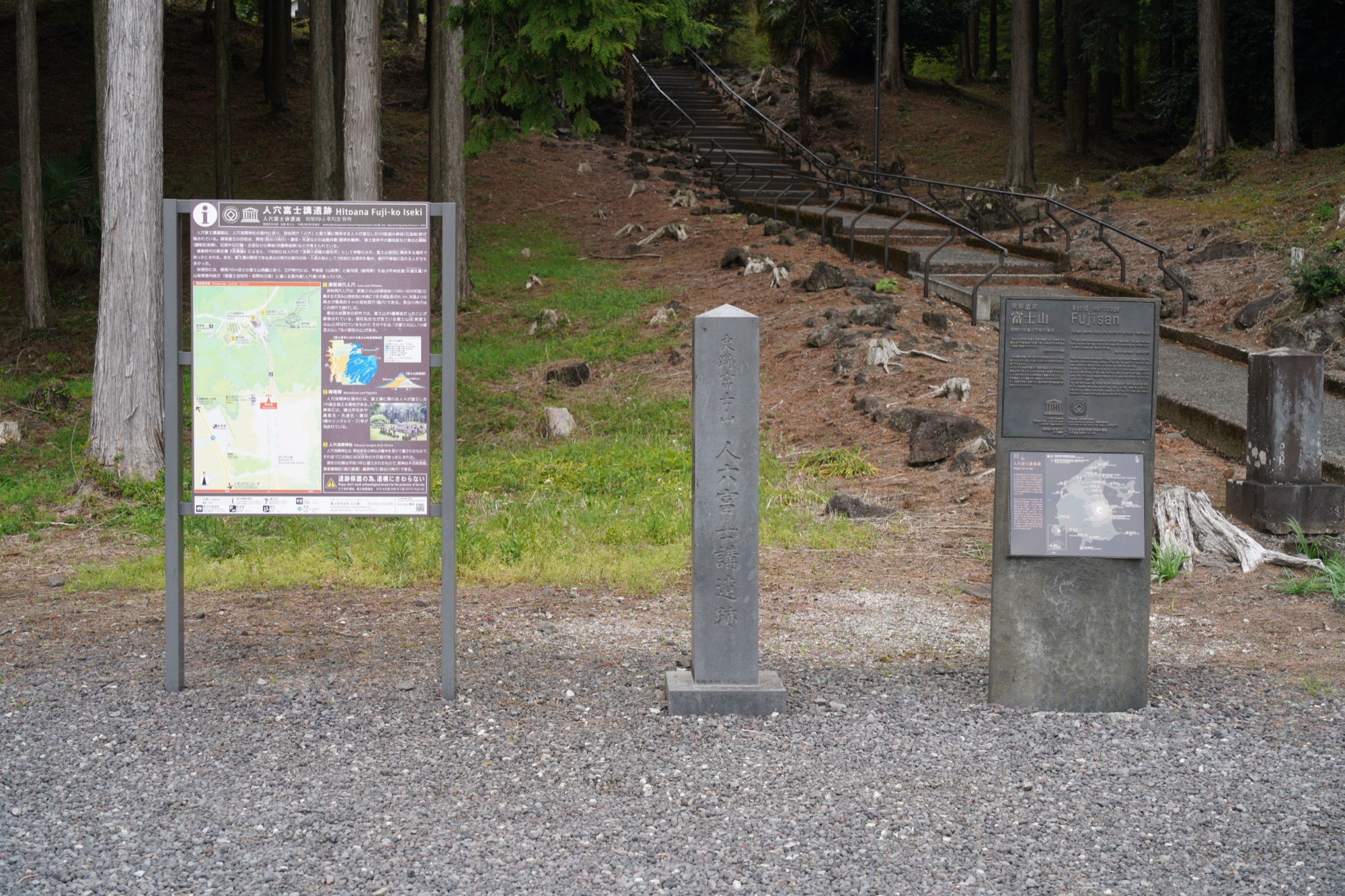
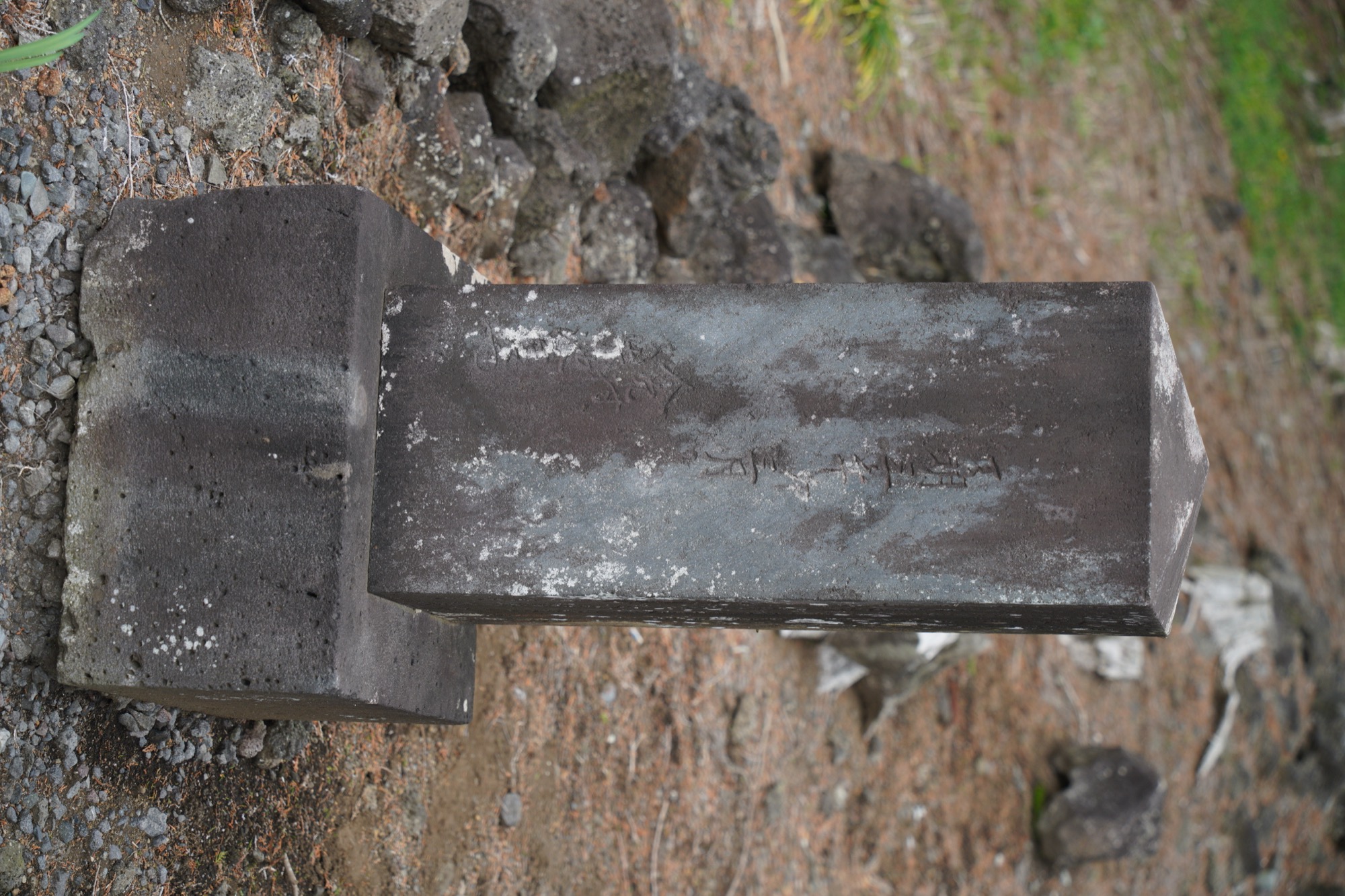
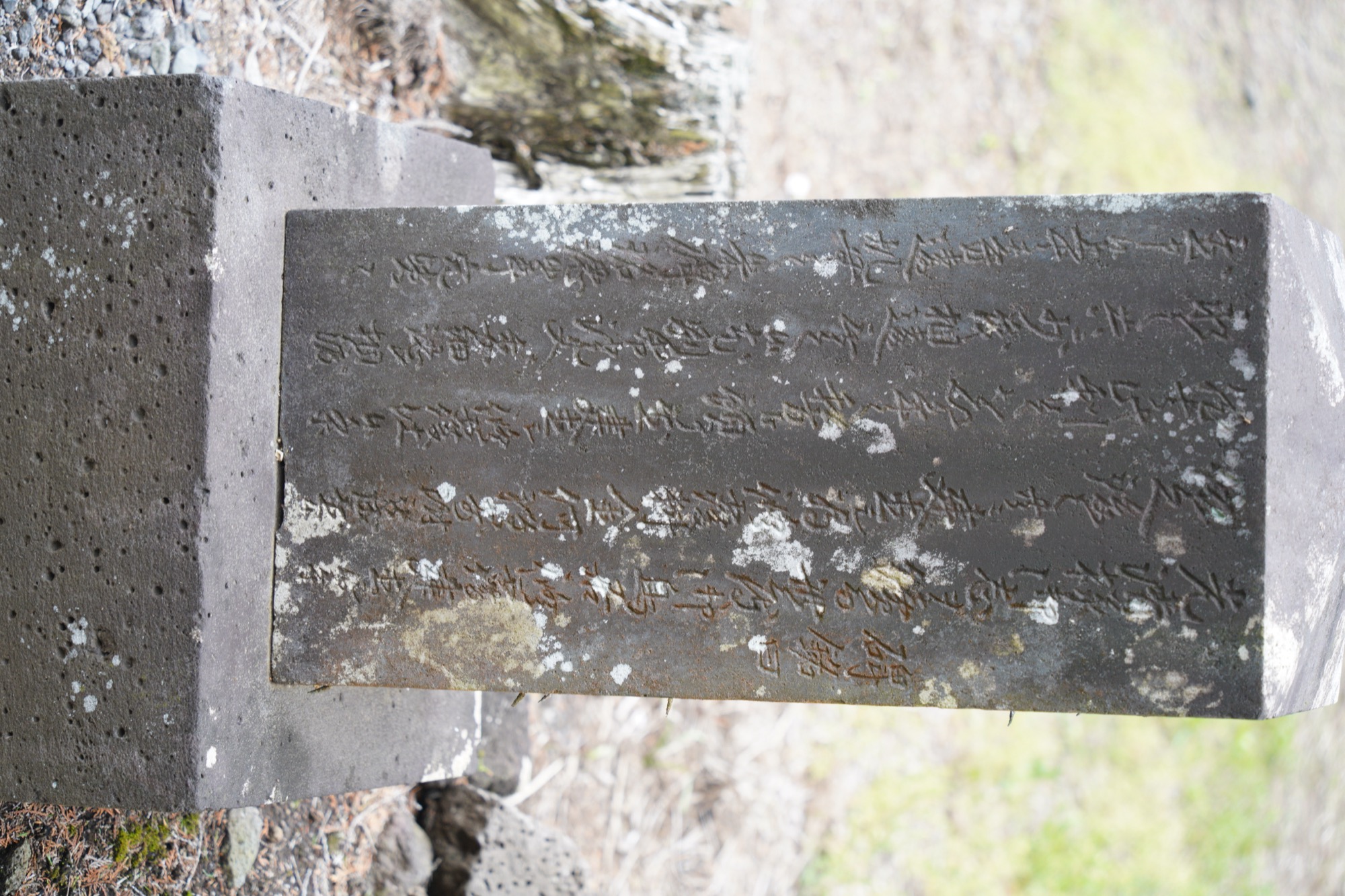
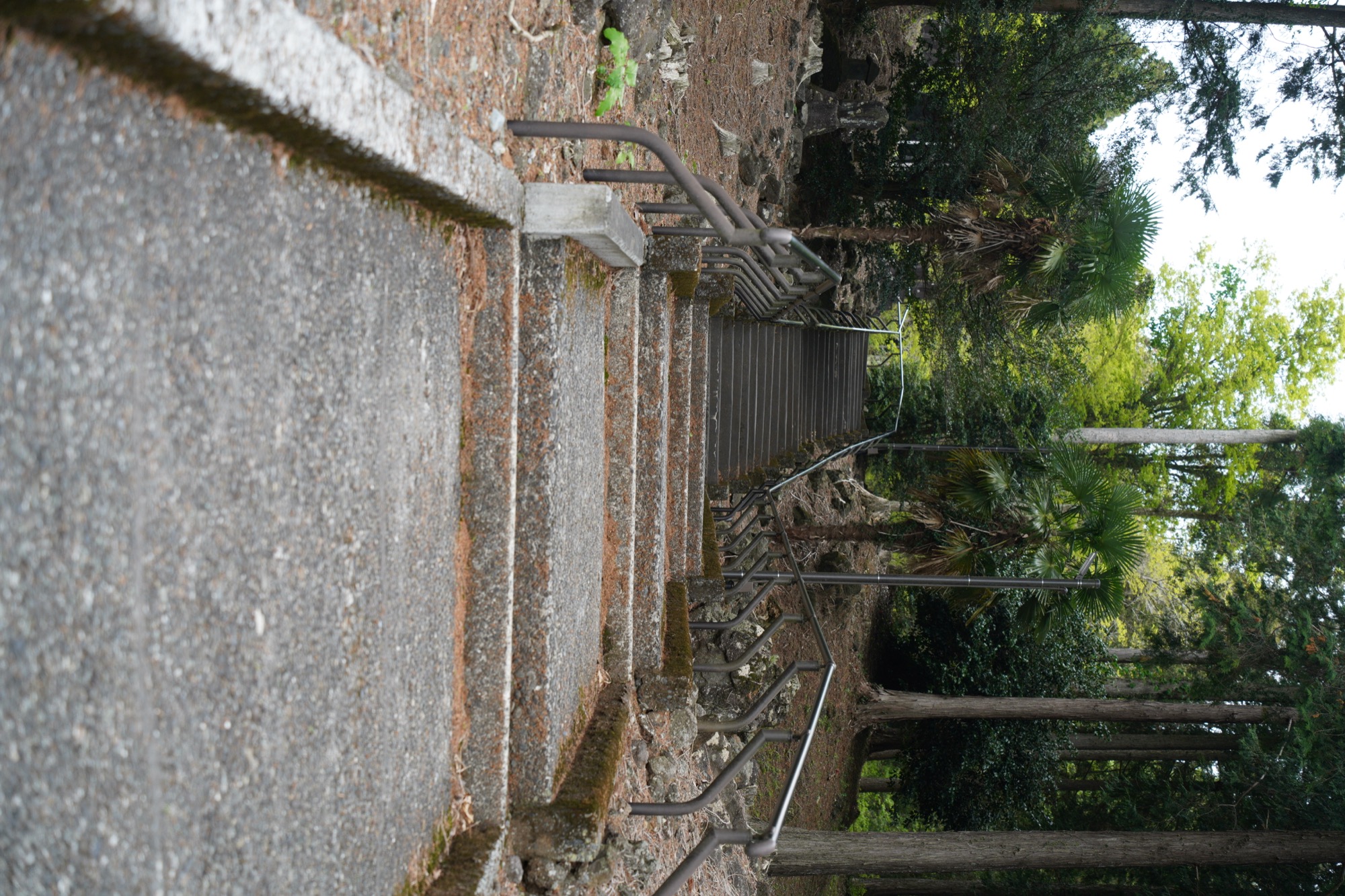
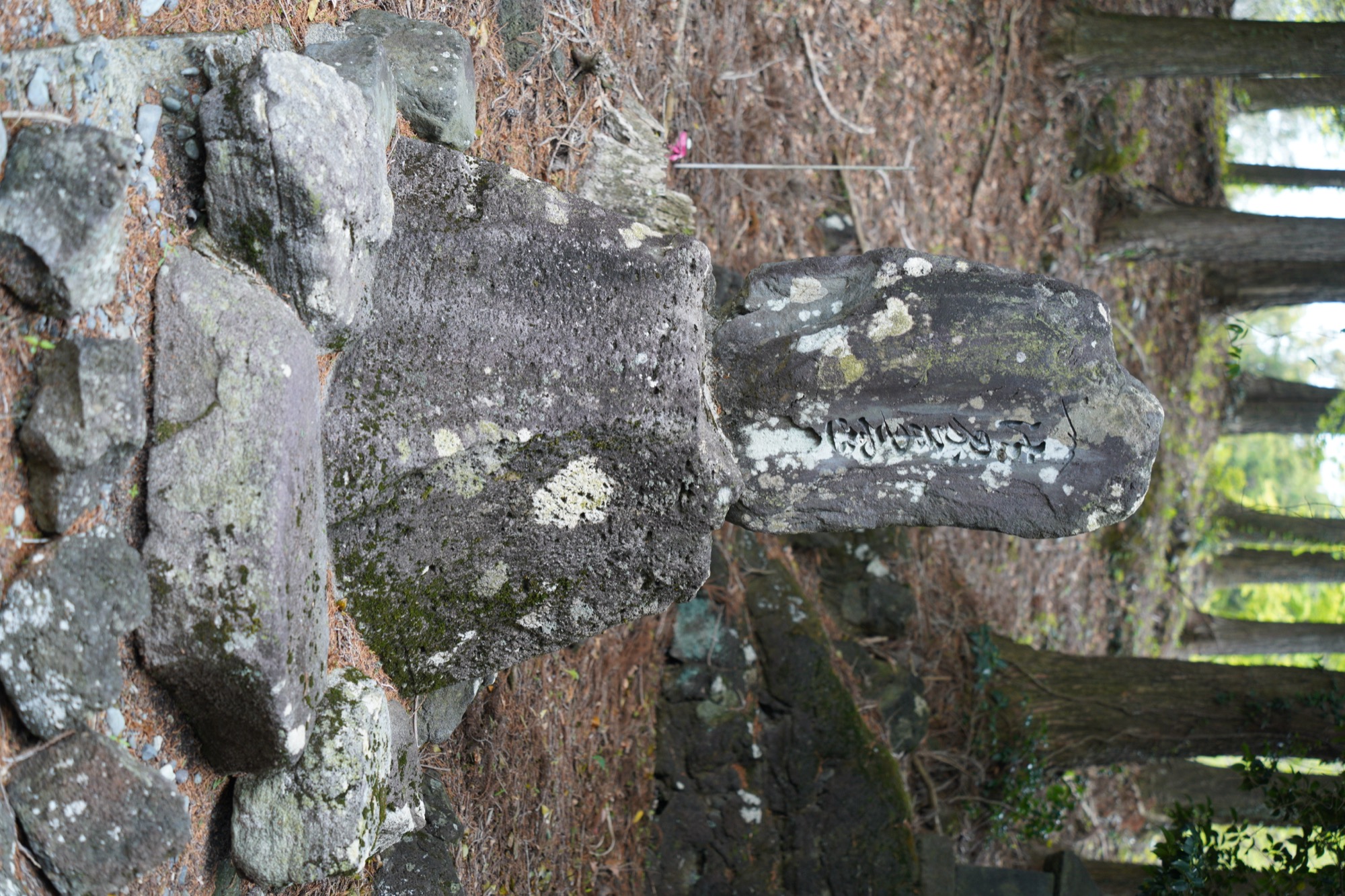
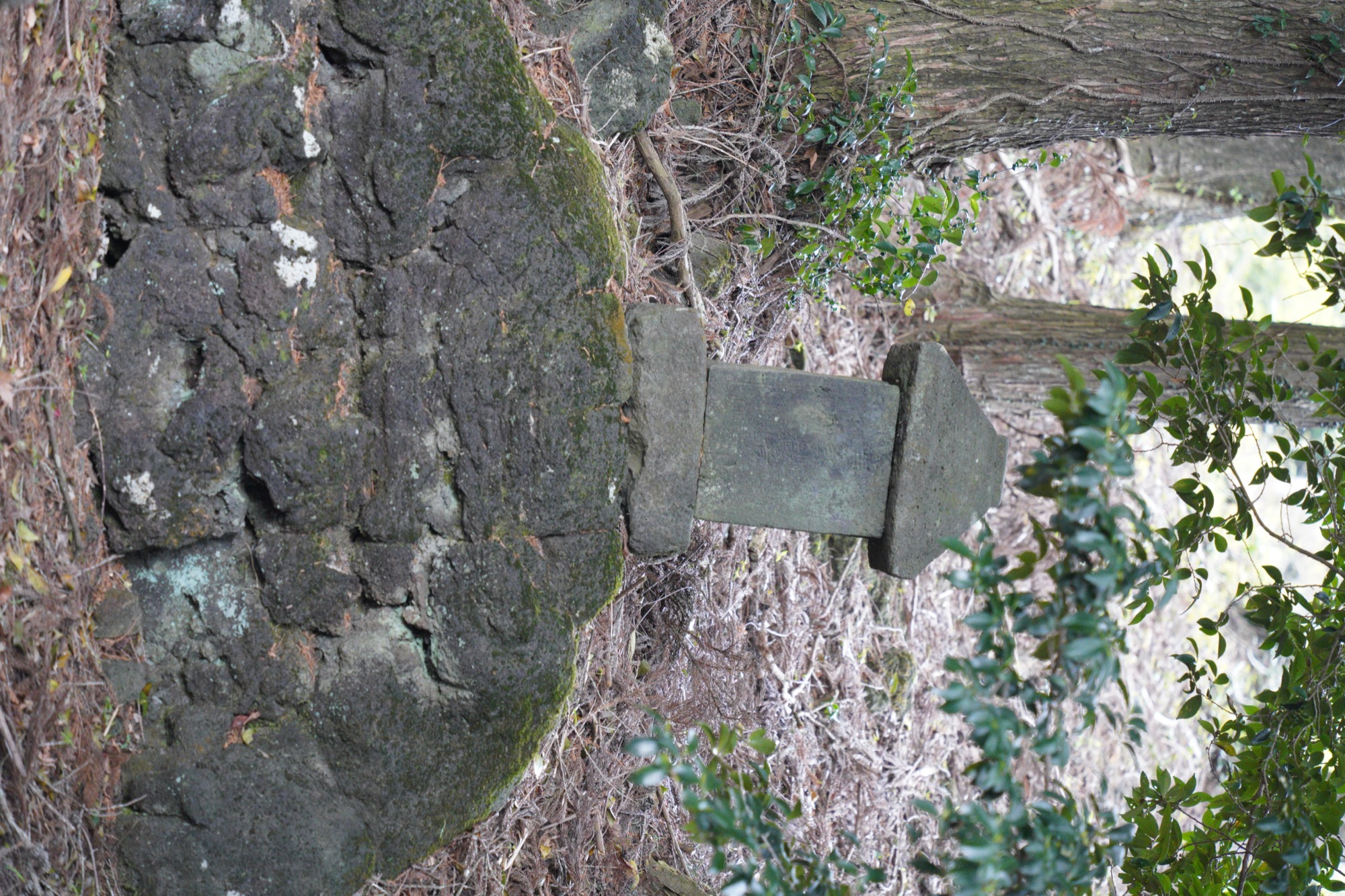
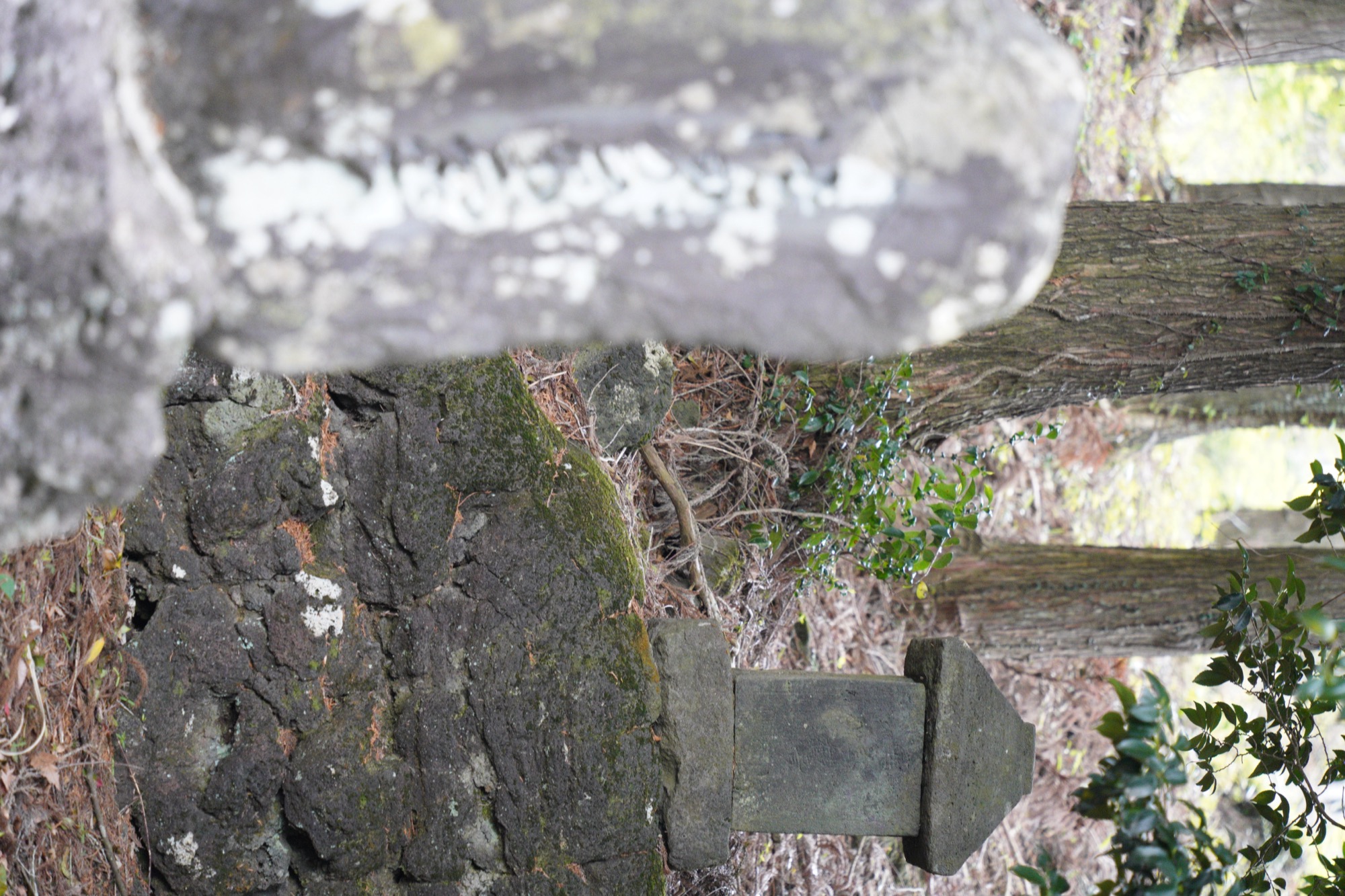
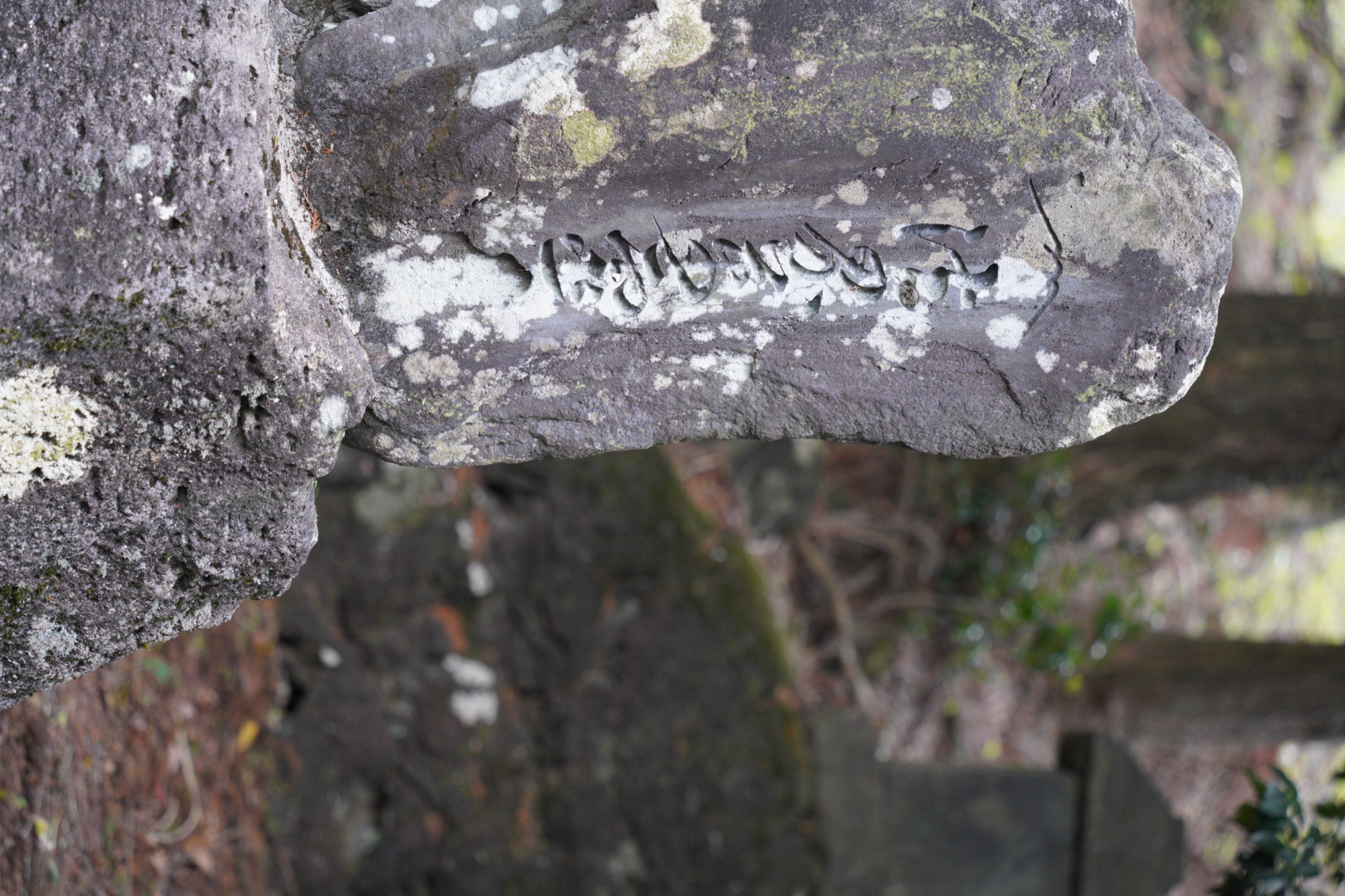
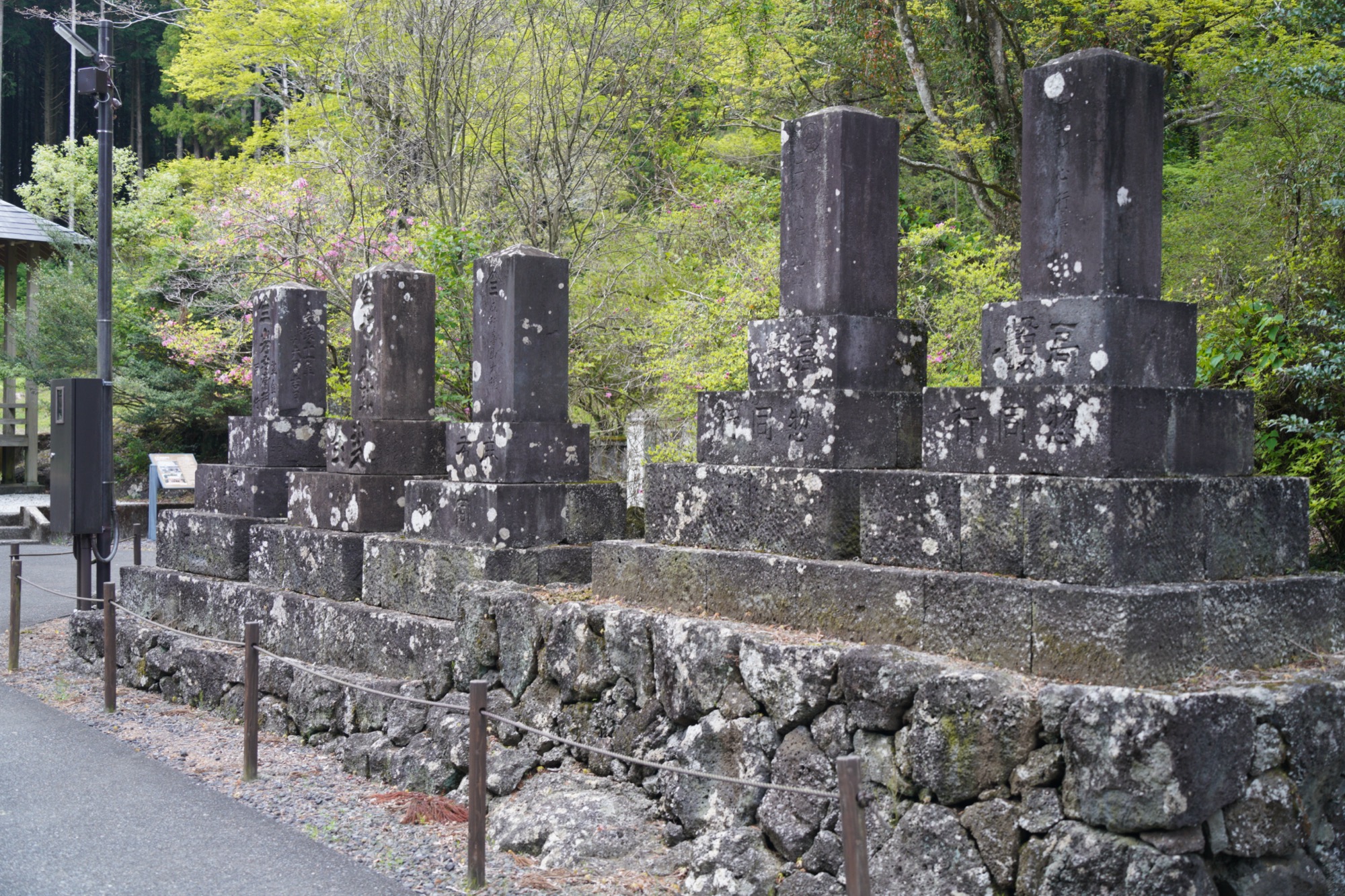
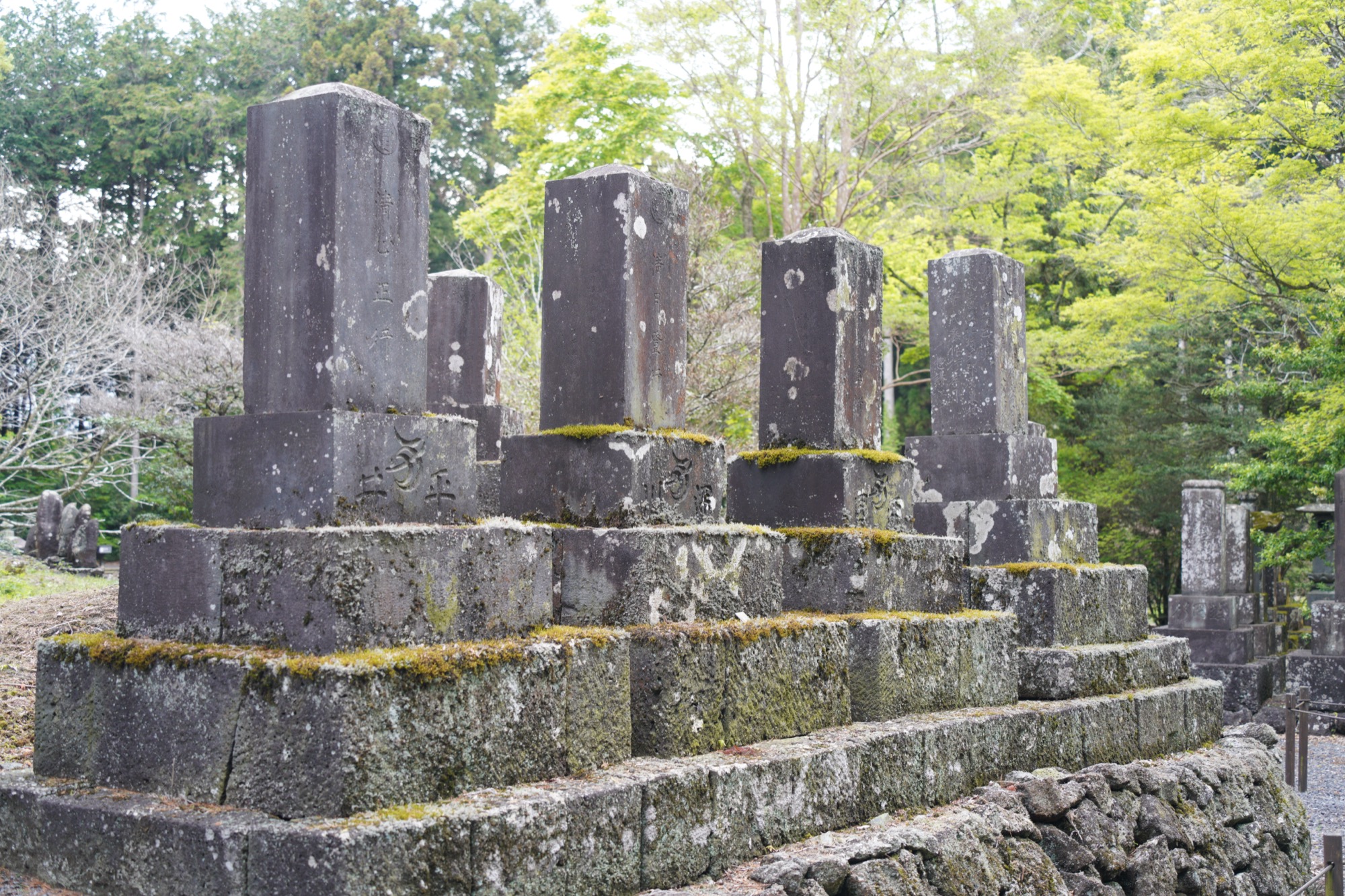
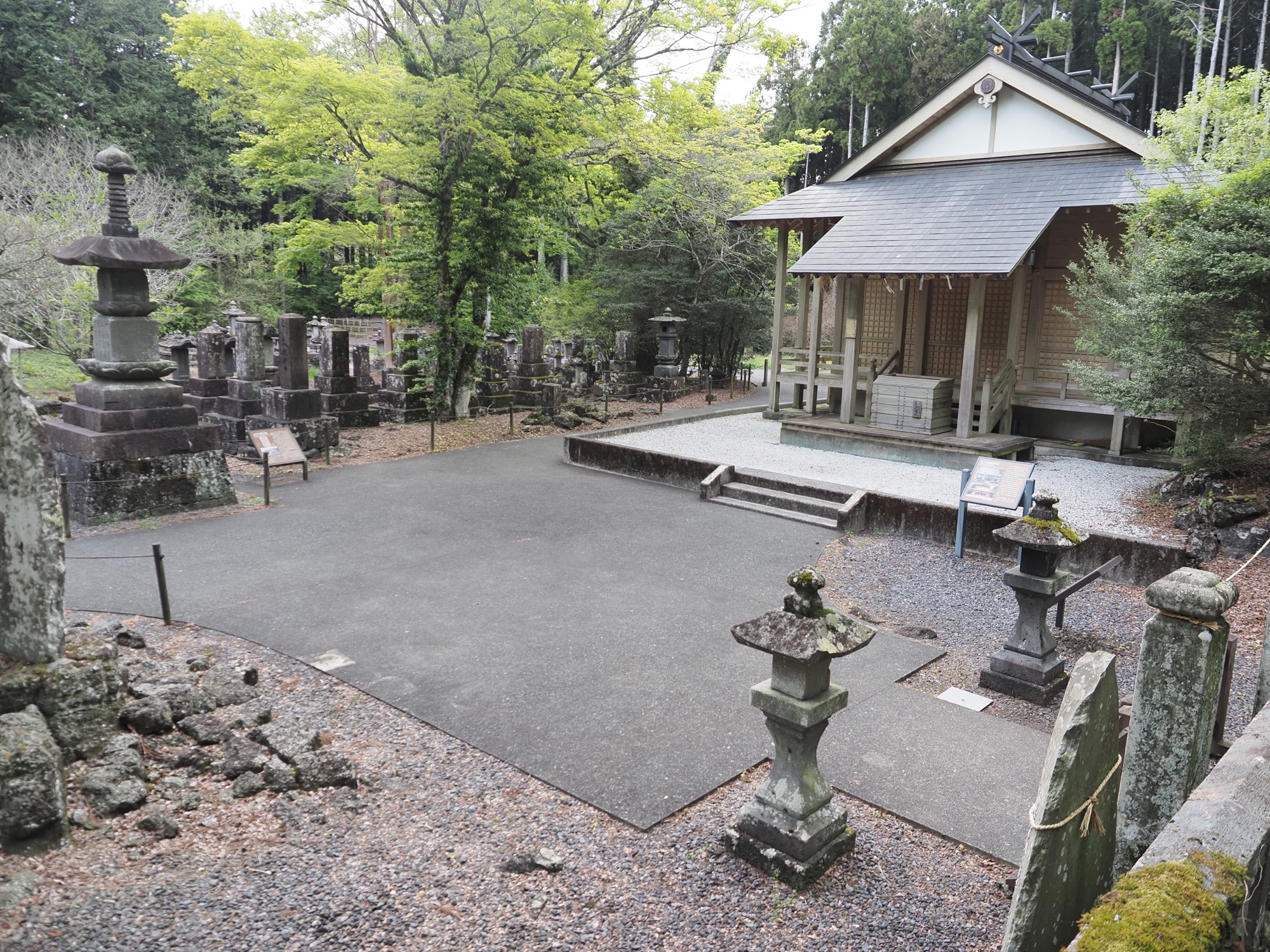
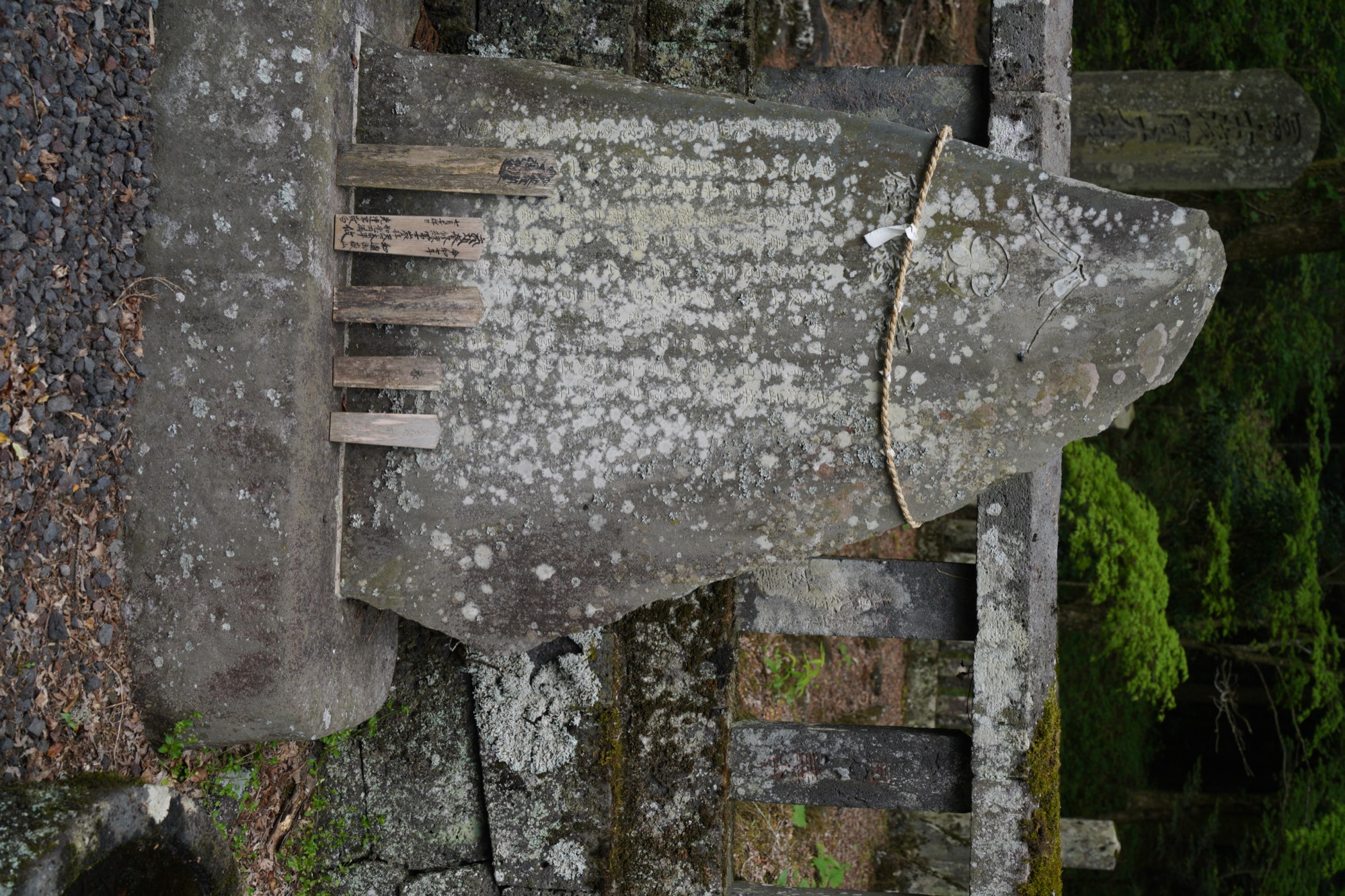
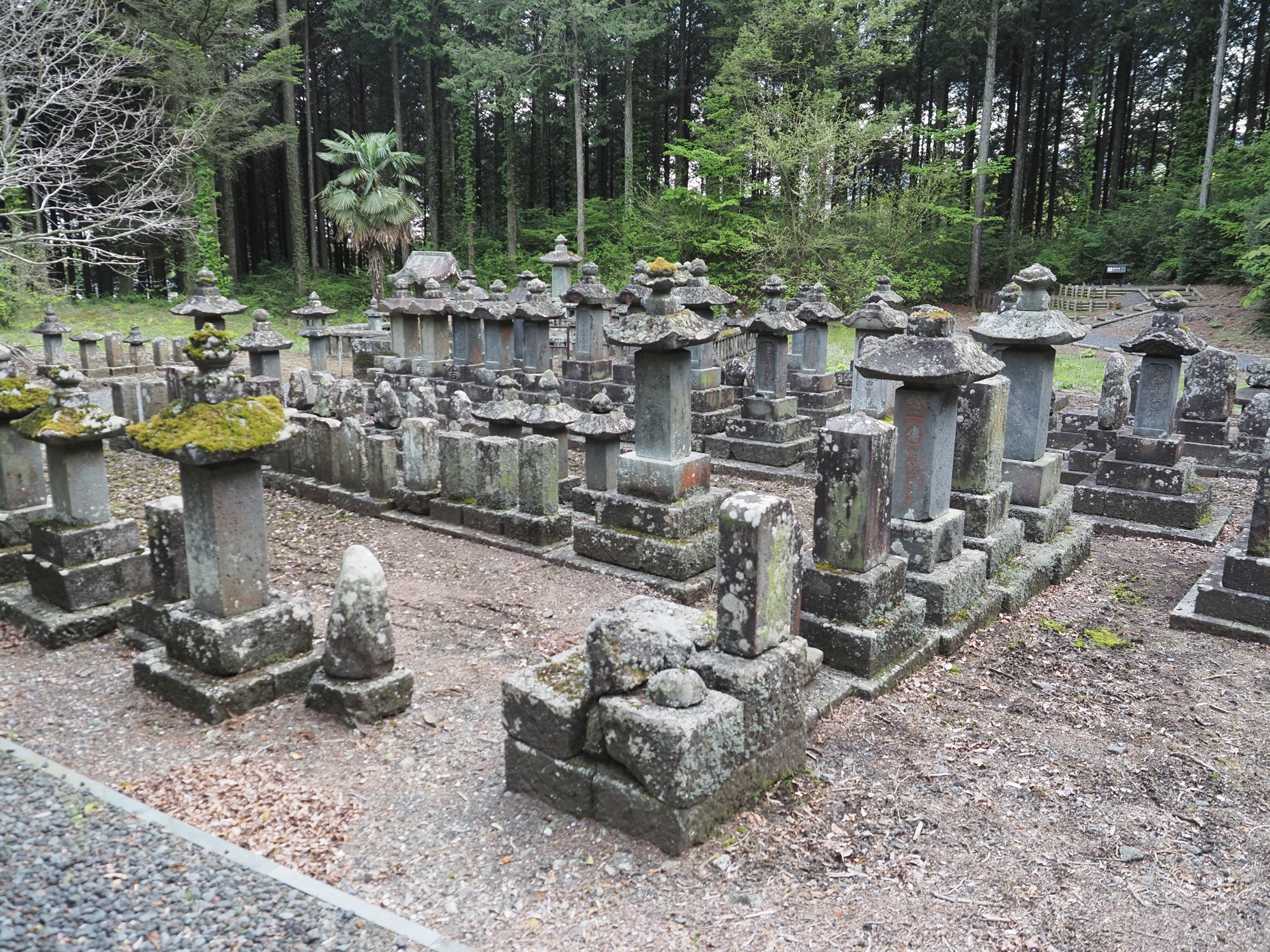
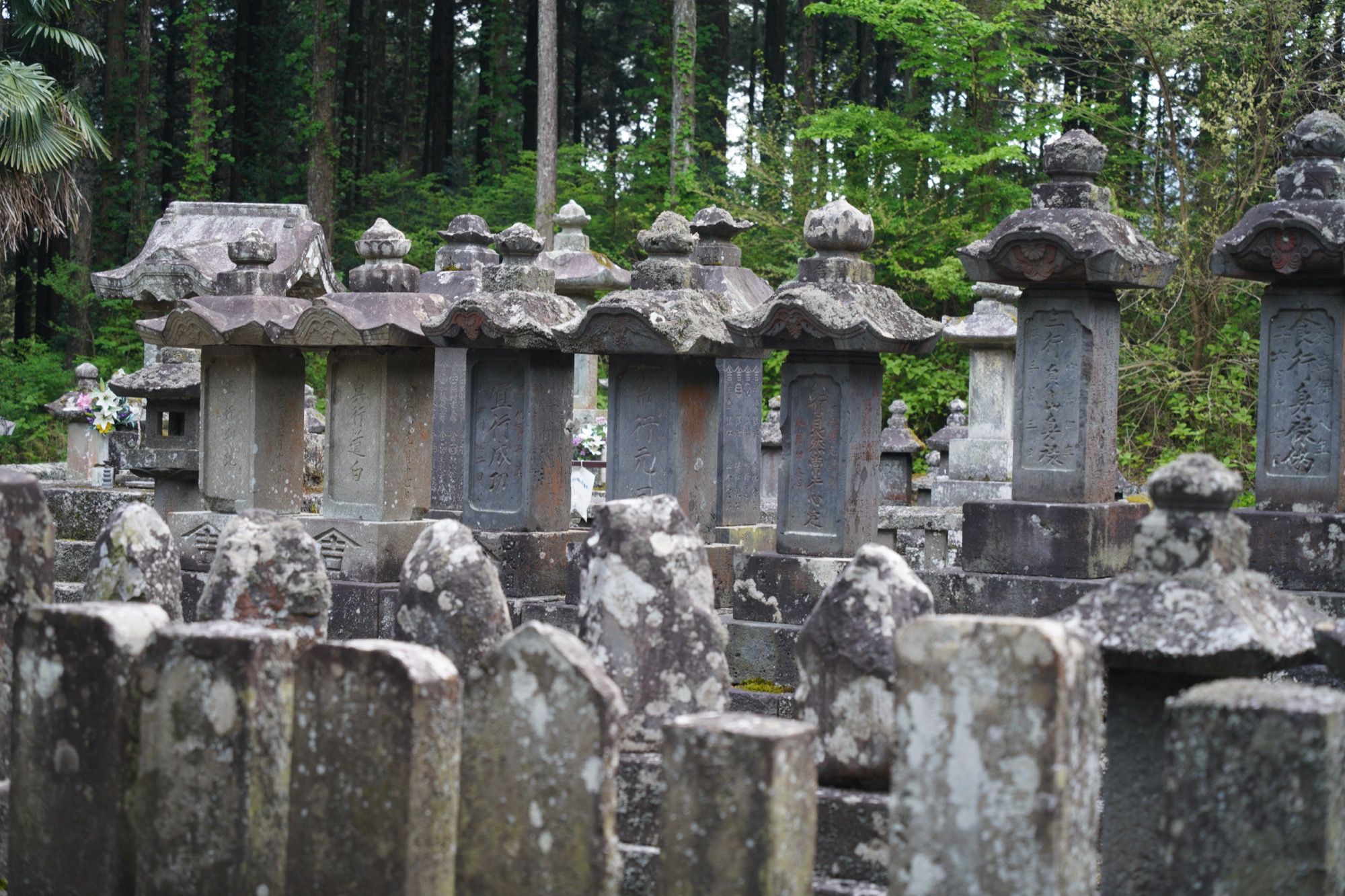
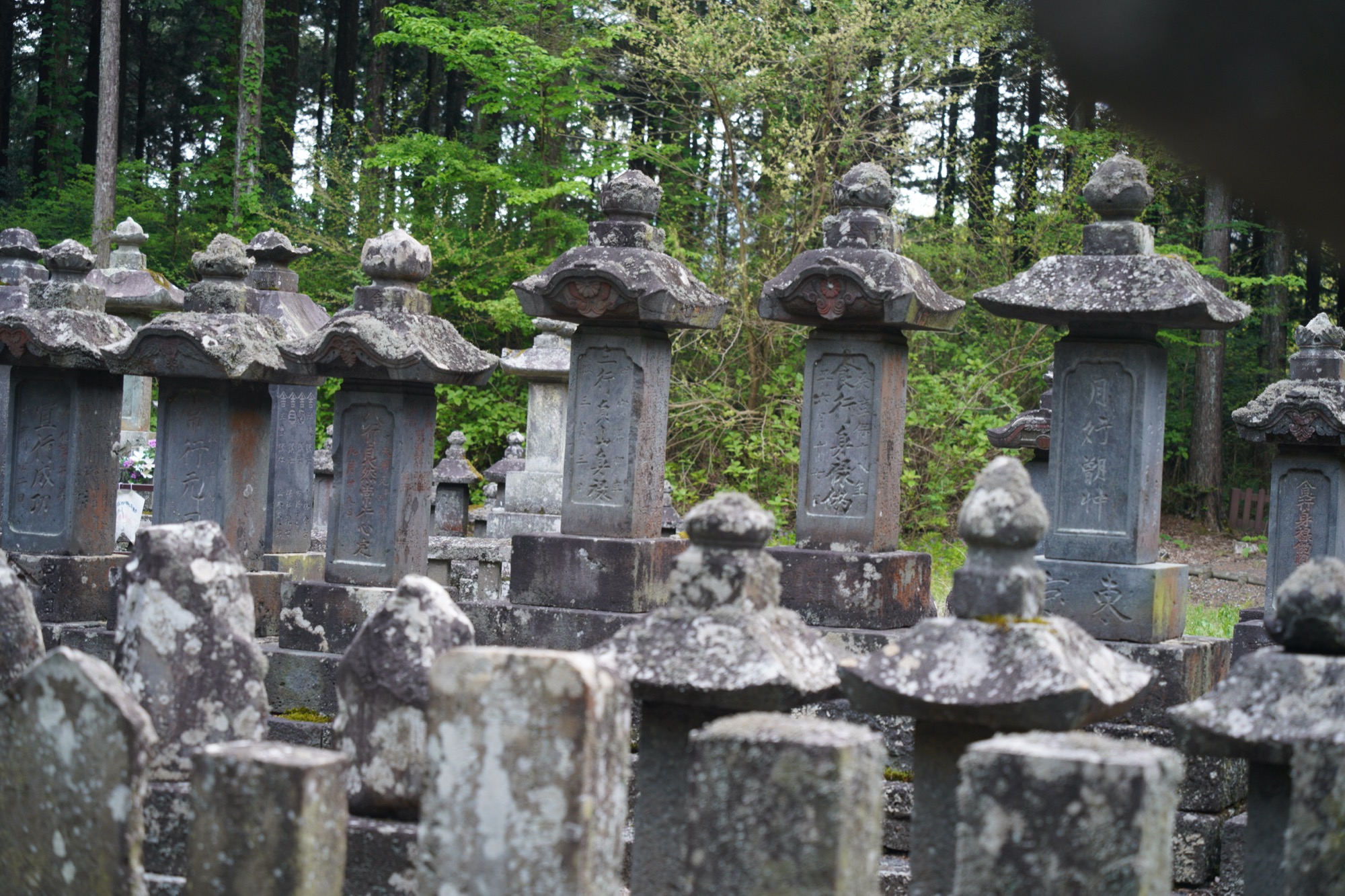
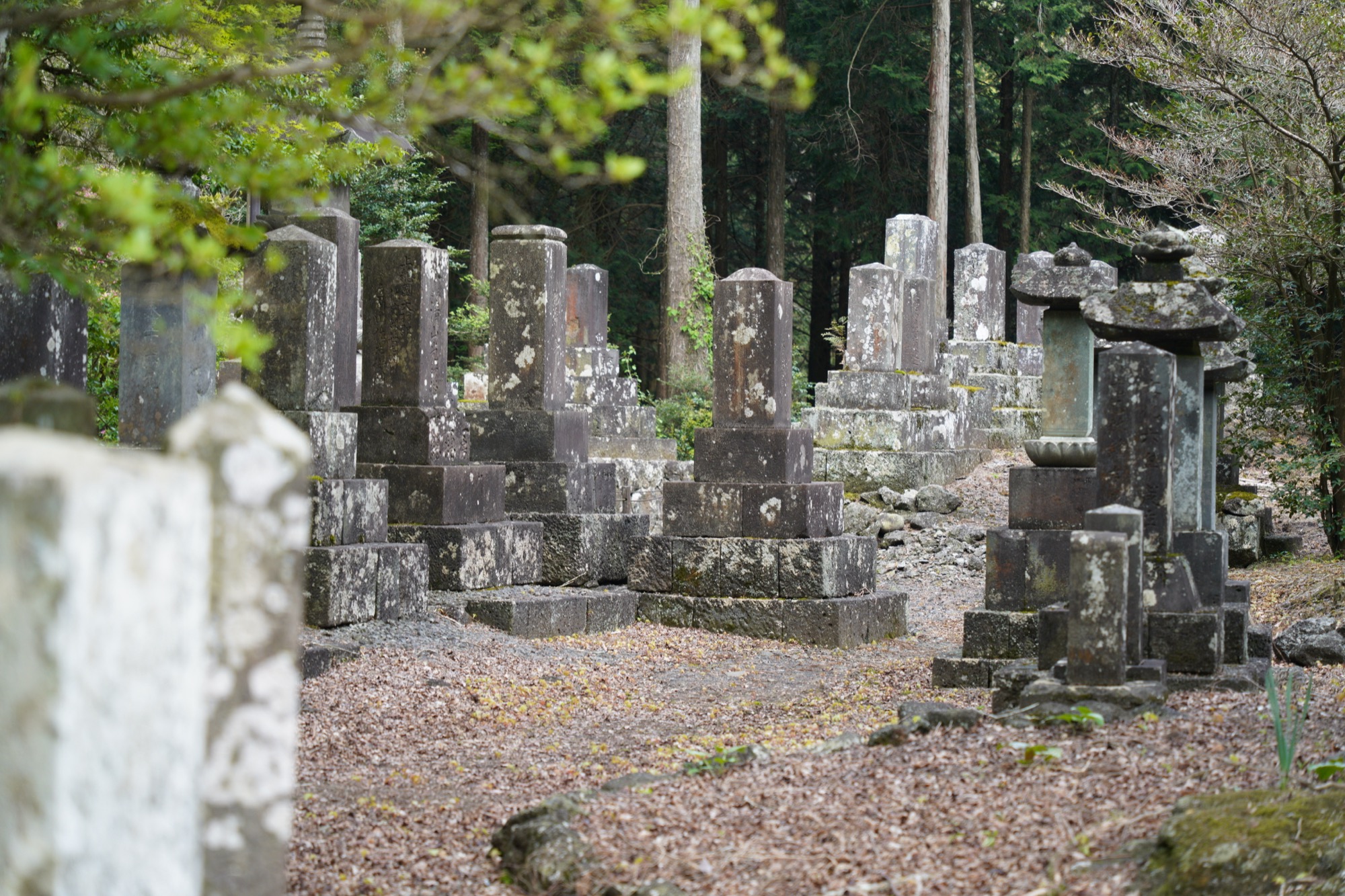
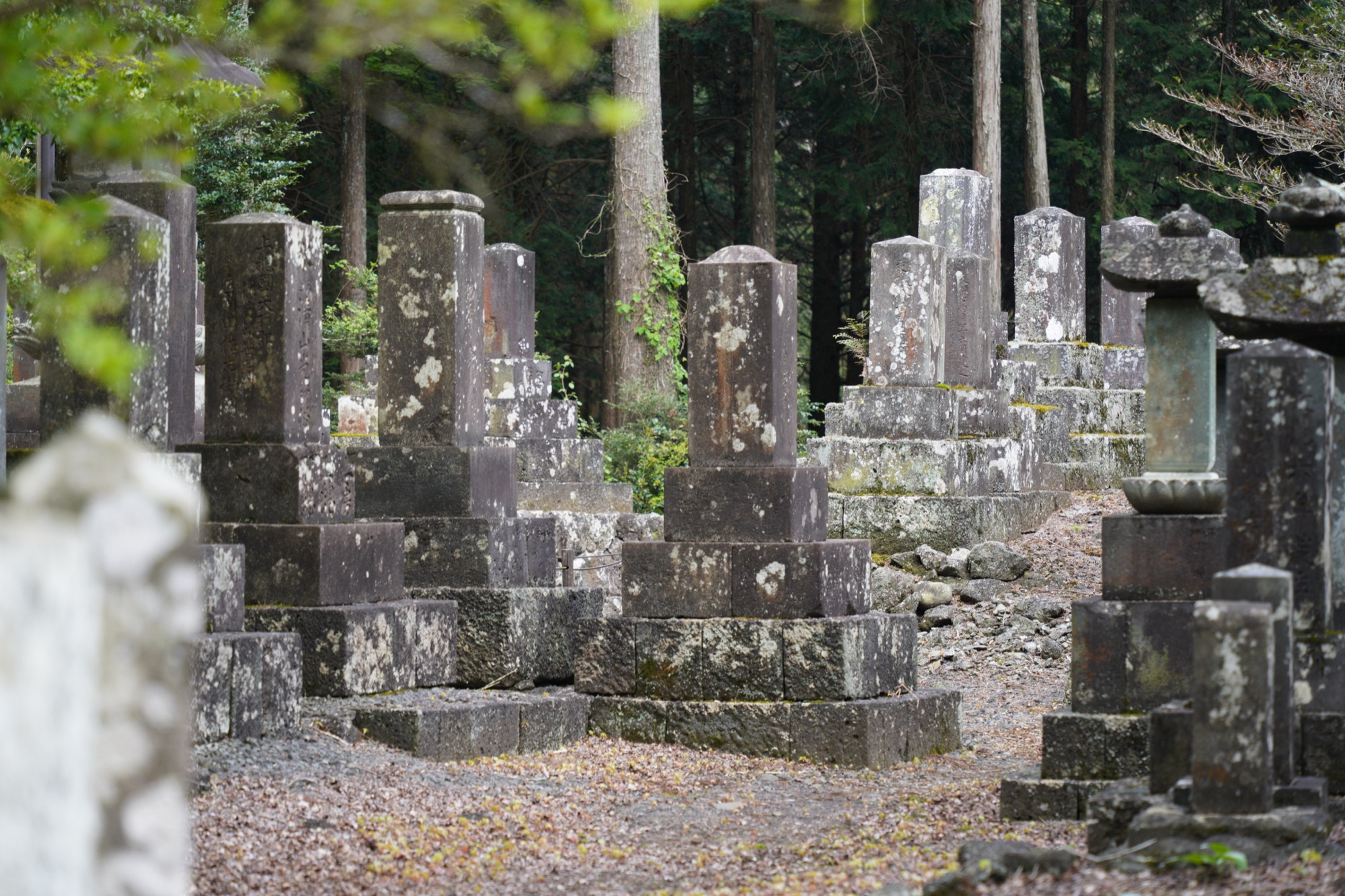
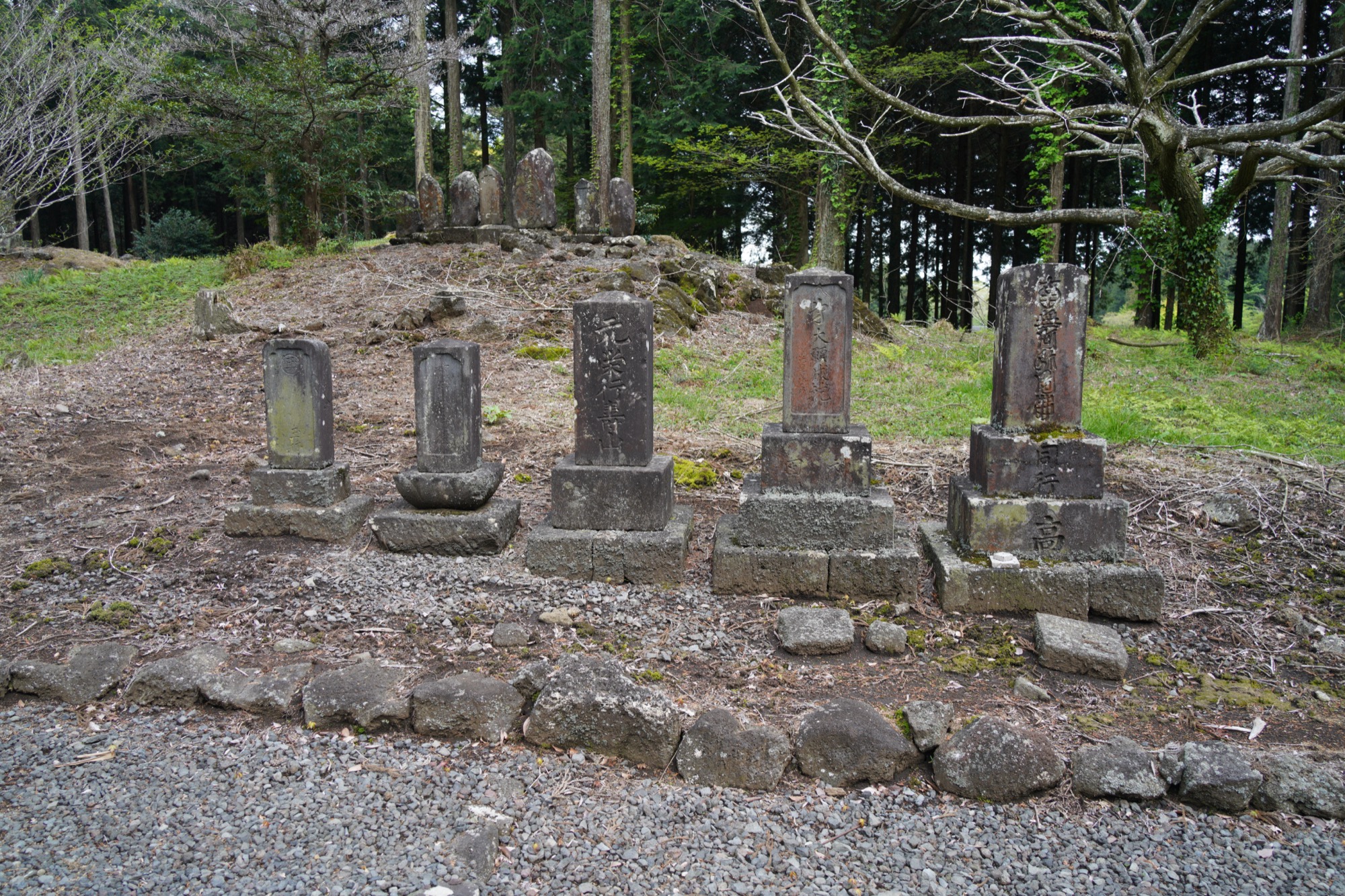
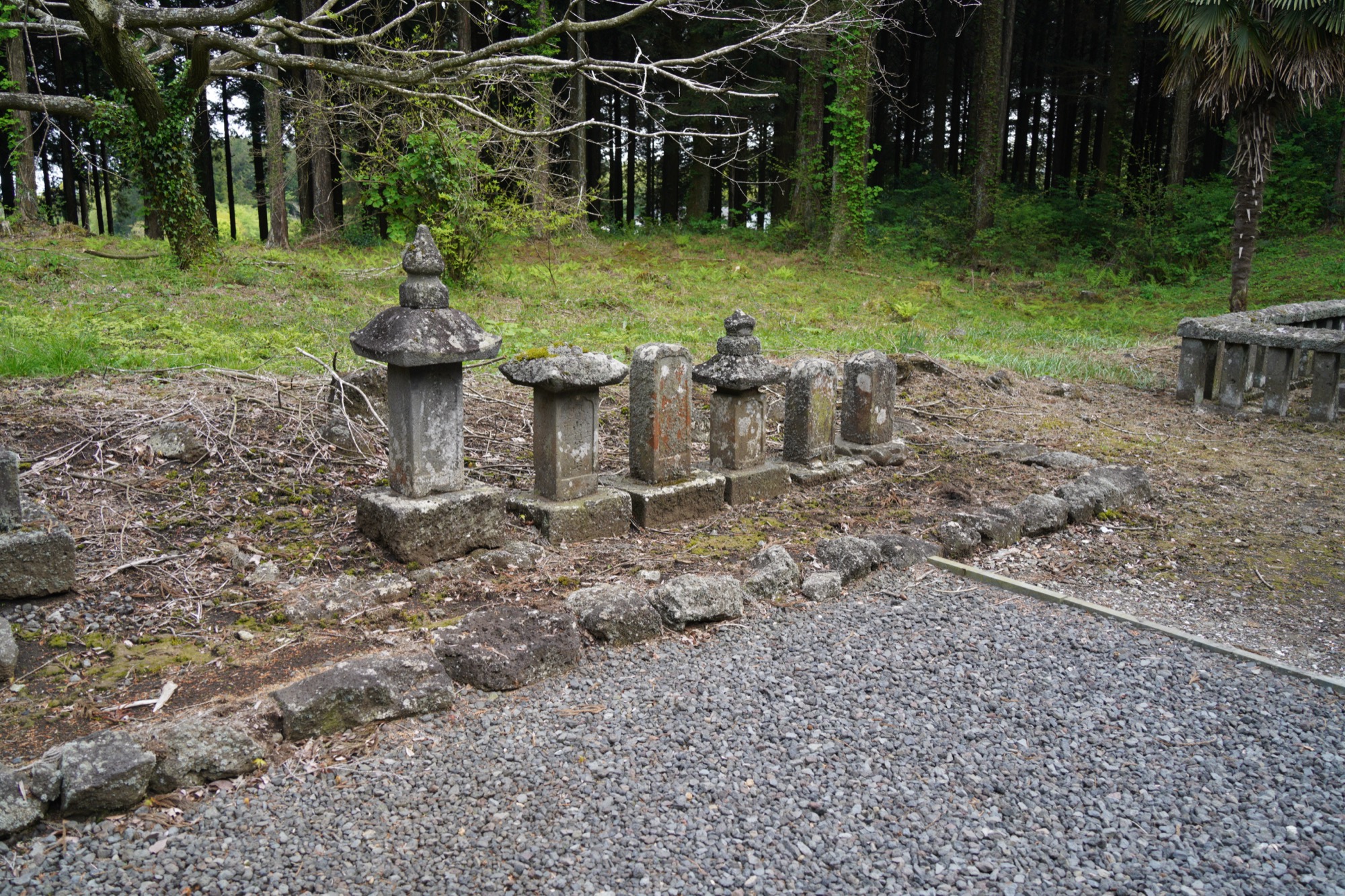
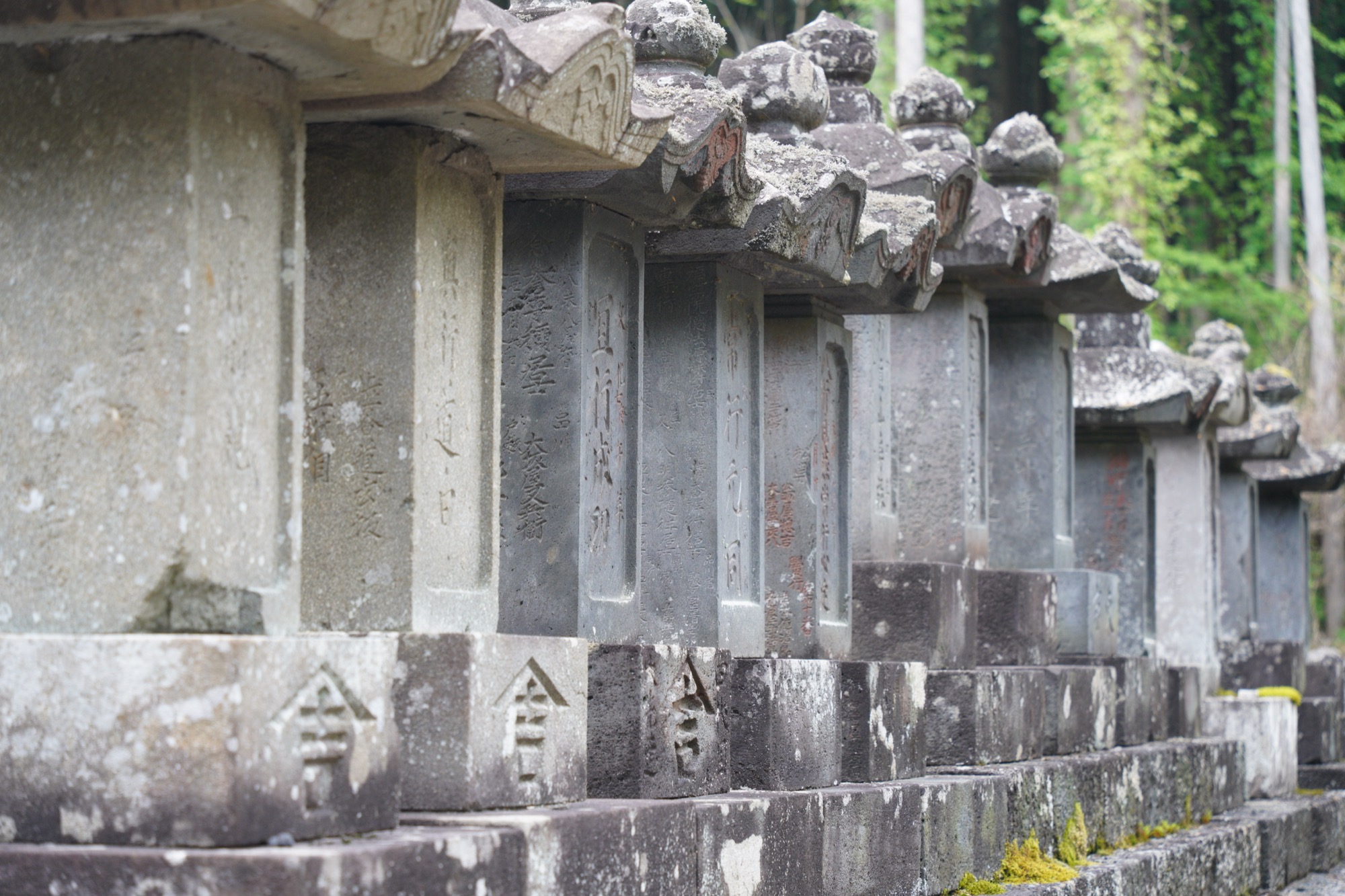
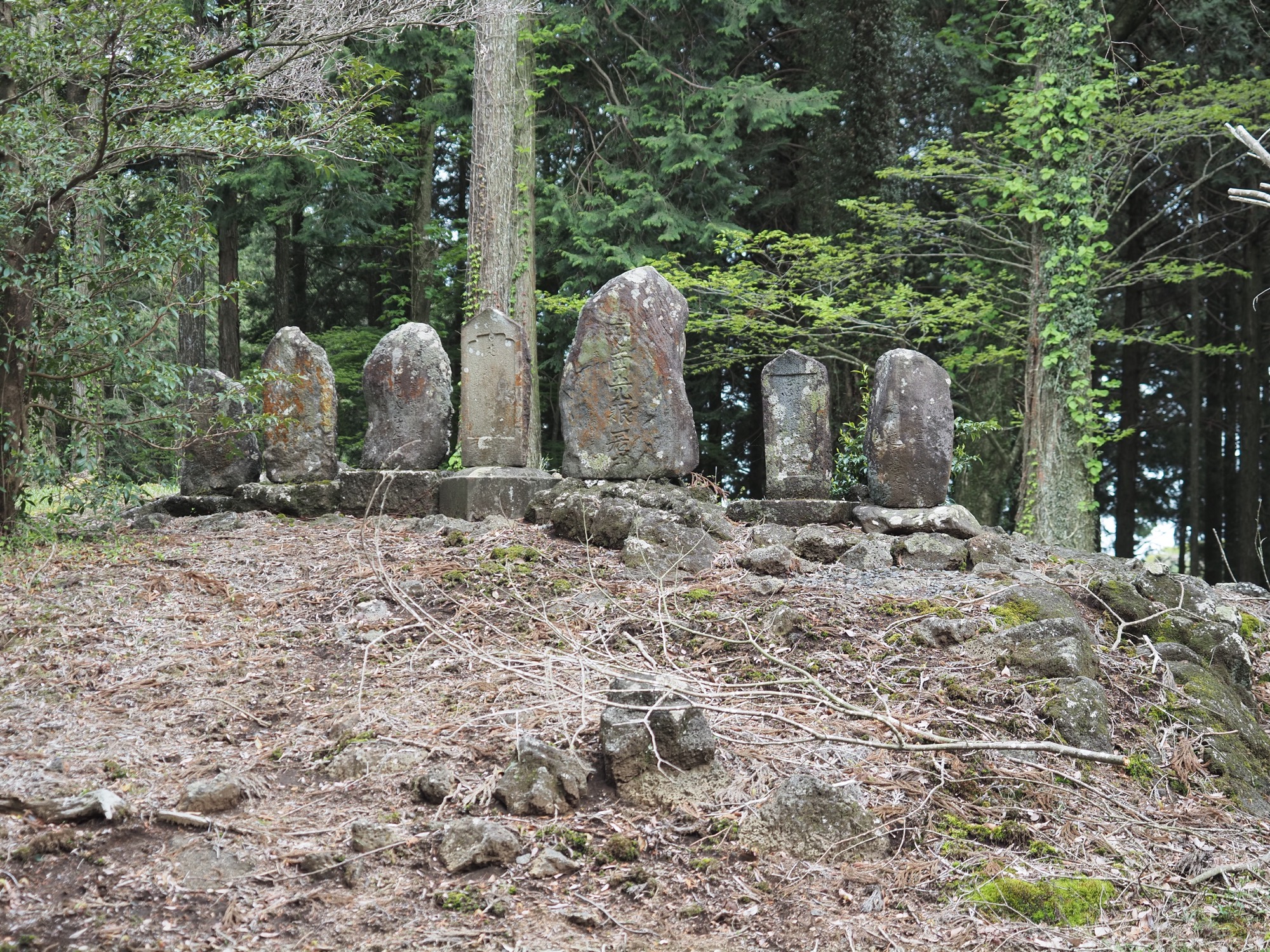
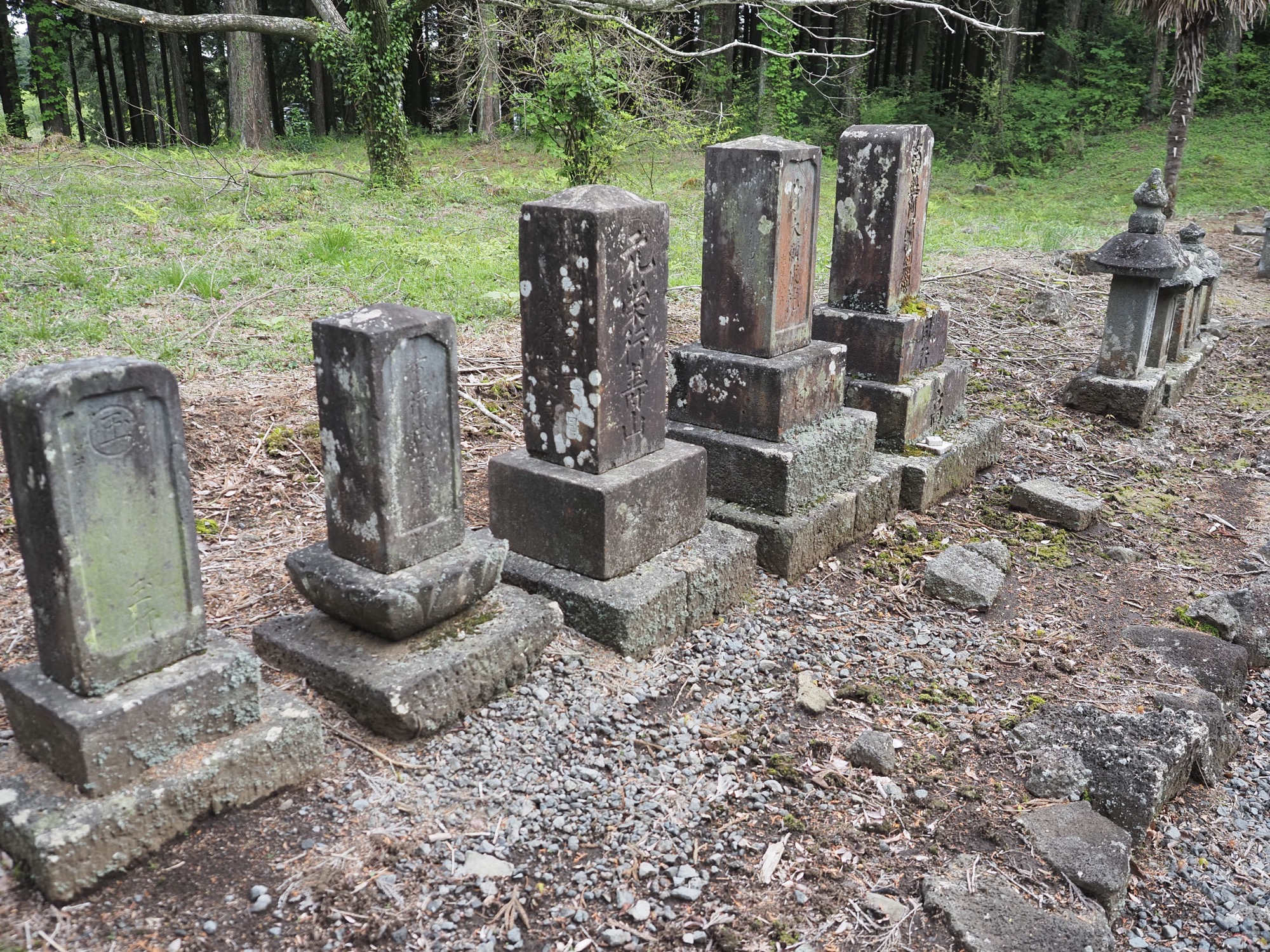
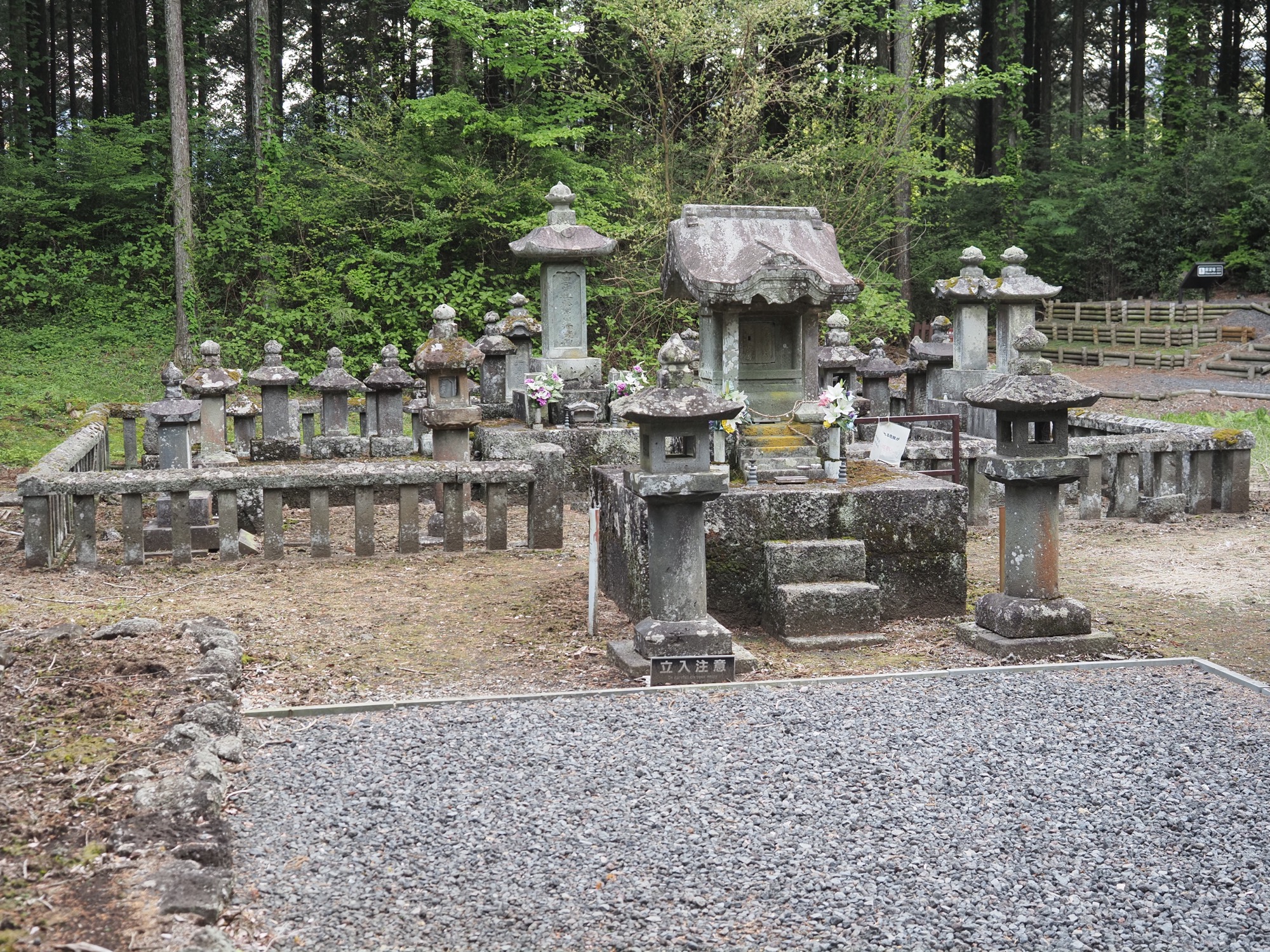
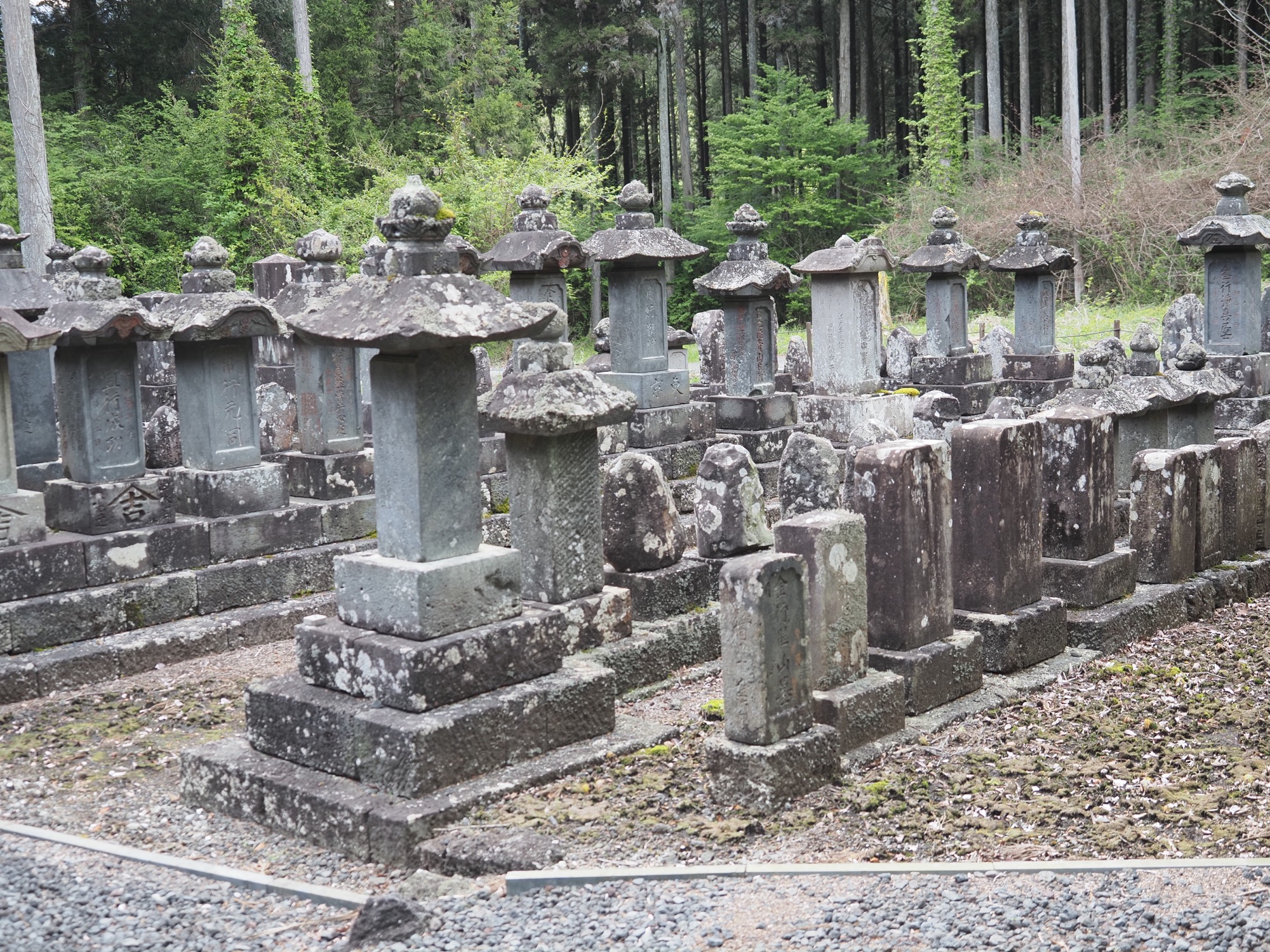
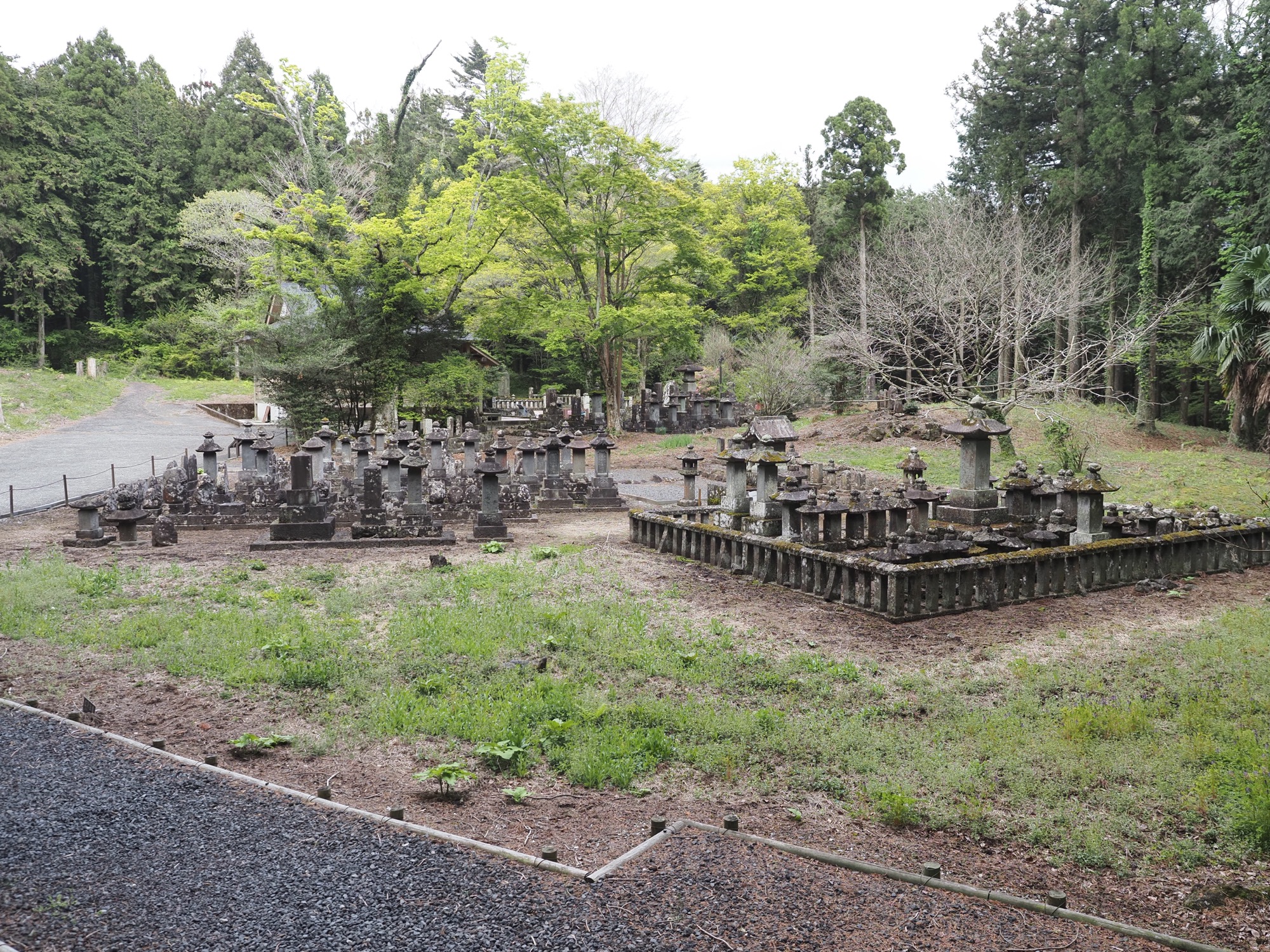
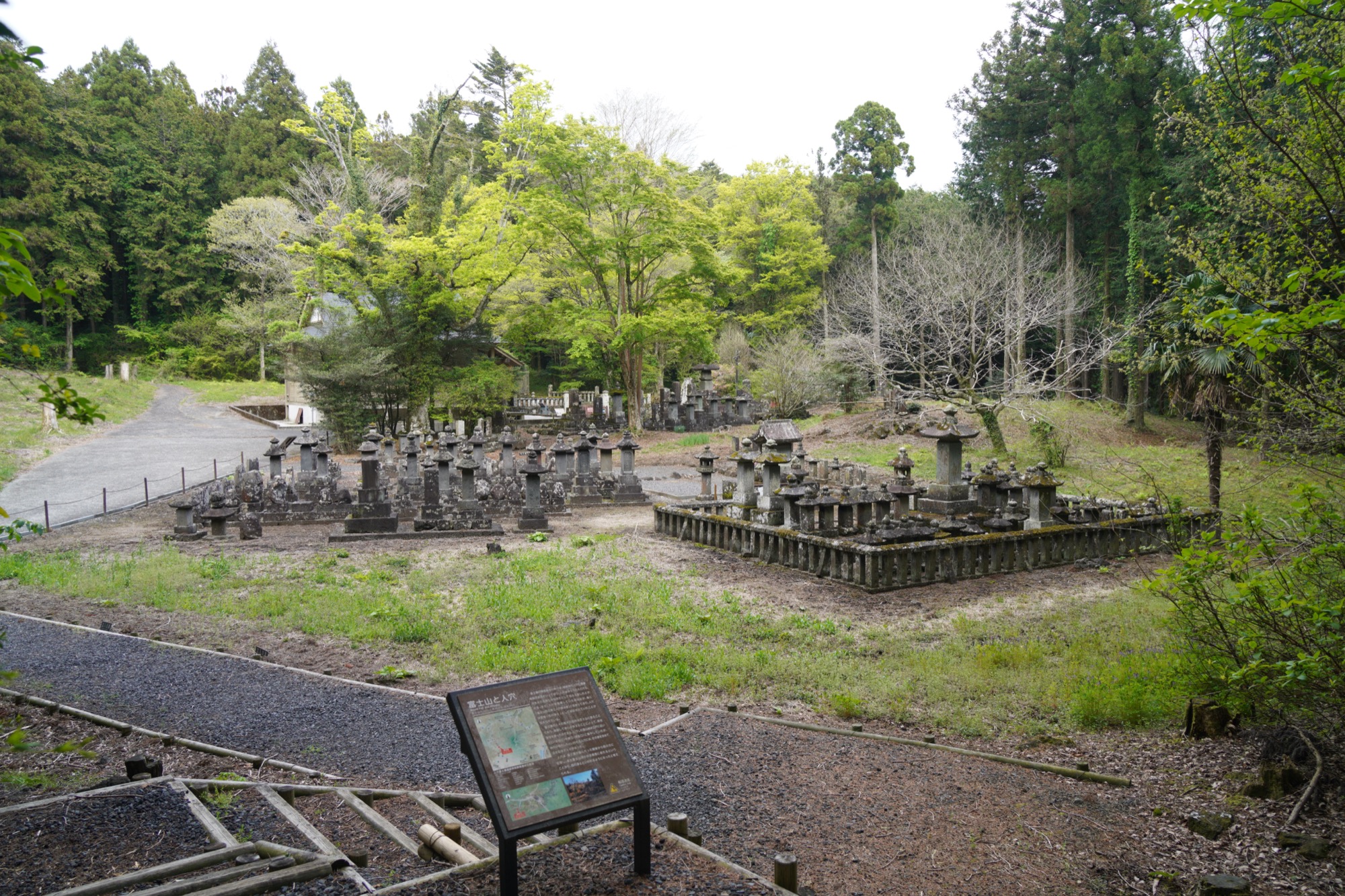
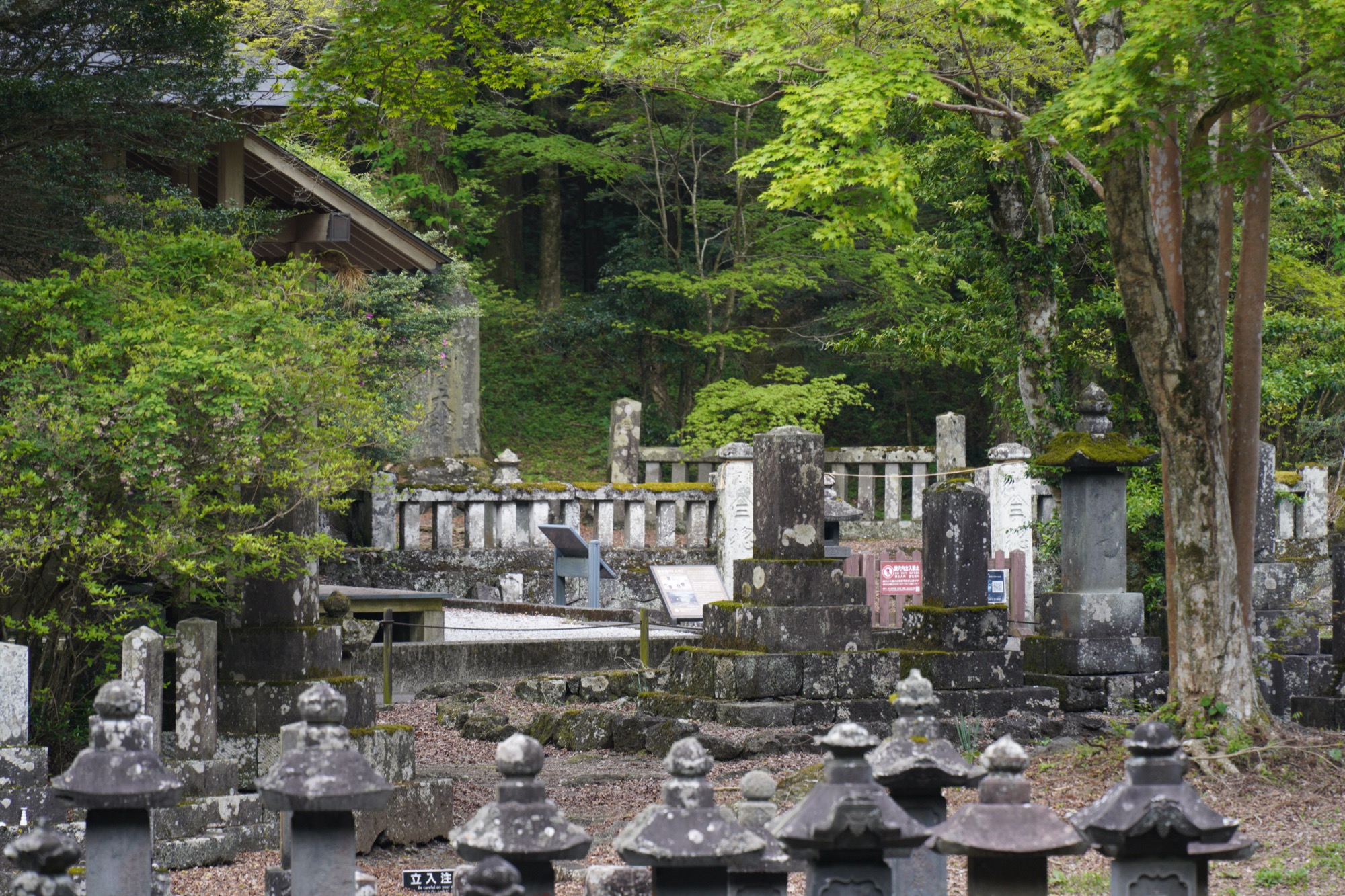
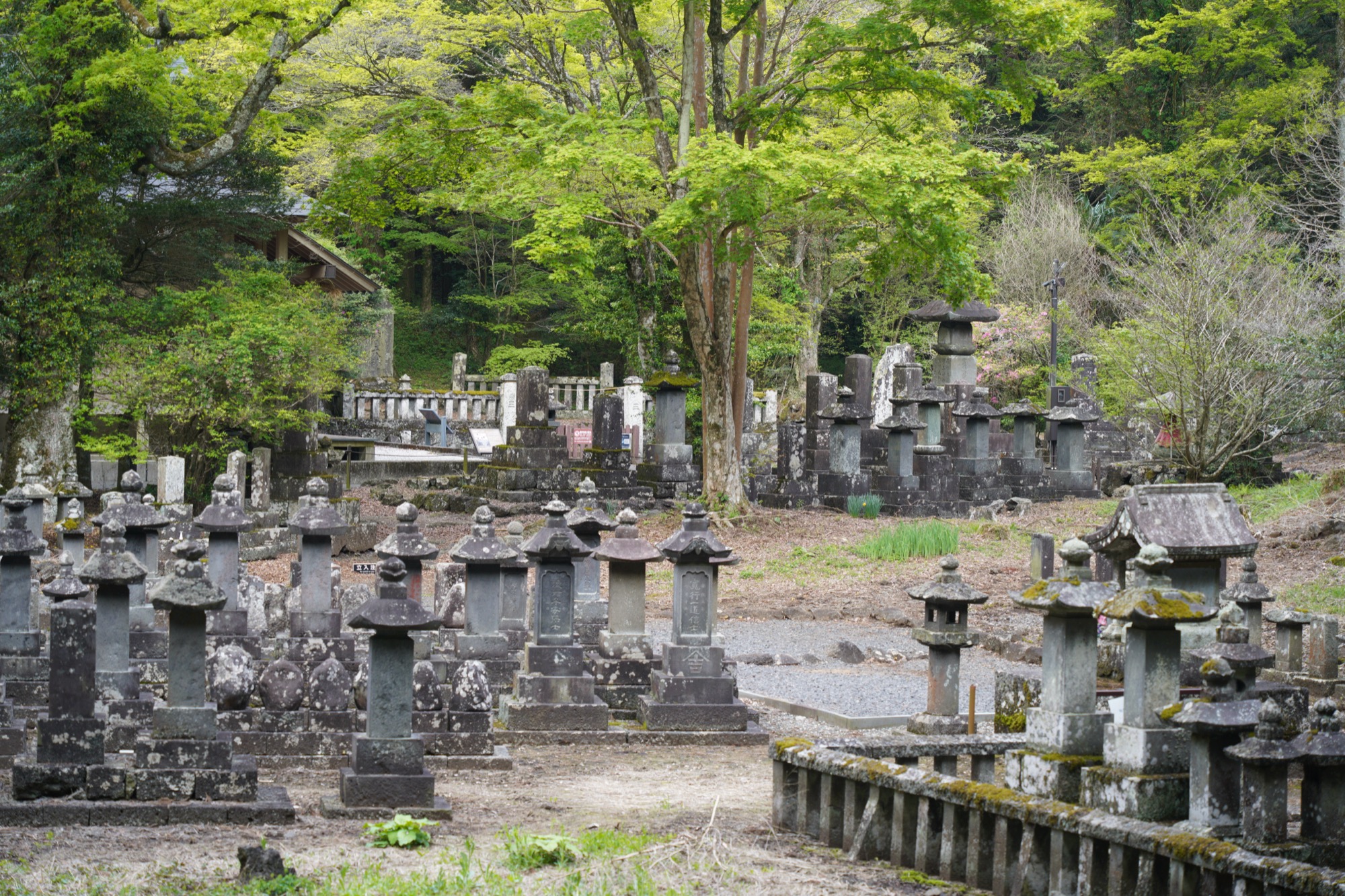
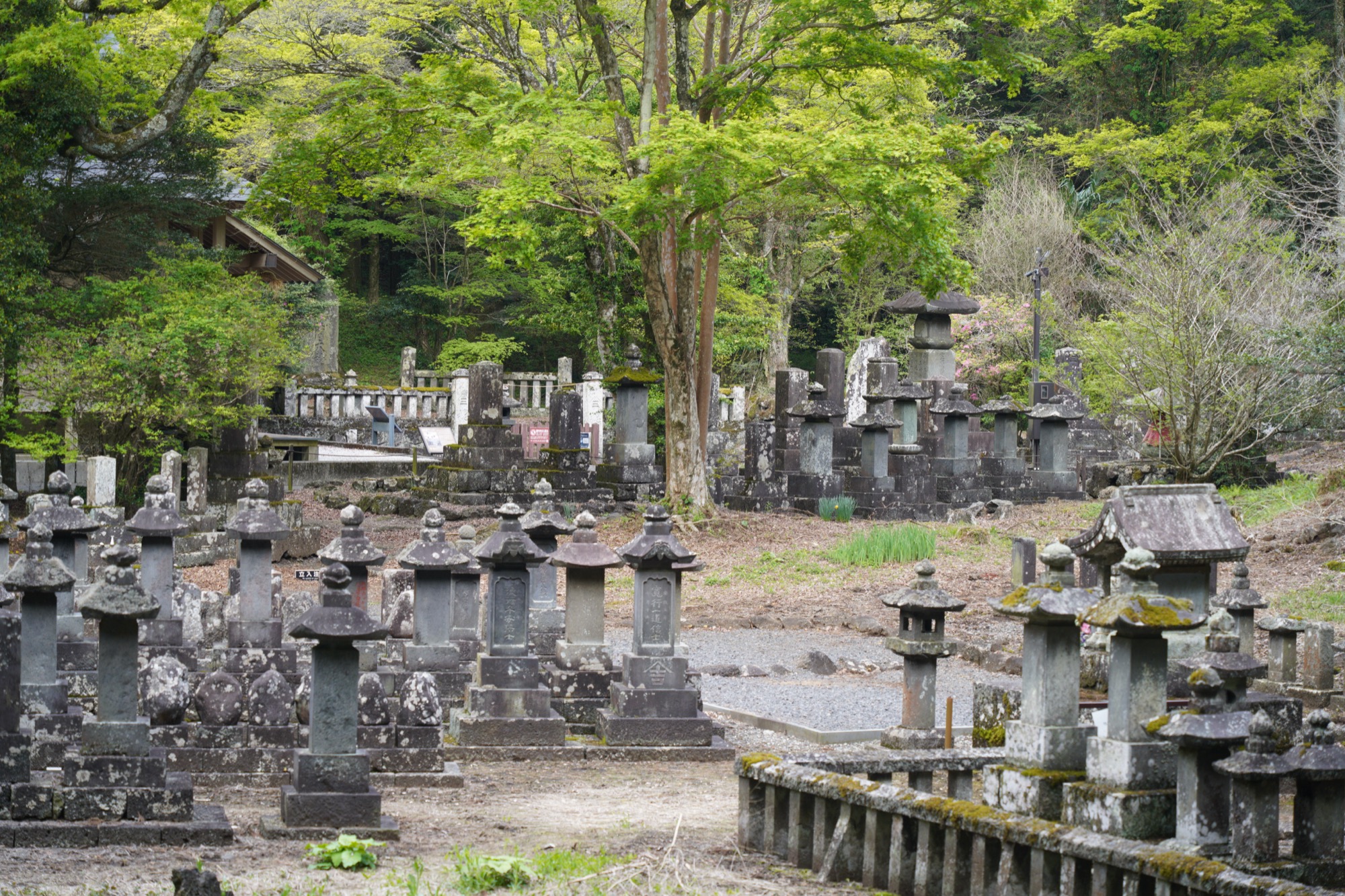
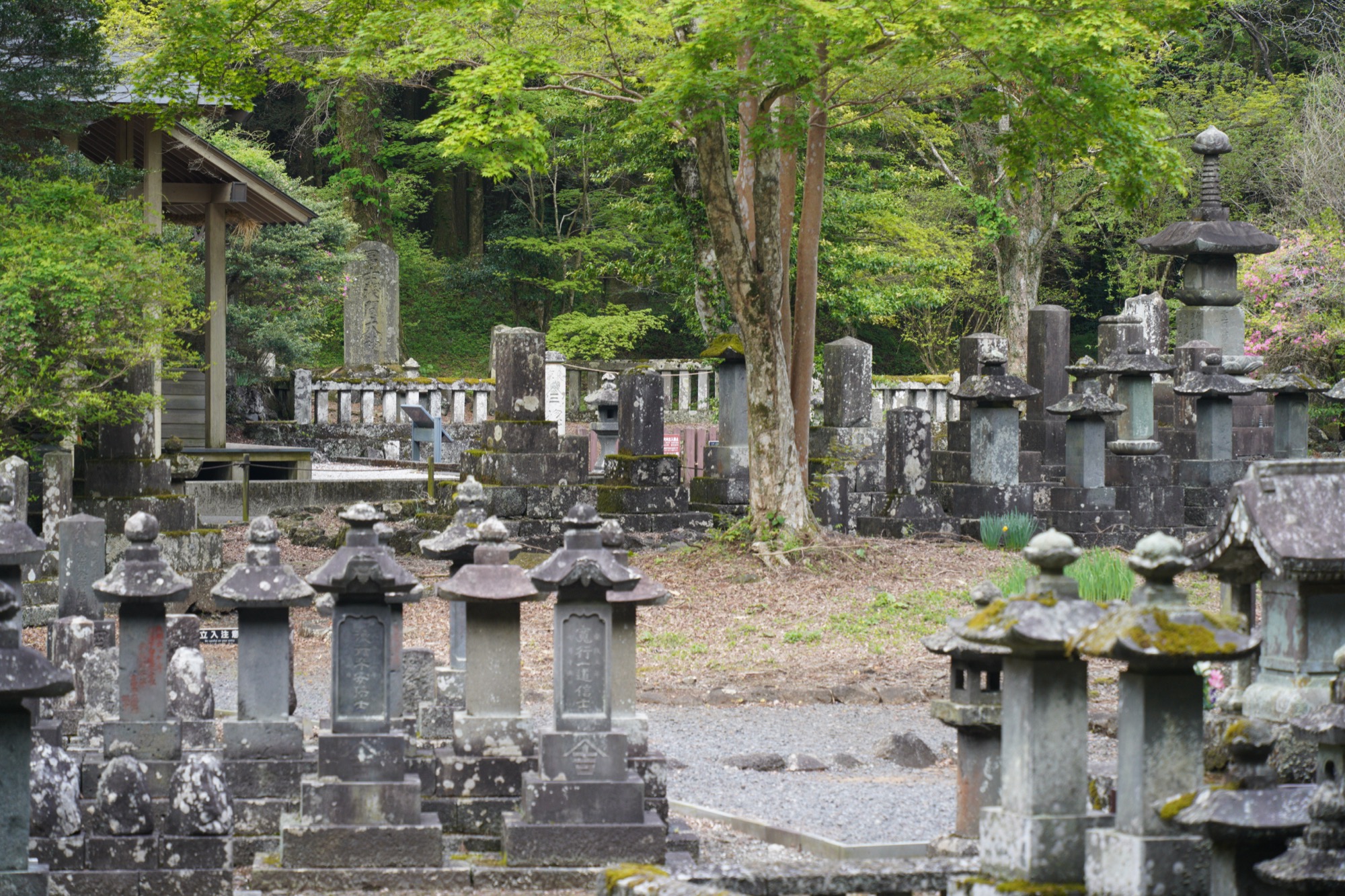
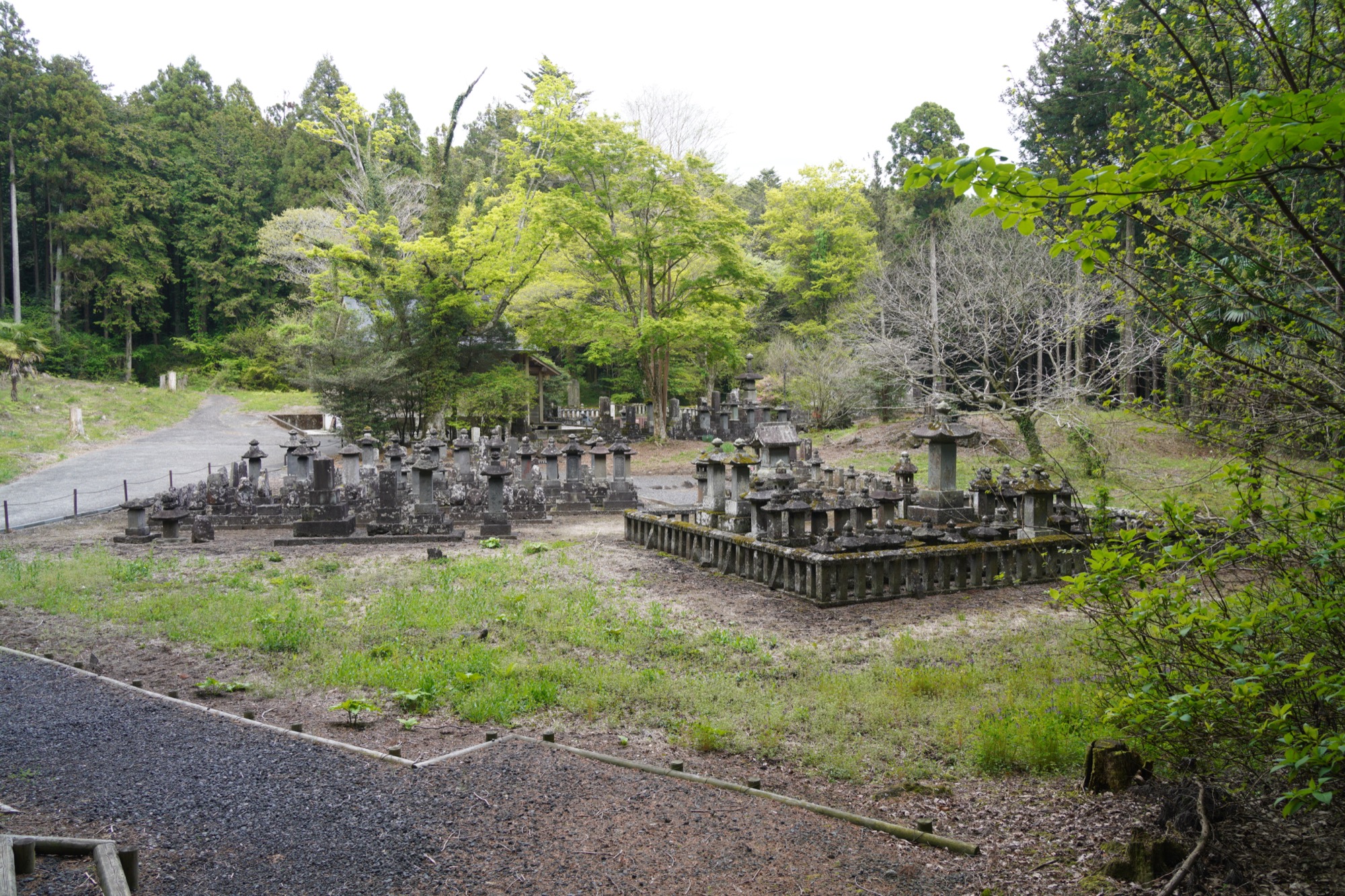
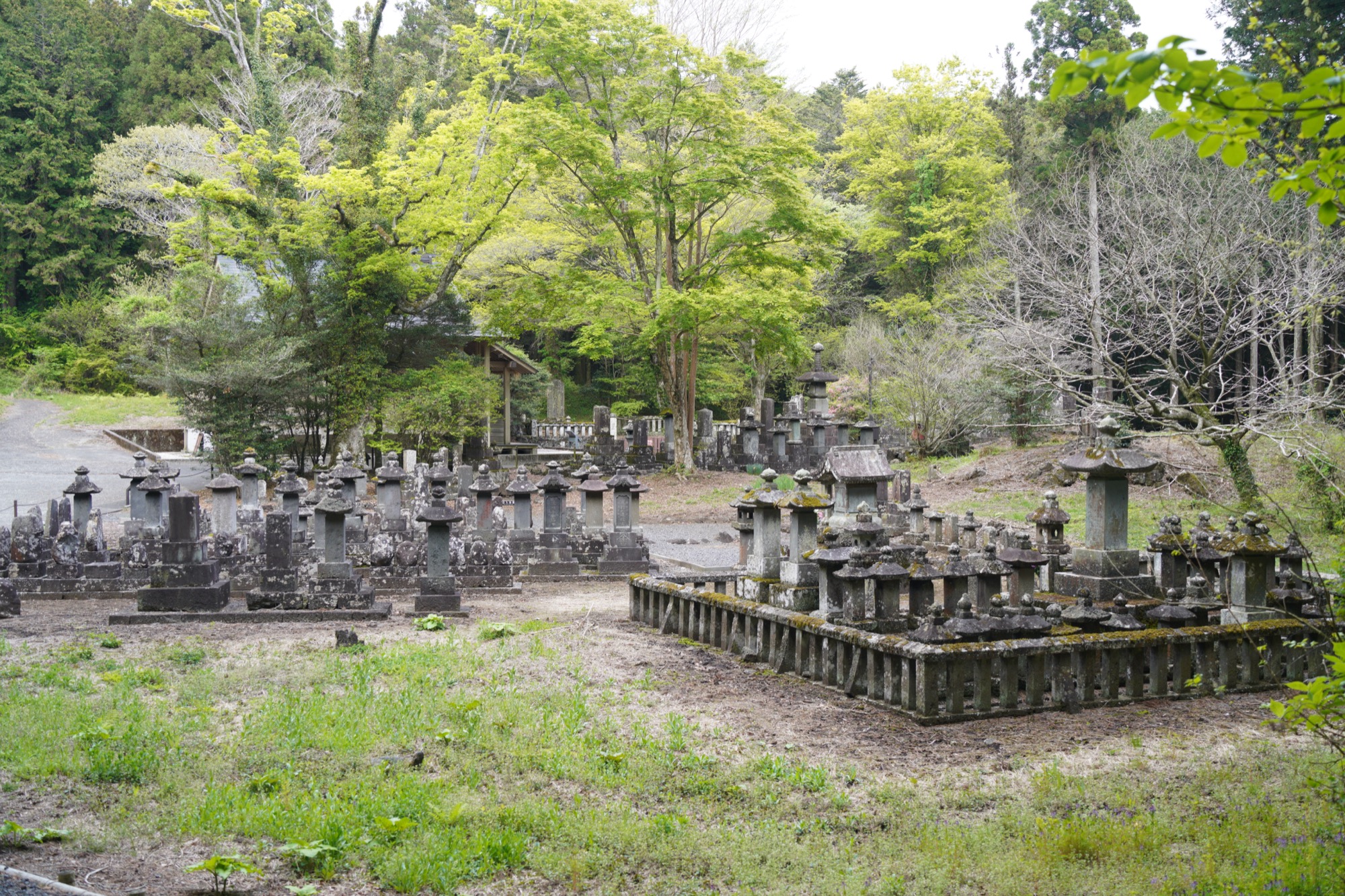
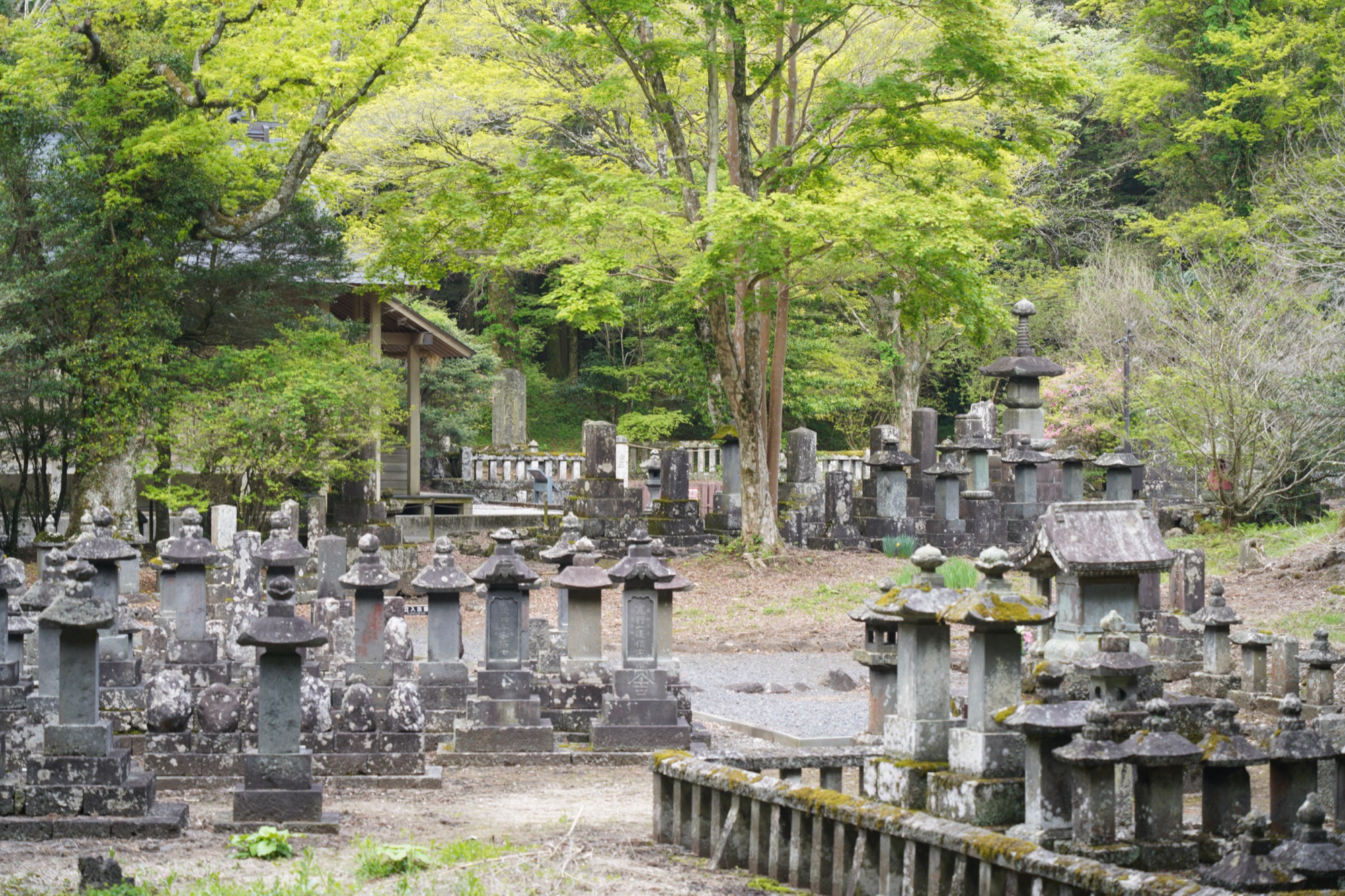
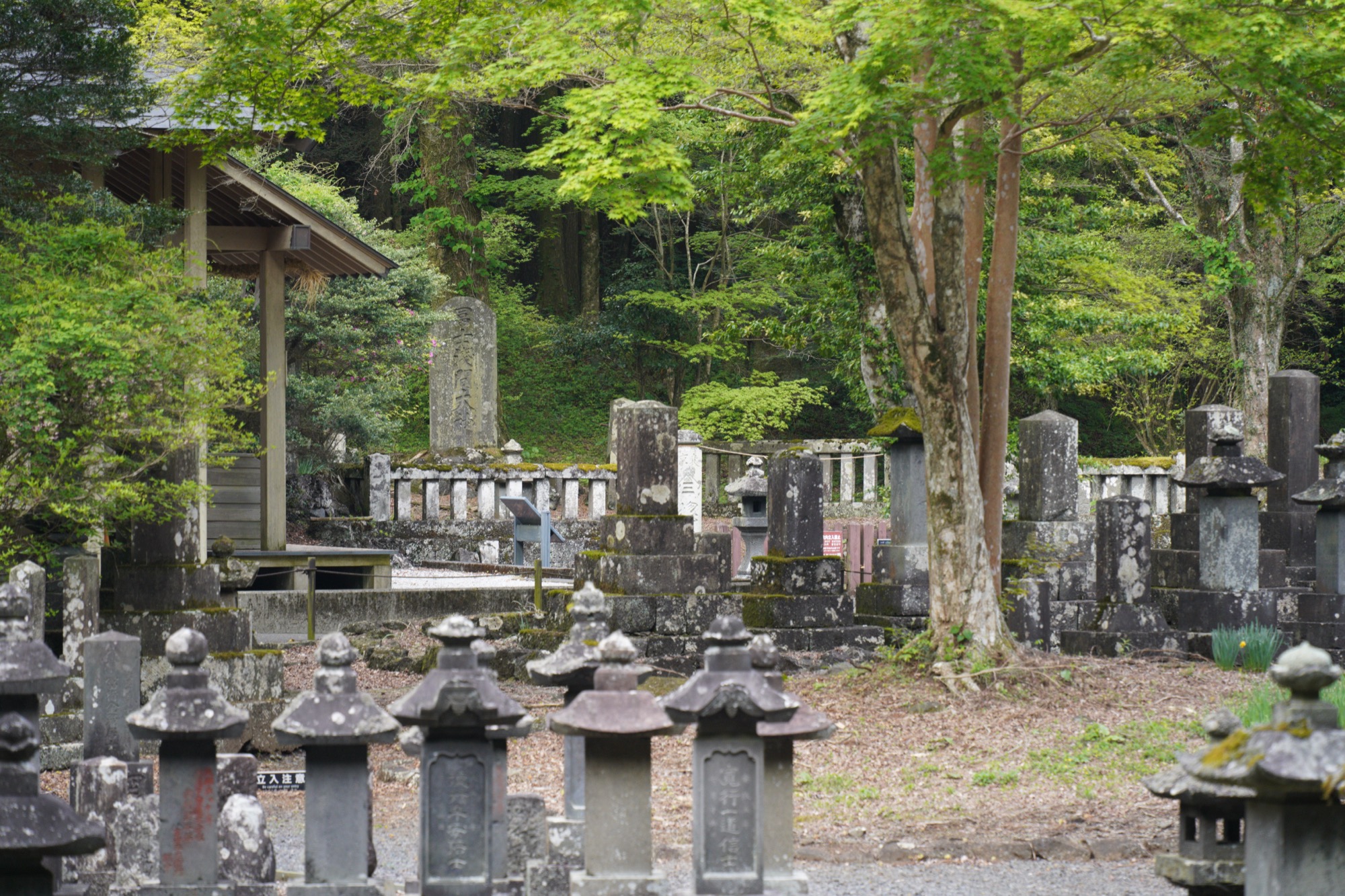
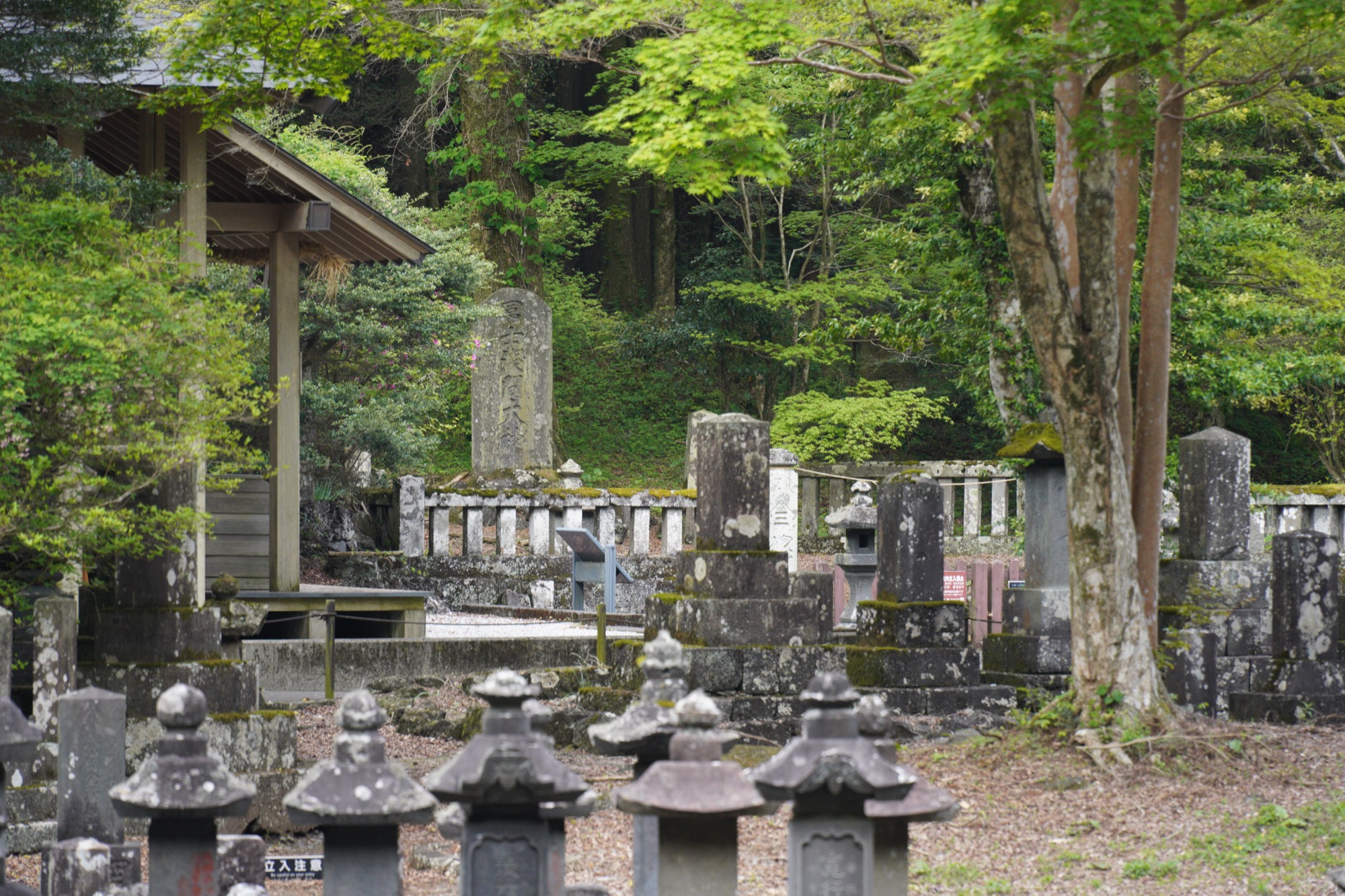
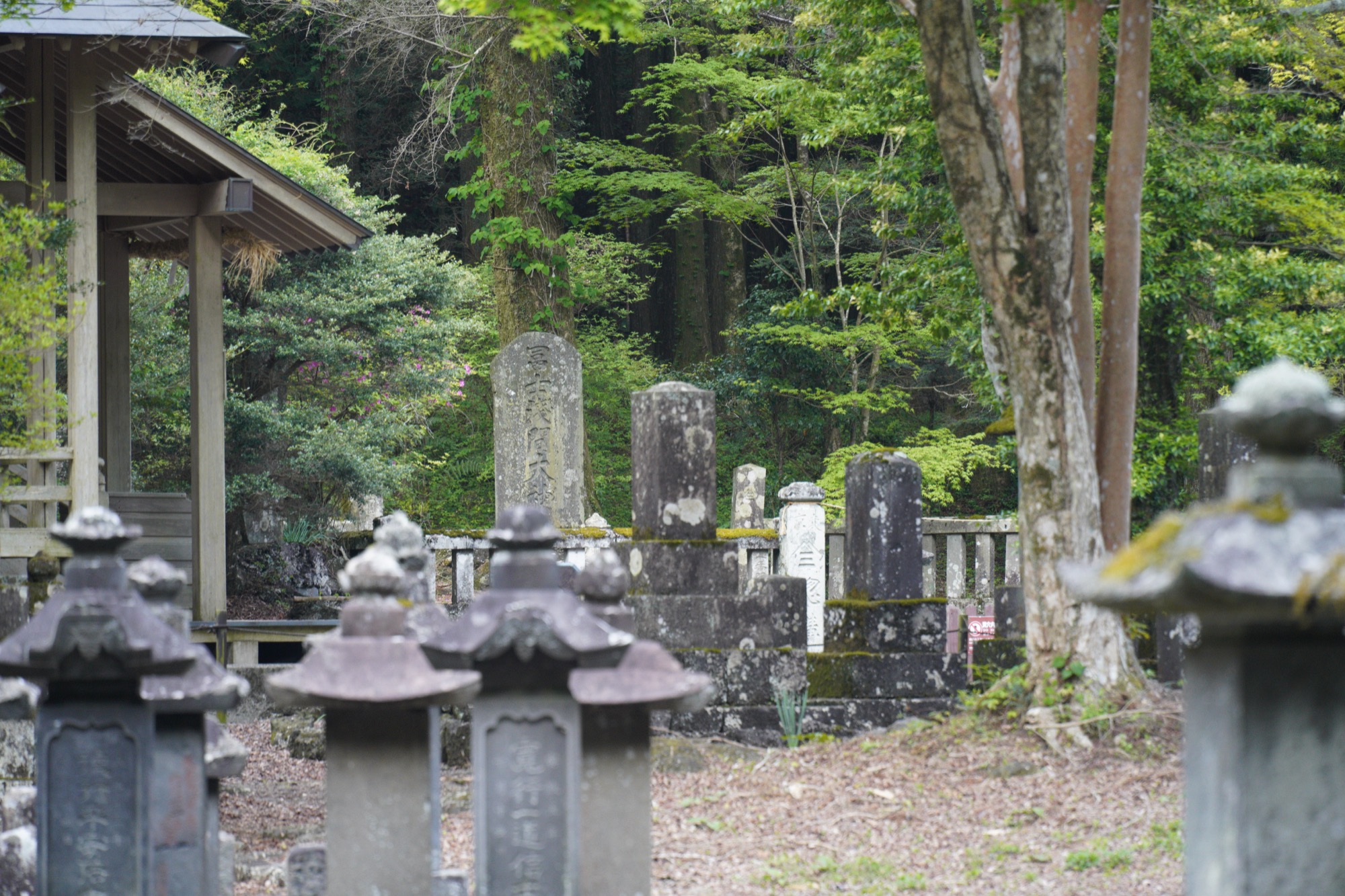
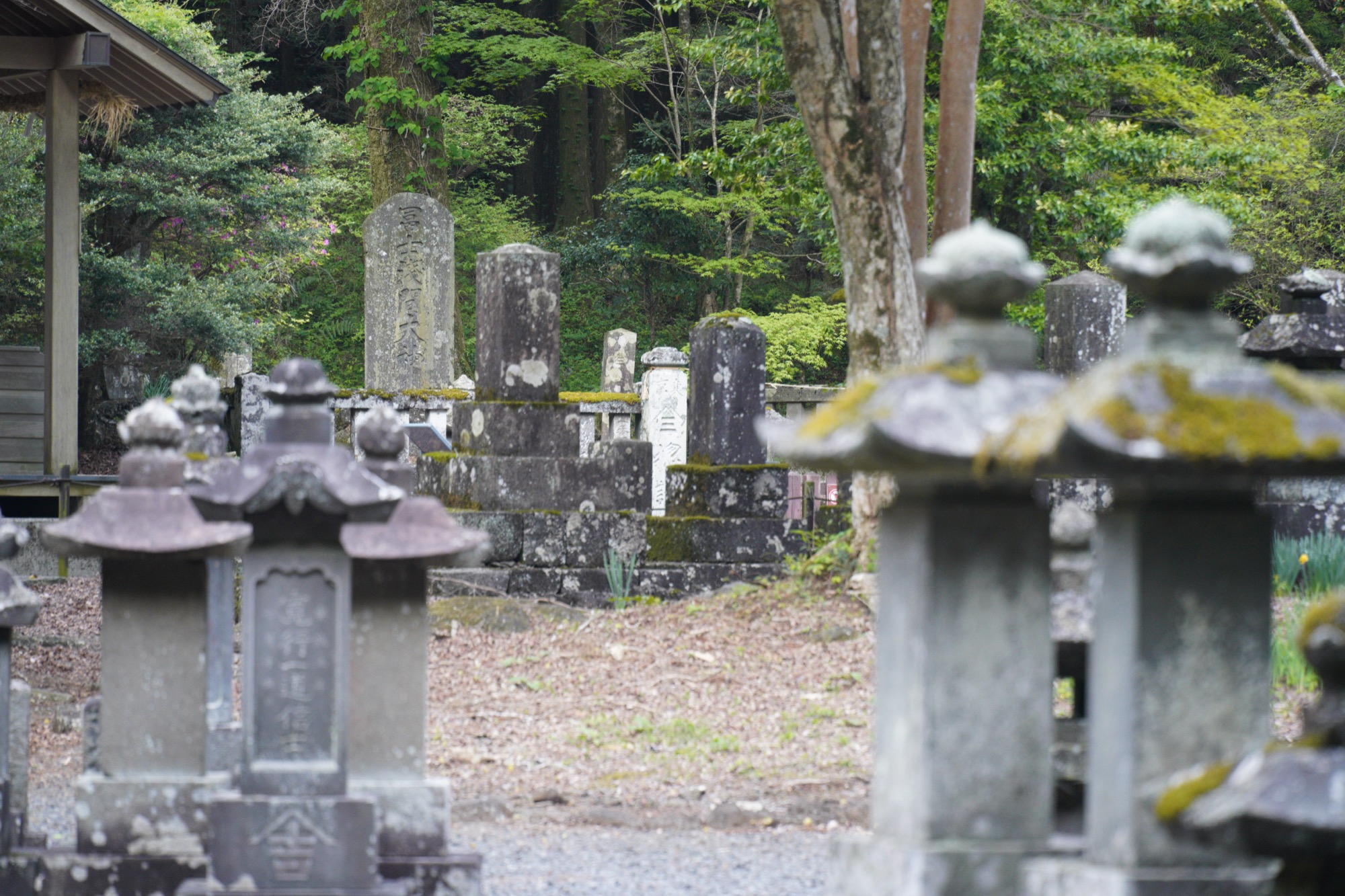
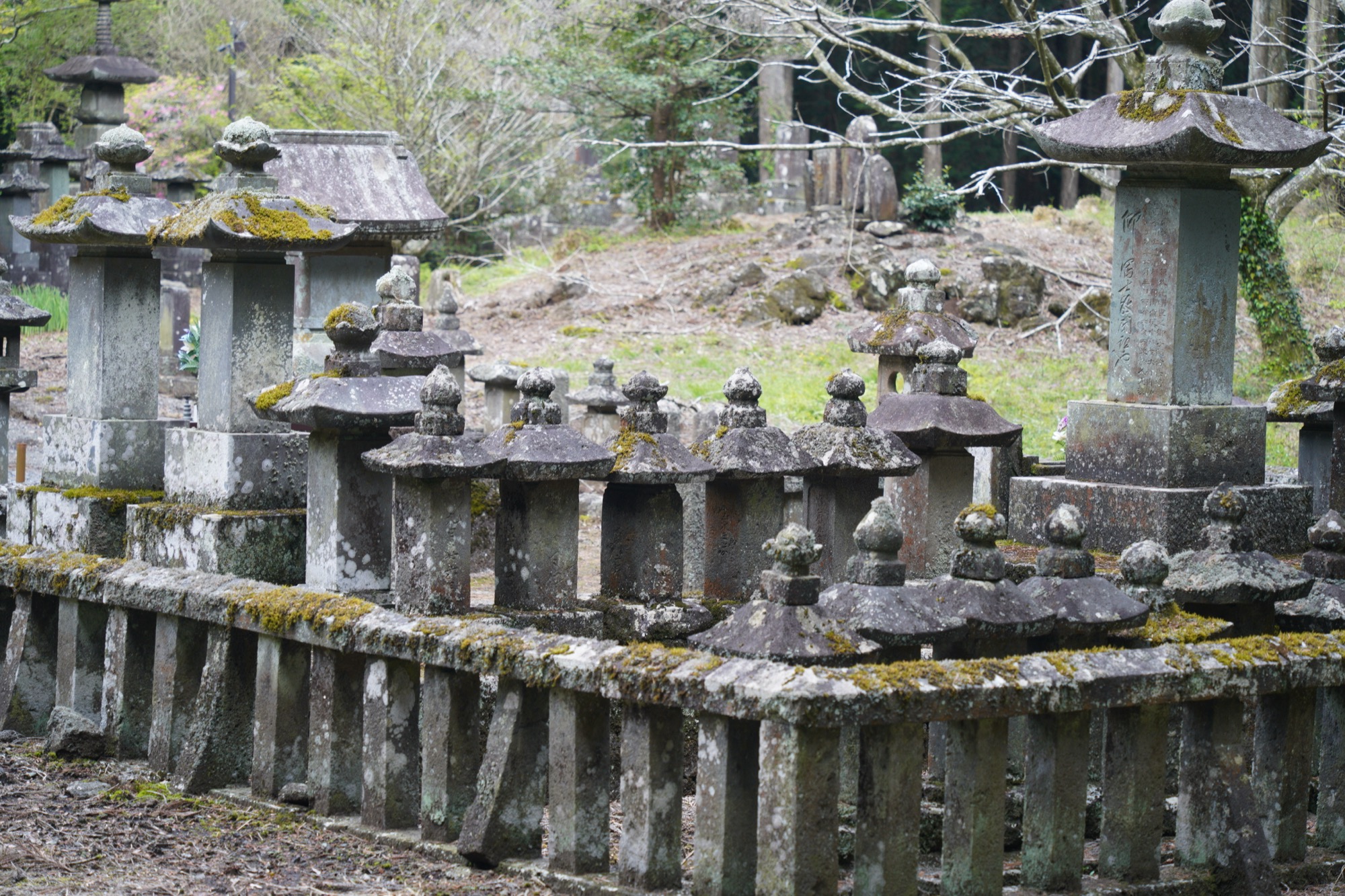
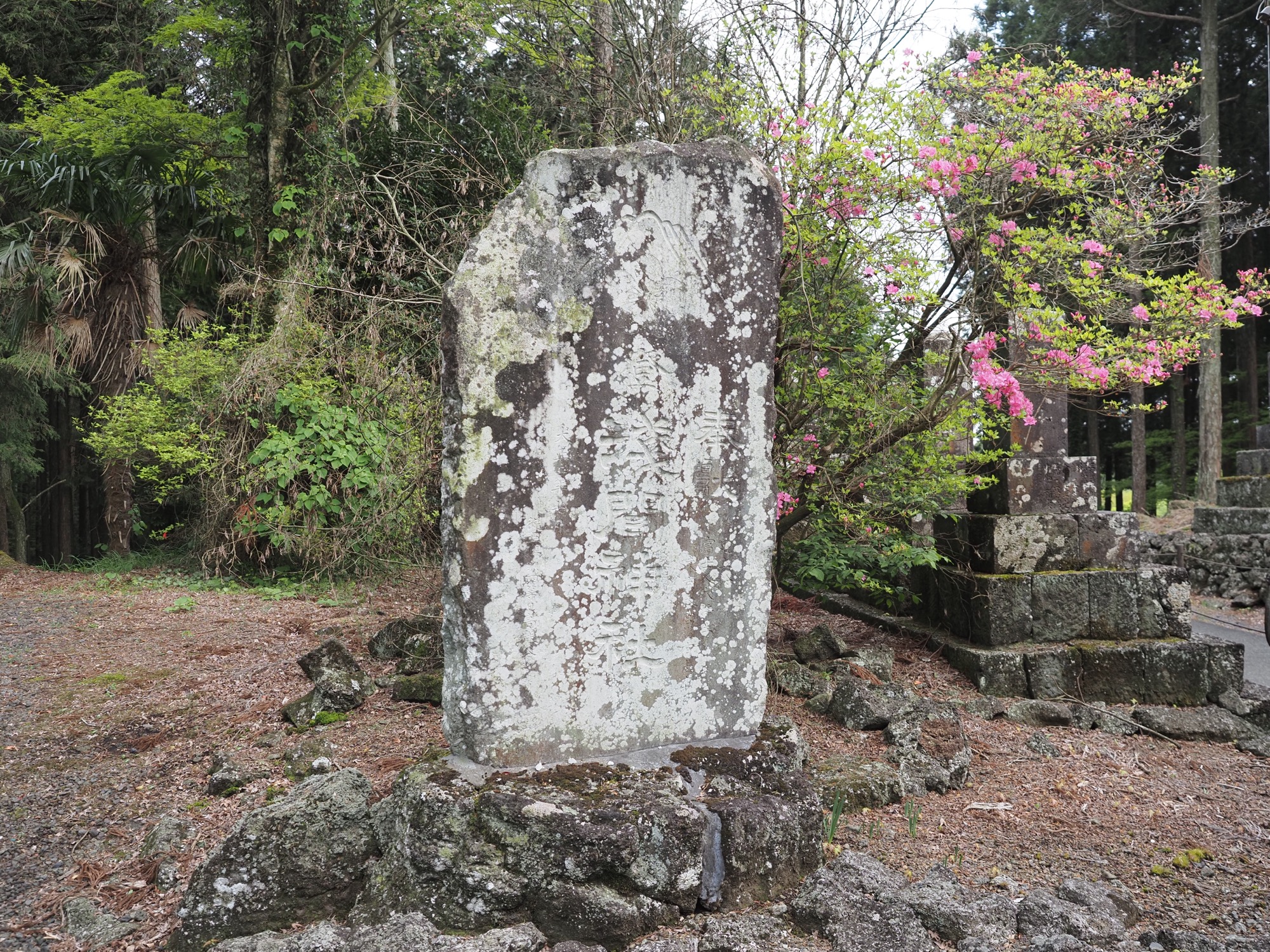
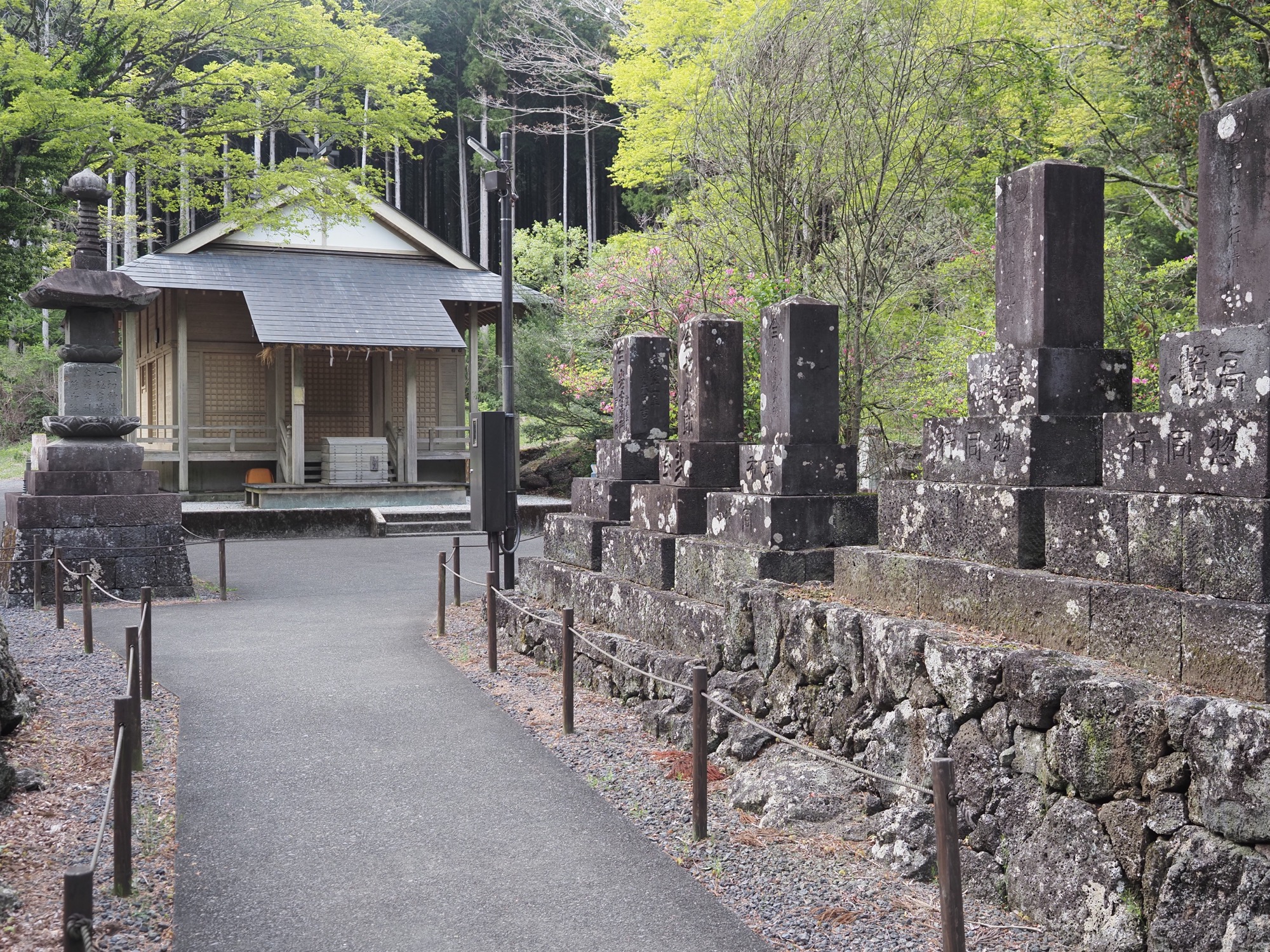
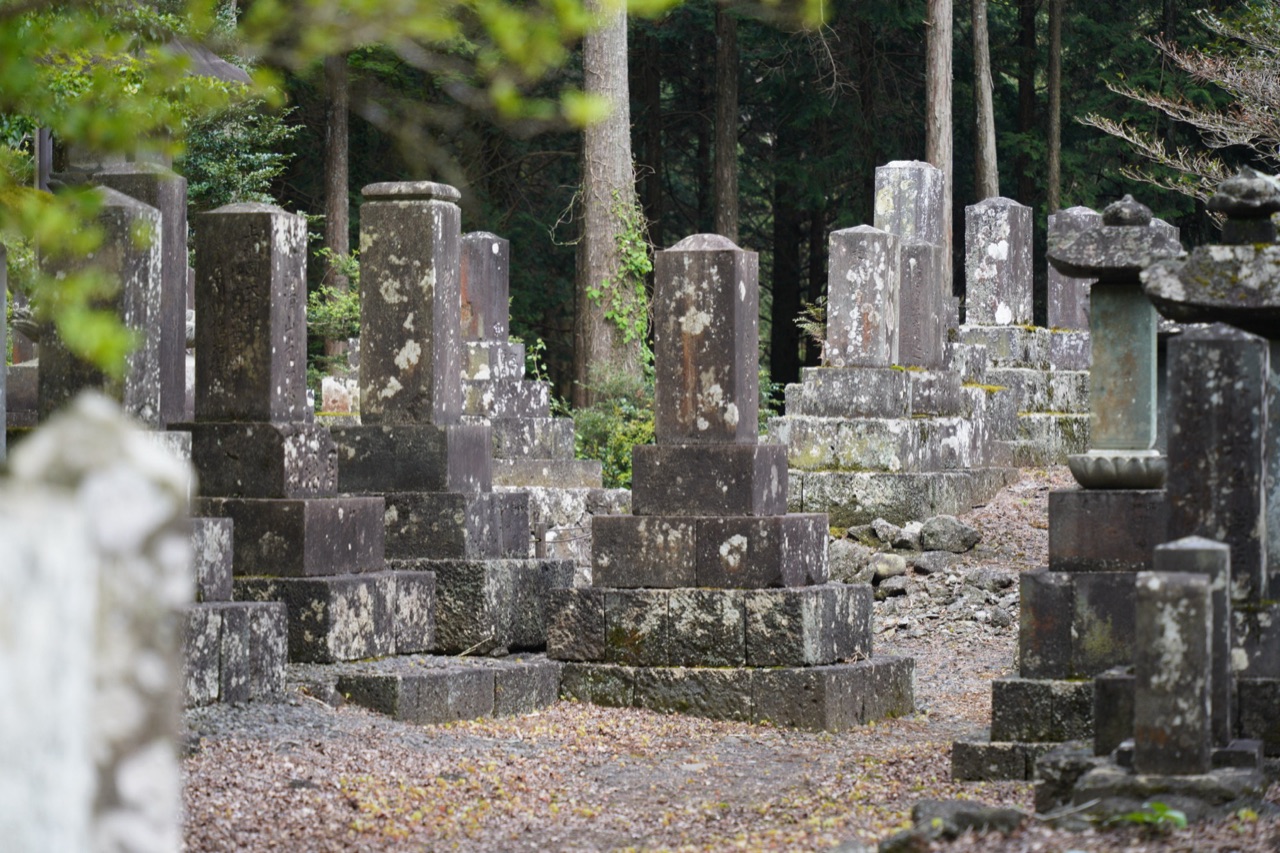
With the flourishing of Fuji-kō in the Edo period, Hitoana came to be venerated as the “Pure Land of the West” — the place of the founder’s death — and one of the holiest destinations of pilgrimage for believers seeking rebirth and salvation. The more than two hundred stone monuments that crowd the site were erected from the Edo through Meiji periods by confraternities of the Kantō region — to honour Kakugyō, to memorialise their leaders, to commemorate ascents, and in some cases to inter portions of the dead. The inscriptions bear the names of many kō, among them the Marufuji-kō and Yamasan-kō of Edo. After the reformer Jikigyō Miroku fasted to death at Eboshi Rock on the mountain’s northern face in 1733, reinvigorating the movement, Hitoana remained an indispensable pilgrimage destination: it was the earthly site most intimately bound to the founder Kakugyō, a western counterpart to the Yoshida-side sacred sites associated with Miroku.
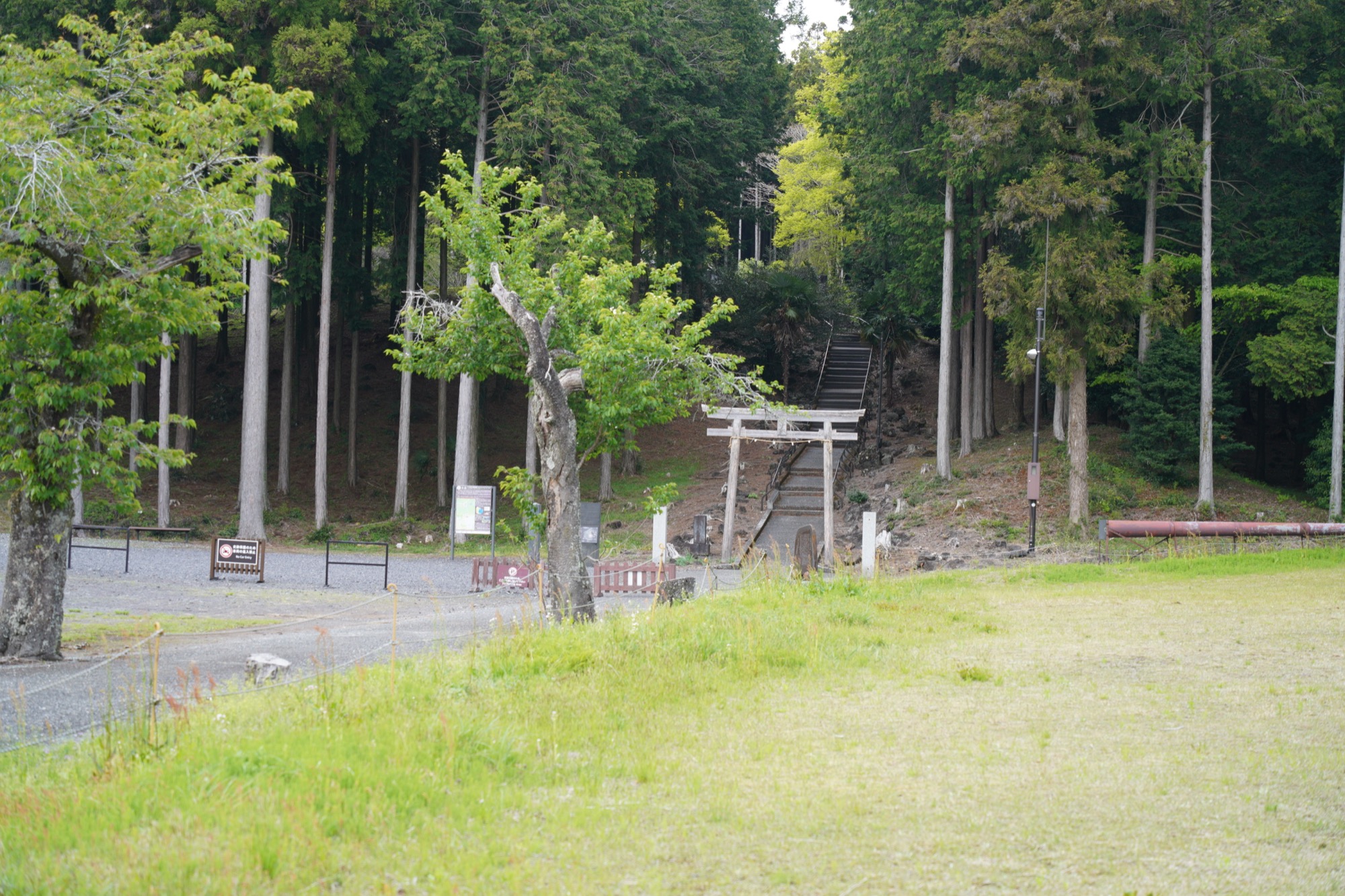
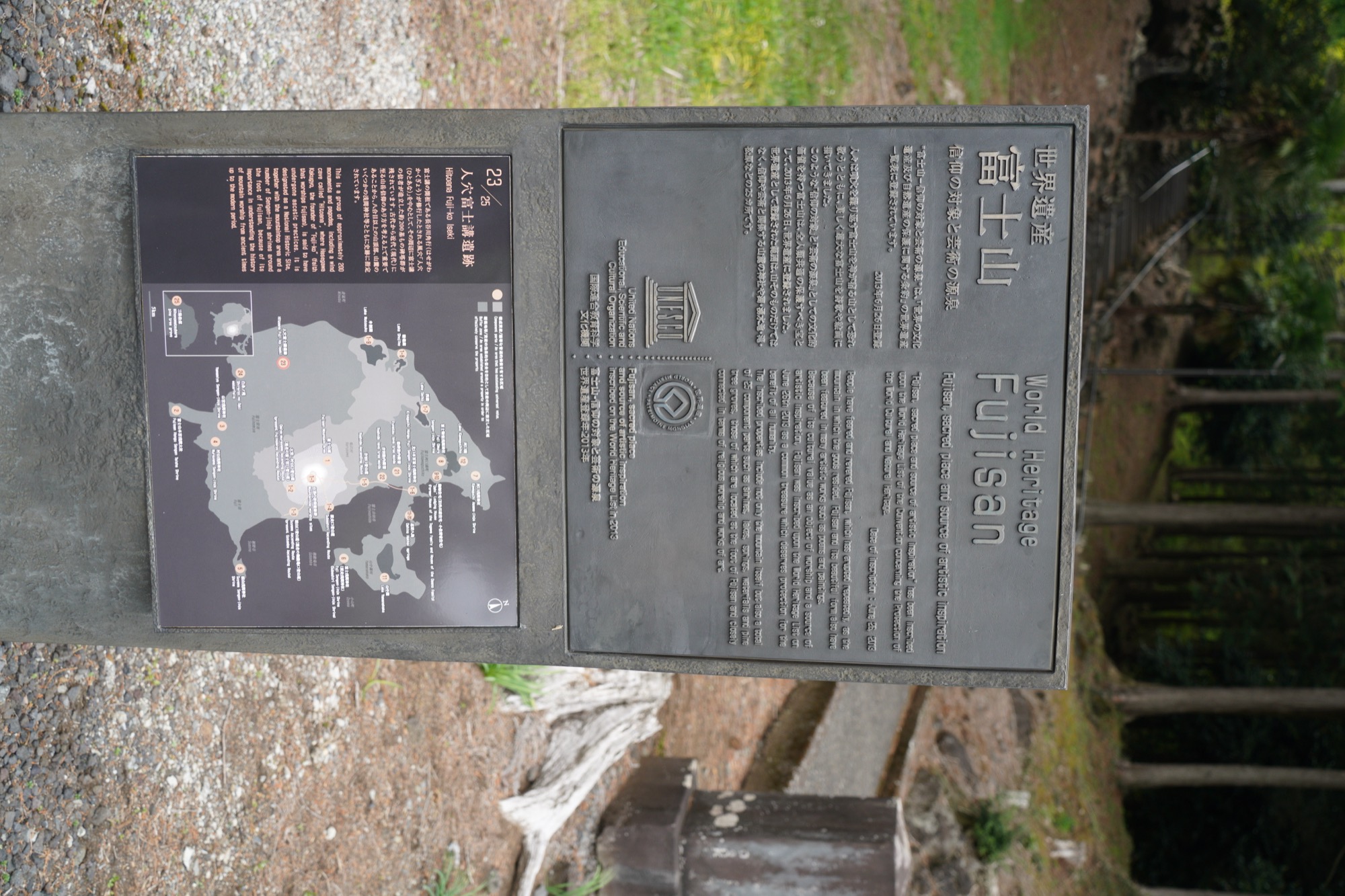
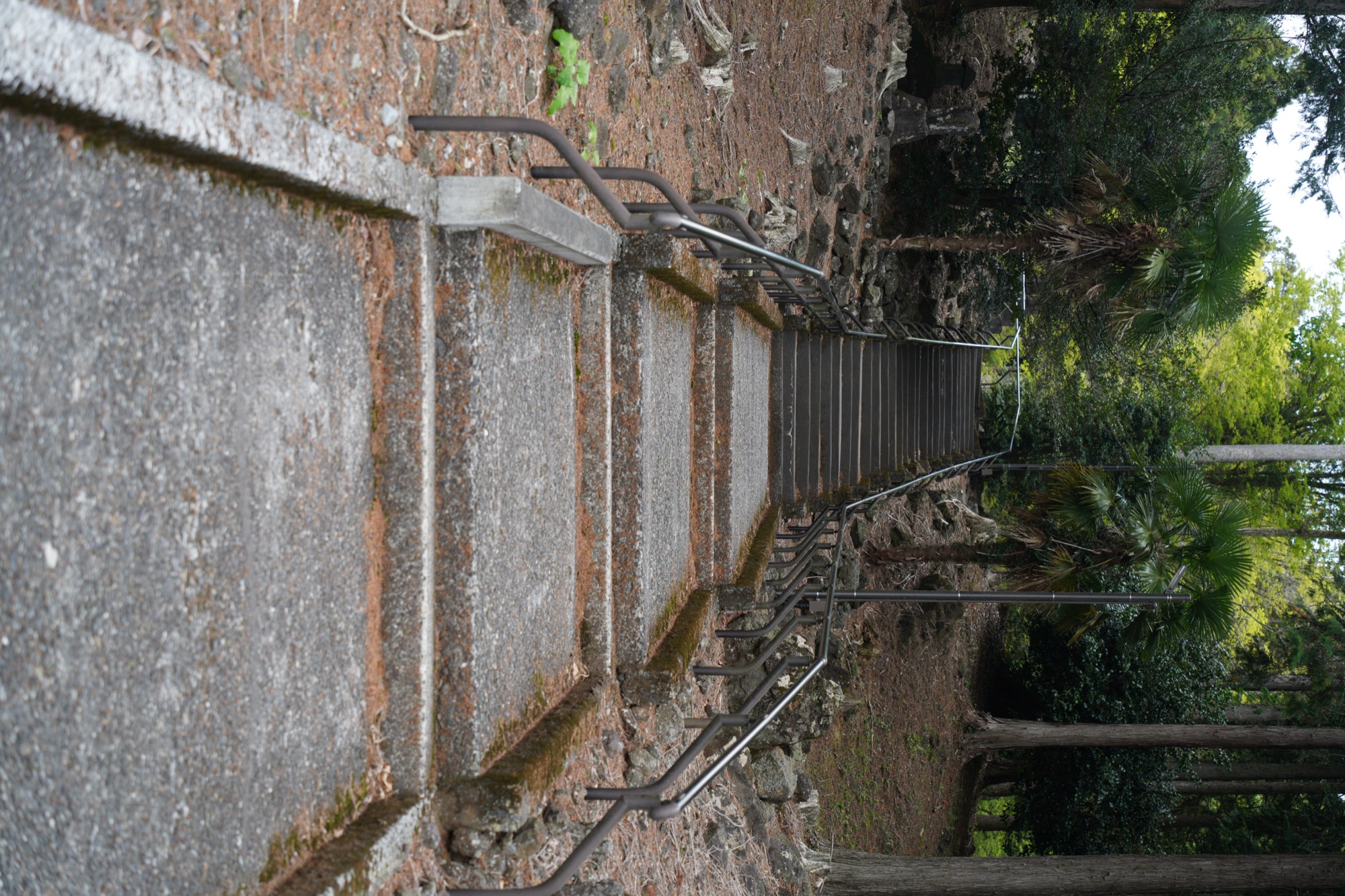
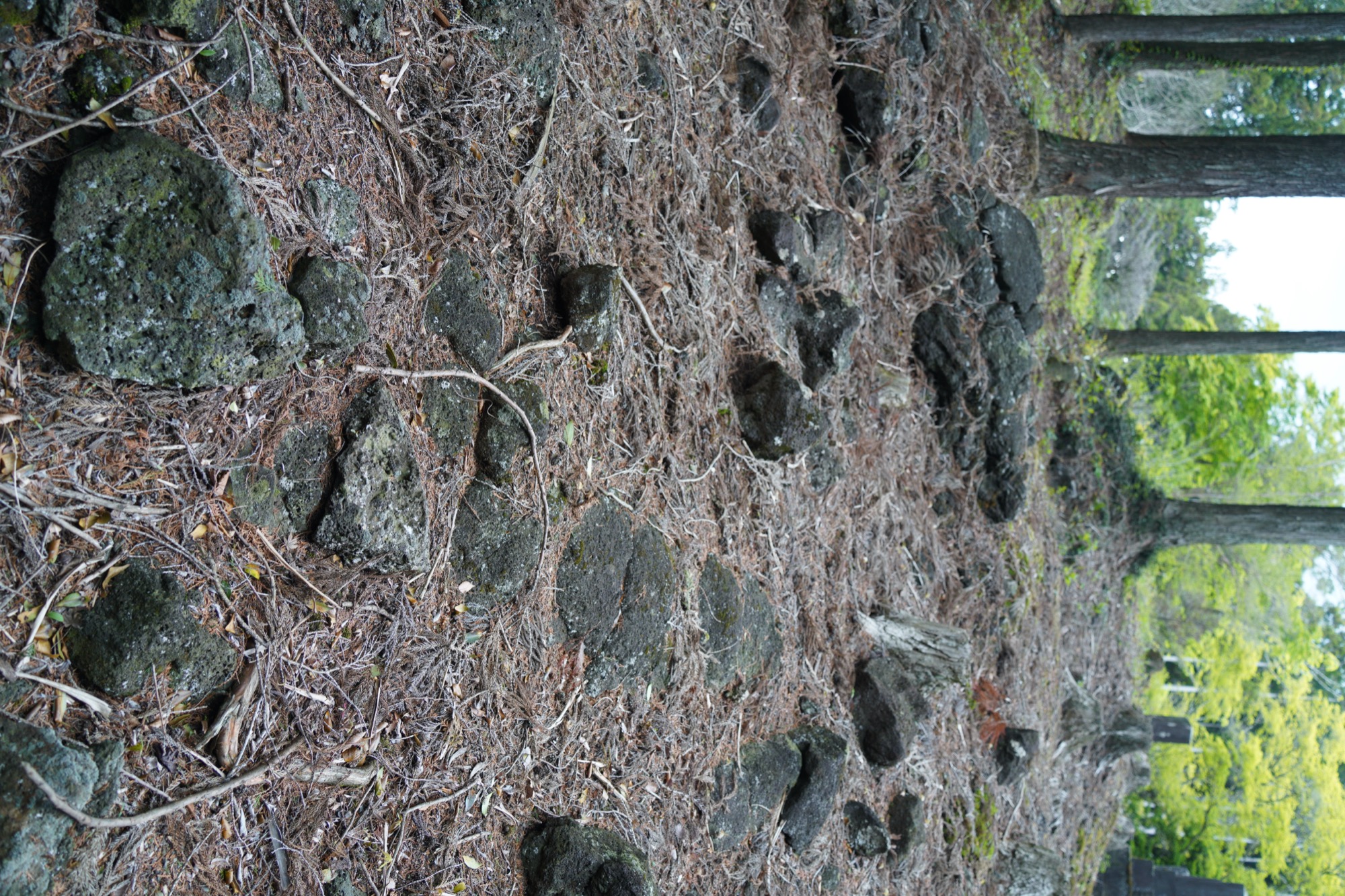
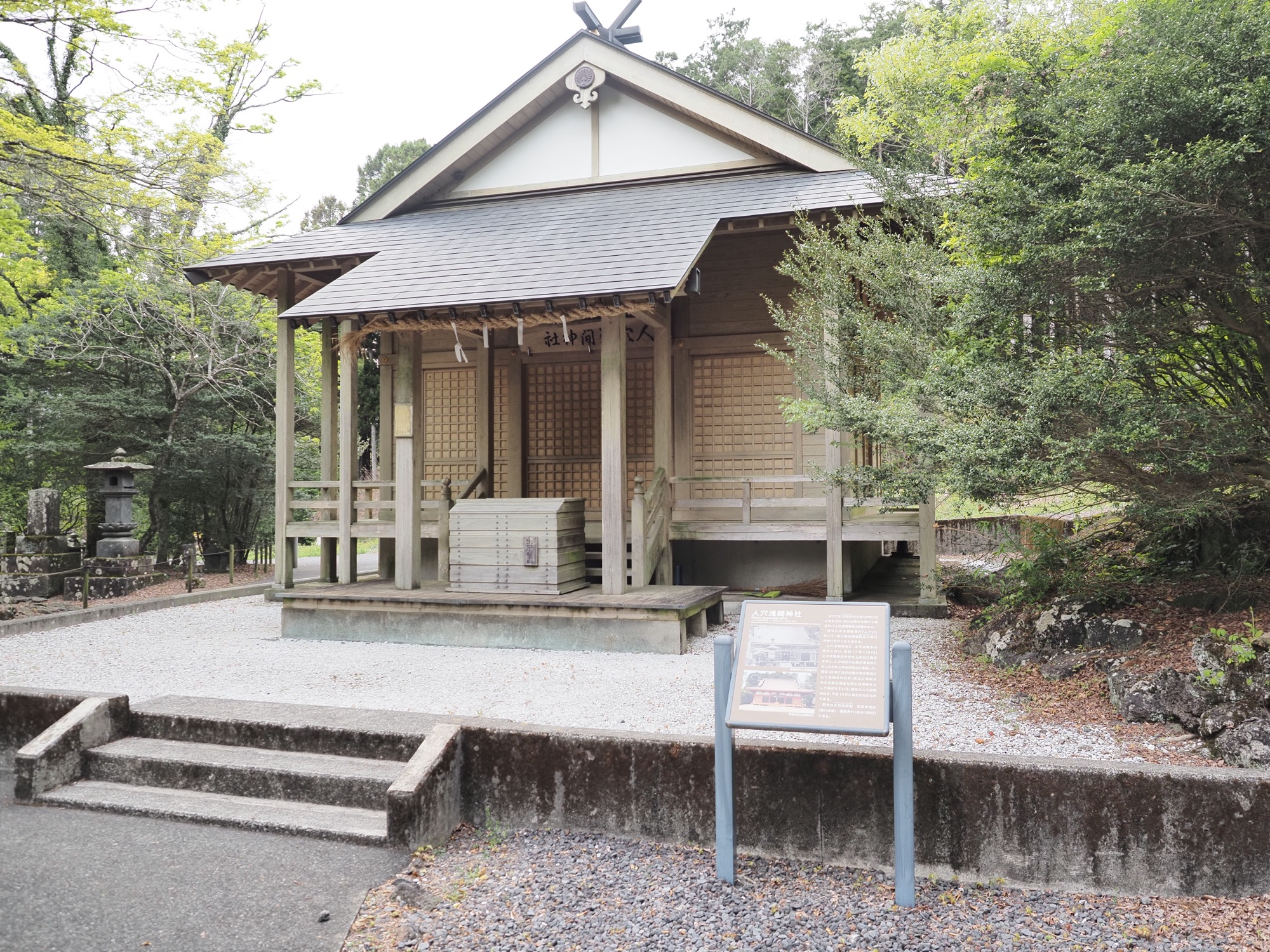
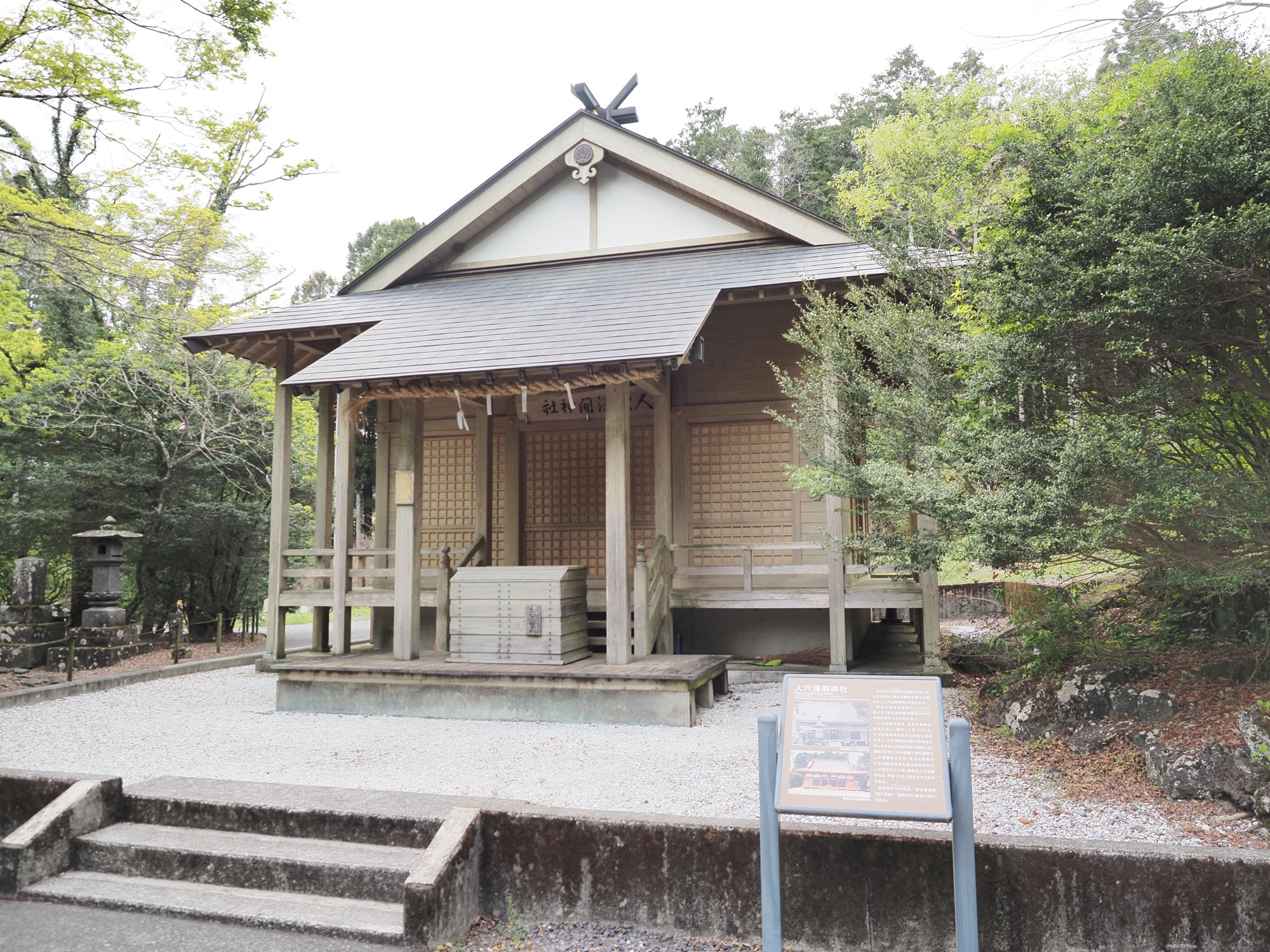
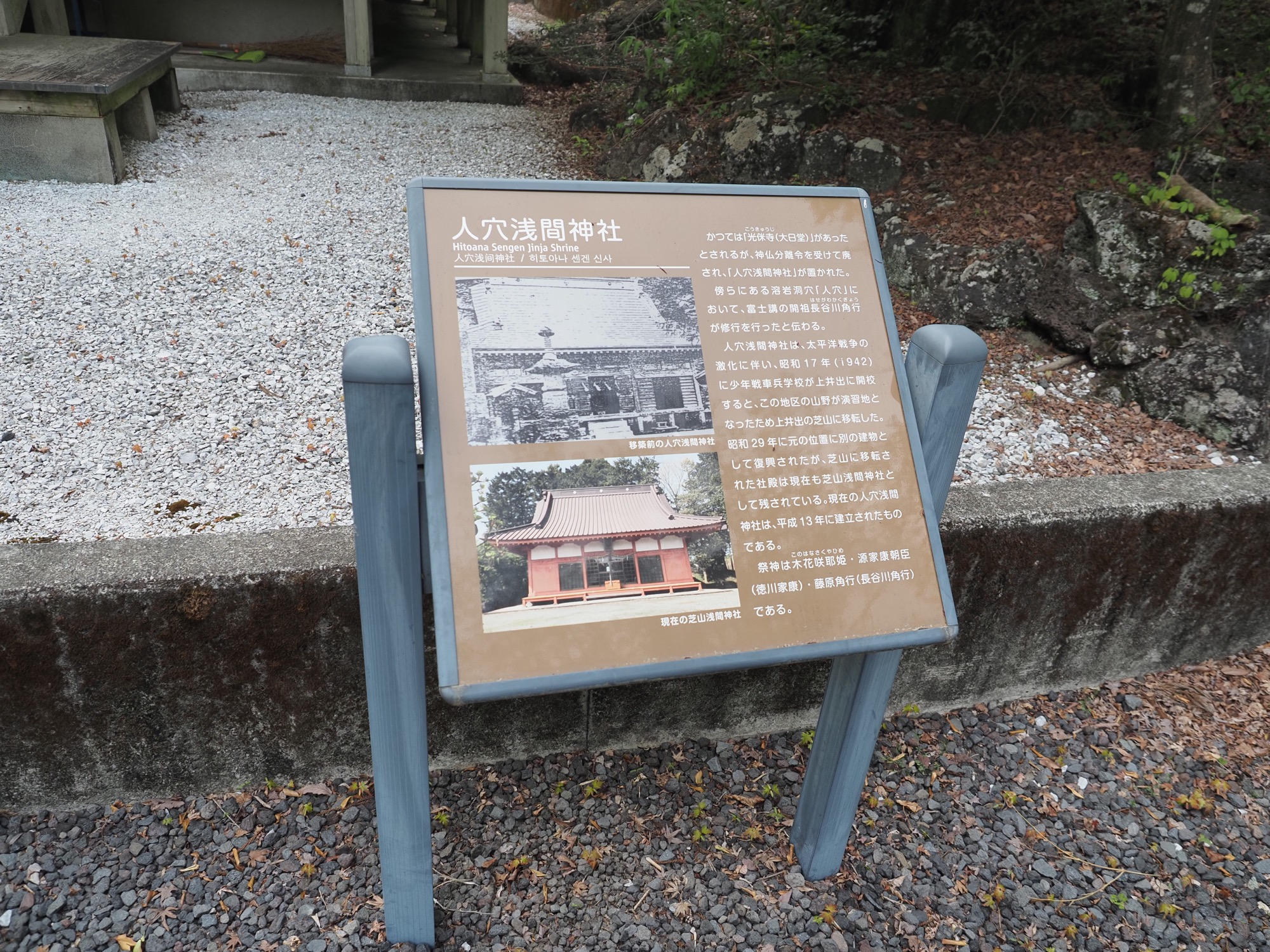
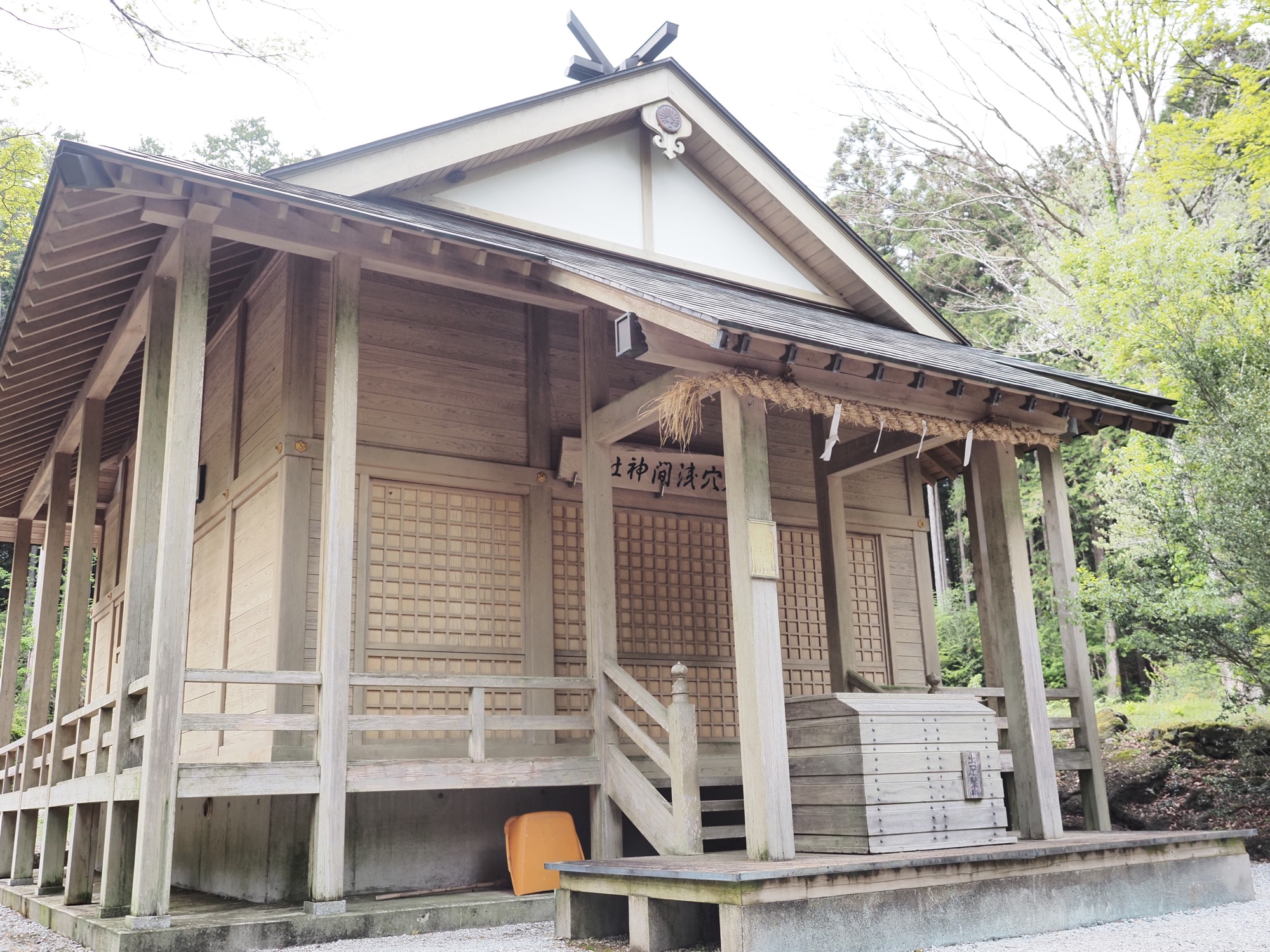
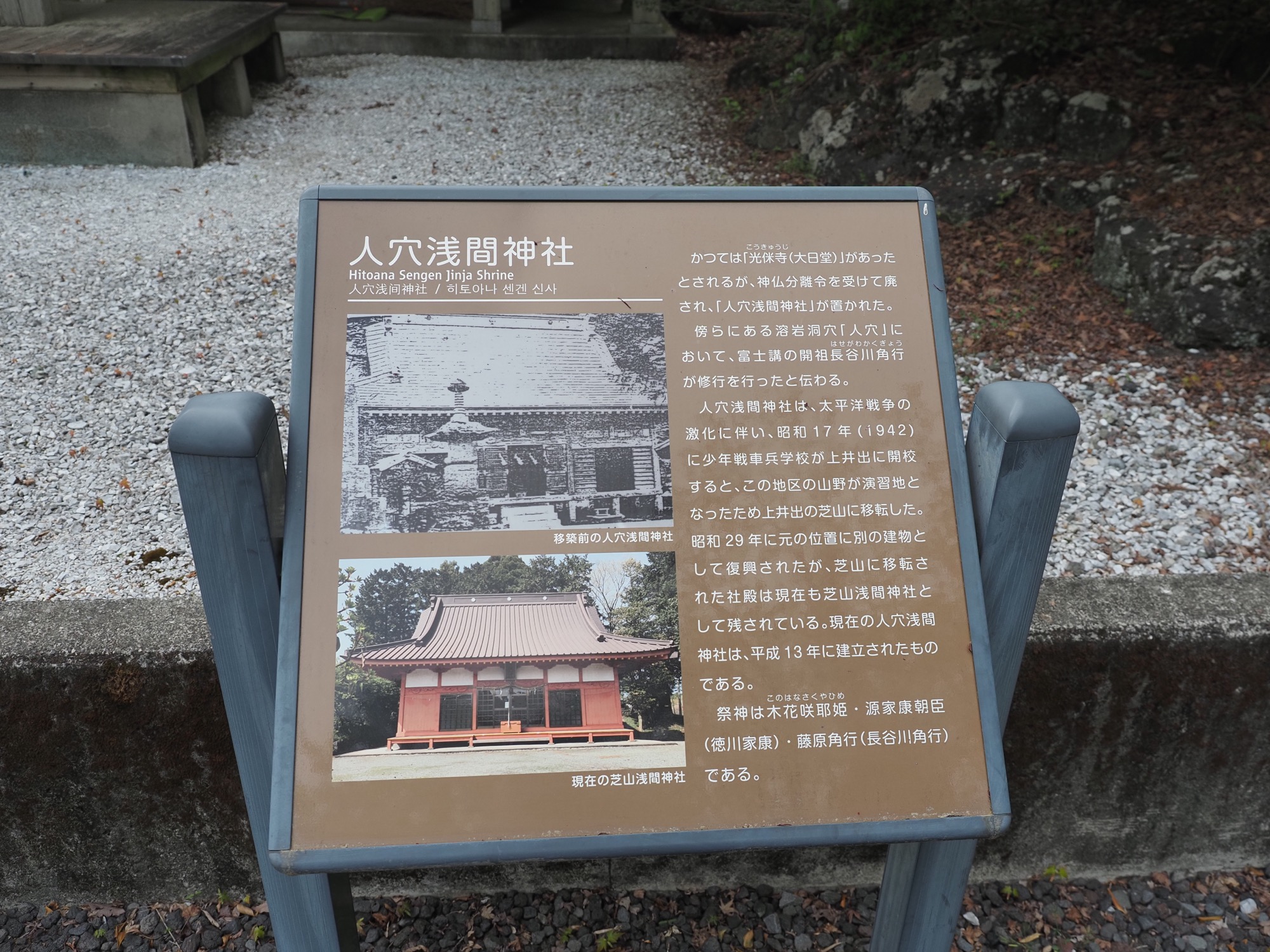
Beside the cave once stood the temple Kōbei-ji (rendered in historical sources as Kōkyū-ji or Kōbō-ji), which tended the founder’s memory and cared for practitioners; its central hall, the Dainichidō, enshrined Dainichi Nyorai. The hall was demolished in the Meiji-era separation of Shinto and Buddhism, and the site is now Hitoana Sengen Shrine. In 2013 it was inscribed as a component of the UNESCO World Heritage property Fujisan: Sacred Place and Source of Artistic Inspiration. In the darkness of the cave and the stillness of the stone monuments, the fervour of popular devotion seems sealed in place to this day.