Ninomiya Sengen Shrine
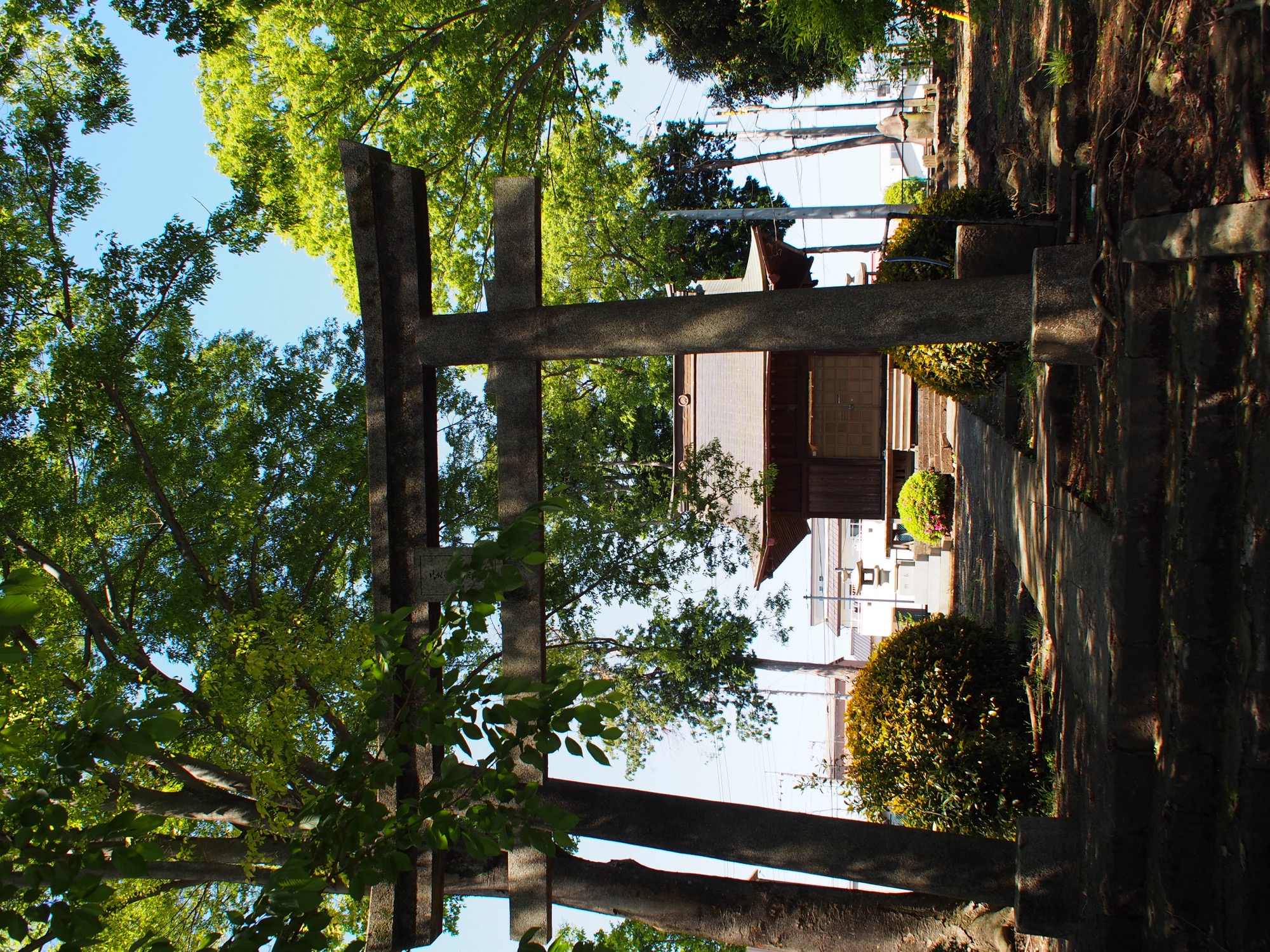
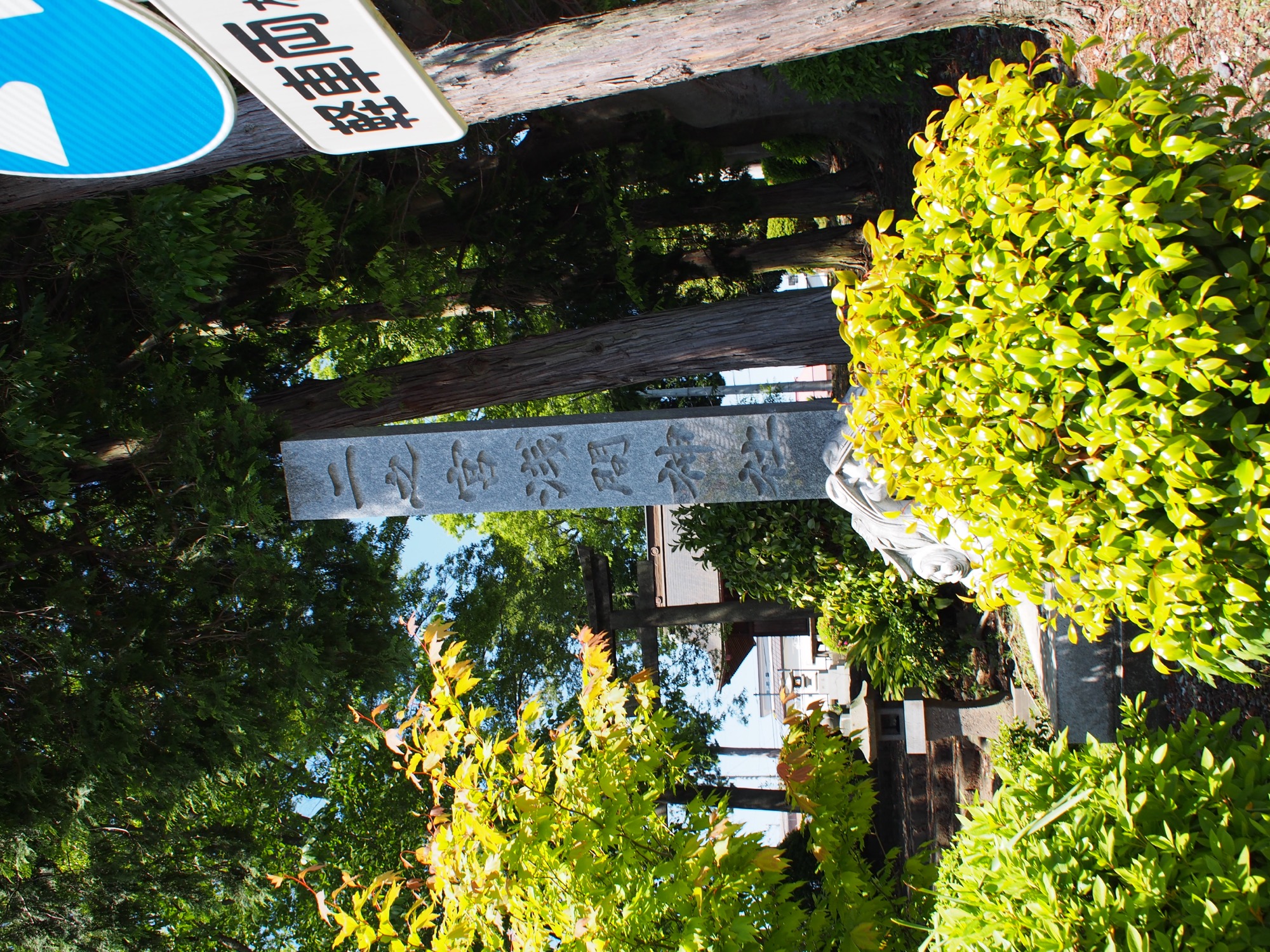
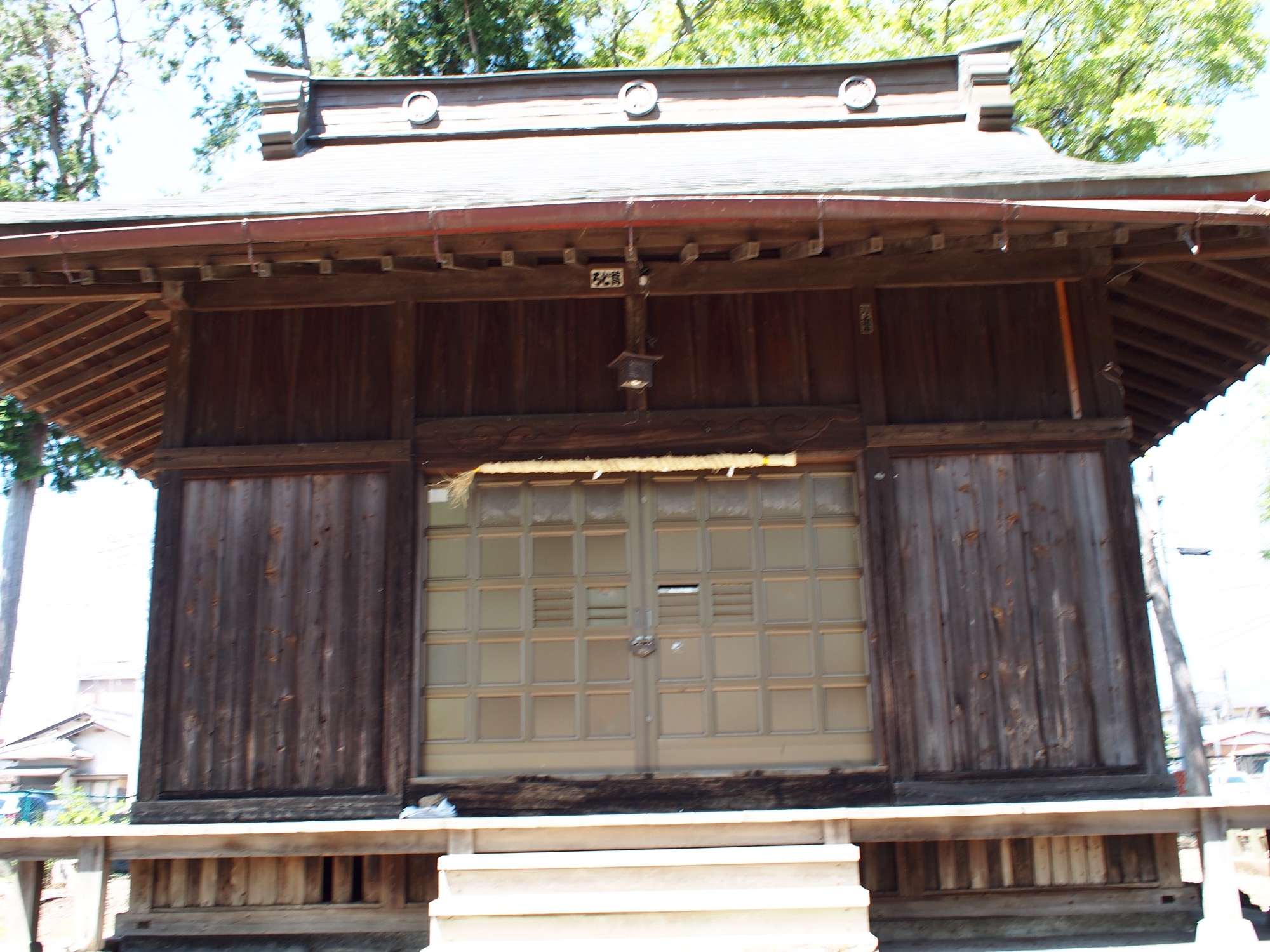
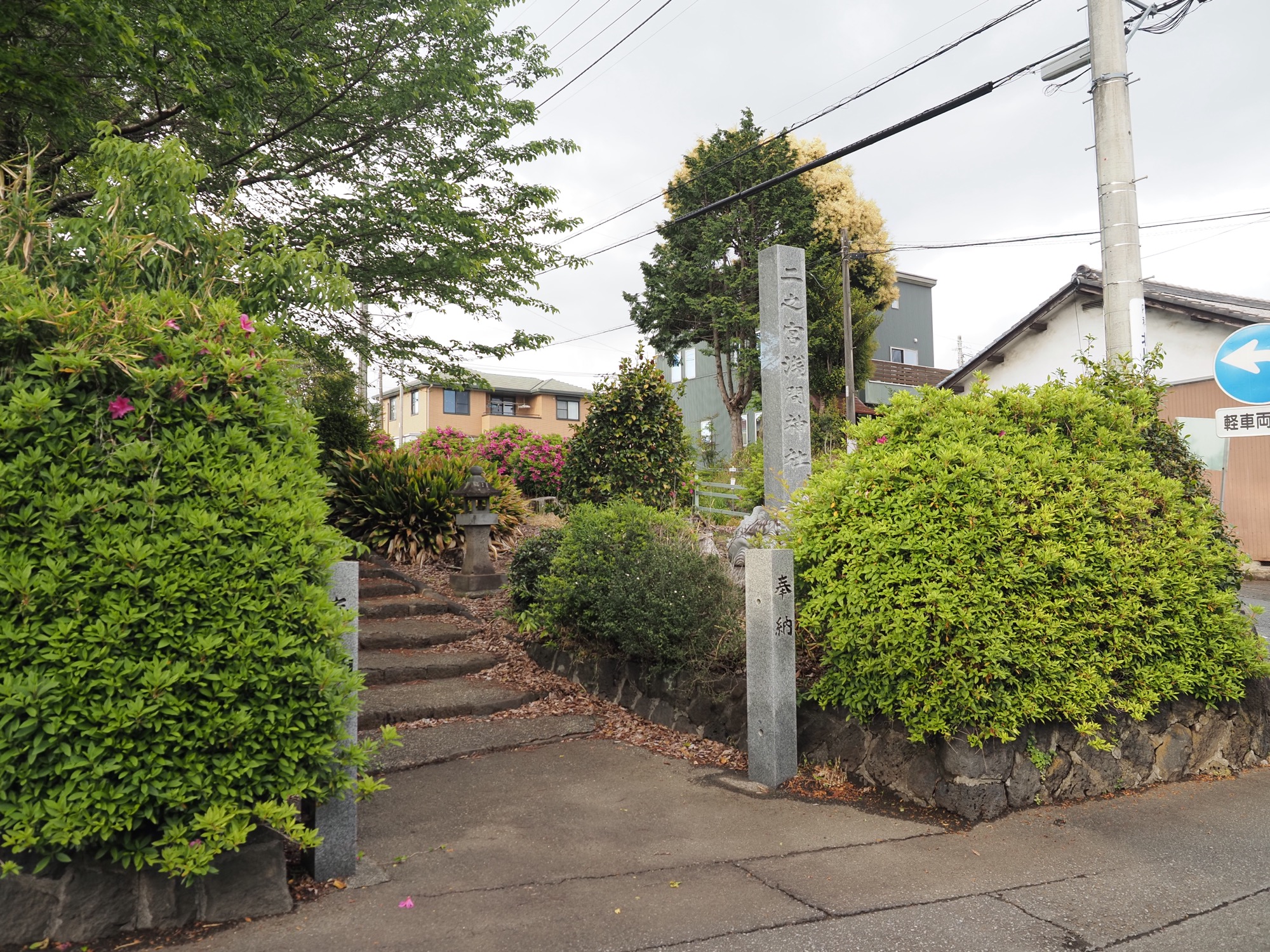
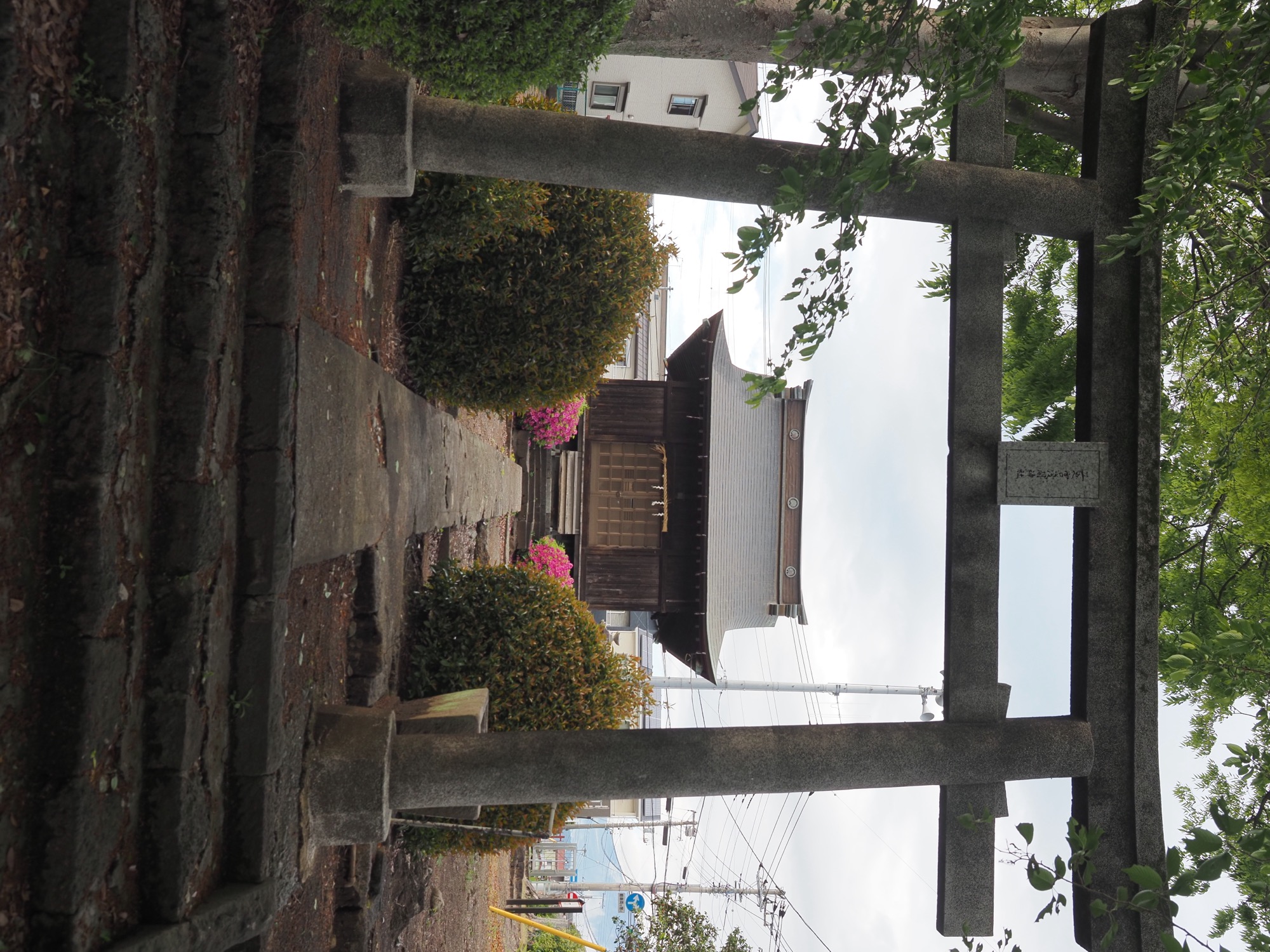
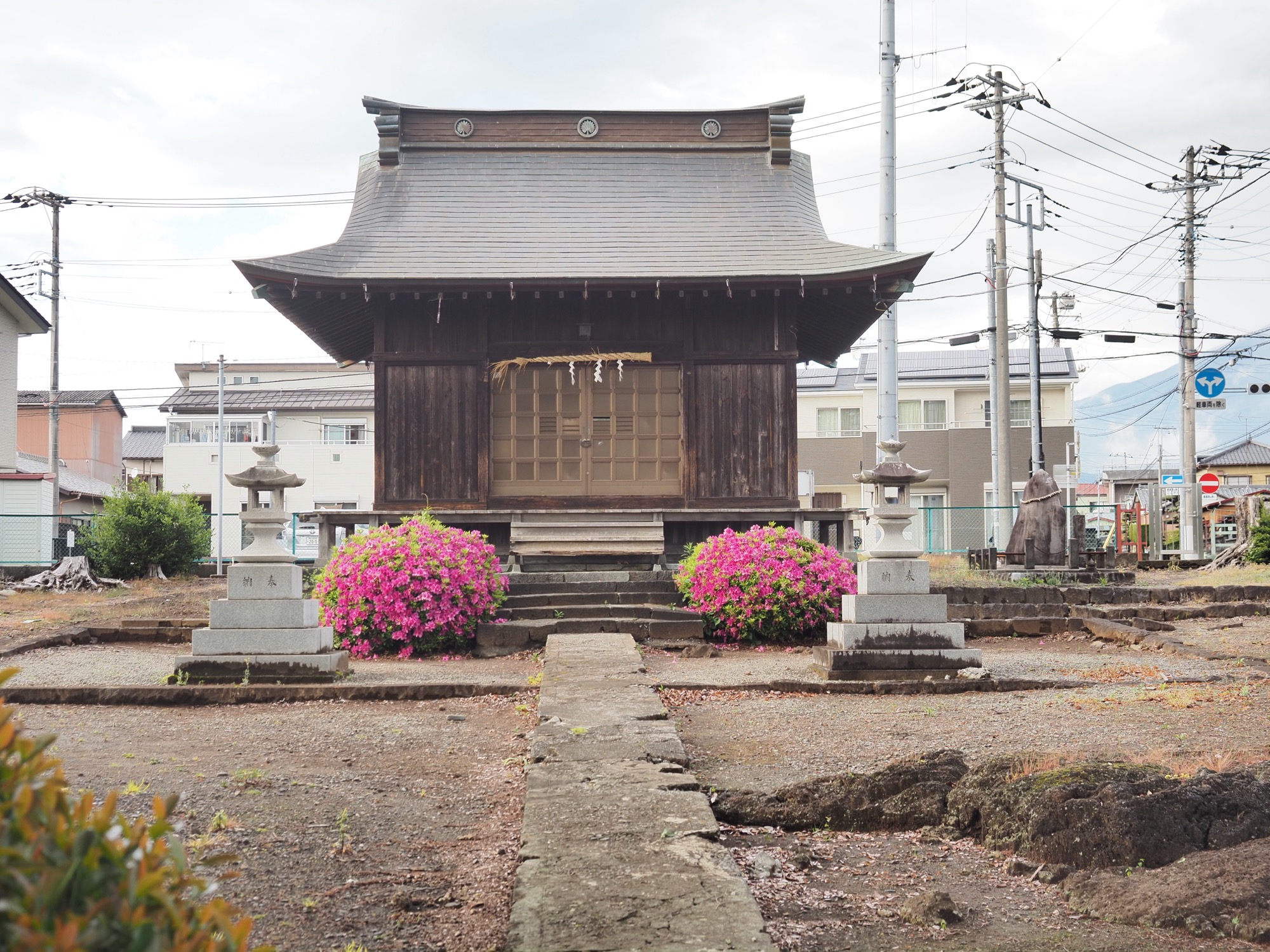
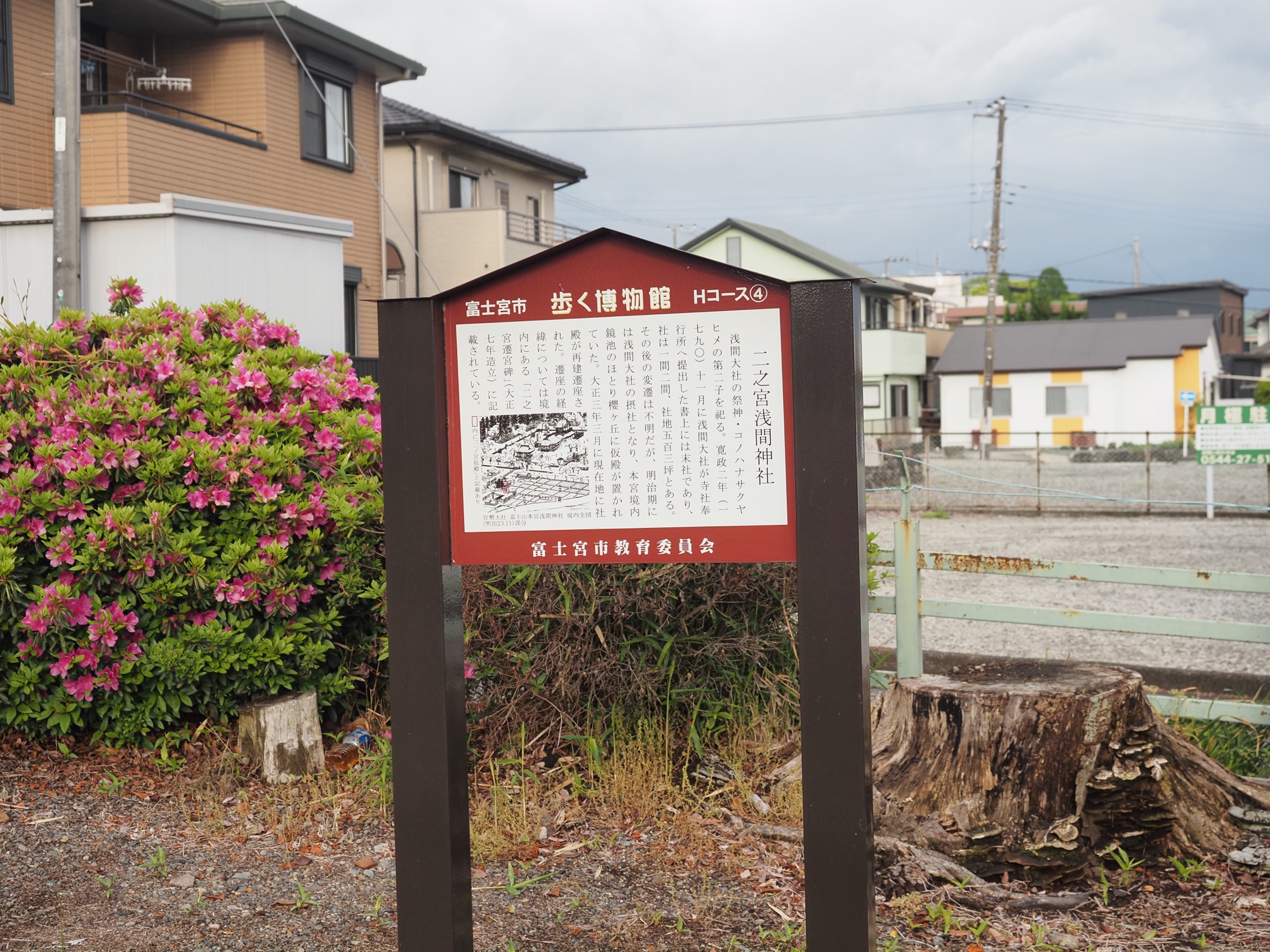
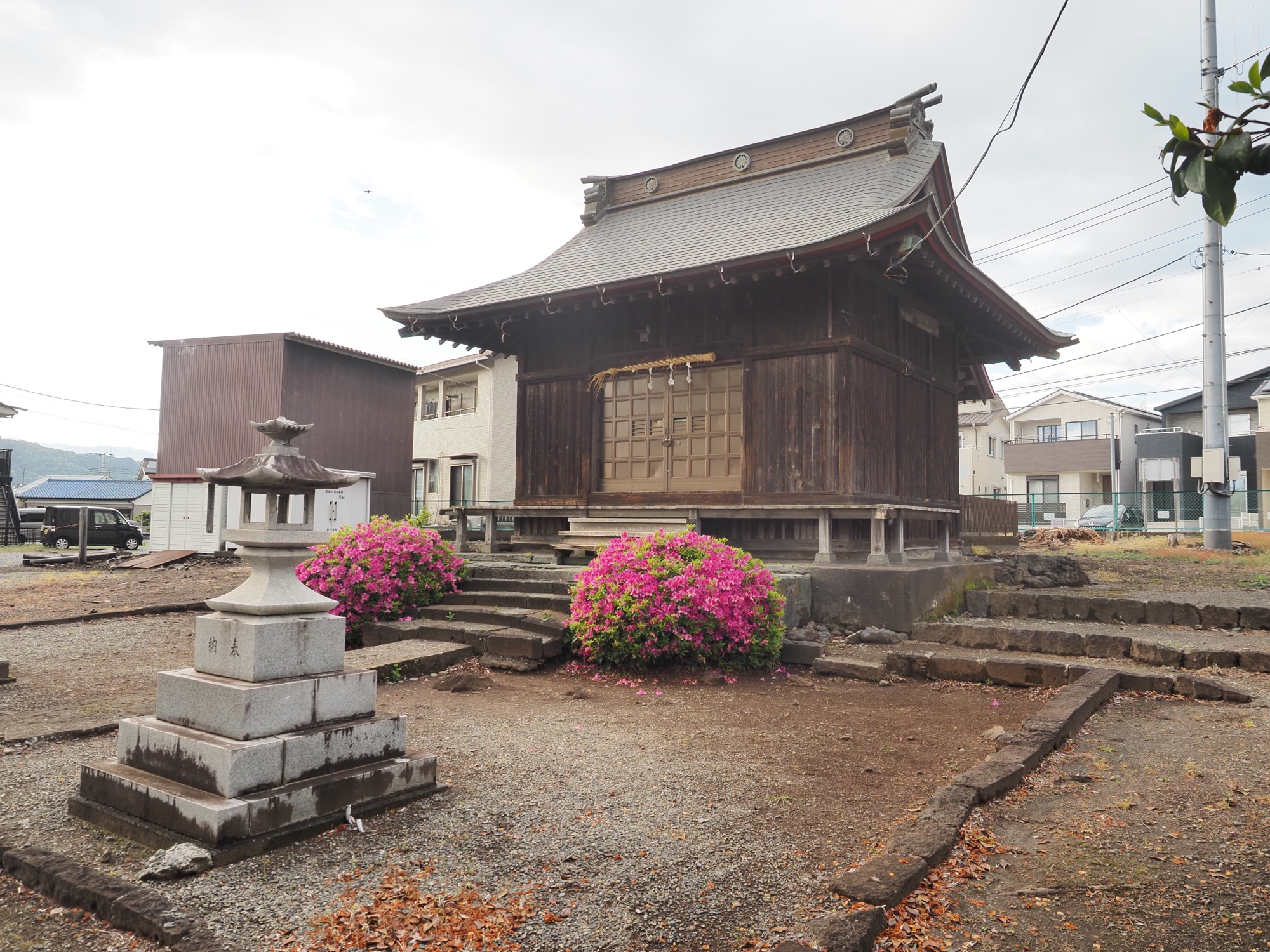
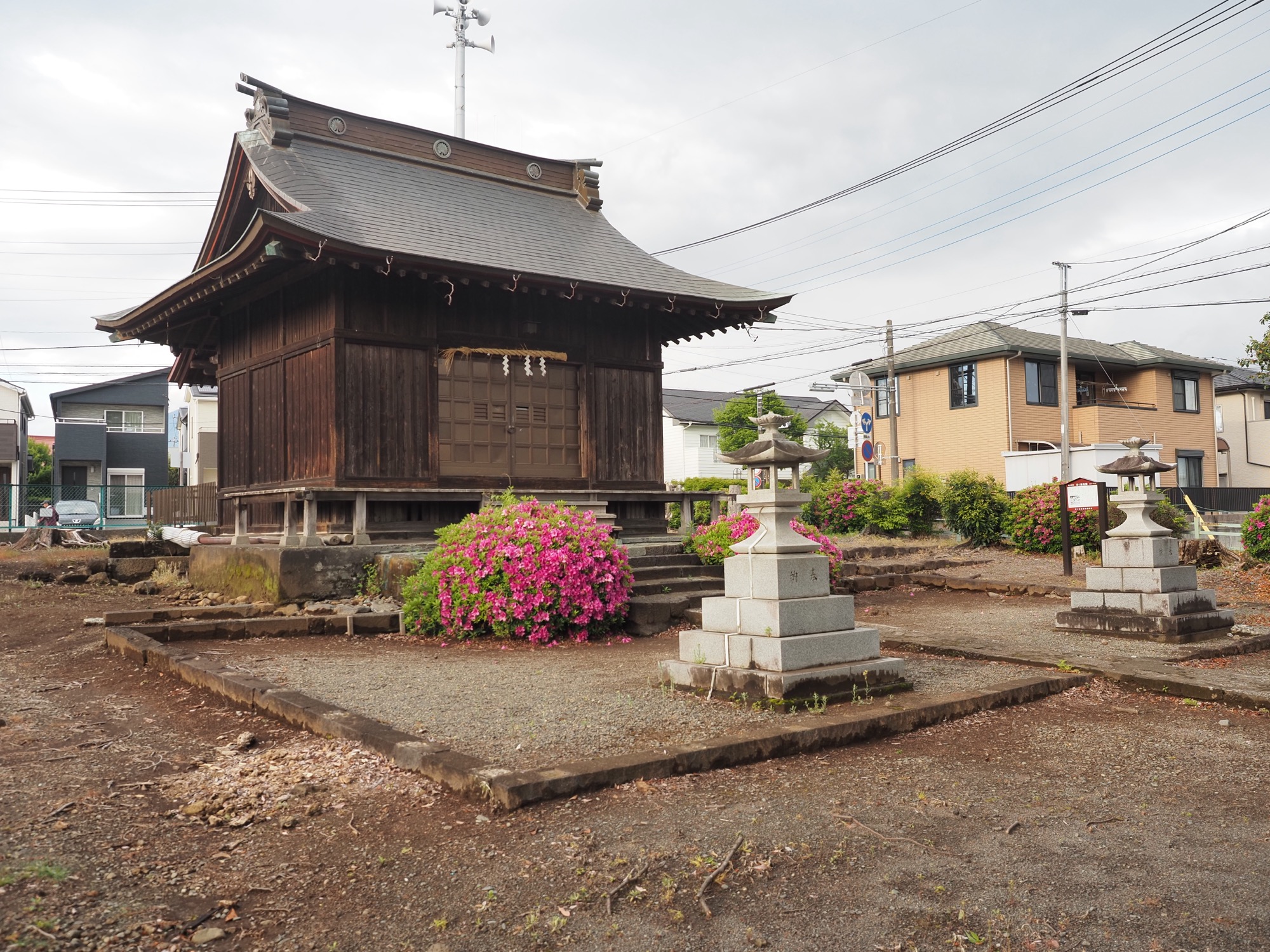
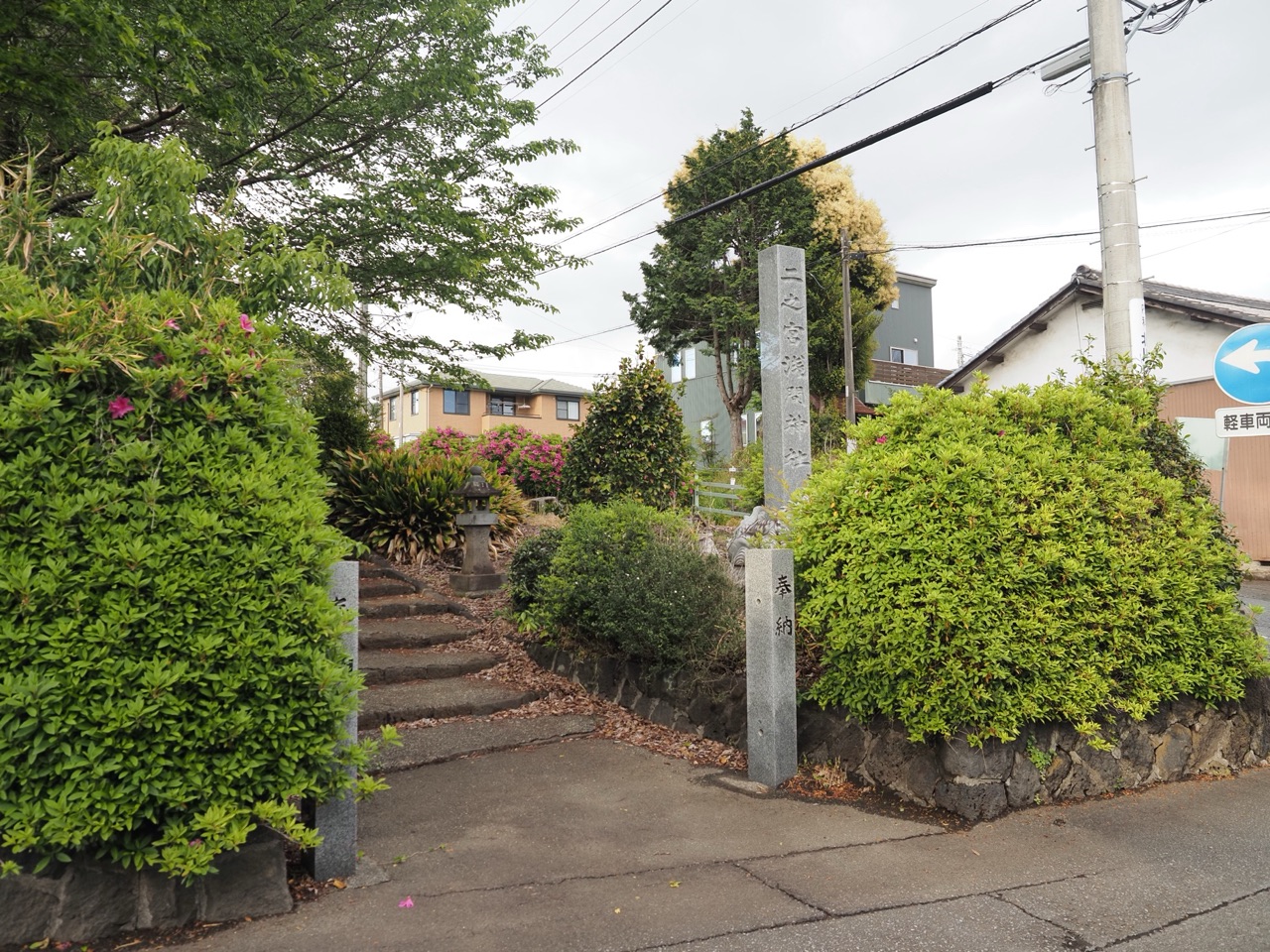
A Sengen shrine seated on a low hill in the old Ōmiya district of Fujinomiya. The name Ninomiya — “second shrine” — derives from its deity, the second divine child of Asama no Ōkami, Konohanasakuya-hime. The Sengen shrines of Ōmiya were organised as a divine family with the great goddess as mother, and this shrine, ranking after Wakanomiya (the first prince), has long held an important place in the ritual network of Sengen Taisha.
Its founding date is unknown, but the shrine was incorporated from early times into the seventy-five annual observances of Sengen Taisha, and its name appears in the Fuji Ōmiya Goshinji-chō of 1577 (Tenshō 5), a Sengoku-period register of rites. It bore significant roles in the hagatame ceremony of New Year’s Day and in the regular festivals of the fourth and eleventh months, its rites once performed hereditarily by the shi-no-miyaji, attendant priests of the head shrine. This was never a shrine complete in itself, but a member of a ritual sphere centred on the great shrine — and as such it has lived for nearly a thousand years.
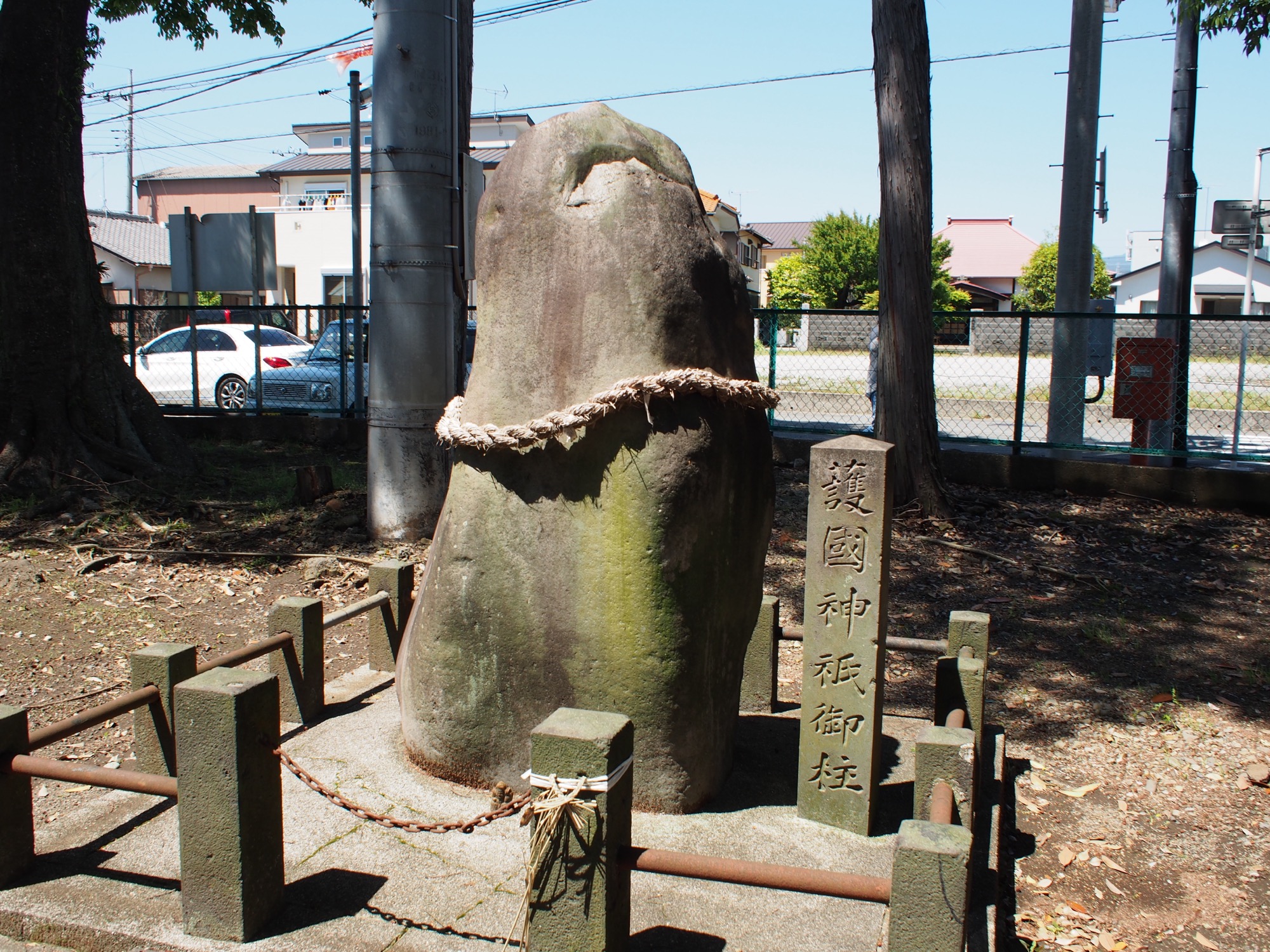
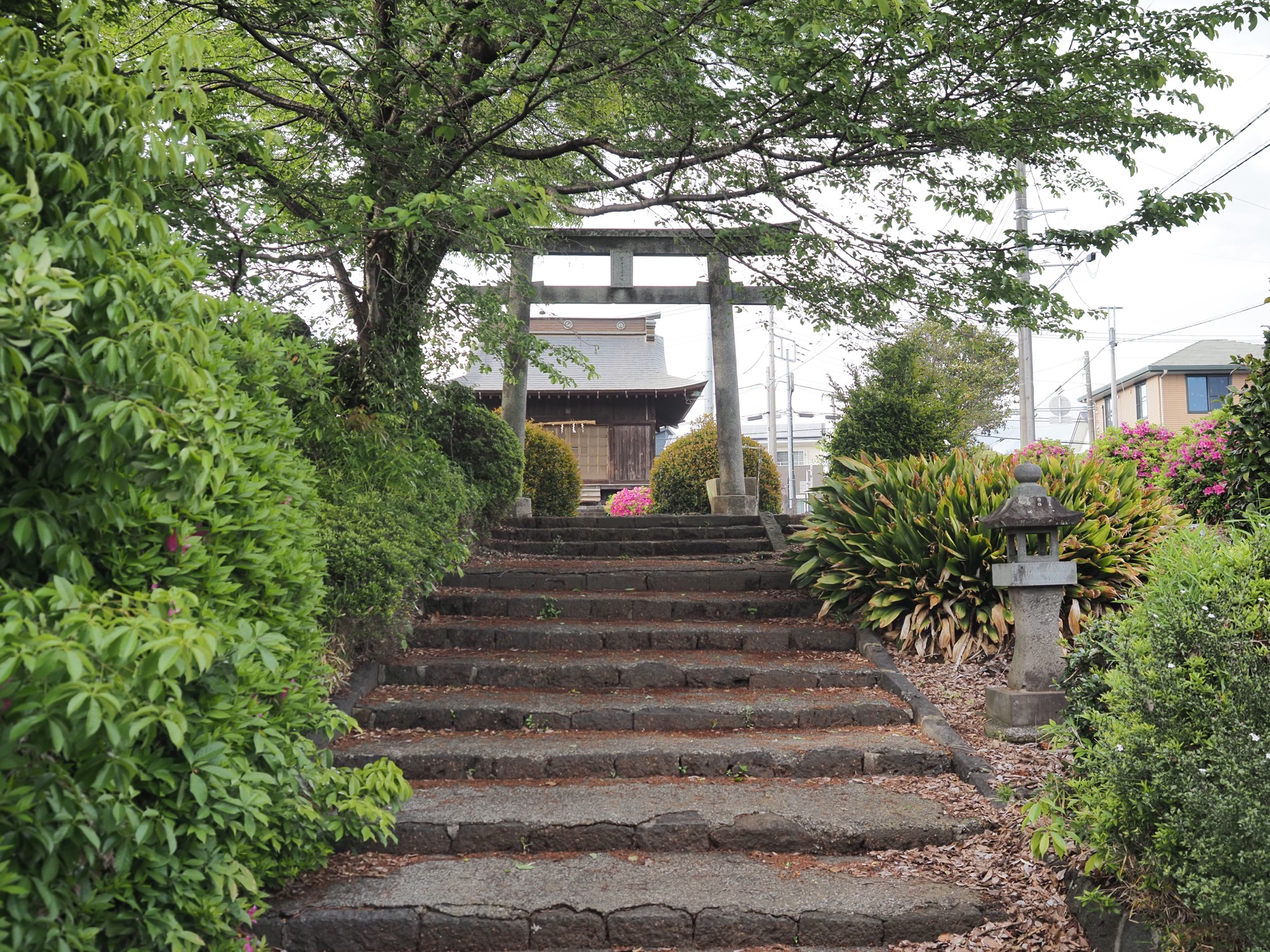
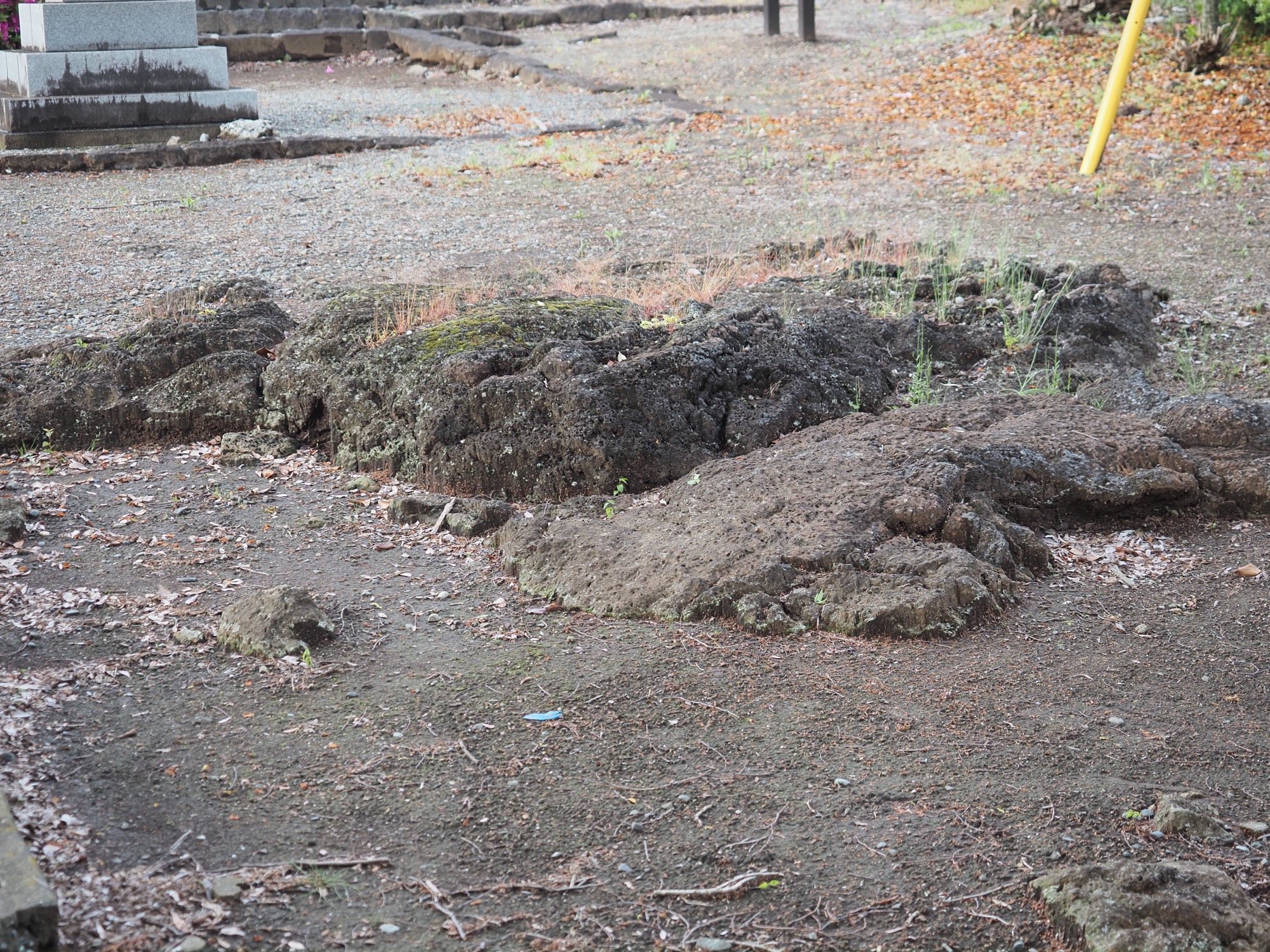
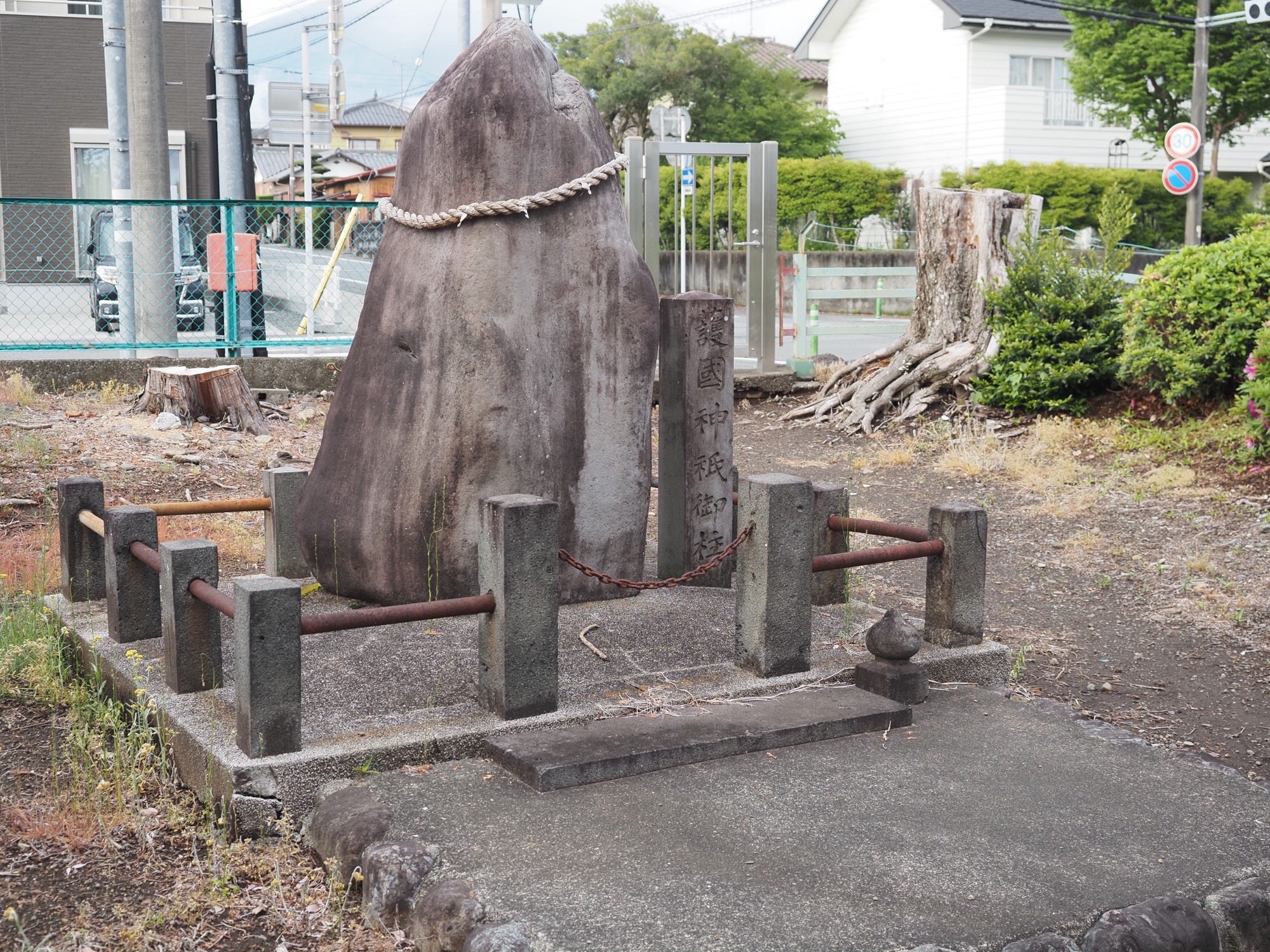
Within the precinct, lava flowed from Mt. Fuji lies exposed. Here is the siting peculiar to the Ōmiya district: shrines raised at the very ends of lava flows to quell the mountain’s eruptions. To enshrine a divine child where the raging power of fire expires, and to pray for its conversion into the water’s blessing that brings forth springs — the fundamental structure of Sengen belief runs through the placement of even this small shrine.
Standing in the quiet hilltop precinct, one sees that the shrine’s name, its lava, and the old registers of its rites all interlock within a single system. It is a place that teaches, from the ground up, what it means that Ōmiya is the town of Sengen Taisha.